
Diving at Trident (Trinidad and Tobago)
Venturing into Trinidad and Tobago's southern waters reveals a dynamic dive landscape, especially around Trident. This area acts as a gateway to sites like Divers Dream and Divers Thirst, known for their powerful, ever-changing currents. Divers here embrace the unpredictability, seeking the thrill of drift dives and the promise of larger marine encounters. It's a destination for those comfortable navigating strong flows and eager for diverse underwater experiences.
Tonight's objective overview for Trident shows an air temperature of 30°C. The measured surface conditions include wave heights around 1.1 m. This environmental data is logged for the close of the day.
Dive Site Location & Key Facts
Dive Site Overview
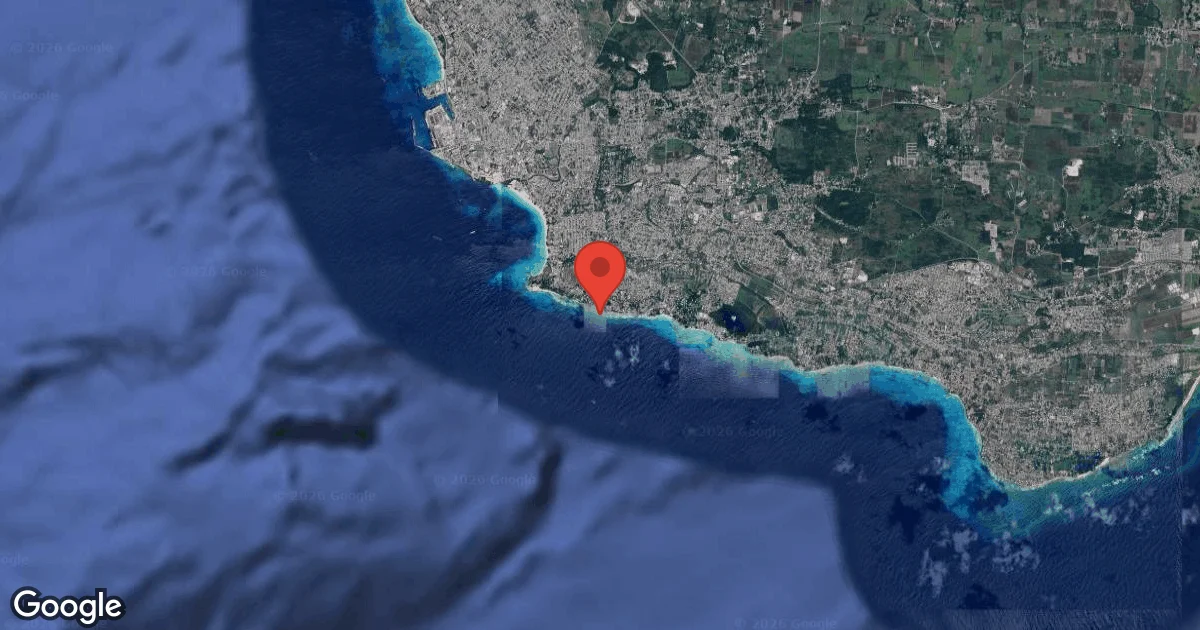
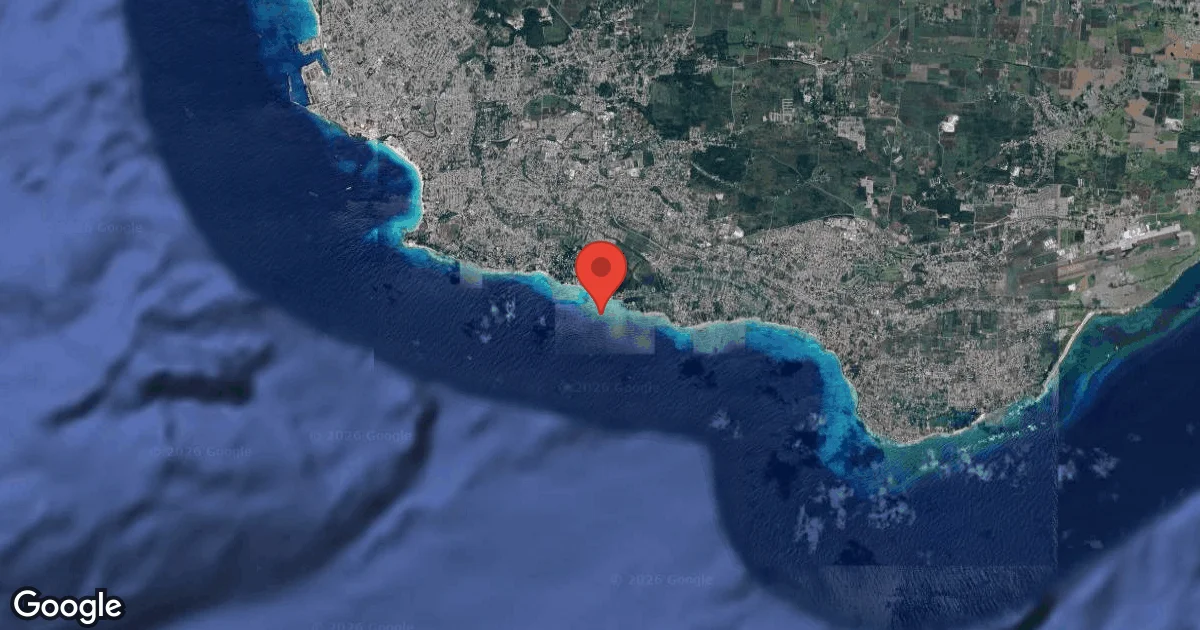
Exploring the dive sites near Trident, particularly Divers Dream and Divers Thirst, provides a vibrant topographical experience along the Atlantic side of South Tobago. These areas feature extensive reef formations, interspersed with large rock structures and plateaus.
Divers Dream, for instance, boasts impressive healthy black coral fans and a rich coral cover, creating intricate ecosystems within its structure. Meanwhile, Divers Thirst is characterized by its expansive reef, which, while not always fully covered in corals and sponges, teems with schools of fish among its varied terrain.
These dynamic sites are primarily drift dives, where the underwater scenery unfolds as powerful currents guide divers along the reef. Depths at locations such as Divers Thirst typically reach around 25 m (82 ft), offering ample time to observe the shifting environment and its inhabitants.
Conditions can transform rapidly; divers might experience gentle glides over the reef or find themselves propelled by substantial currents, revealing the entire area in mere minutes. Navigating these flows demands attentiveness, but the rewards often include encounters with larger marine life drawn to the nutrient-rich waters.
Conditions are Good
Optimal conditions expected
Current conditions near Trident show 30° air, 29° sea temperature, 0.9 m waves, and 27 km/h wind. Forecast data is refreshed regularly to ensure accuracy.
Best Time to Dive
Planning your dive around Trident with visibility in mind is key, as conditions vary significantly throughout the year. Generally, the clearest waters are experienced between January and June, when rainfall is lower. From July to November, rainier conditions can usher in runoff, potentially impacting underwater visibility, which typically ranges around 18 m (60 ft) in southern sites. Water temperatures consistently hover around 26.5°C (80°F) throughout the year, offering comfortable diving conditions. Air temperatures remain warm, averaging from 26°C (79°F) to 28°C (82°F). September, with its lower average wave heights of 0.9 m (3.0 ft) and lighter winds, often provides optimal diving opportunities, earning a higher dive score. However, March through June, October, and December also present good conditions.
PEAK SEASON SCORE
Scores combine air & water temps, waves, wind & rainfall for overall conditions.
BEST MONTHS TO DIVE
Monthly records compiled from satellite and marine observation nodes over the last 3 years. Data provided by Open-Meteo and MET Norway.
Dive Experience & Conditions
A defining characteristic of diving near Trident is the dynamic current, which can dictate the entire underwater experience. Divers often encounter variable current speeds and directions; sometimes a leisurely drift allows for thorough exploration of ledges and crevices. At other times, a 'pumping' current can carry divers swiftly across the reef, demanding active finning and situational awareness. Many sites in this area, including Divers Thirst, remain within typical recreational diving depths, generally not exceeding 25 meters. Throughout the dive, water temperatures are reliably warm, consistently about 26.5°C (80°F). This warmth allows for comfortable diving without heavy exposure protection. These sites are recommended for divers comfortable with drift diving, as the conditions can be quite challenging and are not consistently reported as suitable for beginners.
Dive Difficulty & Safety Guidelines
Diving near Trident, particularly at current-exposed sites, necessitates a keen awareness of safety protocols. The strong and frequently changing currents are a primary consideration, making it essential to remain vigilant and responsive to your dive guide's instructions. Currents can carry divers a considerable distance, and surface conditions might make it difficult for the boat crew to locate a surfacing group.
Carrying a personal Surface Marker Buoy (SMB) is therefore highly recommended for all divers. Dive guides typically carry SMBs to maintain contact with the boat captain throughout the dive, but having your own provides an additional layer of security should you become separated from your group.
Recommended Equipment
Overhead / entanglement risk. Wreck penetration requires proper training.
- Dive Computer
- DSMB
- Primary & Backup Lights
- Wreck Reel
- Cutting Tool
This gear list is based on verified equipment signals for Trident, Trinidad and Tobago. Always confirm final gear choices with your dive operator, guide, or liveaboard.
Recommended Dive Suit
Water temperatures at Trident are currently estimated to be around 29°C (85°F), shaping the overall diving conditions for today. Surface air temperatures are resting at 30°C (86°F).
Many divers choose dive skin or rash guard when diving in similar conditions. Consider warmer surface protection (like a boat coat) due to brisk winds.
Short-term weather patterns suggest stable conditions for divers visiting the area.
Due to technical issues with our weather providers, data hasn't been fetched for over 48 hours. The data above reflects the conditions at the time of the last successful fetch.
Emergency & Medical Support
Essential information to help you plan your dive trip to Trident.

Hyperbaric chambers are a critical part of dive safety infrastructure. Availability varies significantly by region, and not all dive areas have immediate access.
Before diving, it's recommended to:
- confirm nearest medical facilities
- check emergency procedures with local dive operators
- ensure dive insurance covers evacuation if required
Divers Alert Network
Diving emergency assistance available through DAN World.
+1-919-684-9111- 24/7 emergency hotline
- Diving medical assistance
- Evacuation coordination
Emergency contacts are provided for reference. Always verify local emergency services before diving.
Marine Life at Trident
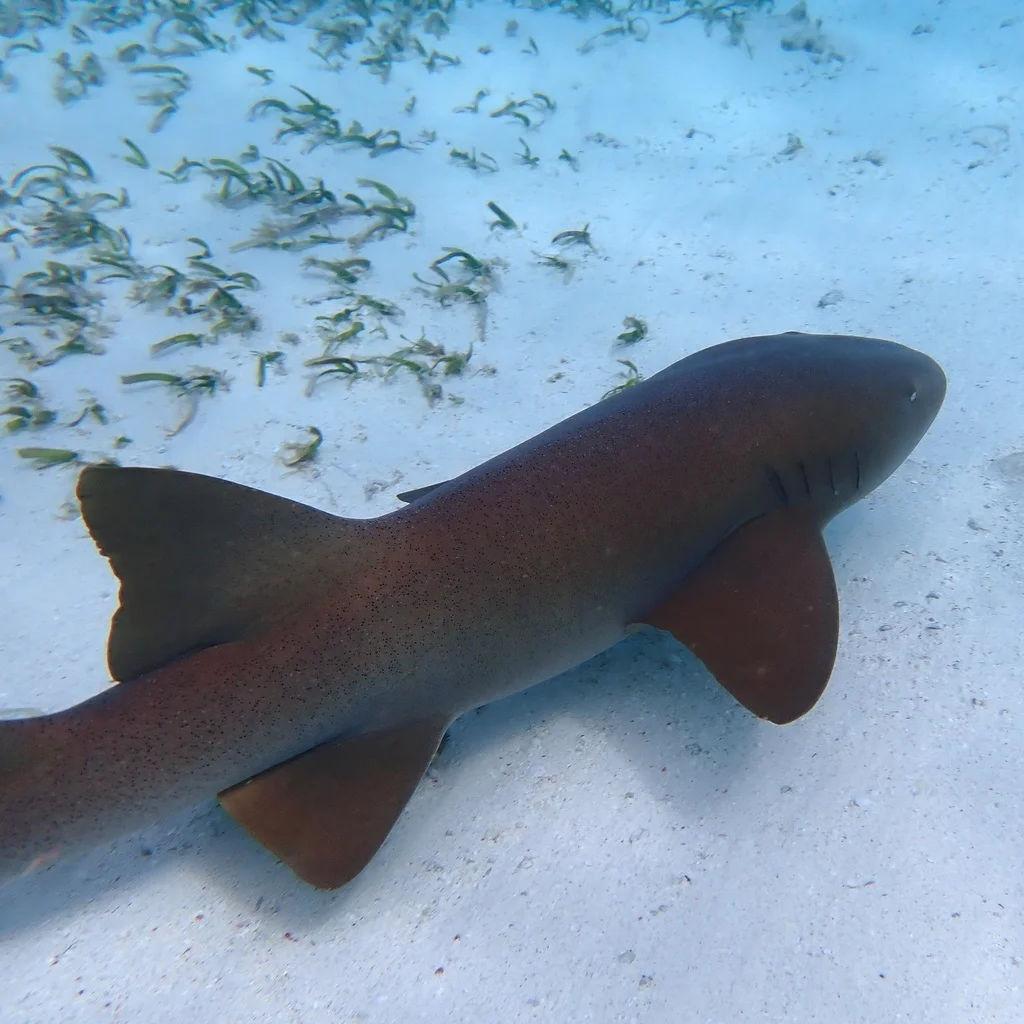
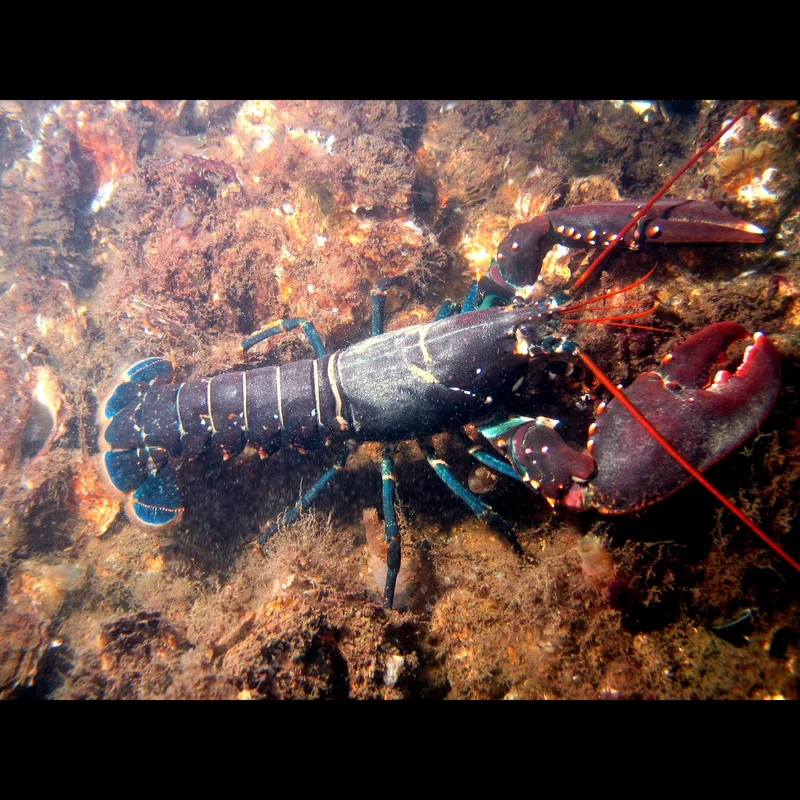
The nutrient-rich currents circulating through the Trident dive sites attract a compelling array of marine life. Under ledges and within larger rock formations, divers frequently spot nurse sharks at rest, alongside lobsters tucked away in smaller crevices.
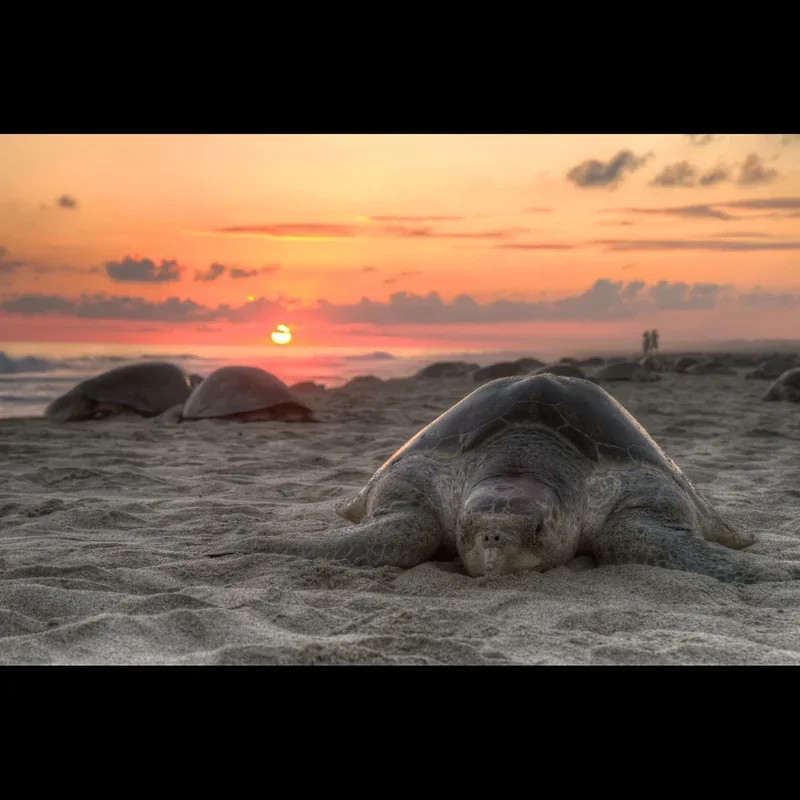
Sea turtles are commonly observed cruising the reefs, providing graceful encounters. These dynamic waters also host impressive schools of fish and larger pelagic species, particularly when strong currents bring in a rich food supply.
Divers Dream, with its vibrant coral cover, supports a diverse micro-habitat, contributing to the overall richness of marine encounters.
Dive Sites Near Trident
View all dive sites in Trinidad and TobagoDiscover more underwater gems in this area.
Dive Centers Near Trident
No Dive Centers Local To Trident
Are you a dive center visiting this location? Get listed to reach divers.
Nearest Airports
Nearest airports to help plan travel to this dive area.
Search Flights
Check available flights and routes on Expedia, using the nearby airports listed in this section.
Search Flights on ExpediaFrequently Asked Questions
Are Trident's dive sites suitable for beginner divers?
Dive sites such as Divers Dream and Divers Thirst are generally recommended for experienced divers comfortable with strong and changing currents. Conditions can be challenging, making them less ideal for beginners.
What kind of currents can be expected?
Currents are highly variable, ranging from slow, gentle drifts to powerful, 'pumping' currents that move divers quickly across the reef. They can also change direction and speed during a single dive.
What is the typical water temperature?
Water temperatures around Trident are consistently warm, typically hovering around 26.5°C (80°F) throughout the year, making for comfortable diving conditions without heavy exposure protection.
When is the best time for good visibility?
The best visibility generally occurs between January and June. From July to November, increased rainfall and river runoff can reduce underwater clarity, especially in the southern dive areas.
What marine life is commonly seen?
Divers often encounter nurse sharks resting under ledges, various sea turtles, and lobsters in reef crevices. The currents also bring in diverse schools of fish and larger pelagic species.
Should I bring a Surface Marker Buoy (SMB)?
Yes, it is highly recommended to bring your own SMB. Due to strong and unpredictable currents, an SMB ensures you can be easily spotted by the dive boat on the surface if you separate from your group.
What are the common dive depths in the area?
Many popular sites, like Divers Thirst, typically reach a maximum depth around 25 meters. Shallower sections are also present, allowing for varied dive profiles within recreational limits.
Planning to dive Trident?
Send one inquiry and receive offers directly from the best verified local dive operators.
Conditions are Good
Optimal conditions expected
Current conditions near Trident show 30° air, 29° sea temperature, 0.9 m waves, and 27 km/h wind. Forecast data is refreshed regularly to ensure accuracy.