
Diving at Horseshoe Reef (Trinidad and Tobago)
Horseshoe Reef offers a compelling look into the distinct underwater character of Tobago, moving beyond conventional tropical reef imagery. This site, part of the dynamic Speyside diving landscape, showcases the unique beauty of Caribbean corals, often presenting earthy hues that distinguish them from more widely publicized Indo-Pacific reefs. Divers here engage with an environment that supports both focused exploration and skill development in variable conditions.
Evening condition tracking at Horseshoe Reef features an air temperature of 30.5°C. We have recorded wave heights measuring 1.2 m during this period. These figures outline the environmental parameters currently present.
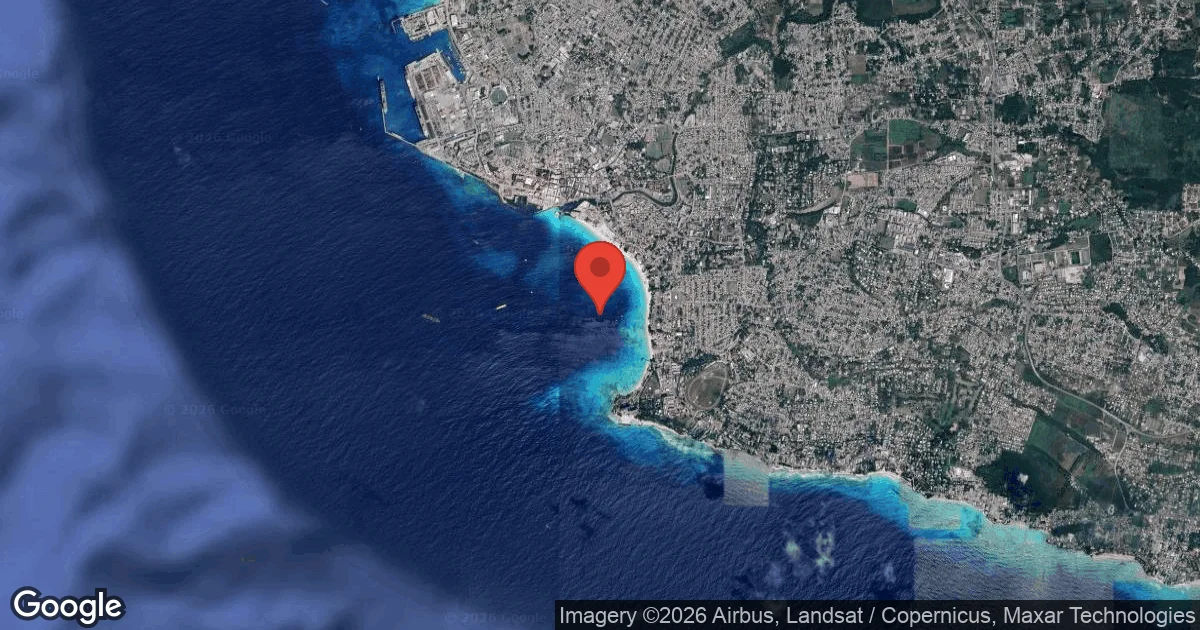
Dive Site Location & Key Facts
Dive Site Overview
Characterized by dynamic conditions and varied topography, Horseshoe Reef provides a multifaceted dive experience within Tobago's Speyside region. This site features shifting underwater structures, from gentle slopes to more rugged reef formations, inviting detailed exploration.
Conditions here can fluctuate significantly, ranging from periods of calm, ideal for photography and close observation, to moments where "whipping currents" challenge even experienced divers, making drift diving a common and exhilarating practice. Such variability calls for good buoyancy control and an adaptable approach, yet it's precisely these currents that often transport nutrients, supporting the vibrant reef ecosystem and creating exciting drift opportunities. Depths here can extend to about 30 m / 100 ft, appealing to those comfortable with deeper profiles who wish to explore deeper reef formations.
The reef showcases distinct Caribbean corals, often appearing in earthy shades of blues, greens, browns, and yellows, which divers learn to distinguish from the abundant marine sponges and various sea fans that dominate the benthos. Water temperatures generally align with tropical Caribbean norms, providing comfortable conditions throughout the year, typically between 22-27°C / 72-81°F.
Engaging with this site offers a practical understanding of reef dynamics and diver interaction, frequently integrated with local conservation efforts aimed at managing invasive lionfish populations to maintain ecological balance.
Conditions are Good
Optimal conditions expected
Current conditions near Horseshoe Reef show 31° air, 30° sea temperature, 0.9 m waves, and 24 km/h wind. Forecast data is refreshed regularly to ensure accuracy.
Best Time to Dive
Optimal diving conditions in the Speyside area, including Horseshoe Reef, generally prevail from March through June, and again in September and October. These periods often coincide with "Good" dive scores, benefiting from a combination of factors. Air temperatures during the drier months of March to May are pleasant, averaging between 27°C and 28°C (80-83°F), with rainfall remaining relatively low, around 1.2 to 1.7 mm. While specific water temperatures are not consistently reported for this site, they typically reflect tropical Caribbean norms. September, despite being within the wetter season, often presents some of the lowest average wave heights, around 0.9 meters (3 feet), and lighter winds, averaging 17 km/h (10 mph), enhancing underwater visibility and comfort.
PEAK SEASON SCORE
Scores combine air & water temps, waves, wind & rainfall for overall conditions.
BEST MONTHS TO DIVE
Monthly records compiled from satellite and marine observation nodes over the last 3 years. Data provided by Open-Meteo and MET Norway.
Dive Experience & Conditions
Accessing Horseshoe Reef can present a varied experience, suitable for divers ranging from intermediate to advanced. The broader Speyside area is recognized for dynamic underwater environments where strong, sometimes "whipping," currents can be encountered, making advanced open water skills, including drift diving and navigation, highly beneficial. However, local dive operators also guide groups to sections of the reef that offer calmer conditions and better visibility, ideal for focused observation and coral identification. Depths often reach 30 m / 100 ft, allowing for exploration of deeper reef structures. Divers should be prepared for potential shifts in conditions and prioritize excellent buoyancy control.
Dive Difficulty & Safety Guidelines
Diving at Horseshoe Reef requires adherence to sound safety practices, particularly due to the potential for variable currents. Engaging with experienced local dive masters is paramount; they provide crucial guidance on daily conditions and navigate to appropriate sections of the reef. Strong communication within a dive group and consistent buddy checks are essential in this dynamic environment.
Divers are also encouraged to maintain respectful interactions with marine life, observing without disturbing. Local initiatives often involve lionfish management, offering a unique opportunity for divers to participate in reef conservation efforts under trained supervision.
Recommended Equipment
- Dive Computer
- DSMB
This gear list is based on verified equipment signals for Horseshoe Reef, Trinidad and Tobago. Always confirm final gear choices with your dive operator, guide, or liveaboard.
Recommended Dive Suit
Dive skin or rash guard usually provides adequate warmth in water around this temperature. Consider warmer surface protection (like a boat coat) due to brisk winds. For divers entering the water at Horseshoe Reef, temperatures are currently hovering around 30°C (85°F). Surface air temperatures are resting at 31°C (87°F).
Environmental conditions are expected to remain consistent in the short-term outlook.
Conditions can vary slightly across different parts of the same dive site.
Due to technical issues with our weather providers, live updates are temporarily delayed. The data above reflects the conditions at the time of the last successful fetch.
Emergency & Medical Support
Essential information to help you plan your dive trip to Horseshoe Reef.

Hyperbaric chambers are a critical part of dive safety infrastructure. Availability varies significantly by region, and not all dive areas have immediate access.
Before diving, it's recommended to:
- confirm nearest medical facilities
- check emergency procedures with local dive operators
- ensure dive insurance covers evacuation if required
Divers Alert Network
Diving emergency assistance available through DAN World.
+1-919-684-9111- 24/7 emergency hotline
- Diving medical assistance
- Evacuation coordination
Emergency contacts are provided for reference. Always verify local emergency services before diving.
Marine Life at Horseshoe Reef
As you descend into Horseshoe Reef, the initial impression is often shaped by the unique aesthetic of its Caribbean corals. These foundational reef builders typically exhibit earthy shades of blues, greens, browns, and yellows, distinguishing them from the more vibrant Indo-Pacific species.
It's common to observe a rich array of marine sponges and various sea fans alongside these corals, which form a complex reef benthos. While not consistently reported for this specific site, the wider Speyside area is known for significant coral formations, including large brain corals.
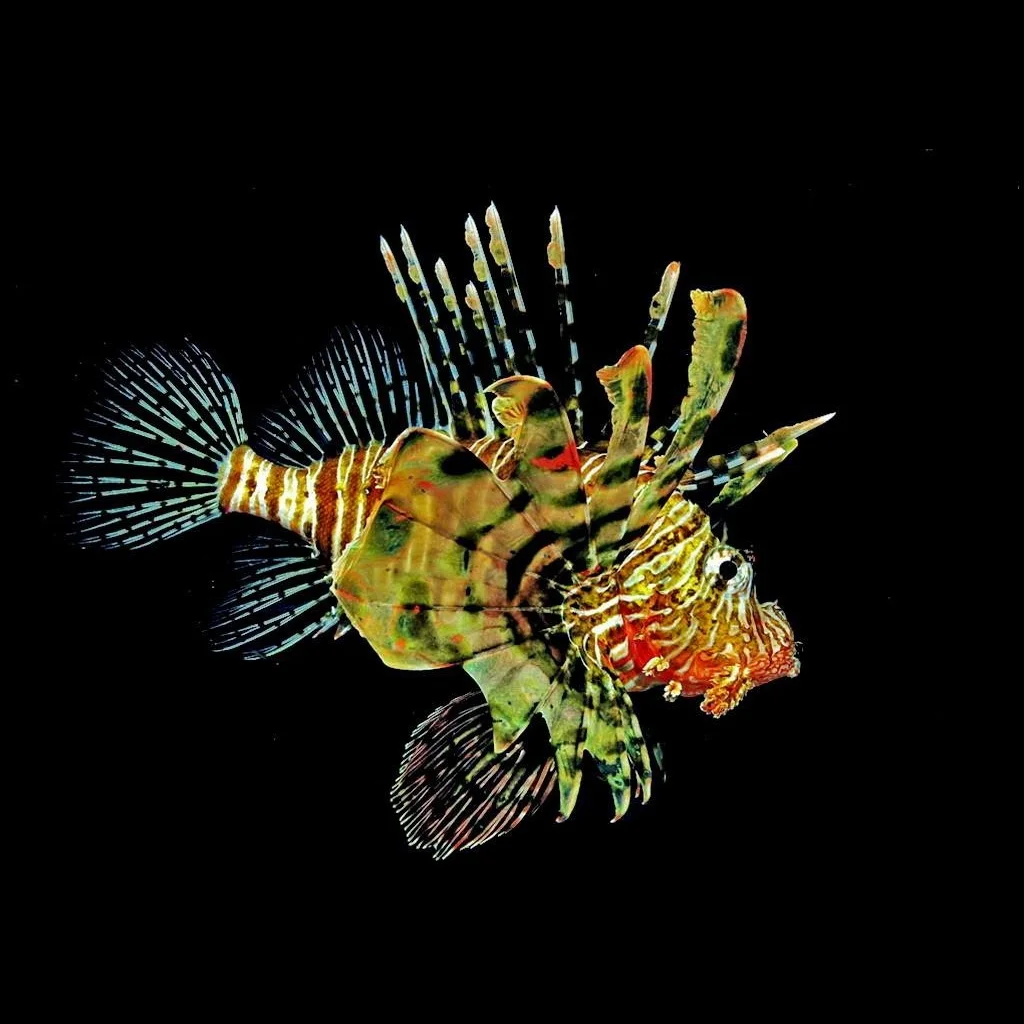
Divers may also encounter lionfish, which are part of local conservation and culling efforts to protect the reef ecosystem.

Dive Sites Near Horseshoe Reef
View all dive sites in Trinidad and TobagoDiscover more underwater gems in this area.
Dive Centers Near Horseshoe Reef
No Dive Centers Local To Horseshoe Reef
Are you a dive center visiting this location? Get listed to reach divers.
Nearest Airports
Nearest airports to help plan travel to this dive area.
Search Flights
Check available flights and routes on Expedia, using the nearby airports listed in this section.
Search Flights on ExpediaFrequently Asked Questions
What types of corals can be seen at Horseshoe Reef?
Divers at Horseshoe Reef will primarily encounter Caribbean corals, characterized by their earthy hues of blues, greens, browns, and yellows. These are often accompanied by a variety of marine sponges and sea fans. Distinguishing between corals and sponges is a key learning experience here.
Are there strong currents at Horseshoe Reef?
Yes, the Speyside area encompassing Horseshoe Reef is known for dynamic conditions, including potentially strong or "whipping" currents. However, local dive operators can guide divers to calmer sections for more relaxed exploration, depending on daily conditions.
What is the typical depth for diving at Horseshoe Reef?
Depths at Horseshoe Reef can extend to approximately 30 m / 100 ft. This allows for exploration of various reef structures and is suitable for divers with advanced open water certification who are comfortable with deeper profiles.
Is Horseshoe Reef suitable for beginner divers?
While the Speyside region is generally associated with more advanced diving due to currents, specific areas of Horseshoe Reef can be selected for calmer conditions. Beginners should consult with local dive operators to ensure a site section suitable for their experience level is chosen.
What marine conservation efforts are evident in the area?
Local conservation efforts in Tobago, often extending to sites like Horseshoe Reef, include initiatives to manage invasive lionfish populations. Divers may have opportunities to learn about or even participate in these efforts under expert guidance, contributing to reef health.
How does the water temperature typically feel at Horseshoe Reef?
Specific water temperature data for Horseshoe Reef is not consistently reported. However, conditions typically align with tropical Caribbean norms, generally providing comfortable diving temperatures year-round.
Planning to dive Horseshoe Reef?
Send one inquiry and receive offers directly from the best verified local dive operators.
Conditions are Good
Optimal conditions expected
Current conditions near Horseshoe Reef show 31° air, 30° sea temperature, 0.9 m waves, and 24 km/h wind. Forecast data is refreshed regularly to ensure accuracy.