
Diving at The Boot (Trinidad and Tobago)
Tobago's underwater realm tells a diverse story, not only through its vibrant coral ecosystems but also via its submerged historical markers. While many divers seek out the intricate reef formations, the island's history beneath the waves is also accessible. For instance, the M/V Maverick, once a vital passenger ferry, now rests at 33 m (100 ft), with its upper deck at 18 m (60 ft), offering a distinct perspective on Tobago's maritime past and present-day marine habitat.
Tonight's objective overview for The Boot shows an air temperature of 27°C. The measured surface conditions include wave heights around 1 m. This environmental data is logged for the close of the day.
Dive Site Location & Key Facts
Dive Site Overview
Tobago's dive sites are profoundly shaped by the dynamic interplay of geological history and powerful ocean currents. The Guyanna Current, sweeping in from the Atlantic, consistently bathes the island's eastern and southern coasts.
This current is often enriched by effluence from the Orinoco River, delivering a steady influx of nutrients that invigorate the marine ecosystem. These conditions foster a thriving environment for both hard and soft corals, supporting a remarkable density of fish life and invertebrates across the island's diverse underwater topography. The characteristic strength and consistency of these currents mean that many of Tobago's signature sites, particularly the offshore reefs and pinnacles, are experienced as exhilarating drift dives.
This natural flow guides divers over expansive formations and allows for broad exploration with minimal effort. While the currents enhance the vitality of the reefs, they also dictate dive planning, requiring careful consideration of entry and exit points.
Divers will encounter a spectrum of sites, from shallow fringing reefs to deeper walls and the notable M/V Maverick wreck, resting at a maximum depth of 33 m (100 ft). This unique confluence of nutrient-rich currents, diverse topography, and accessible historical wrecks defines the distinct character of Tobago's underwater exploration, offering varied experiences depending on the chosen site and prevailing conditions.
Conditions are Good
Optimal conditions expected
Current conditions near The Boot show 27° air, 30° sea temperature, 1.0 m waves, and 22 km/h wind. Forecast data is refreshed regularly to ensure accuracy.
Best Time to Dive
Planning your dive in Tobago for optimal conditions often means considering the overall experience rather than just specific dates. Divers typically find the periods of September and October particularly appealing, when conditions are generally rated as 'Good.' During these months, average air temperatures hover around 28°C (82°F), coupled with lower average rain activity, contributing to a more pleasant topside experience. While water temperatures remain consistently warm, ranging from 24-28°C (75-82°F) throughout the year, these specific months often offer calmer seas and clearer visibility, enhancing the overall underwater enjoyment. Conversely, some months, like July and November, are rated 'Moderate' due to higher rainfall and slightly increased wave activity, which can impact visibility and sea state.
PEAK SEASON SCORE
Scores combine air & water temps, waves, wind & rainfall for overall conditions.
BEST MONTHS TO DIVE
Monthly records compiled from satellite and marine observation nodes over the last 3 years. Data provided by Open-Meteo and MET Norway.
Dive Experience & Conditions
Navigating Tobago's underwater environments offers a dynamic experience, often characterized by the prevailing currents. Divers should prepare for variable visibility, which can range from exceptional days exceeding 30 m (100 ft) to around 24 m (80 ft) when the Guyanna Current carries effluence from the Orinoco River. Many of the most celebrated reef formations are best enjoyed as drift dives, where the current propels you effortlessly along the reef. This means comfort with active water movement and precise buoyancy control is advantageous for an optimal experience. The water temperatures are consistently warm, generally hovering around 27°C (81°F), but can fluctuate between 24-28°C (75-82°F) throughout the year. This stable warmth means a 3mm wetsuit typically provides adequate thermal protection for most divers, enhancing comfort during longer dives. Understanding these conditions helps divers to appropriately prepare for the unique flow of Tobago's marine habitats.
Dive Difficulty & Safety Guidelines
Diving in Tobago, especially at sites known for currents, requires divers to prioritize situational awareness and strong buoyancy control. Adhering closely to dive briefings and following your Divemaster is crucial, particularly on drift dives where the current dictates the pace. Operators in Tobago maintain standards that include having an instructor on staff and ensuring dive boats are equipped with oxygen, first aid kits, and radios.
Divers are typically provided with safety sausages, and dive guides carry surface markers, enhancing safety during surface intervals and ascents in areas with boat traffic or currents. These practices are in place to ensure a safe and enjoyable experience for all certification levels, but personal preparedness is paramount.
Recommended Equipment
- Dive Computer
- DSMB
This gear list is based on verified equipment signals for The Boot, Trinidad and Tobago. Always confirm final gear choices with your dive operator, guide, or liveaboard.
Recommended Dive Suit
Divers planning relaxed exploration may appreciate the warmth of dive skin or rash guard. A hood or vest is suggested for sensitive divers due to surface winds. Divers often notice that perceived temperature can feel cooler during deeper or longer dives.
Conditions at The Boot currently place the water temperature near 30°C (85°F). Surface air temperatures are resting at 27°C (81°F).
Weather projections show fairly stable environmental conditions ahead.
Emergency & Medical Support
Essential information to help you plan your dive trip to the Boot.

Hyperbaric chambers are a critical part of dive safety infrastructure. Availability varies significantly by region, and not all dive areas have immediate access.
Before diving, it's recommended to:
- confirm nearest medical facilities
- check emergency procedures with local dive operators
- ensure dive insurance covers evacuation if required
Divers Alert Network
Diving emergency assistance available through DAN World.
+1-919-684-9111- 24/7 emergency hotline
- Diving medical assistance
- Evacuation coordination
Emergency contacts are provided for reference. Always verify local emergency services before diving.
Marine Life at The Boot
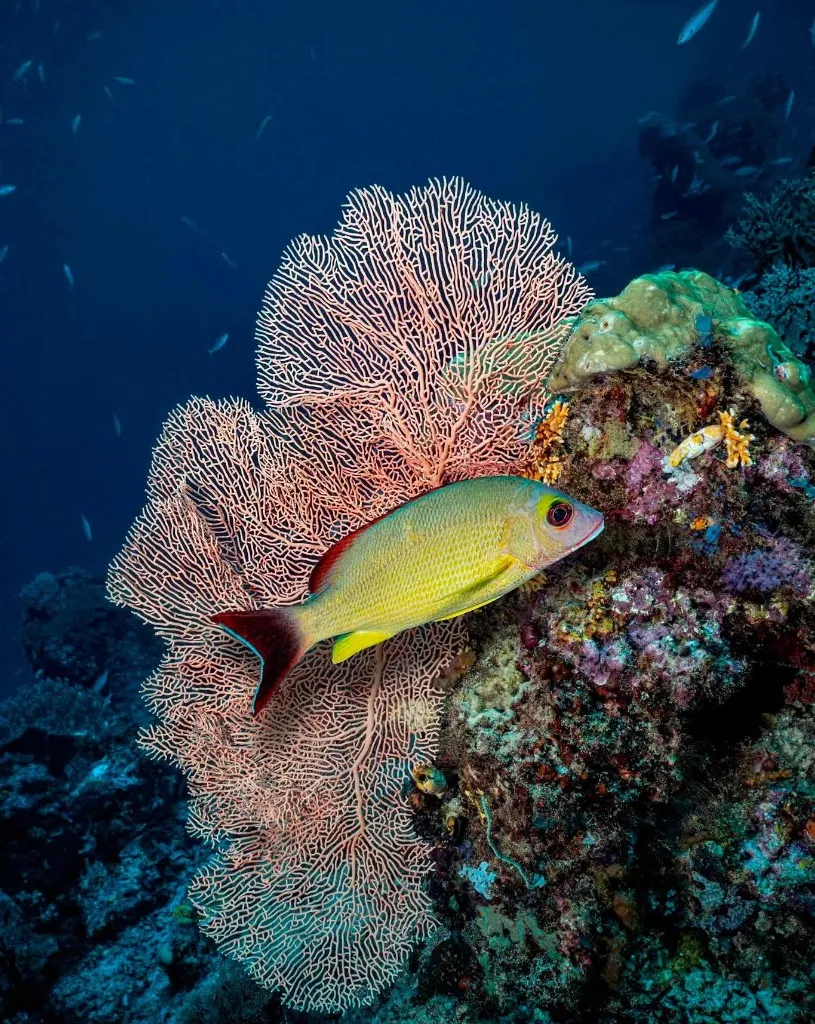
Tobago's underwater landscape is rich with a variety of life, largely sustained by the nutrient-rich currents. Divers exploring the reefs can expect to encounter healthy coral formations alongside numerous invertebrates and a vibrant array of fish.
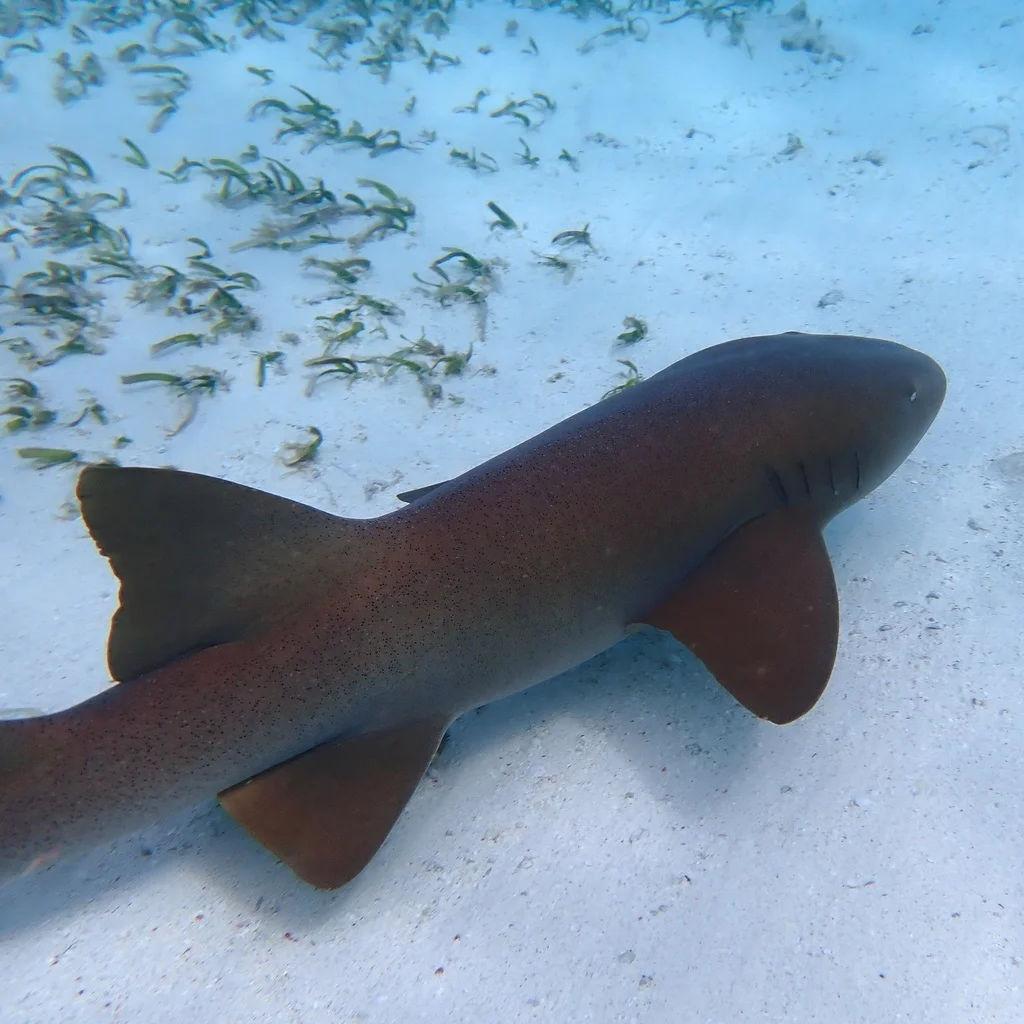
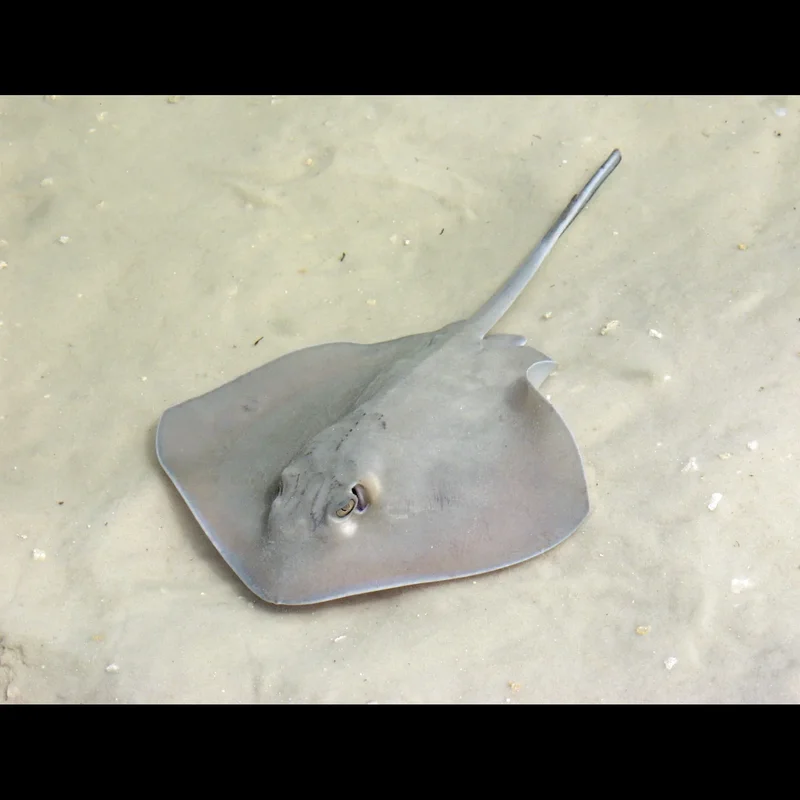
Keep an eye on the sandy areas where the reef meets the seabed for nurse sharks or stingrays at rest. Pelagic species may patrol the ledges and overhangs, especially in areas with stronger currents.
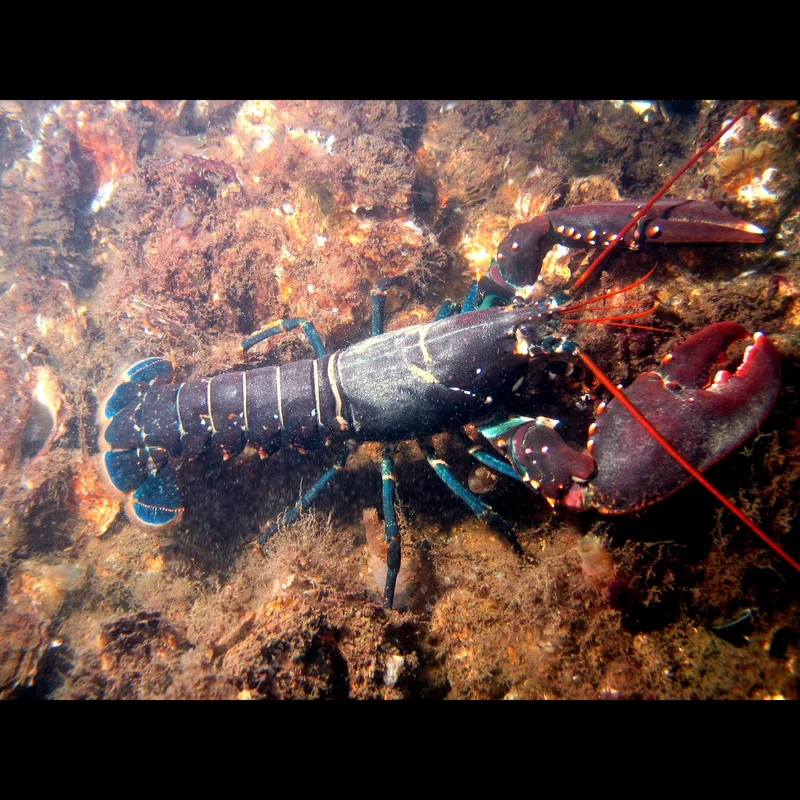
The reefs are home to a diverse population of snappers, rainbow runners, and schools of bait fish, creating lively underwater scenes. Lobsters, eels, and the more elusive torpedo rays can also be spotted within the nooks and crannies of shallower reef structures.

Dive Sites Near The Boot
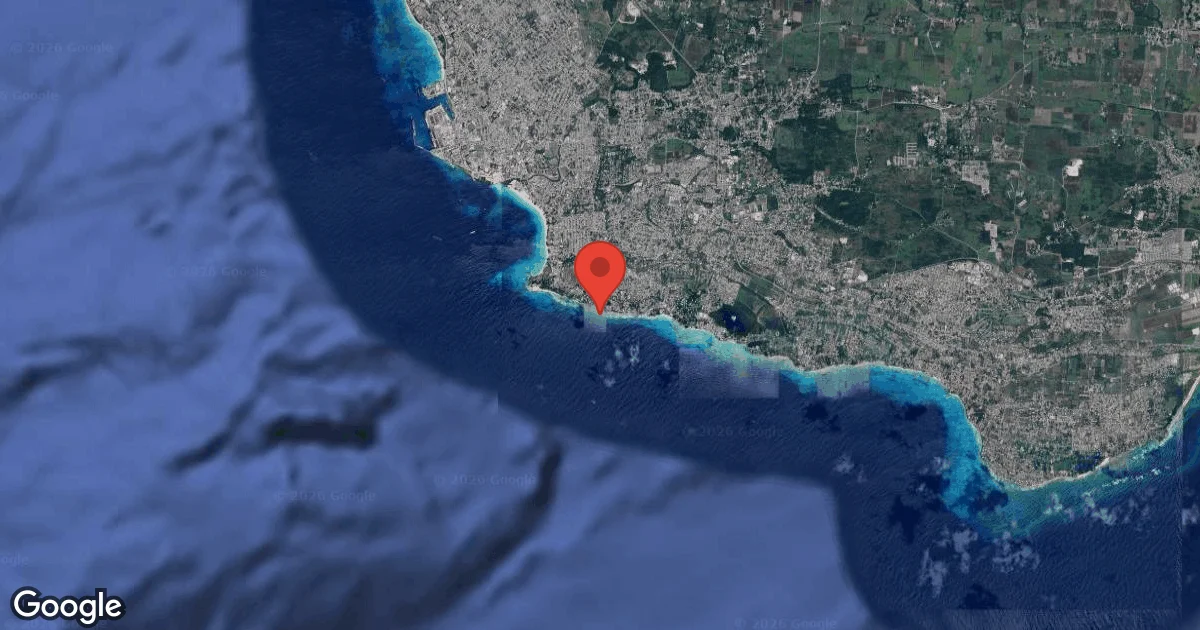
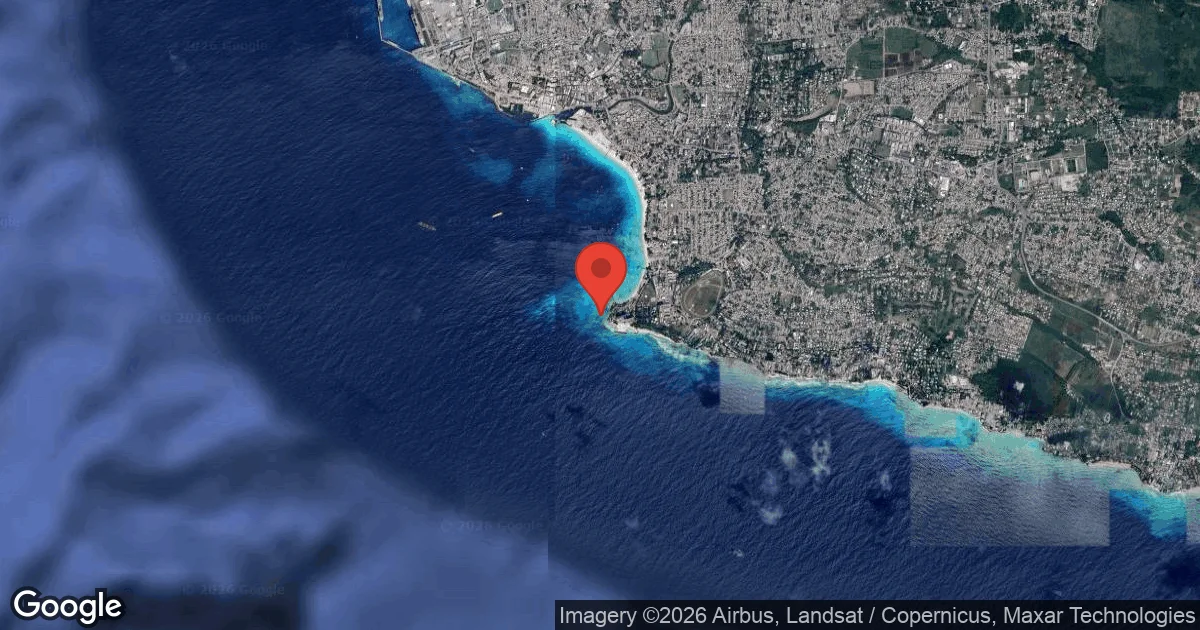
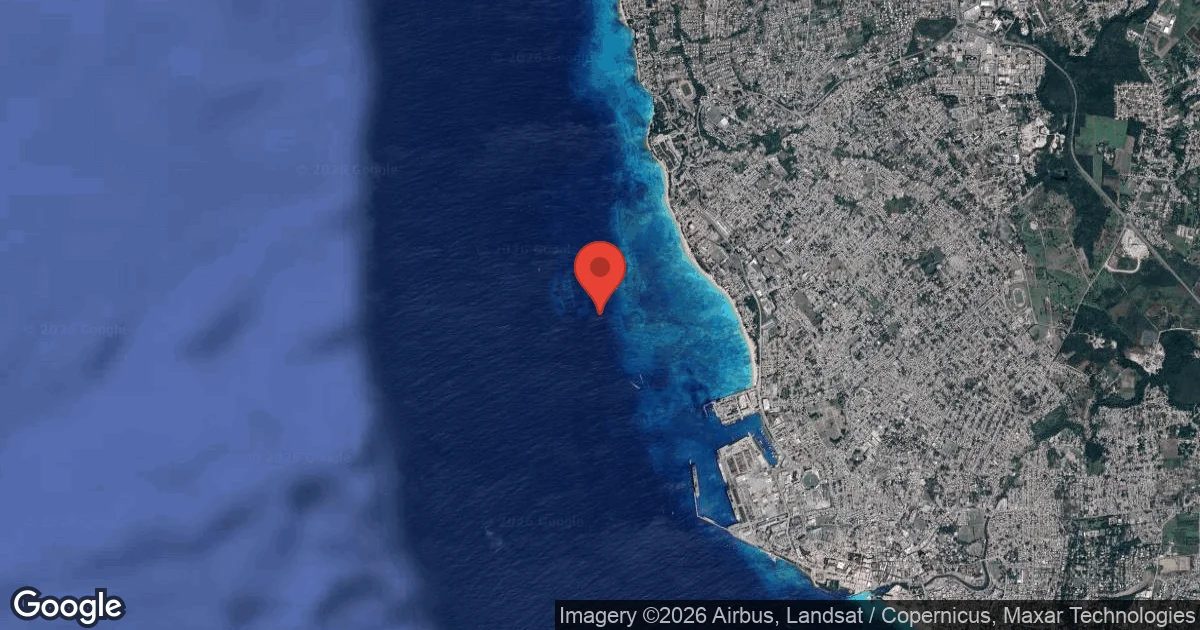
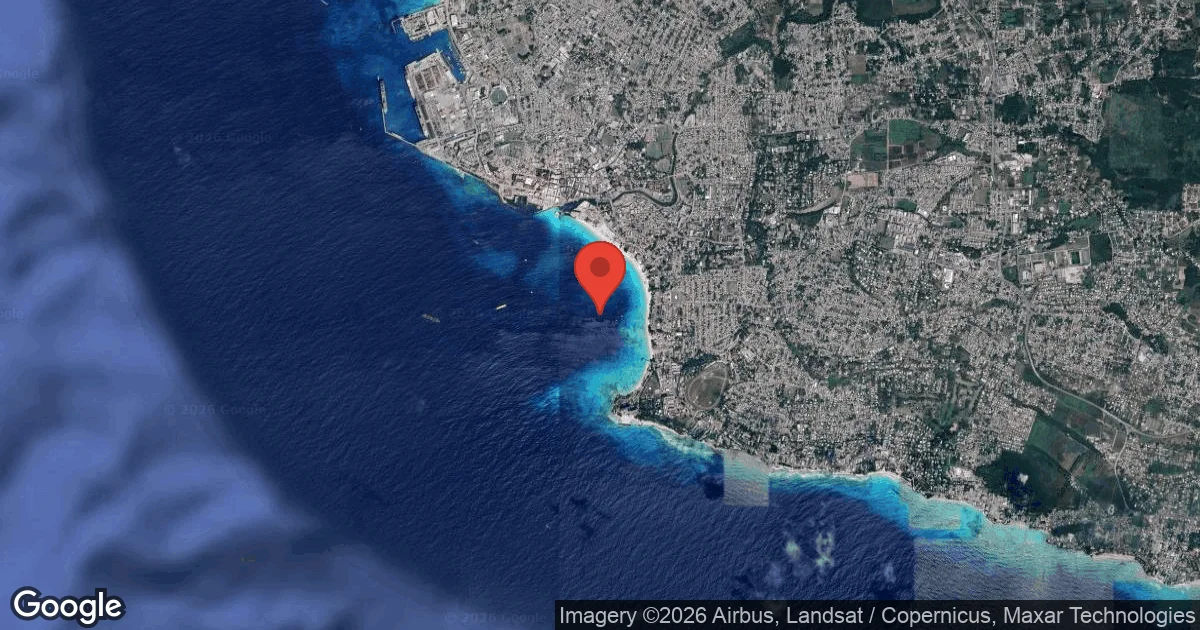
View all dive sites in Trinidad and TobagoDiscover more underwater gems in this area.
Dive Centers Near The Boot
No Dive Centers Local To The Boot
Are you a dive center visiting this location? Get listed to reach divers.
Nearest Airports
Nearest airports to help plan travel to this dive area.
Search Flights
Check available flights and routes on Expedia, using the nearby airports listed in this section.
Search Flights on ExpediaFrequently Asked Questions
What are the typical water temperatures for diving in Tobago?
Tobago's water temperatures are consistently warm, generally ranging from 24-28°C (75-82°F). Many divers find the water temperature around 27°C (81°F) to be common and comfortable throughout the year.
How clear is the underwater visibility in Tobago?
Visibility in Tobago can be quite good, often reaching 24-30 m (80-100 ft) or more on clear days. However, effluence from the Orinoco River carried by the Guyanna Current can sometimes reduce visibility, depending on conditions.
What kind of diving can I expect to do in Tobago?
Many of Tobago's dive sites are characterized by drift diving, where you go with the natural flow of the current. This unique experience allows you to cover more ground and observe a wide range of marine life thriving in the nutrient-rich waters. There are also shallow reefs and deeper wreck sites available.
Are there specific safety measures for diving in Tobago?
Yes, dive operators in Tobago adhere to specific safety standards, including having instructors on staff, carrying oxygen and first aid kits on boats, and providing safety sausages for divers. It's crucial to listen to dive briefings and follow your Divemaster, especially on drift dives.
What marine life might I see on Tobago's reefs?
Tobago's reefs support healthy coral, a variety of invertebrates, and diverse fish life due to the enriching currents. You might encounter nurse sharks, stingrays, pelagic fish, snappers, rainbow runners, lobsters, eels, and schools of bait fish.
Is a wetsuit necessary for diving in Tobago?
Given the warm water temperatures, a 3mm wetsuit is typically sufficient for thermal protection year-round. Some divers may opt for a shorty or even a skin suit, depending on personal comfort and dive duration.
When is the best time of year to dive in Tobago?
While diving is good year-round, September and October often present some of the best conditions, with 'Good' dive scores, pleasant air temperatures around 28°C (82°F), and less rainfall. However, good diving can be found throughout the year, with water temperatures consistently warm.
Planning to dive The Boot?
Send one inquiry and receive offers directly from the best verified local dive operators.
Conditions are Good
Optimal conditions expected
Current conditions near The Boot show 27° air, 30° sea temperature, 1.0 m waves, and 22 km/h wind. Forecast data is refreshed regularly to ensure accuracy.