
Diving at Asta (Trinidad and Tobago)
Tobago's strategic placement, just north of Venezuela and the Orinoco River's mouth, means it benefits year-round from the nutrient-rich Guyana current. This continuous flow provides vital sustenance for its extensive reef systems, establishing a historically robust marine ecosystem. The island's underwater environment supports a remarkable diversity of species, drawing divers to its vibrant and well-nourished waters.
As evening covers Asta, the local air temperature is measured at 26.5°C. The current wave height at the surface is recorded at 1.3 m. These late-day readings characterize the surface conditions for the night.
Dive Site Location & Key Facts
Dive Site Overview
Tobago's underwater topography presents a striking array of formations, ranging from expansive sloping reefs and intriguing underwater rock structures to captivating shipwrecks and dramatic submarine cliffs. This diverse landscape supports over 50 established dive sites, catering to varied interests and skill levels.
Along the island's northeastern edge, the Speyside area features rich sloping reefs surrounding offshore islands, offering some of Tobago's best visibility. Further north, The Sisters islands host several dive sites centered around unique rock formations, extending to depths of 43 m (140 ft) where larger pelagic species are often encountered. The south coast, particularly near Crown Point, is known for its exhilarating drift dives over long, shallow reefs, while the calmer Caribbean coast, around Mount Irvine, provides accessible reef dives and a shallow wreck site, the MV Maverick, which was purposefully sunk for diving in 1997.
One notable drift site, Diver's Dream, situated two miles beyond Crown Point, can reach depths of 11 m (36 ft), rewarding experienced divers with abundant marine life amidst current-sculpted barrel sponges.
Conditions are Good
07:00 - 14:00
Optimal conditions expected
Current conditions near Asta show 27° air, 29° sea temperature, 1.0 m waves, and 22 km/h wind. Forecast data is refreshed regularly to ensure accuracy.
Best Time to Dive
Planning a dive trip to Tobago with visibility in mind often points to the months of September and October, which consistently show 'Good' dive scores in system data. During this period, average wave heights are generally lower, ranging from 1.1 m (September) to 1.4 m (October), contributing to clearer conditions. While the Speyside area is often cited for having the best visibility across the island, conditions can vary seasonally. Air temperatures remain comfortably warm throughout the year, typically between 26.5°C (80°F) in January and 28.5°C (83°F) in September. Rainfall is comparatively lower from February to May, with averages below 1.5 mm per month, potentially leading to stable diving conditions, though high visibility is not consistently tied to dry season alone.
PEAK SEASON SCORE
Scores combine air & water temps, waves, wind & rainfall for overall conditions.
BEST MONTHS TO DIVE
Monthly records compiled from satellite and marine observation nodes over the last 3 years. Data provided by Open-Meteo and MET Norway.
Dive Experience & Conditions
Diving in Tobago is characterized by dynamic water movement, a direct result of the converging Atlantic and Caribbean currents. Many sites offer the effortless sensation of drift diving, where currents gently carry you over flourishing reefs. However, conditions are variable; some sites like Cove and Diver's Dream can present notably strong currents, transforming a planned descent into a more challenging endeavor. Water temperatures are typically warm, ranging from 22-27°C (72-81°F), allowing for comfortable diving. Descending into these waters, you'll feel the slight push and pull of the ocean, unveiling thriving coral, vast sponges, and schools of fish seemingly suspended in the current.
Dive Difficulty & Safety Guidelines
While specific hazards are not consistently reported for Asta, Tobago's dive sites present varying current strengths that require attention. Some locations, such as Cove and Diver's Dream, are recognized as advanced-level sites due to consistently strong currents and occasionally less favorable conditions. Divers should carefully assess their experience level before choosing these spots.
Conversely, sites like Flying Reef provide an excellent introduction to drift diving, with currents usually gentle but capable of becoming variable. Always consult with local dive operators for the most current conditions and site-specific guidance, ensuring appropriate dive planning and equipment for the expected currents.
Recommended Equipment
- Dive Computer
- DSMB
This gear list is based on verified equipment signals for Asta, Trinidad and Tobago. Always confirm final gear choices with your dive operator, guide, or liveaboard.
Recommended Dive Suit
Exposure protection is partly a personal preference.
Dive skin or rash guard typically provides a reliable level of thermal protection for dives here. Consider warmer surface protection (like a boat coat) due to brisk winds. Weather models currently point toward consistent diving conditions over the next several days.
Divers heading to Asta today should expect water temperatures around 29°C (85°F). Surface air temperatures are resting at 27°C (80°F).
Emergency & Medical Support
Essential information to help you plan your dive trip to Asta.

Hyperbaric chambers are a critical part of dive safety infrastructure. Availability varies significantly by region, and not all dive areas have immediate access.
Before diving, it's recommended to:
- confirm nearest medical facilities
- check emergency procedures with local dive operators
- ensure dive insurance covers evacuation if required
Divers Alert Network
Diving emergency assistance available through DAN World.
+1-919-684-9111- 24/7 emergency hotline
- Diving medical assistance
- Evacuation coordination
Emergency contacts are provided for reference. Always verify local emergency services before diving.
Marine Life at Asta
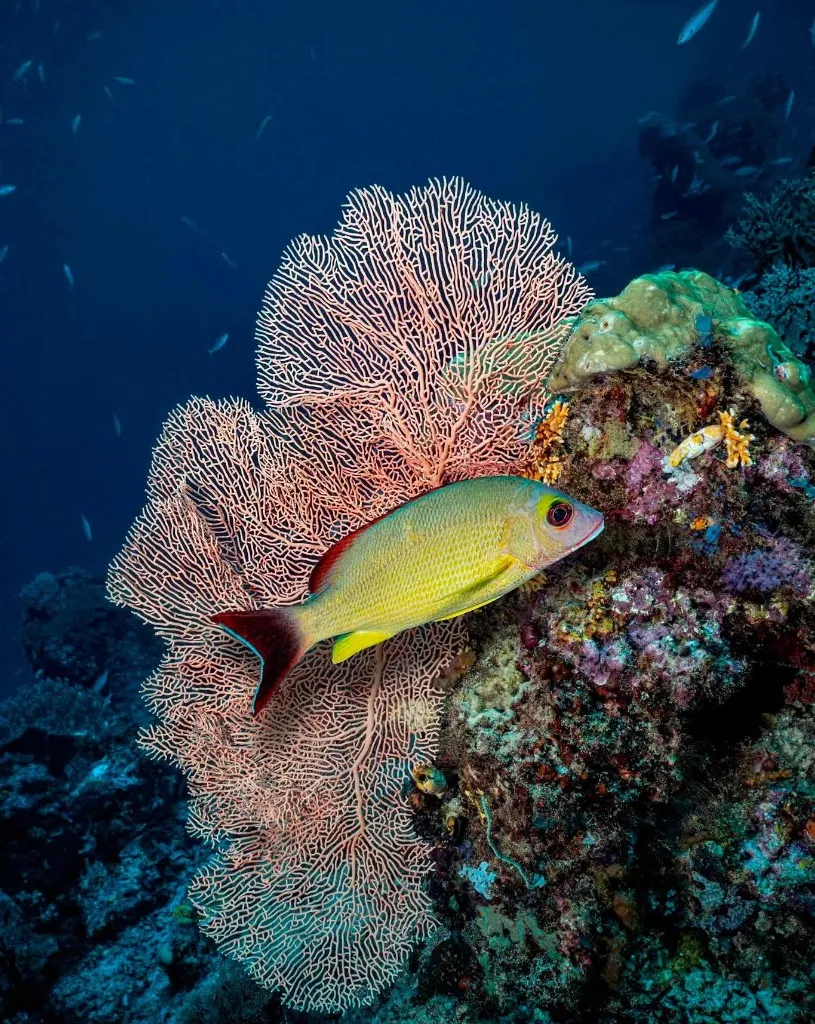
Descending into Tobago's waters, the first impression is often the sheer density of fish life. You'll quickly notice schools of swirling fish, including bigeye and glasseye snapper, along with French angelfish, parrotfish, and porcupine fish navigating through soft corals and immense sponges.
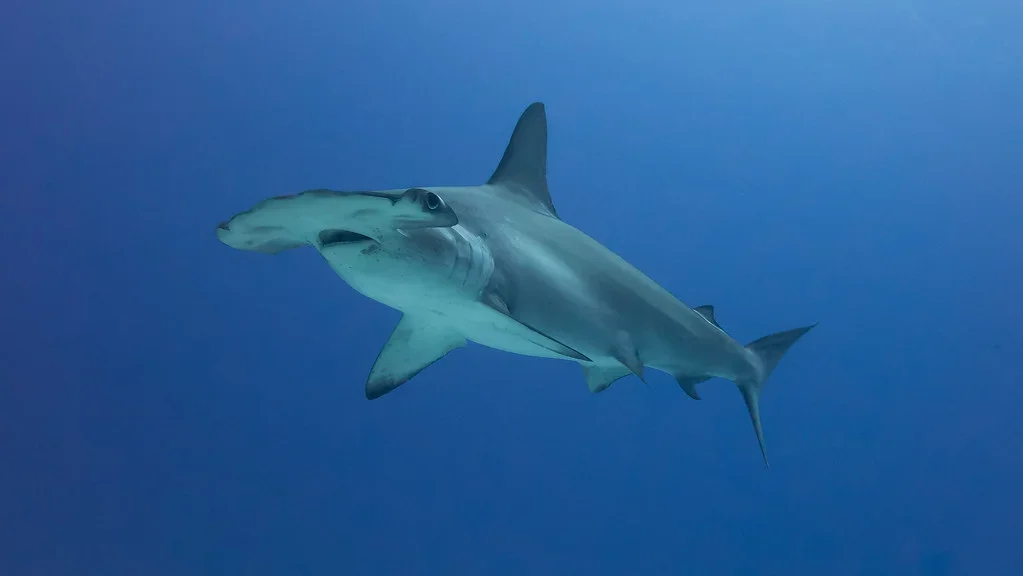
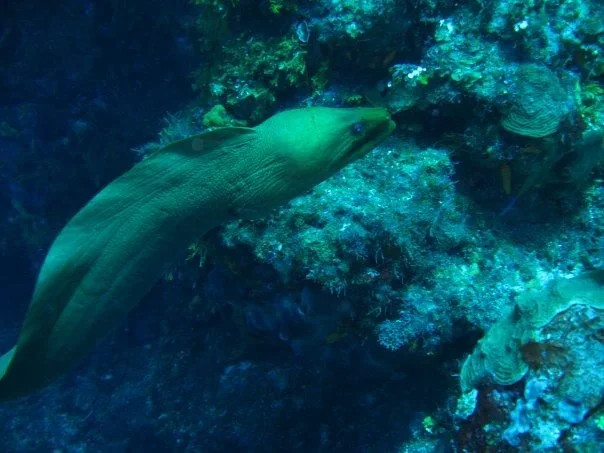
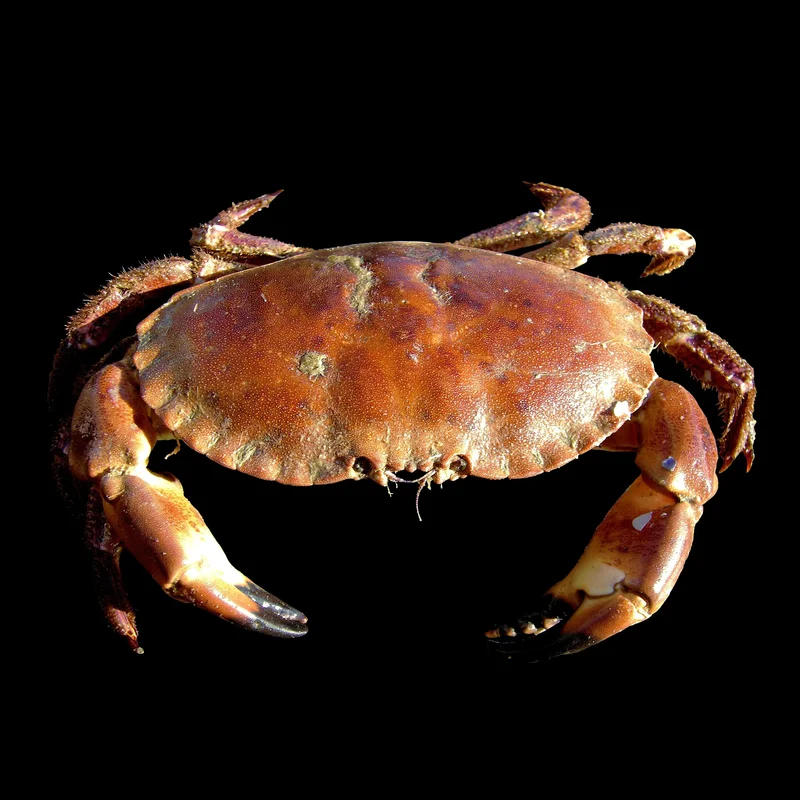
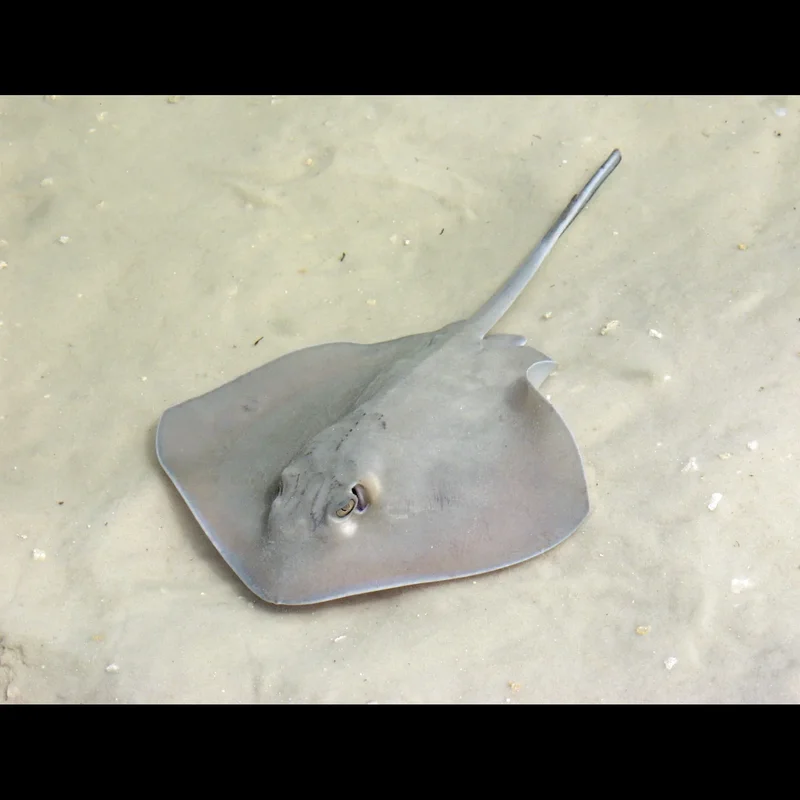
Barracuda, crabs, lobsters, and moray eels are frequently spotted among the reef structures. For those with a keen eye for larger species, sightings often include nurse and blacktip sharks, stingrays, and various turtles like the hawksbill.
Seasonal visitors such as hammerhead sharks congregate between October and May, particularly around The Sisters, while gigantic tarpon are often encountered in areas with significant coral growth.
Dive Sites Near Asta
View all dive sites in Trinidad and TobagoDiscover more underwater gems in this area.
Dive Centers Near Asta
No Dive Centers Local To Asta
Are you a dive center visiting this location? Get listed to reach divers.
Nearest Airports
Nearest airports to help plan travel to this dive area.
Search Flights
Check available flights and routes on Expedia, using the nearby airports listed in this section.
Search Flights on ExpediaFrequently Asked Questions
What is the best time of year to dive in Tobago?
The months of September and October often provide 'Good' diving conditions, with lower average wave heights contributing to better visibility. However, generally comfortable air temperatures mean diving is feasible year-round, with specific site conditions varying.
Are there dive sites suitable for beginners?
Yes, Tobago caters to all skill levels. Sites like Flying Reef offer a perfect introduction to drift diving with generally gentle currents. The calmer Caribbean coastline also features relaxed dive sites ideal for novices.
What kind of marine life can I expect to see?
You can expect to encounter diverse marine life, from abundant reef fish like snapper and parrotfish to larger pelagics such as barracuda, nurse sharks, blacktip sharks, and various rays. Turtles, including hawksbills, are also common sightings, and hammerhead sharks may be present seasonally.
What are the typical water temperatures?
Water temperatures in Tobago are typically warm, generally ranging between 22-27°C (72-81°F). This allows for comfortable diving experiences, though a light wetsuit might be preferred by some for extended dives.
Are there different types of dive experiences available?
Absolutely. Tobago offers a mix of experiences, including thrilling drift dives over extensive reefs, exploration of unique underwater rock formations, and accessible wreck dives like the MV Maverick. The varied topography ensures a wide range of underwater adventures.
How is the visibility generally?
Visibility varies across sites and seasons, but the Speyside area on the north-eastern edge is frequently noted for offering the best visibility in Tobago. Conditions can be influenced by currents and recent rainfall, so checking local reports is always advisable.
Are there any activities for non-divers?
Yes, non-divers can enjoy snorkeling in shallow, accessible coral reefs, such as those found in Buccoo. Additionally, during the nesting season (March to June), turtle watching on Tobago's beaches offers a fascinating insight into leatherback sea turtle behavior.
Planning to dive Asta?
Send one inquiry and receive offers directly from the best verified local dive operators.
Conditions are Good
07:00 - 14:00
Optimal conditions expected
Current conditions near Asta show 27° air, 29° sea temperature, 1.0 m waves, and 22 km/h wind. Forecast data is refreshed regularly to ensure accuracy.