
Diving at 2016 Anchorage Connection Reef D (United States)
Visibility at 2016 Anchorage Connection Reef D often presents the vibrant tableau typical of healthy reef environments, allowing divers to appreciate the intricate structures. While specific readings are not always available, conditions here generally favor clear observation of the reef's surface and the organisms that inhabit its formations. Divers can anticipate opportunities for expansive views across the artificial structure. This clear environment enhances interaction with the marine ecosystem, making for an engaging dive.
As evening covers 2016 Anchorage Connection Reef D, the local air temperature is measured at 26.5°C. The current wave height at the surface is recorded at 0.4 m. These late-day readings characterize the surface conditions for the night.
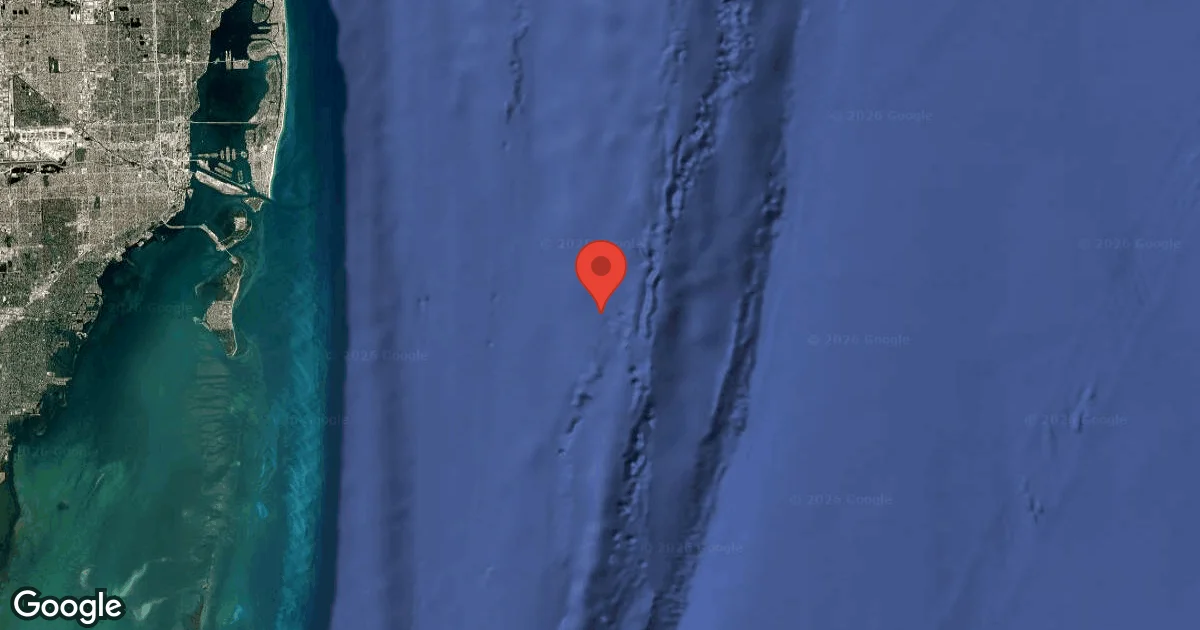
Dive Site Location & Key Facts
Dive Site Overview
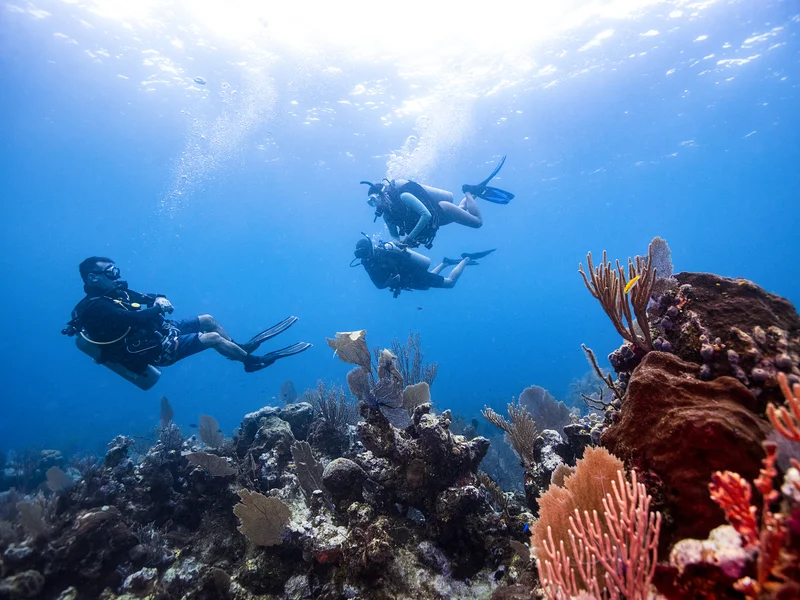
Exploring 2016 Anchorage Connection Reef D offers a tangible experience of a developing marine habitat, inviting divers into an artificial reef setting designed to foster biodiversity. While the precise details of its foundational structures are not consistently reported, this site functions as an important nexus for marine life, reflecting the broader ecological role coral reefs play by providing crucial habitat for countless species.
Reefs, even those developed artificially, are vital to supporting an estimated 25 percent of all marine life, a concentration often likened to the rainforests of the sea. Diving here involves navigating through formations that encourage coral growth and fish aggregation. It's a journey into an ecosystem that, like many reefs throughout the United States, contributes to the health of coastal waters.
These underwater structures also serve as natural barriers, helping buffer shorelines from wave energy and storms, a benefit often overlooked. The maximum depth of this site is not specified, however, it is generally considered within recreational dive limits, providing ample time for exploration and observation of the burgeoning marine community.
Understanding the functional aspects of such reefs enhances the dive, revealing their broader importance beyond just their aesthetic appeal.
Conditions are Excellent
07:00 - 14:00
Optimal conditions expected
Current conditions near 2016 Anchorage Connection Reef D show 27° air, 31° sea temperature, 0.4 m waves, and 20 km/h wind. Forecast data is refreshed regularly to ensure accuracy.
Best Time to Dive
The optimal period for diving 2016 Anchorage Connection Reef D typically spans the summer months, particularly July and August, when conditions reach an 'Excellent' dive score. During this time, average air temperatures are at their highest, around 28.5°C (83°F), paired with minimal wave heights and lighter winds, creating exceptionally calm surface conditions. Rain activity during these peak months is also relatively lower, averaging 4.3 to 6.0 mm. Conversely, the winter months, from December through February, while still rated "Good," present cooler air temperatures ranging from approximately 20°C (68°F) to 20.5°C (69°F). Wave heights also tend to be slightly higher, reaching around 0.8 m (2.6 ft) in December, which might introduce more surface chop. Spring and fall months offer a transition, with good dive scores, but can experience higher wind speeds, such as 20.6 km/h (12.8 mph) in April, and varied rainfall. Divers seeking the calmest seas and warmest weather should plan for mid-summer, while those comfortable with slightly more dynamic conditions can find good diving throughout much of the year.
PEAK SEASON SCORE
Scores combine air & water temps, waves, wind & rainfall for overall conditions.
BEST MONTHS TO DIVE
Monthly records compiled from satellite and marine observation nodes over the last 3 years. Data provided by Open-Meteo and MET Norway.
Dive Experience & Conditions
Entering the water at 2016 Anchorage Connection Reef D involves immersing oneself into tropical conditions where coral reefs naturally thrive. While specific water temperatures are not consistently reported for this particular location, divers can generally anticipate warm conditions, typically ranging from 25-29°C (77-84°F), characteristic of the US Atlantic and Caribbean regions where such reefs are found. This makes for comfortable diving, often requiring only a 3mm wetsuit or a dive skin for thermal protection, depending on individual preference. Surface conditions vary with the seasons, but during peak months like July and August, divers can expect minimal wave action, averaging under 0.5 m (1.6 ft), facilitating easy entry and exit from boats. Wind speeds are also lighter during these periods. Current can be a factor depending on local tidal influences, though consistent reports for this specific reef are limited. Planning dives to coincide with slack tides can often provide the calmest underwater experience, allowing for leisurely exploration of the reef's developing structures and its diverse inhabitants.
Dive Difficulty & Safety Guidelines
Approaching 2016 Anchorage Connection Reef D requires adherence to established dive safety protocols and an acute awareness of reef conservation. Given that many coral reefs face threats from climate change, coastal development, and recreational overuse, practicing responsible diving is paramount.
This means maintaining excellent buoyancy control to avoid contact with delicate coral formations or the substrate, which can inadvertently damage the developing ecosystem. Divers should never touch, stand on, or collect any marine life or coral.
It's crucial to minimize your impact, ensuring the reef continues to provide habitat for its numerous species. Although no specific hazards are reported for this site, always be mindful of local currents, which can shift.
Regular gear checks and buddy system practices are always necessary. Participate in educational programs focused on marine ecology; understanding the fragility and value of these reefs is key to their global conservation.
Recommended Equipment
- Dive Computer
This gear list is based on verified equipment signals for 2016 Anchorage Connection Reef D, United States. Always confirm final gear choices with your dive operator, guide, or liveaboard.
Recommended Dive Suit
Divers visiting 2016 Anchorage Connection Reef D today can expect water conditions around 31°C (87°F). Surface air temperatures are resting at 27°C (80°F).
Many divers choose dive skin or rash guard when diving in similar conditions.
Surface temperatures may decrease slightly later in the week. Cooler days are ahead; you might want a warmer option for later in the week. Some divers prefer carrying a slightly thicker suit as a backup.
Emergency & Medical Support
Essential information to help you plan your dive trip to 2016 Anchorage Connection Reef D.

Hyperbaric chambers are a critical part of dive safety infrastructure. Availability varies significantly by region, and not all dive areas have immediate access.
Before diving, it's recommended to:
- confirm nearest medical facilities
- check emergency procedures with local dive operators
- ensure dive insurance covers evacuation if required
Divers Alert Network
Diving emergency assistance available through DAN World.
+1-919-684-9111- 24/7 emergency hotline
- Diving medical assistance
- Evacuation coordination
Emergency contacts are provided for reference. Always verify local emergency services before diving.
Marine Life at 2016 Anchorage Connection Reef D
Upon descending into 2016 Anchorage Connection Reef D, what you'll first notice is the active presence of fish species navigating the reef's developing structures. As a burgeoning coral reef habitat, this site contributes to supporting a vast array of marine organisms, which can include various tropical fish and invertebrates.
Coral reefs are crucial bastions of biological diversity, housing over 4,000 species of fish alone globally. Observing the resident populations provides insight into the ecological function of artificial reefs.
You might encounter schooling fish using the structures for shelter, or smaller crustaceans and mollusks camouflaged within the nooks and crannies. The diversity of life here, though perhaps still establishing, reflects the broader importance of such ecosystems.
Dive Sites Near 2016 Anchorage Connection Reef D
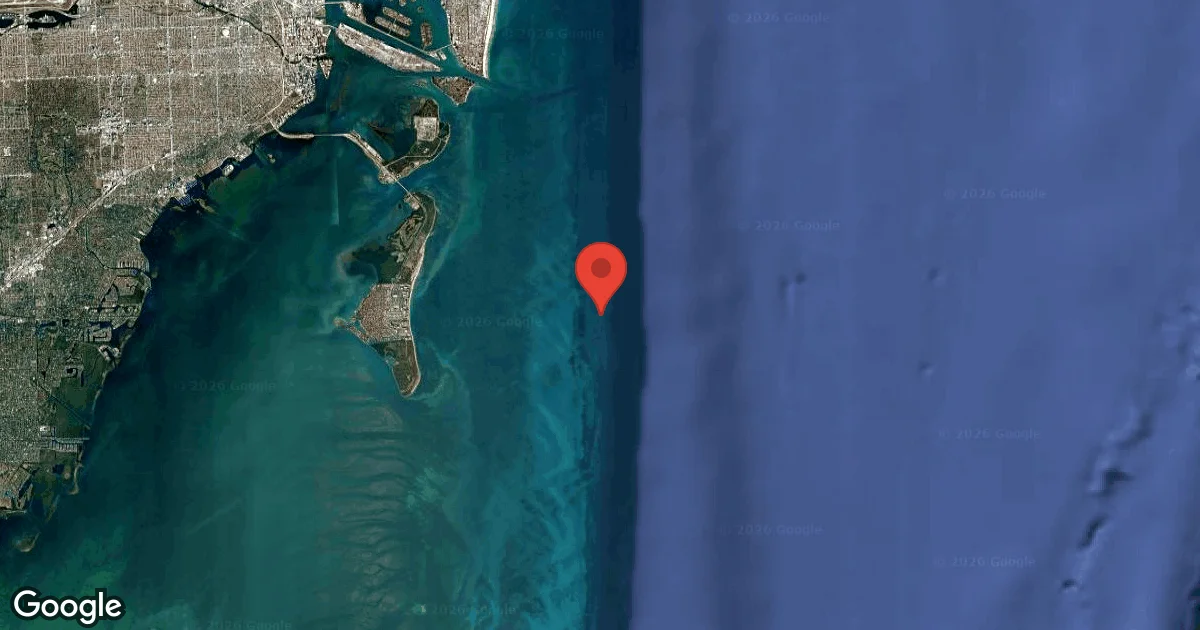
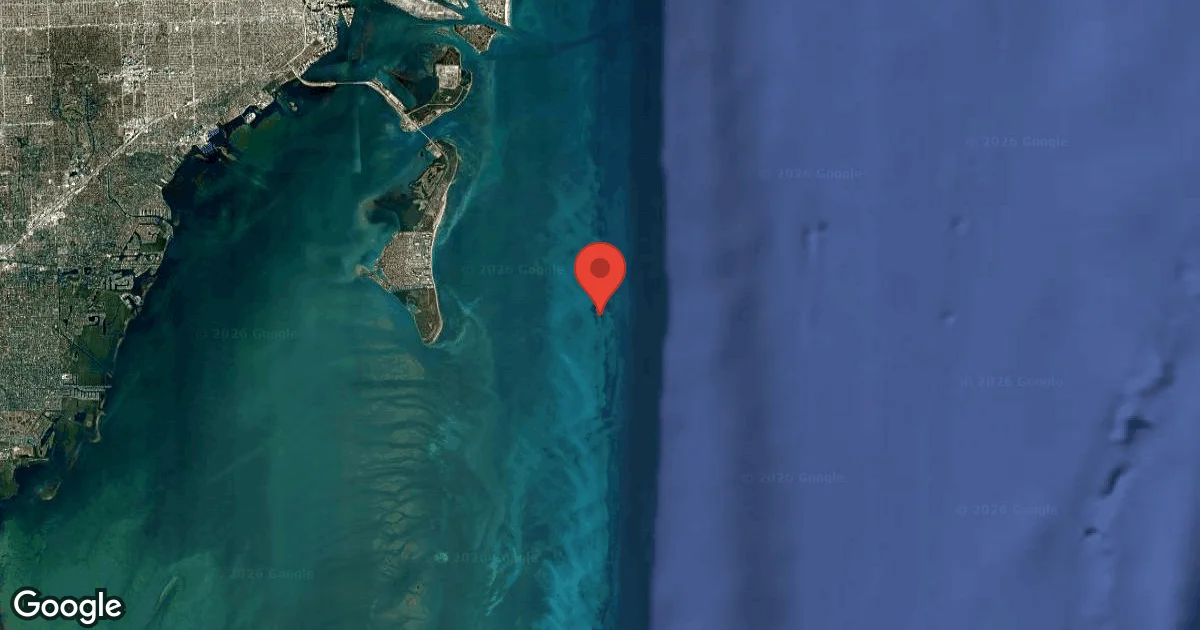
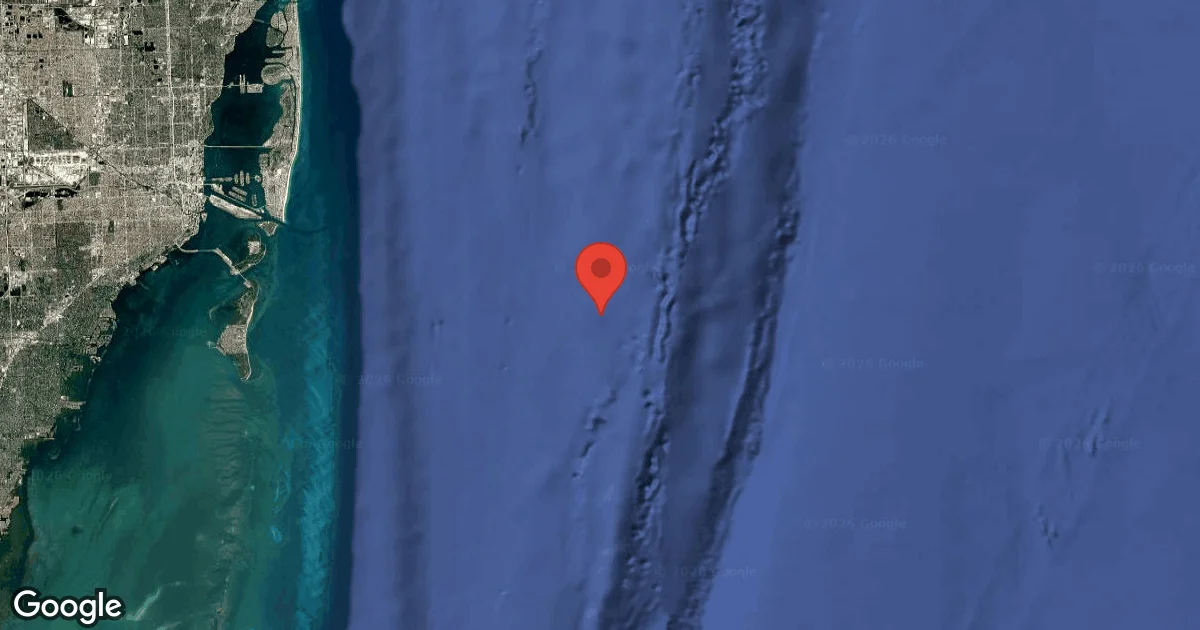
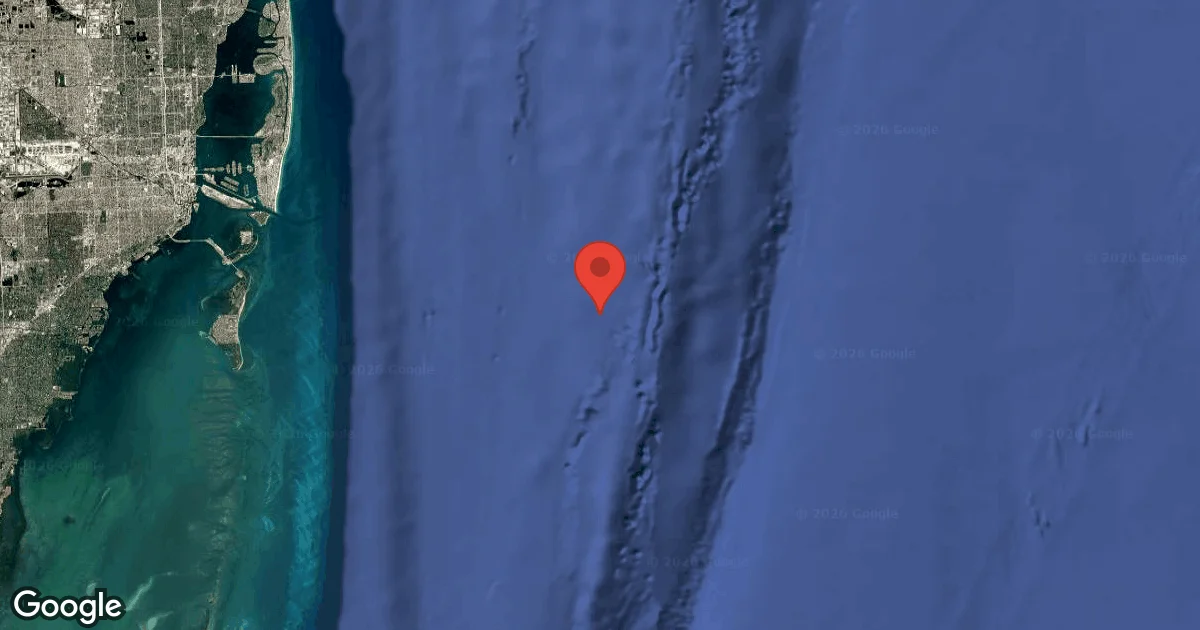
View all dive sites in United StatesDiscover more underwater gems in this area.
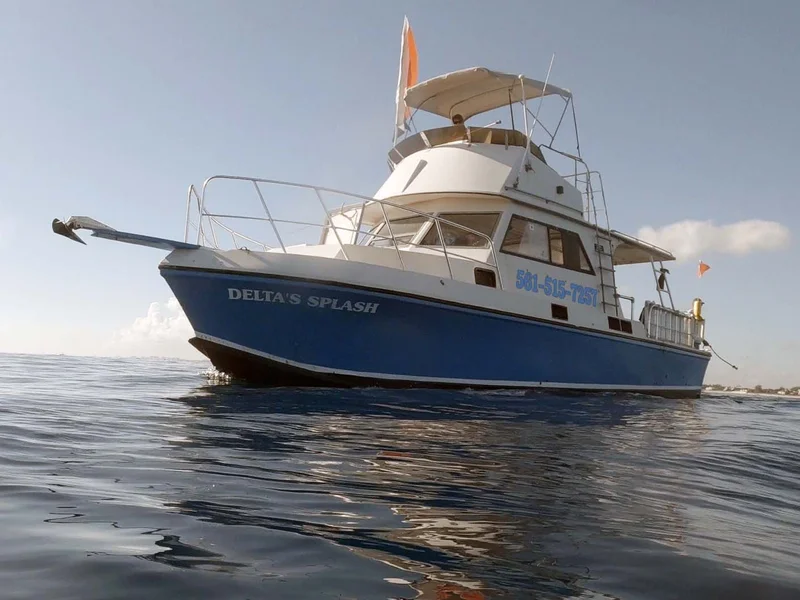
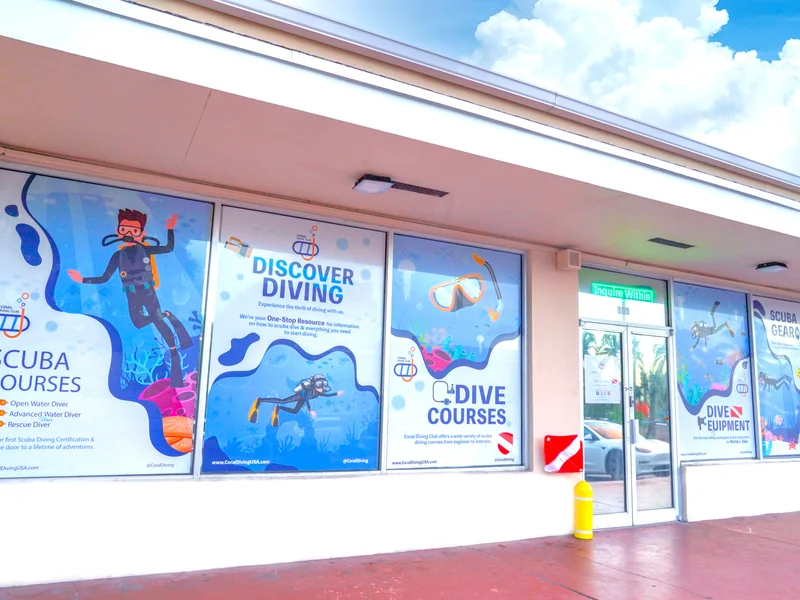
Dive Centers Near 2016 Anchorage Connection Reef D
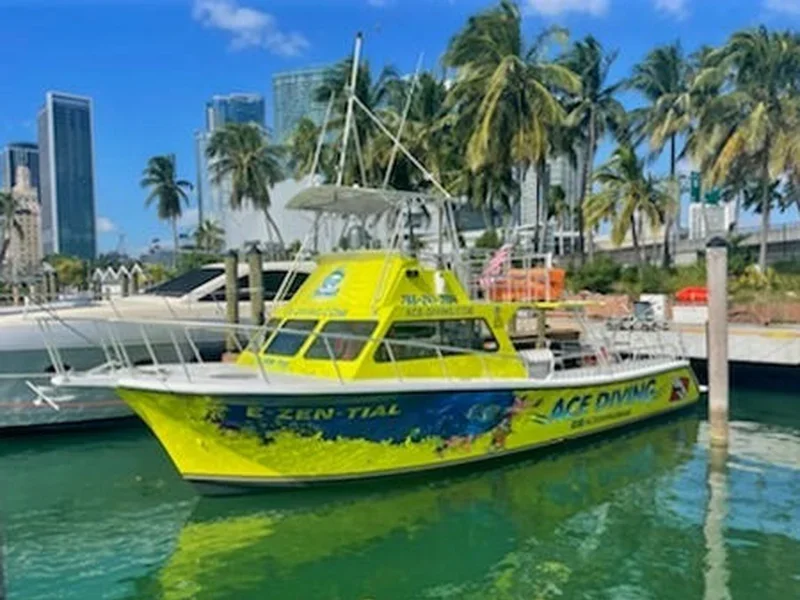
Today: 08:00 - 17:00
Nearest Airports
Nearest airports to help plan travel to this dive area.
Search Flights
Check available flights and routes on Expedia, using the nearby airports listed in this section.
Search Flights on Expedia
Plan Your Stay
Looking for a place to stay for your dive trip? Explore hotels, stays, and vacation rentals for dive groups near Miami Beach.
Dive Navigator may earn a commission from these links at no extra cost to you.
Frequently Asked Questions
What is the main ecological role of coral reefs?
Coral reefs are vital ecosystems, often called the 'rainforests of the sea,' providing habitat for an estimated 25 percent of all marine species. They support over a million different aquatic species, including thousands of fish species. These structures are crucial for maintaining marine biodiversity.
Are corals plants or animals?
If you had to choose one, corals are classified as animals, despite sometimes resembling plants or rocks. Reef-building corals are colonial organisms, meaning they consist of hundreds to thousands of individual animals called polyps working together.
Where are coral reefs primarily found?
Coral reefs are primarily found in tropical waters across the globe. In the United States, they are present throughout the Atlantic and Caribbean regions. The global biodiversity hotspot for coral reefs is located in Southeast Asia, particularly near Indonesia and the Philippines.
Why are coral reefs considered important for coastal protection?
Healthy coral reefs act as natural barriers, with their rough surfaces and complex structures dampening the force of incoming waves. This buffering action protects coastal cities, communities, and beaches from currents, storms, and erosion. Studies have shown healthy reefs absorb significantly more wave energy than degraded ones.
What are some major threats to coral reefs?
Coral reefs worldwide face numerous threats, with climate change being a leading cause of decline. Other significant impacts include coastal development, recreational overuse, illegal fishing, and marine debris. Even remote reefs are susceptible to these global and localized pressures.
How can divers help protect coral reefs?
Divers play a critical role in reef conservation by practicing excellent buoyancy control and avoiding contact with delicate corals. It's essential to never touch, stand on, or collect marine life or coral. Educating oneself and others about reef ecology and supporting sustainable practices also contributes to their preservation.
What is NOAA's role in coral reef protection?
NOAA's Coral Reef Conservation Program implements the Coral Reef Conservation Act, as mandated by Congress. Various NOAA offices and agencies collaborate to protect these resources, a commitment strengthened after significant global coral bleaching events and presidential executive orders in the late 1990s.
Planning to dive 2016 Anchorage Connection Reef D?
Send one inquiry and receive offers directly from the best verified local dive operators.
Conditions are Excellent
07:00 - 14:00
Optimal conditions expected
Current conditions near 2016 Anchorage Connection Reef D show 27° air, 31° sea temperature, 0.4 m waves, and 20 km/h wind. Forecast data is refreshed regularly to ensure accuracy.