
Diving at Aquatic Life Ecosystem (Ale) NE Leg #2 (United States)
This unique aquatic environment provides a structured, immersive experience, offering divers access to various curated marine habitats. Enclosed exhibits replicate diverse underwater settings, ranging from expansive ocean voyager tanks to tropical coral reef habitats. Maximum depths generally reach around 9 m (30 ft), making these dives accessible within recreational limits. The controlled settings allow for close observation of marine life.
As evening covers Aquatic Life Ecosystem (Ale) NE Leg #2, the local air temperature is measured at 31.5°C. The current wave height at the surface is recorded at 0.9 m. These late-day readings characterize the surface conditions for the night.
Dive Site Location & Key Facts
Dive Site Overview
Exploring this aquatic ecosystem presents a distinctive opportunity to immerse oneself in meticulously managed marine environments. Divers move through various curated habitats, from vast ocean voyager tanks to detailed tropical coral reef settings, encountering a diverse range of species.
These experiences often include direct interactions within the large simulated coral reef habitats or close observations of significant pelagic life, such as whale sharks and manta rays. Prioritizing both education and conservation, dive programs frequently offer participants behind-the-scenes access to animal care and operational facilities. Thousands of sea creatures populate these exhibits, allowing for observation of their natural characteristics and behaviors within a secure, controlled setting.
Water temperatures typically hold a comfortable range, generally between 23-25°C (74-77°F), which facilitates longer, more relaxed dive durations. Different certification levels are accommodated, from beginner try-dives for ages nine and up to advanced rebreather experiences designed for seasoned divers.
Conditions are Excellent
07:00 - 14:00
Optimal conditions expected
Current conditions near Aquatic Life Ecosystem (Ale) NE Leg #2 show 31° air, 30° sea temperature, 0.4 m waves, and 18 km/h wind. Forecast data is refreshed regularly to ensure accuracy.
Best Time to Dive
For divers seeking optimal conditions year-round, this indoor aquatic environment offers consistent stability, unaffected by external weather patterns. While the air temperature outside can range significantly, from an average of 13.5°C (56°F) in January to 29°C (84°F) in August, the internal dive environment maintains a stable, comfortable water temperature. Conditions are generally rated 'Good' for diving from April through October, coinciding with lower average wave heights and lighter winds outside. Rainfall is typically low, though September sees a slight increase with an average of 7.2 mm. Planning a visit during any month ensures a consistent dive experience, regardless of the seasonal climate fluctuations outside the facility.
PEAK SEASON SCORE
Scores combine air & water temps, waves, wind & rainfall for overall conditions.
BEST MONTHS TO DIVE
Monthly records compiled from satellite and marine observation nodes over the last 3 years. Data provided by Open-Meteo and MET Norway.
Dive Experience & Conditions
Descending into these waters, divers immediately notice the pristine clarity and consistent warmth, with tank temperatures often holding steady around 23-25°C (74-77°F). Visibility is exceptional, allowing for uninterrupted views across the extensive habitats. Currents are typically minimal or carefully managed, providing a calm environment for observation and photography where permitted. Divers often report a sensation of exploring a vibrant, thriving ecosystem, with plentiful opportunities to observe marine life that might otherwise require numerous open-water dives. Many experiences include interaction with staff divers, who provide interpretive tours and insight into the animals' behaviors. The maximum depth of around 9 m (30 ft) allows for extended bottom times.
Dive Difficulty & Safety Guidelines
Navigating this controlled ecosystem requires adherence to specific guidelines designed for diver safety and animal well-being. Most programs require Open Water Certification, with some advanced experiences mandating a minimum number of logged dives, such as 25 or 30. Age restrictions vary, with some experiences open to divers as young as 9 or 10, while others require participants to be 15 or 18 years or older.
All dives are typically conducted with experienced staff guides, ensuring a safety-conscious environment. While there are no natural marine hazards like strong currents, respecting animal boundaries and following specific instructions regarding interaction and photography are paramount. Participants are briefed thoroughly on dive practices before entering the water.
Recommended Equipment
- Dive Computer
This gear list is based on verified equipment signals for Aquatic Life Ecosystem (Ale) NE Leg #2, United States. Always confirm final gear choices with your dive operator, guide, or liveaboard.
Recommended Dive Suit
For dives of average duration, dive skin or rash guard usually provides sufficient protection from heat loss. Consider warmer surface protection (like a boat coat) due to brisk winds.
Divers entering the water at Aquatic Life Ecosystem (Ale) NE Leg #2 today can expect temperatures near 30°C (86°F) beneath the surface. Surface air temperatures are resting at 31°C (89°F).
Environmental conditions may feel slightly cooler as the week progresses. Cooler days are ahead; you might want a warmer option for later in the week. Having a second exposure option available is often a good precaution.
Due to technical issues with our weather providers, data hasn't been fetched for over 48 hours. The data above reflects the conditions at the time of the last successful fetch.
Emergency & Medical Support
Essential information to help you plan your dive trip to Aquatic Life Ecosystem (Ale) NE Leg #2.

Hyperbaric chambers are a critical part of dive safety infrastructure. Availability varies significantly by region, and not all dive areas have immediate access.
Before diving, it's recommended to:
- confirm nearest medical facilities
- check emergency procedures with local dive operators
- ensure dive insurance covers evacuation if required
Divers Alert Network
Diving emergency assistance available through DAN World.
+1-919-684-9111- 24/7 emergency hotline
- Diving medical assistance
- Evacuation coordination
Emergency contacts are provided for reference. Always verify local emergency services before diving.
Marine Life at Aquatic Life Ecosystem (Ale) NE Leg #2
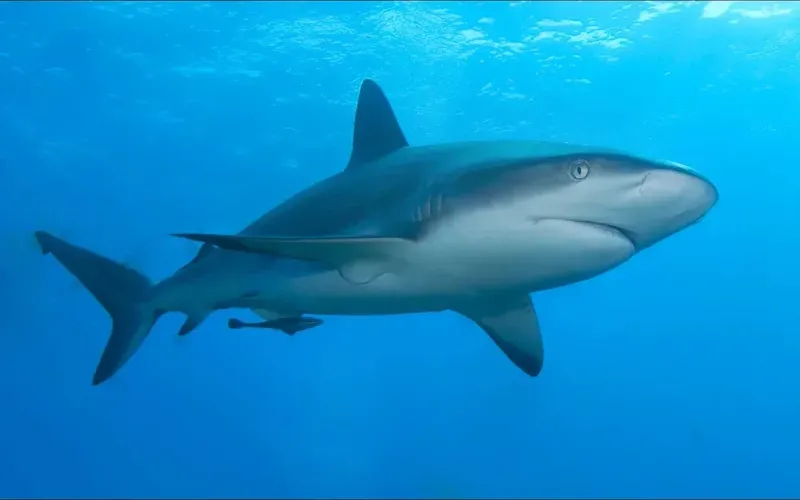
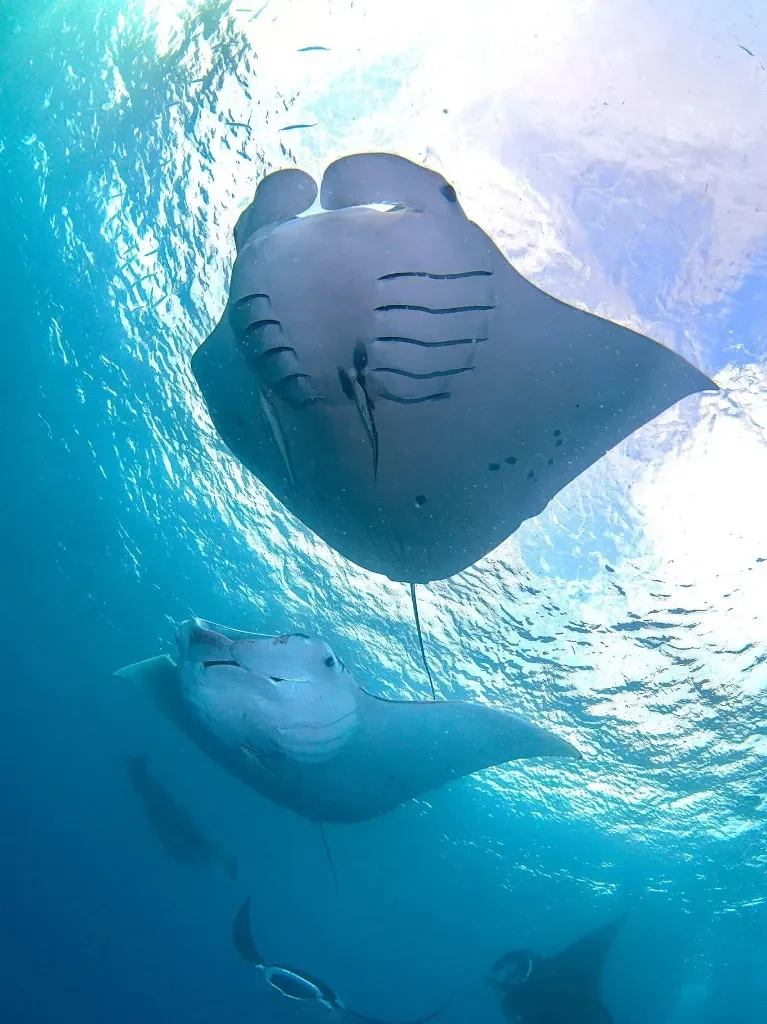
Within these carefully managed aquatic landscapes, a striking diversity of marine life thrives, offering unparalleled viewing opportunities. Divers frequently encounter impressive pelagic species, including whale sharks, manta rays, and various reef sharks such as sand tigers, zebras, silky, and hammerheads.
A vibrant coral reef habitat supports a multitude of tropical fish, angelfish, and smaller species like cleaner wrasse. Observing substantial creatures like large groupers and cod is common.
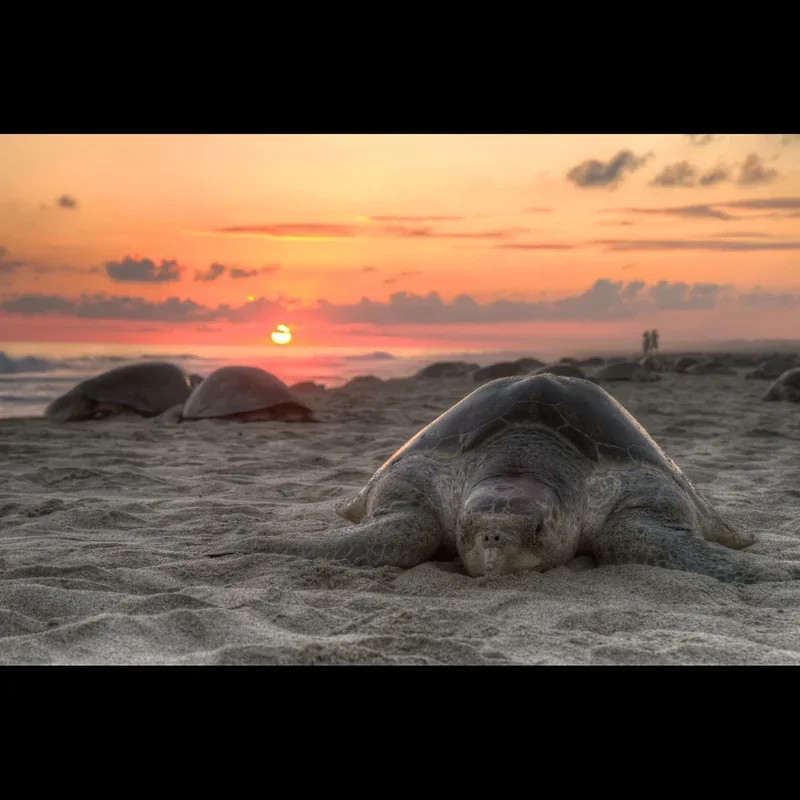
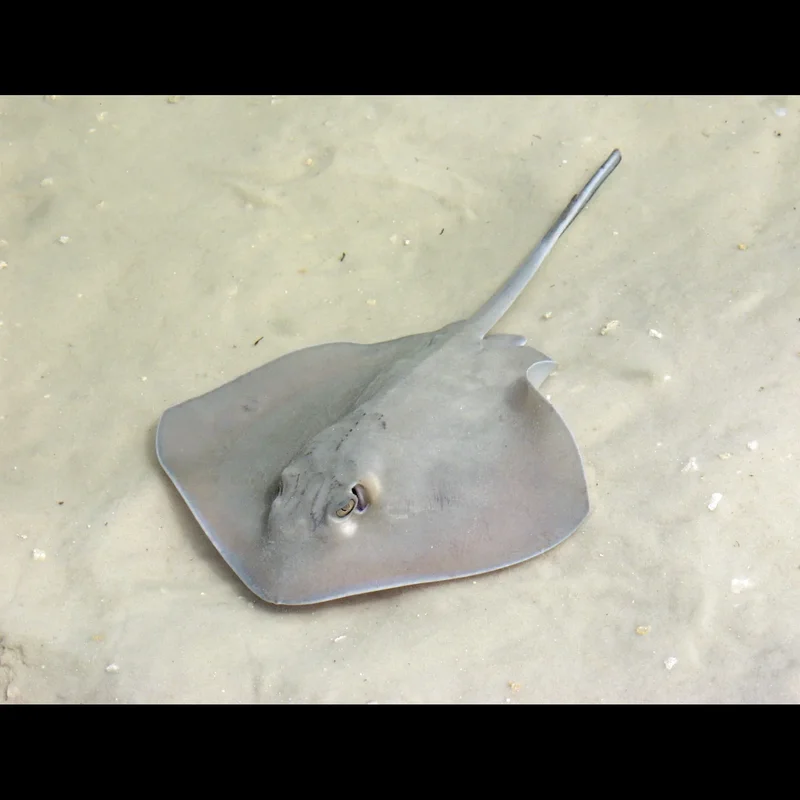
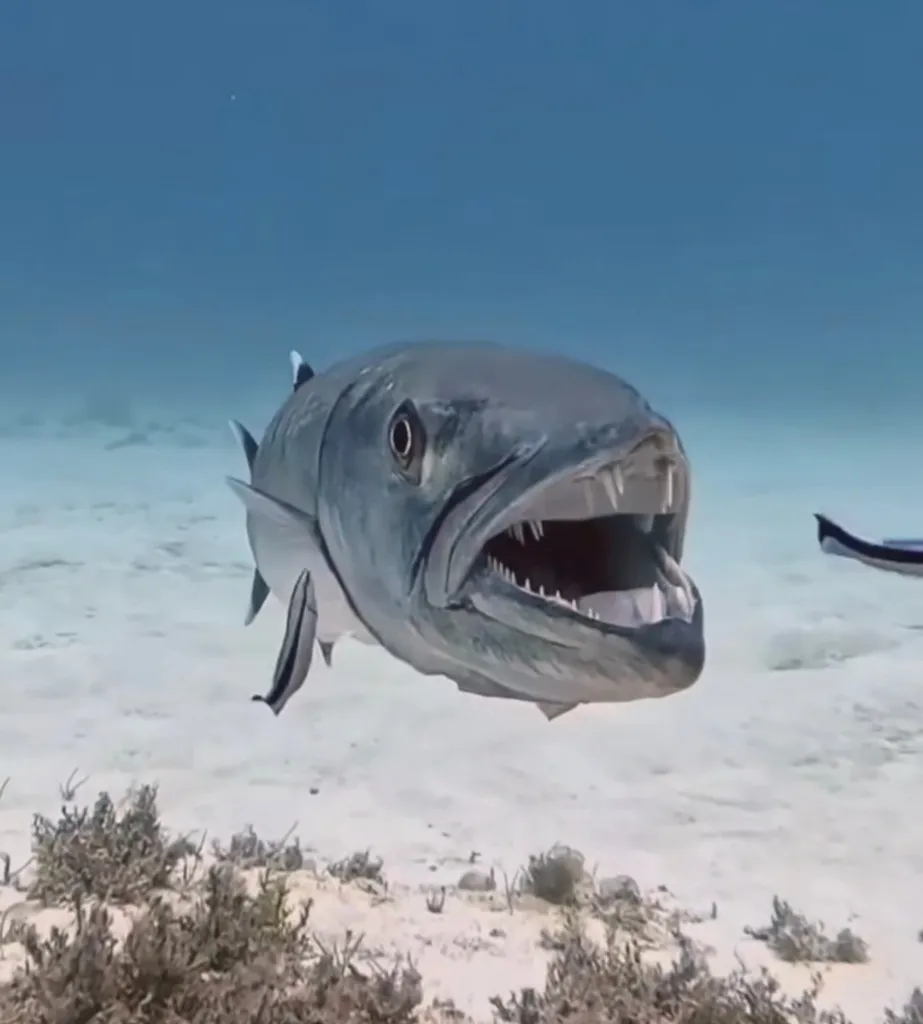
Sea turtles and a variety of rays, including southern stingrays and eagle rays, are also regular sights. Some exhibits even feature barracuda and eels, providing a comprehensive cross-section of aquatic biodiversity.
Dive Sites Near Aquatic Life Ecosystem (Ale) NE Leg #2
View all dive sites in United StatesDiscover more underwater gems in this area.
Dive Centers Near Aquatic Life Ecosystem (Ale) NE Leg #2
Today: 09:00 - 16:00
Nearest Airports
Nearest airports to help plan travel to this dive area.
Search Flights
Check available flights and routes on Expedia, using the nearby airports listed in this section.
Search Flights on ExpediaFrequently Asked Questions
What are the certification requirements to dive?
Most dive experiences require Open Water Certification. Some programs for more advanced encounters, like rebreather dives or volunteer positions, might ask for specific additional certifications or a minimum number of logged dives.
What is the typical water temperature?
Water temperatures in these controlled environments remain consistently comfortable, typically ranging between 23-25°C (74-77°F). Such stability ensures a pleasant and warm dive experience, unaffected by external weather conditions.
Are there age restrictions for participants?
Yes, age restrictions vary by program. Some introductory experiences are open to children as young as 9 or 10, while certified diver programs typically require participants to be 12, 15, or 18 years or older, often with adult accompaniment for younger divers.
Can I use my own dive gear?
Policies regarding personal gear vary. Some facilities allow divers to bring their own mask, fins, or even full equipment, while others provide all necessary gear. It's best to confirm with the specific program in advance.
Is photography allowed during the dive?
Photography policies differ significantly. Some programs allow participants to use their own underwater cameras, or even provide one, while others prohibit personal photography and may offer an HD video for purchase instead. Check specific rules beforehand.
What kind of marine life can I expect to see?
Divers can expect to encounter a wide array of marine life, including large pelagic species like whale sharks, manta rays, and various sharks, alongside sea turtles, stingrays, barracuda, and diverse tropical fish within the coral reef habitats.
Planning to dive Aquatic Life Ecosystem (Ale) NE Leg #2?
Send one inquiry and receive offers directly from the best verified local dive operators.
Conditions are Excellent
07:00 - 14:00
Optimal conditions expected
Current conditions near Aquatic Life Ecosystem (Ale) NE Leg #2 show 31° air, 30° sea temperature, 0.4 m waves, and 18 km/h wind. Forecast data is refreshed regularly to ensure accuracy.