
Diving at Arida (United States)
Exploring the depths of northern Idaho's glacially formed lakes provides a distinct high-altitude diving experience, blending historical discovery with unique freshwater environments. Divers can expect diverse wreck sites, from steamboats to train cars, submerged in clear, cold waters. It's an opportunity to engage with a different side of underwater exploration in the United States.
Tonight's objective overview for Arida shows an air temperature of 27°C. The measured surface conditions include wave heights around 0.6 m. This environmental data is logged for the close of the day.
Dive Site Location & Key Facts
Dive Site Overview
Northern Idaho's diving landscape is characterized by two significant glacially formed lakes, Lake Pend Oreille and Lake Coeur d’Alene, which together hold over 60 historic wrecks. Lake Pend Oreille, deeper and often clearer than Lake Coeur d’Alene, plunges to depths of approximately 350 m (1,150 ft) and hosts various sunken vessels, including a unique arrangement of train cars near Trestle Creek, with the first visible at 26 m (86 ft) and others reaching 33.5 m (110 ft).
Lake Coeur d’Alene, while generally more frequented, still presents multiple purpose-sunk and natural wrecks. Near Independence Point, divers can explore the Seeweewana, an excursion cruise boat sunk at 29 m (96 ft) in 1988, followed by shallower sites like the Spokane or Harrison steamboats.
Many of these sites are accessible via shore diving from points like Bayview public boat launch or Independence Point, though charter services are also available for deeper or more remote locations. Considering the surface elevation of about 628 m (2,060 ft) for these lakes is crucial for proper dive planning.
Conditions are Good
Optimal conditions expected
Current conditions near Arida show 27° air, 31° sea temperature, 0.6 m waves, and 27 km/h wind. Forecast data is refreshed regularly to ensure accuracy.
Best Time to Dive
Optimal diving conditions in northern Idaho's lakes often align with periods of stable weather, favoring better visibility. Months from April through September generally show a 'Good' dive score, with May, June, and July experiencing lower average wave heights, around 0.5-0.7 m (1.6-2.3 ft), which can contribute to calmer surface conditions. Air temperatures during these prime months range from 24-28°C (75-83°F). Rainfall is moderate, with July showing minimal precipitation at 4.02 mm, contrasting with June's higher average of 9.40 mm. Visibility tends to be best outside the heavier rainfall periods, which can stir up sediment. Divers planning for specific marine life encounters, such as the kokanee salmon run, should target late November to early December, even though general dive scores during these months typically rate as 'Moderate' due to potentially cooler air temperatures.
PEAK SEASON SCORE
Scores combine air & water temps, waves, wind & rainfall for overall conditions.
BEST MONTHS TO DIVE
Monthly records compiled from satellite and marine observation nodes over the last 3 years. Data provided by Open-Meteo and MET Norway.
Dive Experience & Conditions
Divers here encounter a unique depth profile, as Lake Pend Oreille plummets to approximately 350 m (1,150 ft) in sections, requiring meticulous planning for deeper dives. Recreational divers typically explore wrecks like the Seeweewana at 29 m (96 ft) or the sunken train cars, where the first is visible at 26 m (86 ft) and others rest at 33.5 m (110 ft). The waters of Lake Pend Oreille are often reported as colder and clearer than Lake Coeur d’Alene. In contrast, Lake Coeur d’Alene, particularly near historical mining areas, can exhibit exceptional darkness due to heavy metal deposits from early 1900s mining activity. Both lakes demand cold-water diving preparation, and the surface elevation of about 628 m (2,060 ft) necessitates appropriate altitude dive profiles for all excursions.
Dive Difficulty & Safety Guidelines
Navigating these high-altitude lake environments requires specific safety considerations beyond typical sea-level diving protocols. Divers must account for the surface elevation of around 628 m (2,060 ft) when planning dive profiles to prevent decompression sickness. The cold-water conditions year-round mandate appropriate thermal protection to mitigate hypothermia risks.
Visibility can vary significantly, ranging from clear sections in Lake Pend Oreille to potentially dark conditions in parts of Lake Coeur d'Alene, especially at depth or following heavy rainfall. Reliable dive lights are essential under these variable conditions.
While not consistently reported, boat traffic should always be a consideration, and surface markers are advisable. Access points like Beacon Point may have limited summer parking, so early arrival is recommended.
Recommended Equipment
- Dive Computer
This gear list is based on verified equipment signals for Arida, United States. Always confirm final gear choices with your dive operator, guide, or liveaboard.
Recommended Dive Suit
Dive skin or rash guard usually provides adequate warmth in water around this temperature. Water conditions at Arida are currently measured at approximately 31°C (87°F). Surface air temperatures are resting at 27°C (81°F).
Environmental conditions are expected to remain consistent in the short-term outlook.
Conditions can vary slightly across different parts of the same dive site.
Emergency & Medical Support
Essential information to help you plan your dive trip to Arida.

Hyperbaric chambers are a critical part of dive safety infrastructure. Availability varies significantly by region, and not all dive areas have immediate access.
Before diving, it's recommended to:
- confirm nearest medical facilities
- check emergency procedures with local dive operators
- ensure dive insurance covers evacuation if required
Divers Alert Network
Diving emergency assistance available through DAN World.
+1-919-684-9111- 24/7 emergency hotline
- Diving medical assistance
- Evacuation coordination
Emergency contacts are provided for reference. Always verify local emergency services before diving.
Marine Life at Arida
While not a coral reef environment, northern Idaho's lakes offer unique aquatic encounters, particularly during seasonal migrations. The most exciting underwater wildlife observation involves the kokanee salmon.
Thousands of these inland sockeye salmon spawn at Higgins Point in Lake Coeur d’Alene, usually from late November to early December. This event provides a distinct opportunity to witness a significant natural spectacle.
Beyond the salmon, the cold, deep waters do not support the same diversity as warmer, ocean environments, but the historical wrecks often attract localized freshwater species.

Dive Sites Near Arida
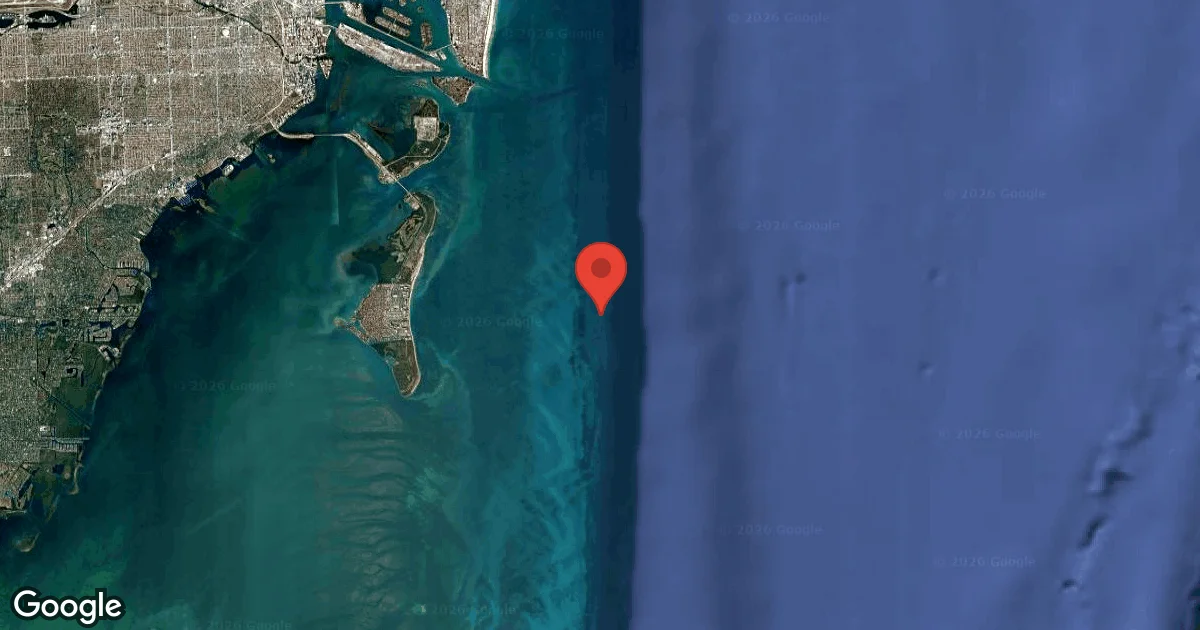
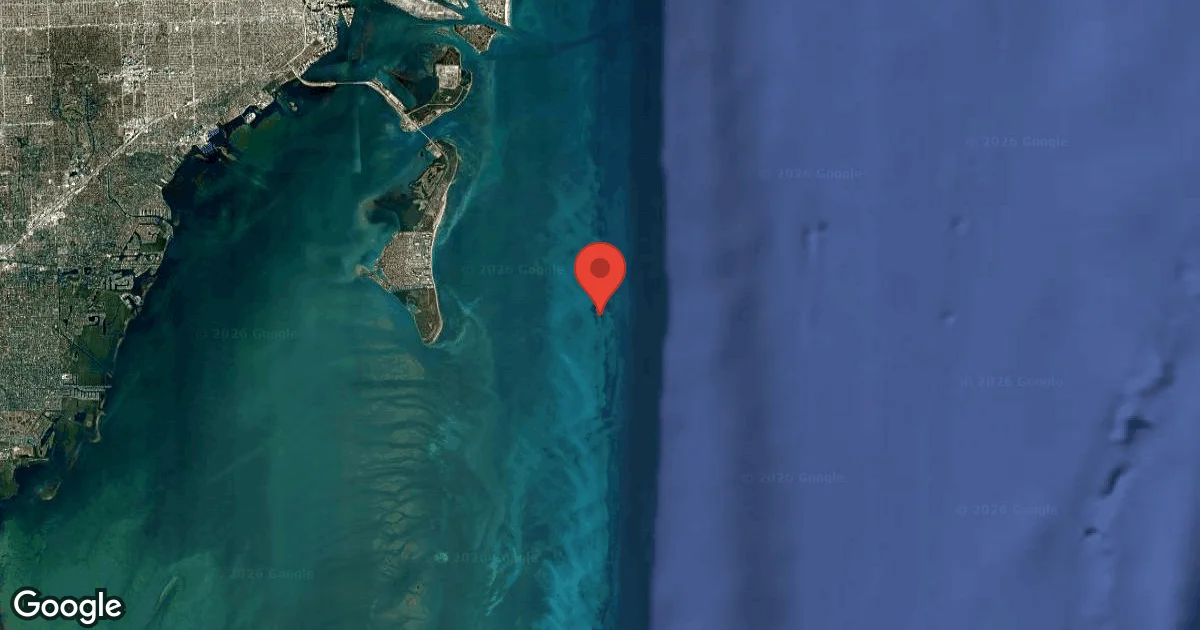
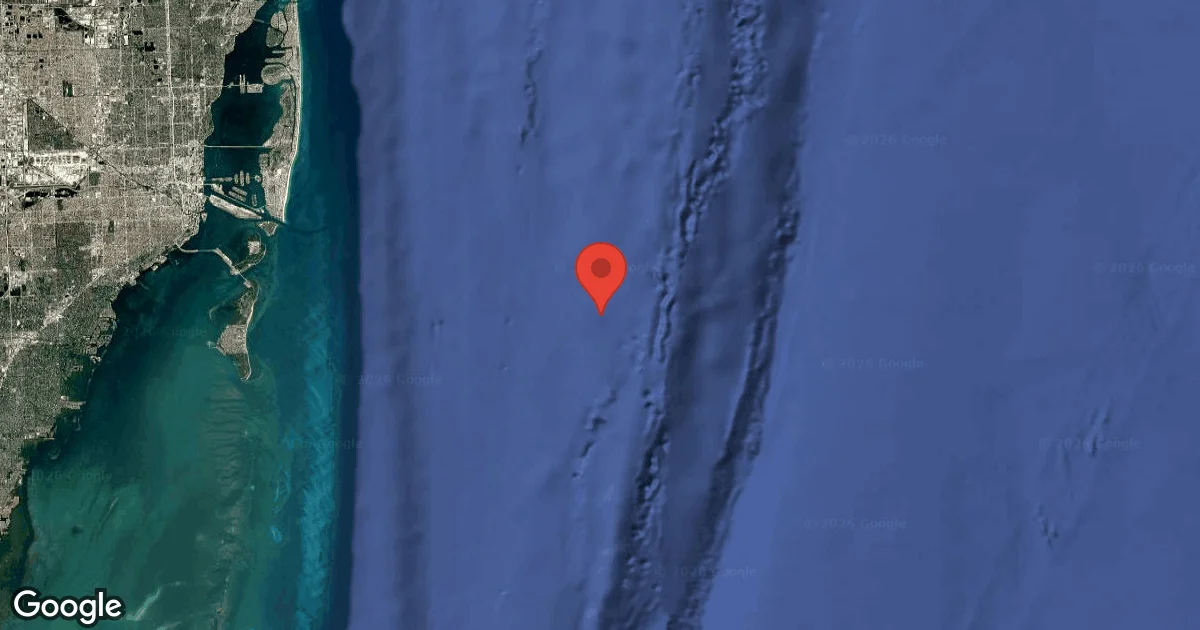
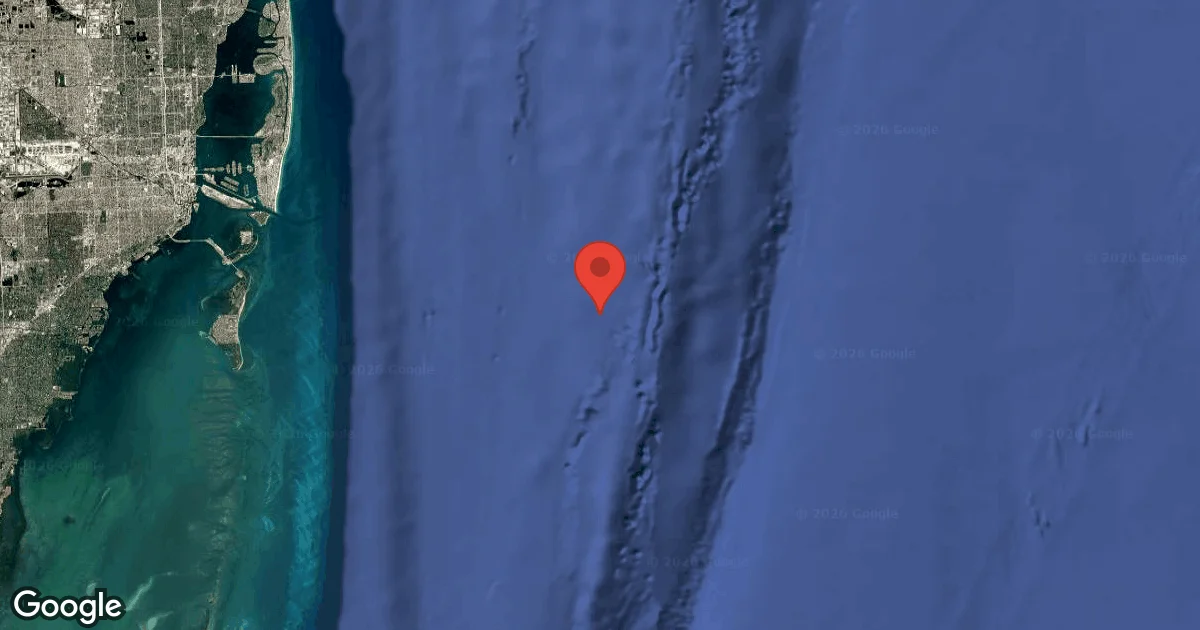
View all dive sites in United StatesDiscover more underwater gems in this area.
Dive Centers Near Arida
Today: 08:00 - 17:00
Nearest Airports
Nearest airports to help plan travel to this dive area.
Search Flights
Check available flights and routes on Expedia, using the nearby airports listed in this section.
Search Flights on Expedia
Plan Your Stay
Looking for a place to stay for your dive trip? Explore hotels, stays, and vacation rentals for dive groups near Key Biscayne.
Dive Navigator may earn a commission from these links at no extra cost to you.
Frequently Asked Questions
What kind of dive sites are available in northern Idaho?
Northern Idaho offers primarily lake diving, with numerous historical wrecks in both Lake Pend Oreille and Lake Coeur d’Alene. Sites include sunken steamboats, excursion cruise boats, old cars, and even unique train cars.
What are the typical depths for these dives?
Dive depths vary, with many wrecks like the Seeweewana found around 29 m (96 ft). Some sites, such as the train cars, are accessible starting at 26 m (86 ft) and extending deeper to 33.5 m (110 ft). Lake Pend Oreille itself is exceptionally deep, reaching 350 m (1,150 ft).
Is special training needed for diving here?
Yes, given the surface elevation of approximately 628 m (2,060 ft), divers must account for altitude diving protocols. Cold water diving experience and appropriate thermal protection are also necessary for safety and comfort.
When is the best time to see salmon?
Thousands of kokanee salmon typically spawn at Higgins Point in Lake Coeur d’Alene from late November to early December. This period offers a seasonal highlight for divers interested in observing freshwater marine life.
What are the water conditions like?
These are cold-water dives. Lake Pend Oreille is generally clearer, while Lake Coeur d’Alene can have variable visibility, sometimes experiencing exceptional darkness due to historical heavy metal deposits. Dive lights are recommended for most dives.
Can I do shore dives, or do I need a boat?
Both shore diving and boat charters are available. Several wrecks near Independence Point and from the Bayview public boat launch are accessible for shore dives. Charters are also offered by local dive shops for accessing more remote or deeper sites.
Planning to dive Arida?
Send one inquiry and receive offers directly from the best verified local dive operators.
Conditions are Good
Optimal conditions expected
Current conditions near Arida show 27° air, 31° sea temperature, 0.6 m waves, and 27 km/h wind. Forecast data is refreshed regularly to ensure accuracy.