
Diving at CSX Reef (United States)
To effectively navigate artificial reef systems like CSX Reef, divers should prioritize thorough pre-dive planning, understanding that these sites often comprise diverse structures from barges to concrete modules. Mastering buoyancy control is key, especially when exploring interior wreck sections or hovering close to delicate growth on deployed materials. Always consider visibility conditions and current strength before committing to a deeper penetration.
Tonight's objective overview for CSX Reef shows an air temperature of 26.5°C. The measured surface conditions include wave heights around 0.6 m. This environmental data is logged for the close of the day.
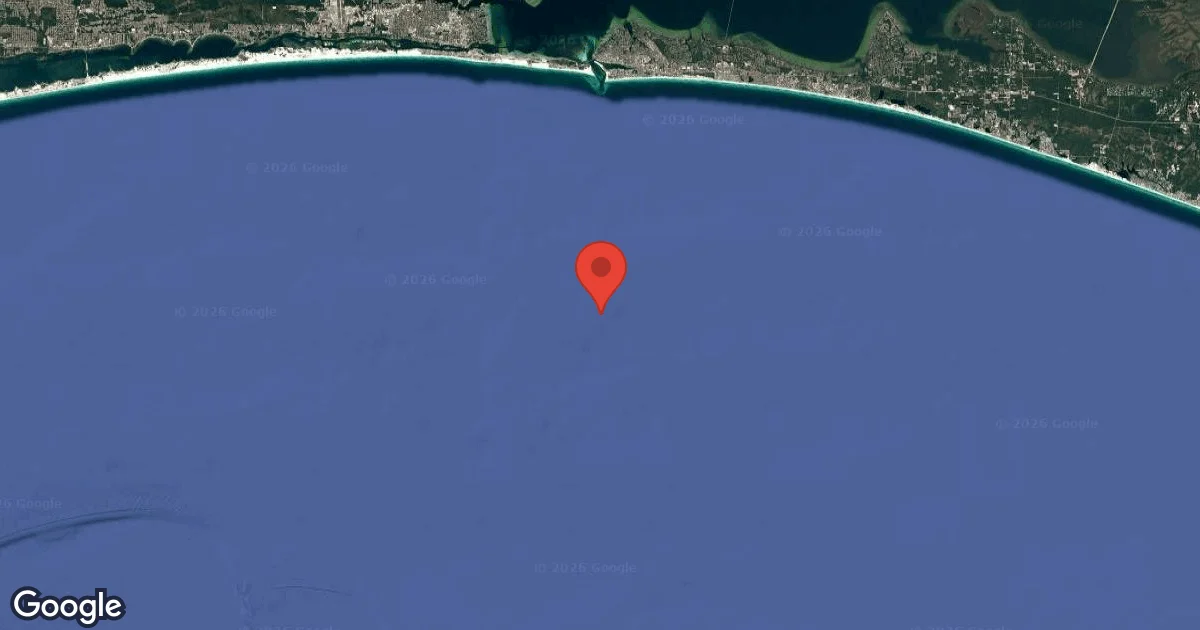
Dive Site Location & Key Facts
Dive Site Overview
Imagine descending into a diverse underwater landscape, where the purposeful placement of human-made structures has fostered vibrant marine ecosystems. CSX Reef, typical of Florida's artificial reef initiatives, presents a mosaic of submerged elements, encompassing old wrecks, concrete debris, and various reef modules.
Early artificial reef programs in the region began as far back as 1965, with pillboxes and metal pipes initially deployed, later expanding to include concrete slabs, culvert, sections of handrails, and even parts of shipwrecks and small barges. This site offers an investigative dive, inviting explorers to discover numerous hiding places among these immense building blocks. Many of these structures, like the 180-foot long Pete Tide II barge often found on similar local reefs, quickly become covered with a variety of fish, demonstrating their success as essential habitat.
Divers can frequently wend through open holds or observe goliath groupers hovering calmly. Depths across the broader artificial reef systems in Florida range significantly, with some sections starting as shallow as 6 m (20 ft) and others extending to 30 m (100 ft) or more, catering to various certification levels.
Conditions are Excellent
07:00 - 14:00
Optimal conditions expected
Current conditions near CSX Reef show 27° air, 30° sea temperature, 0.6 m waves, and 23 km/h wind. Forecast data is refreshed regularly to ensure accuracy.
Best Time to Dive
Considering dive conditions in the region reveals a distinct contrast between seasons, significantly influencing the overall experience. Summer months, particularly July and August, generally present calmer surface conditions, with average wave heights around 0.6 m (2.0 ft) and lighter winds, often below 25 km/h (15 mph). This period also sees the warmest air temperatures, averaging 28-29°C (82-84°F), making for comfortable surface intervals. While specific water temperature data for CSX Reef is not consistently reported, regional patterns suggest warmer waters during these months. Conversely, winter and early spring, from December through March, experience higher average wave heights, ranging from 0.8-1.0 m (2.6-3.3 ft), accompanied by stronger winds up to 31 km/h (19 mph). Air temperatures during this time drop to averages of 12-17°C (54-63°F). Rain levels remain relatively consistent year-round, typically between 3-5 mm per month. Given the overall "Good" dive scores throughout the year, careful monitoring of daily sea state forecasts is more critical than a strict seasonal restriction, with the calmest conditions tending towards mid-summer.
PEAK SEASON SCORE
Scores combine air & water temps, waves, wind & rainfall for overall conditions.
BEST MONTHS TO DIVE
Monthly records compiled from satellite and marine observation nodes over the last 3 years. Data provided by Open-Meteo and MET Norway.
Dive Experience & Conditions
The depth profile for artificial reefs in this region caters to a broad spectrum of divers, with structures typically found from shallower sections around 6-12 m (20-40 ft) down to depths approaching 30 m (100 ft). For instance, various concrete and brick structures are accessible within 7-10 m (22-32 ft) while larger wrecks, such as tugboats or barges, can start around 12 m (39 ft) and extend to deeper sections below 20 m (65 ft). Often, these sites are characterized by a 'pea-green' water color, which can lead to limited visibility, sometimes feeling a little blurry. This reduced visibility, combined with the often intricate structures of wrecks and deployed modules, enhances the feeling of discovery as features emerge from the ambient light. Currents can vary depending on conditions and proximity to entrances, making careful dive planning essential.
Dive Difficulty & Safety Guidelines
Approaching artificial reef sites like CSX Reef requires divers to acknowledge potential challenges and adhere to strict guidelines. Visibility can fluctuate, sometimes being 'murky,' demanding close attention to buddy contact and navigation. While many structures are open, interior penetration of wrecks should only be undertaken by experienced wreck divers, as complex layouts and entanglement risks are present.
Specific warnings regarding strong currents capable of sealing off wreck entrances have been noted at similar sites, underscoring the need for careful assessment before entry. Always plan your dive according to your certification level and current conditions.
Maintaining excellent buoyancy control is paramount to avoid disturbing delicate reef growth or stirring up sediment, which further reduces visibility for yourself and others.
Recommended Equipment
- Dive Computer
This gear list is based on verified equipment signals for CSX Reef, United States. Always confirm final gear choices with your dive operator, guide, or liveaboard.
Recommended Dive Suit
According to recent observations, water temperatures near CSX Reef are approximately 30°C (86°F). Surface air temperatures are resting at 27°C (80°F).
Weather projections show fairly stable environmental conditions ahead.
Most divers would typically feel comfortable using dive skin or rash guard in these conditions. A hood or vest is suggested for sensitive divers due to surface winds. Dive depth and duration can significantly affect perceived warmth.
Emergency & Medical Support
Essential information to help you plan your dive trip to CSX Reef.

Hyperbaric chambers are a critical part of dive safety infrastructure. Availability varies significantly by region, and not all dive areas have immediate access.
Before diving, it's recommended to:
- confirm nearest medical facilities
- check emergency procedures with local dive operators
- ensure dive insurance covers evacuation if required
Divers Alert Network
Diving emergency assistance available through DAN World.
+1-919-684-9111- 24/7 emergency hotline
- Diving medical assistance
- Evacuation coordination
Emergency contacts are provided for reference. Always verify local emergency services before diving.
Marine Life at CSX Reef
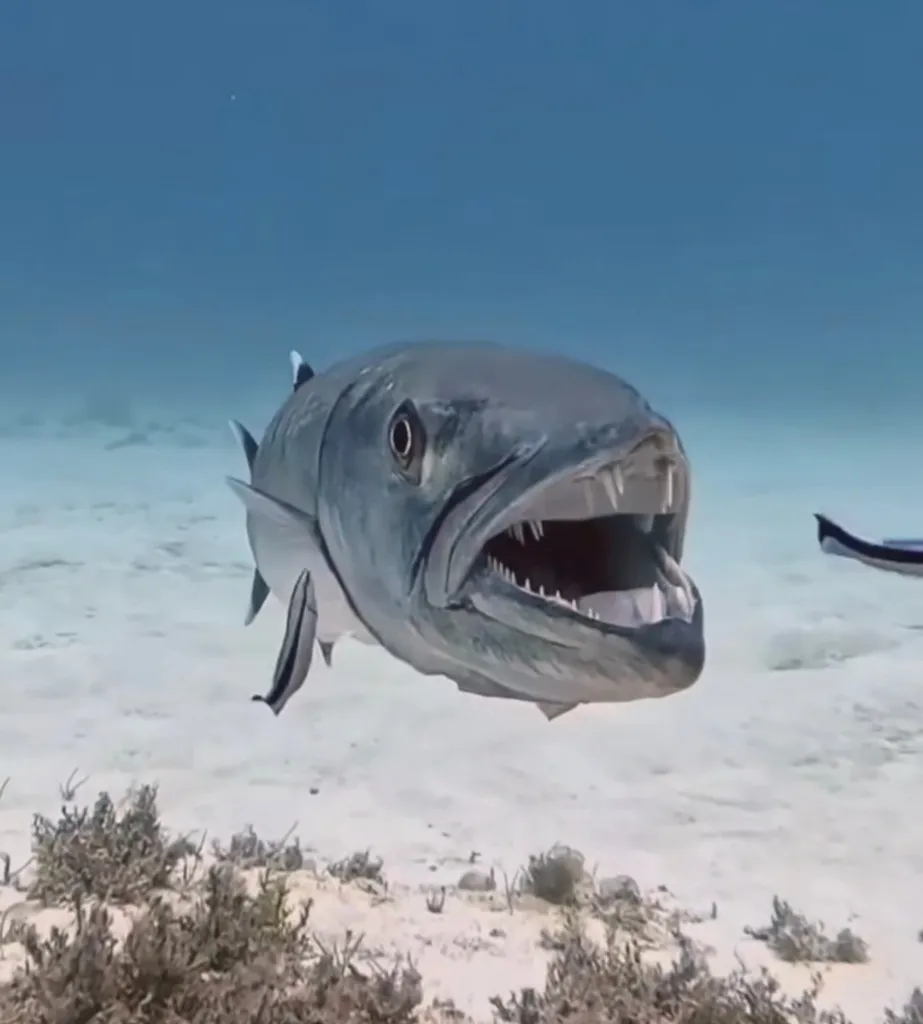
Focusing on the marine life, CSX Reef, like other artificial structures in the area, serves as a significant attractant for various species. Divers commonly encounter larger fish such as goliath groupers, often hovering unperturbed, and barracuda.
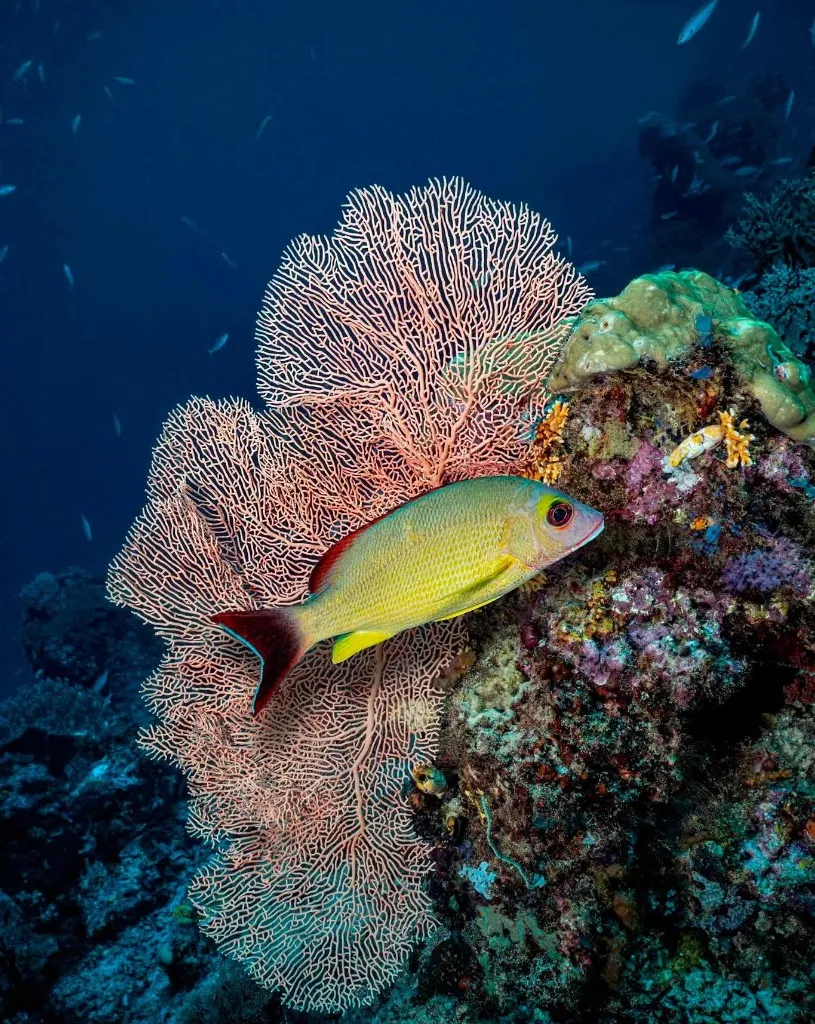
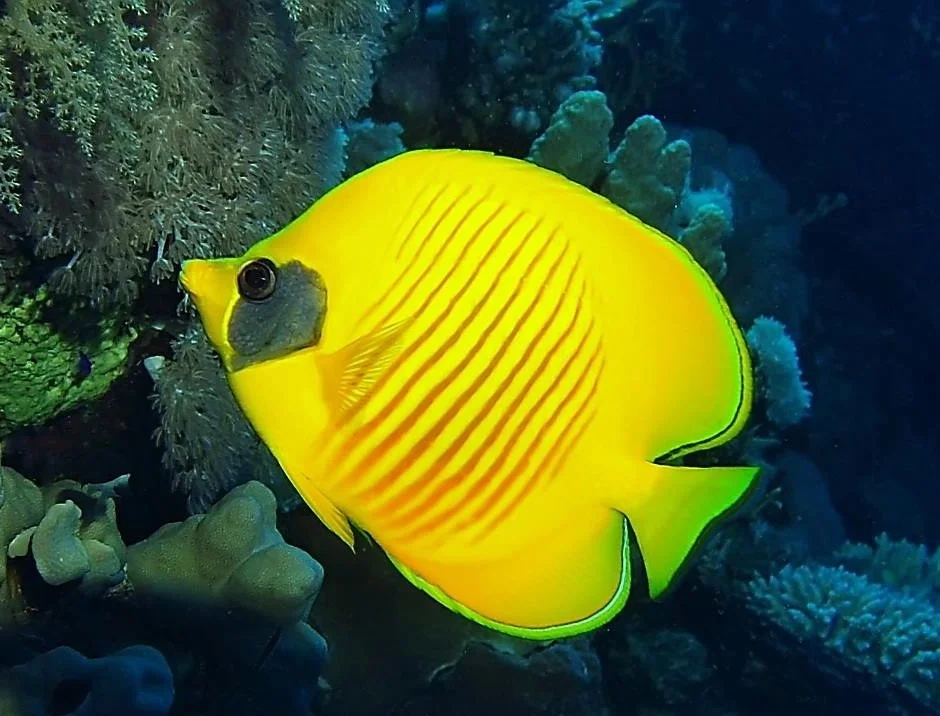
Schools of snapper, butterflyfish, and triggerfish frequently inhabit the wrecks, using the structures for shelter and foraging. Blanket schools of mackerel, spadefish, and other grouper species are also present.
Additionally, pelagic species like crevalle jack and amber jacks can be seen. There have even been reports of larger pelagics, including blacktip sharks and occasionally whale sharks, utilizing these diverse habitats.

Dive Sites Near CSX Reef
View all dive sites in United StatesDiscover more underwater gems in this area.
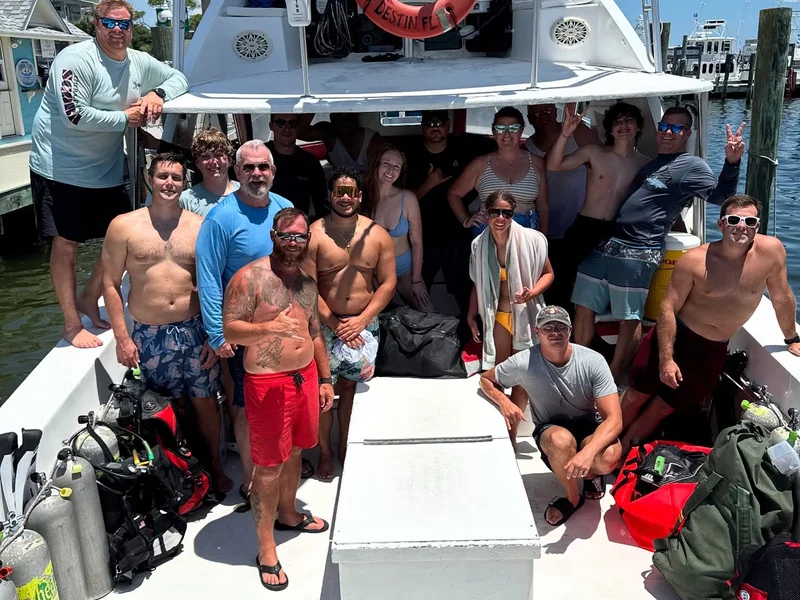
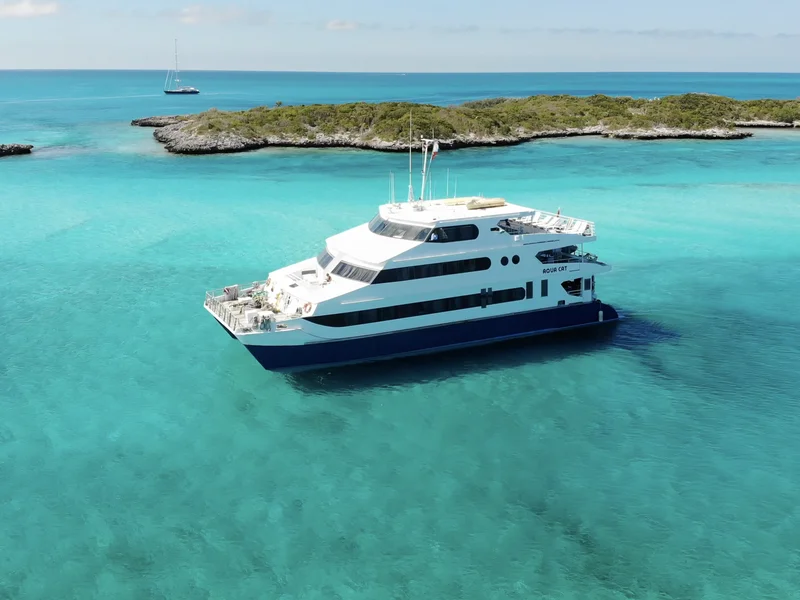
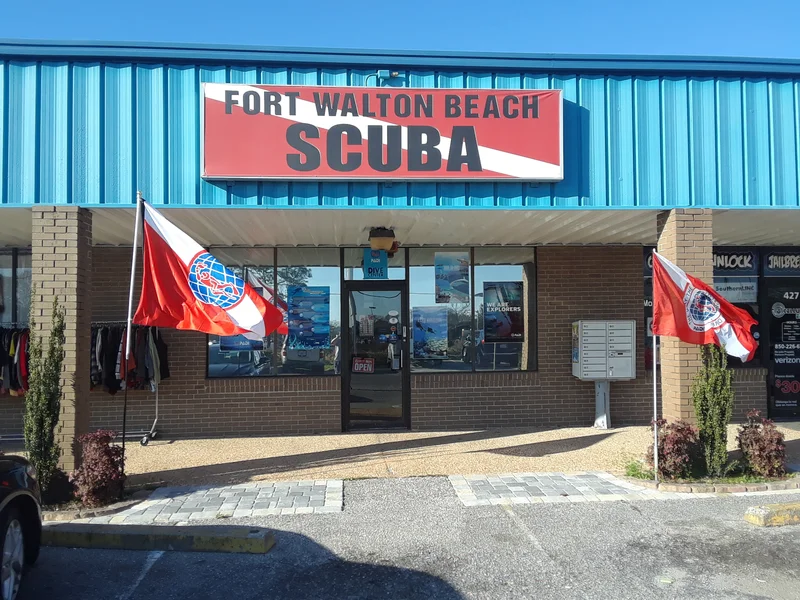
Dive Centers Near CSX Reef
Today: 09:00 - 16:00
Nearest Airports
Nearest airports to help plan travel to this dive area.
Search Flights
Check available flights and routes on Expedia, using the nearby airports listed in this section.
Search Flights on Expedia
Plan Your Stay
Looking for a place to stay for your dive trip? Explore hotels, stays, and vacation rentals for dive groups near Destin.
Dive Navigator may earn a commission from these links at no extra cost to you.
Frequently Asked Questions
What type of structures make up the CSX Reef?
CSX Reef comprises a diverse array of artificial structures. These often include submerged wrecks like barges and tugboats, along with various deployed materials such as concrete slabs, culvert sections, and bridge pilings. These elements are strategically placed to create habitat.
What are the typical depths for diving CSX Reef?
Depths at artificial reef sites in this region vary, generally ranging from shallow sections around 6-12 m (20-40 ft) to deeper areas reaching 30 m (100 ft). This range accommodates both open water and advanced open water certified divers.
What is the visibility generally like at CSX Reef?
Visibility at CSX Reef can fluctuate, often described as a 'pea-green' color. This can sometimes lead to reduced clarity, making careful navigation and buddy awareness important during your dive.
Is wreck penetration permitted at CSX Reef?
While some wrecks at artificial reef sites may have openings, interior penetration is generally advised only for experienced wreck divers. Strong currents can pose risks, potentially sealing off entrances.
What kind of marine life can I expect to see?
You can anticipate encountering a variety of marine life, including large goliath groupers, barracuda, and schools of snapper, butterflyfish, and triggerfish. Blacktip sharks and occasional whale sharks have also been reported in the broader artificial reef system.
When is the best time to dive CSX Reef?
The calmest surface conditions, with lower waves and lighter winds, are typically found during the summer months (July-August). While diving is possible year-round, always check local forecasts for daily sea state, as conditions can change.
Are strong currents a concern at CSX Reef?
Currents can vary at artificial reef sites and may be strong in certain areas or near wreck openings. Divers should assess conditions prior to their dive and be prepared for potential current.
Planning to dive CSX Reef?
Send one inquiry and receive offers directly from the best verified local dive operators.
Conditions are Excellent
07:00 - 14:00
Optimal conditions expected
Current conditions near CSX Reef show 27° air, 30° sea temperature, 0.6 m waves, and 23 km/h wind. Forecast data is refreshed regularly to ensure accuracy.