
Diving at Dock & Marine - 2018 (United States)
Encountering the Dock & Marine site brings divers into a landscape shaped by both human structures and natural processes. This area, often referred to as the Brazilian Docks, features substantial concrete rubble and culverts, providing a compelling foundation for marine growth. It's a location where the artificial environment quickly transforms into a vibrant underwater habitat, offering an intriguing experience for those exploring its unique structures. Prepare for a dive that reveals unexpected life amidst the remnants of a bygone era.
As evening covers Dock & Marine - 2018, the local air temperature is measured at 25.5°C. The current wave height at the surface is recorded at 0.4 m. These late-day readings characterize the surface conditions for the night.
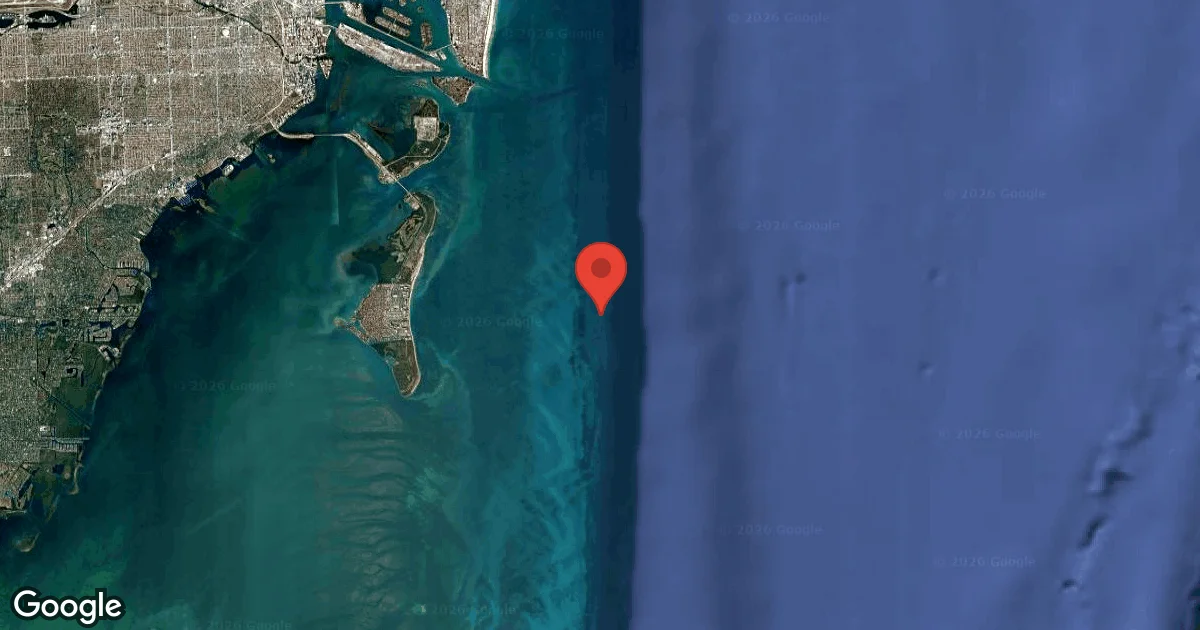
Dive Site Location & Key Facts
Dive Site Overview
This dive site, known as Dock & Marine or the Brazilian Docks, comprises extensive piles of concrete dock rubble and culverts. Positioned after the China Barge wreck, it forms a distinct artificial structure within a broader area known for its wreck treks.
Over time, these deployed materials have created a complex series of nooks, crannies, and overhangs that invite exploration. This artificial reef serves as a critical habitat, fostering a diverse array of marine organisms. While the precise depth varies across the rubble field, the area is generally within common recreational diving limits, often encountered as part of a drift profile.
Navigating the contours of the concrete structures reveals how quickly underwater environments adapt and thrive around new features. It provides a unique contrast to nearby natural reefs, showcasing a different kind of underwater topography.
Conditions are Good
Optimal conditions expected
Current conditions near Dock & Marine - 2018 show 25° air, 31° sea temperature, 0.4 m waves, and 21 km/h wind. Forecast data is refreshed regularly to ensure accuracy.
Best Time to Dive
Planning a dive for optimal visibility and comfort usually aligns with the calmer summer months. July and August often present excellent conditions, with air temperatures averaging around 28°C (82°F) and typically lower wave heights, making boat travel smoother. Rain activity during these peak summer months is generally manageable, although September can see a slight increase in rainfall. During winter, from December to February, air temperatures remain pleasant, ranging from 20-21°C (68-70°F), and dive scores are consistently good. Expect slightly choppier seas during these cooler periods, with average wave heights of 0.7-0.8 meters (2.3-2.6 feet), compared to the summer average of 0.4-0.5 meters (1.3-1.6 feet). Overall, the site remains accessible year-round, with peak conditions observed mid-year.
PEAK SEASON SCORE
Scores combine air & water temps, waves, wind & rainfall for overall conditions.
BEST MONTHS TO DIVE
Monthly records compiled from satellite and marine observation nodes over the last 3 years. Data provided by Open-Meteo and MET Norway.
Dive Experience & Conditions
The Dock & Marine site is generally considered suitable for experienced recreational divers, particularly those comfortable with potential currents. While specific depths for the Brazilian Docks are not consistently reported, the surrounding wreck sites range significantly, with some main deck structures found around 26-30 meters (85-100 feet). Divers often encounter this area as part of a drift, implying the presence of a consistent, typically northbound current, similar to the Gulf Stream influence reported for nearby wrecks. Visibility in the region can often be excellent, reaching 30 meters (100 feet) on clear days. Exploring the concrete structures demands good buoyancy control to avoid disturbing the accumulated marine growth. Conditions can shift; some dives may have only slight currents, while others challenge divers with stronger flows, requiring adaptability.
Dive Difficulty & Safety Guidelines
Diving at Dock & Marine requires attention to local currents, which can vary from mild to strong, especially if undertaking a drift dive. Maintain close proximity to your buddy and carry a surface marker buoy (SMB) for safe ascent and surface visibility. Given the potential for deeper sections within the rubble field, adhering to no-decompression limits is crucial.
Divers should possess advanced open water certification or higher, with experience in drift diving recommended. Prioritize conservative dive profiles and ensure all equipment is in excellent working order.
Always brief with your dive operator on prevailing conditions and emergency procedures before entering the water.
Recommended Equipment
- Dive Computer
This gear list is based on verified equipment signals for Dock & Marine - 2018, United States. Always confirm final gear choices with your dive operator, guide, or liveaboard.
Recommended Dive Suit
Divers planning relaxed exploration may appreciate the warmth of dive skin or rash guard. A hood or vest is suggested for sensitive divers due to surface winds. Divers often notice that perceived temperature can feel cooler during deeper or longer dives.
The waters surrounding Dock & Marine - 2018 are currently maintaining temperatures close to 31°C (87°F). Surface air temperatures are resting at 25°C (78°F).
Conditions are expected to stay fairly consistent in the days ahead.
Emergency & Medical Support
Essential information to help you plan your dive trip to Dock & Marine - 2018.

Hyperbaric chambers are a critical part of dive safety infrastructure. Availability varies significantly by region, and not all dive areas have immediate access.
Before diving, it's recommended to:
- confirm nearest medical facilities
- check emergency procedures with local dive operators
- ensure dive insurance covers evacuation if required
Divers Alert Network
Diving emergency assistance available through DAN World.
+1-919-684-9111- 24/7 emergency hotline
- Diving medical assistance
- Evacuation coordination
Emergency contacts are provided for reference. Always verify local emergency services before diving.
Marine Life at Dock & Marine - 2018
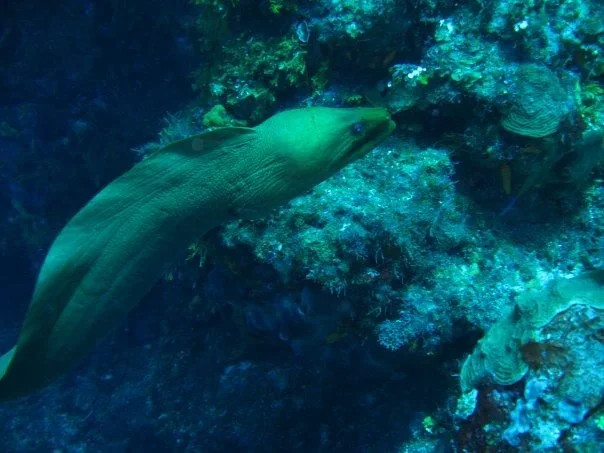
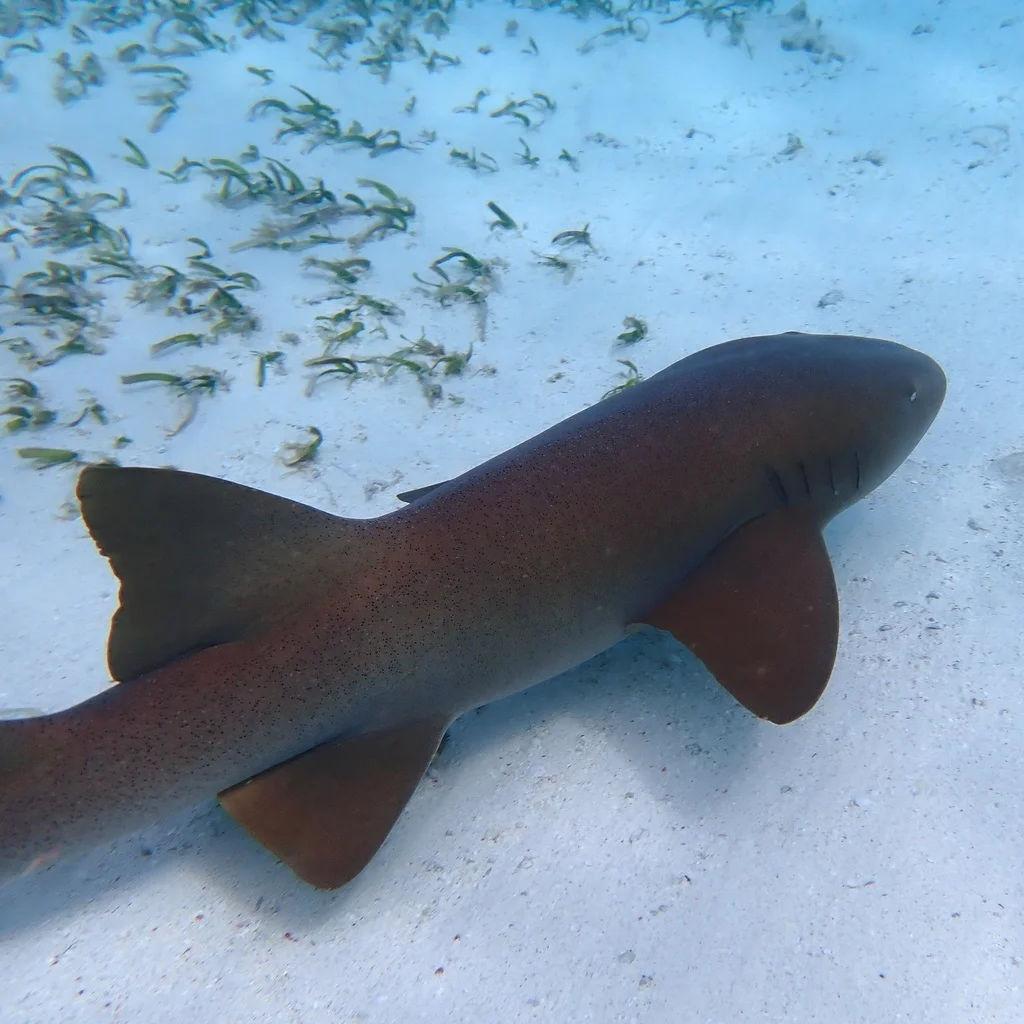
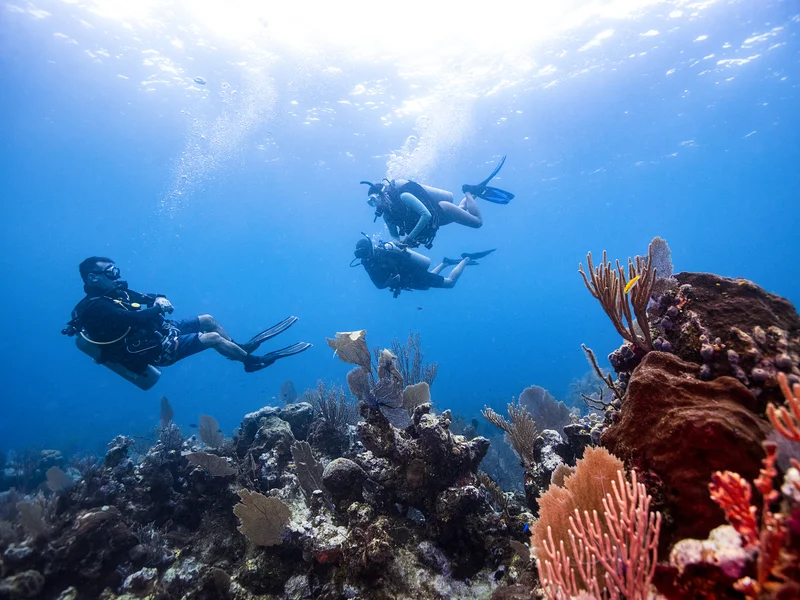
The concrete rubble and culverts of the Brazilian Docks have become a thriving habitat for a variety of marine creatures. It’s common to spot moray eels peering from the crevices and nurse sharks resting among the larger structures.
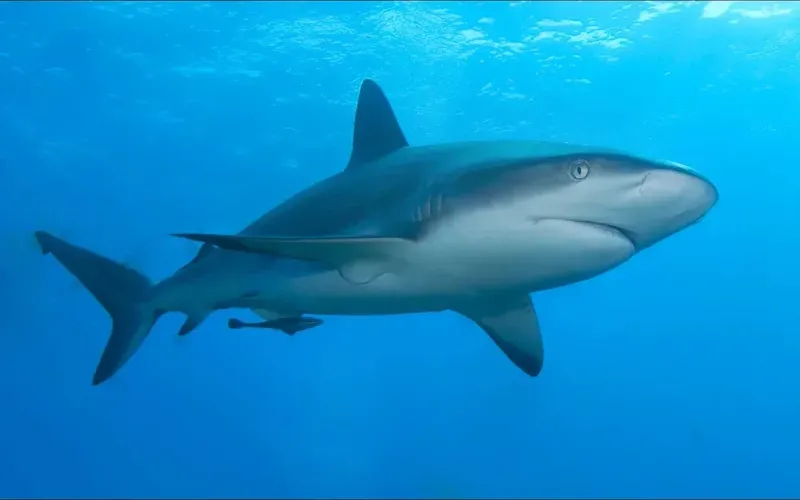
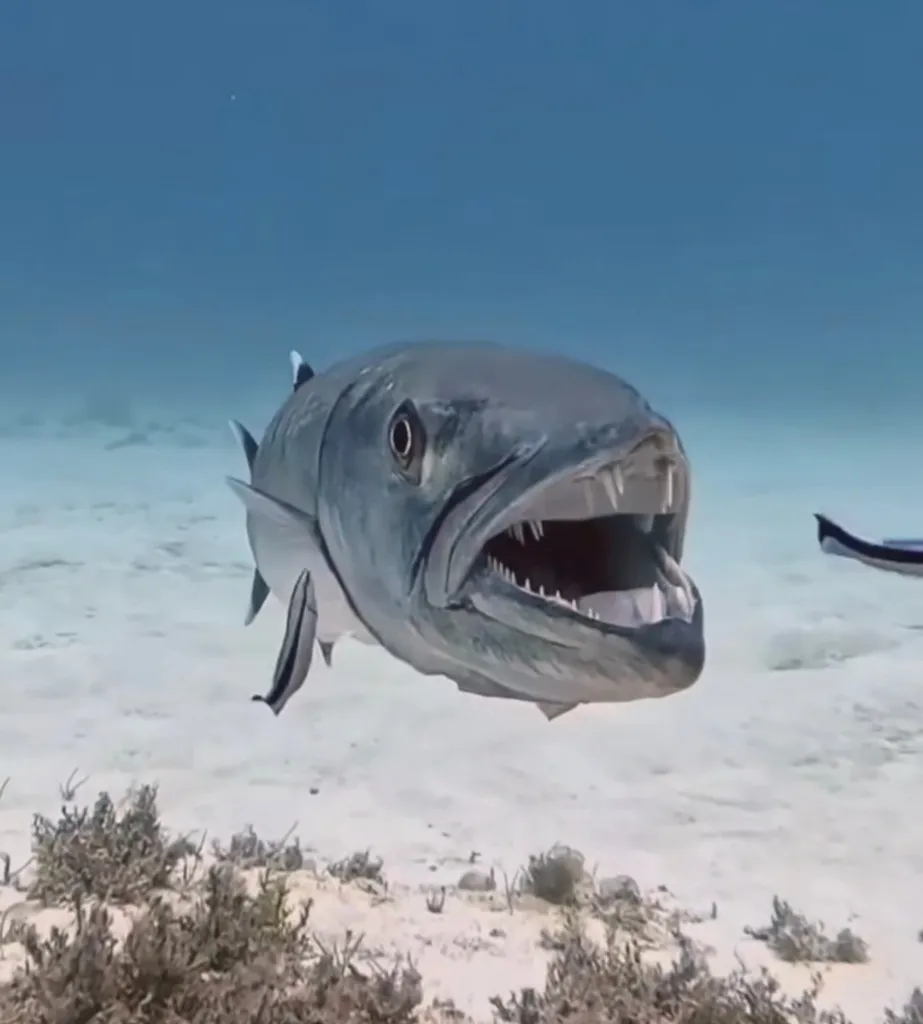
Numerous species of tropical fish school throughout the area, utilizing the complex topography for shelter and foraging. Occasionally, larger pelagic species, such as barracuda or even reef sharks, might pass by, adding excitement to the dive.
Goliath groupers are also known to frequent nearby artificial reefs, suggesting their presence is possible here.

Dive Sites Near Dock & Marine - 2018
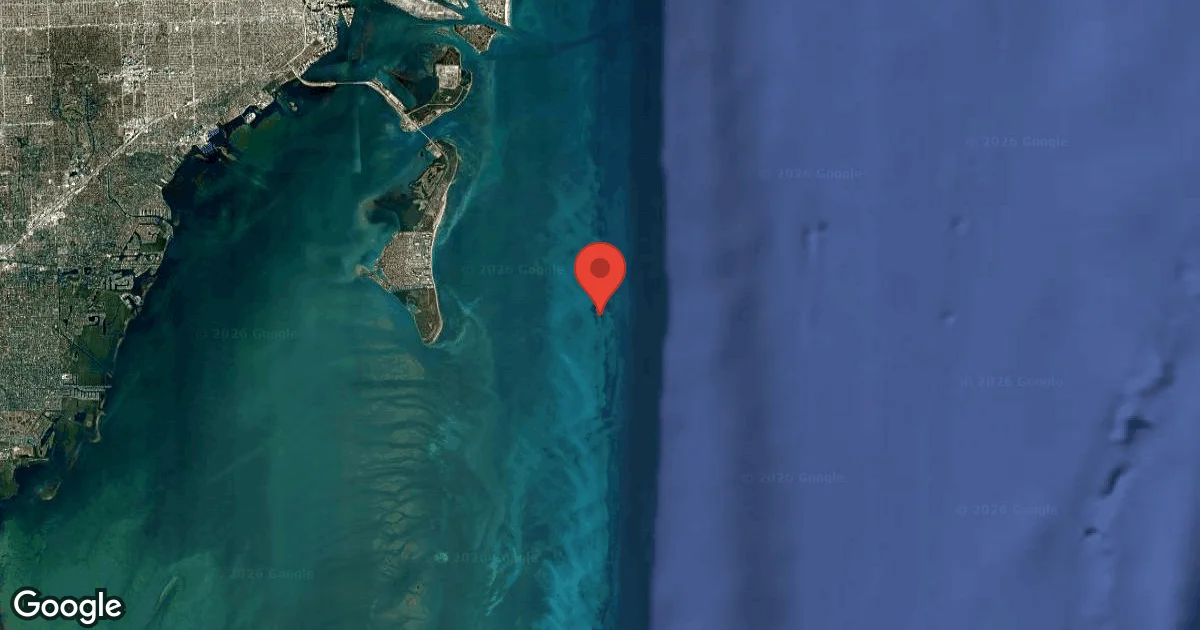
View all dive sites in United StatesDiscover more underwater gems in this area.
Dive Centers Near Dock & Marine - 2018
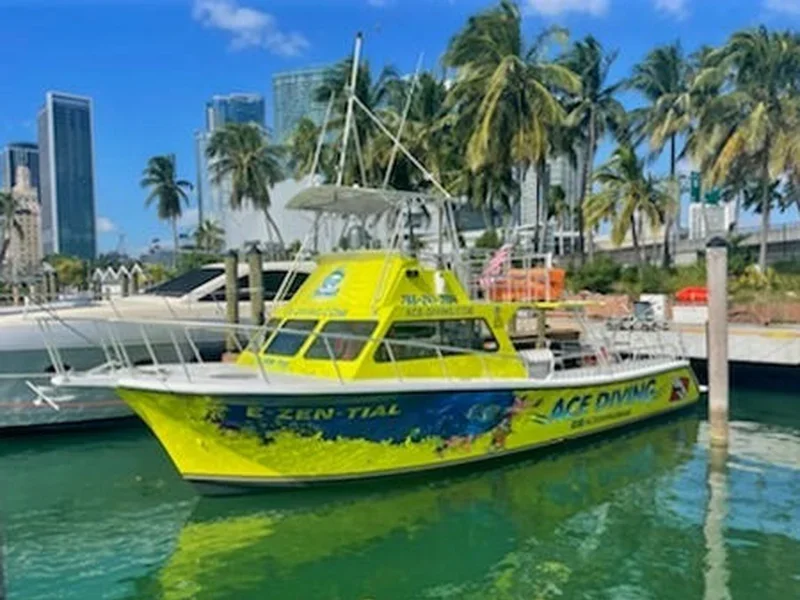
Today: 08:00 - 17:00
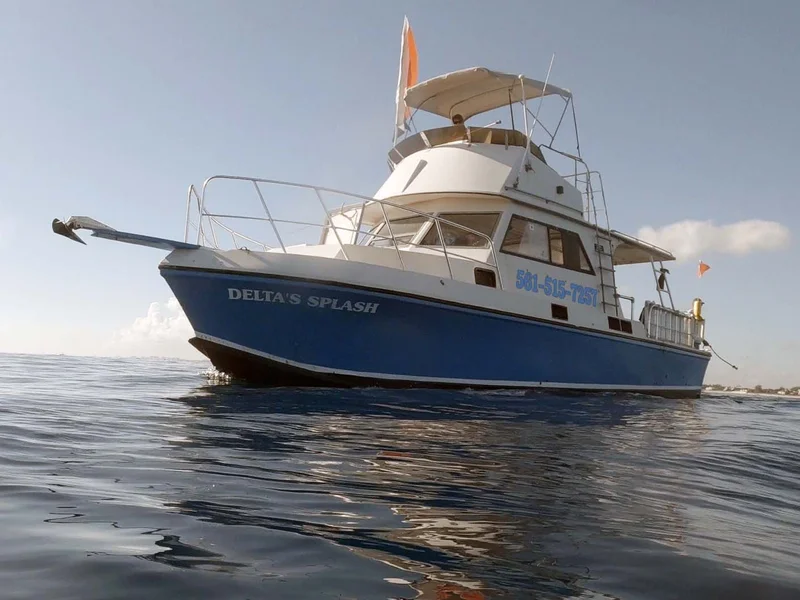
Nearest Airports
Nearest airports to help plan travel to this dive area.
Search Flights
Check available flights and routes on Expedia, using the nearby airports listed in this section.
Search Flights on Expedia
Plan Your Stay
Looking for a place to stay for your dive trip? Explore hotels, stays, and vacation rentals for dive groups near North Bay Village.
Dive Navigator may earn a commission from these links at no extra cost to you.
Frequently Asked Questions
What kind of dive site is the Dock & Marine?
This site, also known as the Brazilian Docks, is an artificial reef made up of piles of concrete dock rubble and culverts. It creates a structured habitat for marine life.
What is the typical depth at Dock & Marine?
While specific depths for the Brazilian Docks are not fixed, it's generally within recreational limits. Nearby associated wrecks often have main decks around 26-30 m (85-100 ft).
Are there strong currents at this site?
Currents can vary significantly, often driven by the Gulf Stream. It is commonly part of a drift dive, so be prepared for potential northbound currents.
What marine life can be seen here?
Divers frequently encounter moray eels, nurse sharks, and a wide variety of tropical fish. Occasionally, larger species like barracuda or reef sharks are observed.
What is the best time of year to dive the Brazilian Docks?
The summer months, particularly July and August, generally offer the calmest seas and most comfortable air temperatures. However, the site is diveable year-round with good conditions.
Is this site suitable for beginner divers?
Due to potential currents and the nature of diving around artificial structures, this site is generally recommended for experienced recreational divers, particularly those with drift diving experience.
Planning to dive Dock & Marine - 2018?
Send one inquiry and receive offers directly from the best verified local dive operators.
Conditions are Good
Optimal conditions expected
Current conditions near Dock & Marine - 2018 show 25° air, 31° sea temperature, 0.4 m waves, and 21 km/h wind. Forecast data is refreshed regularly to ensure accuracy.