
Diving at YO-257 (United States)
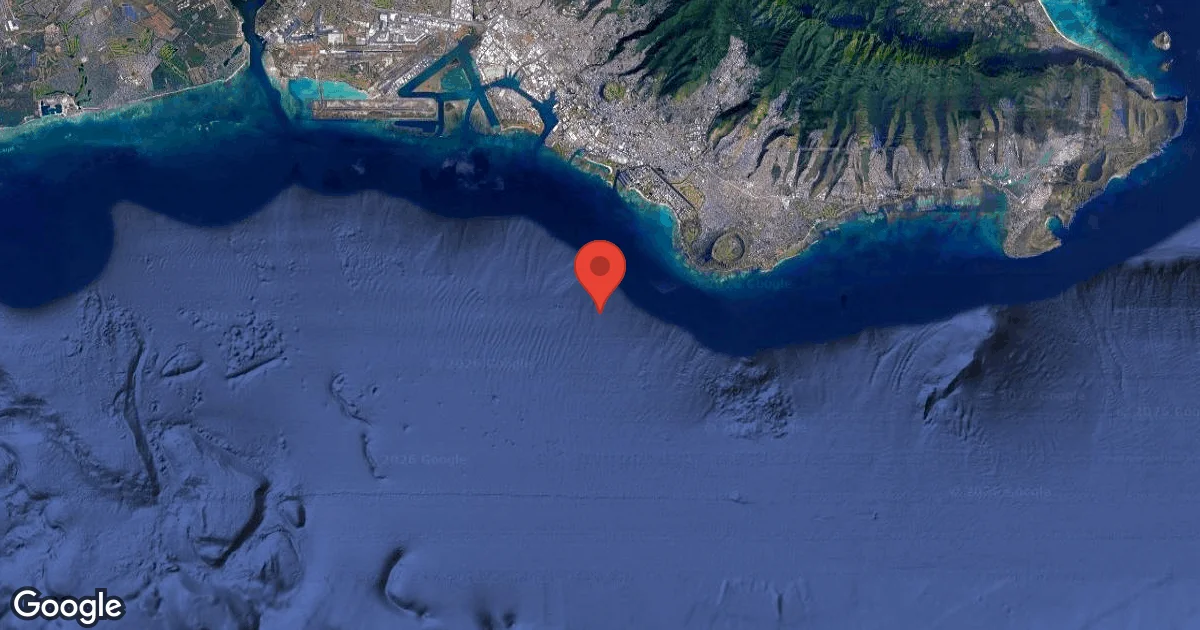
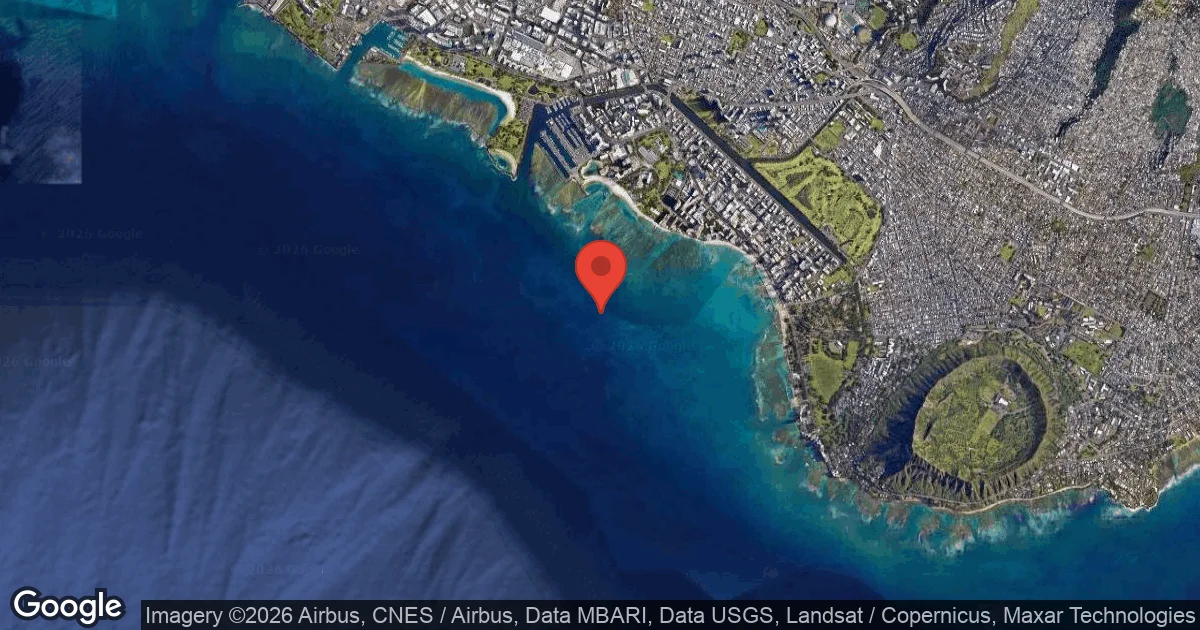
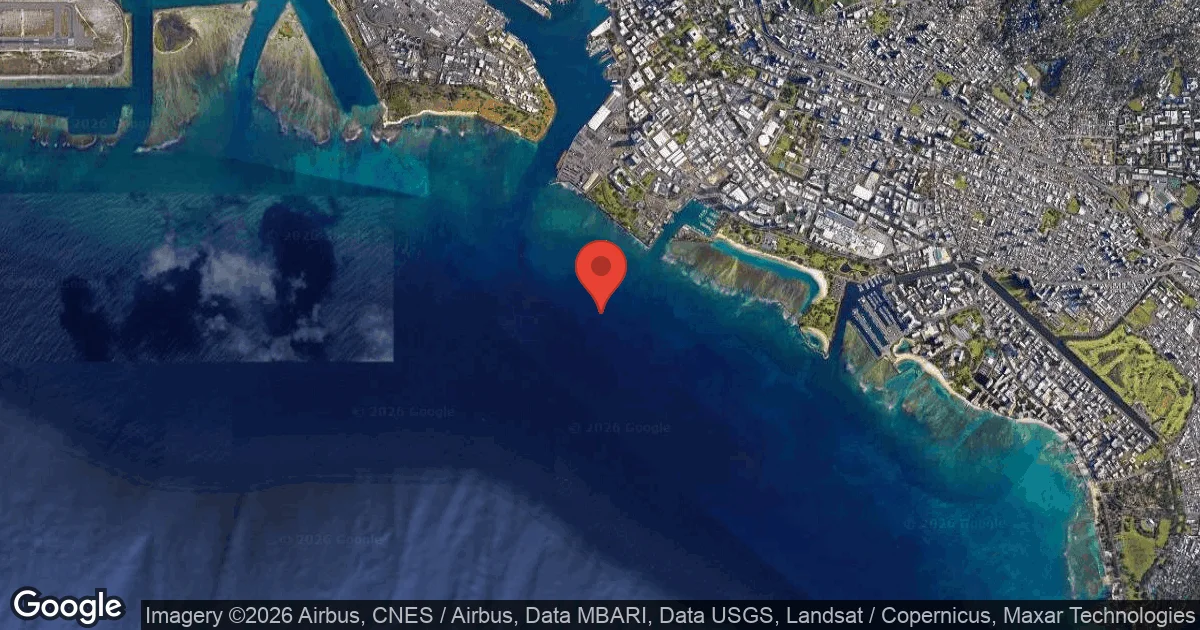
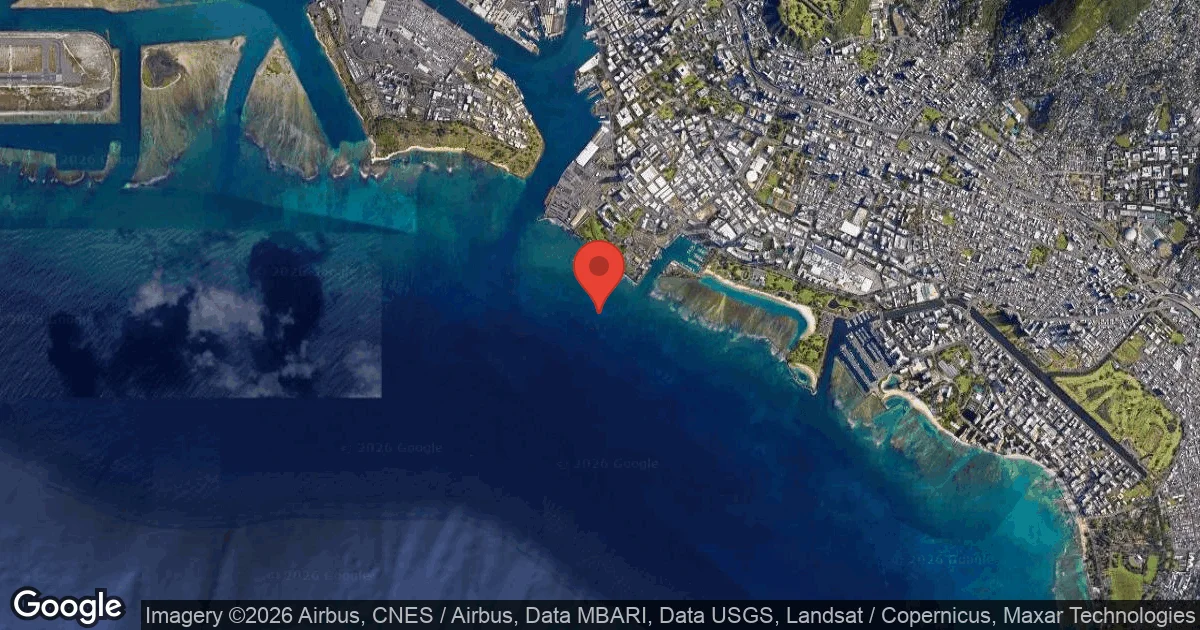
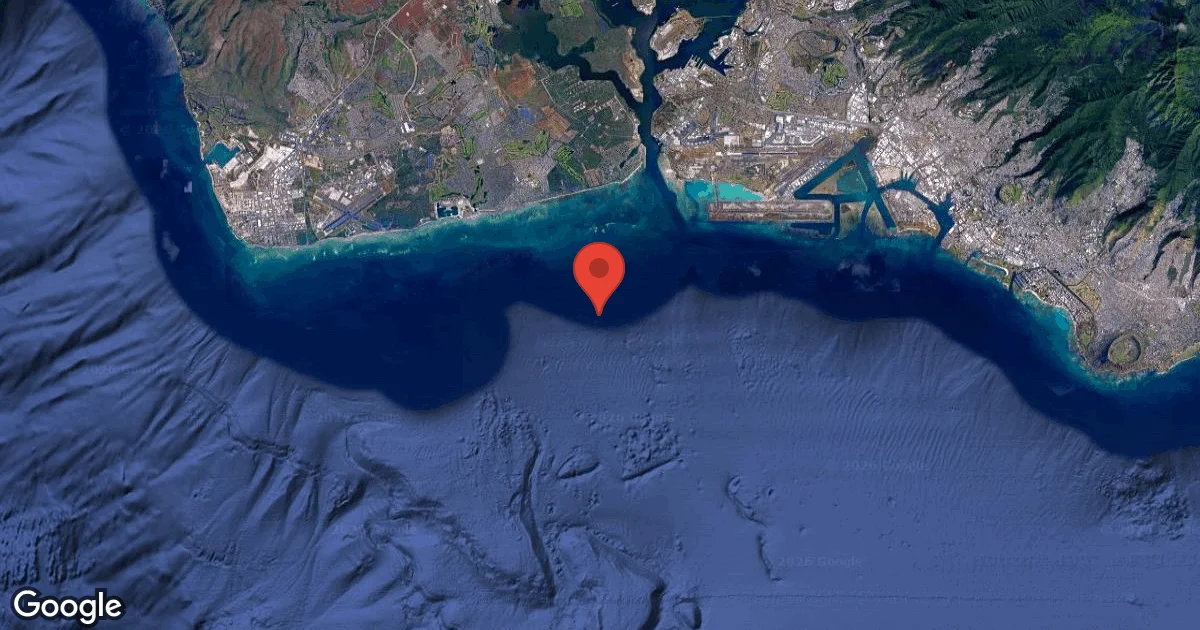
Diving the YO-257 and San Pedro wrecks presents a compelling contrast in underwater exploration. Just 30 m / 100 ft apart off Oʻahu's south shore, these sites offer advanced divers a unique dual-wreck experience. A formidable WWII Navy oiler, YO-257, lies near the more contemporary San Pedro, a former fishing vessel, creating a layered historical and ecological landscape. This combined site challenges divers with depths reaching 30 m / 100 ft, rewarding them with significant marine encounters and impressive wreck features.
Evening condition tracking at YO-257 features an air temperature of 27.5°C. We have recorded wave heights measuring 1.6 m during this period. These figures outline the environmental parameters currently present.
Dive Site Location & Key Facts
Dive Site Overview
Underwater topography off Oʻahu's south shore dramatically features two prominent artificial reefs: the YO-257 and the San Pedro. A 53 m / 175 ft Navy oiler, YO-257, rests upright on a sandy bottom, its main deck at approximately 23 m / 75 ft and deepest sections around 30 m / 100 ft.
It was intentionally sunk in 1989, transforming into a vibrant, coral-encrusted habitat. Open corridors and its stern provide distinctive swim-through opportunities, often revealing blue octocoral and resting turtles. Just 21-30 m / 70-100 ft away, the 38 m / 125 ft fishing vessel San Pedro also serves as an artificial reef, with shallower sections at 18 m / 60 ft and deeper parts reaching 29 m / 95 ft.
Sunk in 1996, the San Pedro attracts numerous turtles and eagle rays, though its bridge collapsed due to a storm, making internal exploration less advisable than its larger neighbor. Diving here often encompasses both wrecks in a single descent, offering a rich historical and biological tableau for advanced divers.
Conditions are Poor
High Wind Advisory (48km/h). Unsafe surface.
Current conditions near YO-257 show 28° air, 27° sea temperature, 1.9 m waves, and 48 km/h wind. Forecast data is refreshed regularly to ensure accuracy.
Best Time to Dive
Optimal visibility typically guides dive planning for the YO-257 and San Pedro wrecks. Conditions are generally clearest from May through September, with visibility frequently extending 24-30 m / 80-100 ft. During these months, air temperature averages a comfortable 24-26°C / 75-79°F, and rainfall remains low, generally below 2 mm. These factors contribute to calmer sea states, enhancing the overall dive experience. While both sites are accessible year-round, dive scores indicate "Good" conditions in September and October, reaching a score of 7, suggesting consistent favorable periods. Moderate scores prevail otherwise, though air temperatures during winter months remain pleasant, ranging from 22-23°C / 72-74°F. Wind speeds average 18-25 km/h, and wave heights hover around 1.3-1.7 m, meaning conditions can vary. Planning for the peak visibility window ensures the best chance for expansive views of these impressive wrecks.
PEAK SEASON SCORE
Scores combine air & water temps, waves, wind & rainfall for overall conditions.
BEST MONTHS TO DIVE
Monthly records compiled from satellite and marine observation nodes over the last 3 years. Data provided by Open-Meteo and MET Norway.
Dive Experience & Conditions
Current dynamics around Oʻahu's south shore can influence the dive experience at YO-257 and San Pedro. While often manageable, currents wrapping around Diamond Head can sometimes introduce a greater challenge, making this site best suited for advanced divers. Depths for these wrecks range from 29-30 m / 95-100 ft, requiring solid buoyancy control and good air management. Visibility is frequently excellent, typically between 24-30 m / 80-100 ft, but can occasionally drop to 15 m / 50 ft depending on prevailing conditions. Water temperature is not consistently reported for this specific site, but regional averages suggest temperate conditions. Divers should be prepared for potential surge and stronger flow, especially when navigating the interior of the YO-257, where open corridors allow for limited penetration. San Pedro, while shallower, also demands attention due to its deteriorating structure.
Dive Difficulty & Safety Guidelines
Potential hazards demand careful consideration at the YO-257 and San Pedro wreck sites. Currents can be unpredictable, particularly where they funnel around Diamond Head, potentially increasing dive difficulty. Given the 29-30 m / 95-100 ft depths, nitrogen narcosis is a significant concern for divers engaging in extended bottom times or penetration.
YO-257 offers limited penetration opportunities through open corridors, but these areas can contain silt, loose wires, and debris, posing entrapment risks. Divers attempting penetration must possess appropriate wreck diving training and experience.
San Pedro wreck, in contrast, has suffered structural collapse, notably its bridge, and its deteriorating condition means swim-throughs and internal exploration are not advised. Always dive with a reputable charter, adhere to briefed guidelines, and respect personal training limitations.
Recommended Equipment
Overhead / entanglement risk. Wreck penetration requires proper training.
- Dive Computer
- Primary & Backup Lights
- Wreck Reel
- Cutting Tool
This gear list is based on verified equipment signals for YO-257, United States. Always confirm final gear choices with your dive operator, guide, or liveaboard.
Recommended Dive Suit
2-3mm shorty or light wetsuit is frequently recommended by dive operators for conditions like these. Strong winds are present; please take strong precautions against rapid cooling during surface intervals. For divers entering the water at YO-257, temperatures are currently hovering around 27°C (81°F). Surface air temperatures are resting at 28°C (82°F).
Forecast trends indicate little change in overall diving conditions during the next few days.
Even small thermoclines can occasionally cause noticeable changes in water temperature.
Emergency & Medical Support
Essential information to help you plan your dive trip to YO-257.

Hyperbaric chambers are a critical part of dive safety infrastructure. Availability varies significantly by region, and not all dive areas have immediate access.
Before diving, it's recommended to:
- confirm nearest medical facilities
- check emergency procedures with local dive operators
- ensure dive insurance covers evacuation if required
Divers Alert Network
Diving emergency assistance available through DAN World.
+1-919-684-9111- 24/7 emergency hotline
- Diving medical assistance
- Evacuation coordination
Emergency contacts are provided for reference. Always verify local emergency services before diving.
Marine Life at YO-257
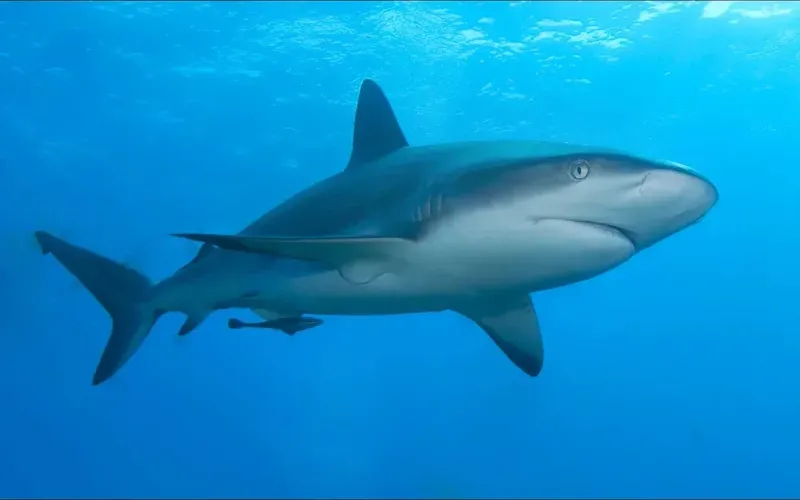
An artificial underwater landscape created by the YO-257 and San Pedro wrecks serves as a magnet for a diverse array of marine life. White tip reef sharks commonly patrol the shadows and structures of both vessels, often resting in nearby reef overhangs.
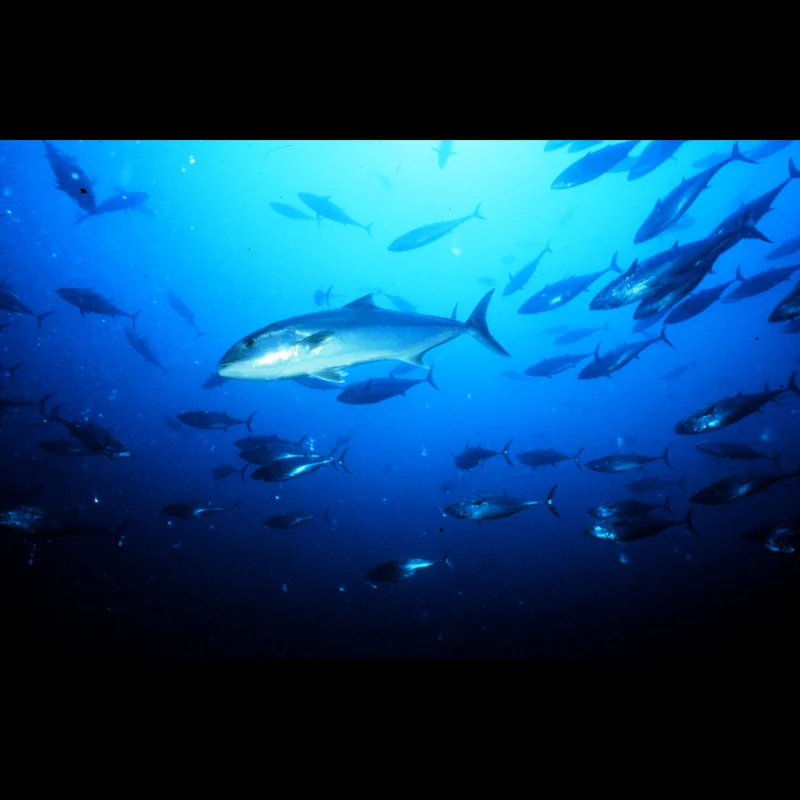
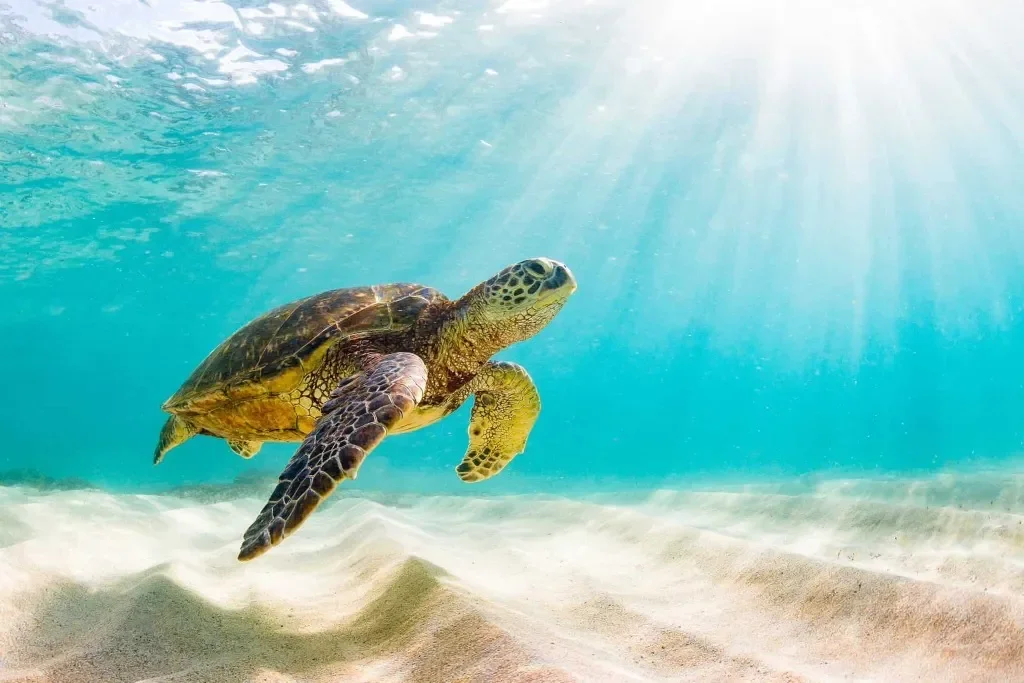
Large green sea turtles are frequent visitors, often seen resting on the main deck of the YO-257 or scattered across the San Pedro. Schools of mackerel scad, trevally, and amberjacks dynamically circle the wrecks.
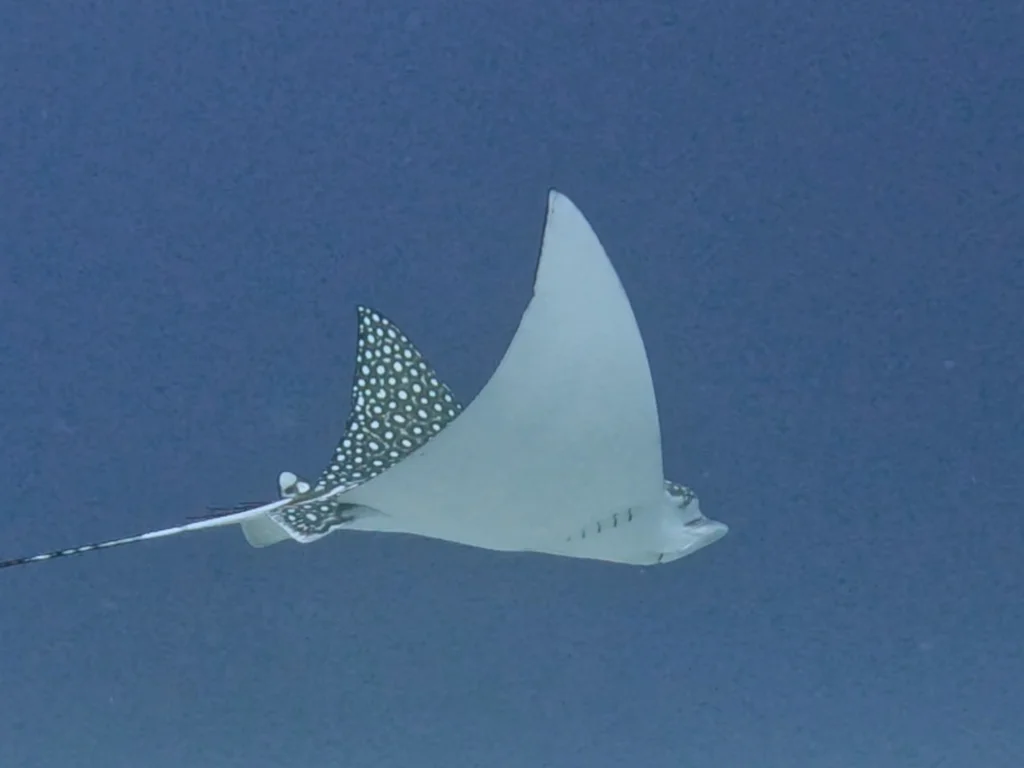
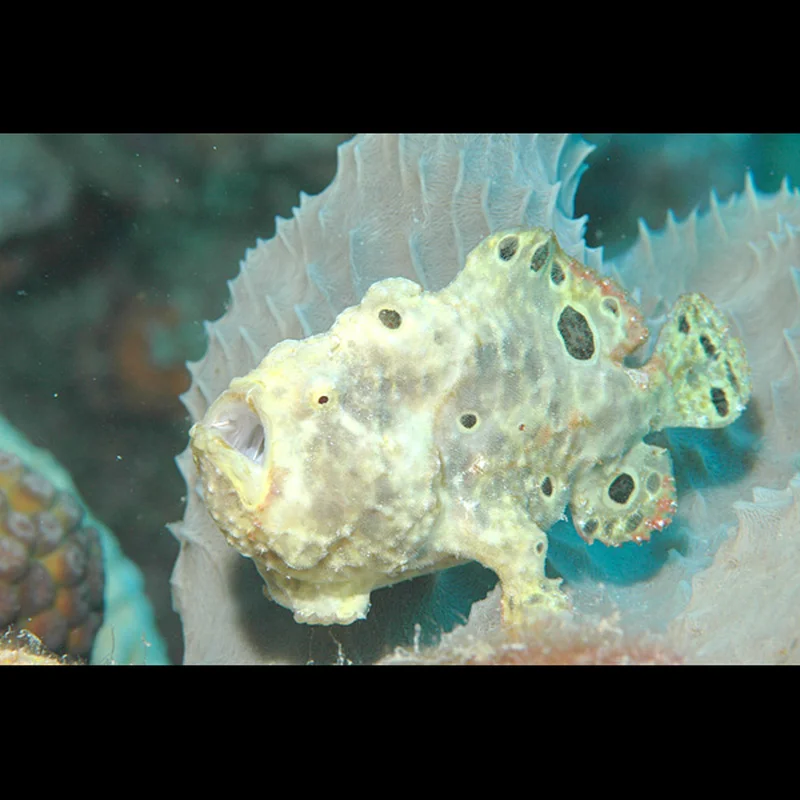
Divers often encounter spotted eagle rays cruising gracefully past the hulls, while close inspection reveals Hawaiian lionfish, eels, vibrant nudibranchs, butterfly fish, and even elusive frogfish within the coral growth.
Dive Sites Near YO-257
View all dive sites in United StatesDiscover more underwater gems in this area.
Dive Centers Near YO-257
Today: 07:00 - 21:00
Nearest Airports
Nearest airports to help plan travel to this dive area.
Search Flights
Check available flights and routes on Expedia, using the nearby airports listed in this section.
Search Flights on Expedia
Plan Your Stay
Looking for a place to stay for your dive trip? Explore hotels, stays, and vacation rentals for dive groups near Diamond Head / Kapahulu / Saint Louis Heights.
Dive Navigator may earn a commission from these links at no extra cost to you.
Frequently Asked Questions
Are the two wrecks close enough to dive together?
Yes, the YO-257 and San Pedro are remarkably close, separated by just 21-30 m / 70-100 ft. This proximity allows advanced divers the rare opportunity to explore both wrecks during a single dive.
What depth can divers expect at the YO-257 and San Pedro wrecks?
The YO-257's main deck sits at about 23 m / 75 ft, reaching its deepest sections around 30 m / 100 ft. The San Pedro is slightly shallower, with its deepest parts at 29 m / 95 ft.
Is wreck penetration permitted at these sites?
Limited penetration is possible in the open corridors of the YO-257, but only for divers with appropriate wreck diving training. The San Pedro's bridge has collapsed, and its deteriorating structure makes internal exploration unsafe and not advised.
What type of diver is best suited for these wrecks?
Given the 29-30 m / 95-100 ft depths, potential for unpredictable currents, and the nature of wreck diving, these sites are best suited for advanced divers with solid buoyancy control and good air management.
What are the typical underwater conditions, like visibility and currents?
Visibility is frequently excellent, often ranging 24-30 m / 80-100 ft, though it can drop to 15 m / 50 ft. Currents can be unpredictable, particularly where they funnel around Diamond Head, sometimes posing a challenge.
What marine life is commonly seen on the wrecks?
Divers often encounter white tip reef sharks, large green sea turtles, and schools of mackerel scad. Spotted eagle rays, Hawaiian lionfish, eels, and various nudibranchs are also frequently observed amongst the coral growth.
When is the best time of year to dive these wrecks for optimal conditions?
Optimal conditions, including clearest visibility, are typically found from May through September. During these months, calmer sea states and warmer air temperatures enhance the overall dive experience.
Planning to dive YO-257?
Send one inquiry and receive offers directly from the best verified local dive operators.
Conditions are Poor
High Wind Advisory (48km/h). Unsafe surface.
Current conditions near YO-257 show 28° air, 27° sea temperature, 1.9 m waves, and 48 km/h wind. Forecast data is refreshed regularly to ensure accuracy.