
Diving at Navy Tug (United States)
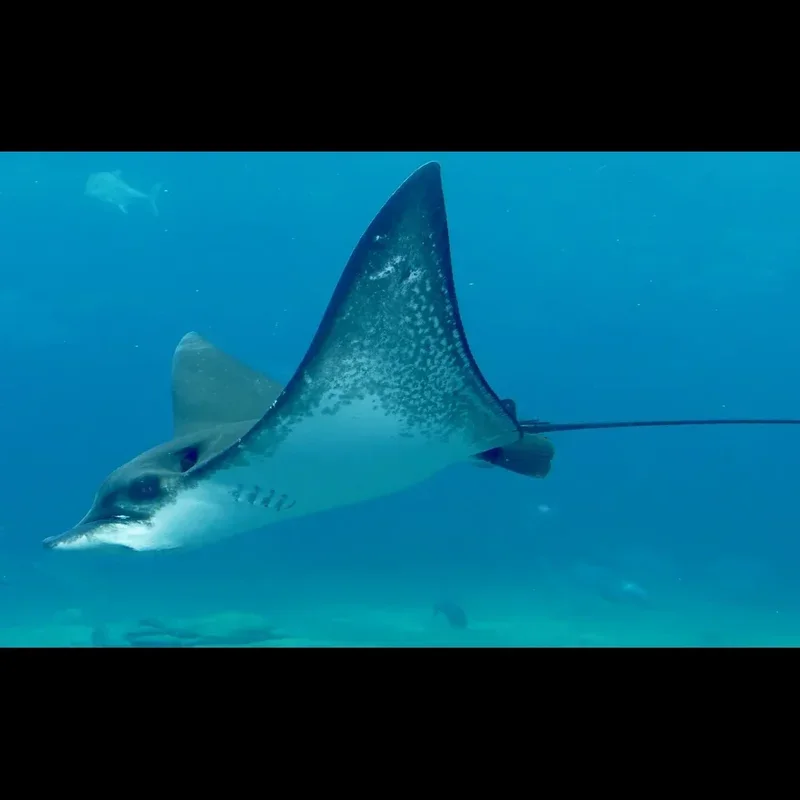
A vibrant artificial reef emerges from the seafloor off Oʻahu, drawing divers to the USS Nashua, an impressive 33 m / 109 ft Navy tug. Resting upright on steel pillars, it presents a dynamic sight immediately upon approach. Schools of mackerel scad often swirl in silver clouds around the hull, while keen eyes frequently spot eagle rays gracefully cruising the perimeter. This site promises a rich display of marine activity against a historic backdrop.
Tonight's objective overview for Navy Tug shows an air temperature of 27°C. The measured surface conditions include wave heights around 1.2 m. This environmental data is logged for the close of the day.
Dive Site Location & Key Facts
Dive Site Overview
The Navy Tug, formally the USS Nashua YTB-774, holds a unique place in local maritime history, having once served as a powerful harbor tug for the U.S. Navy. In 2012, this robust vessel was intentionally sunk as part of Hawaiʻi’s artificial reef program, transforming it into a thriving underwater ecosystem.
Resting at approximately 20 m / 65 ft off Oʻahu’s south shore, the tug lies upright on the ocean floor, supported by steel pillars, creating an immediate impression of purposeful placement. Descending upon the wreck, divers discover an engaging blend of historical interest and rich marine biodiversity. Exploring its 33-meter (109-foot) length, one can appreciate its former industrial purpose now softened by encrusting corals and active fish life.
The site is primarily a non-penetration dive, with exploration concentrating on its exterior structure and the immediate surrounding habitat, which pulses with marine life. Though an active training site for the US Navy, featuring visible locked bins storing Naval supplies near the wreck, the main draw for recreational divers remains the exterior’s vibrant growth and the diverse inhabitants it attracts.
This dive presents an accessible challenge for intermediate certified divers, combining structural exploration with diverse wildlife encounters, making it a favorite for underwater photographers seeking compelling subjects.
Conditions are Moderate
High Wind Advisory (46km/h). Unsafe surface.
Current conditions near Navy Tug show 27° air, 27° sea temperature, 1.6 m waves, and 46 km/h wind. Forecast data is refreshed regularly to ensure accuracy.
Best Time to Dive
Optimal diving conditions are typically found during the summer months, offering the clearest water and most active marine life. While the site is diveable year-round, these warmer periods generally provide improved oceanic clarity and reduced rainfall. For example, July and August historically see minimal rainfall, averaging 0.27 mm and 0.47 mm respectively, coupled with air temperatures peaking around 26-27°C / 79-81°F. Overall, the water temperature remains remarkably consistent throughout the year, typically ranging between 24-27°C / 75-80°F. Wind speeds also tend to be higher in the summer (e.g., July averaging 23.8 km/h), but average wave heights are generally lower, contributing to calmer surface conditions. These factors combine to offer excellent dive experiences from June through September.
PEAK SEASON SCORE
Scores combine air & water temps, waves, wind & rainfall for overall conditions.
BEST MONTHS TO DIVE
Monthly records compiled from satellite and marine observation nodes over the last 3 years. Data provided by Open-Meteo and MET Norway.
Dive Experience & Conditions
Descending to the Navy Tug, divers will find the vessel resting upright on the sandy bottom, creating an impressive silhouette. The wreck itself is relatively shallow, found at a depth of about 20 meters, which allows for good bottom time and thorough exploration of its exterior. Visibility at the site is often excellent, frequently reaching 24 to 30 meters (80 to 100 feet), particularly during periods of calm ocean conditions. The water temperature consistently stays warm, hovering between 24-27°C / 75-80°F, making for comfortable dives. While the structure offers intriguing details, this is a non-penetration dive; all exploration focuses on the hull, deck, and surrounding artificial reef. Currents are not consistently reported as strong, implying it's generally not a drift dive, making it easier to navigate around the wreck.
Dive Difficulty & Safety Guidelines
Approaching the Navy Tug requires divers to possess an intermediate certification, as the site's structure and varying conditions are better suited for those with a few dives under their belt. Beginners should always be accompanied by a certified instructor to ensure a safe and guided experience. A critical guideline for this site is that it is strictly a non-penetration dive; internal exploration of the wreck is prohibited.
Divers must focus on the exterior and the surrounding artificial reef, where most marine life activity occurs. Maintaining safe diving practices, including proper buddy protocols, is essential on every excursion to this site.
Dive Oʻahu and local operators monitor site conditions daily, providing vital updates before any planned dive.
Recommended Equipment
Overhead / entanglement risk. Wreck penetration requires proper training.
- Dive Computer
- Primary & Backup Lights
- Wreck Reel
- Cutting Tool
This gear list is based on verified equipment signals for Navy Tug, United States. Always confirm final gear choices with your dive operator, guide, or liveaboard.
Recommended Dive Suit
For dives of average duration, 2-3mm shorty or light wetsuit usually provides sufficient protection from heat loss. Consider warmer surface protection (like a boat coat) due to brisk winds.
Current readings at Navy Tug show water temperatures near 27°C (81°F). Surface air temperatures are resting at 27°C (81°F).
Conditions are expected to stay fairly consistent in the days ahead.
Emergency & Medical Support
Essential information to help you plan your dive trip to Navy Tug.

Hyperbaric chambers are a critical part of dive safety infrastructure. Availability varies significantly by region, and not all dive areas have immediate access.
Before diving, it's recommended to:
- confirm nearest medical facilities
- check emergency procedures with local dive operators
- ensure dive insurance covers evacuation if required
Divers Alert Network
Diving emergency assistance available through DAN World.
+1-919-684-9111- 24/7 emergency hotline
- Diving medical assistance
- Evacuation coordination
Emergency contacts are provided for reference. Always verify local emergency services before diving.
Marine Life at Navy Tug
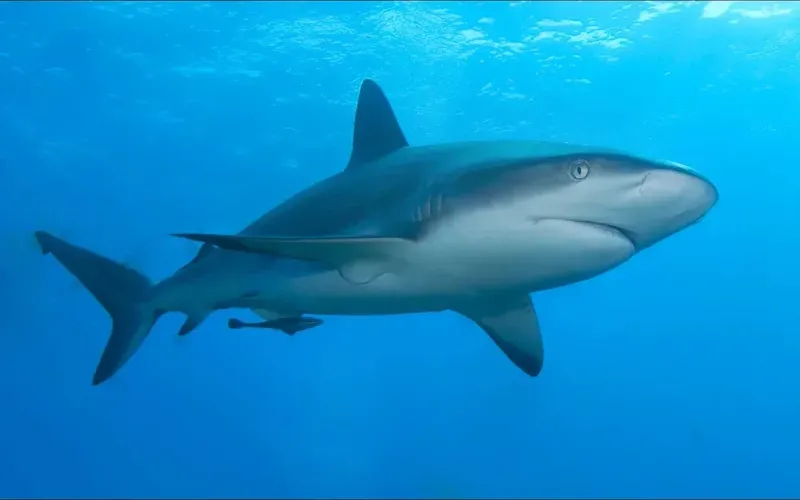
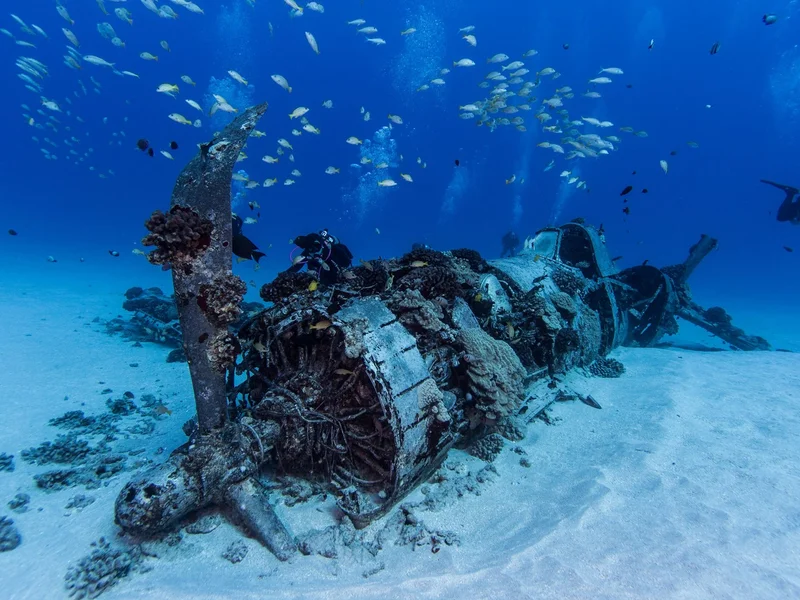
Divers visiting the Navy Tug are consistently rewarded with a rich tapestry of marine life, thriving on this artificial reef. White tip reef sharks frequently patrol the wreck's edges, while graceful eagle rays often cruise its perimeter.
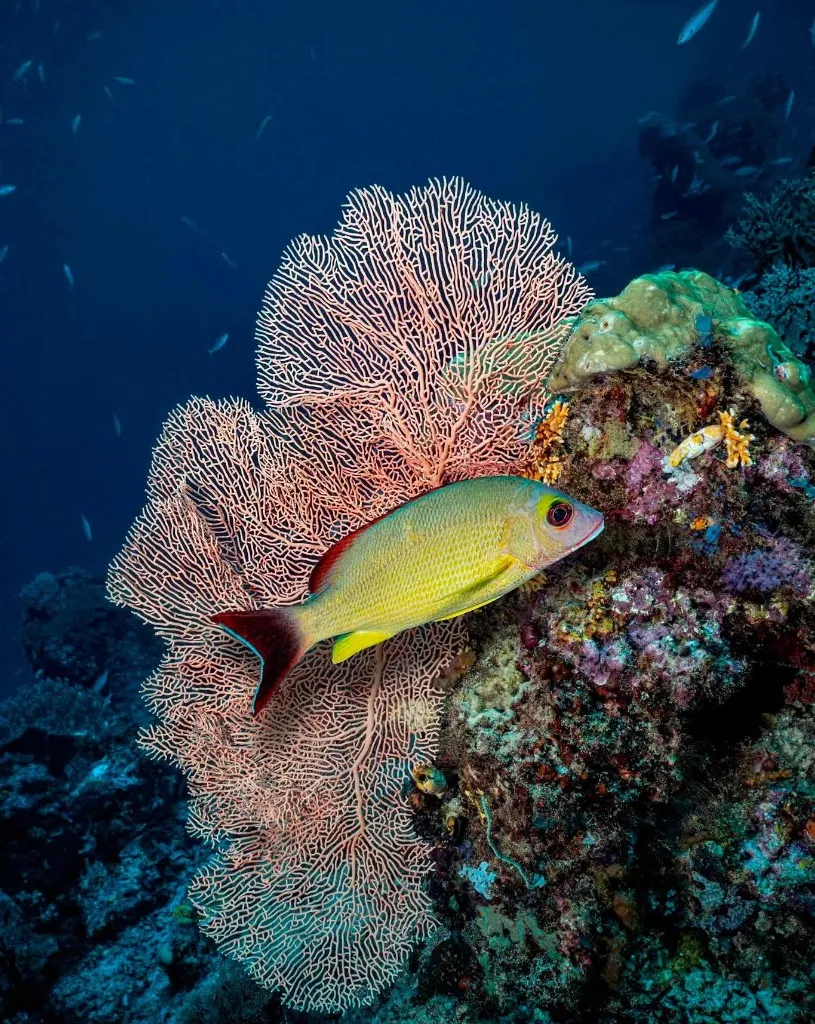
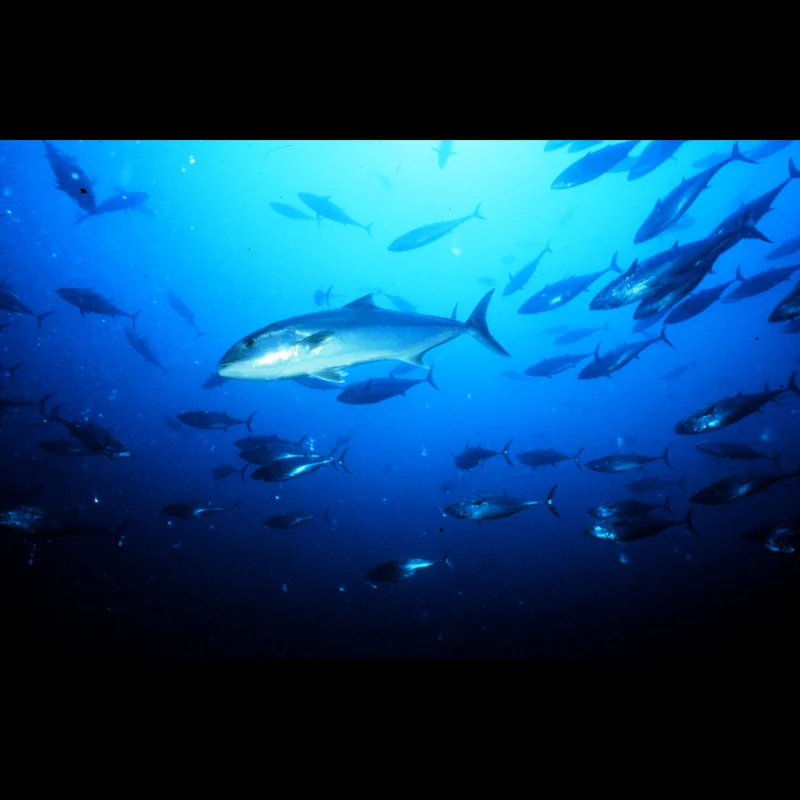
Schools of mackerel scad swirl in dazzling silver clouds around the hull, accompanied by other pelagic species such as trevally, amberjacks, and rainbow runners. Snapper, including the blue stripe variety, are common fixtures.
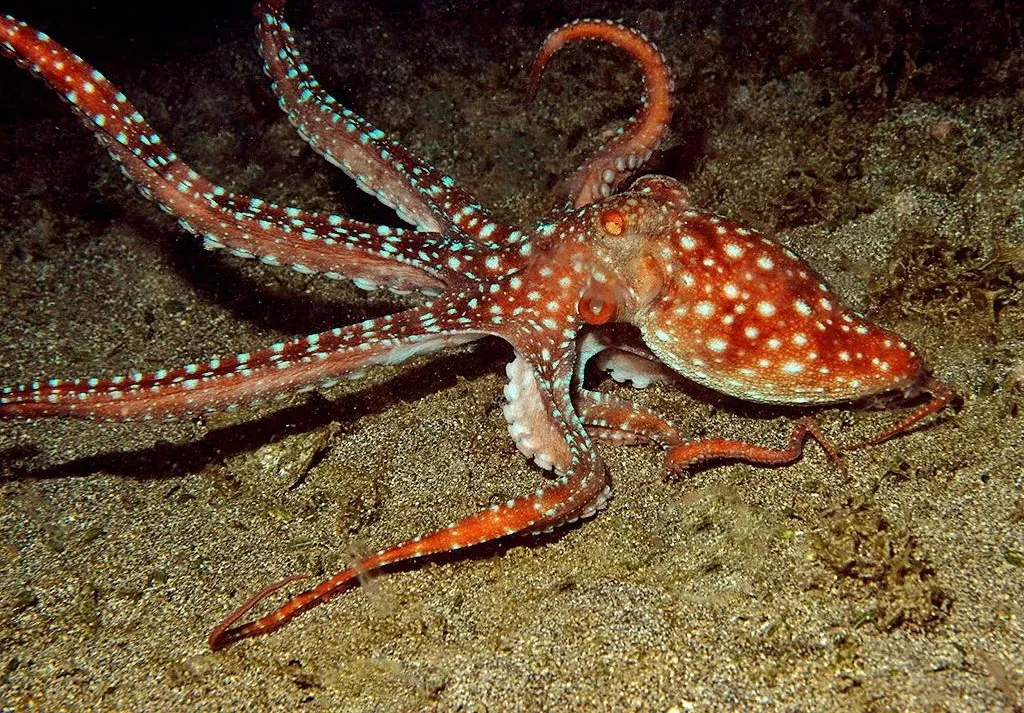
Divers with a keen eye may spot enormous puffer fish sheltering within crevices or discover octopuses tucked away. Small coral blooms and polyps speckle the hull and deck, with various soft corals fanning out beneath the ship’s rudder, adding vibrant splashes of color. Turtles are also a frequent sight.
Dive Sites Near Navy Tug
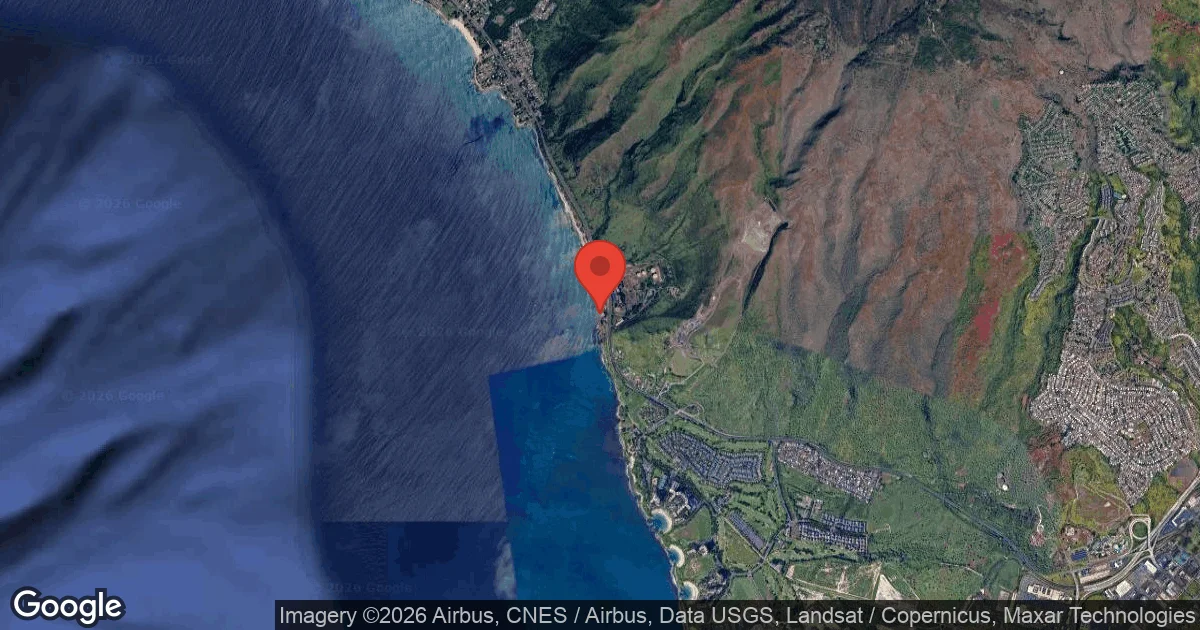
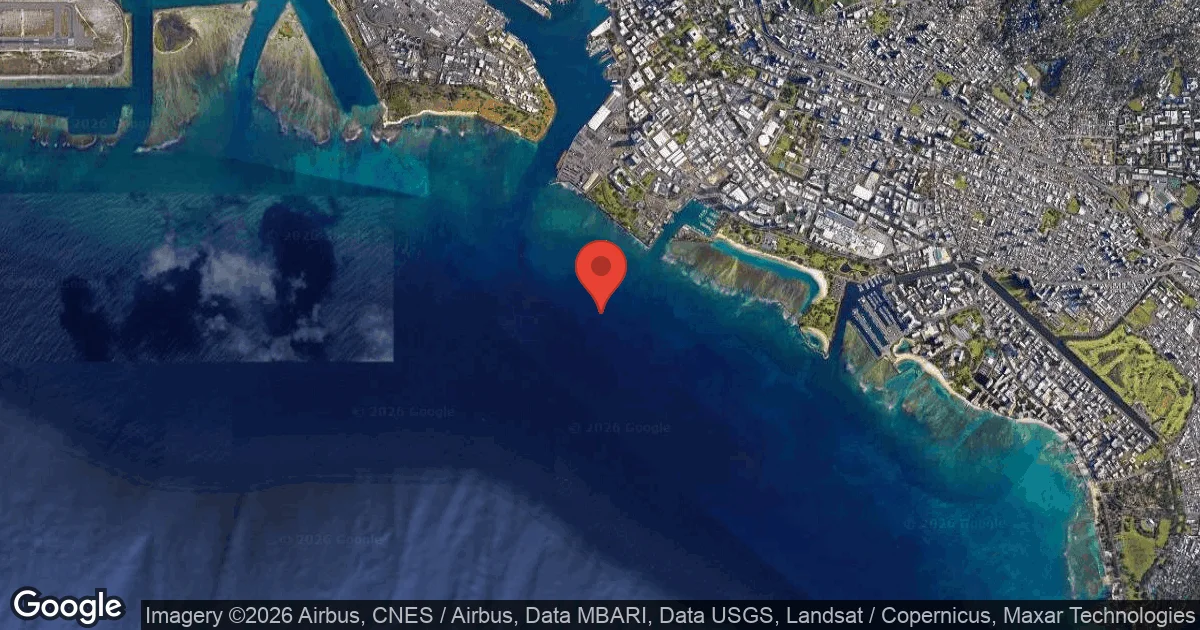
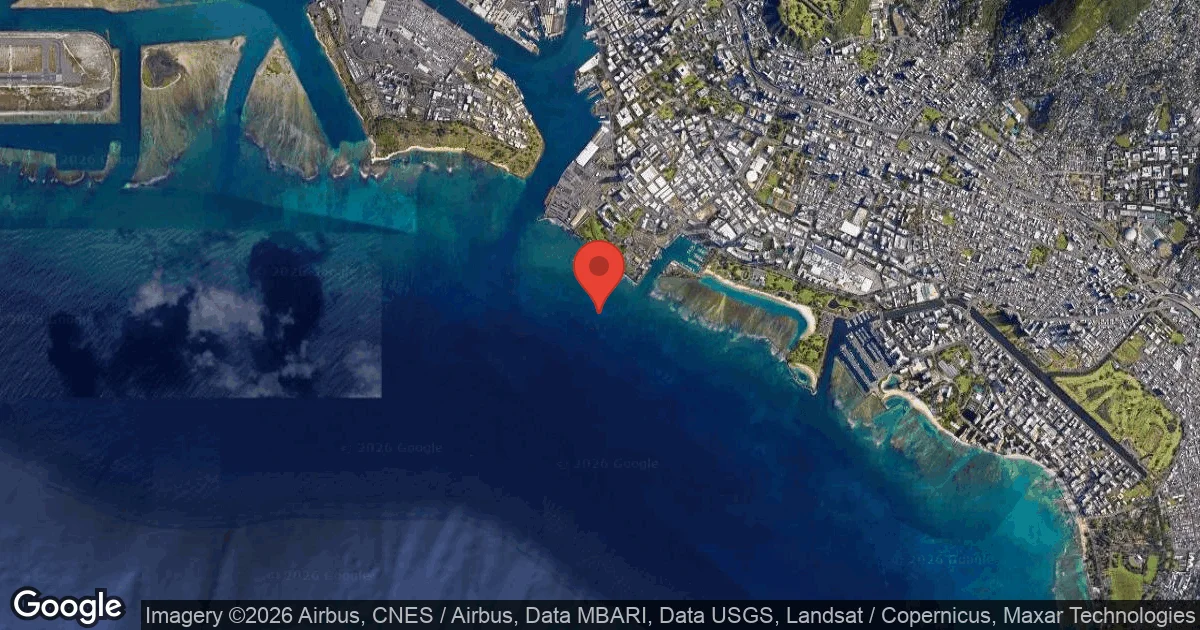
View all dive sites in United StatesDiscover more underwater gems in this area.
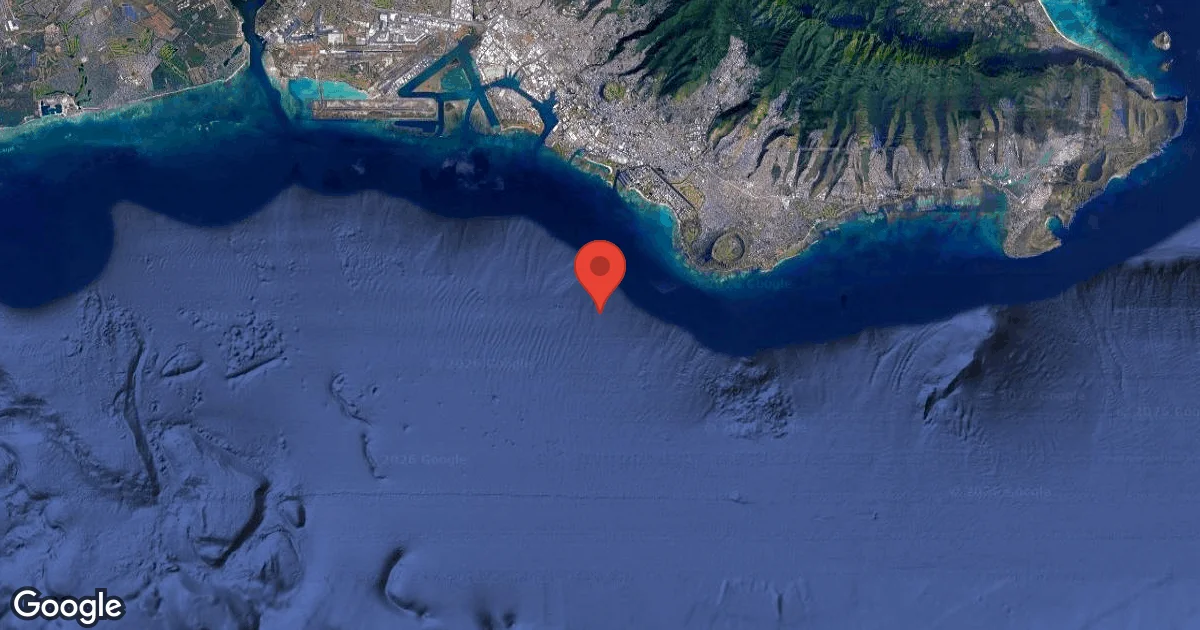
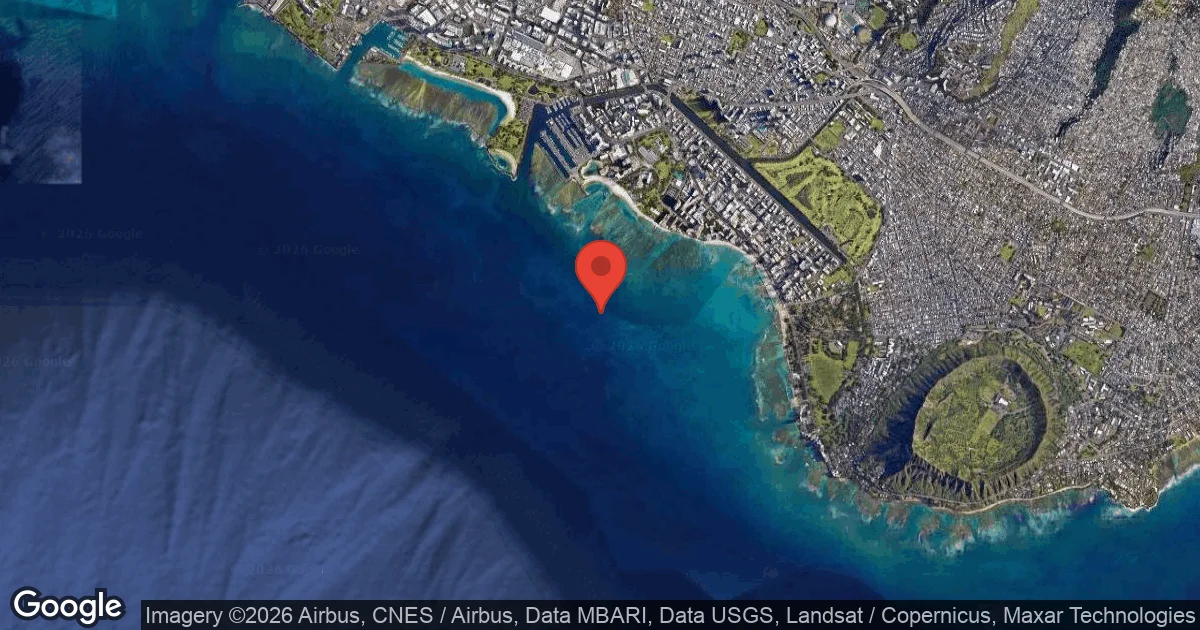
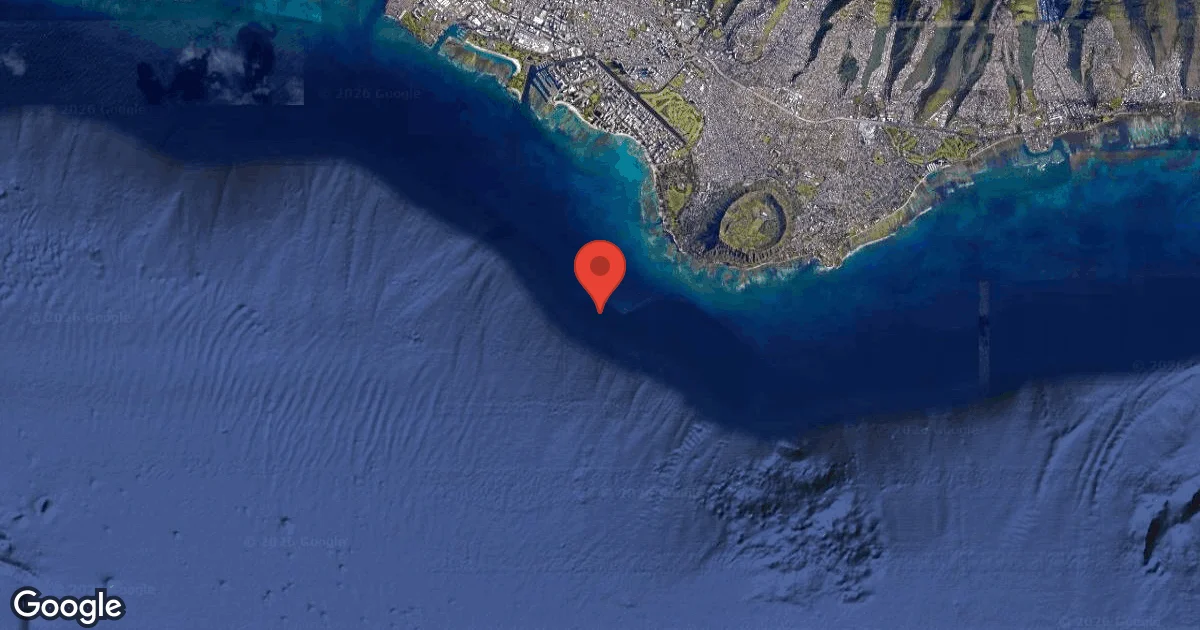
Dive Centers Near Navy Tug
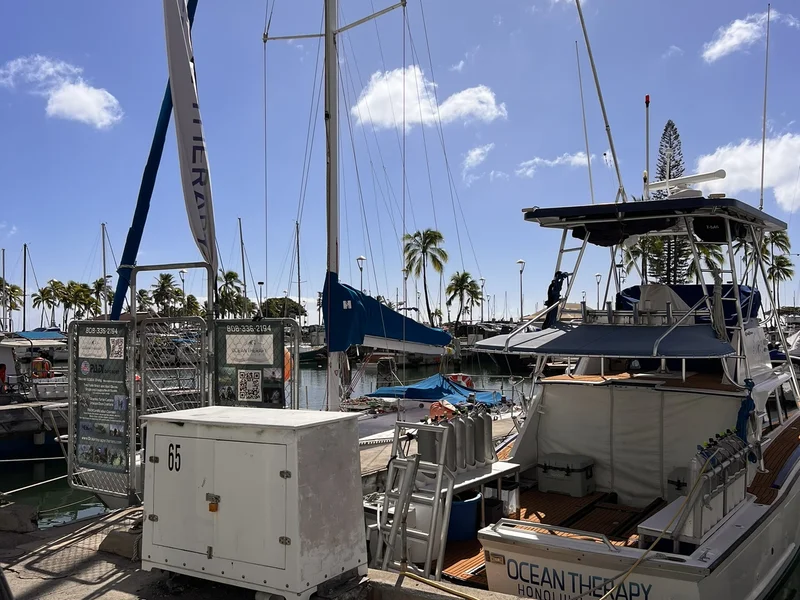
Today: 07:00 - 21:00

Nearest Airports
Nearest airports to help plan travel to this dive area.
Search Flights
Check available flights and routes on Expedia, using the nearby airports listed in this section.
Search Flights on Expedia
Plan Your Stay
Looking for a place to stay for your dive trip? Explore hotels, stays, and vacation rentals for dive groups near ‘Ewa Beach.
Dive Navigator may earn a commission from these links at no extra cost to you.
Frequently Asked Questions
How deep is the Navy Tug wreck?
The USS Nashua, also known as the Navy Tug, rests at a depth of approximately 20 meters / 65 feet on the ocean floor. Its relatively shallow depth makes it accessible for intermediate-level divers, allowing for good bottom time.
What marine life can I expect to see at the Navy Tug?
The site is home to diverse species, including white tip reef sharks and eagle rays. You'll often see schools of mackerel scad, snapper, trevally, amberjacks, and rainbow runners around the wreck, along with occasional turtles and octopuses.
Is it possible to penetrate the wreck?
No, the Navy Tug is strictly a non-penetration dive site. Divers should focus on exploring the exterior structure and the vibrant artificial reef that has formed around the vessel.
Is the Navy Tug dive suitable for beginners?
This dive is considered intermediate level. While not excessively deep, its structure and conditions are better suited for divers with some experience. Beginners should always dive with a certified instructor.
What is the typical visibility at the site?
Visibility at the Navy Tug is often excellent, frequently ranging from 24 to 30 meters / 80 to 100 feet. The clearest conditions are generally observed during the summer months when ocean conditions are calmer.
When is the best time of year to dive the Navy Tug?
The Navy Tug is diveable year-round, but the summer months (June through September) typically offer the clearest water and most active marine life. This period also sees lower rainfall averages.
What is the water temperature like?
Water temperatures at the Navy Tug are consistently warm throughout the year. Divers can expect temperatures to range between 24-27°C / 75-80°F, providing comfortable diving conditions.
Planning to dive Navy Tug?
Send one inquiry and receive offers directly from the best verified local dive operators.
Conditions are Moderate
High Wind Advisory (46km/h). Unsafe surface.
Current conditions near Navy Tug show 27° air, 27° sea temperature, 1.6 m waves, and 46 km/h wind. Forecast data is refreshed regularly to ensure accuracy.