
Diving at YO-257 & San Pedro (United States)
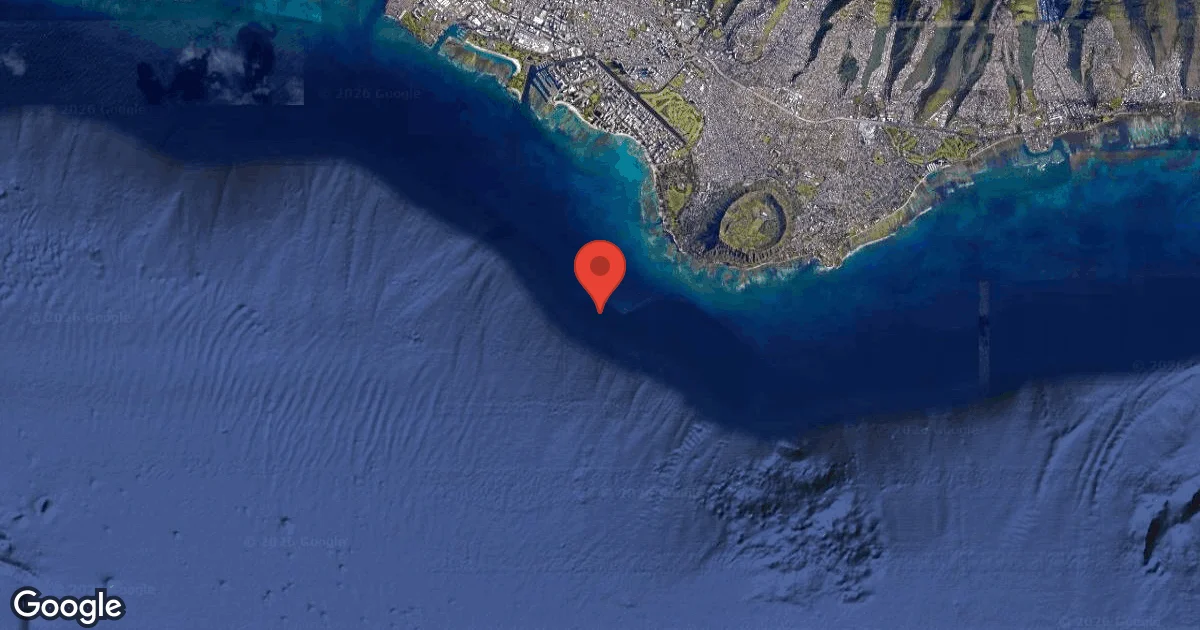
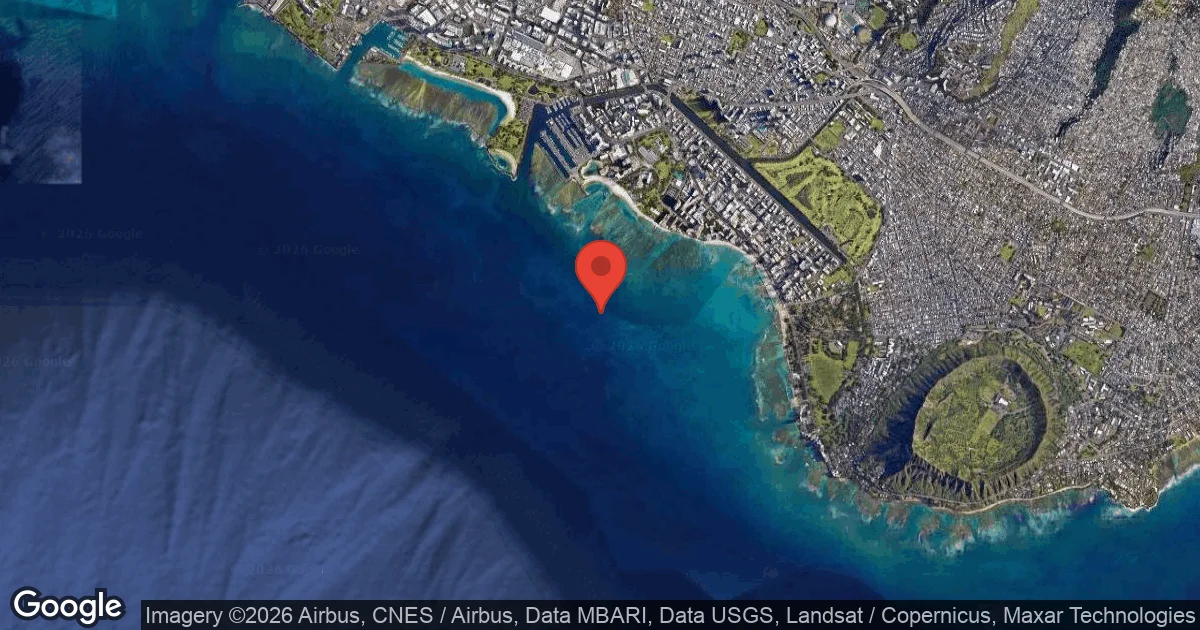
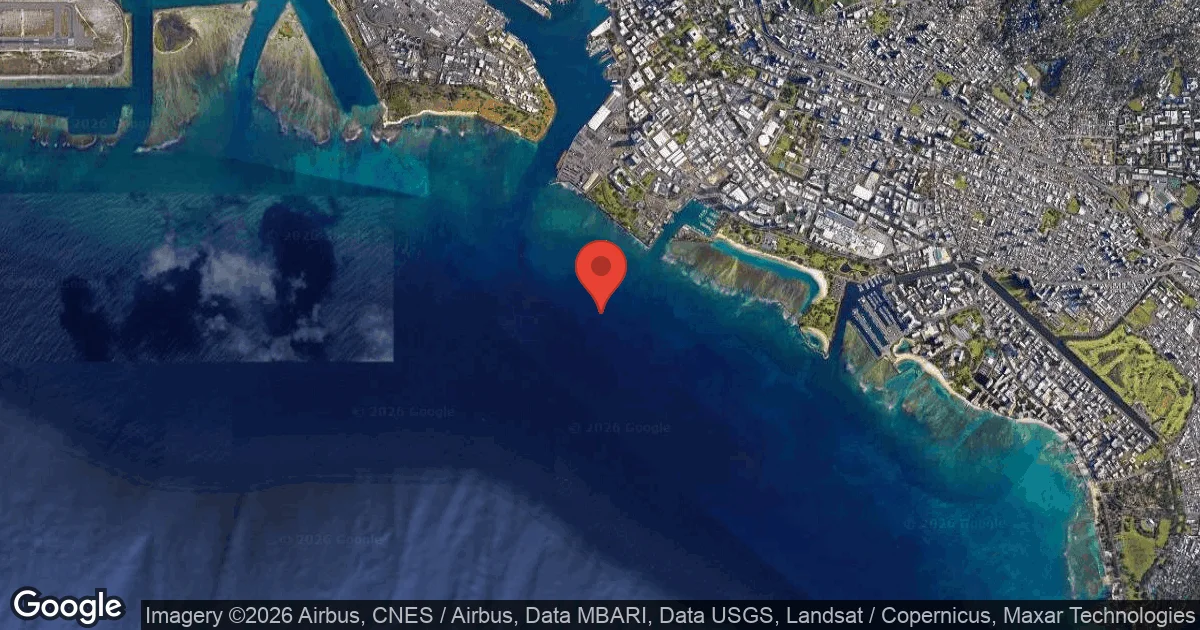
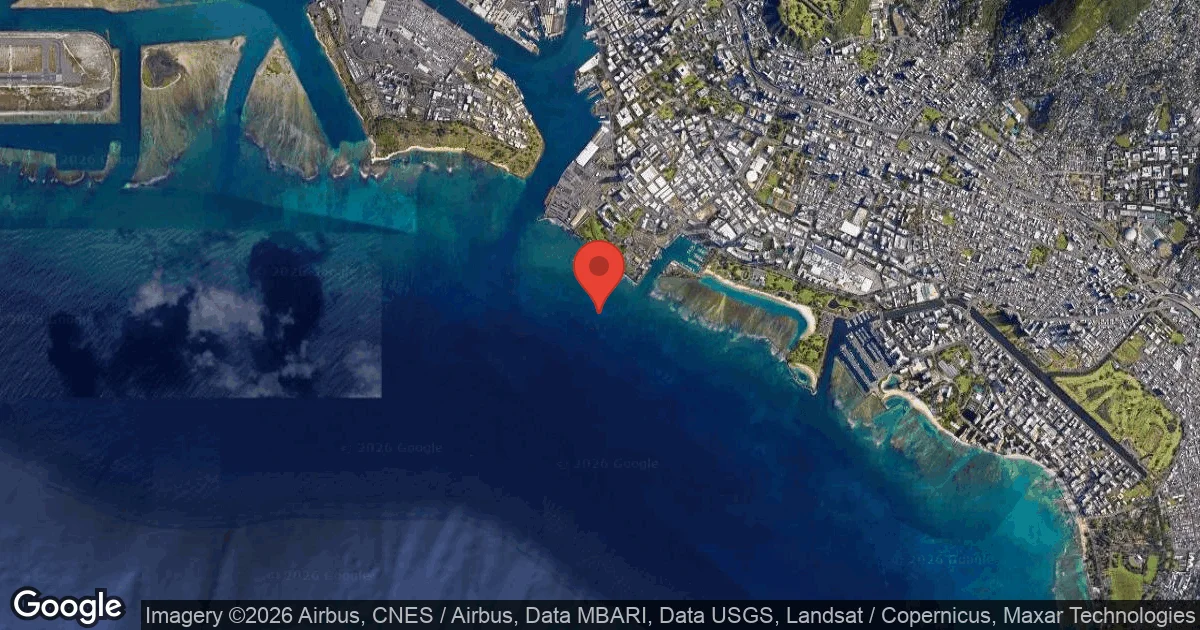
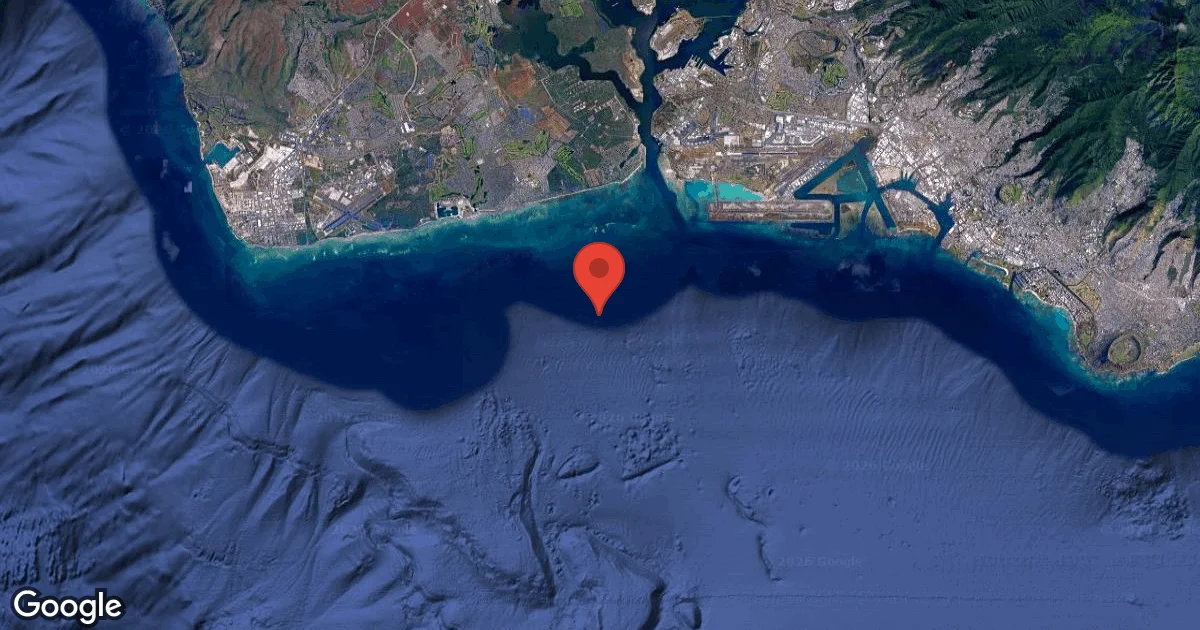
Two purposefully sunk artificial reefs, the YO-257 and San Pedro wrecks, lie off Oʻahu's south shore. A brief boat trip from Kewalo Boat Basin leads to these two vessels, situated approximately 21-30 m (70-100 ft) apart. Divers can explore both the 175-foot former Navy oiler YO-257 and the 95-foot decommissioned hospital ship San Pedro in a single dive. Primarily for advanced divers, this dual wreck site provides an engaging underwater landscape.
As evening covers YO-257 & San Pedro, the local air temperature is measured at 28°C. The current wave height at the surface is recorded at 1.5 m. These late-day readings characterize the surface conditions for the night.
Dive Site Location & Key Facts
Dive Site Overview
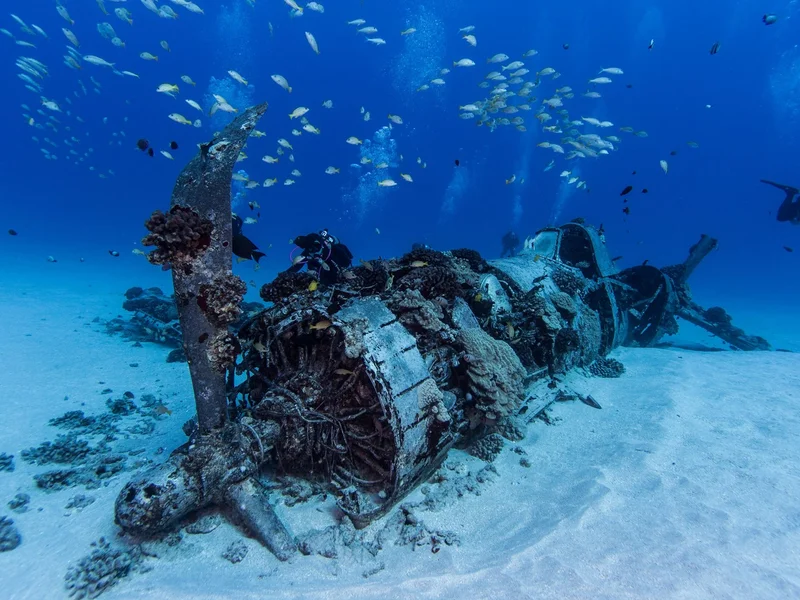
Diving Oʻahu's YO-257 and San Pedro offers certified divers a distinct opportunity to immerse themselves in both naval history and vibrant reef ecosystems during one exploration. Atlantis Submarines intentionally sank these two vessels for artificial reef projects, presenting differing experiences.
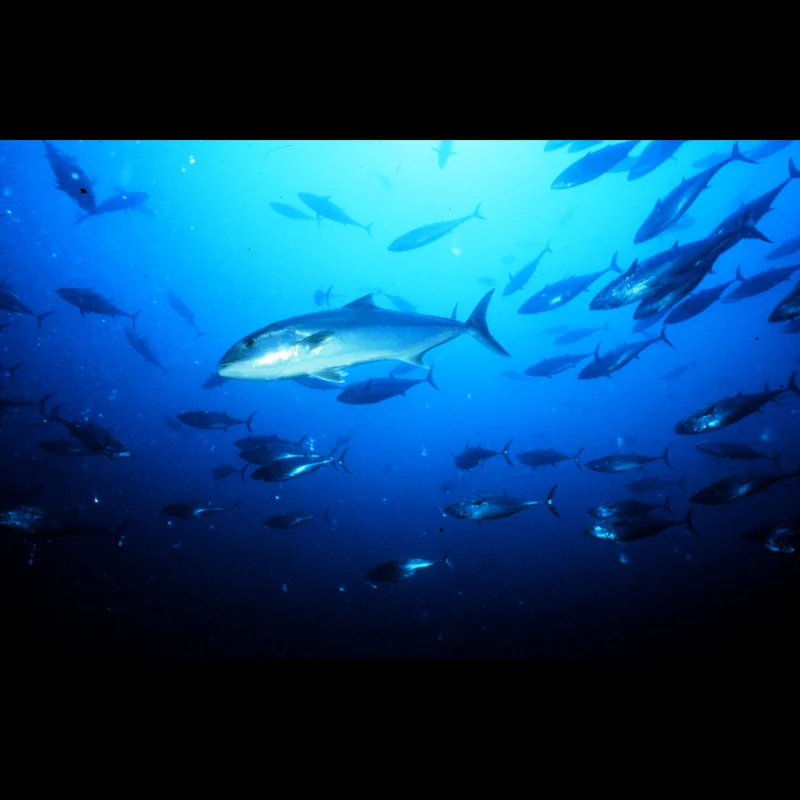
A 175-foot Navy oiler, the YO-257 has been on the seafloor since 1989, after serving in WWII, Korea, and Vietnam. Its structure provides numerous swim-throughs and large open areas, allowing limited penetration for appropriately trained divers to explore its interior. Schools of mackerel scad and trevally often patrol its shadows, and larger creatures like turtles are known to rest on its main deck.
Close by, the 125-foot San Pedro, a former hospital ship, joined the seafloor in 1996. While generally shallower, resting at recreational depth, its deteriorating condition means that penetration and extensive swim-throughs are not advised.
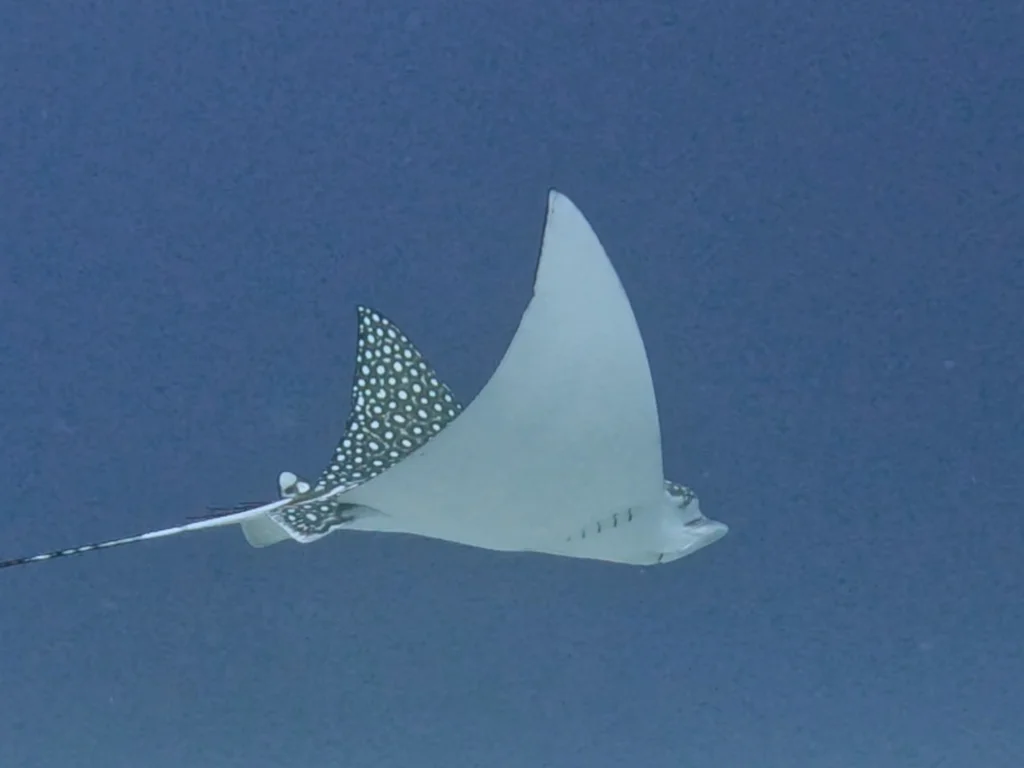
Nonetheless, the vessel acts as a beacon for marine life, frequently hosting eagle rays, amberjacks, and various reef fish around its exterior. Exploring both wrecks provides a comprehensive look at Oʻahu's underwater history and its evolving artificial reefs. Visibility often ranges from 24-30 m (80-100 ft), occasionally dropping to 15 m (50 ft).
Conditions are Moderate
High Wind Advisory (46km/h). Unsafe surface.
Current conditions near YO-257 & San Pedro show 28° air, 27° sea temperature, 1.9 m waves, and 46 km/h wind. Forecast data is refreshed regularly to ensure accuracy.
Best Time to Dive
Divers seeking the clearest conditions and calmest seas will find May through September optimal for visiting the YO-257 and San Pedro wrecks. During these months, visibility often reaches 24-30 m (80-100 ft), enhancing the overall dive experience. While these sites are accessible year-round, conditions vary. Air temperatures are comfortably warm throughout the year, averaging from 22.5°C (72°F) in February to a peak of 26.5°C (80°F) in August. Rainfall is generally minimal, particularly from June to October, with monthly averages often below 1 mm. Expect higher wave activity and stronger winds during the winter months, potentially impacting boat travel to the site. Conversely, September and October often report 'Good' dive scores, indicating a favorable balance of weather and ocean conditions. Planning your dive within the May-September window generally provides the most reliable conditions for enjoying the wrecks and marine life with minimal environmental challenges.
PEAK SEASON SCORE
Scores combine air & water temps, waves, wind & rainfall for overall conditions.
BEST MONTHS TO DIVE
Monthly records compiled from satellite and marine observation nodes over the last 3 years. Data provided by Open-Meteo and MET Norway.
Dive Experience & Conditions
Site conditions can present challenges due to currents, particularly those wrapping around Diamond Head. Strong and unpredictable currents often occur, especially during full moon cycles, demanding careful management of buoyancy and finning technique. Immediately surface swimming to the mooring line upon entry is often recommended before beginning descent. Such a dive demands attentive planning and awareness of changing water movement and its potential to impact the experience. Divers will explore different depth zones. YO-257 rests on the sand at its maximum depth, with its main deck accessible in shallower sections. Close by, San Pedro, a slightly shallower wreck, is found at its deepest point within recreational limits. Visibility often allows clear views, but it's not consistently reported and occasionally drops depending on local runoff.
Dive Difficulty & Safety Guidelines
Approach these Oʻahu wrecks with an advanced diver mindset, as the site is primarily intended for experienced individuals. Strong and unpredictable currents near Diamond Head can make this dive challenging, requiring proficiency in drift diving techniques and excellent buoyancy control. Always immediately surface swim to the mooring line upon entering the water to mitigate potential issues with strong currents.
Do not attempt free descent on days with high current. Penetration is possible on the YO-257, which has clear corridors and large open spaces, but only for divers with appropriate training and equipment, as advised by your dive operator.
Conversely, penetration on the San Pedro is not advised due to its deteriorating structure. Confident beginners may explore the exteriors under close supervision, but full wreck penetration is beyond this scope.
Ensure all gauges and alternate air sources are secured before entering any overhead environment. There are no specific hazards beyond current and wreck integrity reported.
Recommended Equipment
Overhead / entanglement risk. Wreck penetration requires proper training.
- Dive Computer
- Primary & Backup Lights
- Wreck Reel
- Cutting Tool
This gear list is based on verified equipment signals for YO-257 & San Pedro, United States. Always confirm final gear choices with your dive operator, guide, or liveaboard.
Recommended Dive Suit
Surface temperatures may decrease slightly later in the week. Cooler days are ahead; you might want a warmer option for later in the week. A hood or vest can noticeably improve warmth during longer dives.
Divers who prefer a balanced level of warmth often select 2-3mm shorty or light wetsuit in water temperatures like this. Consider warmer surface protection (like a boat coat) due to brisk winds.
Recent environmental data from YO-257 & San Pedro indicates water temperatures near 27°C (81°F). Surface air temperatures are resting at 28°C (83°F).
Due to technical issues with our weather providers, live updates are temporarily delayed. The data above reflects the conditions at the time of the last successful fetch.
Emergency & Medical Support
Essential information to help you plan your dive trip to YO-257 & San Pedro.

Hyperbaric chambers are a critical part of dive safety infrastructure. Availability varies significantly by region, and not all dive areas have immediate access.
Before diving, it's recommended to:
- confirm nearest medical facilities
- check emergency procedures with local dive operators
- ensure dive insurance covers evacuation if required
Divers Alert Network
Diving emergency assistance available through DAN World.
+1-919-684-9111- 24/7 emergency hotline
- Diving medical assistance
- Evacuation coordination
Emergency contacts are provided for reference. Always verify local emergency services before diving.
Marine Life at YO-257 & San Pedro
Wreck structures of the YO-257 and San Pedro now serve as crucial habitats, attracting a diverse array of marine life. Large turtles are frequent visitors, often observed resting on YO-257's main deck.
Schools of mackerel scad, trevally, and amberjacks patrol the wrecks, creating dynamic scenes for divers. Spotted eagle rays might cruise past the ships.
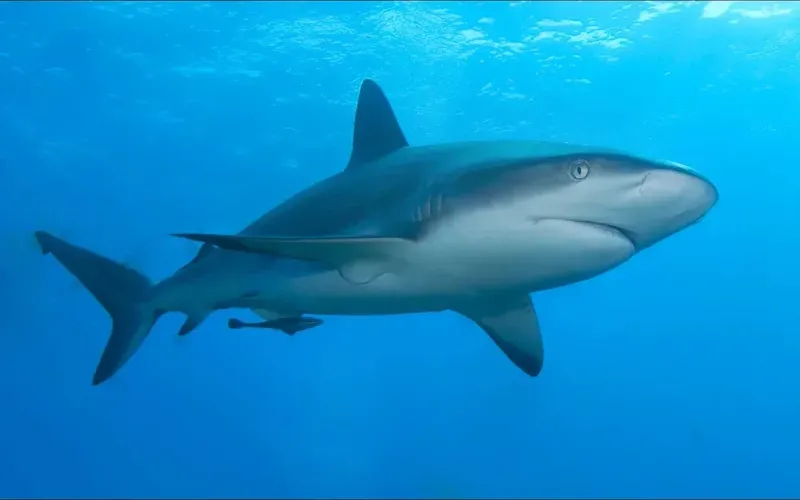
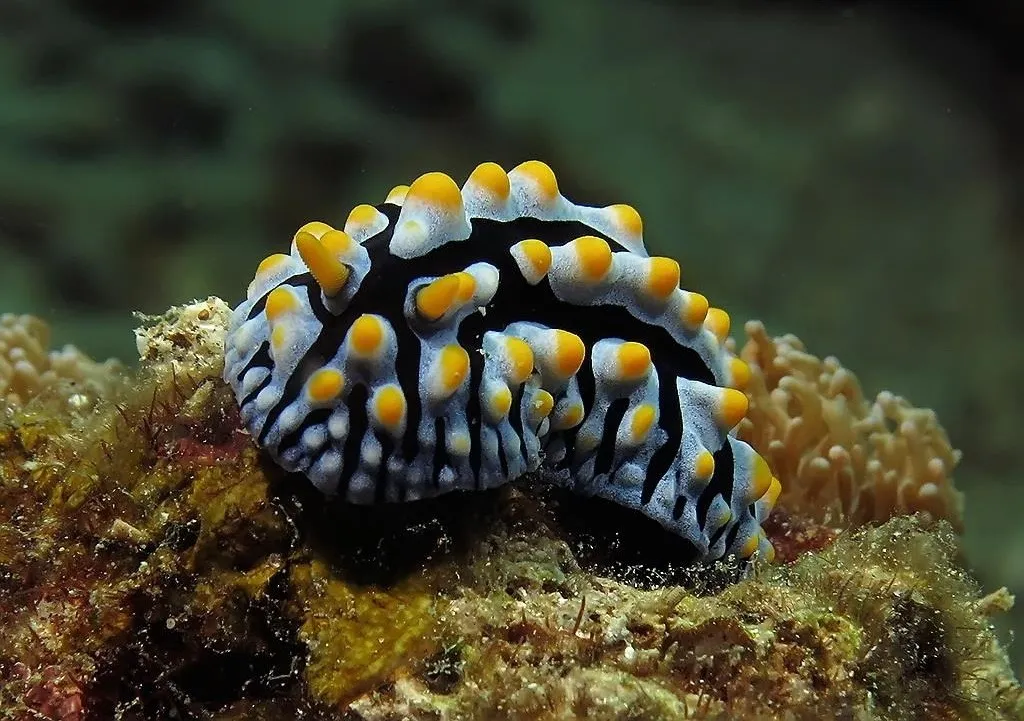
White tip reef sharks are commonly seen around both vessels, adding to the excitement. Additionally, the wrecks host smaller creatures like butterfly fish, puffer fish, nudibranchs, and octopus, thriving amidst the artificial reef formations.

Dive Sites Near YO-257 & San Pedro
View all dive sites in United StatesDiscover more underwater gems in this area.
Dive Centers Near YO-257 & San Pedro
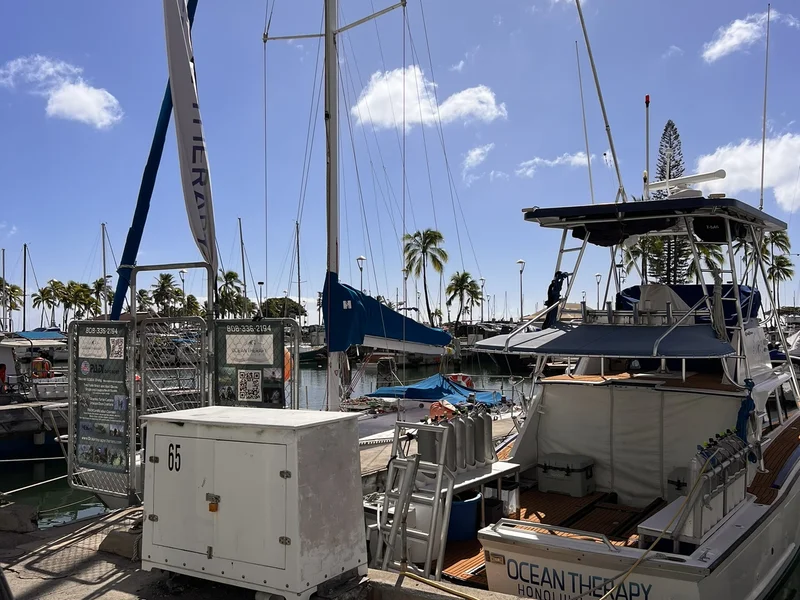
Today: 07:00 - 21:00
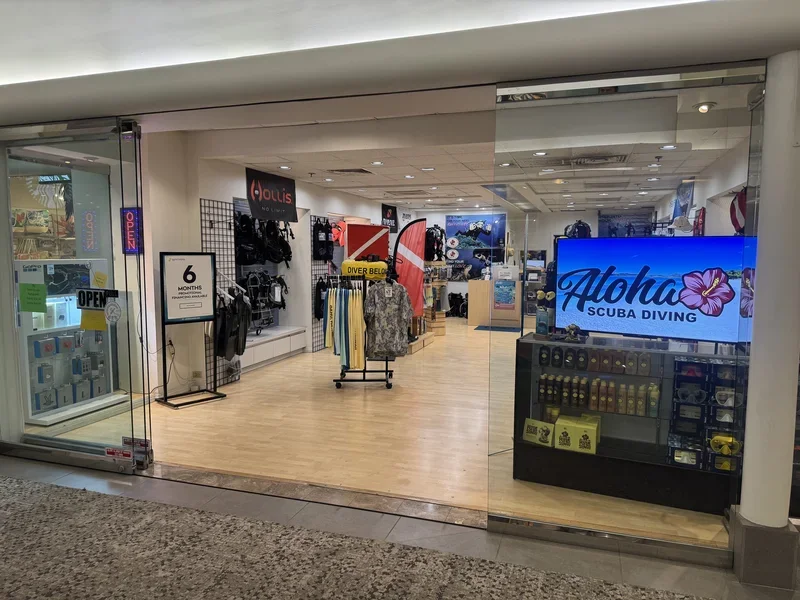
Nearest Airports
Nearest airports to help plan travel to this dive area.
Search Flights
Check available flights and routes on Expedia, using the nearby airports listed in this section.
Search Flights on Expedia
Plan Your Stay
Looking for a place to stay for your dive trip? Explore hotels, stays, and vacation rentals for dive groups near Waikīkī.
Dive Navigator may earn a commission from these links at no extra cost to you.
Frequently Asked Questions
How deep are these wrecks?
YO-257 sits at approximately 30 m (100 ft), with San Pedro just shallower. Both are within recreational limits but best suited for advanced divers due to overall site conditions.
What marine life can I expect to see?
Divers frequently encounter turtles, eagle rays, and reef sharks. Schools of mackerel scad, trevally, and amberjacks are also common. Look closer for nudibranchs, butterfly fish, and octopus.
What's the visibility like?
Visibility typically ranges from 24-30 m (80-100 ft), though it can occasionally drop. Clearest conditions are generally observed during the summer months.
Can beginners do this dive?
Primarily for advanced or experienced divers due to potential strong currents and depth. Confident beginners may explore the exteriors under close supervision, but it's not recommended for novice divers.
Is wreck penetration allowed?
Limited penetration is possible on the YO-257, featuring clear corridors and large open spaces, for divers with proper training. However, penetration on the San Pedro is not advised due to its deteriorating condition.
When is the best time to dive these wrecks?
These sites are accessible year-round, but May through September offers optimal visibility and calmer sea conditions. September and October often yield 'Good' dive scores.
What makes this dive special?
A dive here offers the unique opportunity to explore two historical wrecks—a Navy oiler and a hospital ship—in a single dive. Both act as thriving artificial reefs, showcasing a diverse ecosystem alongside historical interest.
Are currents a concern at this site?
Yes, currents can be strong and unpredictable, especially around Diamond Head and during full moon cycles. Divers should be proficient in current management and plan accordingly.
Planning to dive YO-257 & San Pedro?
Send one inquiry and receive offers directly from the best verified local dive operators.
Conditions are Moderate
High Wind Advisory (46km/h). Unsafe surface.
Current conditions near YO-257 & San Pedro show 28° air, 27° sea temperature, 1.9 m waves, and 46 km/h wind. Forecast data is refreshed regularly to ensure accuracy.