
Diving at I Beams (United States)
Near Royal City, WA, the I Beams dive site explores an abandoned Titan I ICBM complex. Flooded missile launchers present an overhead environment, reaching depths of approximately 33.5 m (110 ft). Dives here occur in complete darkness, requiring reliable primary and backup lighting. Divers navigate steel cribwork, blast deflectors, and other relics of its Cold War past.
Starting the day at I Beams, the ambient air temperature is recorded at 25°C. Ongoing monitoring shows wave heights measuring 0.9 m. This data represents the current surface conditions for early activities.
Dive Site Location & Key Facts
Dive Site Overview
Once a formidable Titan I ICBM complex, the I Beams site offers divers an immersive journey into Cold War history. An all-day experience awaits, incorporating dives within Launcher 3, Equipment Terminal 3, and Launcher 2, complemented by a tour of the complex's dry sections.
Accessing the site involves a moderately difficult walk-in, descending into a man-made canyon where a mangled tube marks the entrance. After setting up gear on wooden decks, divers proceed to a "ready room" for final preparations. Journey to the launch silos continues through tunnels, often filled with waist-level water.
Salvaged deck plates expose a network of pipes and beams along the way. Inflating your BC is necessary during this walk, and a kayak often accompanies the group to carry loose items like fins and cameras.
Inside the launch silo, a seemingly ordinary double-doorway opens into a 160-foot tall chamber. Divers stand on the massive steel cribwork that once elevated the 100-foot, 110-ton ICBM.
From here, the steel structure disappears into the darkness below. Primarily clean groundwater has slowly filled the complex since the Air Force ceased pumping in the early 1960s. Combining elements of a night dive, a wreck dive, and a deep dive, this experience is unique.
Conditions are Excellent
07:00 - 14:00
Optimal conditions expected
Current conditions near I Beams show 25° air, 31° sea temperature, 0.4 m waves, and 13 km/h wind. Forecast data is refreshed regularly to ensure accuracy.
Best Time to Dive
Planning a dive at I Beams is best aligned with conditions that minimize surface disruptions and maximize comfort during the access phase. Climate data indicates July stands out with an "Excellent" dive score, characterized by warmer air temperatures averaging around 28°C (82°F), significantly lower wave heights, and reduced wind speeds. While wave height isn't a direct factor once inside the silo, calmer surface conditions generally simplify initial site access. Months like May, August, and September also present favorable "Good" conditions, with air temperatures remaining comfortably warm, typically ranging from 26-28°C (79-82°F). Rainfall tends to be lower during these periods, which can be beneficial during the exterior walk-in portion of the experience. Given the silo's interior environment, water remains consistently cold year-round, making recent cold water diving experience a stated prerequisite regardless of the season. Divers should always prepare for internal water temperatures that are considerably cooler than ambient air.
PEAK SEASON SCORE
Scores combine air & water temps, waves, wind & rainfall for overall conditions.
BEST MONTHS TO DIVE
Monthly records compiled from satellite and marine observation nodes over the last 3 years. Data provided by Open-Meteo and MET Norway.
Dive Experience & Conditions
A unique terrestrial journey precedes water entry at I Beams. Divers navigate through a rugged, high-desert landscape, leading to the complex's entrance, which demands a moderately difficult walk-in and a ladder descent. Once inside the tunnels connecting different sections, divers encounter waist-level water and a challenging path over pipes and beams, necessitating BC inflation to maintain balance. Entering the missile silo itself reveals a vast, dark, vertical chamber. Fundamentally, it's a night dive, even during daylight hours, since no ambient light penetrates the structure. Depths extend to approximately 33.5 m (110 ft) at the bottom, where steel and concrete blast deflector rests. Visibility within the groundwater-filled silos often presents as clear. Massive steel cribwork and a giant spring suspension system also feature here, offering a glimpse into the silo's mechanical past. Side tunnels exist as full overhead environments but remain off-limits for most divers.
Dive Difficulty & Safety Guidelines
Diving the I Beams missile silo requires specific certifications and a strong awareness of the challenging environment. Divers must hold an Advanced certification or higher, providing verification of C-cards. Prerequisites include documented recent cold water dives, essential for managing consistent cool temperatures within the silo.
Complete absence of ambient light means carrying a primary night diving light and a backup is mandatory for every diver. Participants need to be in good physical shape to manage the moderately difficult walk-in and ladder descent into the complex.
This site functions as both a deep dive and a night dive, demanding proficiency in these areas. Additionally, overhead environments like side tunnels are strictly off-limits for most recreational divers due to specialized training requirements.
Navigating interior paths, particularly around the open elevator shaft, demands careful attention to avoid accidental falls into deeper sections.
Recommended Equipment
- Dive Computer
This gear list is based on verified equipment signals for I Beams, United States. Always confirm final gear choices with your dive operator, guide, or liveaboard.
Recommended Dive Suit
In conditions like these, many divers prefer diving with dive skin or rash guard. A hood or vest is suggested for sensitive divers due to surface winds.
Current readings at I Beams show water temperatures near 31°C (87°F). Surface air temperatures are resting at 25°C (77°F).
Forecast models indicate that diving conditions should remain largely unchanged.
Due to technical issues with our weather providers, live updates are temporarily delayed. The data above reflects the conditions at the time of the last successful fetch.
Emergency & Medical Support
Essential information to help you plan your dive trip to I Beams.

Hyperbaric chambers are a critical part of dive safety infrastructure. Availability varies significantly by region, and not all dive areas have immediate access.
Before diving, it's recommended to:
- confirm nearest medical facilities
- check emergency procedures with local dive operators
- ensure dive insurance covers evacuation if required
Divers Alert Network
Diving emergency assistance available through DAN World.
+1-919-684-9111- 24/7 emergency hotline
- Diving medical assistance
- Evacuation coordination
Emergency contacts are provided for reference. Always verify local emergency services before diving.
Marine Life at I Beams
While the I Beams site is predominantly appreciated for its historical and structural appeal, divers may occasionally encounter unique forms of adapted life. Most consistently reported observations involve salamanders, sometimes found in shallower sections of the silos, such as around 7.6 m (25 ft).
These resilient creatures demonstrate how life can adapt even within an artificial, subterranean aquatic environment. Beyond occasional sightings, primary focus remains on exploring the remnants of the missile complex rather than a diverse biological ecosystem.
Dive Sites Near I Beams
View all dive sites in United StatesDiscover more underwater gems in this area.
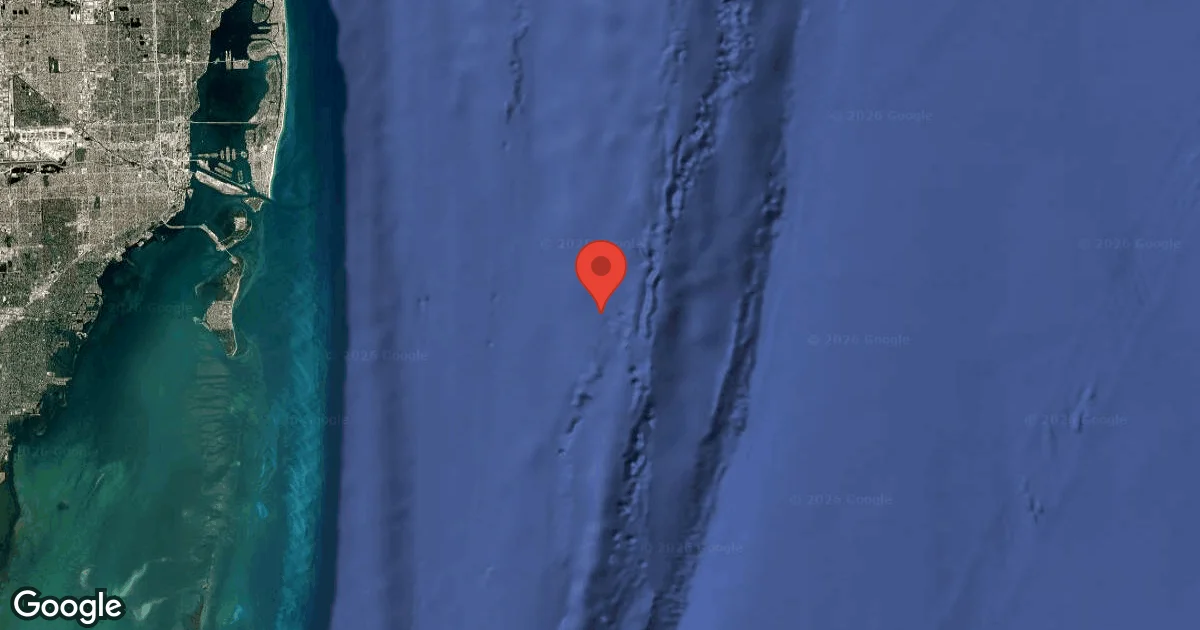
Dive Centers Near I Beams
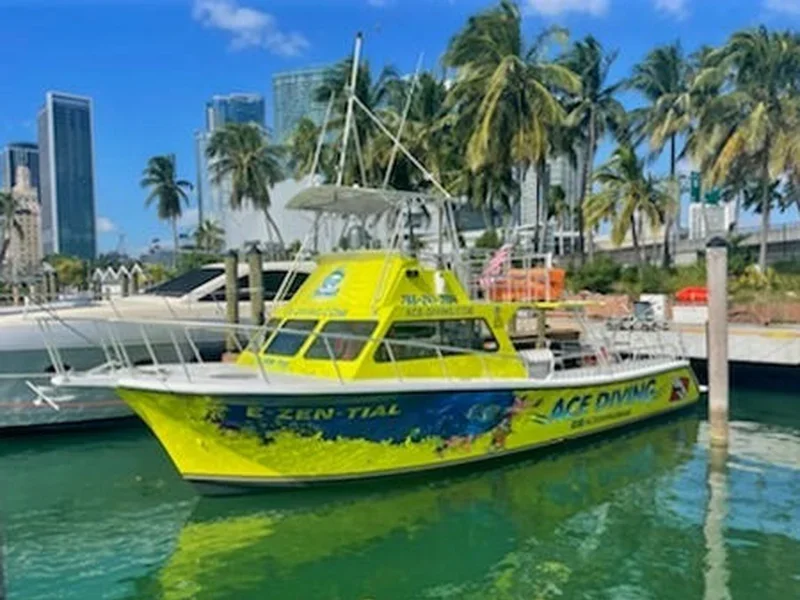
Today: 08:00 - 17:00
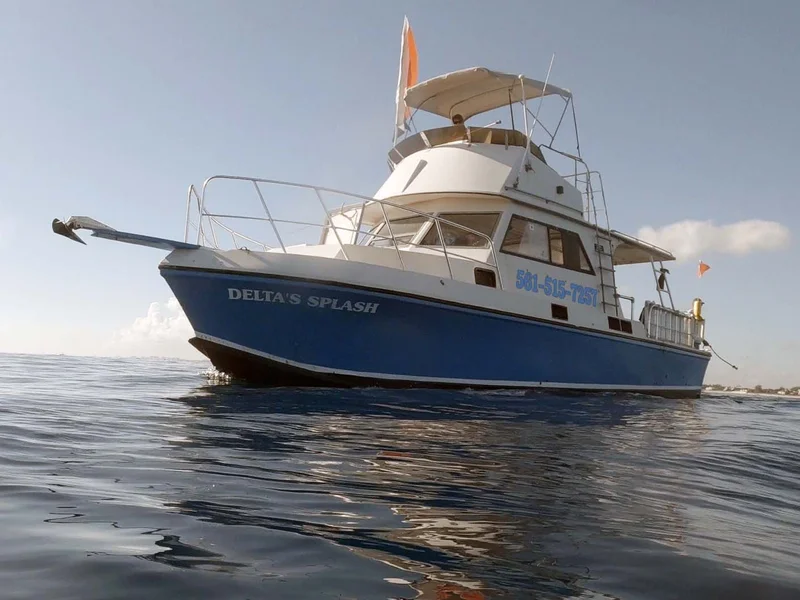
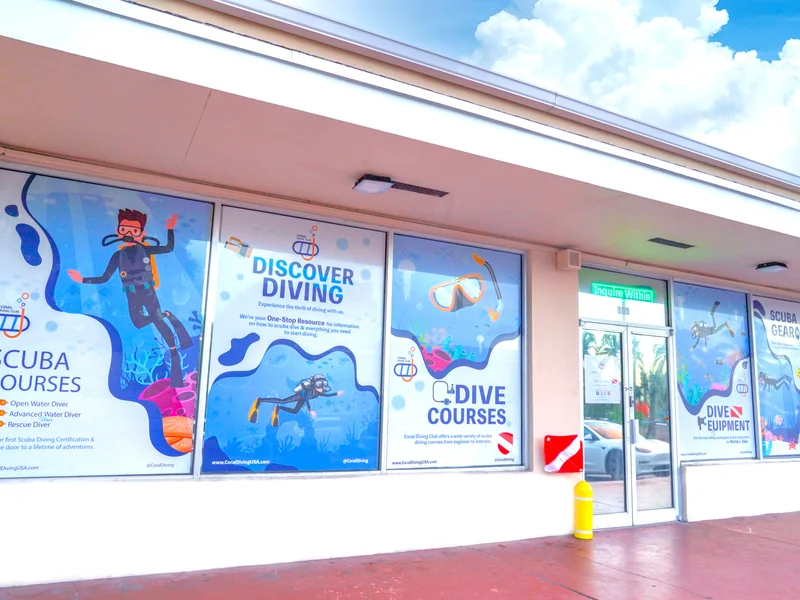
Nearest Airports
Nearest airports to help plan travel to this dive area.
Search Flights
Check available flights and routes on Expedia, using the nearby airports listed in this section.
Search Flights on Expedia
Plan Your Stay
Looking for a place to stay for your dive trip? Explore hotels, stays, and vacation rentals for dive groups near Miami Beach.
Dive Navigator may earn a commission from these links at no extra cost to you.
Frequently Asked Questions
What is the maximum depth at the I Beams dive site?
Max depth in the missile launchers is approximately 33.5 m (110 ft). Divers encounter the steel and concrete blast deflector here.
What certifications are required for this dive?
Divers must possess an Advanced certification or higher. Verification of C-cards is required, along with proof of recent cold water diving experience.
Is the I Beams dive considered a night dive?
Yes, diving here is fundamentally a night dive, irrespective of surface daylight. No ambient light penetrates the missile silos, requiring all divers to carry primary and backup lights.
What are the conditions of the water inside the silos?
Silos contain clean groundwater. Water is consistently cold year-round, necessitating appropriate thermal protection.
Are there any overhead environments or tunnels to explore?
Side tunnels present full overhead environments. These are strictly off-limits for most recreational divers due to specialized training requirements.
What kind of marine life might I see?
While not a typical marine environment, salamanders have been observed in shallower sections, such as around 7.6 m (25 ft). Primary focus for this dive is historical and structural exploration.
How physically demanding is the access to the dive site?
Access to the complex involves a moderately difficult walk-in. This includes traversing rugged terrain and descending ladders before reaching the water-filled tunnels.
Planning to dive I Beams?
Send one inquiry and receive offers directly from the best verified local dive operators.
Conditions are Excellent
07:00 - 14:00
Optimal conditions expected
Current conditions near I Beams show 25° air, 31° sea temperature, 0.4 m waves, and 13 km/h wind. Forecast data is refreshed regularly to ensure accuracy.