
Diving at Marco Island 2 Mile (United States)
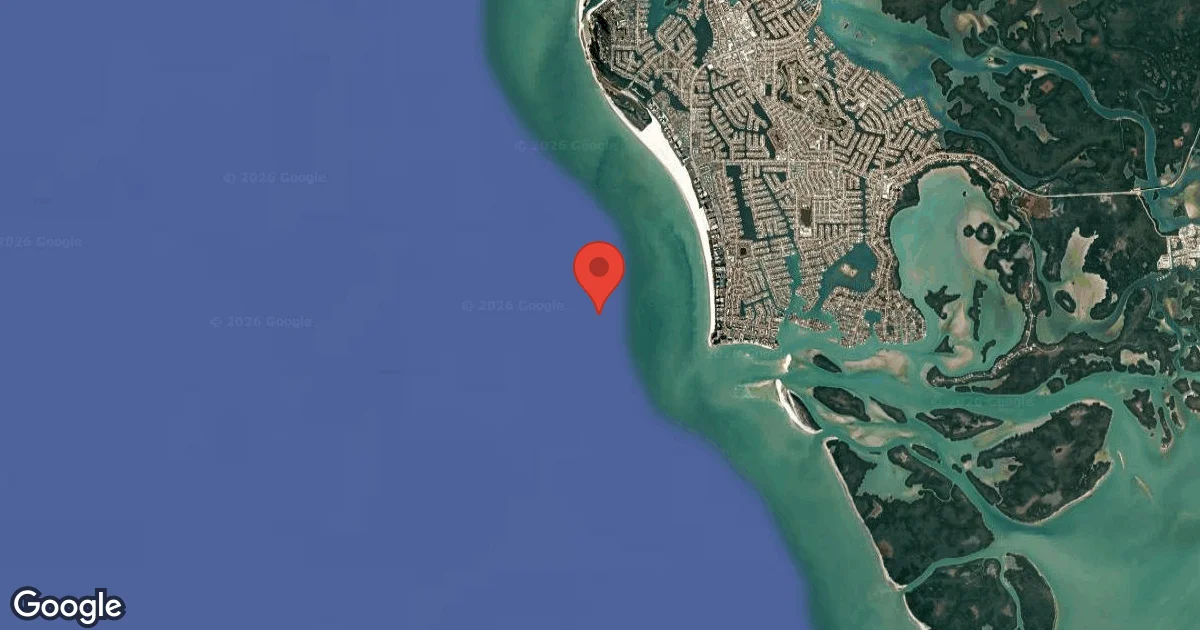
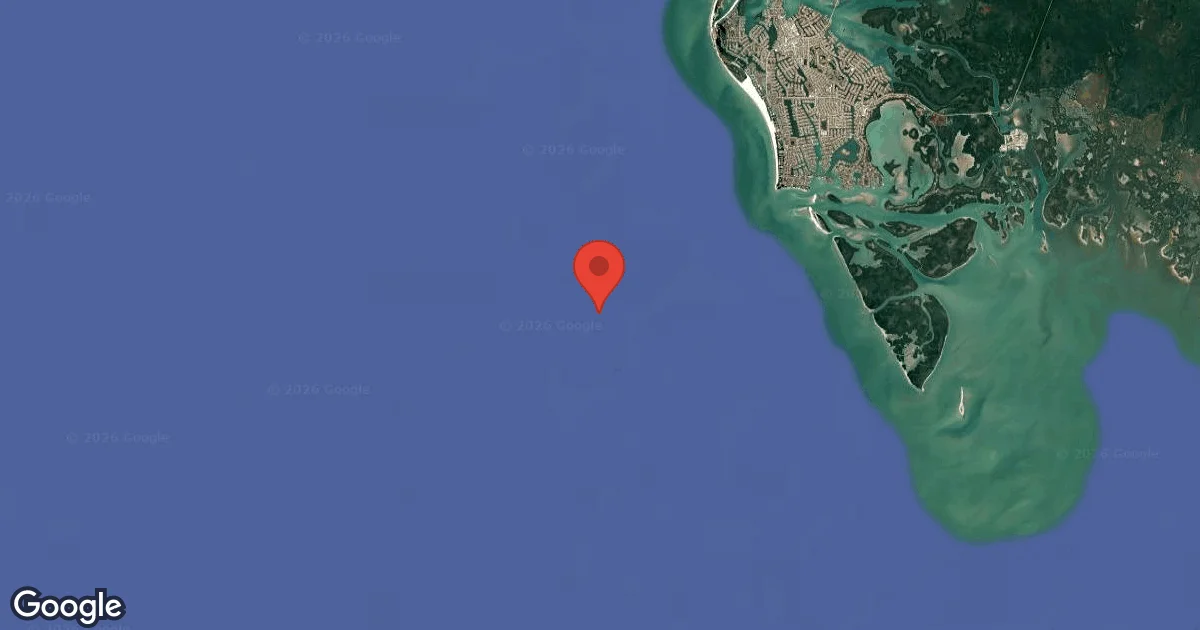
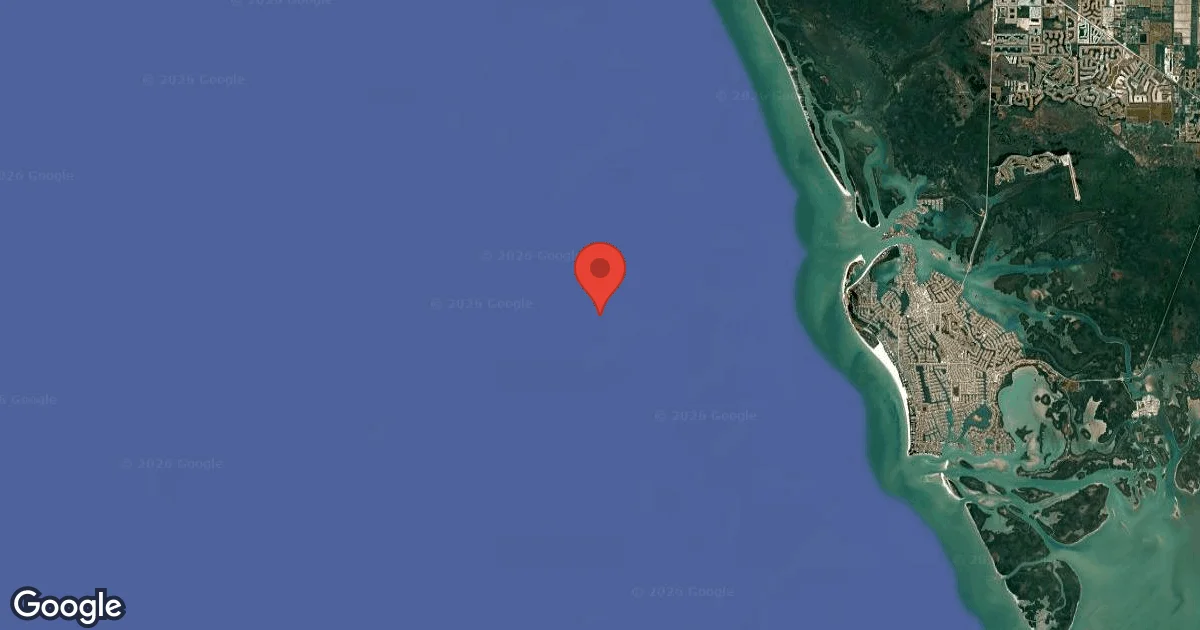
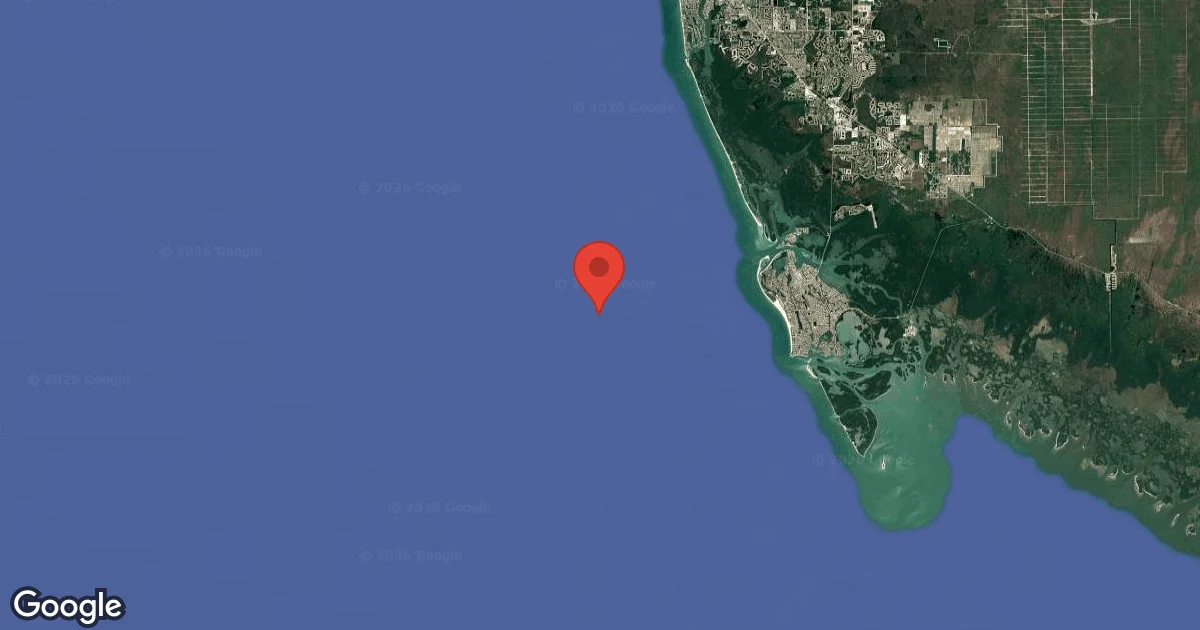
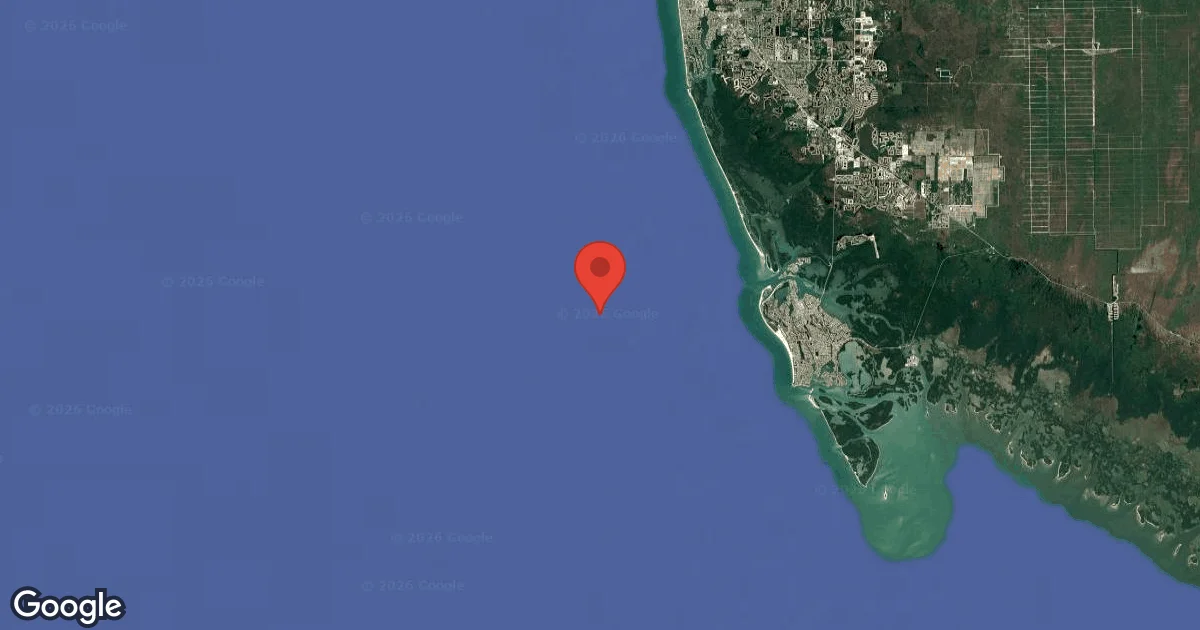
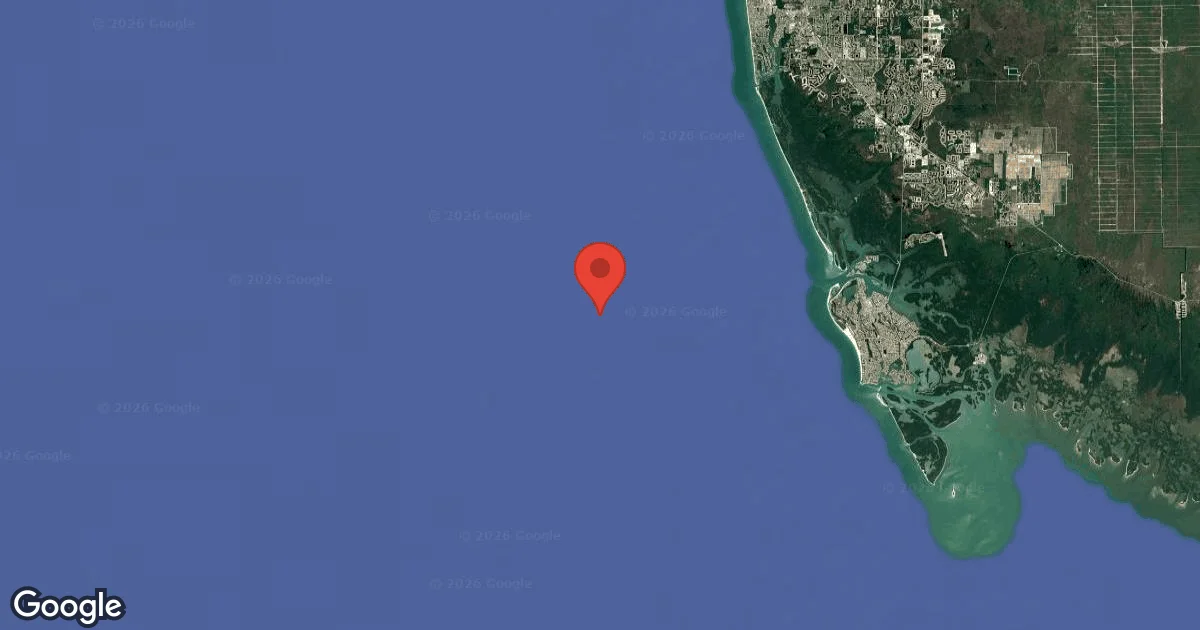
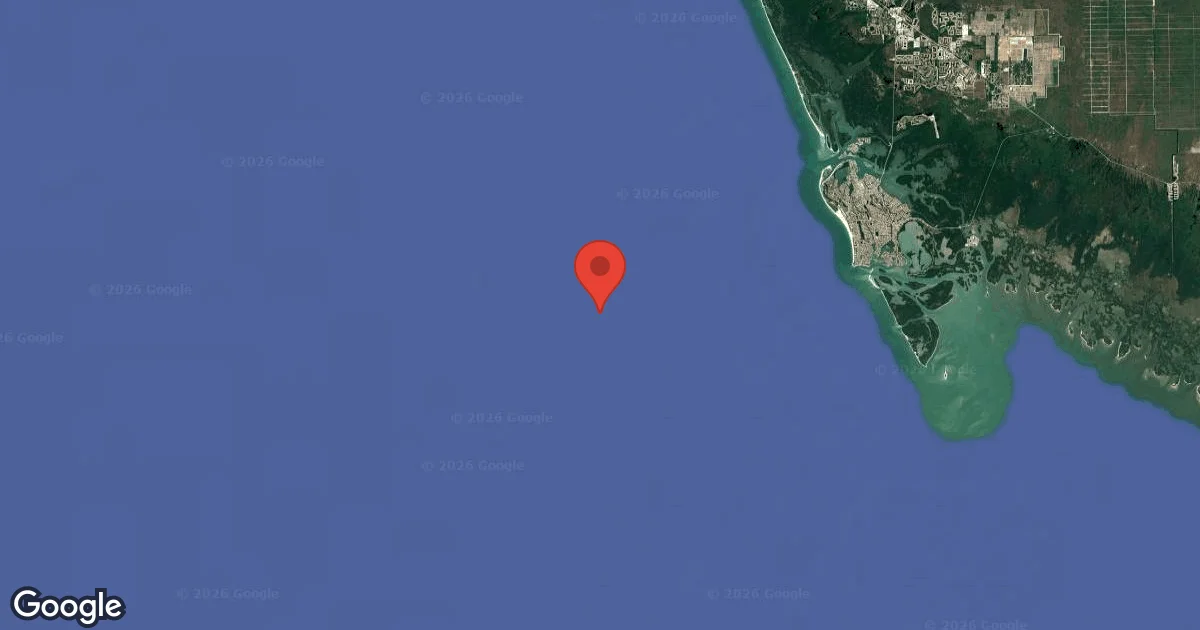
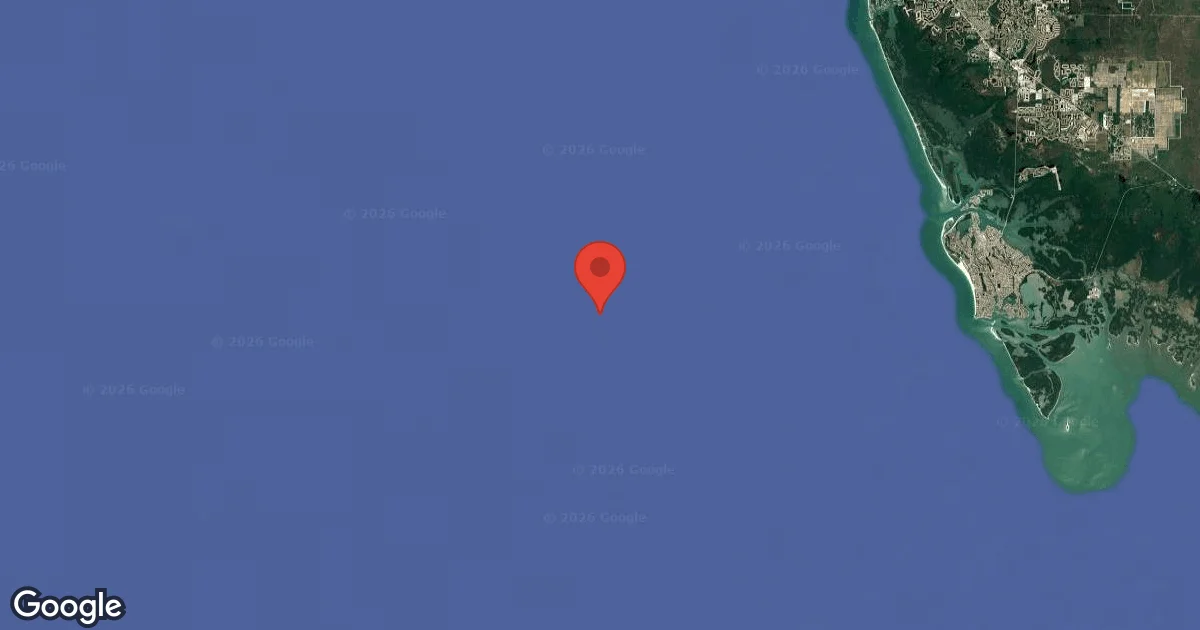
Marco Island's 2 Mile Reef, part of the extensive Collier County Artificial Reef Program, presents a series of shallow dive sites. Comprised of various concrete materials and boulders, these structures were initially deployed in the 1970s, with additions as recently as 1997. It lies just a couple of miles out from Caxambas Pass.
Tonight's objective overview for Marco Island 2 Mile shows an air temperature of 26°C. The measured surface conditions include wave heights around 0.2 m. This environmental data is logged for the close of the day.
Dive Site Location & Key Facts
Dive Site Overview
Marco Island's 2 Mile Reef invites divers to explore a deliberately constructed artificial reef system. Part of the extensive Collier County Artificial Reef Program, this underwater environment features a strategic arrangement of concrete culverts, various concrete materials, and substantial boulders.
These elements collectively form a series of intricate habitats, predominantly settled upon a sandy bottom. Initiated in the 1970s and augmented through 1997, the reef provides crucial substrata for marine growth and shelter for numerous species. Descending to this site, divers will find depths reaching a maximum of 7 meters (23 feet), making it particularly appealing to Open Water Divers and those new to reef exploration.
The shallow profile ensures extended bottom times and a relaxed pace. Nearshore visibility here typically averages around 4.5 meters (15 feet); however, during periods of calm weather and minimal runoff, it can significantly improve, offering clearer views of the structures and their inhabitants.
Currents are generally mild, yet conditions can vary, occasionally requiring divers to manage a gentle drift. These robust artificial structures not only offer vital refuge for schooling fish but also serve as foundational anchors for nascent soft coral communities, transforming the barren sandy expanse into a thriving ecosystem.
Exploring its numerous nooks and crannies reveals a dynamic marine landscape designed for discovery and observation.
Conditions are Good
Optimal conditions expected
Current conditions near Marco Island 2 Mile show 26° air, 31° sea temperature, 0.1 m waves, and 23 km/h wind. Forecast data is refreshed regularly to ensure accuracy.
Best Time to Dive
Planning a dive at Marco Island's 2 Mile Reef involves considering Florida's seasonal weather patterns. The period from May through September generally offers excellent dive conditions, characterized by average air temperatures ranging from 26°C to 28°C (79°F to 82°F) and lower wave heights. Conversely, the cooler months from October to April still provide good diving opportunities, with air temperatures between 17.5°C and 25°C (64°F to 77°F). Rain activity is considerably lower during the earlier part of the year, increasing slightly during the summer months; however, wind speeds tend to be lighter during peak summer, leading to calmer ocean conditions.
PEAK SEASON SCORE
Scores combine air & water temps, waves, wind & rainfall for overall conditions.
BEST MONTHS TO DIVE
Monthly records compiled from satellite and marine observation nodes over the last 3 years. Data provided by Open-Meteo and MET Norway.
Dive Experience & Conditions
This artificial reef system caters primarily to recreational divers, reaching a maximum depth of approximately 7 meters. Its shallower sections make it suitable for PADI Open Water Divers and those participating in PADI Discover Scuba Diving experiences. Currents at this nearshore location are not consistently reported but can vary, occasionally influencing visibility which typically hovers around 15 feet. Divers often find conditions conducive to skill development, with courses like PADI Advanced Open Water Diver, PADI Peak Performance Buoyancy, and PADI Underwater Photographer benefiting from the site's structure and resident marine life.
Dive Difficulty & Safety Guidelines
Ensuring a safe dive at the 2 Mile Reef primarily involves careful planning and adherence to established practices. Accessing the site requires boat entry, so divers should be proficient in boat diving procedures. Always deploying a dive flag is mandatory in these waters to alert surface vessels to your presence.
Additionally, carrying a Surface Marker Buoy (SMB) is a prudent measure, particularly if conditions shift or if surfacing away from the boat becomes necessary. Given its artificial reef nature, divers should be mindful of potential entanglement hazards from the structures and maintain appropriate buoyancy control to protect the delicate marine growth.
Recommended Equipment
- Dive Computer
This gear list is based on verified equipment signals for Marco Island 2 Mile, United States. Always confirm final gear choices with your dive operator, guide, or liveaboard.
Recommended Dive Suit
Short-term weather patterns suggest stable conditions for divers visiting the area.
Thermal protection such as dive skin or rash guard is commonly used in similar temperatures. A hood or vest is suggested for sensitive divers due to surface winds.
Current dive conditions indicate that water temperatures around Marco Island 2 Mile are sitting at roughly 31°C (87°F). Surface air temperatures are resting at 26°C (79°F).
Emergency & Medical Support
Essential information to help you plan your dive trip to Marco Island 2 Mile.

Hyperbaric chambers are a critical part of dive safety infrastructure. Availability varies significantly by region, and not all dive areas have immediate access.
Before diving, it's recommended to:
- confirm nearest medical facilities
- check emergency procedures with local dive operators
- ensure dive insurance covers evacuation if required
Divers Alert Network
Diving emergency assistance available through DAN World.
+1-919-684-9111- 24/7 emergency hotline
- Diving medical assistance
- Evacuation coordination
Emergency contacts are provided for reference. Always verify local emergency services before diving.
Marine Life at Marco Island 2 Mile
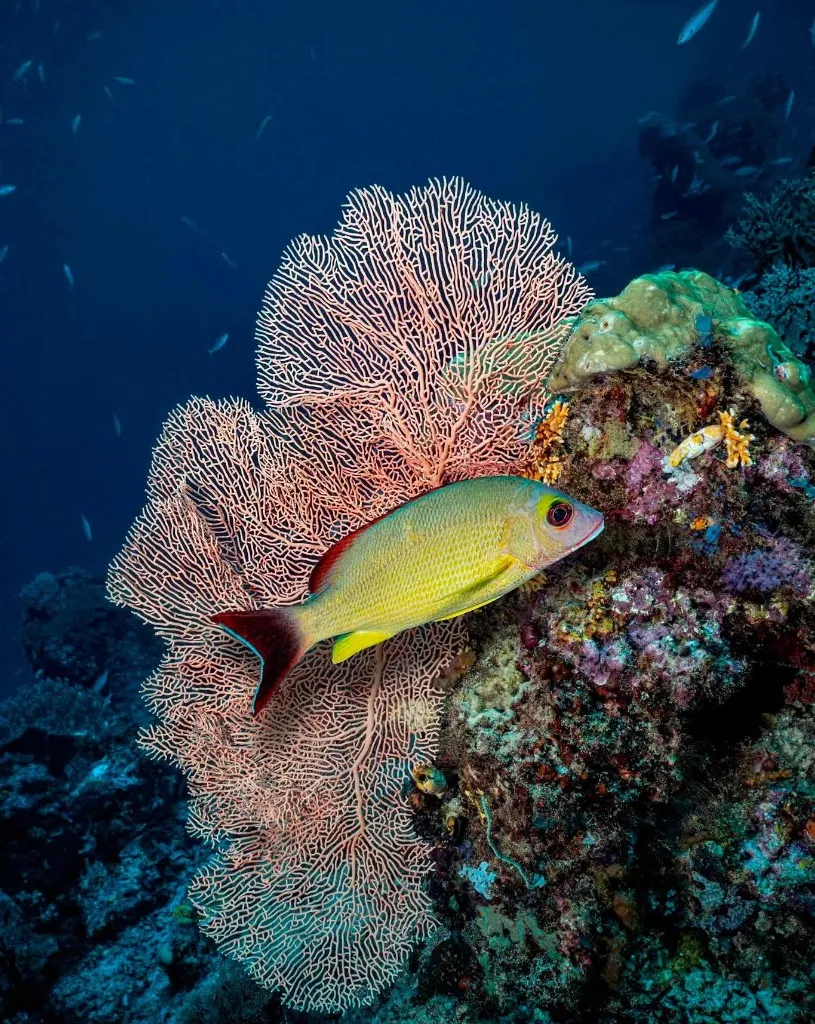
The diverse structures of the 2 Mile Reef attract a rich array of marine inhabitants. Divers frequently encounter schools of Snapper, Pork fish, and Sheepshead moving across the reef.
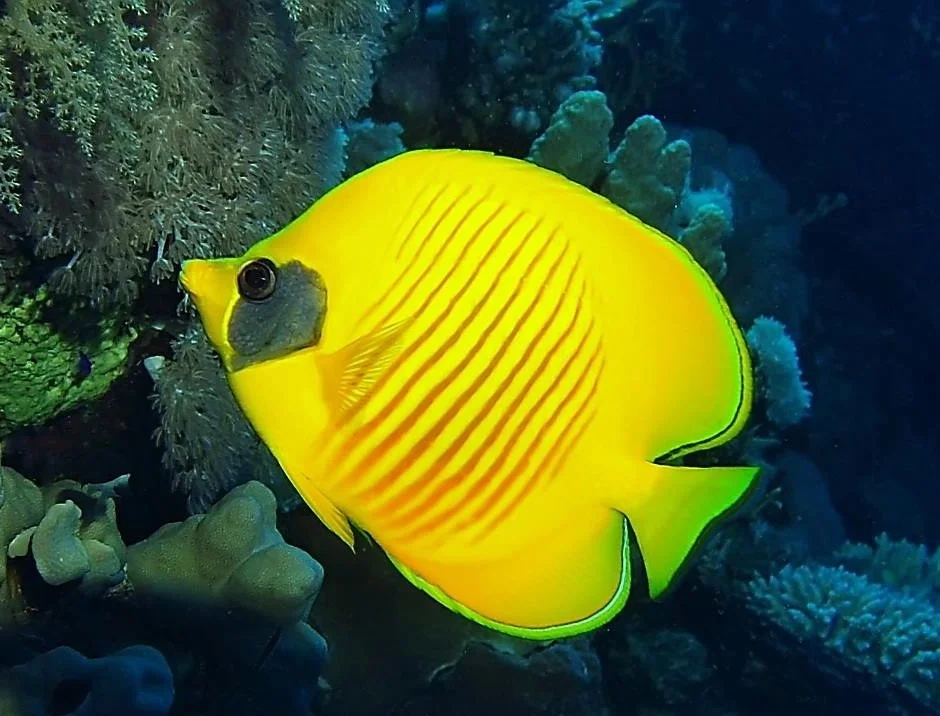
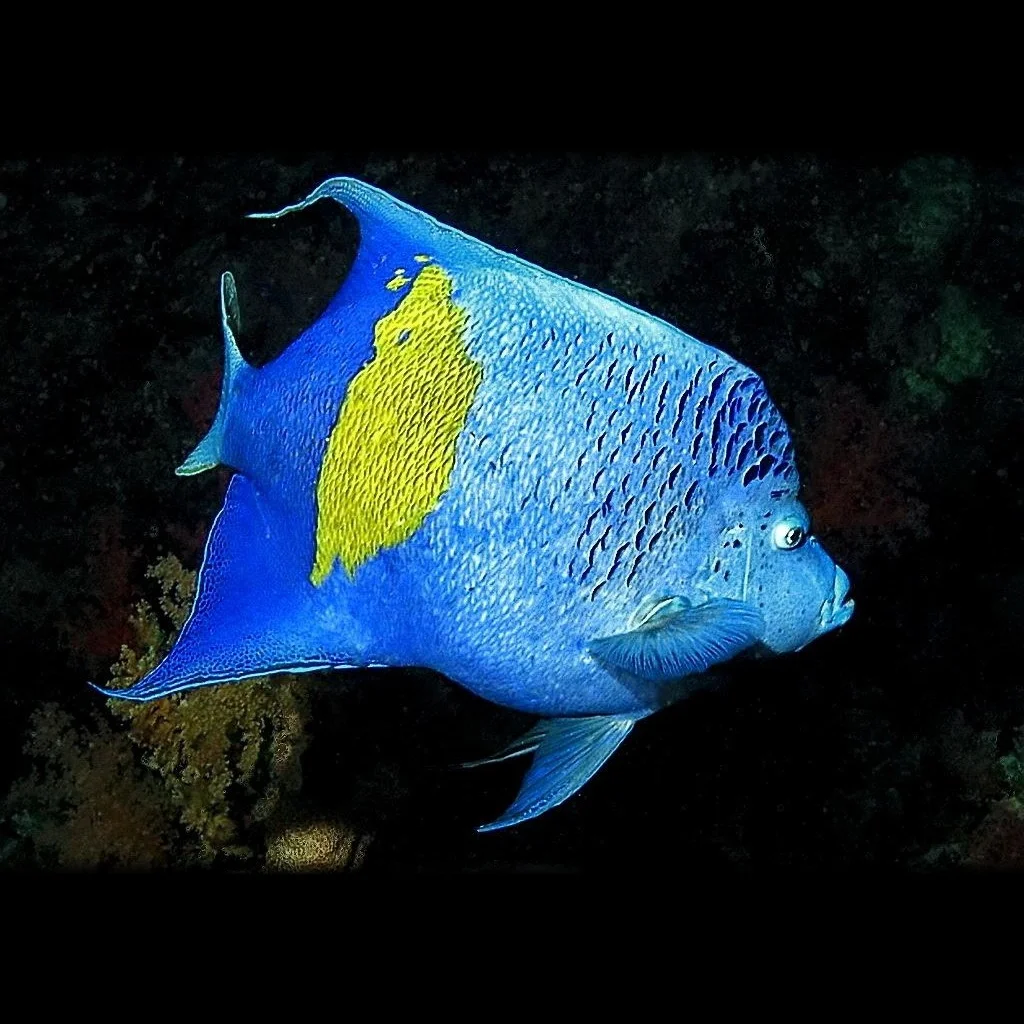
Larger species like Goliath Grouper and various types of Grouper often find refuge within the concrete culverts. The reef also hosts colorful Angelfish, Triggerfish, and Butterflyfish, which add vibrancy to the underwater landscape.
These artificial structures and surrounding sandy bottom create an ideal environment for numerous soft corals and a wide variety of fish species, making each dive a dynamic viewing experience.

Dive Sites Near Marco Island 2 Mile
View all dive sites in United StatesDiscover more underwater gems in this area.
Dive Centers Near Marco Island 2 Mile

Today: 10:00 - 16:00
Nearest Airports
Nearest airports to help plan travel to this dive area.
Search Flights
Check available flights and routes on Expedia, using the nearby airports listed in this section.
Search Flights on Expedia
Plan Your Stay
Looking for a place to stay for your dive trip? Explore hotels, stays, and vacation rentals for dive groups near Marco Island.
Dive Navigator may earn a commission from these links at no extra cost to you.
Frequently Asked Questions
What is the maximum depth at Marco Island 2 Mile Reef?
Maximum depth at the 2 Mile Reef dive sites reaches 7 meters (23 feet). Its shallow profile makes it an ideal location for recreational divers and introductory dive experiences.
What kind of structures make up the reef?
The reef is primarily composed of various concrete materials and boulders, part of the Collier County Artificial Reef Program. These structures were deployed over several decades to create marine habitats.
How is visibility typically at this dive site?
Visibility close to shore at this reef rarely gets better than 4.5 meters (15 feet). However, it can be extremely clear during very calm weather months.
What marine life can I expect to see?
Common sightings include Grouper, Angelfish, Triggerfish, Butterflyfish, Snapper, Pork fish, and Sheepshead. Goliath Grouper are also frequently spotted, particularly around the larger structures.
What type of entry is used for diving here?
Entry to the 2 Mile Reef is exclusively by boat. Divers should be comfortable with boat diving procedures.
When is the best time of year to dive at Marco Island 2 Mile?
The months from May to September generally offer excellent dive conditions, with warmer air temperatures and calmer seas. However, diving is considered good year-round, with October through April still providing favorable conditions.
Planning to dive Marco Island 2 Mile?
Send one inquiry and receive offers directly from the best verified local dive operators.
Conditions are Good
Optimal conditions expected
Current conditions near Marco Island 2 Mile show 26° air, 31° sea temperature, 0.1 m waves, and 23 km/h wind. Forecast data is refreshed regularly to ensure accuracy.