
Diving at Marco Island 2 Mile Reef (United States)
The Two Nautical Mile Reef holds a story of intentional environmental enhancement, initially formed from purposeful deployments off Marco Island. Comprised primarily of concrete materials and boulders, this artificial reef began its life in the 1970s, with additional structures added through the late 1990s. Its components create a varied underwater terrain, attracting diverse marine life to a relatively shallow environment.
As evening covers Marco Island 2 Mile Reef, the local air temperature is measured at 26°C. The current wave height at the surface is recorded at 0.1 m. These late-day readings characterize the surface conditions for the night.
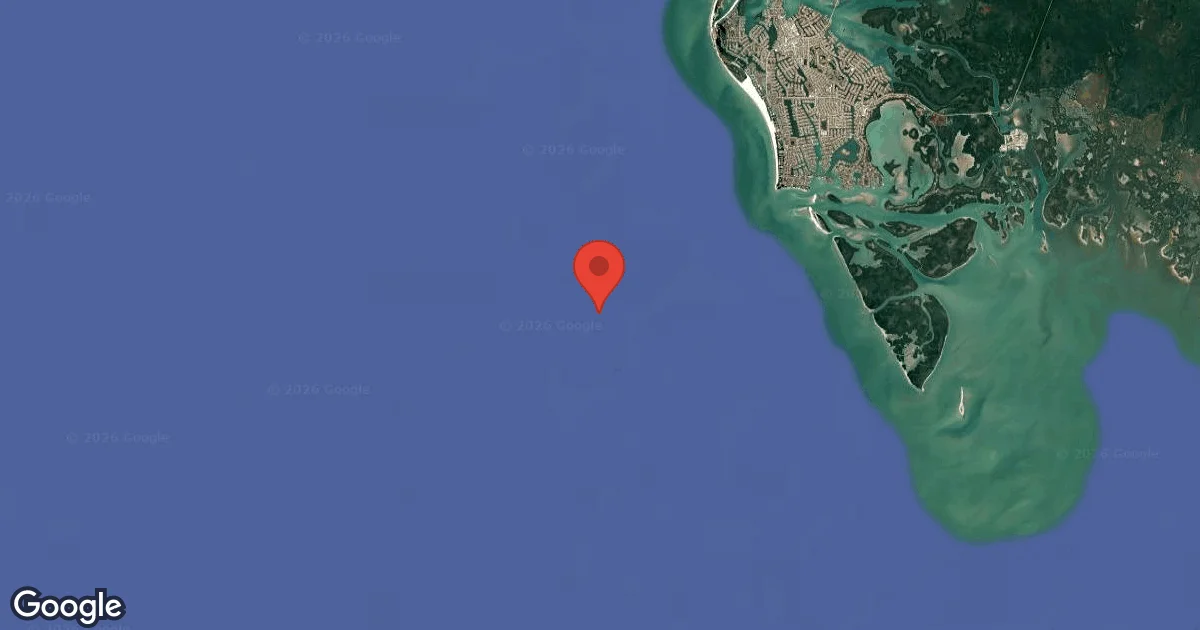
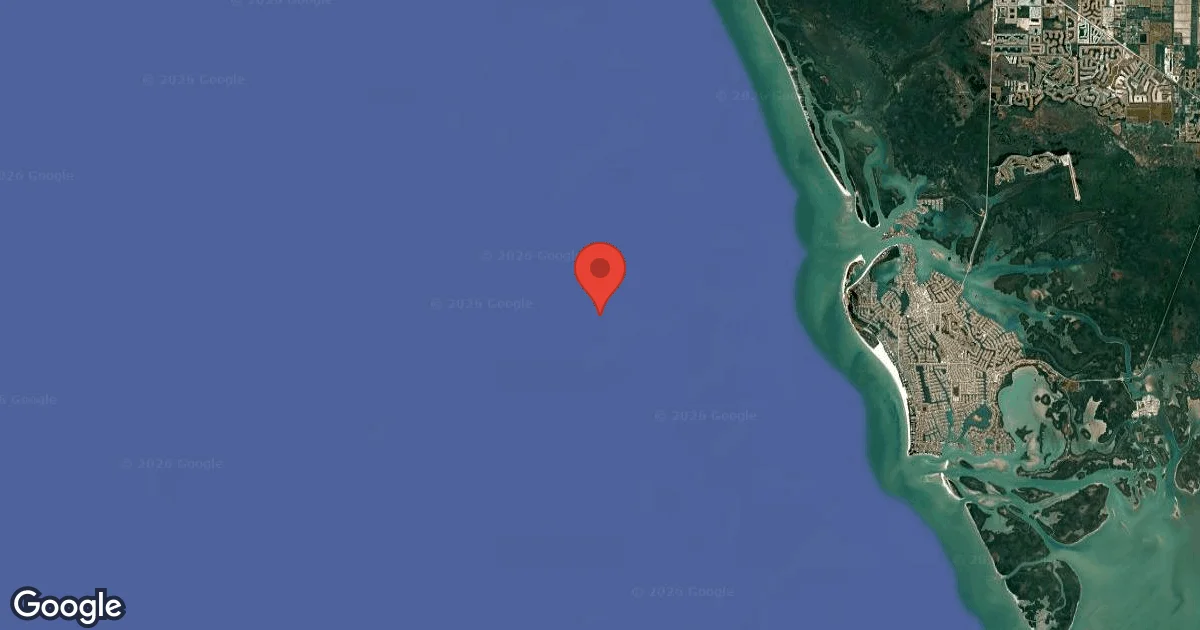
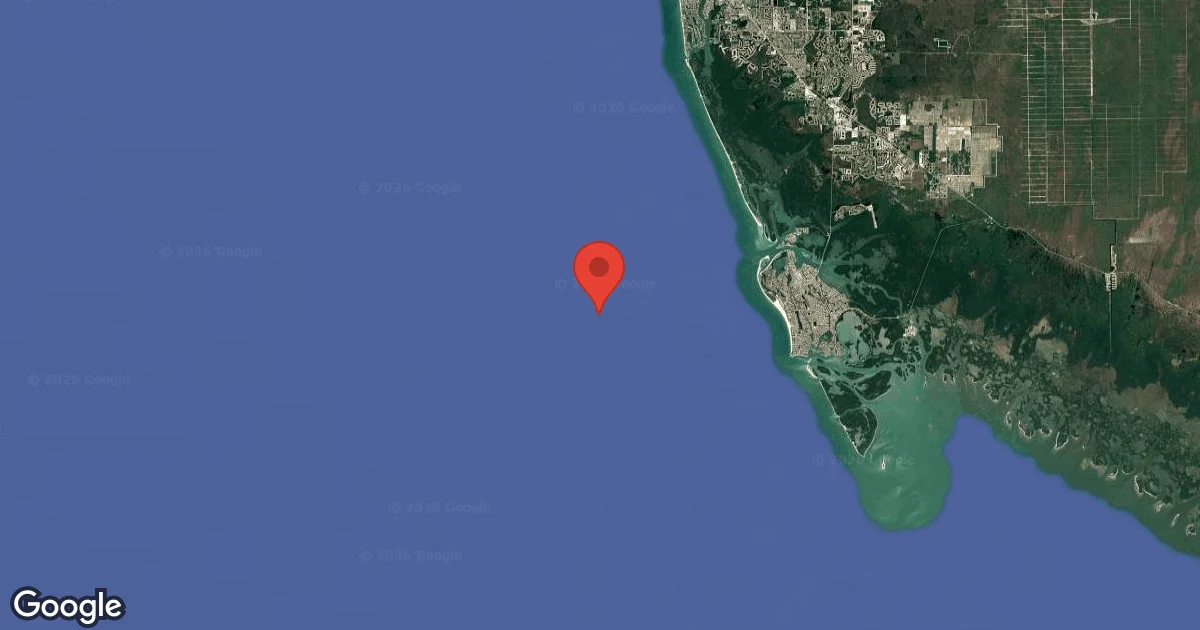
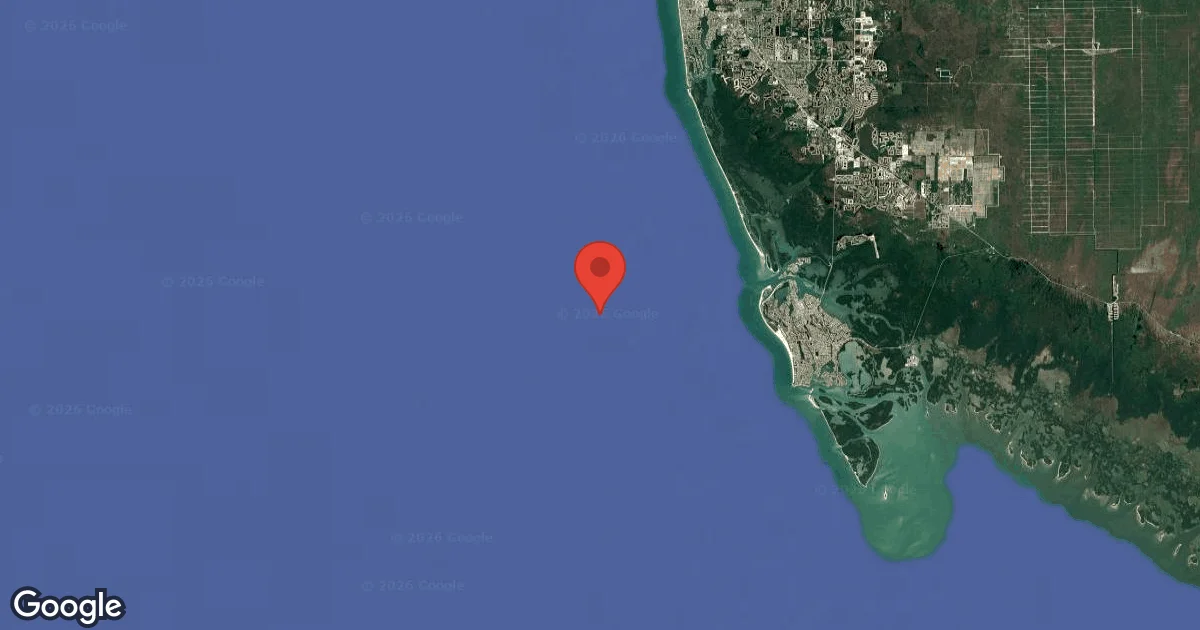
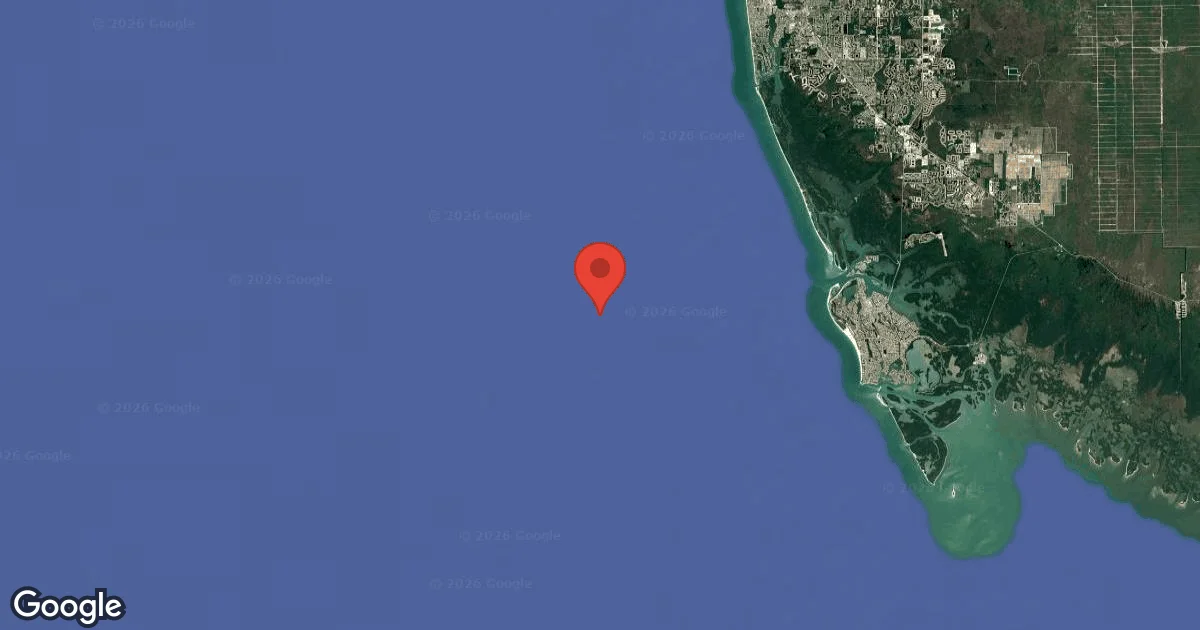
Dive Site Location & Key Facts
Dive Site Overview
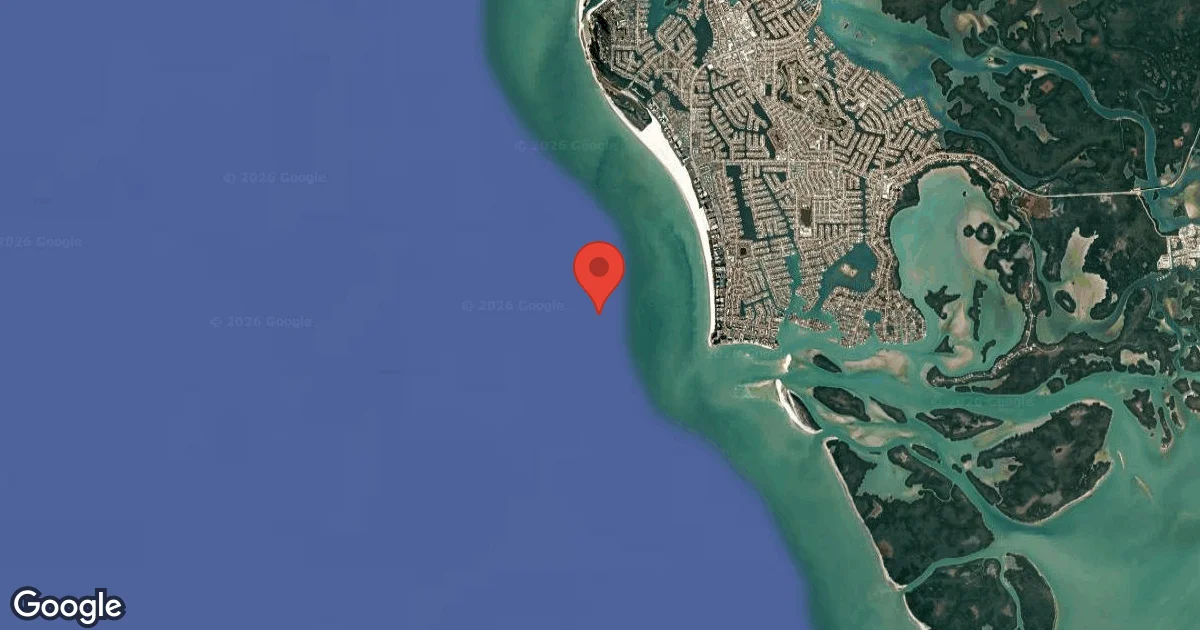
Originating as part of the Collier County Artificial Reef Program, the Two Nautical Mile Reef, also known as the First Reef, has evolved over decades. Divers encounter various shallow sites here, spread out close to shore, each contributing to a broader artificial reef structure.
These distinct areas include locations like the First Reef Culverts, First Reef Rocks, and Caxambas Piles, all situated only a couple of miles from Caxambas Pass. The underwater topography primarily consists of artificial components like concrete materials and boulders, offering intricate nooks and ledges. Depths for these sites are consistently shallow, typically reaching a maximum of 7 meters (23 ft), which makes the area highly accessible for open water divers and those seeking less demanding explorations.
Within its recreational depth range, each section provides habitat for numerous soft corals and a variety of fish species, thriving among the submerged concrete structures. Visibility here rarely exceeds 4.5 meters (15 ft) due to its proximity to shore, a characteristic of many inshore sites, though exceptionally calm conditions can temporarily improve clarity, offering clearer views of the artificial habitat and its inhabitants.
Planning dives around periods of minimal surge can make a significant difference to the overall experience.
Conditions are Good
Optimal conditions expected
Current conditions near Marco Island 2 Mile Reef show 26° air, 31° sea temperature, 0.3 m waves, and 19 km/h wind. Forecast data is refreshed regularly to ensure accuracy.
Best Time to Dive
Optimal dive conditions often align with calm weather periods, which can significantly enhance the site's typical visibility. For consistently good to excellent conditions, the months between May and September are generally most favorable, marked by consistently high dive scores. During this period, average air temperatures range from 26°C (79°F) in May to 28°C (82°F) in July, providing comfortable surface intervals. Rainfall tends to be higher in the summer months, reaching averages up to 8.8 mm (0.35 in) in June, which can temporarily affect clarity. For divers preferring cooler air temperatures and drier conditions, the months from January to April, and October to December, still offer good dive scores, with less rain and air temperatures ranging from 17.5°C (64°F) to 25°C (77°F).
PEAK SEASON SCORE
Scores combine air & water temps, waves, wind & rainfall for overall conditions.
BEST MONTHS TO DIVE
Monthly records compiled from satellite and marine observation nodes over the last 3 years. Data provided by Open-Meteo and MET Norway.
Dive Experience & Conditions
Boat entries are the standard approach for exploring this site, with multiple shallow dive sites spread out close to shore. Divers will find average depths reaching up to 7 meters (23 ft), suitable for Open Water Diver certification and above. The underwater landscape primarily consists of artificial structures, including various concrete materials and boulders, creating an interesting reef environment. Visibility, while sometimes exceptionally clear during very calm weather, typically averages around 4.5 meters (15 ft) due to its inshore placement. Divers navigating these structures can practice their peak performance buoyancy skills around the varying reliefs. The water temperature is not consistently reported but generally ranges from 22-27°C (72-81°F) depending on the season.
Dive Difficulty & Safety Guidelines
Prioritizing effective communication and clear surface marking is crucial when diving the Two Nautical Mile Reef, especially given its boat-entry nature. Divers should always deploy a dive flag and consider a Surface Marker Buoy (SMB) to alert boat traffic, even in these shallower waters. Buoyancy control remains essential to avoid contact with the concrete structures and protect delicate soft corals and marine life inhabiting the artificial reef.
Useful training includes PADI Boat Diver for managing entries and exits, and PADI Peak Performance Buoyancy for maintaining optimal trim. Always dive within your certification limits; Open Water Diver is the minimum recommended. The site is part of a managed artificial reef program.
Recommended Equipment
- Dive Computer
This gear list is based on verified equipment signals for Marco Island 2 Mile Reef, United States. Always confirm final gear choices with your dive operator, guide, or liveaboard.
Recommended Dive Suit
Short-term weather patterns suggest stable conditions for divers visiting the area.
Some divers prefer slightly warmer exposure protection simply for additional comfort.
Dive skin or rash guard usually works well for maintaining comfort during standard dive profiles in these conditions. The surrounding waters at Marco Island 2 Mile Reef are currently registering temperatures of roughly 31°C (87°F). Surface air temperatures are resting at 26°C (79°F).
Emergency & Medical Support
Essential information to help you plan your dive trip to Marco Island 2 Mile Reef.

Hyperbaric chambers are a critical part of dive safety infrastructure. Availability varies significantly by region, and not all dive areas have immediate access.
Before diving, it's recommended to:
- confirm nearest medical facilities
- check emergency procedures with local dive operators
- ensure dive insurance covers evacuation if required
Divers Alert Network
Diving emergency assistance available through DAN World.
+1-919-684-9111- 24/7 emergency hotline
- Diving medical assistance
- Evacuation coordination
Emergency contacts are provided for reference. Always verify local emergency services before diving.
Marine Life at Marco Island 2 Mile Reef
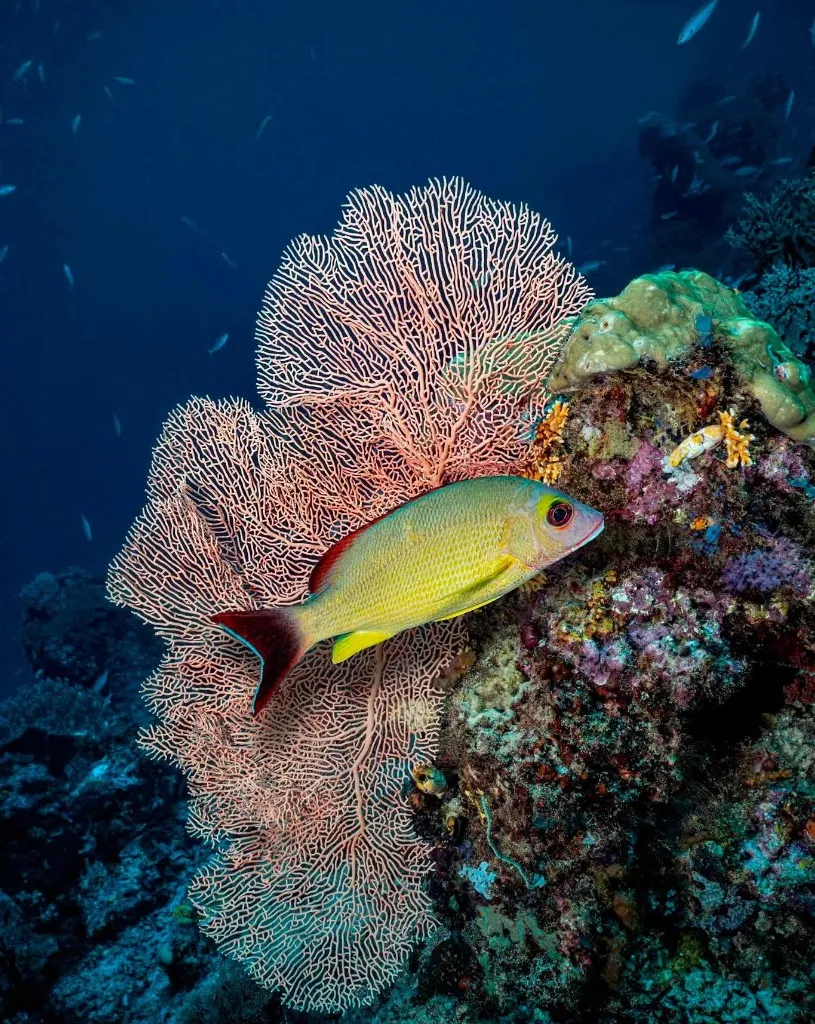
Exploring the various concrete structures reveals a thriving habitat, teeming with common sightings for this region. Divers frequently encounter diverse fish, including various species of Grouper, such as the impressive Goliath Grouper.
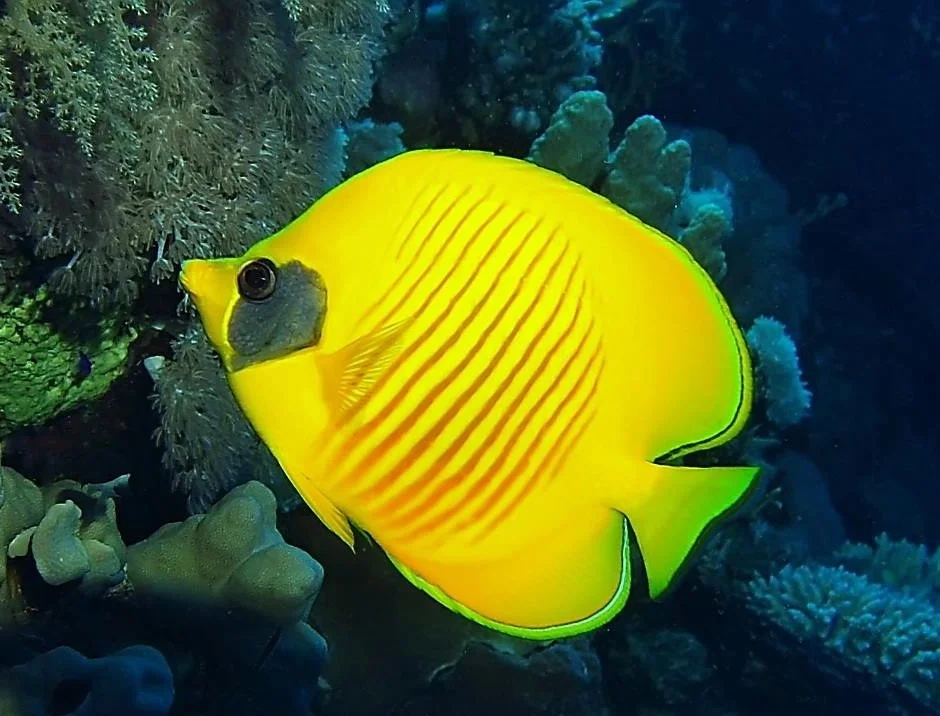
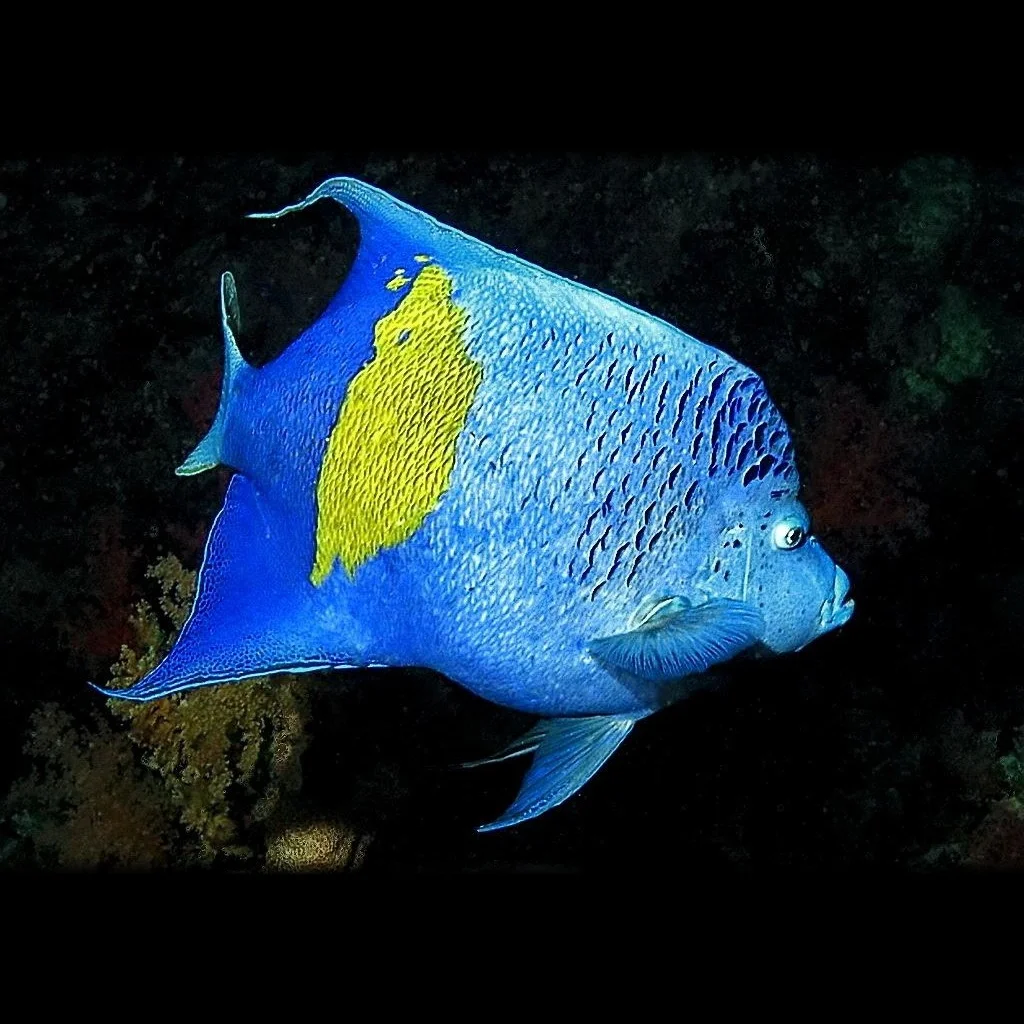
Angelfish and Butterflyfish add splashes of color, navigating the reef's contours. Additionally, expect to see Snapper, Pork fish, and Sheepshead, often congregating around the artificial components.
The site's numerous soft corals provide shelter and food, contributing to the rich biodiversity observed among the boulders and culverts.

Dive Sites Near Marco Island 2 Mile Reef
View all dive sites in United StatesDiscover more underwater gems in this area.
Dive Centers Near Marco Island 2 Mile Reef

Today: 09:00 - 17:00
Nearest Airports
Nearest airports to help plan travel to this dive area.
Search Flights
Check available flights and routes on Expedia, using the nearby airports listed in this section.
Search Flights on Expedia
Plan Your Stay
Looking for a place to stay for your dive trip? Explore hotels, stays, and vacation rentals for dive groups near Marco Island.
Dive Navigator may earn a commission from these links at no extra cost to you.
Frequently Asked Questions
What is the maximum depth at Marco Island 2 Mile Reef?
Maximum depth for dive sites within the Two Nautical Mile Reef is approximately 7 meters, placing it firmly within recreational limits. It's a great location for newer divers or those who prefer shallower excursions.
What kind of structures make up the reef?
This artificial reef is primarily composed of various concrete materials and boulders, initially deployed in the 1970s and augmented through 1997. These structures create the foundation for the diverse marine ecosystem found here.
What is the typical visibility?
Visibility at the Two Nautical Mile Reef rarely exceeds 4.5 meters, a direct result of its proximity to shore. Still, during exceptionally calm weather, clarity can occasionally improve.
What marine life can I expect to see?
Common sightings include various species of Grouper, including Goliath Grouper, Angelfish, Triggerfish, Butterflyfish, Snapper, Pork fish, and Sheepshead. The soft corals also add to the vibrant underwater scene.
What certifications are recommended for this dive site?
PADI Open Water Diver is the minimum recommended certification. Additional courses like PADI Boat Diver, PADI Peak Performance Buoyancy, and PADI Underwater Naturalist can enhance your experience and skills at this site.
How do divers access the Marco Island 2 Mile Reef?
Access to these dive sites is typically by boat. The various structures are only a couple of miles out of Caxambas Pass, making it a relatively short boat ride.
Planning to dive Marco Island 2 Mile Reef?
Send one inquiry and receive offers directly from the best verified local dive operators.
Conditions are Good
Optimal conditions expected
Current conditions near Marco Island 2 Mile Reef show 26° air, 31° sea temperature, 0.3 m waves, and 19 km/h wind. Forecast data is refreshed regularly to ensure accuracy.