
Diving at Nova A.R. (No County) (United States)
Divers approaching NOVA A.R. must prepare for dynamic marine conditions, which are often characteristic of many US coastal sites. Wave heights can vary significantly throughout the year, ranging from lower averages of 0.4 m (1.3 ft) in July to over 1.1 m (3.6 ft) in October. These fluctuations, combined with varying wind speeds, necessitate careful planning to ensure safe and enjoyable underwater experiences.
Evening condition tracking at Nova A.R. (No County) features an air temperature of 24.5°C. We have recorded wave heights measuring 0.6 m during this period. These figures outline the environmental parameters currently present.
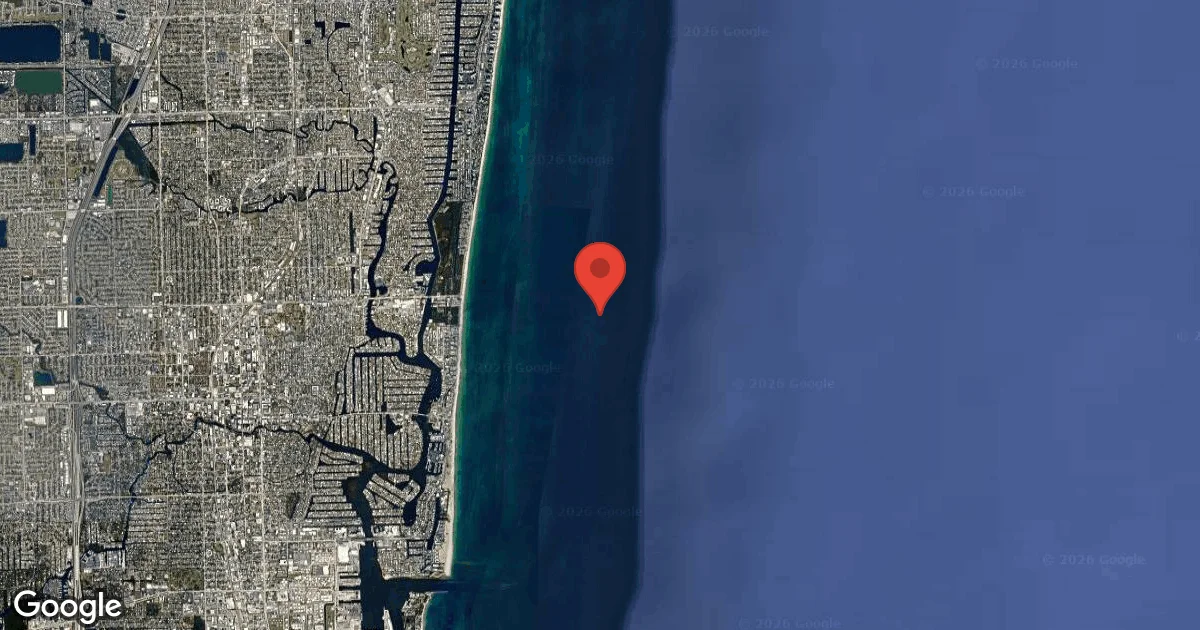
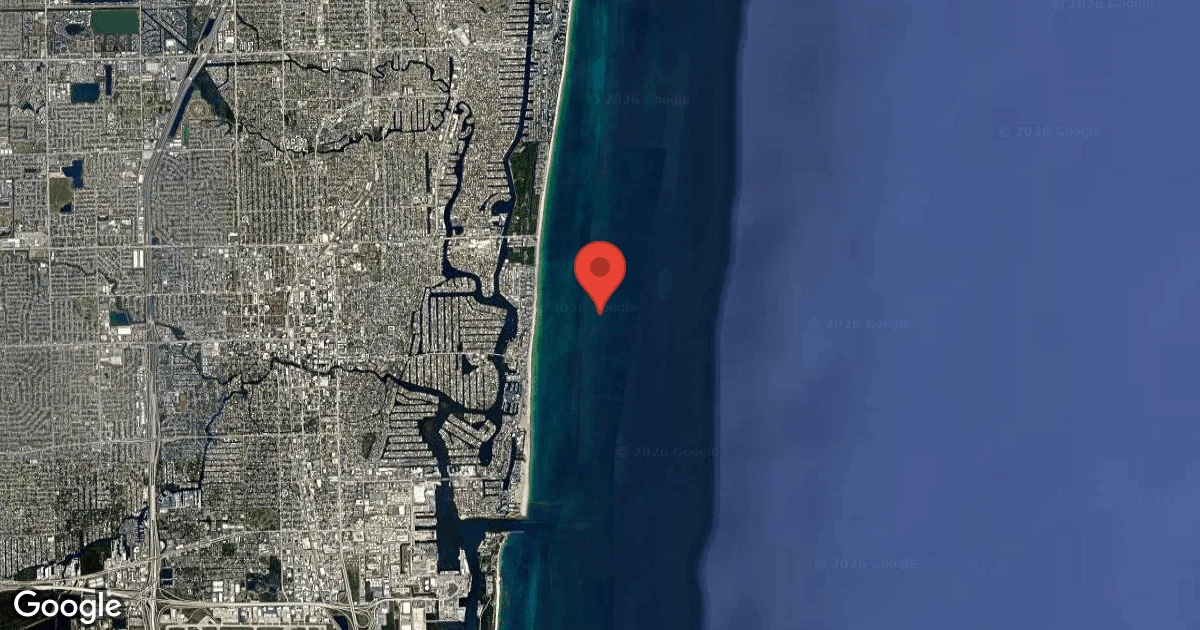
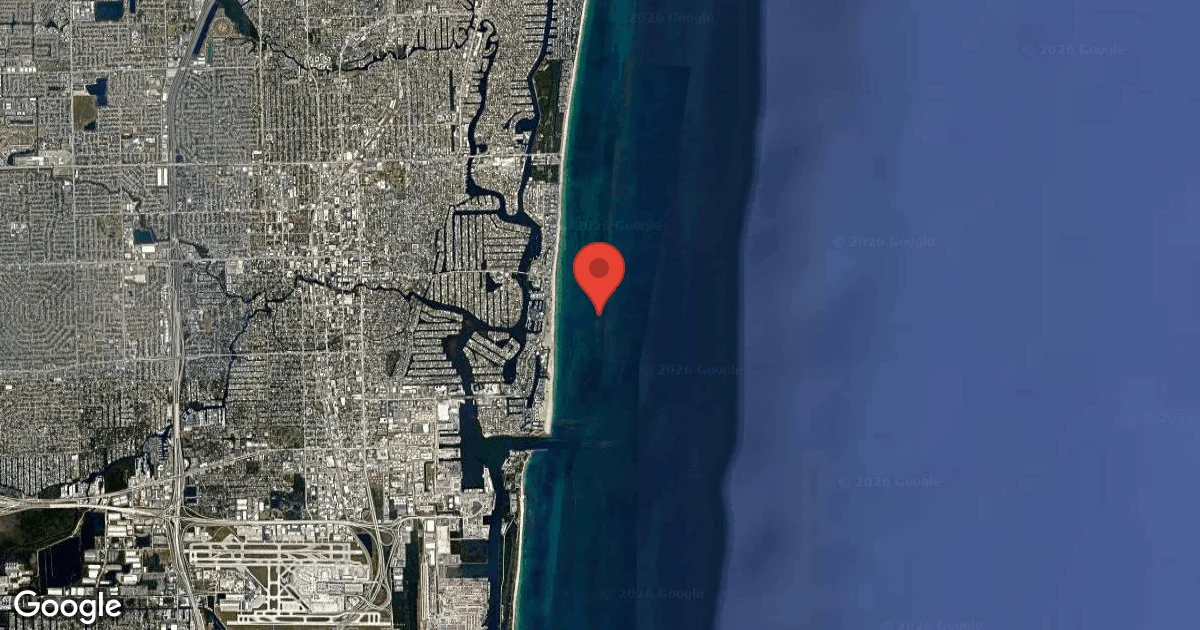
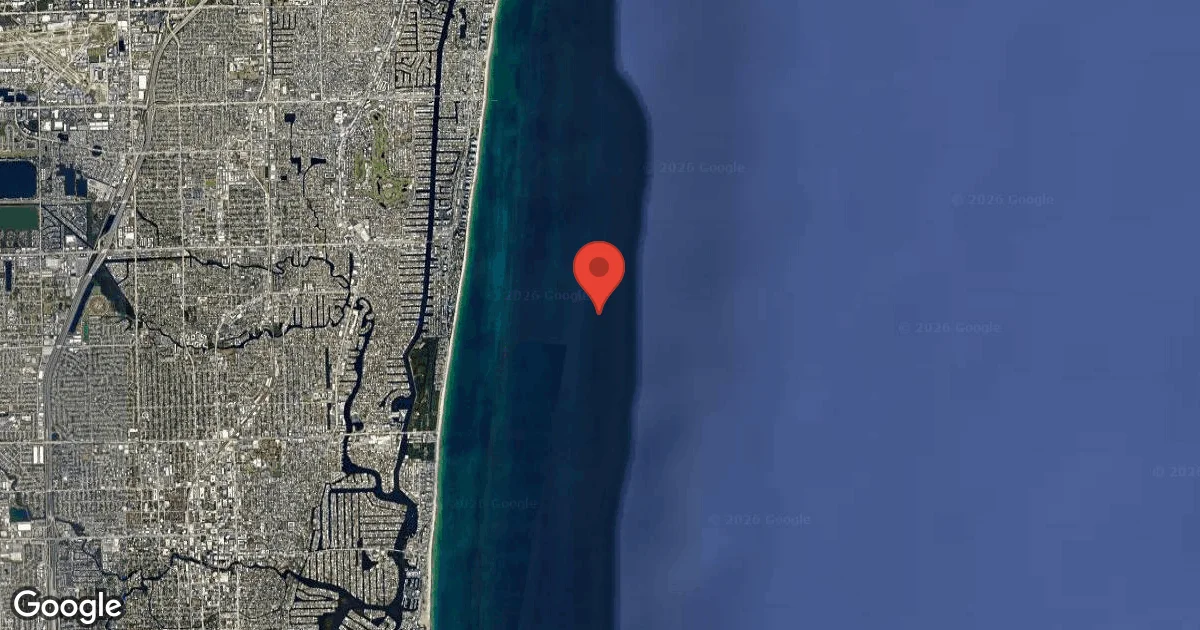
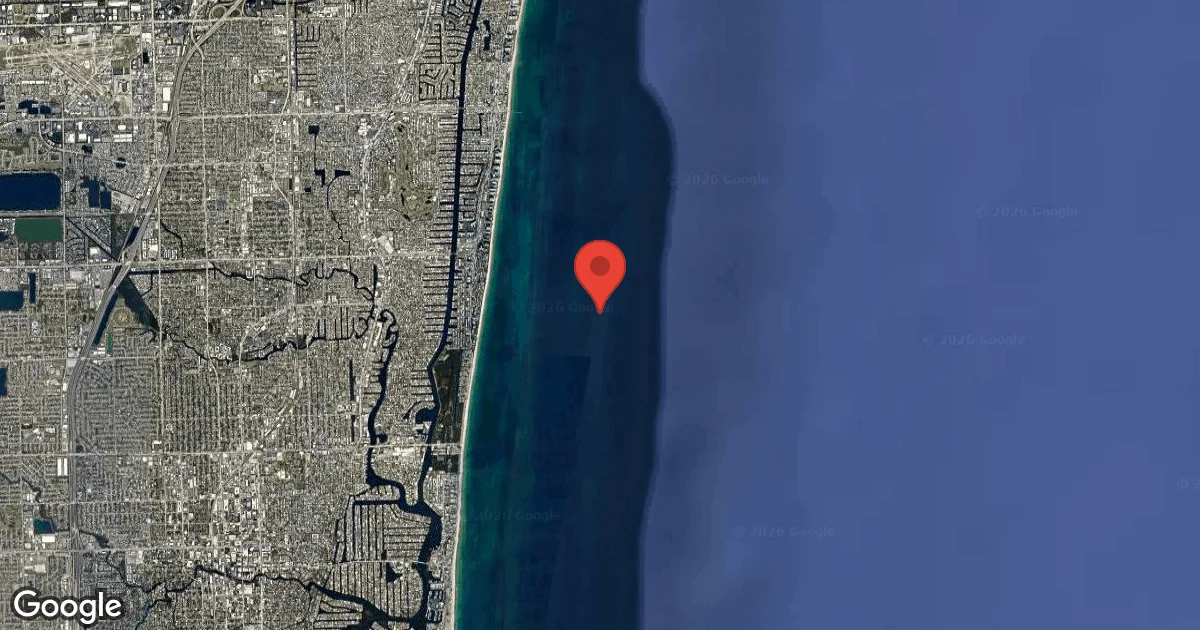
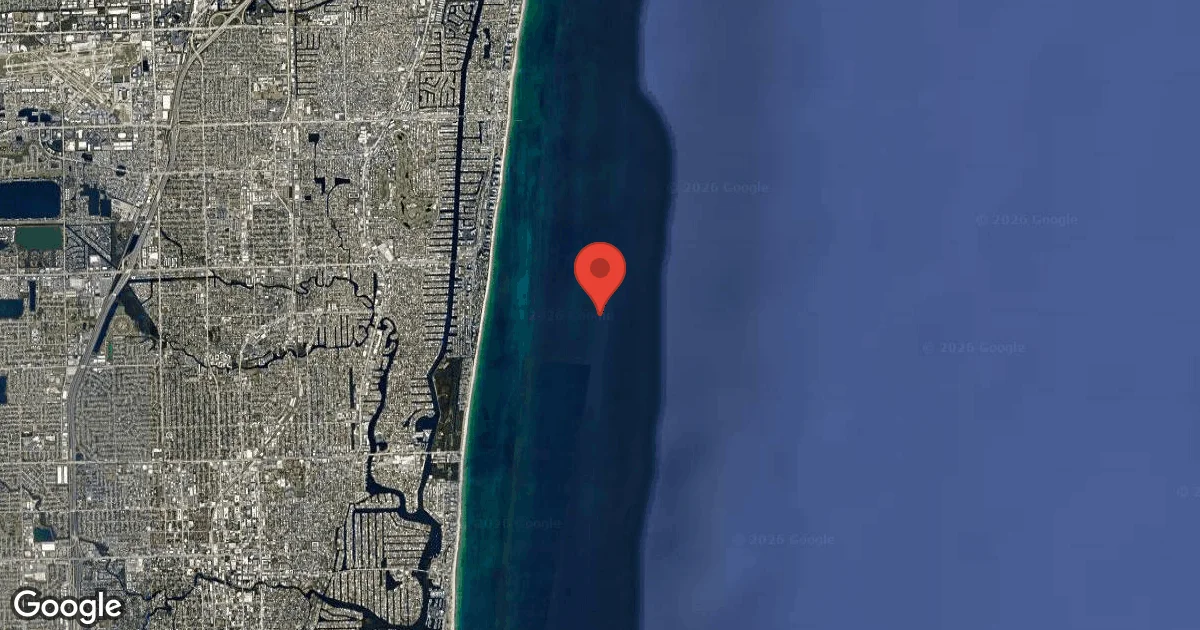
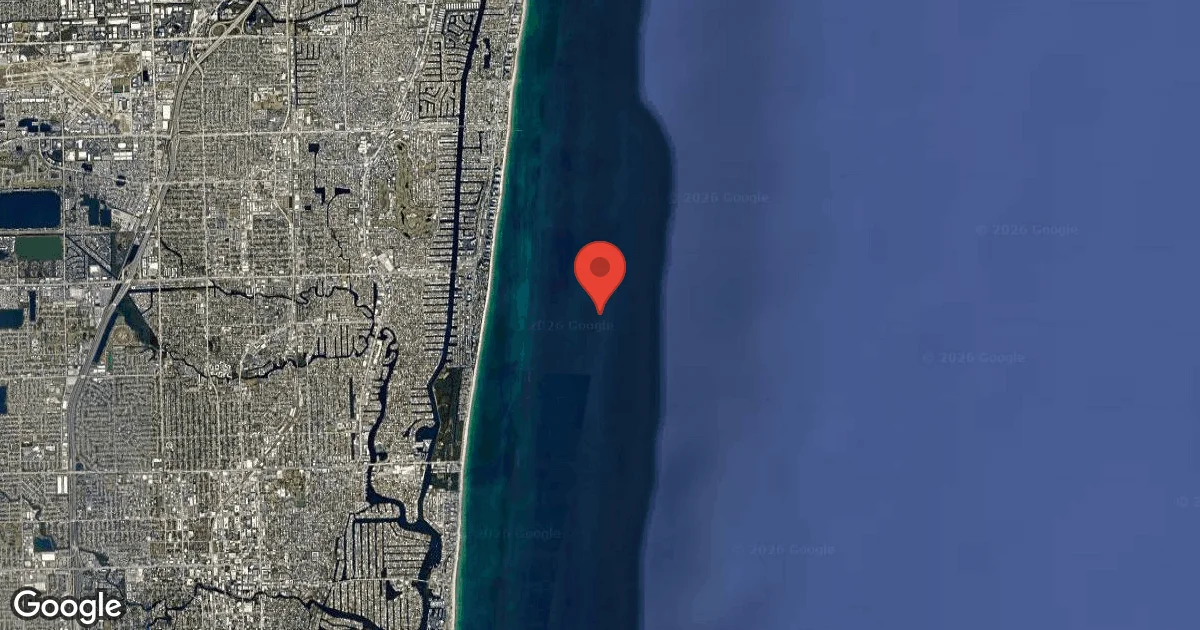
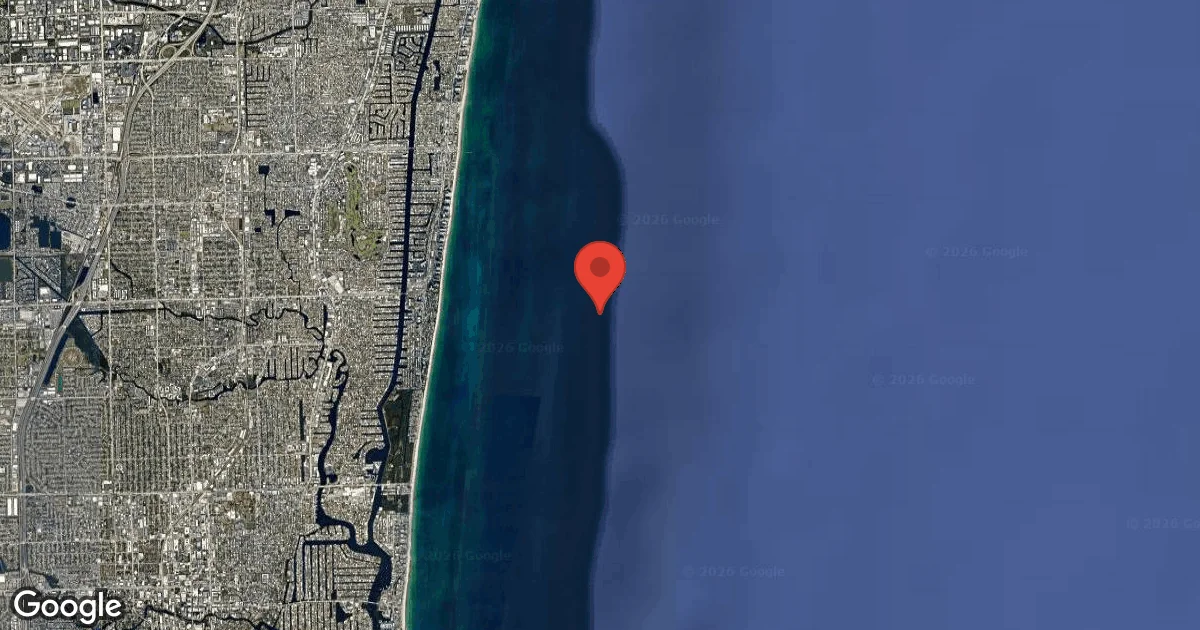
Dive Site Location & Key Facts
Dive Site Overview
NOVA A.R.'s surrounding waters are part of a broader network of national marine sanctuaries, areas established to protect vibrant ecosystems and submerged cultural heritage. Such preservation efforts underpin the diving experience, encouraging visitors to explore with minimal impact.
Throughout the US, these sanctuaries safeguard diverse underwater landscapes, from living coral barrier reefs to historic shipwrecks. While specific historical artifacts at NOVA A.R. aren't consistently reported, the general ethos of marine protection means divers contribute to safeguarding both natural and cultural resources here. Air temperatures typically range from 19.5°C (67°F) in January to 28°C (82°F) in July and August, indicating a generally warm climate.
Moderate rain averages, peaking at 9.6 mm (0.38 in) in September, suggest good diving conditions persist through most of the year. Engaging with this site invites divers to participate in a managed marine environment, understanding that their actions contribute directly to its ongoing health and study.
Planning dives here involves appreciating the balance between exploration and conservation, consistent with sanctuary mandates across the nation.
Conditions are Good
Optimal conditions expected
Current conditions near Nova A.R. (No County) show 25° air, 31° sea temperature, 0.6 m waves, and 18 km/h wind. Forecast data is refreshed regularly to ensure accuracy.
Best Time to Dive
For optimal diving at NOVA A.R., July typically offers the lowest average wave heights, around 0.4 m (1.3 ft), and records the highest dive score. Warmer air temperatures, averaging 28°C (82°F), also contribute to a comfortable surface experience during this peak month. While July provides optimal conditions, good diving is available throughout much of the year. Months like January through April and May through September consistently receive 'Good' dive scores, maintaining air temperatures between 19.5-28°C (67-82°F). Wind speeds are generally moderate, averaging from 14.3 km/h (8.9 mph) in July to 20.6 km/h (12.8 mph) in April, which can influence surface conditions. Divers planning trips outside of July can still anticipate rewarding experiences, particularly in periods with lower rainfall and stable weather patterns.
PEAK SEASON SCORE
Scores combine air & water temps, waves, wind & rainfall for overall conditions.
BEST MONTHS TO DIVE
Monthly records compiled from satellite and marine observation nodes over the last 3 years. Data provided by Open-Meteo and MET Norway.
Dive Experience & Conditions
Conditions at NOVA A.R. can present varied underwater topography, echoing diverse environments within US sanctuaries. One might anticipate features similar to rocky reefs or ledges observed elsewhere, potentially covered by marine life. Many US sanctuaries offer diving within typical recreational limits, often to depths between 17-40 m (55-130 ft). Water clarity here varies depending on local currents and recent weather events. While some US sanctuary sites are known for good visibility, strong currents can be present in deeper or offshore locations. Divers should always assess current conditions upon entry. Specific water temperature data for NOVA A.R. is not consistently available; divers should be prepared for varying thermal conditions, which can range widely in US coastal waters, from cooler Pacific sites to warmer Atlantic and Gulf locations. A robust wetsuit or drysuit might be advisable given this variability.
Dive Difficulty & Safety Guidelines
Successful diving at NOVA A.R. requires adherence to responsible diving practices, particularly those emphasized within national marine sanctuaries. It's crucial not to collect shells, rocks, or any underwater artifacts, as these are vital to marine ecosystems.
Divers are encouraged to act as marine debris crusaders, removing any trash encountered to protect marine organisms from entanglement or ingestion. Technical diving is permitted in sanctuaries, but all divers must approach sites in a sustainable manner.
Some US sanctuaries recommend drift diving where anchoring is prohibited, suggesting vigilance regarding vessel positioning. Always stay informed about any specific restrictions, such as research areas or no-take zones, before entering the water.
Education on best practices, often available through local operators certified in conservation programs like Blue Star, is strongly recommended to minimize impact.
Recommended Equipment
- Dive Computer
This gear list is based on verified equipment signals for Nova A.R. (No County), United States. Always confirm final gear choices with your dive operator, guide, or liveaboard.
Recommended Dive Suit
Environmental conditions are expected to remain consistent in the short-term outlook.
For typical recreational dives, dive skin or rash guard generally provides comfortable insulation.
At Nova A.R. (No County), the water is currently sitting around 31°C (88°F). Surface air temperatures are resting at 25°C (76°F).
Emergency & Medical Support
Essential information to help you plan your dive trip to NOVA A.R. (No County).

Hyperbaric chambers are a critical part of dive safety infrastructure. Availability varies significantly by region, and not all dive areas have immediate access.
Before diving, it's recommended to:
- confirm nearest medical facilities
- check emergency procedures with local dive operators
- ensure dive insurance covers evacuation if required
Divers Alert Network
Diving emergency assistance available through DAN World.
+1-919-684-9111- 24/7 emergency hotline
- Diving medical assistance
- Evacuation coordination
Emergency contacts are provided for reference. Always verify local emergency services before diving.
Marine Life at Nova A.R. (No County)
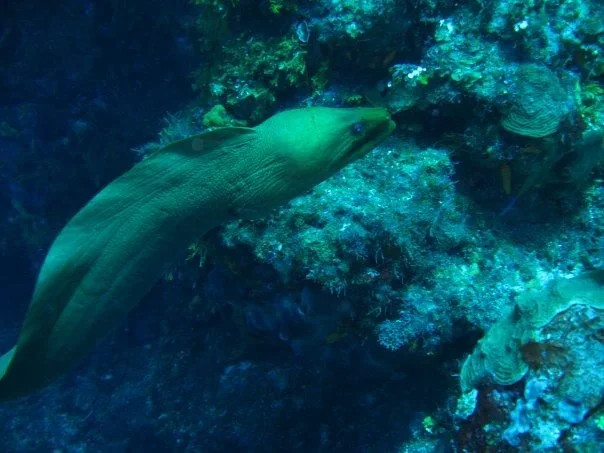
Upon entering the water, divers might first notice foundational reef structures, often home to diverse fish populations. These could include colorful reef fish and moray eels, often observed in the ledges and crevices of the reef.
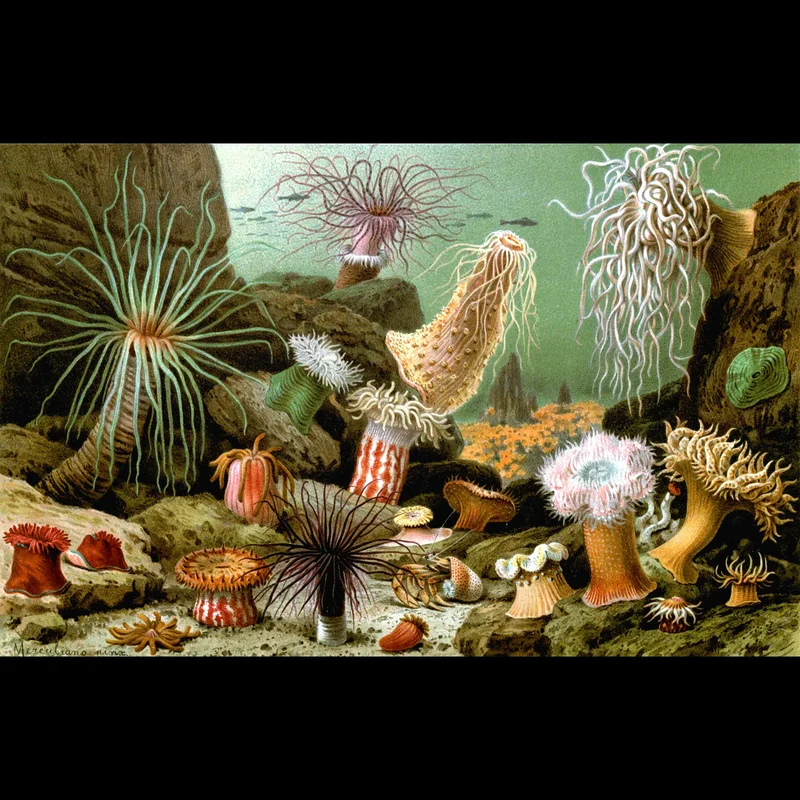
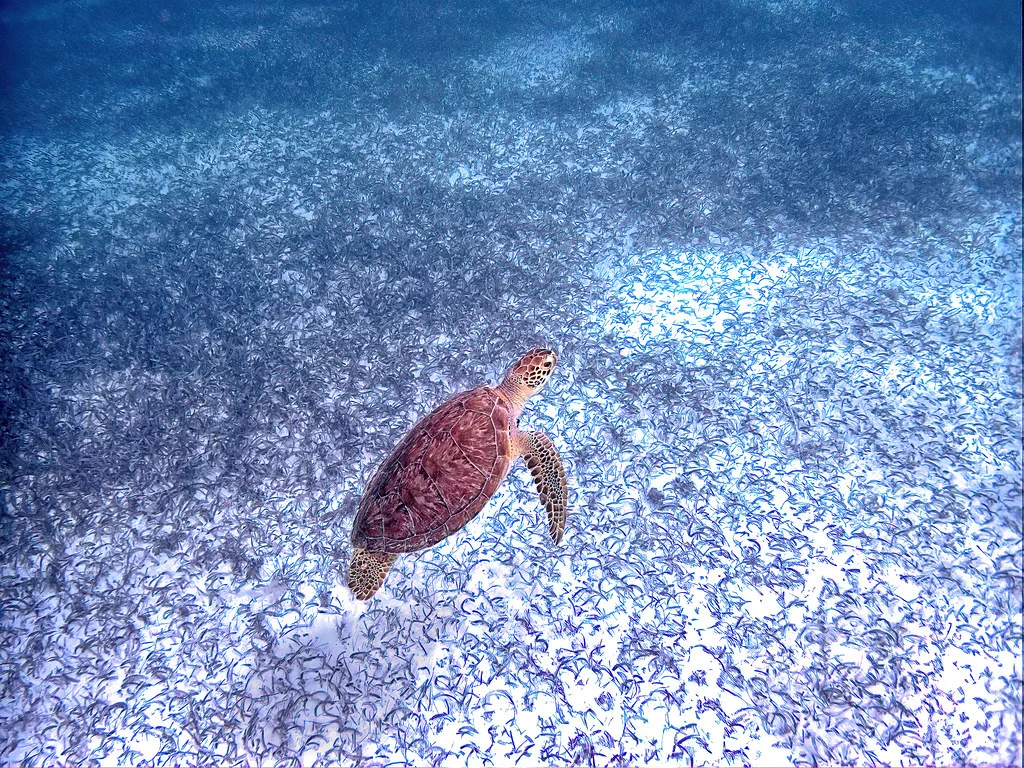
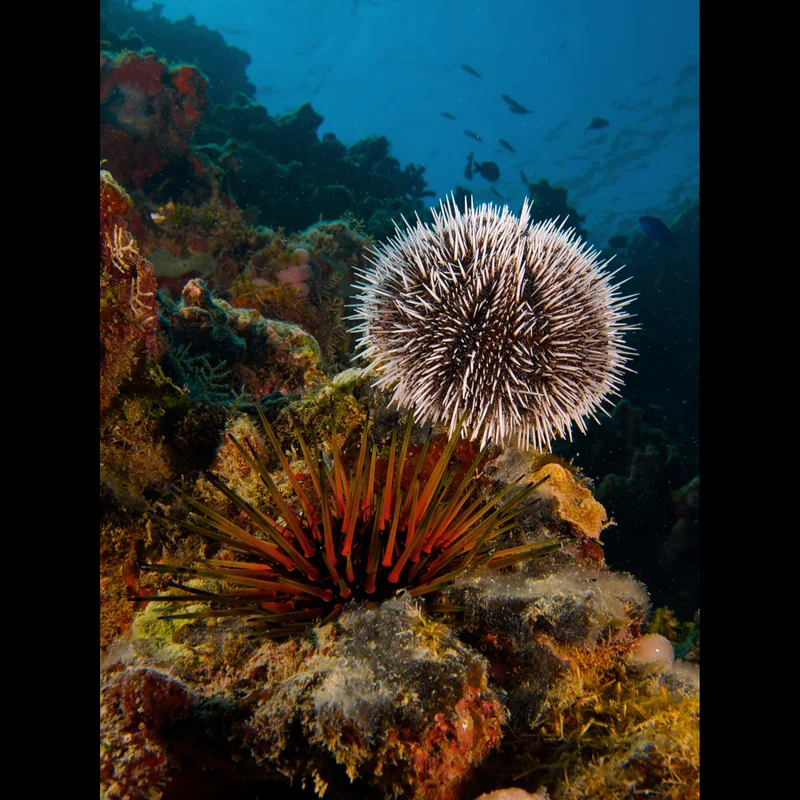
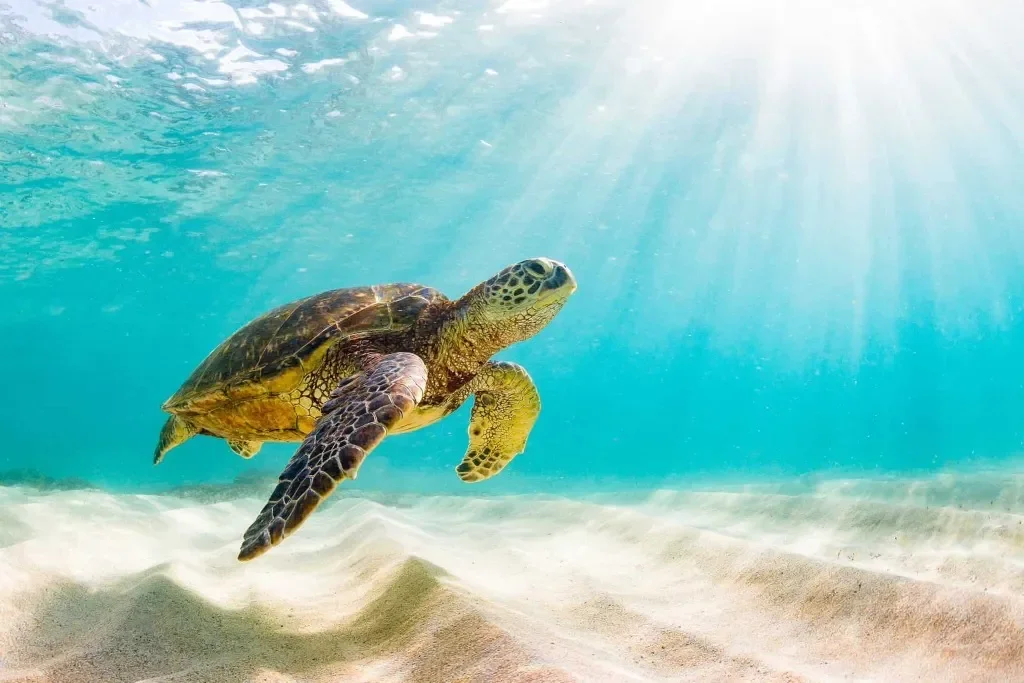
In areas with richer biological diversity, divers might also encounter larger inhabitants like loggerhead turtles, or various crustaceans and mollusks. While specific to other US sanctuaries, observations of sea urchins, anemones, and even a glimpse of species like giant Pacific octopus or green sea turtles provide a sense of the potential biodiversity.
Visibility often determines what life is first apparent, with clearer conditions allowing for broader appreciation of the marine ecosystem.
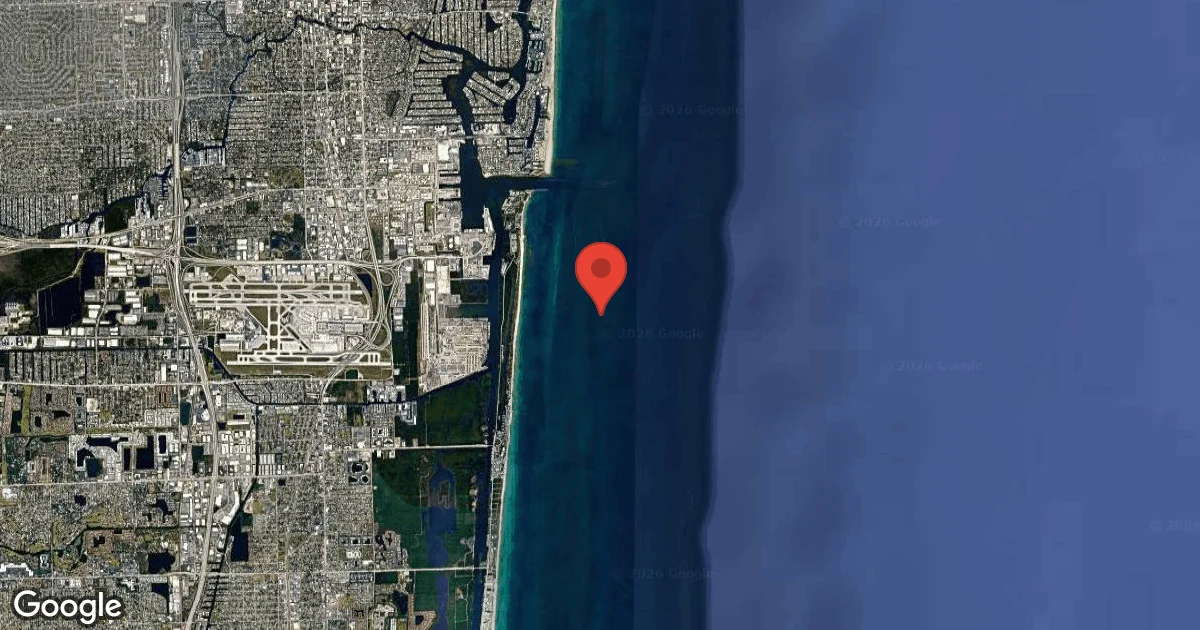
Dive Sites Near Nova A.R. (No County)
View all dive sites in United StatesDiscover more underwater gems in this area.
Dive Centers Near Nova A.R. (No County)
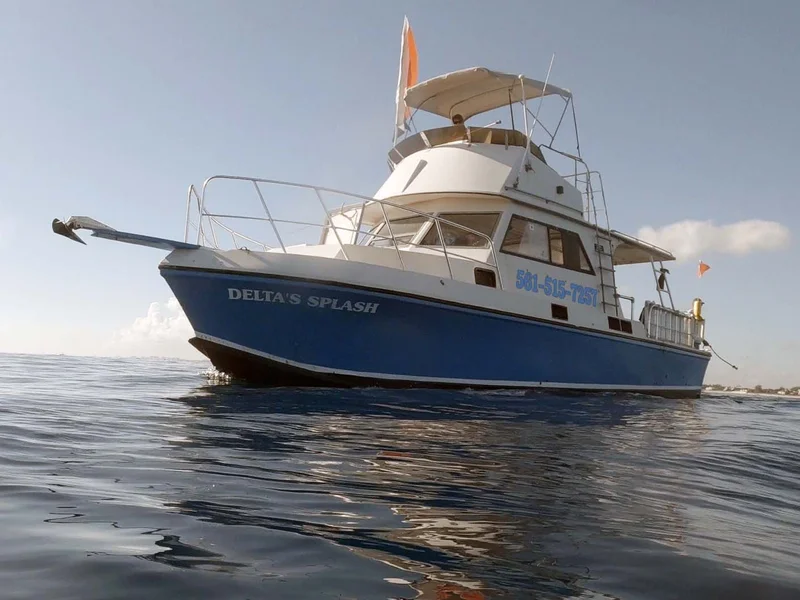
Today: 09:00 - 17:00
Nearest Airports
Nearest airports to help plan travel to this dive area.
Search Flights
Check available flights and routes on Expedia, using the nearby airports listed in this section.
Search Flights on Expedia
Plan Your Stay
Looking for a place to stay for your dive trip? Explore hotels, stays, and vacation rentals for dive groups near Sunrise.
Dive Navigator may earn a commission from these links at no extra cost to you.
Frequently Asked Questions
Is technical diving allowed at NOVA A.R.?
Yes, technical diving is generally permitted within National Marine Sanctuaries, including areas like NOVA A.R. There's a misconception that sanctuaries are off-limits to advanced diving; however, the emphasis is on conducting dives sustainably and with minimal impact on natural and cultural resources. Divers should always confirm any site-specific regulations.
What is the typical air temperature for diving at NOVA A.R.?
Air temperatures at NOVA A.R. are generally warm, ranging from an average of 19.5°C (67°F) in January to 28°C (82°F) in July and August. Such consistent temperatures mean surface conditions are usually comfortable for divers throughout much of the year, enhancing the overall dive experience.
Are there any restrictions on collecting marine artifacts?
Yes, it is strictly recommended to resist the temptation to collect shells, rocks, or other underwater artifacts at NOVA A.R. These items provide essential homes for sea creatures and good surfaces for marine growth. Preserving these elements is crucial for maintaining the health of the ecosystem.
How do currents affect diving at NOVA A.R.?
Currents at NOVA A.R. can vary, especially given the dynamic nature of coastal US waters. Some US sanctuary sites are known for strong currents, particularly in deeper sections or offshore. Divers should assess local conditions and be prepared for potential drift diving, which is sometimes recommended or required.
What kind of marine life might I see at NOVA A.R.?
While specific marine life for NOVA A.R. is not detailed, divers can anticipate encountering a variety of species similar to those found in other US national marine sanctuaries. This may include diverse reef fish, moray eels, and potentially larger creatures like sea turtles. The specific encounters will depend on the site's unique habitat and prevailing conditions.
What are the general guidelines for environmentally responsible diving?
Environmentally responsible diving at NOVA A.R. involves several practices. Divers should avoid touching marine life, maintain excellent buoyancy control to prevent contact with the bottom, and never remove anything from the environment. Participating in marine debris cleanups and supporting operators focused on conservation, such as those with Blue Star certification, further contributes to protecting the sanctuary.
Planning to dive Nova A.R. (No County)?
Send one inquiry and receive offers directly from the best verified local dive operators.
Conditions are Good
Optimal conditions expected
Current conditions near Nova A.R. (No County) show 25° air, 31° sea temperature, 0.6 m waves, and 18 km/h wind. Forecast data is refreshed regularly to ensure accuracy.