
Diving at Pioneer One (United States)
Deliberately scuttled on October 4, 1983, near Fowey Rocks, the freighter Pioneer One met its planned end to become an artificial reef. This act transformed a commercial vessel into an underwater habitat, offering a dive site known for its significant depth. Divers exploring its structure encounter the enduring presence of a wreck given new purpose in the ocean's depths.
Evening condition tracking at Pioneer One features an air temperature of 30.5°C. We have recorded wave heights measuring 0.5 m during this period. These figures outline the environmental parameters currently present.
Dive Site Location & Key Facts
Dive Site Overview
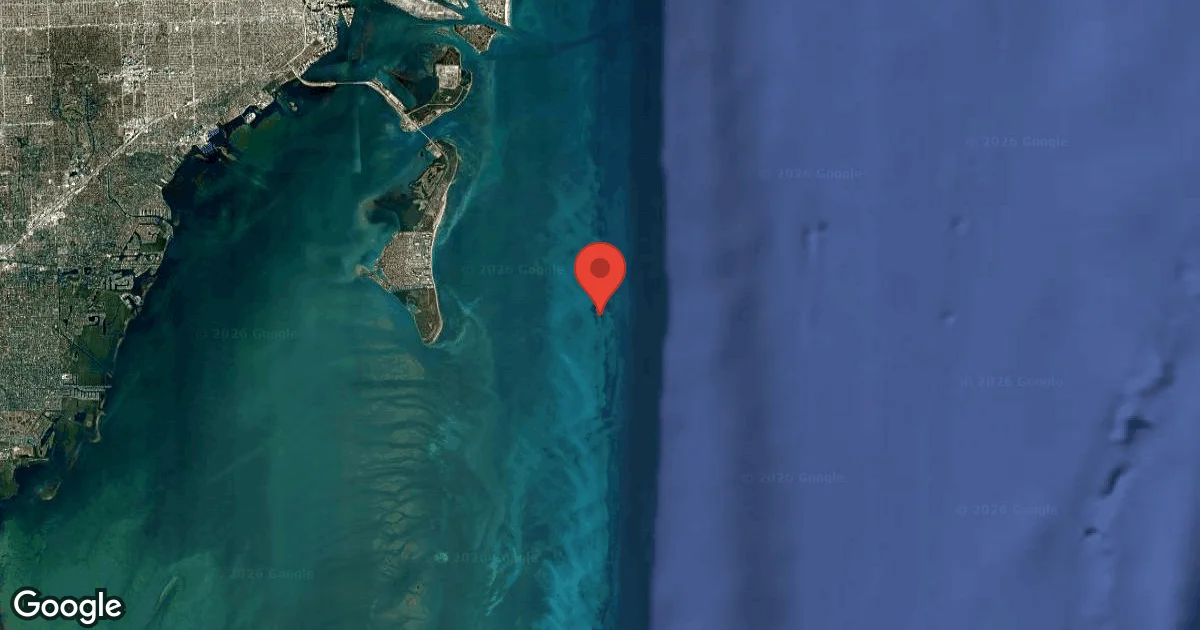
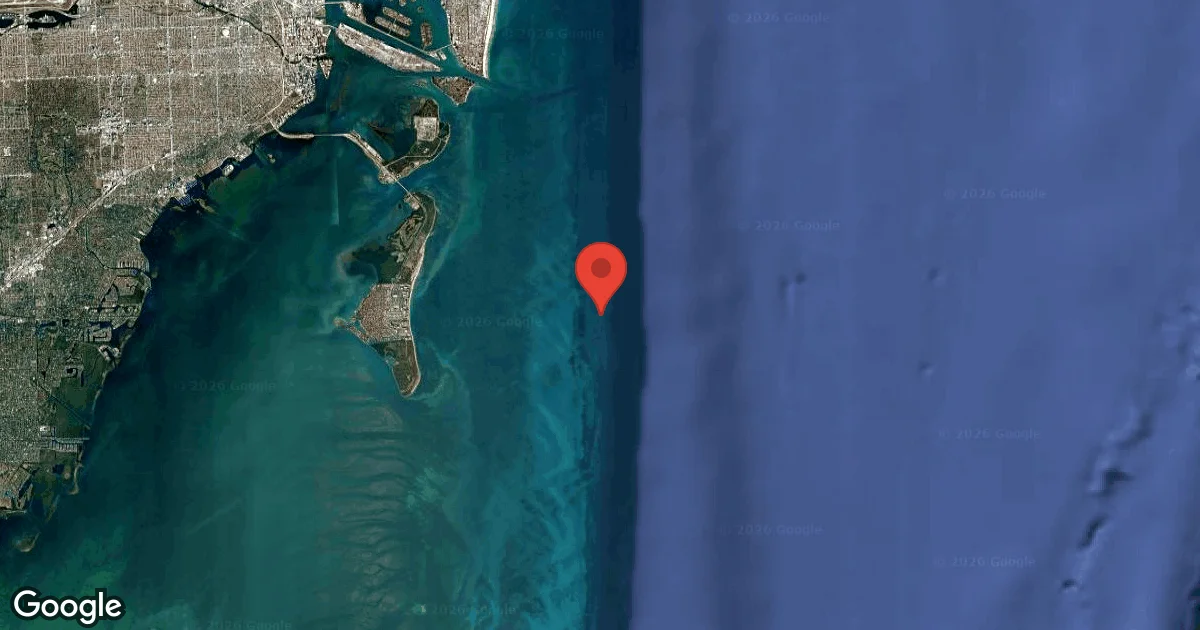
Pioneer One, a scuttled freighter, now rests on the seabed as a substantial artificial reef, offering a deep and challenging dive. Sunk on October 4, 1983, near Fowey Rocks, its coordinates are 25° 31.919' N, 80° 05.034' W.
Lying at a maximum depth of 65.5 m (215 ft), the vessel rises with a relief of 9.1 m (30 ft) from the sand. Divers approaching this wreck should prepare for profound depth, placing it squarely within technical diving territory. Such depths necessitate careful planning and robust gas management.
Exploring this site presents a significant undertaking, requiring specialized training beyond standard recreational limits. Around the main hull, 26 steel tanks scuttled with the freighter have settled onto the sand, scattering additional points of interest.
These tanks add structural complexity, creating smaller nooks and crannies for marine life and further exploration. Its exact construction details or service history remain not consistently reported, adding a layer of mystery to its past.
Engaging with this intentionally submerged vessel provides an opportunity to enhance marine ecosystems, attracting a variety of marine life. For decades since its sinking, the structure has become a vital part of the local underwater environment, fostering biodiversity.
Conditions are Good
Optimal conditions expected
Current conditions near Pioneer One show 30° air, 31° sea temperature, 0.7 m waves, and 21 km/h wind. Forecast data is refreshed regularly to ensure accuracy.
Best Time to Dive
Planning a dive at Pioneer One primarily involves considering the prevailing surface conditions. May through September typically present the most favorable conditions, with average air temperatures ranging from 26.5°C to 29°C (79.9°F to 84.2°F). During these months, wave heights are generally lower, averaging between 0.5 m and 0.7 m (2.3 ft)and 2.2 ft), and wind speeds are reduced, often below 27 km/h (17 mph). Conversely, October through April often sees increased wave heights, sometimes exceeding 1.0 m (3.3 ft), and higher wind speeds, occasionally surpassing 31 km/h (19 mph), which can impact dive accessibility and comfort. While specific water temperatures are not consistently reported for this site, the consistently warm air temperatures during the better diving months suggest relatively comfortable water conditions for tropical diving. Rain averages vary but are generally low during the peak season, ensuring mostly clear surface weather for trips.
PEAK SEASON SCORE
Scores combine air & water temps, waves, wind & rainfall for overall conditions.
BEST MONTHS TO DIVE
Monthly records compiled from satellite and marine observation nodes over the last 3 years. Data provided by Open-Meteo and MET Norway.
Dive Experience & Conditions
Descending to Pioneer One, divers are met with the imposing structure of a deep-water wreck, where the absence of natural light at recreational depths quickly signals a different environment. Resting at a maximum depth of 65.5 m (215 ft), the site demands precise buoyancy control and decompression planning. A profound exploration awaits, far from a shallow reef experience. The vessel rises 9.1 m (30 ft) from the seabed, providing significant verticality for an immersive experience around its superstructure. Around the perimeter, 26 steel tanks lie scattered, adding to the structural complexity and offering more areas for inspection on deeper sections. Current can vary, requiring divers to remain alert and adapt their plan on site. Visibility varies depending on conditions, but deep environments like this often require preparation for reduced clarity, especially near the bottom.
Dive Difficulty & Safety Guidelines
Diving the Pioneer One wreck requires advanced planning and appropriate certification due to its maximum depth of 65.5 m (215 ft). Divers should hold at least a technical diving certification, ensuring they are proficient in decompression procedures and advanced gas management. Maintaining precise buoyancy control is crucial given the depth and potential for variable currents.
Always dive within your training limits and adhere strictly to your dive plan, including gas reserves and bottom times. A thorough briefing on the wreck's layout and entry/exit points is also an essential safety measure.
Carrying appropriate safety equipment, such as a surface marker buoy, dive computer, and backup gas supply, is strongly recommended for this deep environment.
Recommended Equipment
- Dive Computer
This gear list is based on verified equipment signals for Pioneer One, United States. Always confirm final gear choices with your dive operator, guide, or liveaboard.
Recommended Dive Suit
For many recreational divers, dive skin or rash guard provides a practical level of insulation in these conditions. A hood or vest is suggested for sensitive divers due to surface winds. Divers who tend to get cold easily may prefer slightly thicker exposure protection.
At the moment, divers exploring Pioneer One will likely experience water temperatures near 31°C (89°F). Surface air temperatures are resting at 30°C (87°F).
Weather models indicate a small drop in surface temperatures later this week. Cooler days are ahead; you might want a warmer option for later in the week. Bringing an additional thermal layer can be helpful if conditions change.
Due to technical issues with our weather providers, data hasn't been fetched for over 48 hours. The data above reflects the conditions at the time of the last successful fetch.
Emergency & Medical Support
Essential information to help you plan your dive trip to Pioneer One.

Hyperbaric chambers are a critical part of dive safety infrastructure. Availability varies significantly by region, and not all dive areas have immediate access.
Before diving, it's recommended to:
- confirm nearest medical facilities
- check emergency procedures with local dive operators
- ensure dive insurance covers evacuation if required
Divers Alert Network
Diving emergency assistance available through DAN World.
+1-919-684-9111- 24/7 emergency hotline
- Diving medical assistance
- Evacuation coordination
Emergency contacts are provided for reference. Always verify local emergency services before diving.
Marine Life at Pioneer One
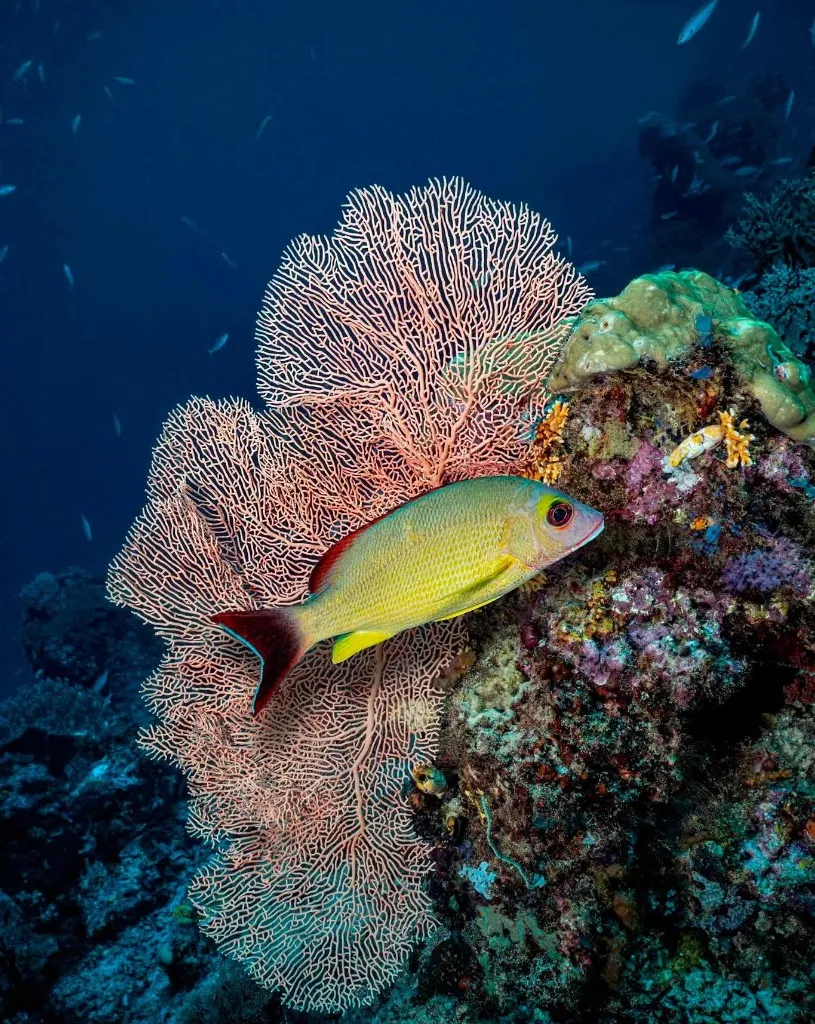
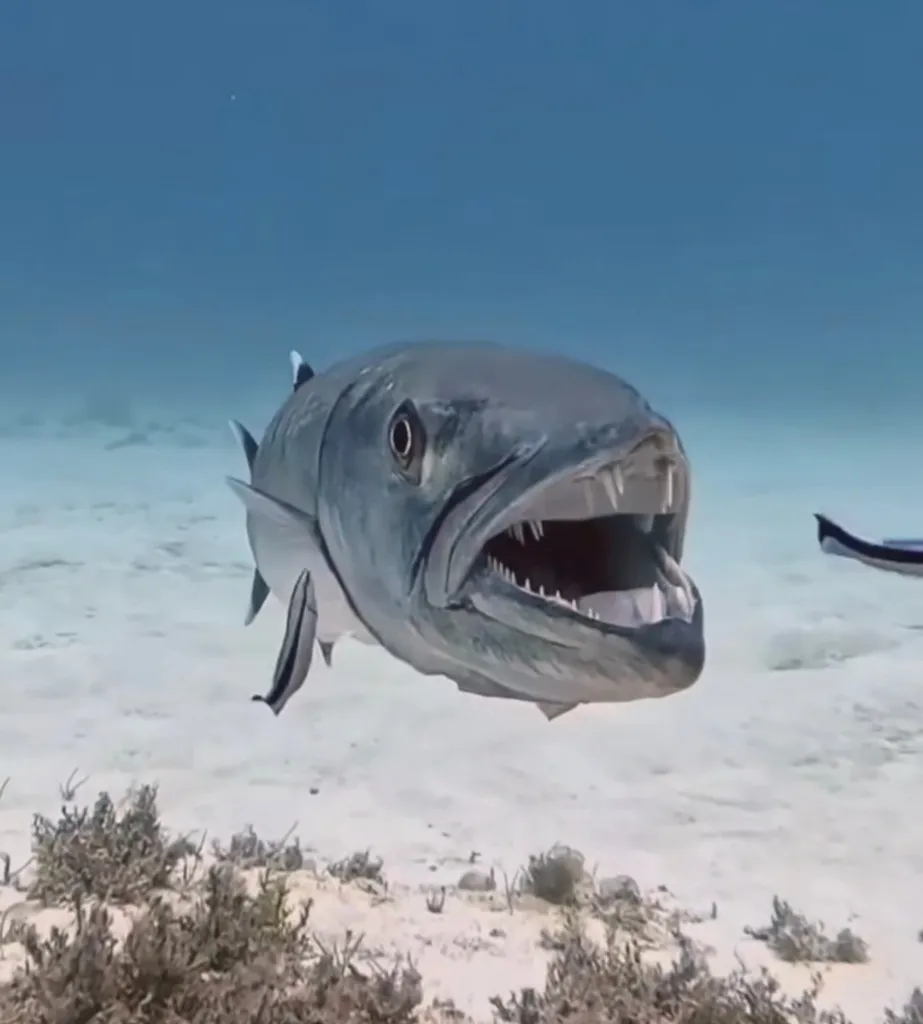
As an established artificial reef, Pioneer One draws in a variety of marine inhabitants, colonizing its metal surfaces and seeking shelter within its structure. Schools of baitfish often shimmer around the wreck, attracting larger predatory fish like barracuda and snapper.
Scattered steel tanks around the freighter provide additional habitat, sometimes hosting smaller reef fish or crustaceans. Encounters with larger pelagic species are possible, particularly when currents are present.
This vessel's transformation into an ecosystem demonstrates the resilience of marine life adapting to new structures in the deep. Over time, the wreck has cultivated a diverse community.
Dive Sites Near Pioneer One
View all dive sites in United StatesDiscover more underwater gems in this area.
Dive Centers Near Pioneer One
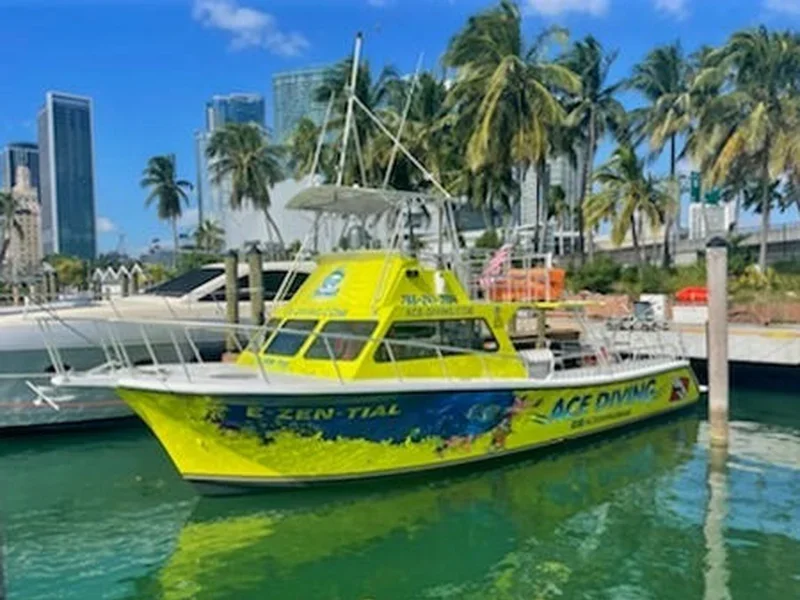
Today: 08:00 - 17:00
Nearest Airports
Nearest airports to help plan travel to this dive area.
Search Flights
Check available flights and routes on Expedia, using the nearby airports listed in this section.
Search Flights on Expedia
Plan Your Stay
Looking for a place to stay for your dive trip? Explore hotels, stays, and vacation rentals for dive groups near Key Biscayne.
Dive Navigator may earn a commission from these links at no extra cost to you.
Frequently Asked Questions
What type of vessel is Pioneer One?
Pioneer One is a scuttled freighter that was intentionally sunk to create an artificial reef. Little is known about its original construction or service history.
What is the maximum depth of the Pioneer One wreck?
The wreck of Pioneer One reaches a maximum depth of 65.5 m (215 ft). Its relief rises about 9.1 m (30 ft) from the seabed.
When was Pioneer One sunk?
Pioneer One was scuttled and sunk on October 4, 1983, specifically to serve as an artificial reef.
What kind of training is recommended for diving Pioneer One?
Due to its significant depth, technical diving certification is recommended for divers planning to explore Pioneer One. This ensures proper training in decompression and gas management.
Are there any unique features on the wreck?
Beyond the main freighter structure, there are 26 steel tanks that were scuttled with the vessel, now settled on the sand around the wreck, providing additional points of interest.
What are the typical surface conditions for diving?
The best time to dive is generally from May to September, when air temperatures are warm and wave heights are lower, typically below 0.7 m (2.3 ft). Wind speeds are also generally calmer during these months.
Where is Pioneer One located?
Pioneer One is located near Fowey Rocks in the United States, at coordinates 25° 31.919' N, 80° 05.034' W.
Planning to dive Pioneer One?
Send one inquiry and receive offers directly from the best verified local dive operators.
Conditions are Good
Optimal conditions expected
Current conditions near Pioneer One show 30° air, 31° sea temperature, 0.7 m waves, and 21 km/h wind. Forecast data is refreshed regularly to ensure accuracy.