
Diving at Pontoon Dry Docks (United States)
Beneath the surface, Pontoon Dry Docks deliver a distinctive diving encounter, unlike natural reefs or typical shipwrecks. These colossal platforms, once vital for repairing ships, now provide an intriguing labyrinth of steel and mechanics for divers. Exploring them offers a rare engagement with historical naval infrastructure, transforming their industrial past into an underwater world.
Midday environmental data at Pontoon Dry Docks reports an ambient temperature of 27.5°C. Surface tracking indicates wave heights of approximately 0.3 m. This summarizes the present water and weather conditions.
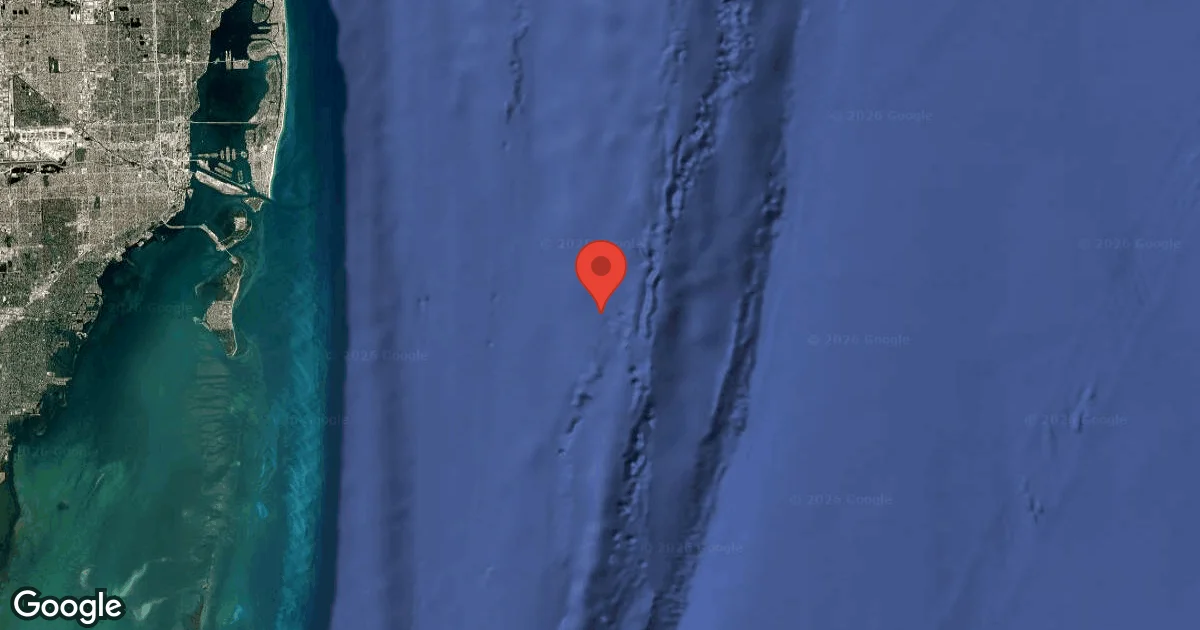
Dive Site Location & Key Facts
Dive Site Overview
Exploring Pontoon Dry Docks submerges divers into a world of submerged industrial history, far removed from typical wreck or reef dives. These structures, essentially large floating pontoons, were engineered to submerge by flooding ballast tanks, allowing them to cradle and lift vessels for repair.
As a dive site, this implies navigating around the robust, sectional construction of these dry docks, which could vary significantly in size; some Auxiliary Floating Docks, Light (AFDL) models were 88 m (288 ft) long, while larger Auxiliary Floating Docks, Big (AFDB) came in 28 m (93 ft) sections that could be combined for immense lifting capacities. Divers might encounter remnants of their operational past, such as the large cranes mentioned in historical accounts, or explore internal compartments like repair shops and power stations if the structure is sufficiently intact and penetrable. The specific maximum depth will depend on the individual dry dock's configuration and current resting position, but their inherent design involved significant draft, with some AFDLs flooding to a depth of 9.6 m (31.5 ft)4 in) to load a ship.
Underwater, the sheer scale of these platforms creates an imposing environment, a testament to naval engineering. While details on specific dive conditions for individual Pontoon Dry Docks vary, the dive generally offers a chance to explore a complex, man-made environment.
Conditions are Good
07:00 - 14:00
Optimal conditions expected
Current conditions near Pontoon Dry Docks show 28° air, 31° sea temperature, 0.3 m waves, and 13 km/h wind. Forecast data is refreshed regularly to ensure accuracy.
Best Time to Dive
Planning a dive to the Pontoon Dry Docks is often most comfortable during the warmer months, typically from May through September, when air temperatures are consistently higher. During July and August, air temperatures average between 28.5°C (83°F) and 28.5°C (83°F), providing excellent surface conditions. Although rain levels can increase slightly in summer months, particularly in June with 10.1 mm (0.40 in) average rainfall, July sees a more moderate 4.4 mm (0.17 in). Wind speeds are also generally lower, averaging around 14.8 km/h (9.2 mph) in July. This period often presents calmer waters, with wave heights in July averaging just 0.5 m (1.6 ft), which helps with surface intervals and boat-based operations. Dive scores are consistently good, peaking to excellent in July, suggesting favorable overall conditions for underwater exploration during these months.
PEAK SEASON SCORE
Scores combine air & water temps, waves, wind & rainfall for overall conditions.
BEST MONTHS TO DIVE
Monthly records compiled from satellite and marine observation nodes over the last 3 years. Data provided by Open-Meteo and MET Norway.
Dive Experience & Conditions
Navigating the Pontoon Dry Docks allows divers to experience a dynamic underwater environment, shaped by the inherent design of these massive structures. These docks were built in sections; some, like the Auxiliary Floating Docks, Big (AFDB), comprised multiple 28 m (93 ft) units. This modularity means divers might encounter expansive, interconnected steel platforms rather than a single, unified wreck. Given their purpose of submerging, the structures typically feature large ballast tanks. Divers can expect to explore these substantial internal spaces, observing the mechanics that once enabled ships to be lifted from the water. Currents around such large structures can vary, depending on the specific location and local tidal flows, but the sheer mass of the dry dock itself can create localized eddies or shelters. Visibility is not consistently reported for every specific dry dock, but exploring the intricate framework of steel, girders, and internal compartments provides a detailed view of naval engineering.
Dive Difficulty & Safety Guidelines
Diving these complex dry dock structures requires careful planning and adherence to established safety protocols. Divers must be proficient in wreck or overhead environment diving, as the interior spaces and structural integrity can present hazards. These large, steel structures may have sharp edges or collapsing sections.
It's crucial to thoroughly brief on the specific layout and condition of the dry dock being explored, paying close attention to potential entanglement points or confined spaces. Always dive with a reliable buddy and maintain situational awareness regarding depth, bottom time, and gas supply.
Because of the limited available data on specific hazards, divers should approach any penetration with extreme caution, and only if trained and properly equipped for such environments. Respecting the historical significance of these naval artifacts is also important, ensuring no artifacts are disturbed.
Recommended Equipment
- Dive Computer
This gear list is based on verified equipment signals for Pontoon Dry Docks, United States. Always confirm final gear choices with your dive operator, guide, or liveaboard.
Recommended Dive Suit
Water temperatures at Pontoon Dry Docks are currently estimated to be around 31°C (88°F), shaping the overall diving conditions for today. Surface air temperatures are resting at 28°C (82°F).
Dive skin or rash guard generally offers enough warmth for most dives under these conditions.
Forecast conditions over the next few days suggest temperatures will remain relatively stable.
Emergency & Medical Support
Essential information to help you plan your dive trip to Pontoon Dry Docks.

Hyperbaric chambers are a critical part of dive safety infrastructure. Availability varies significantly by region, and not all dive areas have immediate access.
Before diving, it's recommended to:
- confirm nearest medical facilities
- check emergency procedures with local dive operators
- ensure dive insurance covers evacuation if required
Divers Alert Network
Diving emergency assistance available through DAN World.
+1-919-684-9111- 24/7 emergency hotline
- Diving medical assistance
- Evacuation coordination
Emergency contacts are provided for reference. Always verify local emergency services before diving.
Marine Life at Pontoon Dry Docks
What you'll typically notice first when exploring these submerged dry docks is the sheer scale and transformation of these industrial giants into artificial reefs. While specific data for Pontoon Dry Docks is limited, the structural complexity of these large platforms commonly attracts a variety of local marine life in US waters.
Smaller reef fish often seek shelter within the numerous crevices and openings of the steel framework. Look for schools of fish aggregating around the larger sections, using the dry dock's mass for protection.
The surfaces of the submerged structures also provide ample substrate for various encrusting organisms, such as colorful sponges and corals, which gradually colonize the steel, transforming its utilitarian form into a vibrant habitat.
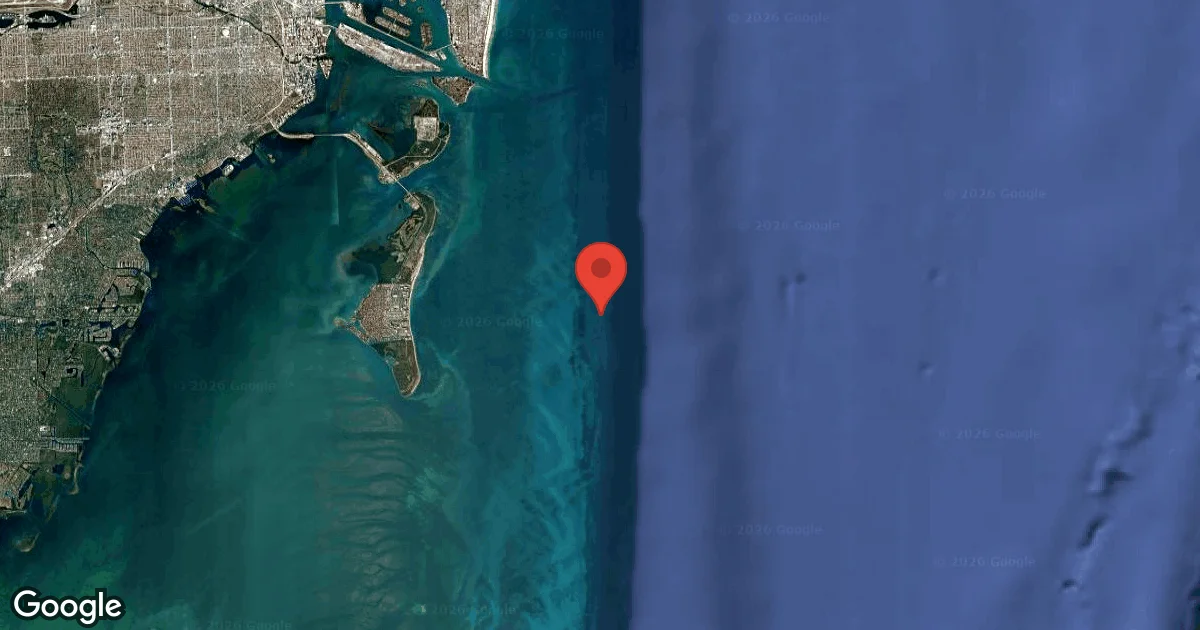
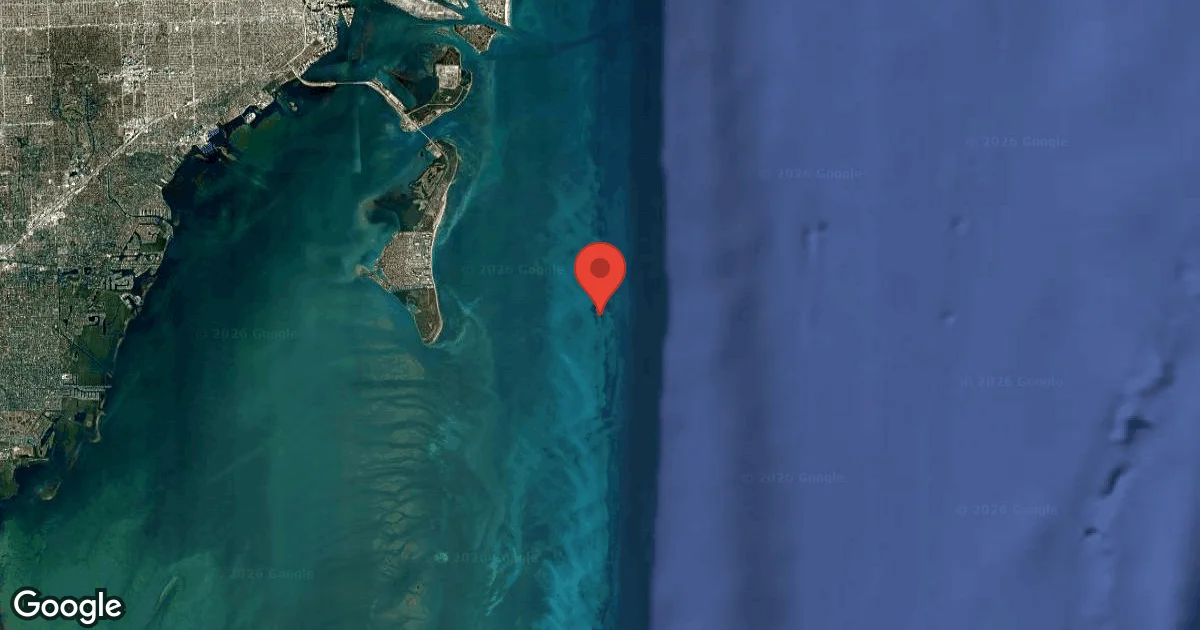
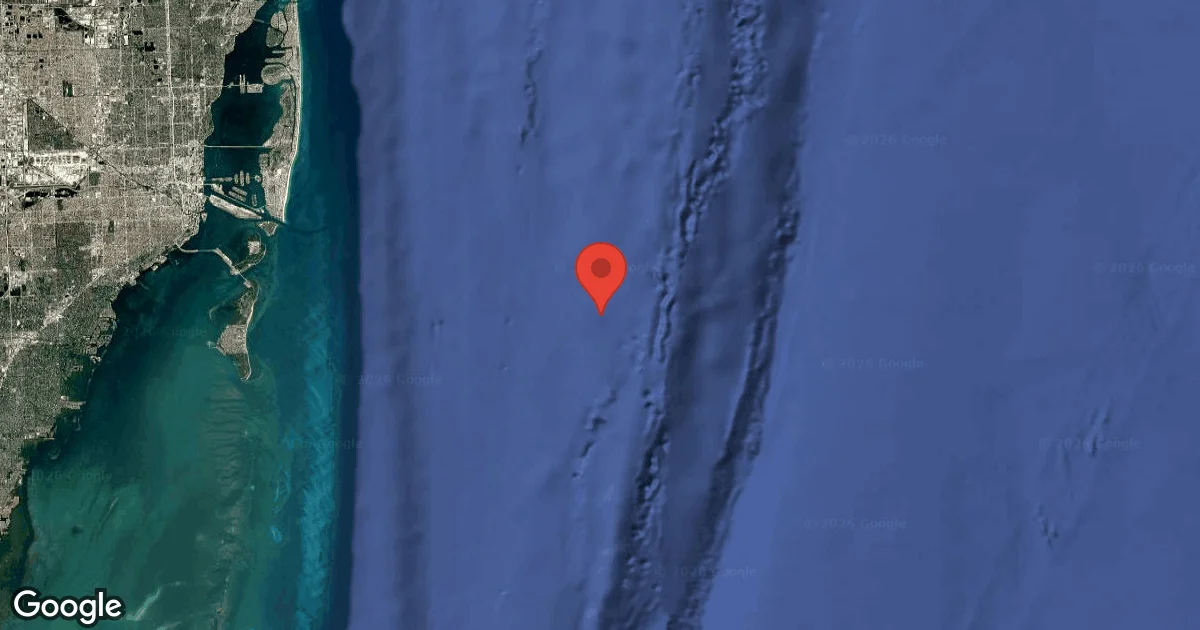
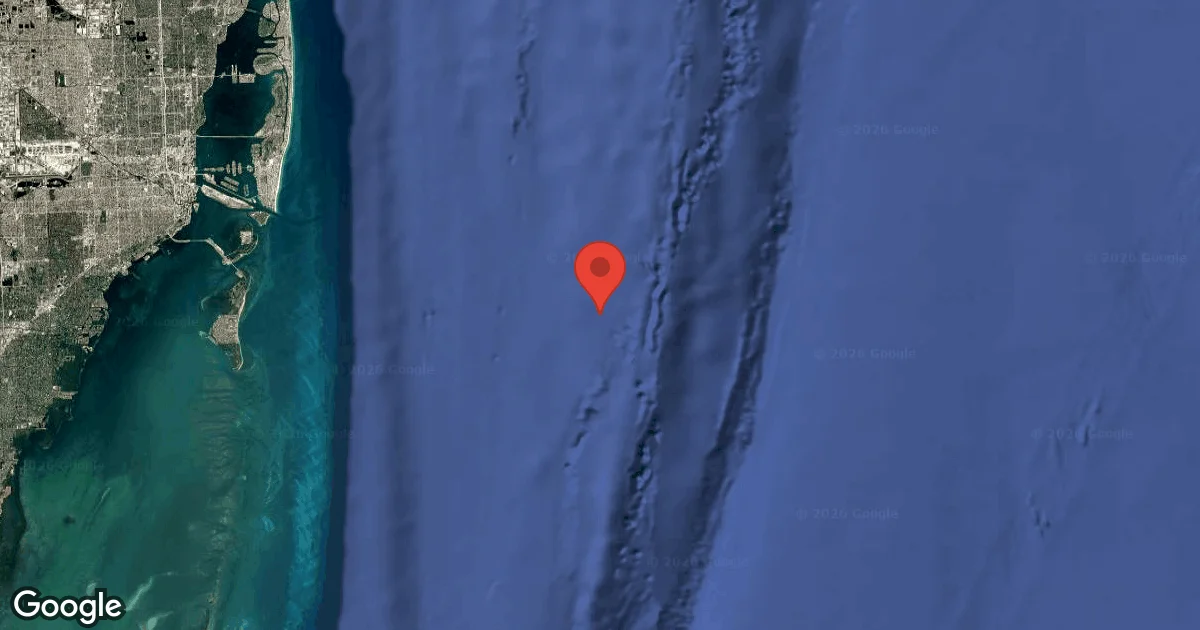
Dive Sites Near Pontoon Dry Docks
View all dive sites in United StatesDiscover more underwater gems in this area.
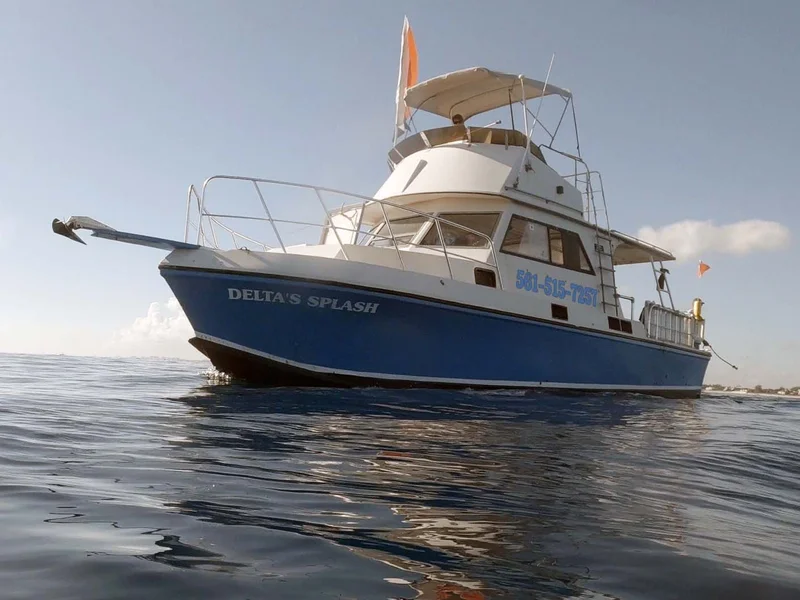
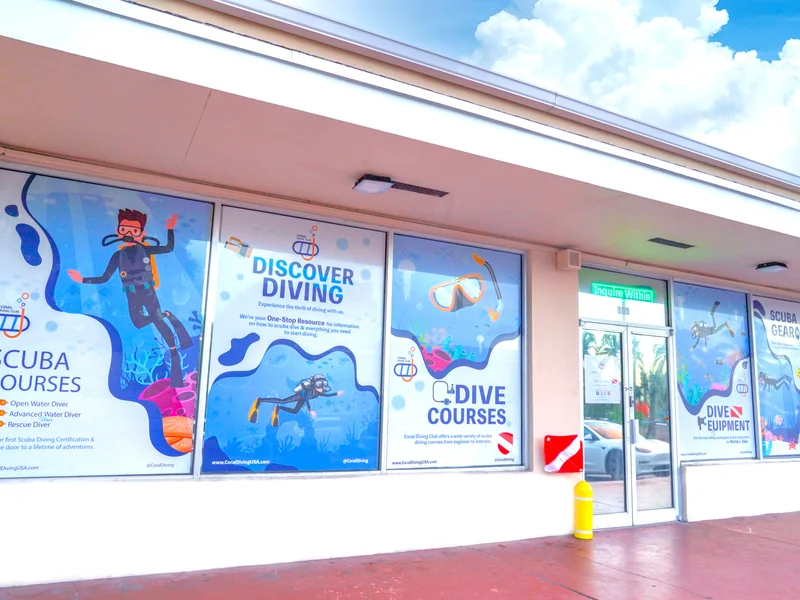
Dive Centers Near Pontoon Dry Docks
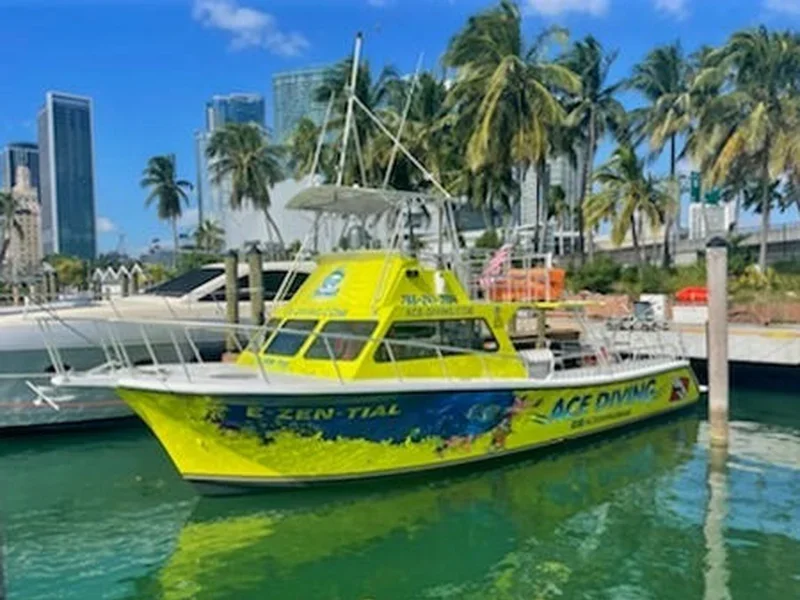
Today: 08:00 - 17:00
Nearest Airports
Nearest airports to help plan travel to this dive area.
Search Flights
Check available flights and routes on Expedia, using the nearby airports listed in this section.
Search Flights on Expedia
Plan Your Stay
Looking for a place to stay for your dive trip? Explore hotels, stays, and vacation rentals for dive groups near Miami Beach.
Dive Navigator may earn a commission from these links at no extra cost to you.
Frequently Asked Questions
What is a Pontoon Dry Dock?
A pontoon dry dock, specifically in a naval context, refers to an auxiliary floating dry dock. These are large, mobile platforms designed to submerge by flooding ballast tanks, allowing ships to enter for repair. Water is then pumped out, raising the ship above the waterline for maintenance.
How deep are these dry docks found?
The operational depth of a floating dry dock varies. Some smaller Auxiliary Floating Docks, Light (AFDL), for instance, had a flooded draft of about 9.6 m (31.5 ft)4 in) to load a ship. As dive sites, their maximum depth would depend on their final resting place if they are derelict or purposefully sunk.
Are Pontoon Dry Docks suitable for all divers?
Diving around these structures often involves navigating large, complex environments. Due to potential overhead sections, confined spaces, and entanglement risks, exploring these sites is best suited for experienced divers proficient in wreck or overhead environment diving, or those with appropriate training.
What kind of marine life can be seen?
While site-specific marine life data for Pontoon Dry Docks is not consistently reported, such large underwater structures typically attract a range of fish species seeking shelter. Encrusting organisms like sponges and corals often colonize the metal surfaces, creating an artificial reef habitat over time.
What are the common hazards when diving a dry dock?
Common hazards include potential entanglement in loose wires or debris, sharp edges from corroded metal, and silt-out conditions in confined spaces. The structural integrity can also be compromised in older or damaged docks, posing a risk of collapse in certain areas.
Were these dry docks armed?
During their operational history, many auxiliary floating dry docks were equipped with anti-aircraft guns for defense during wartime. Typical armaments included 40 mm and 20 mm machine guns, though larger guns were not usually accommodated due to space constraints.
Planning to dive Pontoon Dry Docks?
Send one inquiry and receive offers directly from the best verified local dive operators.
Conditions are Good
07:00 - 14:00
Optimal conditions expected
Current conditions near Pontoon Dry Docks show 28° air, 31° sea temperature, 0.3 m waves, and 13 km/h wind. Forecast data is refreshed regularly to ensure accuracy.