
Diving at Research Team Reef (United States)
Reef sites designated for scientific observation, like Research Team Reef, often present current dynamics that are managed to facilitate research activities. While specific current reports aren't consistently detailed for all such sites, divers should anticipate conditions that allow for stable, deliberate underwater work. Local operations and research schedules typically factor in tidal influences and broader oceanographic patterns to optimize visibility and minimize drift, ensuring a focused environment for ongoing studies and data collection.
Tonight's objective overview for Research Team Reef shows an air temperature of 28°C. The measured surface conditions include wave heights around 1.5 m. This environmental data is logged for the close of the day.
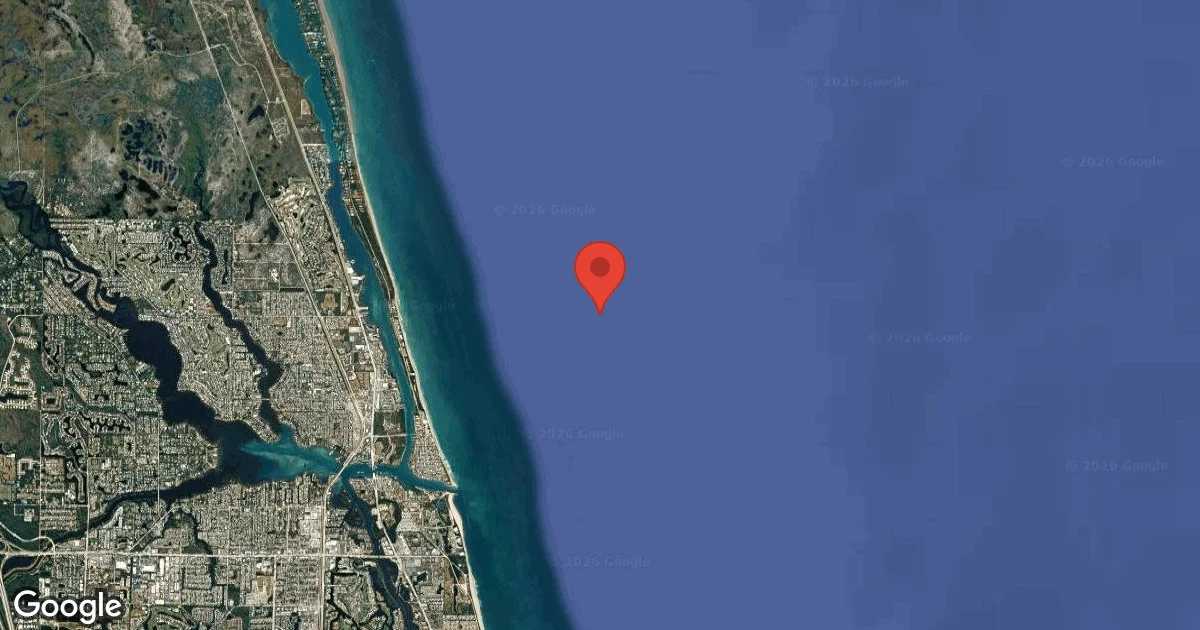
Dive Site Location & Key Facts
Dive Site Overview
Research Team Reef stands as a dedicated site where the primary focus revolves around ongoing scientific study and marine conservation efforts, distinct from typical recreational diving attractions. It functions as an active underwater laboratory, rather than a site celebrated for dramatic geological formations or unique pelagic encounters.
Dive operations here frequently involve detailed surveys, environmental monitoring, and potentially even coral grafting or artificial reef deployments, as conducted by organizations like Reef Innovations. Divers engaging with this site become part of a larger ecological observation initiative, supporting projects such as the Volunteer Fish Survey or the Invasive Lionfish Program. Expect a methodical dive profile designed for observation and data collection, often at recreational depths that allow for extended bottom times.
Contributing to marine science represents a significant reward, making each dive an opportunity for purposeful engagement with the underwater environment. Such involvement offers substantial intellectual and conservation benefits, even if specific dramatic features aren't the primary draw.
Conditions are Good
Optimal conditions expected
Current conditions near Research Team Reef show 28° air, 31° sea temperature, 0.8 m waves, and 20 km/h wind. Forecast data is refreshed regularly to ensure accuracy.
Best Time to Dive
Considering optimal conditions, the period from May through September generally offers the best time to dive at sites like Research Team Reef. During these months, the average air temperatures are notably higher, ranging from 26°C (79°F) in May to 28°C (82°F) in August, creating a comfortable surface environment. Rainfall averages are also moderate during this span, with figures like 3.1 mm in May and 6.5 mm in August, suggesting clearer skies. Dive scores consistently rate as 'Good' for these months, reflecting generally favorable surface and underwater conditions. Conversely, months like April, October, and December are rated 'Moderate' for diving, often influenced by higher wave heights and increased wind speeds which can affect water clarity and surface comfort. Although specific water temperature data isn't consistently reported, the warmer air temperatures during the peak season suggest more thermally stable and pleasant diving conditions.
PEAK SEASON SCORE
Scores combine air & water temps, waves, wind & rainfall for overall conditions.
BEST MONTHS TO DIVE
Monthly records compiled from satellite and marine observation nodes over the last 3 years. Data provided by Open-Meteo and MET Norway.
Dive Experience & Conditions
Upon descending at Research Team Reef, divers will find themselves in an environment geared towards observation and scientific work. Depths at such research sites often span the full recreational range, reaching approximately 30 m (100 ft) or potentially shallower depending on the specific study area. Since explicit water temperature data isn't consistently reported for this specific site, divers should prepare for conditions typical of US coastal waters, which vary seasonally from temperate to warm. Visibility tends to be a key factor for scientific surveys, so operations are usually planned for days with clearer water, though natural variations occur. The site is characterized by an underwater landscape that supports ongoing monitoring activities, potentially including artificial reef structures or natural reef formations under study. This setting requires divers to maintain good buoyancy control and awareness, as the focus is less on exploration and more on precise observation and, at times, careful interaction with monitoring equipment or designated research plots.
Dive Difficulty & Safety Guidelines
Diving at Research Team Reef necessitates adherence to standard safety protocols, often with an emphasis on environmental awareness and precision due to the site's research focus. While specific hazards are not consistently reported for this location, general reef diving safety applies; divers should remain vigilant about marine life, bottom contours, and their dive team.
Maintaining excellent buoyancy control is crucial to avoid disturbing delicate research areas or impacting scientific equipment. Participation in dives here often implies a commitment to supporting conservation efforts, such as avoiding contact with coral or specific study subjects.
Always dive within your certification limits and with a buddy. Briefings before dives typically outline the objectives and any specific site considerations, ensuring all participants understand their role and the approach to the underwater environment.
Recommended Equipment
- Dive Computer
This gear list is based on verified equipment signals for Research Team Reef, United States. Always confirm final gear choices with your dive operator, guide, or liveaboard.
Recommended Dive Suit
In these water temperatures, dive skin or rash guard is a common choice for recreational diving. Consider warmer surface protection (like a boat coat) due to brisk winds. Longer dive profiles can make thermal protection more important than short exploratory dives.
Conditions at Research Team Reef currently place the water temperature near 31°C (87°F). Surface air temperatures are resting at 28°C (82°F).
A modest cooling trend is expected in the upcoming forecast. Cooler days are ahead; you might want a warmer option for later in the week. Bringing an additional thermal layer can be helpful if conditions change.
Due to technical issues with our weather providers, live updates are temporarily delayed. The data above reflects the conditions at the time of the last successful fetch.
Emergency & Medical Support
Essential information to help you plan your dive trip to Research Team Reef.

Hyperbaric chambers are a critical part of dive safety infrastructure. Availability varies significantly by region, and not all dive areas have immediate access.
Before diving, it's recommended to:
- confirm nearest medical facilities
- check emergency procedures with local dive operators
- ensure dive insurance covers evacuation if required
Divers Alert Network
Diving emergency assistance available through DAN World.
+1-919-684-9111- 24/7 emergency hotline
- Diving medical assistance
- Evacuation coordination
Emergency contacts are provided for reference. Always verify local emergency services before diving.
Marine Life at Research Team Reef
At Research Team Reef, the focus shifts from dramatic topography to the biological communities supported for scientific inquiry. Divers can anticipate encountering a variety of general reef fish populations and invertebrate species, which are frequently the subjects of detailed observation and census projects.
An opportunity arises to identify and appreciate common reef inhabitants, similar to those documented in REEF's volunteer fish surveys. While specific rare species aren't the primary draw, understanding the health and dynamics of the entire ecosystem is paramount.
Monitoring equipment or artificial reef structures can enhance habitats, attracting diverse marine life that contributes to the ongoing studies.
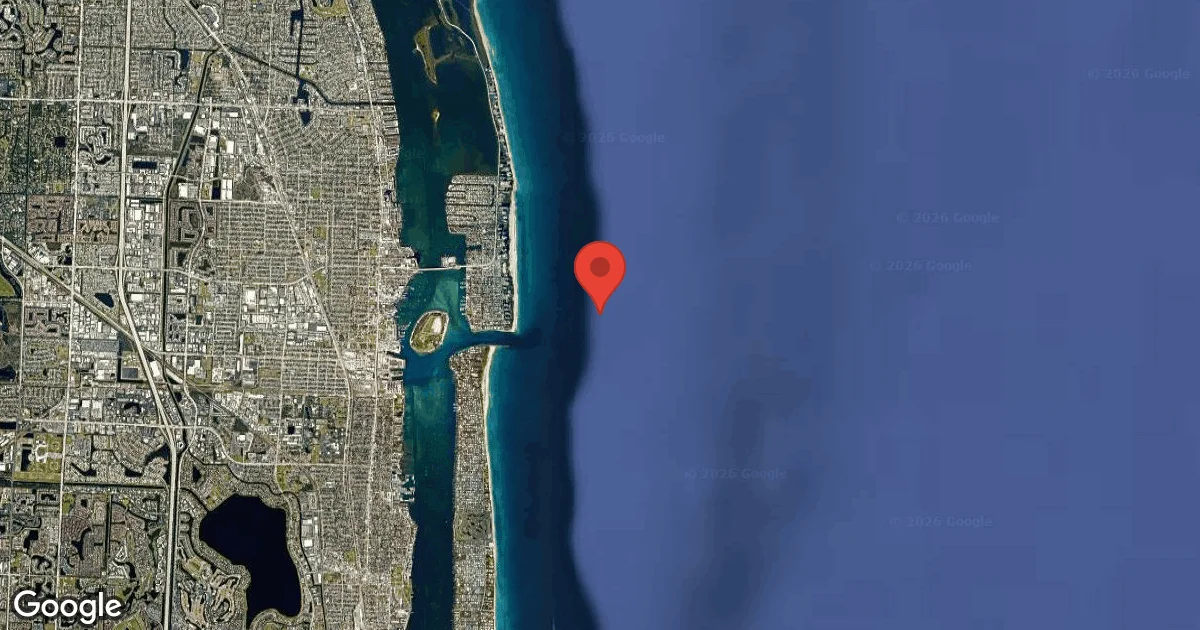
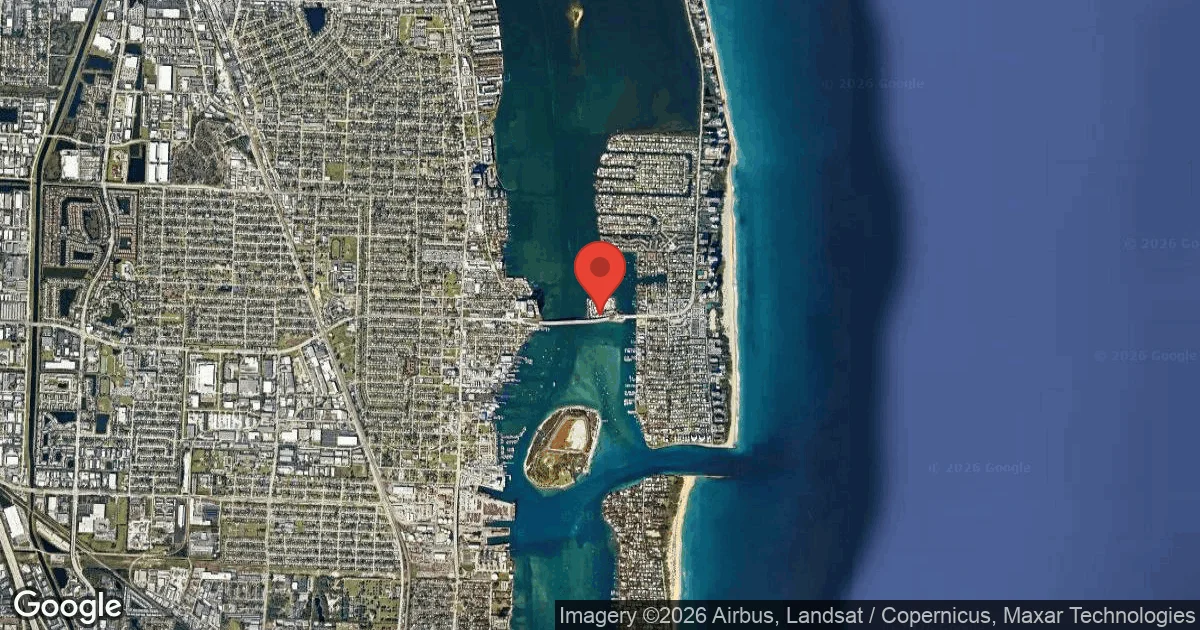
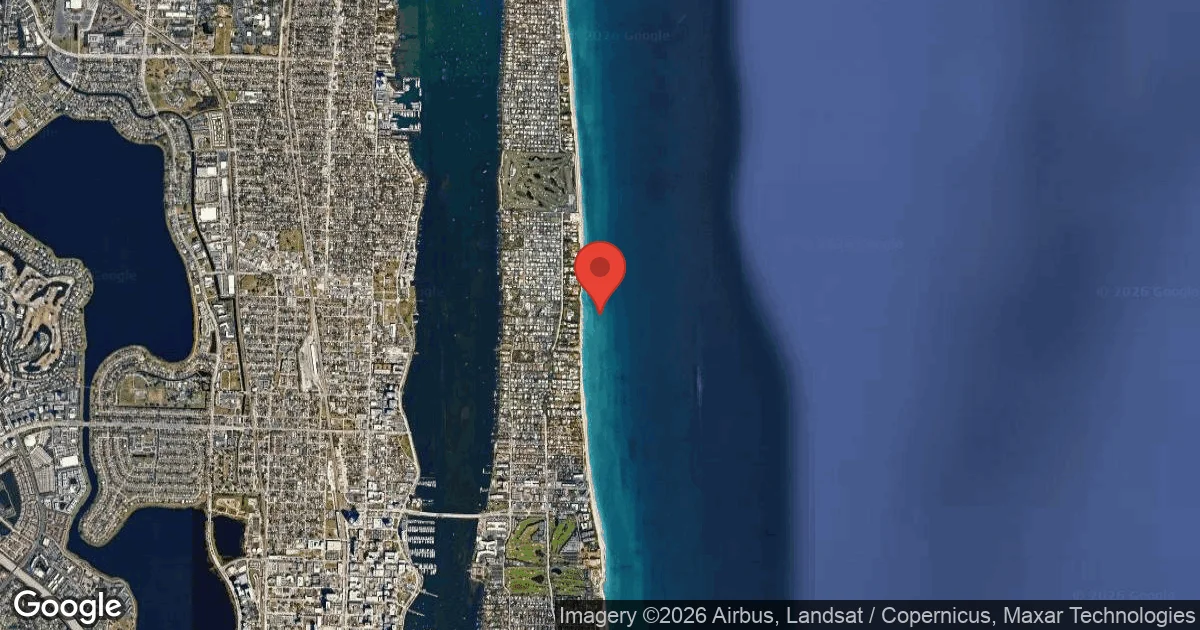
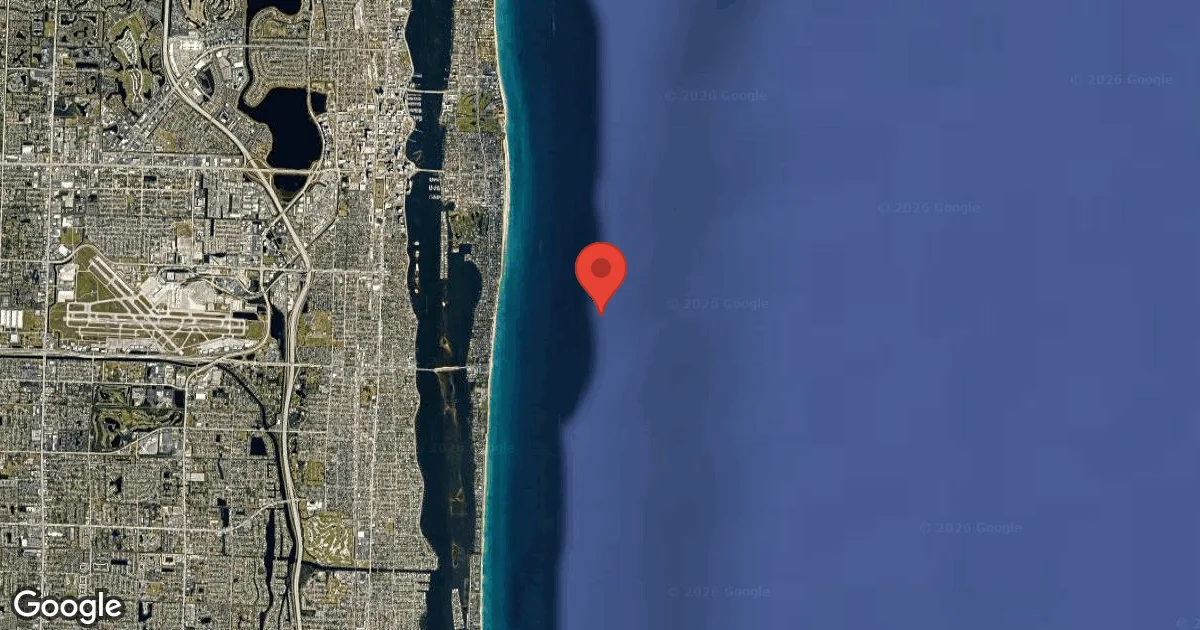
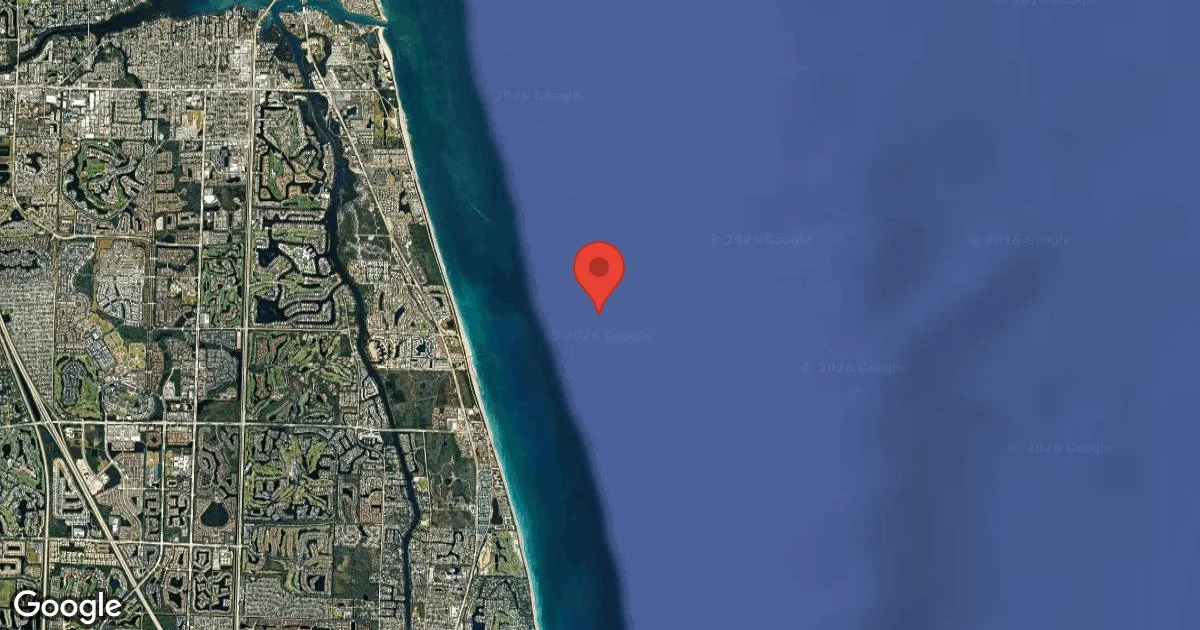
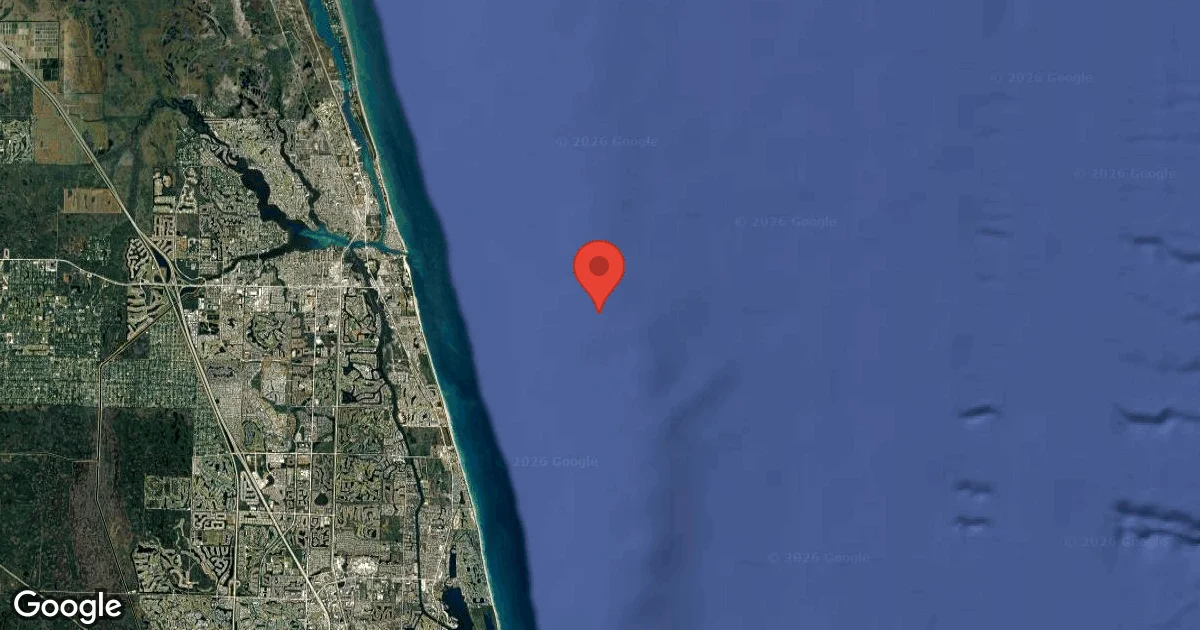
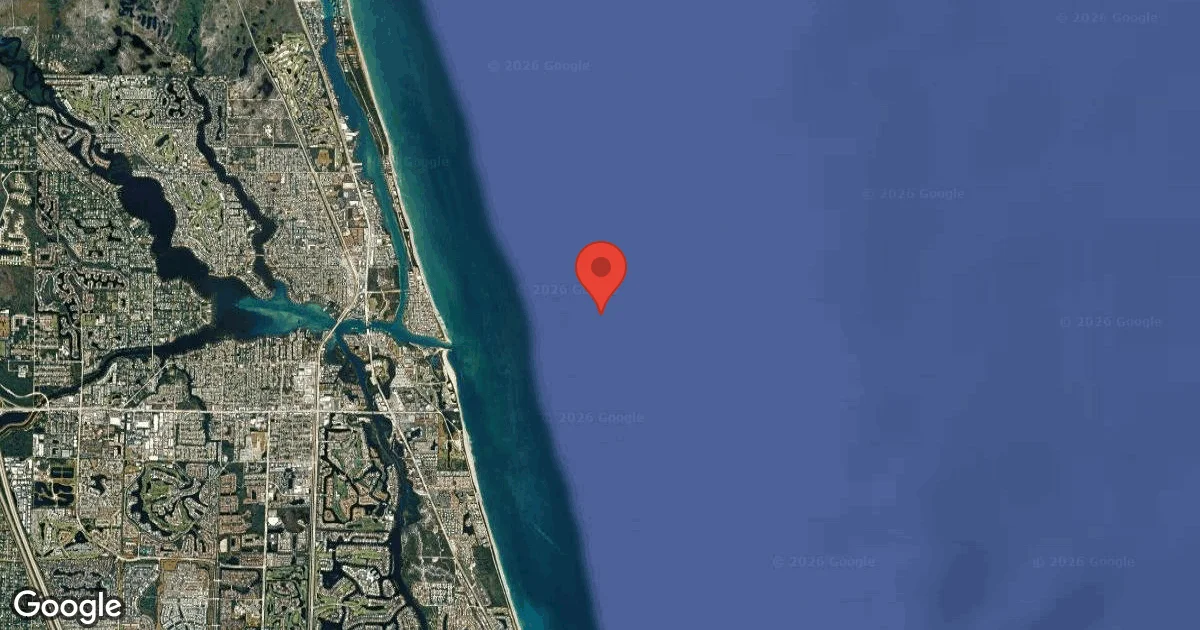
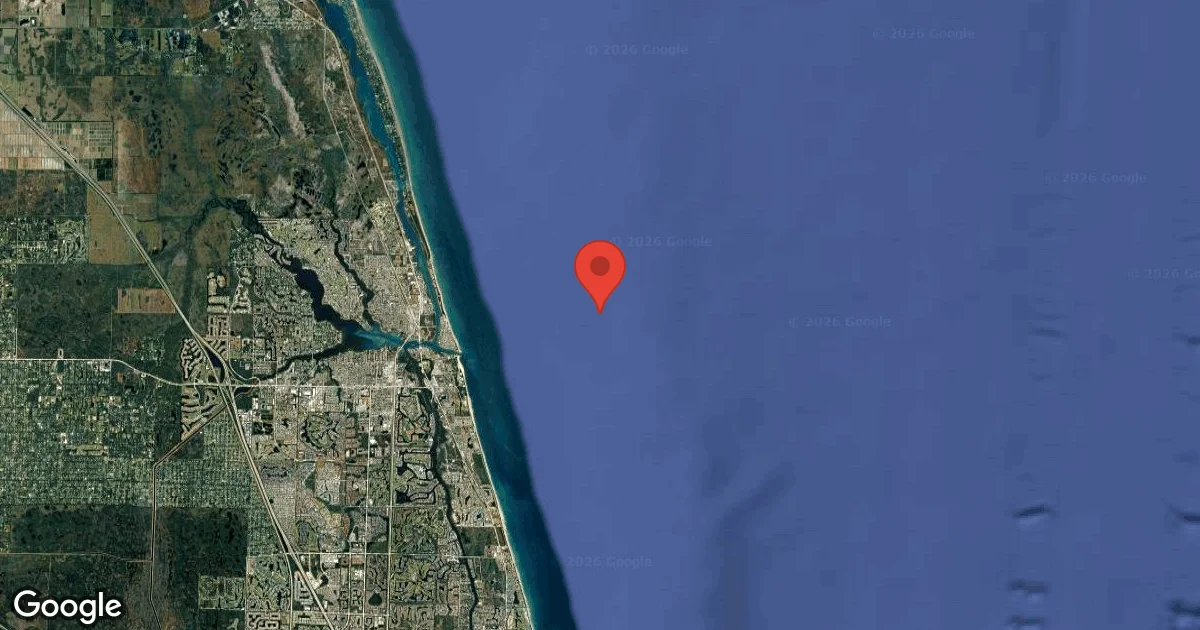
Dive Sites Near Research Team Reef
View all dive sites in United StatesDiscover more underwater gems in this area.
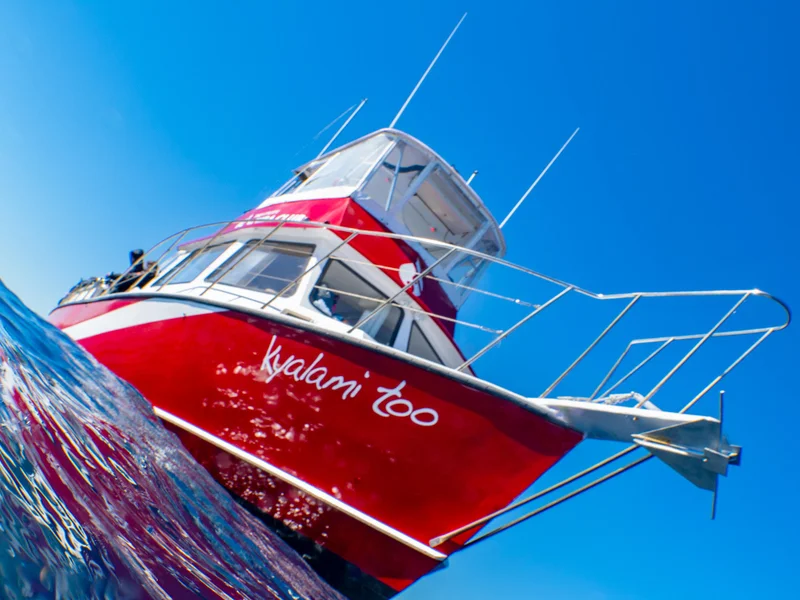
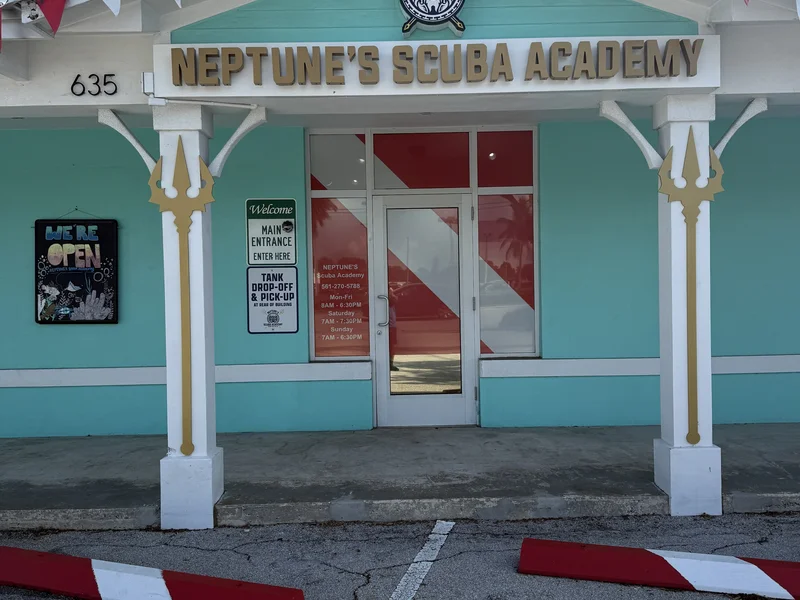
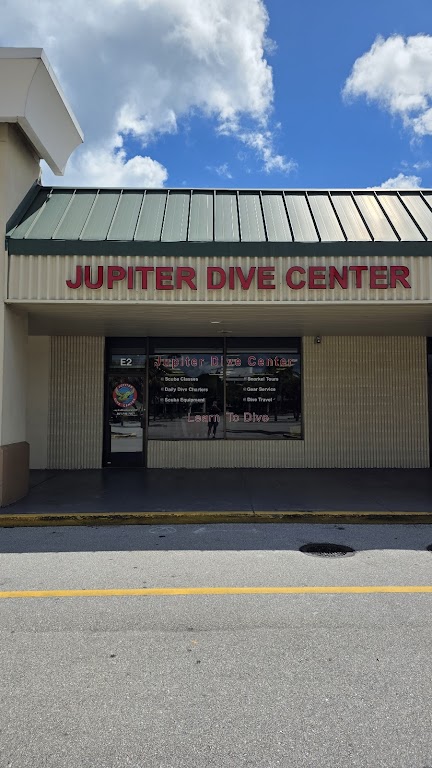
Dive Centers Near Research Team Reef
Today: 08:00 - 18:00
Nearest Airports
Nearest airports to help plan travel to this dive area.
Search Flights
Check available flights and routes on Expedia, using the nearby airports listed in this section.
Search Flights on Expedia
Plan Your Stay
Looking for a place to stay for your dive trip? Explore hotels, stays, and vacation rentals for dive groups near Palm Beach Shores.
Dive Navigator may earn a commission from these links at no extra cost to you.
Frequently Asked Questions
What is the primary purpose of diving at Research Team Reef?
Diving at Research Team Reef is primarily for scientific research, environmental monitoring, and conservation efforts. It's a site dedicated to ongoing studies rather than purely recreational exploration.
Are there specific depths associated with Research Team Reef?
Depths at Research Team Reef typically fall within recreational limits, often reaching up to 30 m (100 ft). The exact depth may vary based on the specific research project or area being studied.
What kind of marine life can I expect to see?
You can expect to observe general reef fish species and various invertebrates, as the site is often used for fish surveys and ecosystem monitoring. While not focused on rare species, it offers insights into local marine communities.
Is specialized equipment required for these dives?
While no specific specialized equipment is listed, gear that aids in stability, precise buoyancy control, and documentation (like underwater cameras or slates) can be beneficial for supporting research objectives.
How are water temperatures at Research Team Reef?
Specific water temperature data for Research Team Reef is not consistently reported. However, air temperatures range from 19°C (66°F) to 28°C (82°F) throughout the year, suggesting typically temperate to warm waters during peak dive seasons.
Are there any unique hazards at this dive site?
No unique hazards are consistently reported for Research Team Reef. Divers should follow standard safety guidelines, maintain good buoyancy, and be mindful of any scientific equipment or specific research areas.
Planning to dive Research Team Reef?
Send one inquiry and receive offers directly from the best verified local dive operators.
Conditions are Good
Optimal conditions expected
Current conditions near Research Team Reef show 28° air, 31° sea temperature, 0.8 m waves, and 20 km/h wind. Forecast data is refreshed regularly to ensure accuracy.