
Diving at Seacrest Cove 2 (United States)
To truly experience Seacrest Cove 2, approach it as a highly accessible and versatile shore dive, ideal for both introductory training and more advanced explorations. It's a prime location in Central Puget Sound for quick dives, even after work, thanks to its easy access and generally calm conditions. Mastering navigation here prepares you for diverse Pacific Northwest diving scenarios.
Evening condition tracking at Seacrest Cove 2 features an air temperature of 15°C. We have recorded wave heights measuring 0 m during this period. These figures outline the environmental parameters currently present.
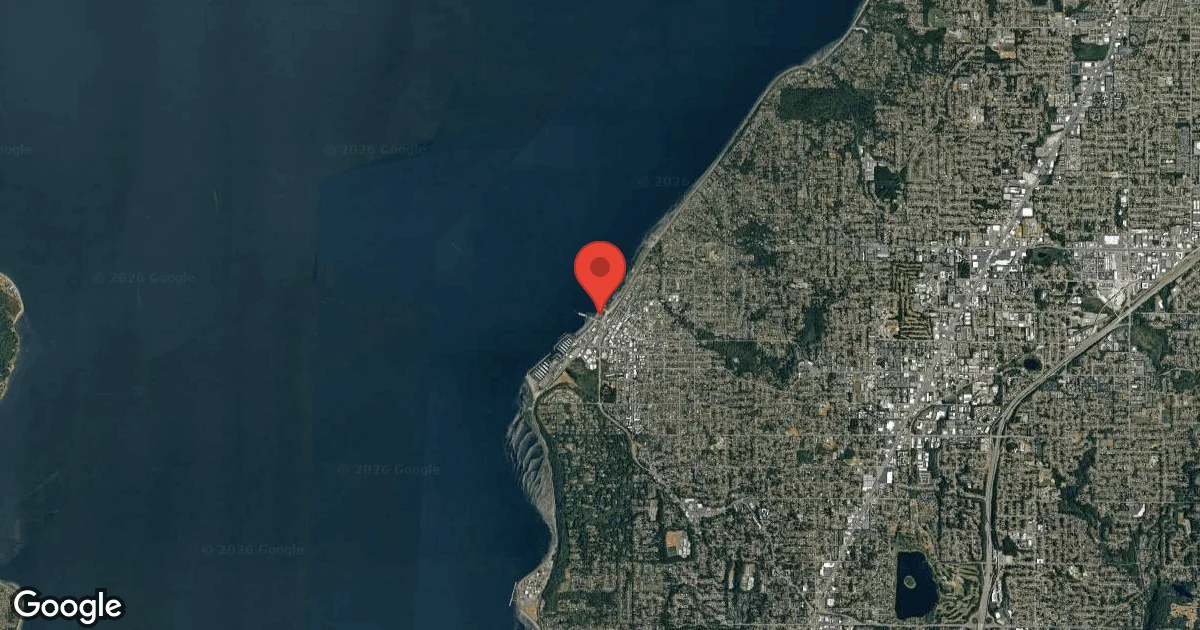
Dive Site Location & Key Facts
Dive Site Overview
Seacrest Cove 2 presents a remarkably diverse underwater topography for a shore dive, transforming a busy urban waterfront into a captivating marine habitat. Its layout features a gradual slope descending to depths around 30 meters / 100 feet, where the natural rocky reefs intermingle with a variety of artificial structures.
These include prominent pilings that shelter schooling fish, as well as several intentionally placed objects that create unique micro-habitats and serve as excellent navigation points. Deeper sections are accessible for divers looking to extend bottom times or practice advanced skills. The site's generally calm disposition, largely protected from strong currents, makes it a welcoming environment for divers of all experience levels, from open water students to seasoned night diving enthusiasts.
Ample topside facilities, including clear boundaries away from ferry traffic, solidify its status as a cornerstone for the Puget Sound diving community and a popular spot for training certifications.
Conditions are Excellent
07:00 - 14:00
Optimal conditions expected
Current conditions near Seacrest Cove 2 show 15° air, --° sea temperature, 0.0 m waves, and 9 km/h wind. Forecast data is refreshed regularly to ensure accuracy.
Best Time to Dive
Planning your dive around visibility is key at Seacrest Cove 2, as conditions can fluctuate; good days often yield visibility ranging from 6 to 15 meters / 20 to 50 feet. The site boasts excellent dive scores across all months from January to November, with December rated as good, suggesting year-round potential. The summer months, particularly July and August, present the warmest average air temperatures, around 19.5°C / 67°F, and minimal rainfall, typically less than 1.5 mm / 0.06 inches. Conversely, winter months, like December, see higher average rainfall at about 7 mm / 0.28 inches and cooler air temperatures of approximately 7°C / 45°F. While water temperatures are not consistently reported, the site remains highly favored even in colder periods, often due to its generally calm nature and protection from strong winds.
PEAK SEASON SCORE
Scores combine air & water temps, waves, wind & rainfall for overall conditions.
BEST MONTHS TO DIVE
Monthly records compiled from satellite and marine observation nodes over the last 3 years. Data provided by Open-Meteo and MET Norway.
Dive Experience & Conditions
While the broader Puget Sound region can experience tidal currents, Seacrest Cove 2 is generally a calm and sheltered site, making it an excellent training ground. Its minimal current, even during large tide exchanges, allows for a more relaxed dive experience. Divers exploring this site will find a gradual slope, with deeper zones available for exploration. Artificial features like I-beams and ferry lines provide navigational points throughout. Visibility, however, varies; recent reports indicate a range from a silty 3 to 4.5 meters (10 to 15 feet), especially at mid-range depths. Divers should always consult recent dive reports and tide schedules for the most accurate current conditions.
Dive Difficulty & Safety Guidelines
Approaching Seacrest Cove 2 requires attentiveness to site-specific considerations, particularly during entry and underwater navigation. Entries can be tricky on super low tides due to the mildly steep, cobblestone beach slope and potential trip hazards. Always observe signage and buoys, strictly staying out of the marked no-dive boat lane and the ferry lane to ensure safety.
Navigational confidence is essential here, especially when exploring the deeper sections or artificial structures. This site is part of an octopus preserve, highlighting the importance of responsible interaction with marine life.
Recommended Equipment
- Dive Computer
This gear list is based on verified equipment signals for Seacrest Cove 2, United States. Always confirm final gear choices with your dive operator, guide, or liveaboard.
Recommended Dive Suit
Because recent water temperature readings are not available for Seacrest Cove 2, the guidance below is based mainly on current air conditions and seasonal expectations. Current surface air temperatures are roughly 15°C (59°F).
Based on regional estimates and current weather, the likely required exposure protection is a 5mm or thicker wetsuit. Note that local currents and upwellings can alter this. A thermal robe or jacket is recommended between dives.
Weather patterns are currently shifting, so expect some variability in conditions. Cooler days are ahead; you might want a warmer option for later in the week. Some divers prefer carrying a slightly thicker suit as a backup.
Emergency & Medical Support
Essential information to help you plan your dive trip to Seacrest Cove 2.

Hyperbaric chambers are a critical part of dive safety infrastructure. Availability varies significantly by region, and not all dive areas have immediate access.
Before diving, it's recommended to:
- confirm nearest medical facilities
- check emergency procedures with local dive operators
- ensure dive insurance covers evacuation if required
Divers Alert Network
Diving emergency assistance available through DAN World.
+1-919-684-9111- 24/7 emergency hotline
- Diving medical assistance
- Evacuation coordination
Emergency contacts are provided for reference. Always verify local emergency services before diving.
Marine Life at Seacrest Cove 2
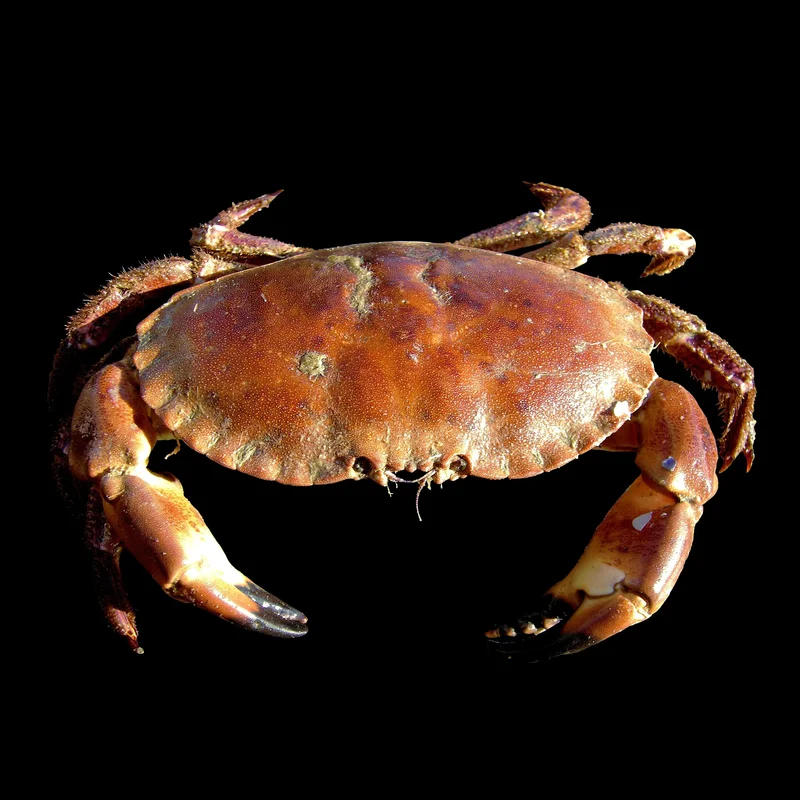
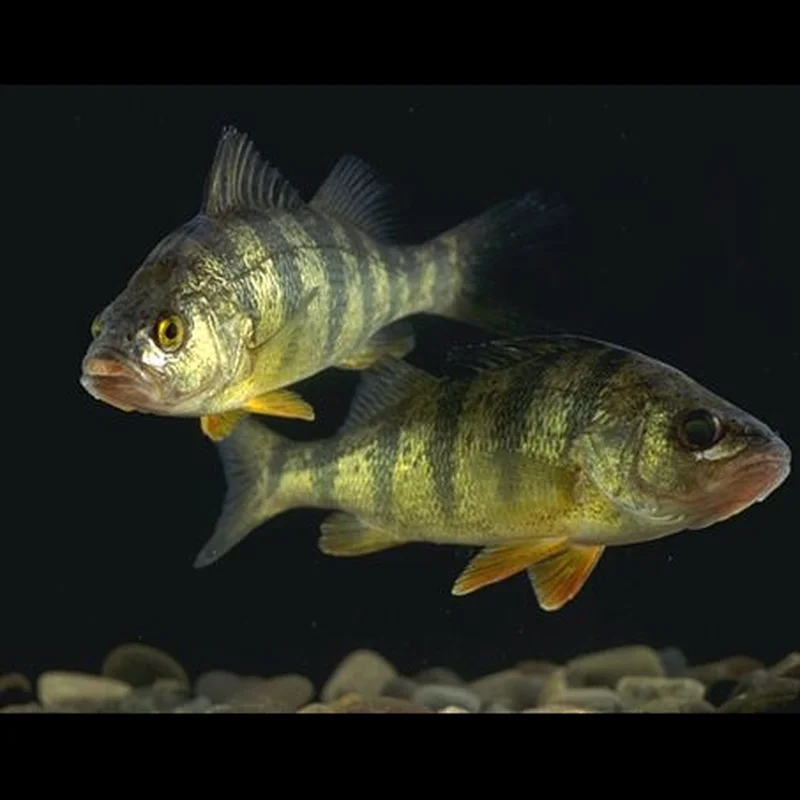
The underwater landscape at Seacrest Cove 2 supports a rich diversity of marine life across its rocky reefs and artificial structures. Divers frequently encounter a variety of rockfish, greenlings, and perch species, alongside intriguing creatures like lingcod, sculpins, and the elusive wolf eels.
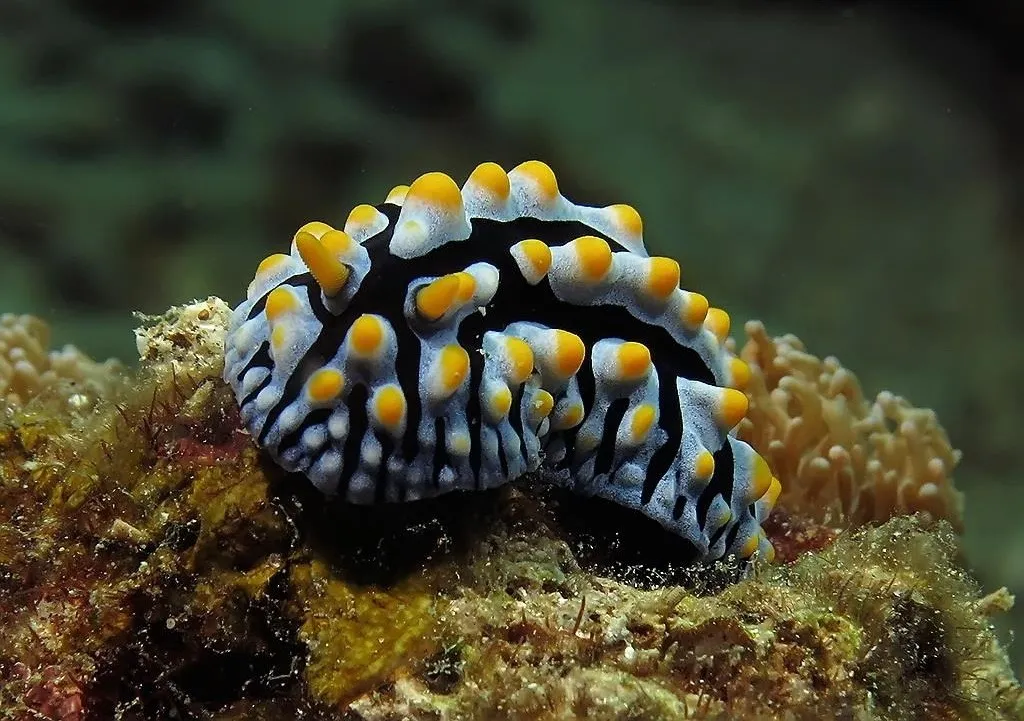
Invertebrates are abundant, featuring multiple species of nudibranchs, including sea lemons and bi-colored nudibranchs, along with various crabs, shrimp, and sea stars. Look for large plumose anemones, which can grow up to a foot tall, and keep an eye out for two species of octopus, making the site an engaging spot for macro and wide-angle photography.

Dive Sites Near Seacrest Cove 2
View all dive sites in United StatesDiscover more underwater gems in this area.
Dive Centers Near Seacrest Cove 2
Today: 10:00 - 17:00
Nearest Airports
Nearest airports to help plan travel to this dive area.
Search Flights
Check available flights and routes on Expedia, using the nearby airports listed in this section.
Search Flights on Expedia
Plan Your Stay
Looking for a place to stay for your dive trip? Explore hotels, stays, and vacation rentals for dive groups near Seattle.
Dive Navigator may earn a commission from these links at no extra cost to you.
Frequently Asked Questions
What kind of access does Seacrest Cove 2 offer?
Seacrest Cove 2 is a shore diving site with easy access from a designated entry point. Stairs lead down to a mildly steep rocky beach. Parking is available nearby, along with restrooms, picnic areas, and an outdoor rinse shower during warmer months.
Are there strong currents at Seacrest Cove 2?
The site is generally considered calm and sheltered with very little current, even on days with large tide exchanges. However, divers should always check the tide schedule and plan accordingly, as conditions can vary.
What is the typical depth range at Seacrest Cove 2?
Depths at Seacrest Cove 2 gradually slope from the shallows to significant depths, offering varied environments. The site reaches its deeper sections where advanced divers can extend bottom times.
Is Seacrest Cove 2 suitable for night diving?
Yes, Seacrest Cove 2 is well-regarded for its excellent night diving opportunities. Exploring the site after dark provides a unique chance to observe the nocturnal behaviors of various marine species.
What marine life can be seen at Seacrest Cove 2?
The site hosts a diverse array of marine life, including multiple species of rockfish, greenlings, and perch. Divers often spot nudibranchs, octopuses, crabs, sea stars, wolf eels, lingcod, and plumose anemones, among others.
What should divers be aware of regarding safety?
Divers should be mindful of tricky entries at very low tides due to the steep, rocky beach. It's crucial to observe all signage and buoys to stay clear of the water taxi and ferry lanes. Navigational confidence is also recommended for exploring the site effectively.
Planning to dive Seacrest Cove 2?
Send one inquiry and receive offers directly from the best verified local dive operators.
Conditions are Excellent
07:00 - 14:00
Optimal conditions expected
Current conditions near Seacrest Cove 2 show 15° air, --° sea temperature, 0.0 m waves, and 9 km/h wind. Forecast data is refreshed regularly to ensure accuracy.