
Diving at Treasure Island II-Northeast Cluster (United States)
Treasure Island II-Northeast Cluster forms part of an expansive artificial reef network off Florida's Gulf Coast, established to enhance local marine environments. These submerged structures serve as vital habitats, providing shelter and foraging grounds for diverse aquatic species. Initiated with environmental goals, sites like these contribute significantly to the underwater landscape near Treasure Island, offering accessible dive opportunities for various skill levels.
As evening covers Treasure Island II-Northeast Cluster, the local air temperature is measured at 27°C. The current wave height at the surface is recorded at 0.7 m. These late-day readings characterize the surface conditions for the night.
Dive Site Location & Key Facts
Dive Site Overview
Conceived as a deliberate enhancement to marine habitats, the Treasure Island II-Northeast Cluster functions as a segment of a larger artificial reef system, strategically designed to boost Gulf Coast biodiversity. Divers here encounter a varied underwater landscape, composed of intentionally submerged man-made structures.
These typically include substantial concrete deployments, creating complex formations that mimic natural rock outcroppings and offering intricate nooks for smaller organisms. Some clusters within the broader network may also incorporate smaller wrecks, which over time integrate seamlessly into the reef system, providing additional shelter and exploration points. Navigating these structures, divers will discover numerous crevices and ledges, ideal for housing a range of marine species.
While depths within the extensive Treasure Island artificial reef network are not uniform, many components are well within recreational diving parameters. Deeper structures, including certain wrecks, can extend to approximately 24 m (80 ft).
The design prioritizes the creation of diverse microhabitats, which helps attract and sustain a variety of fish and invertebrate life. Observing the ongoing ecological transformation of these inert materials into thriving, dynamic ecosystems offers an engaging exploration experience, highlighting the tangible benefits of reef construction initiatives and providing varied topography for divers to explore within safe limits.
Conditions are Good
Optimal conditions expected
Current conditions near Treasure Island II-Northeast Cluster show 27° air, 31° sea temperature, 0.6 m waves, and 31 km/h wind. Forecast data is refreshed regularly to ensure accuracy.
Best Time to Dive
The ideal time for diving near Treasure Island is generally during the summer and early fall months, from June to September. During this period, the air temperatures are notably warm, averaging between 27°C and 29°C (81-84°F), contributing to comfortable surface conditions before and after dives. This contrasts with the cooler winter months, such as January, when air temperatures average around 16°C (61°F) and waves tend to be larger, reaching about 1.3 meters. Rainfall is also typically higher in summer, peaking in August at around 7.9 mm, yet this doesn't consistently impede dive scores, which remain 'Good' for most of the warmer period. While diving is possible year-round due to Florida’s mild climate, the peak months often offer calmer seas and optimal marine activity, making for more enjoyable excursions.
PEAK SEASON SCORE
Scores combine air & water temps, waves, wind & rainfall for overall conditions.
BEST MONTHS TO DIVE
Monthly records compiled from satellite and marine observation nodes over the last 3 years. Data provided by Open-Meteo and MET Norway.
Dive Experience & Conditions
Divers exploring the Treasure Island II-Northeast Cluster generally encounter conditions reflective of the Gulf of Mexico, with water temperatures that are not consistently reported but are known to be warm during summer. Visibility can vary significantly, often peaking in the summer and early fall months when the Gulf waters are at their clearest. Currents are usually mild around artificial reef structures but can strengthen with changing tides or weather patterns. These sites, being artificial reefs, are often less exposed to strong, sweeping currents found in open ocean, providing relatively stable dive environments. However, awareness of local weather conditions remains important, as surface chop can impact entry and exit, especially on boat dives. The recreational depth range makes it suitable for divers with varying experience.
Dive Difficulty & Safety Guidelines
Ensuring safety at the Treasure Island II-Northeast Cluster means adhering to standard dive practices. It's crucial to always dive with a buddy, meticulously check all equipment before entering the water, and remain aware of personal limits. Divers should also monitor local weather conditions, as changes can quickly affect sea state and visibility.
Practicing responsible diving is paramount; refrain from disturbing marine life or any artificial reef structures. These guidelines help preserve the delicate ecosystem and ensure a safe experience for all.
There are no specific hazards consistently reported for this site, however, general caution regarding boat traffic or potential marine life interactions should always be exercised.
Recommended Equipment
- Dive Computer
This gear list is based on verified equipment signals for Treasure Island II-Northeast Cluster, United States. Always confirm final gear choices with your dive operator, guide, or liveaboard.
Recommended Dive Suit
Comfort levels can also depend on how active a diver is during the dive.
Divers exploring Treasure Island II-Northeast Cluster today will likely encounter water temperatures close to 31°C (87°F). Surface air temperatures are resting at 27°C (81°F). When water temperatures fall within this range, many divers dive comfortably with dive skin or rash guard. A hood or vest is suggested for sensitive divers due to surface winds.
Conditions are expected to stay fairly consistent in the days ahead.
Emergency & Medical Support
Essential information to help you plan your dive trip to Treasure Island II-Northeast Cluster.

Hyperbaric chambers are a critical part of dive safety infrastructure. Availability varies significantly by region, and not all dive areas have immediate access.
Before diving, it's recommended to:
- confirm nearest medical facilities
- check emergency procedures with local dive operators
- ensure dive insurance covers evacuation if required
Divers Alert Network
Diving emergency assistance available through DAN World.
+1-919-684-9111- 24/7 emergency hotline
- Diving medical assistance
- Evacuation coordination
Emergency contacts are provided for reference. Always verify local emergency services before diving.
Marine Life at Treasure Island II-Northeast Cluster
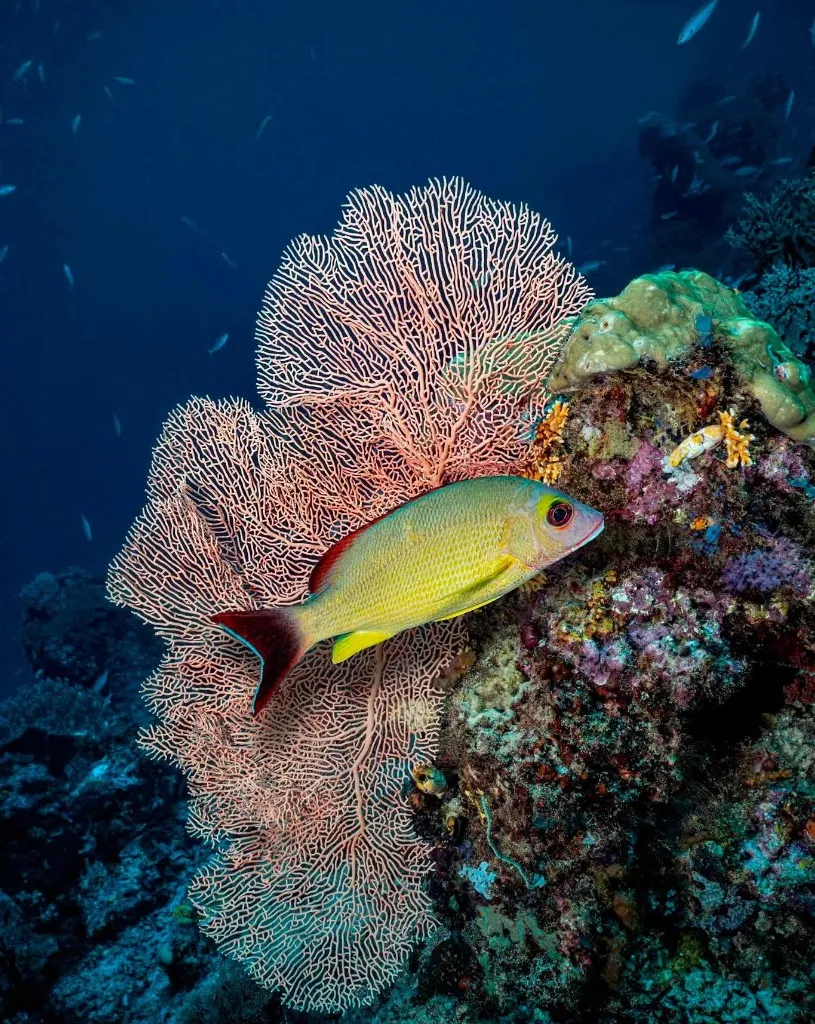
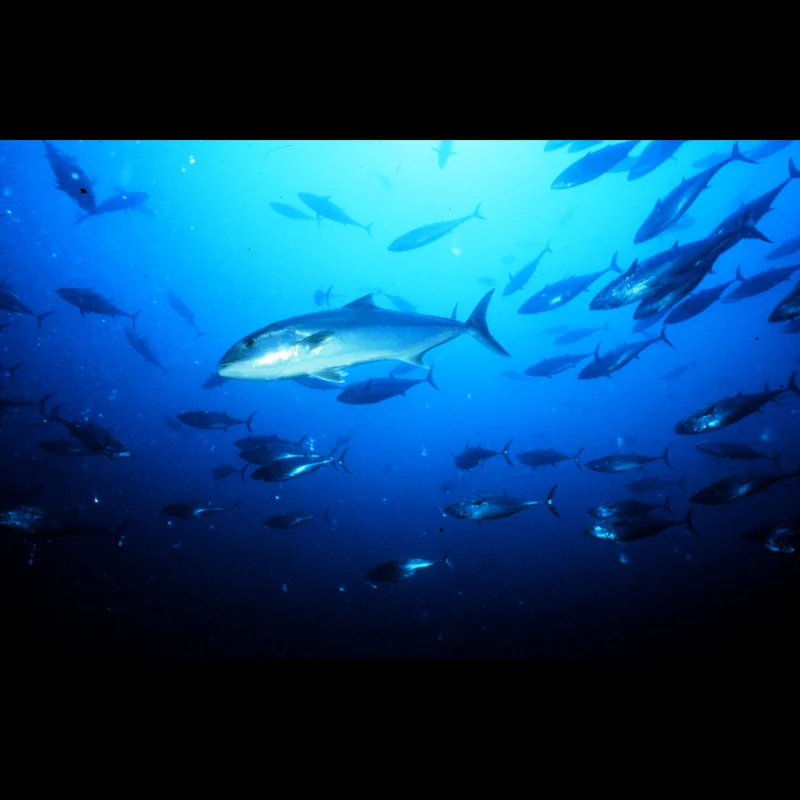
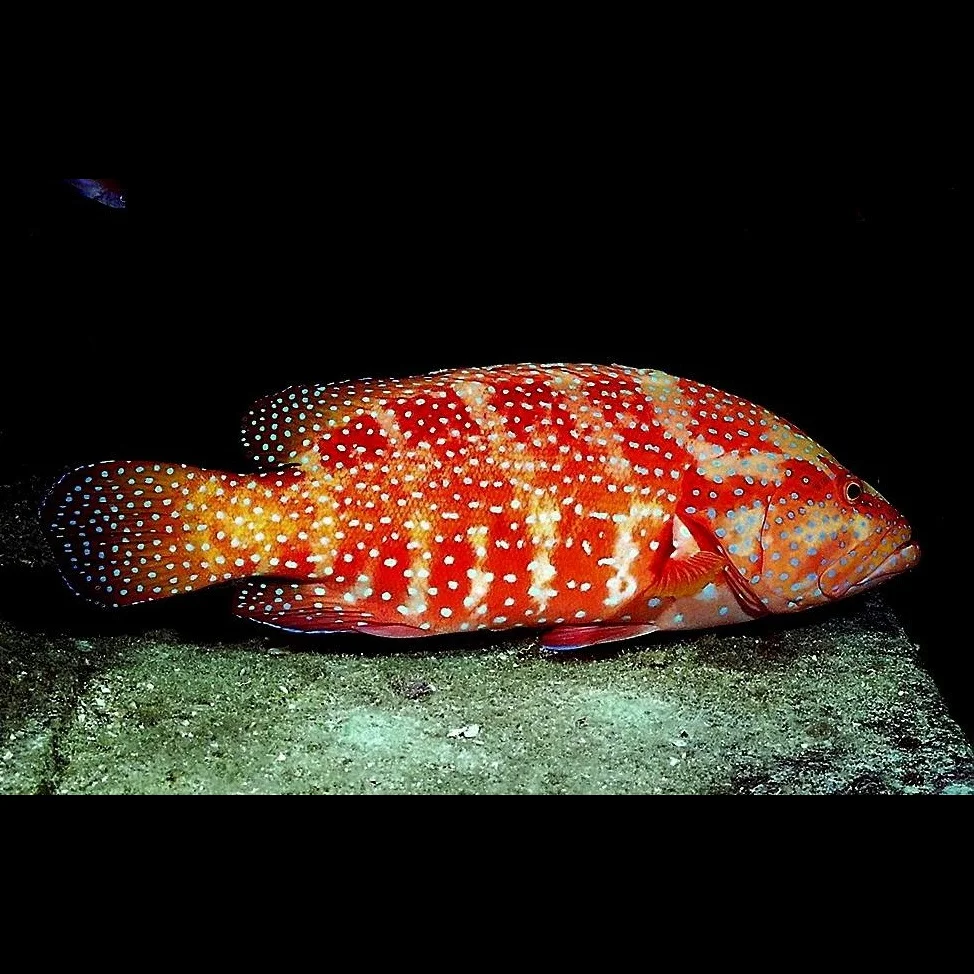
Descending onto these artificial reef structures, divers frequently notice the abundant smaller fish schooling around the concrete formations. Groupers and amberjacks are commonly sighted, often taking shelter within the larger reef components.
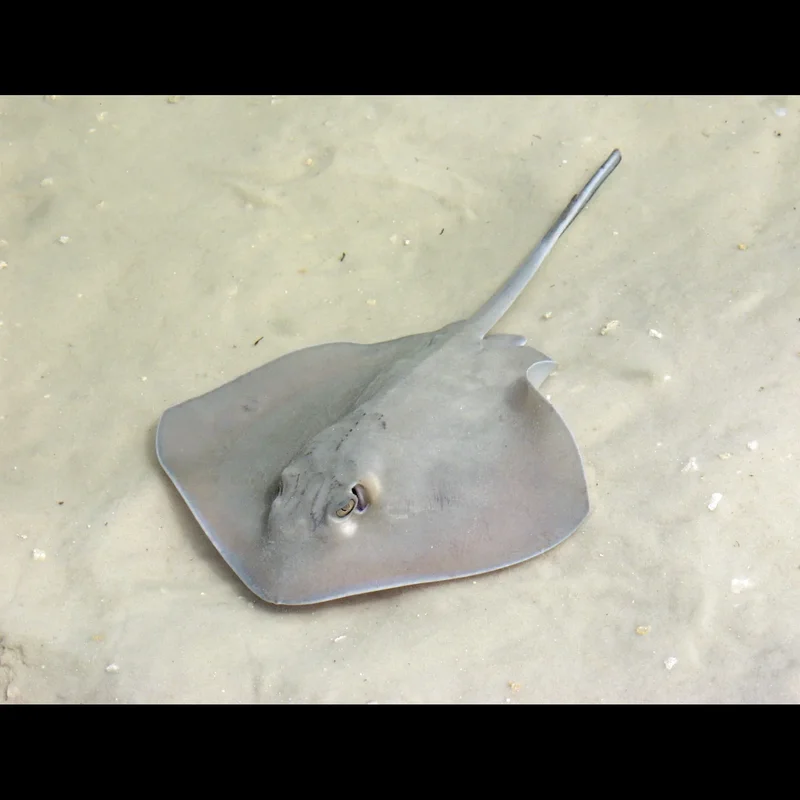
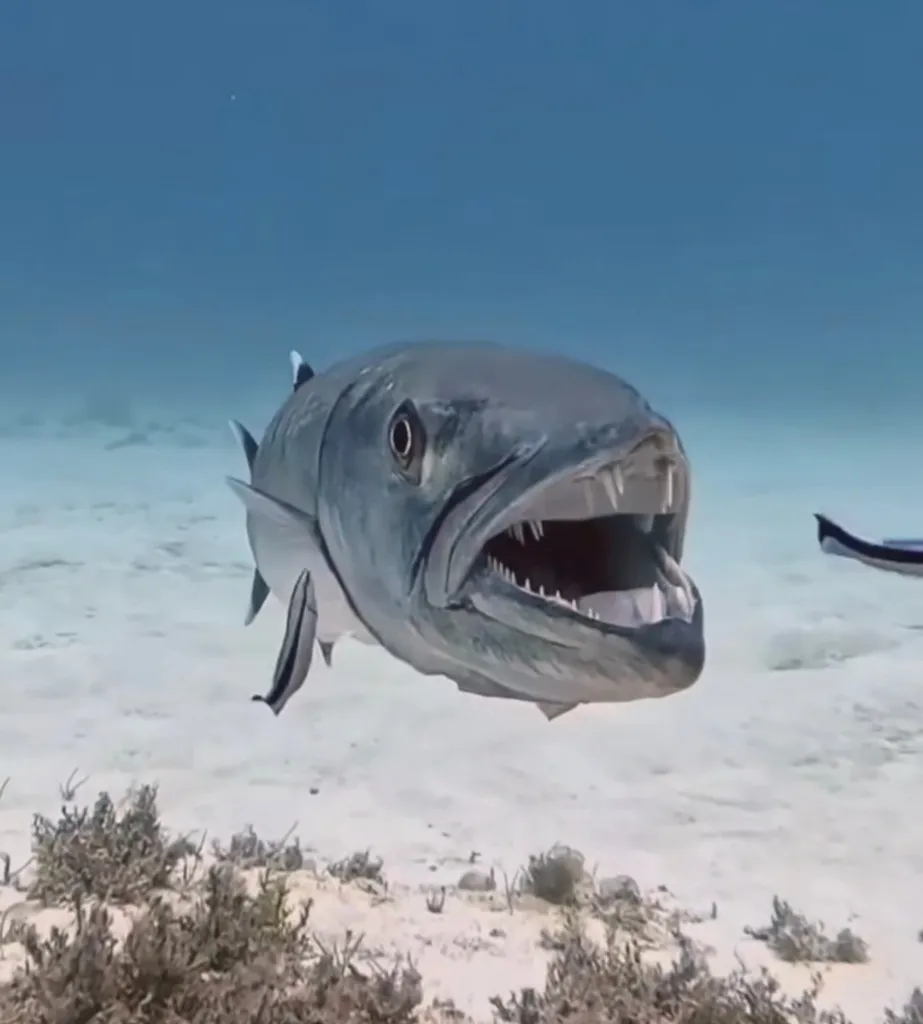
Divers might also observe various species of snappers, alongside occasional barracuda patrolling the perimeter of the reefs. The intricate surfaces of the artificial reefs also provide habitat for smaller, colorful fish and can attract creatures like sea horses and stingrays in shallower sections. Lionfish, an invasive species, are also sometimes present, a common sight on many Gulf coast reefs.
Dive Centers Near Treasure Island II-Northeast Cluster
Today: 11:00 - 19:00
Nearest Airports
Nearest airports to help plan travel to this dive area.
Search Flights
Check available flights and routes on Expedia, using the nearby airports listed in this section.
Search Flights on ExpediaFrequently Asked Questions
What kind of dive site is Treasure Island II-Northeast Cluster?
This is an artificial reef site, featuring man-made structures designed to promote marine biodiversity. It forms part of a larger network of artificial reefs off Florida's Gulf Coast, providing diverse habitats for marine life.
What is the typical depth range for diving here?
While specific depths can vary across the cluster, many of these artificial reef sites are within recreational diving limits. Some of the deeper structures can extend to approximately 24 meters (80 feet).
When is the best time of year to dive at Treasure Island?
The ideal time for diving is during the summer and early fall months, from June to September. These months generally offer warmer air temperatures, better visibility, and increased marine activity.
What marine life can be expected at this site?
Divers often encounter groupers, amberjacks, and schools of baitfish around the reef structures. Snappers, barracuda, and occasionally sea horses or stingrays are also seen, alongside various smaller reef fish.
Are there any specific safety concerns for this dive site?
No specific hazards are consistently reported for the Treasure Island II-Northeast Cluster. However, divers should always follow general safety protocols: dive with a buddy, check equipment, be aware of limits, and monitor local weather conditions.
Is this site suitable for beginner divers?
Many artificial reef sites in the Treasure Island area, especially those in shallower sections, are considered suitable for novice divers. Deeper structures, like some of the wrecks, may require intermediate to advanced certification.
Planning to dive Treasure Island II-Northeast Cluster?
Send one inquiry and receive offers directly from the best verified local dive operators.
Conditions are Good
Optimal conditions expected
Current conditions near Treasure Island II-Northeast Cluster show 27° air, 31° sea temperature, 0.6 m waves, and 31 km/h wind. Forecast data is refreshed regularly to ensure accuracy.