
Diving at Urchin Reef, Units #3 & #4 (United States)
Successfully navigating Urchin Reef, Units #3 & #4, requires divers to understand its dynamic terrain. Prioritize observing the patchwork environment, shifting between areas with kelp growth and the more barren sections dominated by urchins. A keen eye for environmental changes will enhance your experience. Remember that conditions here can vary, so local knowledge or a recent report is always valuable for an optimal dive.
Evening condition tracking at Urchin Reef, Units #3 & #4 features an air temperature of 27.5°C. We have recorded wave heights measuring 0.6 m during this period. These figures outline the environmental parameters currently present.
Dive Site Location & Key Facts
Dive Site Overview
Exploring Urchin Reef, particularly within its designated Units #3 and #4, offers divers a firsthand look into a fluctuating marine ecosystem. Divers here encounter a dynamic underwater landscape, often characterized by a shifting balance between resilient kelp patches and more extensive areas transformed into urchin barrens.
This interplay fundamentally shapes the site, where dense populations of dark purple urchins frequently dominate the substrate in specific zones. Observing this ecological dance firsthand provides compelling insights into the challenges and adaptations of local marine life. While exact maximum depths for Units #3 & #4 are not consistently reported, recreational dives typically explore shallower sections, allowing for extended bottom times to appreciate the environmental nuances.
A varied topography, from rocky outcrops to more open, sandy stretches, defines the reef structure. Visibility here varies depending on local oceanic conditions and plankton blooms.
Divers can expect to find a range of smaller marine creatures seeking refuge or forage amongst scattered structures and, when present, within the swaying kelp fronds. A patient approach reveals the intricate life cycles playing out across this unique habitat.
Conditions are Good
07:00 - 14:00
Optimal conditions expected
Current conditions near Urchin Reef, Units #3 & #4 show 28° air, 30° sea temperature, 0.3 m waves, and 24 km/h wind. Forecast data is refreshed regularly to ensure accuracy.
Best Time to Dive
Prime visibility often dictates the optimal window for diving Urchin Reef, with conditions generally improving as wave heights diminish. The clearest conditions typically occur during the calmer summer and early fall months. During July and August, average wave heights drop to around 0.6 m (2.0 ft), coinciding with the warmest air temperatures, which average 28.5-29°C (83-84°F). Conversely, winter months like January and March see higher average wave heights, around 0.9-1.0 m (3.0-3.3 ft), potentially reducing underwater clarity. Rainfall remains relatively low and consistent throughout the year, typically ranging from 2.4 to 5.6 mm per month, indicating that precipitation is not a primary factor influencing dive seasonality. Wind speeds are generally lighter during the summer, contributing to smoother surface conditions. For consistent dive scores, the period from April to September shows consistently favorable ratings.
PEAK SEASON SCORE
Scores combine air & water temps, waves, wind & rainfall for overall conditions.
BEST MONTHS TO DIVE
Monthly records compiled from satellite and marine observation nodes over the last 3 years. Data provided by Open-Meteo and MET Norway.
Dive Experience & Conditions
Beneath the surface at Urchin Reef, divers frequently feel the gentle sway of current and surge, particularly around exposed reef sections. Dynamic water movement here can be quite relaxing, especially when observing gorgonian sea fans swaying rhythmically. While specific water temperatures are not consistently reported, local conditions often present cooler thermoclines, necessitating appropriate exposure protection. Visibility here can vary; on clearer days, a light reveals a kaleidoscope of colors on corals and sponges, bringing a mysterious world to life. Encountering the site, one might notice a contrast between thriving, color-rich patches and the more subdued, urchin-dominated zones. Navigating the reef structure involves moving across different substrates, from rocky areas to potentially more sandy expanses, requiring attention to buoyancy. This environment offers a contemplative experience, far removed from the surface world's rush.
Dive Difficulty & Safety Guidelines
Preparing for a dive at Urchin Reef involves more than just equipment checks; it requires an awareness of both local regulations and environmental interactions. Recreational divers targeting urchins must secure a sport fishing license, available online or at local shops, and adhere to a daily limit of 35 urchins. Focus on staying calm and relaxed underwater; every bit of stimulus, from cold to seeing marine life, can affect breath-hold or air consumption.
It's crucial to acknowledge potential environmental shifts, like the presence of urchin barrens, and adjust buoyancy accordingly to avoid contact with the fragile ecosystem. Maintaining visibility to surface boaters is also paramount, so deploying a safety sausage before surfacing is a sound practice, especially in areas with significant recreational boating traffic.
Recommended Equipment
- Dive Computer
This gear list is based on verified equipment signals for Urchin Reef, Units #3 & #4, United States. Always confirm final gear choices with your dive operator, guide, or liveaboard.
Recommended Dive Suit
Recent conditions suggest the water at Urchin Reef, Units #3 & #4 remains near 30°C (86°F), offering typical conditions for the area. Surface air temperatures are resting at 28°C (82°F).
The forecast outlook suggests that temperatures will stay close to current levels.
Divers who prefer moderate insulation typically choose dive skin or rash guard in similar environments. A hood or vest is suggested for sensitive divers due to surface winds. Many experienced divers adjust their exposure protection depending on the type of dive planned.
Emergency & Medical Support
Essential information to help you plan your dive trip to Urchin Reef, Units #3 & #4.

Hyperbaric chambers are a critical part of dive safety infrastructure. Availability varies significantly by region, and not all dive areas have immediate access.
Before diving, it's recommended to:
- confirm nearest medical facilities
- check emergency procedures with local dive operators
- ensure dive insurance covers evacuation if required
Divers Alert Network
Diving emergency assistance available through DAN World.
+1-919-684-9111- 24/7 emergency hotline
- Diving medical assistance
- Evacuation coordination
Emergency contacts are provided for reference. Always verify local emergency services before diving.
Marine Life at Urchin Reef, Units #3 & #4
The underwater tapestry of Urchin Reef is shaped significantly by its namesake inhabitants; dense aggregations of dark purple urchins characterize large sections of the seabed. While parts of the reef are indeed "urchin barrens," other areas still support patches of kelp, providing shelter for various smaller reef fish.
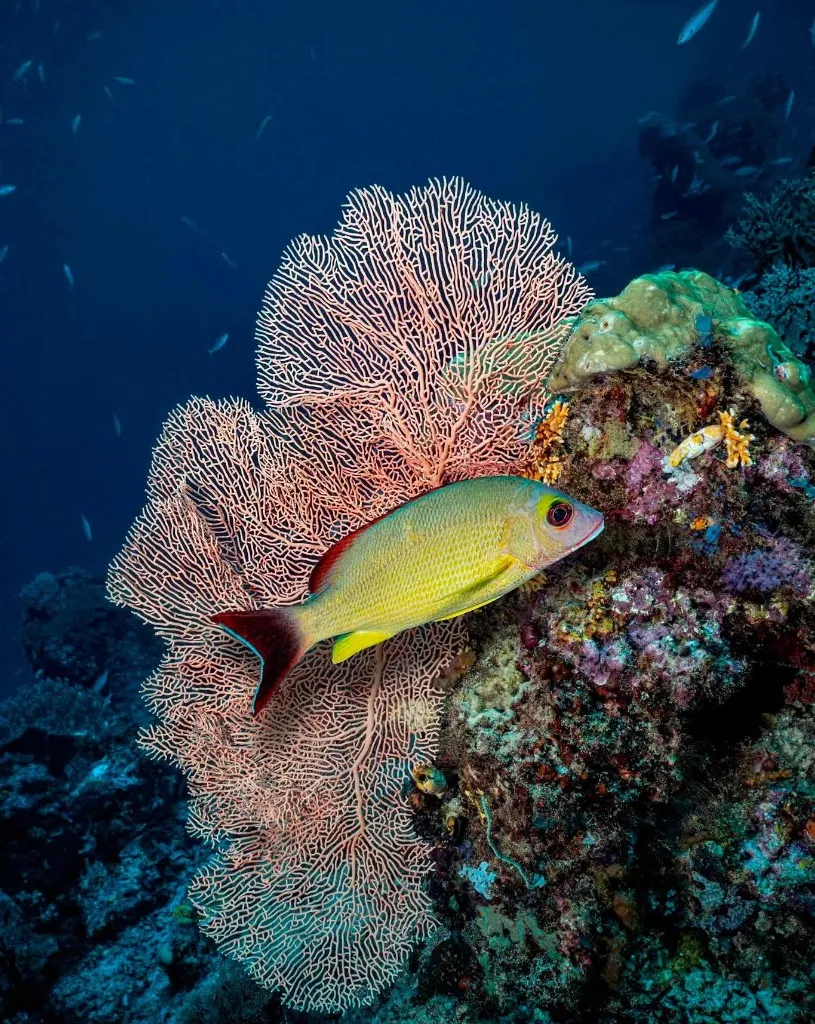
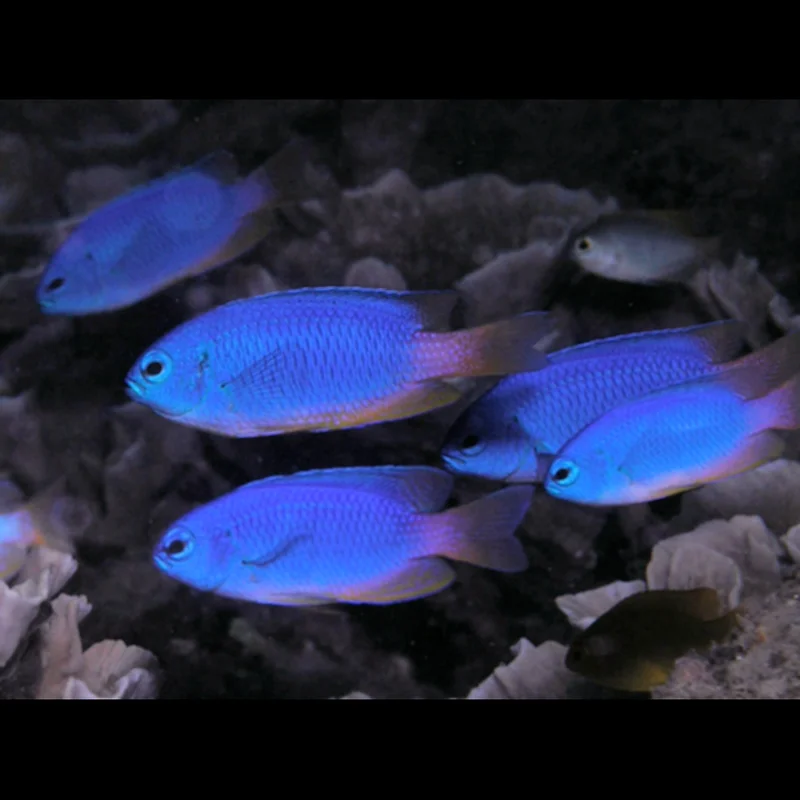
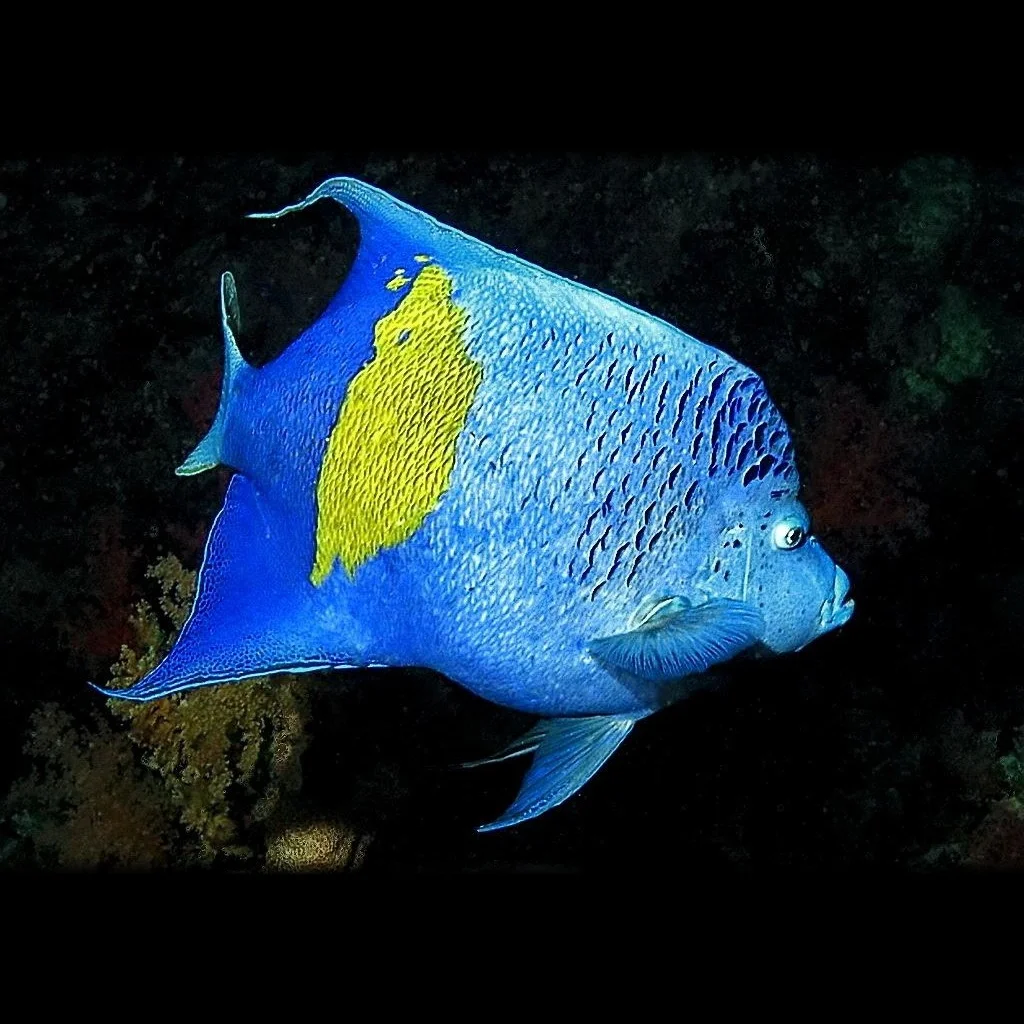
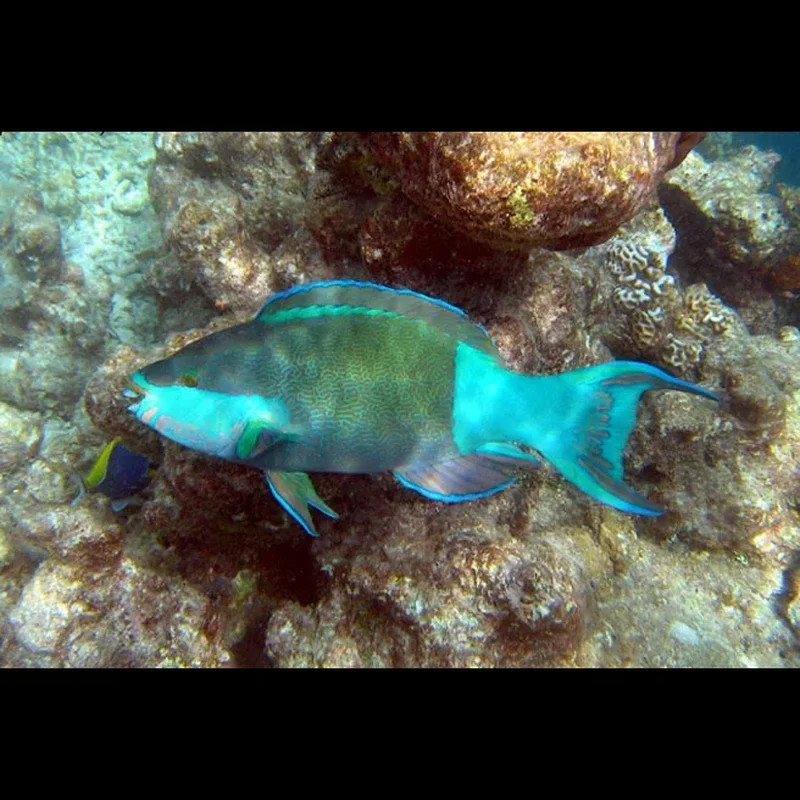
Schools of grunts and snappers might be seen moving in unison, adding life to the reef structure. Divers often spot species such as angelfish, parrotfish, and damselfish flitting amidst the corals and sponges, which become vivid under a dive light.
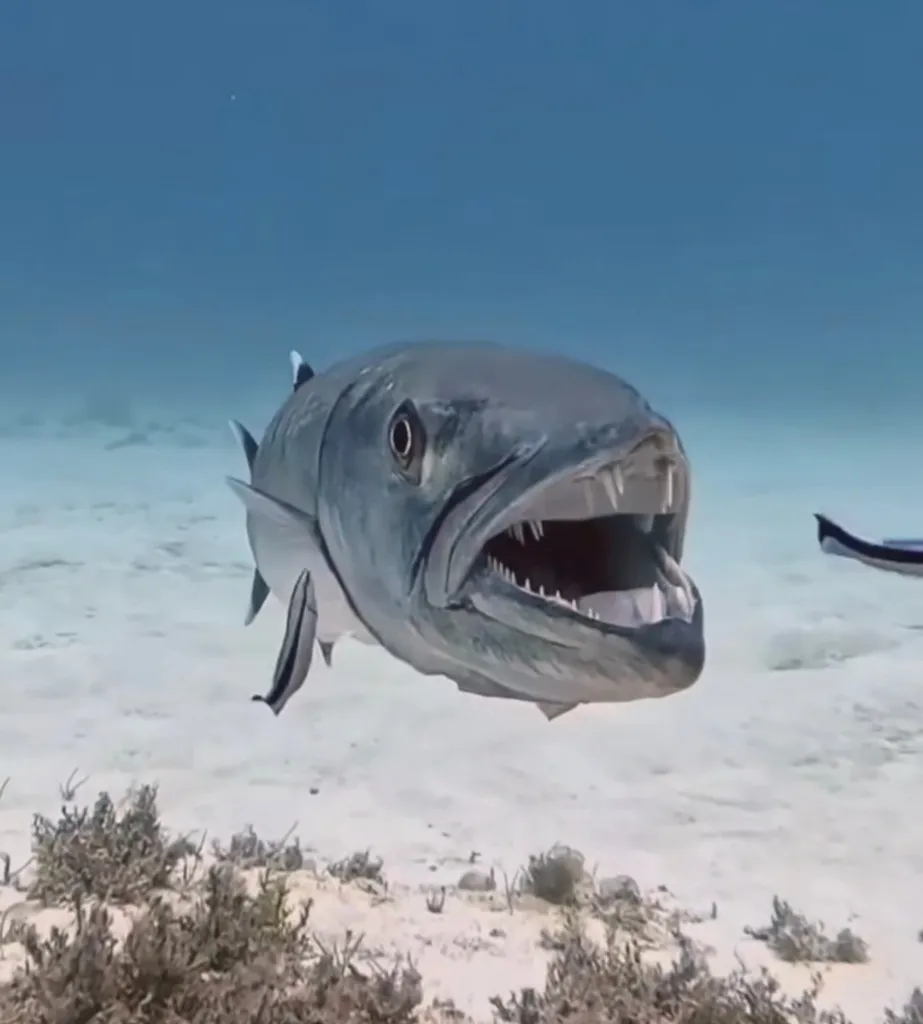
Occasionally, larger rays or barracudas might cruise through the area, adding a sense of scale to this diverse environment.
Dive Sites Near Urchin Reef, Units #3 & #4
View all dive sites in United StatesDiscover more underwater gems in this area.
Dive Centers Near Urchin Reef, Units #3 & #4
Today: 09:00 - 16:00

Nearest Airports
Nearest airports to help plan travel to this dive area.
Search Flights
Check available flights and routes on Expedia, using the nearby airports listed in this section.
Search Flights on Expedia
Plan Your Stay
Looking for a place to stay for your dive trip? Explore hotels, stays, and vacation rentals for dive groups near Destin.
Dive Navigator may earn a commission from these links at no extra cost to you.
Frequently Asked Questions
What is the primary characteristic of Urchin Reef?
Urchin Reef is distinguished by its dynamic underwater environment, featuring both resilient patches of kelp and more prevalent areas known as urchin barrens. These barrens are often dominated by dense populations of dark purple urchins.
Are there specific regulations for harvesting urchins at this site?
Yes, recreational divers intending to harvest urchins must obtain a sport fishing license. Additionally, a daily limit of 35 urchins applies per diver.
How do surface conditions affect diving at Urchin Reef?
Surface conditions significantly impact dive quality, with calmer waters and lower wave heights generally leading to better visibility. Wind speeds are also a factor, with lighter winds contributing to smoother conditions.
What kind of marine life can I expect to see?
Beyond the abundant urchins, divers frequently observe various reef fish, including angelfish, parrotfish, and damselfish, especially in areas with kelp or coral growth. Schools of grunts and snappers are also common sights.
What are the typical dive depths at Urchin Reef?
Dives at Urchin Reef generally stay within recreational depth limits, allowing for ample exploration time. While commercial urchin divers may go much deeper, recreational activity typically focuses on shallower sections.
Is special equipment needed for Urchin Reef?
While not strictly unique, a dive light is highly recommended to appreciate the full spectrum of colors on the reef. Adequate exposure protection is also wise, given potentially cooler water temperatures.
What's important for diver safety here?
Safety involves staying calm underwater to manage air consumption effectively and deploying a safety sausage upon surfacing. Being aware of surface boat traffic is essential for all divers in this area.
Planning to dive Urchin Reef, Units #3 & #4?
Send one inquiry and receive offers directly from the best verified local dive operators.
Conditions are Good
07:00 - 14:00
Optimal conditions expected
Current conditions near Urchin Reef, Units #3 & #4 show 28° air, 30° sea temperature, 0.3 m waves, and 24 km/h wind. Forecast data is refreshed regularly to ensure accuracy.