
Diving at Urchin Reef, Units #42 & #43 (United States)
Approaching Urchin Reef, divers anticipate a descent along an impressive rock wall, carved over millennia by both weather and currents. This site is accessed exclusively by boat, typically launched from Washington Park in Anacortes, approximately 22 miles away. Once on location, divers prepare for an exploration of dramatic underwater topography that promises intricate features from the very start of the dive.
Evening condition tracking at Urchin Reef, Units #42 & #43 features an air temperature of 26°C. We have recorded wave heights measuring 0.7 m during this period. These figures outline the environmental parameters currently present.
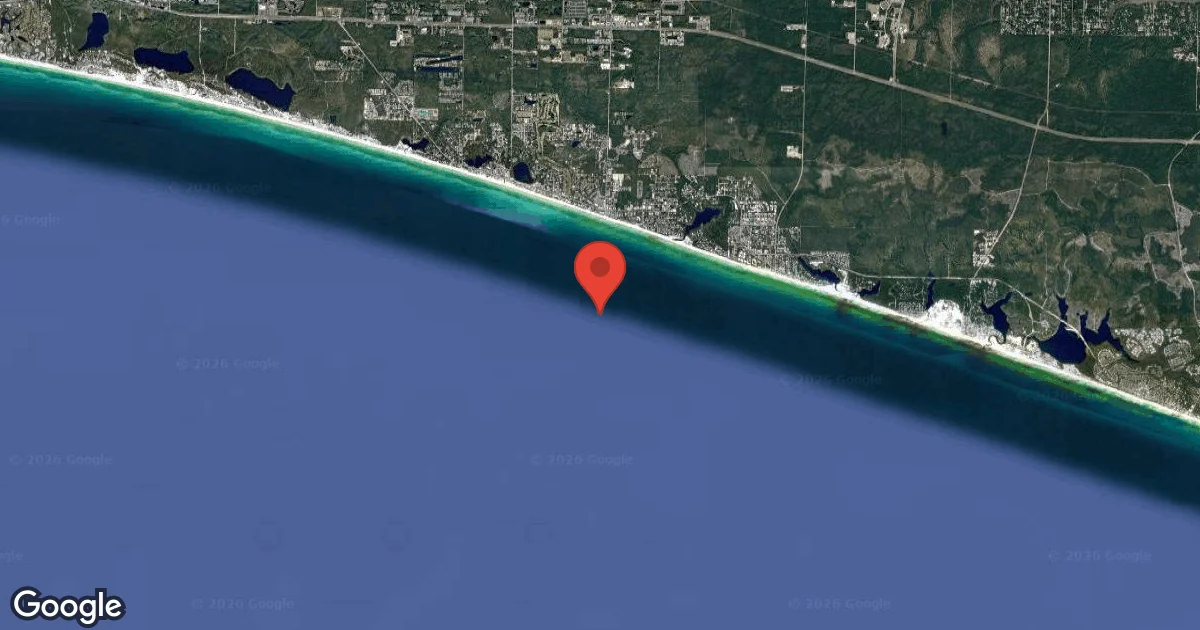
Dive Site Location & Key Facts
Dive Site Overview
Unfolding beneath Lawson Bluff, Urchin Reef presents a compelling rock wall dive on the west side of Sucia Island within the northern San Juan Islands. This site offers a distinct diving experience, defined by its rugged rock sculpture extending far beneath the waterline.
Divers encounter sheer walls, intricate shallow caves, numerous overhangs, shelves, and countless nooks and crannies to explore. Below the surface, rock surfaces are heavily encrusted with a rich tapestry of invertebrates. Kelp beds thrive in the shallower sections, particularly during summer and fall.
These broadleaf varieties generally don't pose a significant snagging risk, enhancing the visual appeal of the upper reef. Navigating these diverse features reveals a truly complex habitat, one that actively attracts a broad range of marine life.
Its deep fissures and 'canyon-like' structures invite closer inspection, often revealing hidden organisms. Many consider this a prime destination for its remarkable structural complexity, appealing to those keen on geological exploration alongside detailed biological observation. Depths here commonly reach 30 m (100 ft) along the main wall, providing ample vertical exploration.
Conditions are Good
07:00 - 14:00
Optimal conditions expected
Current conditions near Urchin Reef, Units #42 & #43 show 26° air, 30° sea temperature, 0.4 m waves, and 24 km/h wind. Forecast data is refreshed regularly to ensure accuracy.
Best Time to Dive
Planning a dive at Urchin Reef means aligning with periods of minimal current, which generally occurs during minor ebb tides. Divers typically target entry just after slack before ebb, maximizing underwater exploration when currents are most manageable, usually below 1.0 knot. Surface conditions are generally favorable between May and October, with average air temperatures ranging from 24-29°C (75-84°F). Rainfall during these months remains moderate, averaging 3.0-5.8 mm. While good diving conditions are reported year-round, winds from the Strait of Georgia can rapidly degrade surface stability, so monitoring forecasts is essential.
PEAK SEASON SCORE
Scores combine air & water temps, waves, wind & rainfall for overall conditions.
BEST MONTHS TO DIVE
Monthly records compiled from satellite and marine observation nodes over the last 3 years. Data provided by Open-Meteo and MET Norway.
Dive Experience & Conditions
Diving this expansive rock wall, divers navigate depths typically between 21-30 m (70-100 ft). The bluff itself descends well beyond recreational depths, necessitating sound buoyancy control and depth management. Current at Urchin Reef can be a significant factor; a strong northbound surface current of 1.5-2 knots has been reported, while currents at depths around 18 m (60 ft) may reverse direction. Therefore, diving from a live boat is strongly recommended for safety and efficient drift diving. Visibility varies depending on tidal conditions and recent weather, but a dive light is often essential to illuminate the deeper chasms and overhangs of the wall.
Dive Difficulty & Safety Guidelines
Navigating Urchin Reef demands intermediate diving skills, particularly due to the potential for strong currents and the site's significant depth profile. Divers must maintain excellent buoyancy control to avoid venturing beyond safe recreational limits along the sheer wall. Surface conditions can deteriorate quickly if strong winds sweep in from the Strait of Georgia.
While Sucia Island offers several protected bays for shelter, divers should plan carefully and consider diving only with a live boat crew ready to pick them up down-current. Thorough dive planning and an understanding of tidal exchanges are critical for a safe and enjoyable experience at this dynamic site.
Recommended Equipment
- Dive Computer
This gear list is based on verified equipment signals for Urchin Reef, Units #42 & #43, United States. Always confirm final gear choices with your dive operator, guide, or liveaboard.
Recommended Dive Suit
Dive skin or rash guard is frequently recommended by dive operators for conditions like these. Consider warmer surface protection (like a boat coat) due to brisk winds. For divers entering the water at Urchin Reef, Units #42 & #43, temperatures are currently hovering around 30°C (86°F). Surface air temperatures are resting at 26°C (79°F).
Forecast trends indicate little change in overall diving conditions during the next few days.
Even small thermoclines can occasionally cause noticeable changes in water temperature.
Due to technical issues with our weather providers, live updates are temporarily delayed. The data above reflects the conditions at the time of the last successful fetch.
Emergency & Medical Support
Essential information to help you plan your dive trip to Urchin Reef, Units #42 & #43.

Hyperbaric chambers are a critical part of dive safety infrastructure. Availability varies significantly by region, and not all dive areas have immediate access.
Before diving, it's recommended to:
- confirm nearest medical facilities
- check emergency procedures with local dive operators
- ensure dive insurance covers evacuation if required
Divers Alert Network
Diving emergency assistance available through DAN World.
+1-919-684-9111- 24/7 emergency hotline
- Diving medical assistance
- Evacuation coordination
Emergency contacts are provided for reference. Always verify local emergency services before diving.
Marine Life at Urchin Reef, Units #42 & #43
Beneath the surface of Urchin Reef, an abundance of invertebrate life thrives, dominating the substrate. Fringed tube worms are widespread, interspersed with brilliant orange burrowing sea cucumbers, white sponges, and large cushion stars.
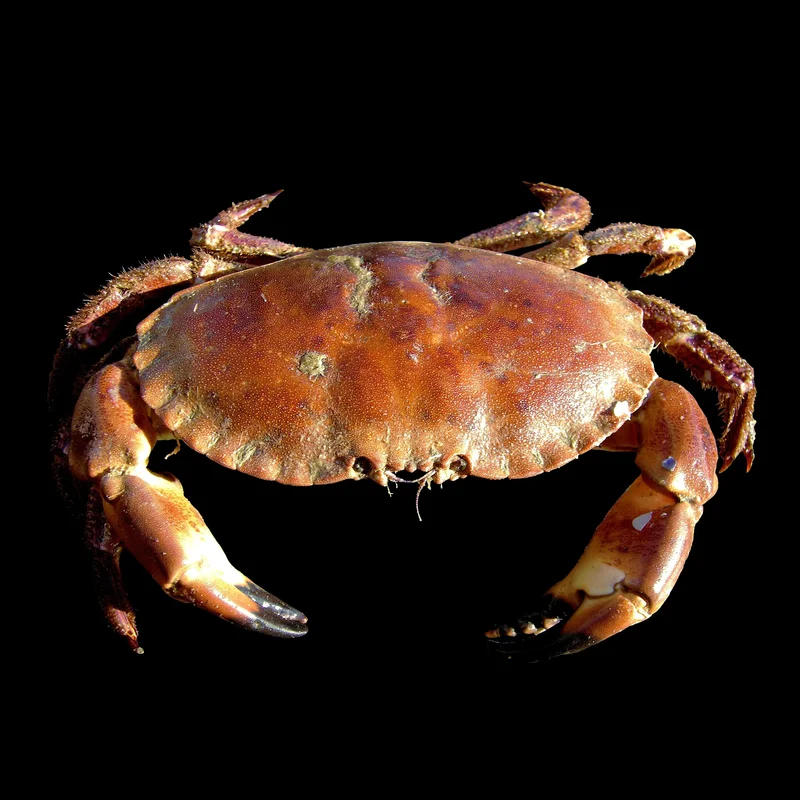
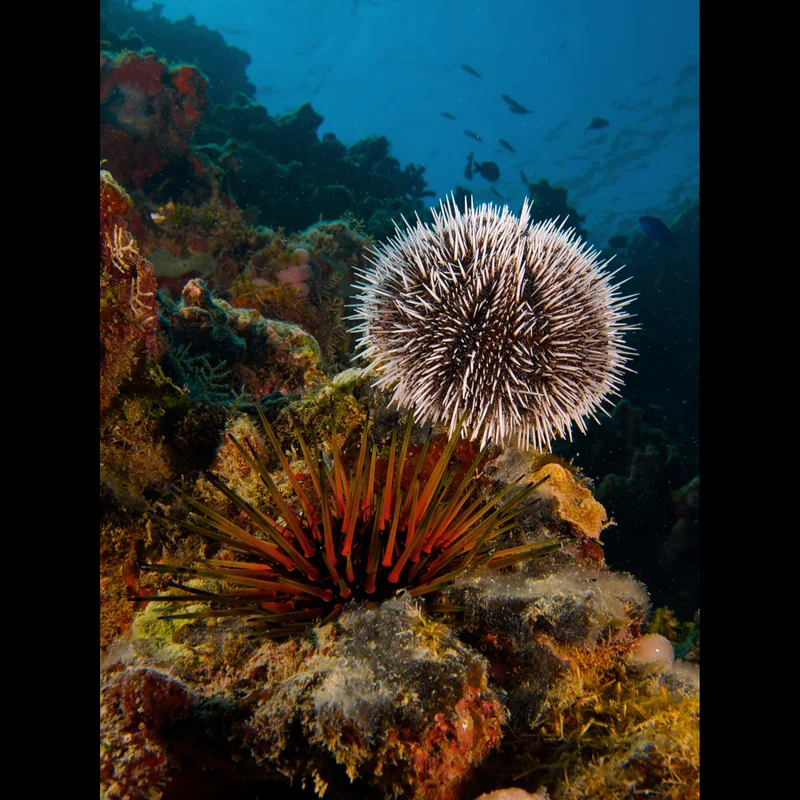
Massive purple and red sea urchins, lending their name to the site, are readily observable. Puget Sound king crabs, both juvenile and adult, are frequently found on the walls, with tiny, brightly colored juveniles sometimes blending among vibrant orange cup corals.
Solitary tiger rockfish often hide deep within rocky chasms, emerging to investigate once divers pass. Other fish encountered include copper and quillback rockfish, lingcod, kelp greenling, and various small sculpins like the longfin sculpin.

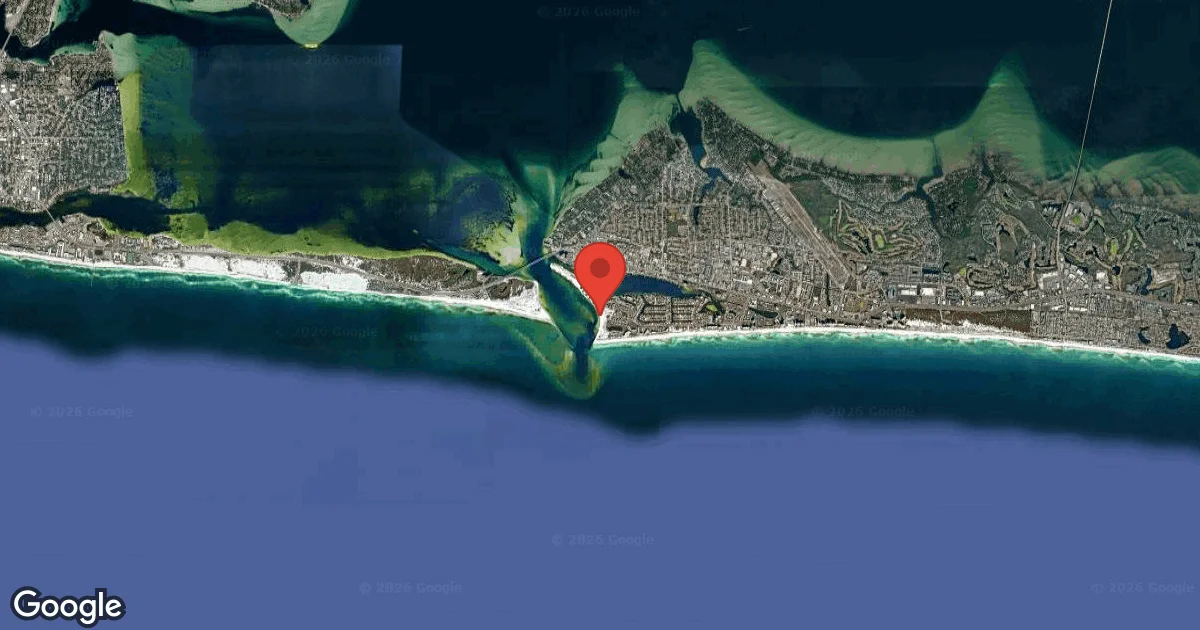
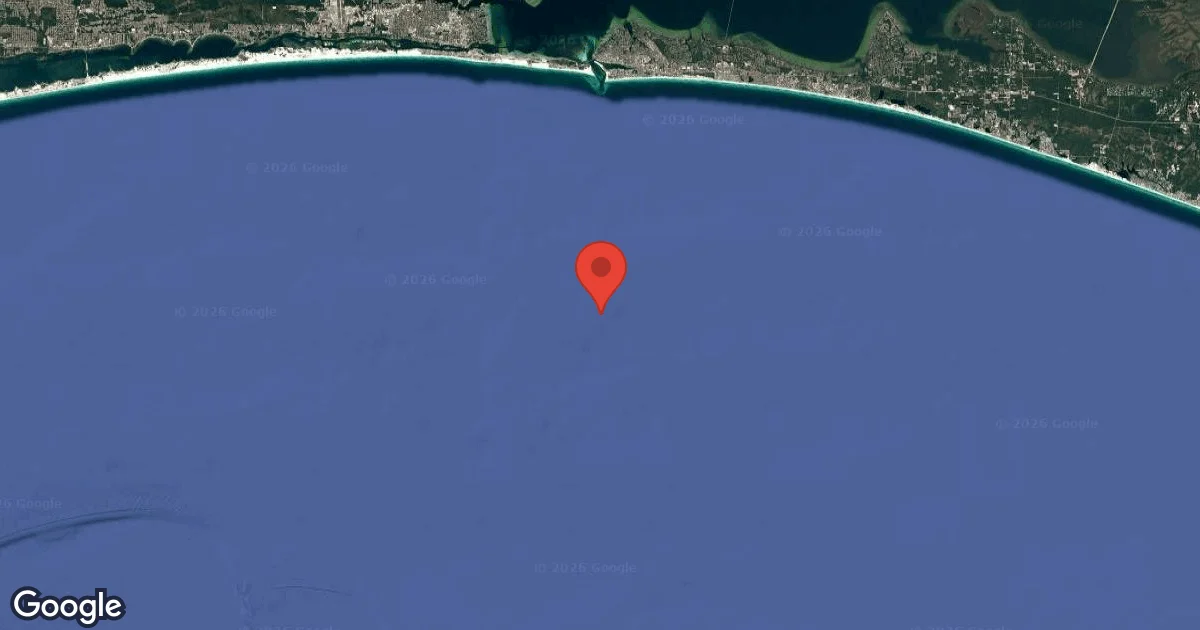
Dive Sites Near Urchin Reef, Units #42 & #43
View all dive sites in United StatesDiscover more underwater gems in this area.
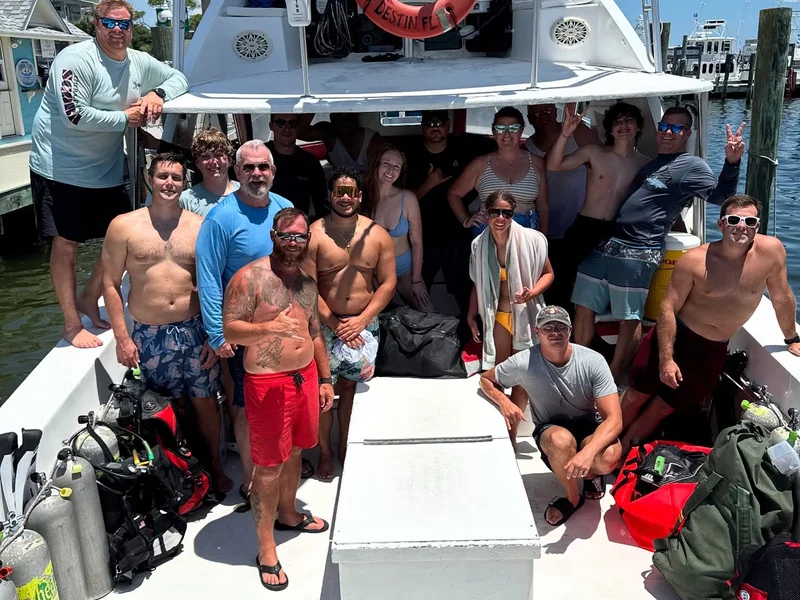
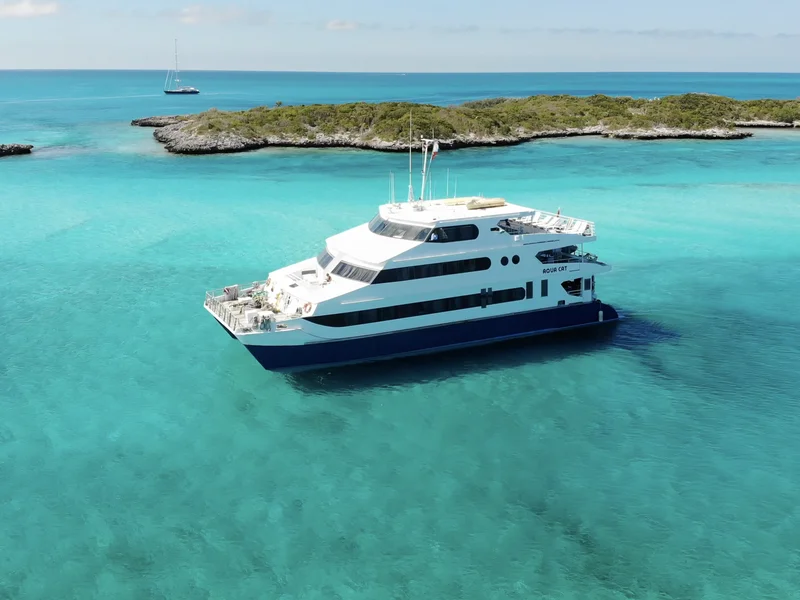
Dive Centers Near Urchin Reef, Units #42 & #43
Today: 09:00 - 16:00

Nearest Airports
Nearest airports to help plan travel to this dive area.
Search Flights
Check available flights and routes on Expedia, using the nearby airports listed in this section.
Search Flights on Expedia
Plan Your Stay
Looking for a place to stay for your dive trip? Explore hotels, stays, and vacation rentals for dive groups near Destin.
Dive Navigator may earn a commission from these links at no extra cost to you.
Frequently Asked Questions
What skill level is required to dive Urchin Reef?
Urchin Reef is generally considered an intermediate dive site. Divers need solid buoyancy control, excellent depth management skills, and an understanding of how to manage variable currents.
How do I access Urchin Reef?
This dive site is accessible only by boat. Most divers launch from Washington Park in Anacortes, which is approximately 22 miles from Urchin Reef. There is no shore access available.
Are there strong currents at Urchin Reef?
Yes, strong currents are possible, particularly off-slack during heavy tidal exchanges. Currents can vary significantly, even reversing direction at different depths. Diving during minor ebb tides, just after slack, is recommended to minimize current intensity.
What marine life can I expect to see?
You'll encounter diverse invertebrates like massive purple and red sea urchins, Puget Sound king crabs, fringed tube worms, and various sea stars. Fish species include tiger rockfish, copper rockfish, lingcod, and kelp greenling, often hiding in the wall's many features.
Is a dive light necessary at Urchin Reef?
A dive light is highly recommended. It helps illuminate the intricate details of the rock wall, including overhangs, caves, and the vibrant colors of invertebrates that may not be visible in ambient light.
What are the typical dive depths at this site?
Divers typically explore Urchin Reef within the 21-30 m (70-100 ft) range. The geological features extend deeper, requiring careful depth monitoring to stay within recreational limits.
Planning to dive Urchin Reef, Units #42 & #43?
Send one inquiry and receive offers directly from the best verified local dive operators.
Conditions are Good
07:00 - 14:00
Optimal conditions expected
Current conditions near Urchin Reef, Units #42 & #43 show 26° air, 30° sea temperature, 0.4 m waves, and 24 km/h wind. Forecast data is refreshed regularly to ensure accuracy.