
Diving at US Army Tanks (United States)
Navigating the US Army Tanks site requires attention to potential overhead hazards from boat traffic, especially given its popularity. While not a strong current dive, conditions can shift, and proper surface signaling is always a good practice. Divers should plan for a maximum depth of 14 m (45 ft), a consistent depth for exploring the twin M-60 wrecks. These Vietnam War era tanks, intentionally sunk in 1994, provide structure that can attract larger marine life, including sharks, which divers should observe respectfully from a distance.
Evening condition tracking at US Army Tanks features an air temperature of 28°C. We have recorded wave heights measuring 0.4 m during this period. These figures outline the environmental parameters currently present.
Dive Site Location & Key Facts
Dive Site Overview
A compelling dive into history and artificial reef development awaits at the US Army Tanks. Two M-60 Vietnam War era tanks, purposely scuttled in June 1994 by the Department of Environmental Resource Management (DERM), anchor the site.
Despite their relatively short time underwater, these tanks display substantial marine growth, appearing much older than their actual deployment suggests. Spiny oysters, various sponges, and both hard and soft corals extensively colonize the metal structures. Surrounding the tanks, 1060 tons of lime rock boulders extend the habitat.
This thoughtful deployment has resulted in an area prolific with diverse life, notably providing abundant hiding spots for lobsters and other bottom-dwelling creatures. A dive here is typically straightforward, reaching a maximum depth of 14 m (45 ft) on a sandy bottom, making it accessible for Open Water divers.
For extended exploration, the site can serve as the starting point for a longer drift dive, leading to other nearby wrecks like the Radio Tower pyramids, the Matthew Lawrence, Larsen Barge, Miss Karlene, Patricia, and the John Koppin Barge. It's an example of how human artifacts transform into thriving underwater ecosystems.
Conditions are Excellent
07:00 - 14:00
Optimal conditions expected
Current conditions near US Army Tanks show 28° air, 31° sea temperature, 0.4 m waves, and 20 km/h wind. Forecast data is refreshed regularly to ensure accuracy.
Best Time to Dive
Optimum conditions for diving the US Army Tanks generally align with the warmer, drier months, although good diving is available year-round. From July through August, conditions are frequently excellent, with average air temperatures peaking around 28.5°C (83°F). During this period, rain levels are moderate, averaging 4.3 to 6.0 mm (0.17-0.24 inches), and wave heights are at their lowest, often around 0.4-0.5 m (1.3-1.6 ft), contributing to calmer surface conditions. However, the site maintains good dive scores throughout much of the year, including spring and autumn. Even in winter months like January and February, air temperatures remain mild, averaging 20-20.5°C (68-69°F) with minimal rainfall, typically around 1.5-1.9 mm (0.06-0.07 inches). Wind speeds also tend to be lower in the summer, making boat entries and surface intervals more comfortable. While water temperature data isn't consistently reported, it generally mirrors surface air temperatures in shallower coastal areas, suggesting warm water during peak summer months.
PEAK SEASON SCORE
Scores combine air & water temps, waves, wind & rainfall for overall conditions.
BEST MONTHS TO DIVE
Monthly records compiled from satellite and marine observation nodes over the last 3 years. Data provided by Open-Meteo and MET Norway.
Dive Experience & Conditions
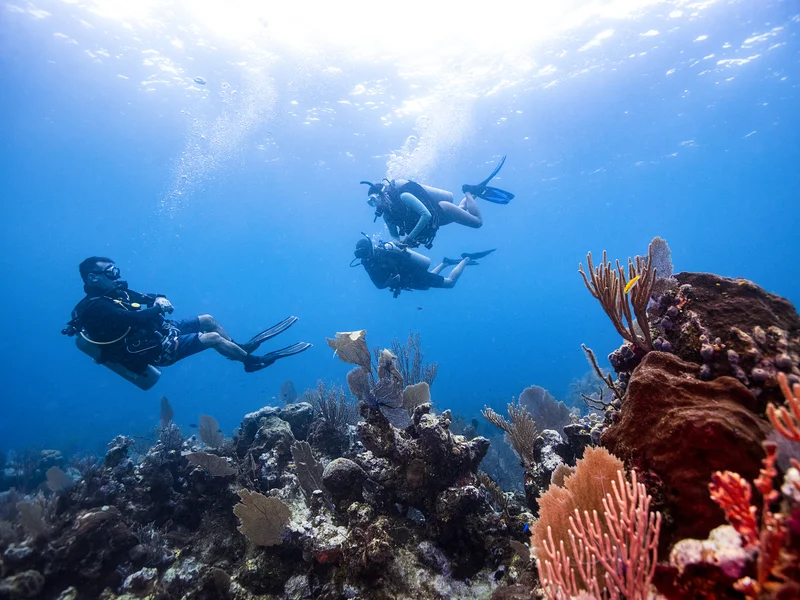
Visibility at the US Army Tanks site varies with ocean conditions but is generally good for this area. Expect to find a sandy bottom at a consistent depth of 14 m (45 ft). Once submerged, two M-60 tanks become the focal point, resting upright and allowing easy exterior exploration. Wrecks are heavily encrusted with growth, appearing ancient despite their relatively recent artificial reef status. You'll observe a variety of spiny oysters, sponges, and corals covering the tanks, providing shelter and sustenance for numerous reef fish. Nearby, lime rock boulders extend the habitat, creating more nooks and crannies for marine life, especially lobsters. While strong currents aren't typically expected, divers should monitor local conditions; an optional drift dive extends to other nearby wrecks. Such a dive allows for a longer, more varied underwater journey if conditions permit.
Dive Difficulty & Safety Guidelines
An expert tip for diving the US Army Tanks involves careful dive planning, particularly if considering the optional drift dive to additional wrecks. Always verify current local conditions with a knowledgeable dive operator to assess visibility and any potential currents. The site's maximum depth of 14 m (45 ft) is well within recreational limits, making it suitable for Open Water Divers.
Responsible diving practices, including staying within no-decompression limits and monitoring air consumption, are always paramount. Though not explicitly identified as a hazard, boat traffic can be a concern at the surface, so deploying a surface marker buoy (SMB) upon ascent is a wise precaution.
Respect all marine life, maintaining a safe distance from any larger species like sharks that may be present. Avoid disturbing the delicate coral and sponge growth on the tanks and surrounding boulders.
Recommended Equipment
- Dive Computer
This gear list is based on verified equipment signals for US Army Tanks, United States. Always confirm final gear choices with your dive operator, guide, or liveaboard.
Recommended Dive Suit
For divers planning standard recreational dives, dive skin or rash guard is usually a suitable option. Divers vary widely in how quickly they feel cold underwater.
At the moment, divers exploring US Army Tanks will likely experience water temperatures near 31°C (87°F). Surface air temperatures are resting at 28°C (83°F).
Weather models indicate a small drop in surface temperatures later this week. Cooler days are ahead; you might want a warmer option for later in the week. Bringing an additional thermal layer can be helpful if conditions change.
Emergency & Medical Support
Essential information to help you plan your dive trip to US Army Tanks.

Hyperbaric chambers are a critical part of dive safety infrastructure. Availability varies significantly by region, and not all dive areas have immediate access.
Before diving, it's recommended to:
- confirm nearest medical facilities
- check emergency procedures with local dive operators
- ensure dive insurance covers evacuation if required
Divers Alert Network
Diving emergency assistance available through DAN World.
+1-919-684-9111- 24/7 emergency hotline
- Diving medical assistance
- Evacuation coordination
Emergency contacts are provided for reference. Always verify local emergency services before diving.
Marine Life at US Army Tanks
What you'll immediately notice at the US Army Tanks is the sheer density of growth on these sunken military vehicles. Spiny oysters, a variety of sponges, and both hard and soft corals extensively colonize the tanks, creating an intricate living habitat.
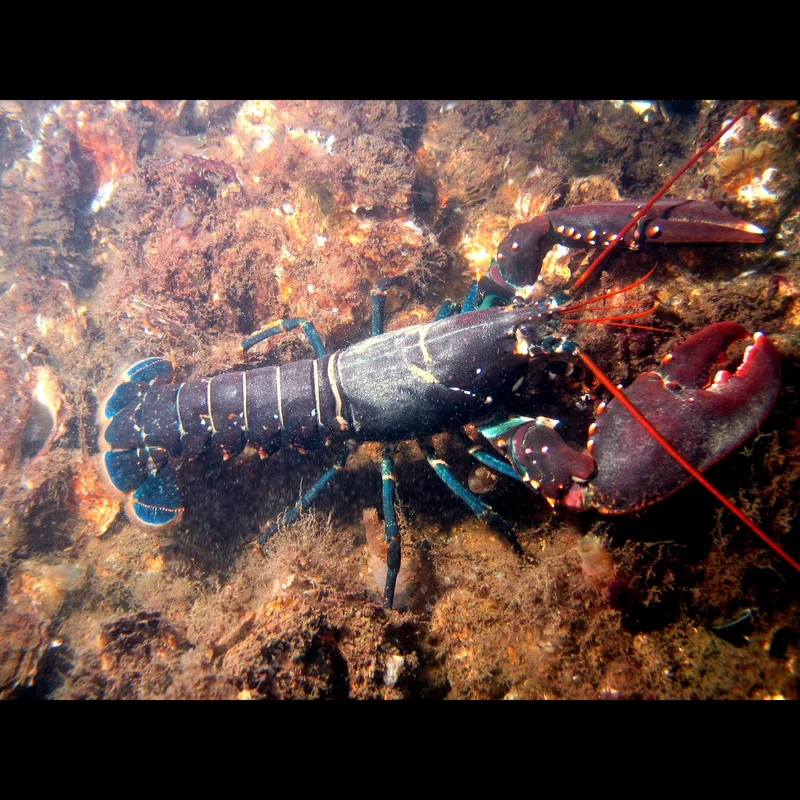
Divers will frequently encounter abundant lobsters, which seek refuge within the tanks' structures and the surrounding lime rock boulders. The site also attracts numerous reef fish that feed and shelter among the extensive coral formations.
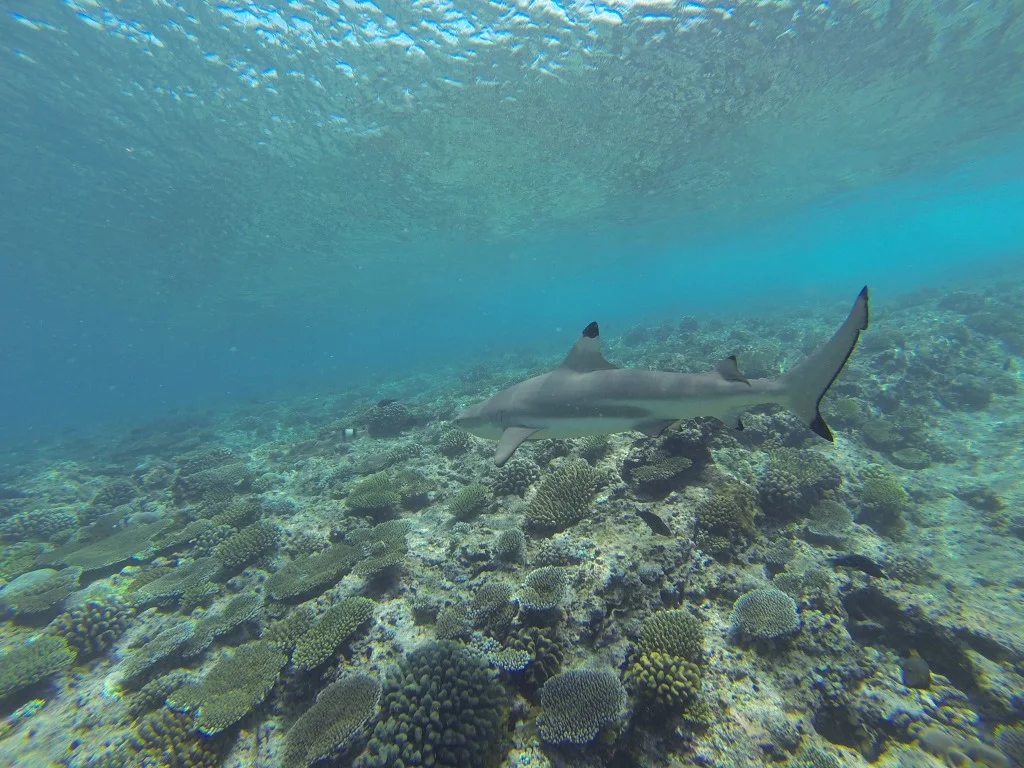
Occasionally, divers may spot sharks, demonstrating the role these artificial reefs play in attracting larger pelagic species into the area.
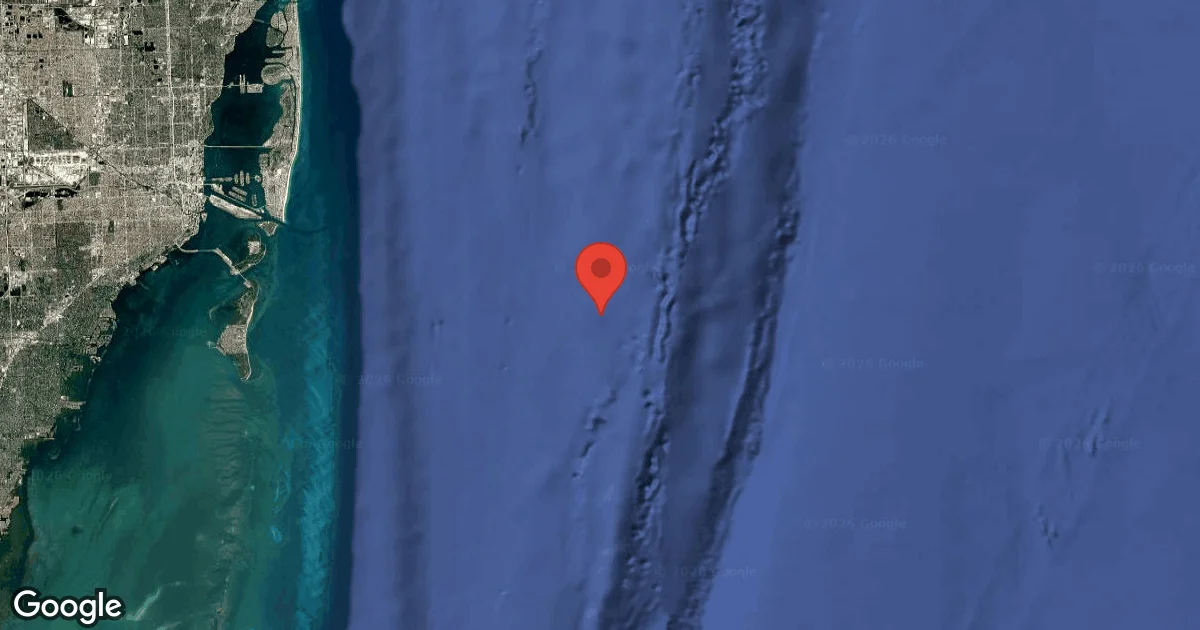
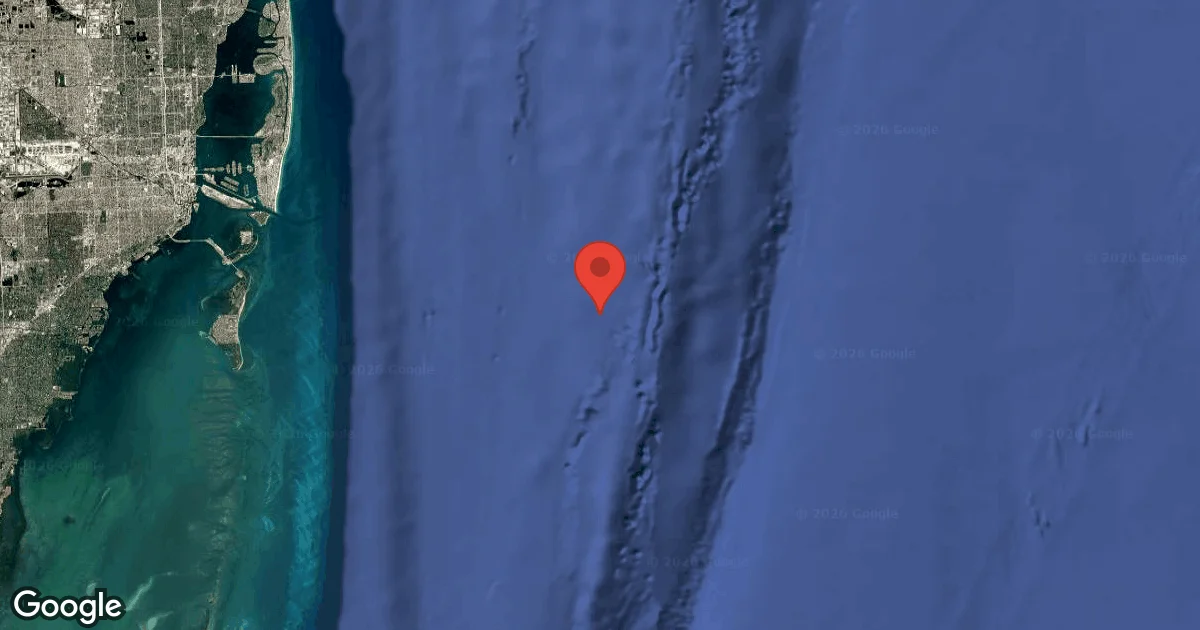
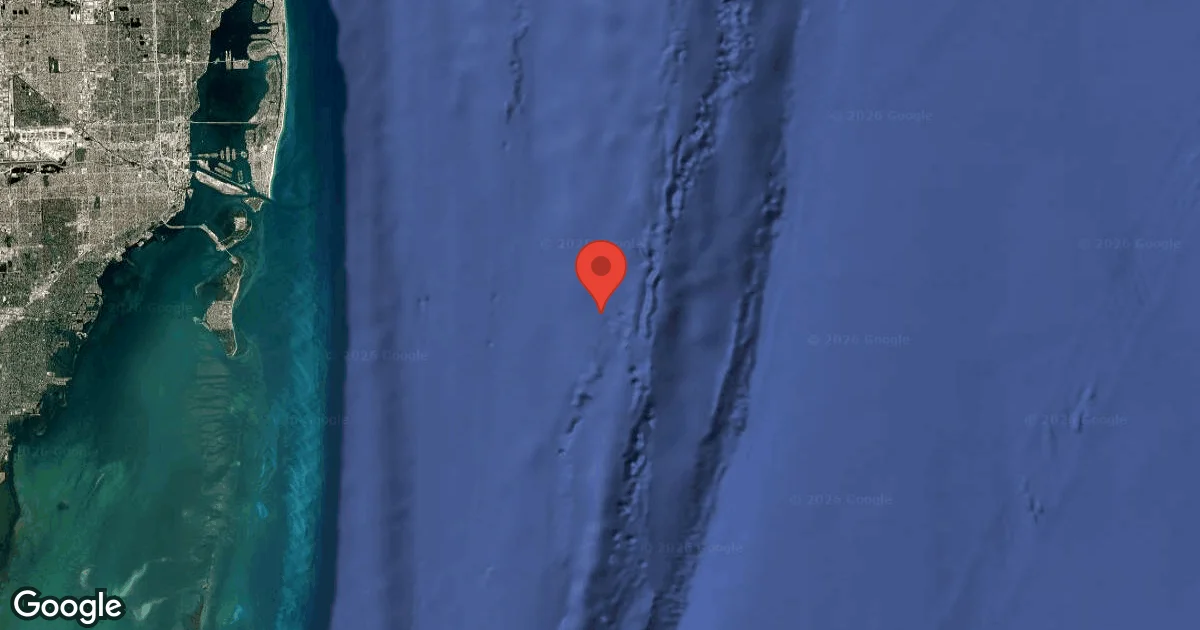
Dive Sites Near US Army Tanks
View all dive sites in United StatesDiscover more underwater gems in this area.
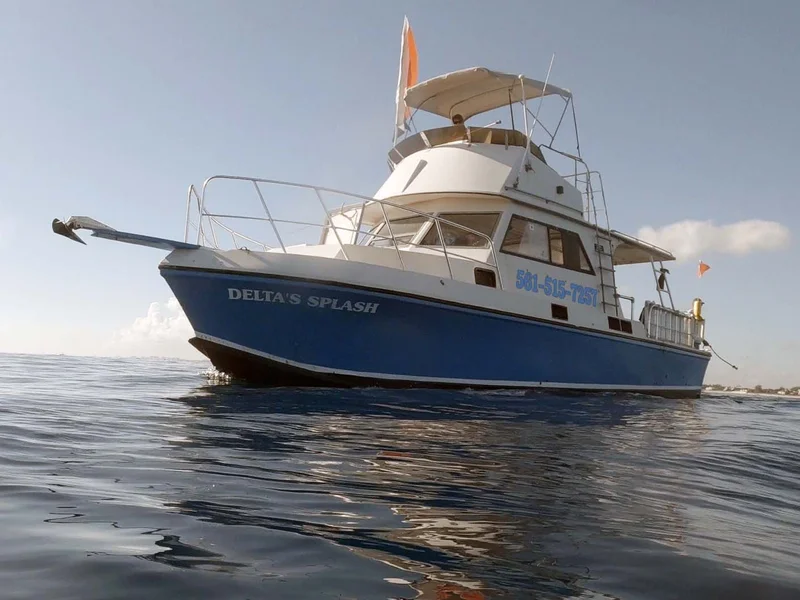
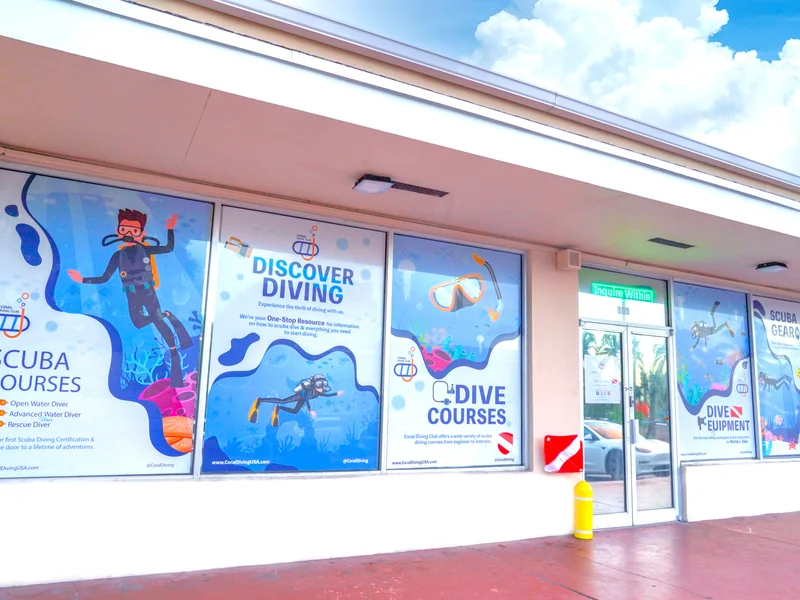
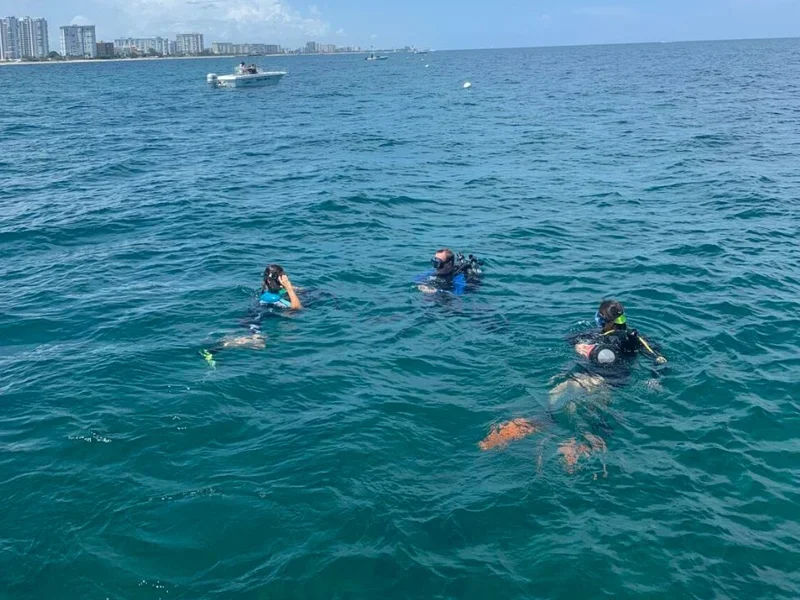
Dive Centers Near US Army Tanks
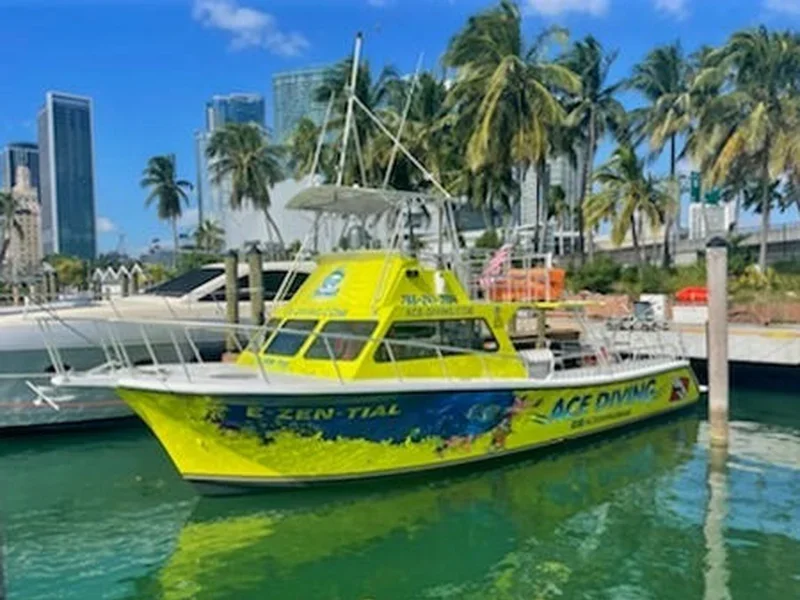
Today: 08:00 - 17:00
Nearest Airports
Nearest airports to help plan travel to this dive area.
Search Flights
Check available flights and routes on Expedia, using the nearby airports listed in this section.
Search Flights on Expedia
Plan Your Stay
Looking for a place to stay for your dive trip? Explore hotels, stays, and vacation rentals for dive groups near Miami Beach.
Dive Navigator may earn a commission from these links at no extra cost to you.
Frequently Asked Questions
How deep are the US Army Tanks?
Two M-60 tanks rest at a consistent depth of 14 meters (45 feet) on a sandy bottom. Its maximum recreational depth makes it highly accessible for Open Water certified divers.
What skill level is required to dive the tanks?
Suitable for Open Water Diver certified individuals. Its maximum recreational depth and typically manageable conditions make it an excellent choice for this certification level.
What kind of marine life can I expect to see?
Tanks are heavily colonized by spiny oysters, sponges, and a variety of hard and soft corals. Expect numerous lobsters and diverse reef fish sheltering within these structures; sharks are also seen occasionally.
When were the US Army Tanks sunk?
Two M-60 Vietnam War era army tanks were intentionally sunk in June 1994. They have since developed into thriving artificial reefs.
Can I do a drift dive from this site?
Yes, the US Army Tanks can serve as the starting point for a longer drift dive. Such an extended dive can lead to other nearby wrecks, including the Radio Tower pyramids and several barges.
Are there any specific hazards to be aware of?
While currents aren't typically strong, conditions can vary, so always check with local operators. Surface boat traffic is a consideration, making a surface marker buoy recommended for ascents.
Planning to dive US Army Tanks?
Send one inquiry and receive offers directly from the best verified local dive operators.
Conditions are Excellent
07:00 - 14:00
Optimal conditions expected
Current conditions near US Army Tanks show 28° air, 31° sea temperature, 0.4 m waves, and 20 km/h wind. Forecast data is refreshed regularly to ensure accuracy.