
Diving at USNS General Hoyt S. Vandenberg (T-AGM-10) (United States)
From a Cold War missile tracking ship, the USNS General Hoyt S. Vandenberg transformed into the world's second-largest vessel intentionally sunk as an artificial reef. Resting on the seafloor, this colossal structure in the Florida Keys offers an extensive underwater playground. Divers are invited to explore its complex history and evolving marine ecosystem, a testament to how human ingenuity can contribute to ocean conservation.
Tonight's objective overview for USNS General Hoyt S. Vandenberg (T-AGM-10) shows an air temperature of 26°C. The measured surface conditions include wave heights around 0.5 m. This environmental data is logged for the close of the day.
Dive Site Location & Key Facts
Dive Site Overview
Stretching 159 m (523 ft), the USNS General Hoyt S. Vandenberg wreck presents an immediately striking scale, a prominent landmark on the sandy seafloor.
Deliberately prepared for diving, parts of the ship's structure were repositioned to create varied access points and visual interest, particularly in shallower sections around 12-18 m (40-60 ft). Such thoughtful design benefits beginner divers, providing accessible areas for exploration and training. Deeper sections of the wreck extend significantly, with maximum depth reaching approximately 43 m (140 ft) to the sand, though much of its structure remains above this.
For experienced divers, the ship provides numerous penetration opportunities through elevator shafts, cargo holds, and hallways, all featuring cut-out holes to enhance safety and light. A vast superstructure rises dramatically, providing shelter and substrate for marine growth, creating an extensive artificial reef.
Exploring multiple decks and large interior spaces reveals its past as a missile range instrumentation ship, now a complex environment for discovery and navigation practice. Its imposing presence makes it a distinct dive, combining historical exploration with developing reef ecosystems.
Conditions are Good
Optimal conditions expected
Current conditions near USNS General Hoyt S. Vandenberg (T-AGM-10) show 26° air, 31° sea temperature, 0.4 m waves, and 27 km/h wind. Forecast data is refreshed regularly to ensure accuracy.
Best Time to Dive
While diving at the Vandenberg is possible year-round, distinct seasonal changes influence the overall experience. Months from May through September generally present the most favorable conditions, characterized by reduced wave heights, averaging 0.7-0.8 m (2.3-2.6 ft), and relatively lower wind speeds. Air temperatures during this period are warm, ranging from 27-29°C (81-84°F). In contrast, the period from October to April often sees slightly choppier surface conditions, with wave heights tending to increase to around 1.1-1.2 m (3.6-3.9 ft) and wind speeds frequently reaching 30-32 km/h (18-20 mph). Rainfall is also higher in late summer and early fall (August-October), peaking around 5-5.4 mm, compared to drier periods earlier in the year. Despite these variations, the site typically maintains "Good" dive scores during warmer, calmer months and "Moderate" scores during cooler, windier periods. Planning a visit during the calmest months ensures smoother boat rides and potentially better visibility, though conditions can always vary.
PEAK SEASON SCORE
Scores combine air & water temps, waves, wind & rainfall for overall conditions.
BEST MONTHS TO DIVE
Monthly records compiled from satellite and marine observation nodes over the last 3 years. Data provided by Open-Meteo and MET Norway.
Dive Experience & Conditions
Descending upon the USNS General Hoyt S. Vandenberg, divers first encounter the vast superstructure, which begins around 12-18 m (40-60 ft). Upper sections are often a good starting point for less experienced divers or for conducting initial skills practice. Resting on a sandy bottom at its maximum depth, the ship reveals more intricate details of its former life as a military tracking ship as you move deeper, with antennas, radar domes, and other equipment still visible. Water temperatures are not consistently reported for this specific site, but generally align with regional averages of 22-27°C (72-81°F). Visibility at the Vandenberg typically ranges from good to excellent, although it can vary depending on currents and recent weather events. Current can be present around the wreck, particularly at deeper levels or on certain sides, so divers should be prepared to manage drift. Overall conditions create a dynamic environment, offering different experiences depending on the chosen depth and prevailing currents.
Dive Difficulty & Safety Guidelines
Safety at the USNS General Hoyt S. Vandenberg largely revolves around responsible wreck diving practices, particularly due to the potential for entanglement or disorientation within the extensive structure. While the wreck was intentionally prepared with access points for light penetration, proper training and equipment for overhead environments are essential for interior exploration.
Divers should strictly adhere to their training limits and dive plans, especially considering the depth of the wreck. Currents are a factor here and can shift, influencing drift and exertion.
Always assess conditions before entering the water and during the dive. Maintaining situational awareness, especially regarding your air supply and no-decompression limits, is crucial given the depth and complexity of the site.
It's recommended that divers carry a dive computer and appropriate signaling devices. Always dive with a buddy and respect the structural integrity of the wreck.
Recommended Equipment
Technical depth range. Advanced planning, gas management, and appropriate certification required.
Overhead / entanglement risk. Wreck penetration requires proper training.
- Dive Computer
- DSMB
- Primary & Backup Lights
- Wreck Reel
- Cutting Tool
This gear list is based on verified equipment signals for USNS General Hoyt S. Vandenberg (T-AGM-10), United States. Always confirm final gear choices with your dive operator, guide, or liveaboard.
Recommended Dive Suit
With water temperatures around 31°C (88°F), many divers find a dive skin or rash guard provides comfortable protection.
Local dive briefings can provide the most accurate guidance.
The forecast outlook suggests that temperatures will stay close to current levels.
Emergency & Medical Support
Essential information to help you plan your dive trip to USNS General Hoyt S. Vandenberg (T-AGM-10).

Hyperbaric chambers are a critical part of dive safety infrastructure. Availability varies significantly by region, and not all dive areas have immediate access.
Before diving, it's recommended to:
- confirm nearest medical facilities
- check emergency procedures with local dive operators
- ensure dive insurance covers evacuation if required
Divers Alert Network
Diving emergency assistance available through DAN World.
+1-919-684-9111- 24/7 emergency hotline
- Diving medical assistance
- Evacuation coordination
Emergency contacts are provided for reference. Always verify local emergency services before diving.
Marine Life at USNS General Hoyt S. Vandenberg (T-AGM-10)
Upon approaching the USNS General Hoyt S. Vandenberg, the sheer amount of growth on the ship's surfaces immediately captures attention.
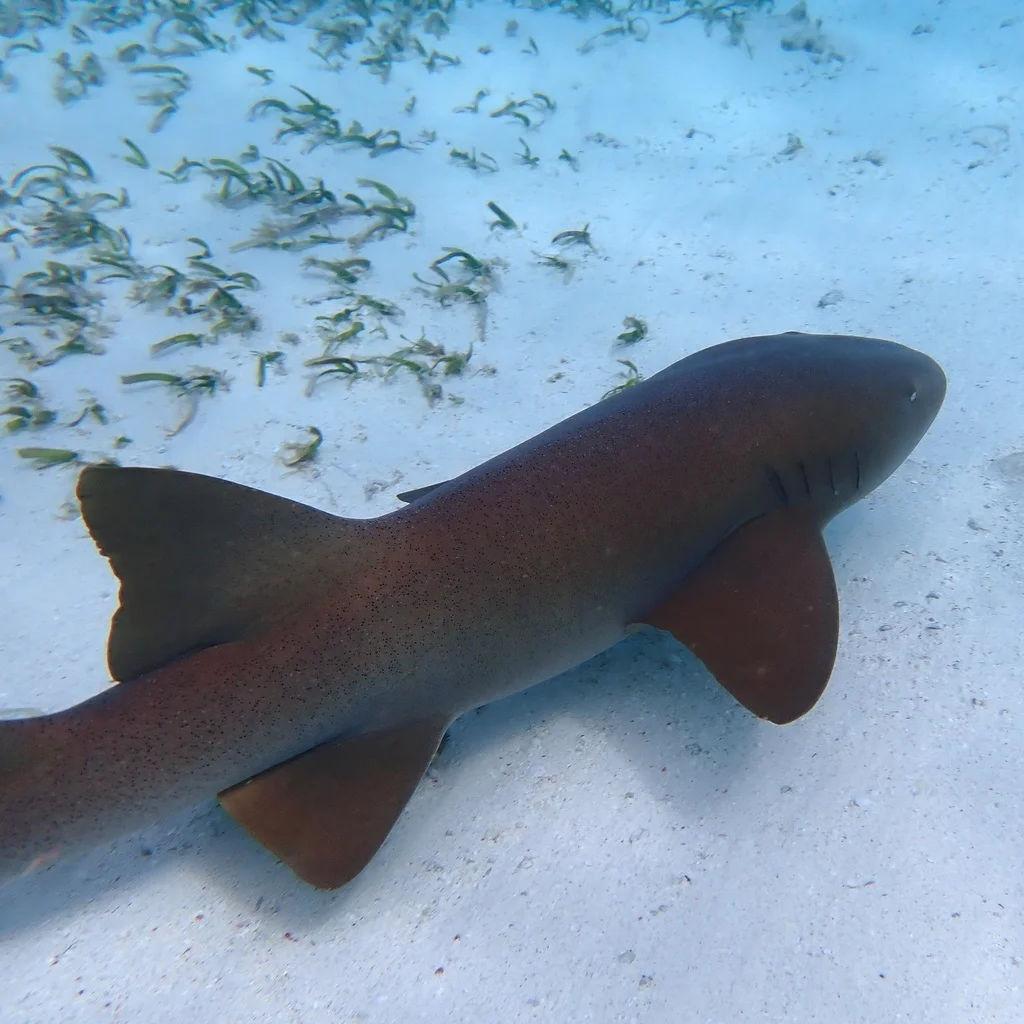
An artificial reef, it has become a thriving habitat, attracting a variety of marine species. Look for Nurse Sharks resting on sandy ledges or patrolling the perimeter of the wreck.
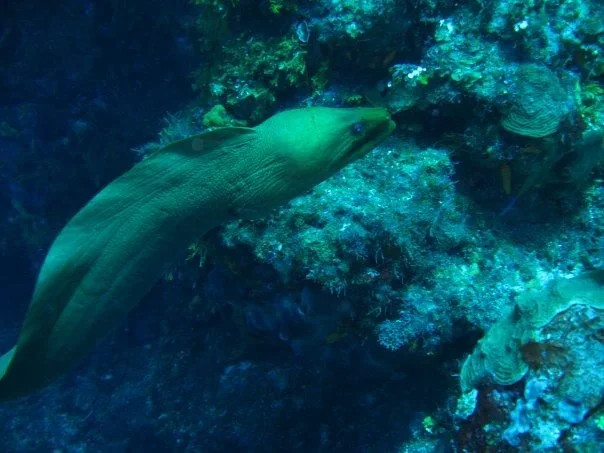
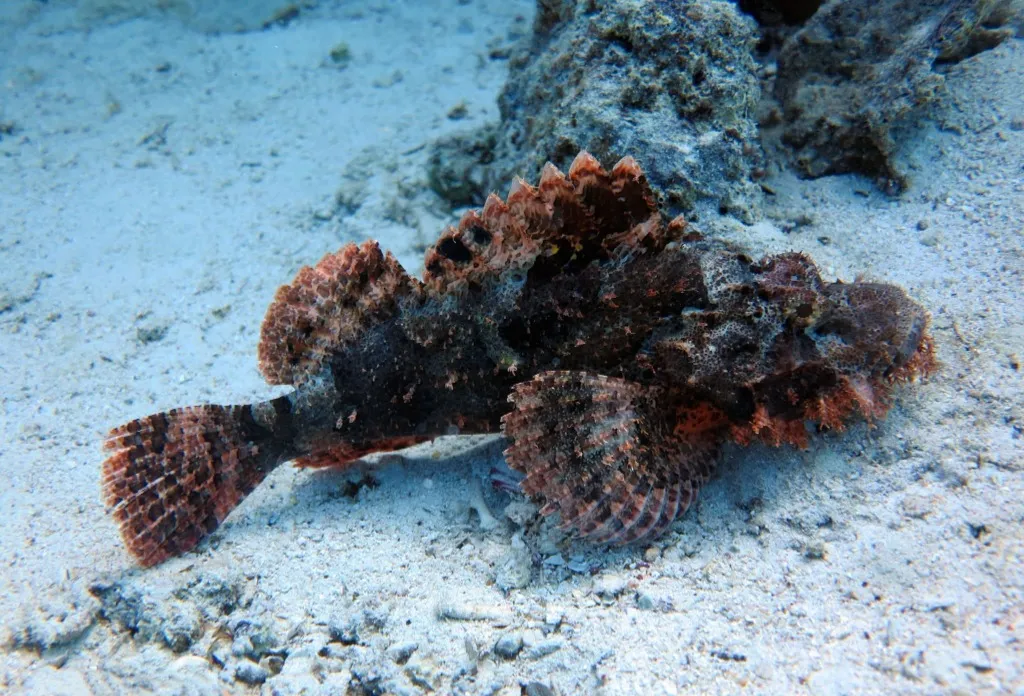
Moray Eels often peer from the many crevices and openings, while various Scorpionfish camouflage themselves against the encrusted metal. Wreck structure provides ample shelter and hunting grounds for smaller reef fish, creating a vibrant ecosystem against the backdrop of the massive vessel.
Dive Sites Near USNS General Hoyt S. Vandenberg (T-AGM-10)
View all dive sites in United StatesDiscover more underwater gems in this area.
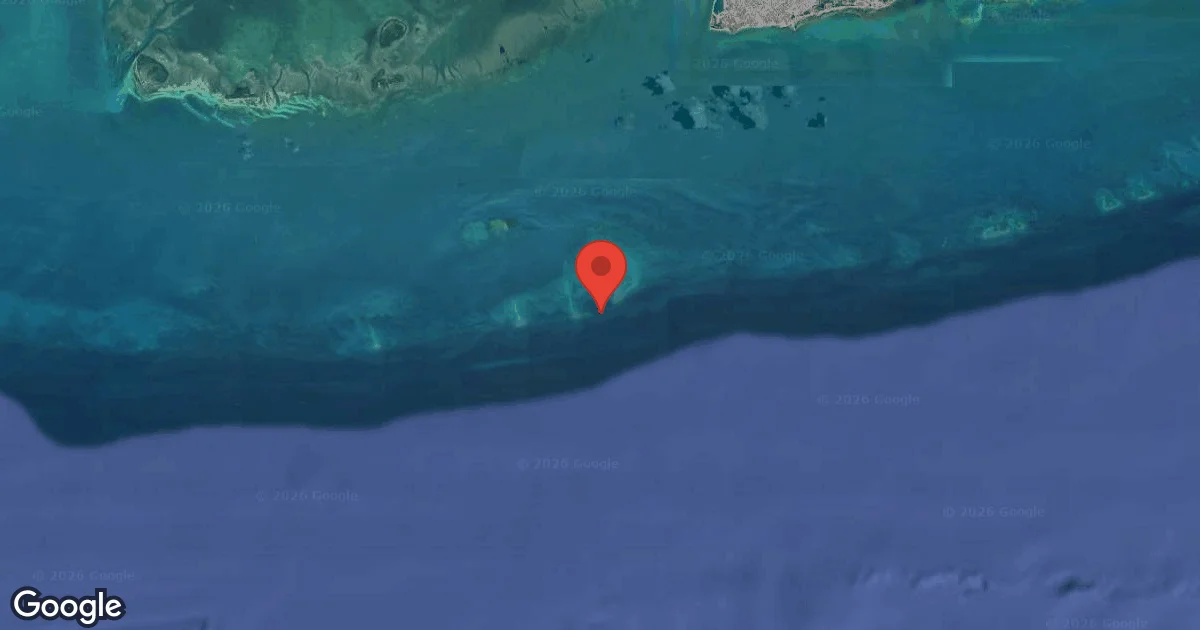
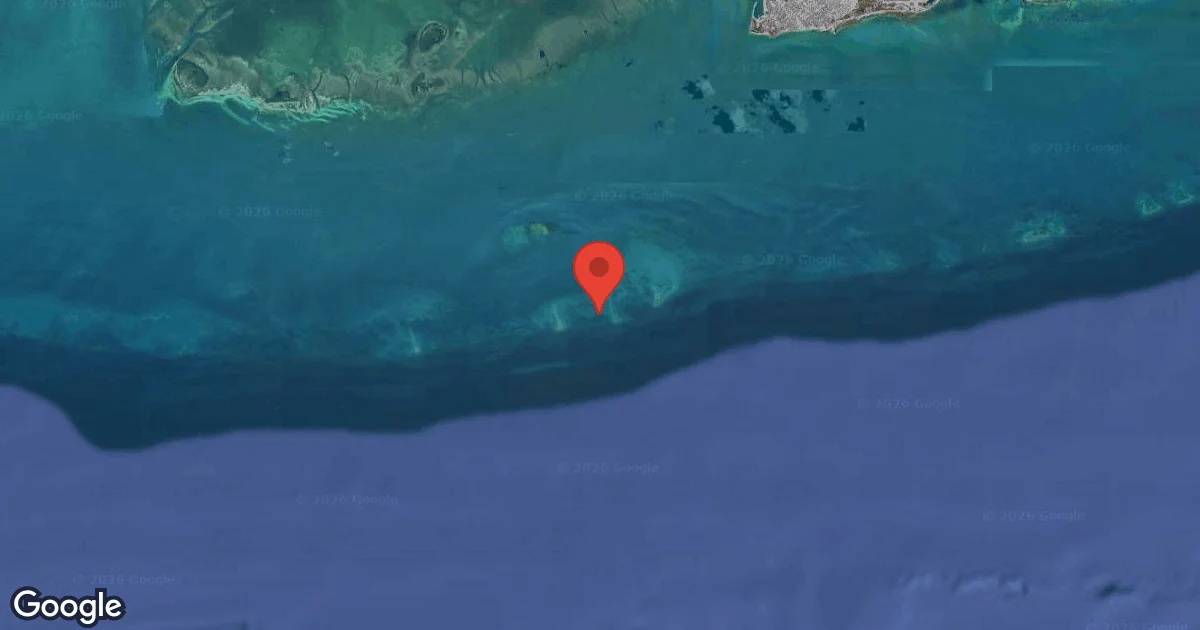
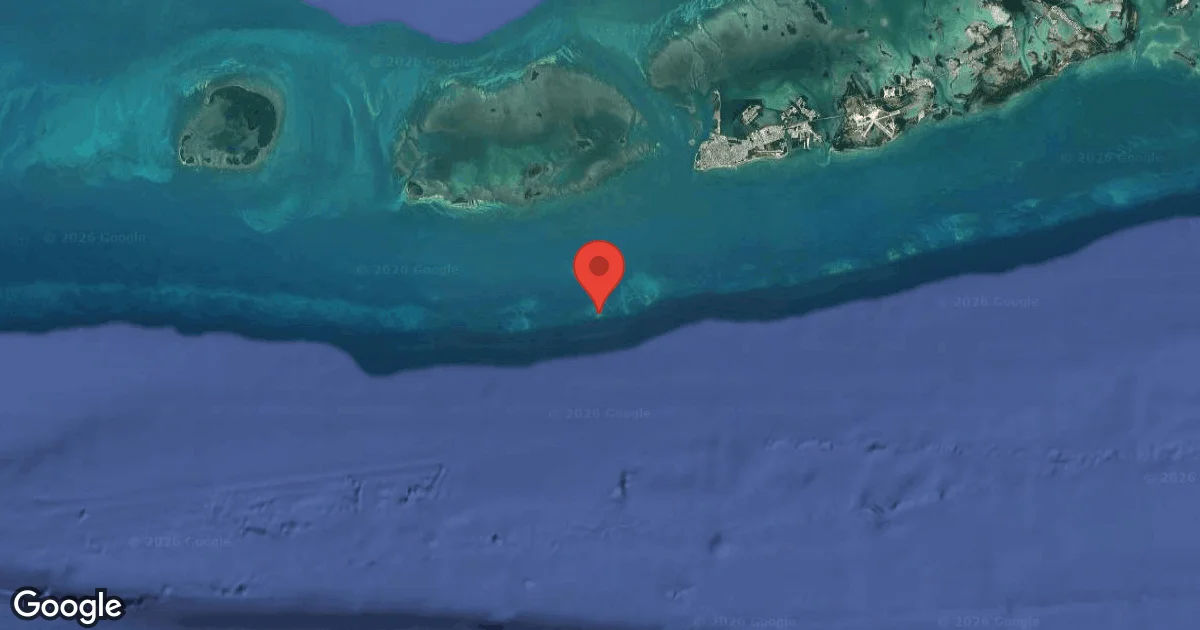
Dive Centers Near USNS General Hoyt S. Vandenberg (T-AGM-10)
Today: 08:00 - 18:00
Nearest Airports
Nearest airports to help plan travel to this dive area.
Search Flights
Check available flights and routes on Expedia, using the nearby airports listed in this section.
Search Flights on Expedia
Plan Your Stay
Looking for a place to stay for your dive trip? Explore hotels, stays, and vacation rentals for dive groups near Stock Island.
Dive Navigator may earn a commission from these links at no extra cost to you.
Frequently Asked Questions
What is the maximum depth of the Vandenberg wreck?
The wreck rests on a sandy bottom at approximately 43 m (140 ft) at its deepest point. However, much of its superstructure rises considerably, with upper sections beginning around 12-18 m (40-60 ft). This allows for multi-level diving experiences, catering to various certification levels.
Is the USNS General Hoyt S. Vandenberg suitable for beginner divers?
Yes, the Vandenberg offers accessible areas for less experienced divers, particularly in shallower sections around 12-18 m (40-60 ft). These areas provide opportunities for exploration and skills practice. Divers should still be comfortable with open water diving skills due to the wreck's size and potential currents.
What kind of marine life inhabits the Vandenberg wreck?
As an artificial reef, the Vandenberg attracts diverse marine species, including Nurse Sharks that rest on ledges or patrol the wreck's perimeter. You can also spot Moray Eels peering from crevices and various Scorpionfish camouflaged against the encrusted metal. The structure provides ample shelter for many smaller reef fish.
What are the typical water conditions, such as temperature and visibility?
Water temperatures generally align with regional averages of 22-27°C (72-81°F), though site-specific data is not consistently reported. Visibility typically ranges from good to excellent, but it can vary based on currents and recent weather. Surface conditions can also change seasonally, with calmer waters from May through September.
Are there opportunities for wreck penetration, and what's required?
The Vandenberg offers numerous penetration opportunities through elevator shafts, cargo holds, and hallways, all featuring cut-out holes for enhanced safety and light. However, proper training and equipment for overhead environments are essential for interior exploration. Divers must adhere strictly to their training limits and dive plans for these ventures.
When is the optimal time of year to dive the Vandenberg?
The period from May through September generally presents the most favorable diving conditions at the Vandenberg. These months are characterized by reduced wave heights and lower wind speeds, leading to smoother boat rides and potentially better visibility. While diving is possible year-round, conditions can be choppier from October to April.
How strong are currents generally around the wreck?
Currents can be present around the wreck, particularly at deeper levels or on certain sides, and their strength can vary. Divers should be prepared to manage drift and assess conditions before and during the dive. Always maintain situational awareness, as currents can shift.
Planning to dive USNS General Hoyt S. Vandenberg (T-AGM-10)?
Send one inquiry and receive offers directly from the best verified local dive operators.
Conditions are Good
Optimal conditions expected
Current conditions near USNS General Hoyt S. Vandenberg (T-AGM-10) show 26° air, 31° sea temperature, 0.4 m waves, and 27 km/h wind. Forecast data is refreshed regularly to ensure accuracy.