
Diving at Cayman Salvage Master (United States)
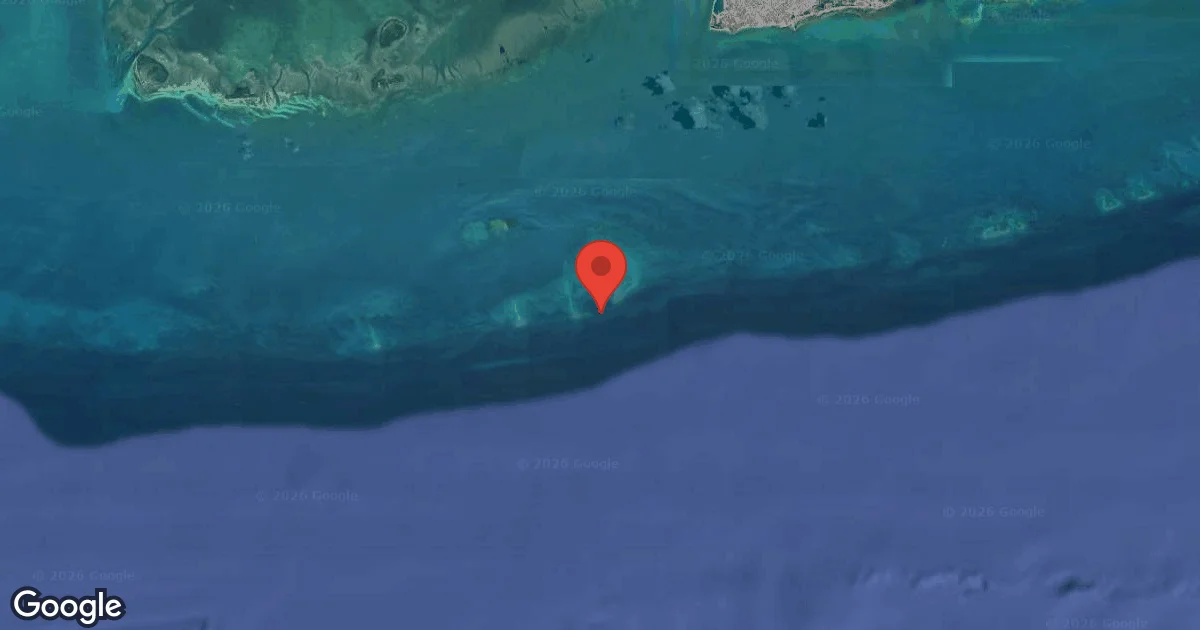
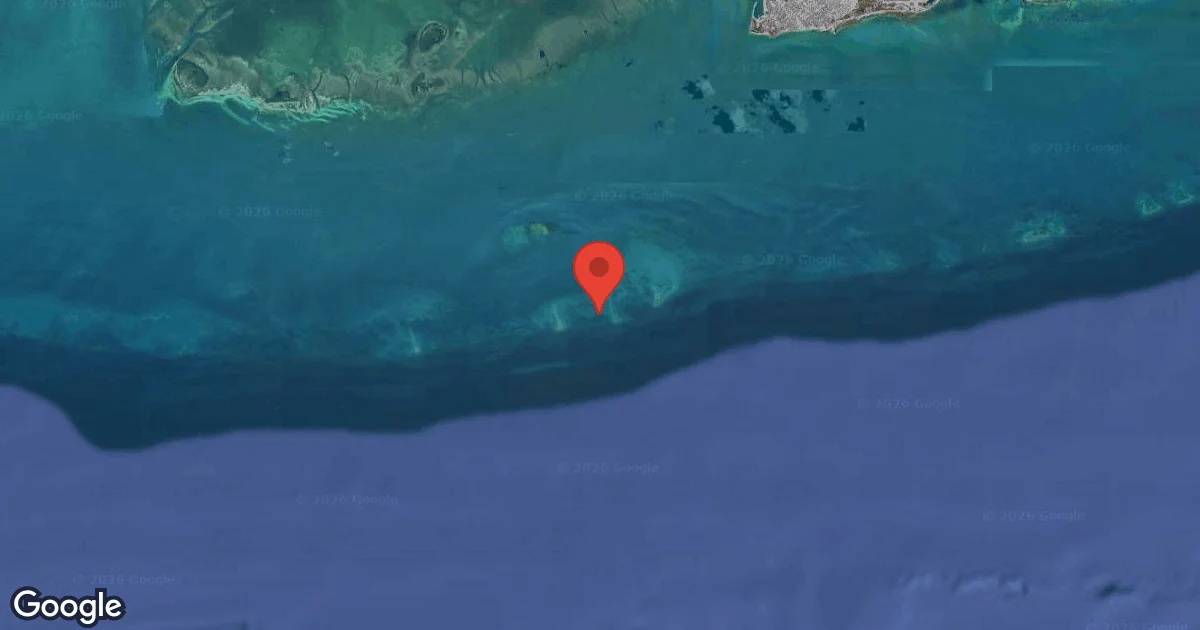
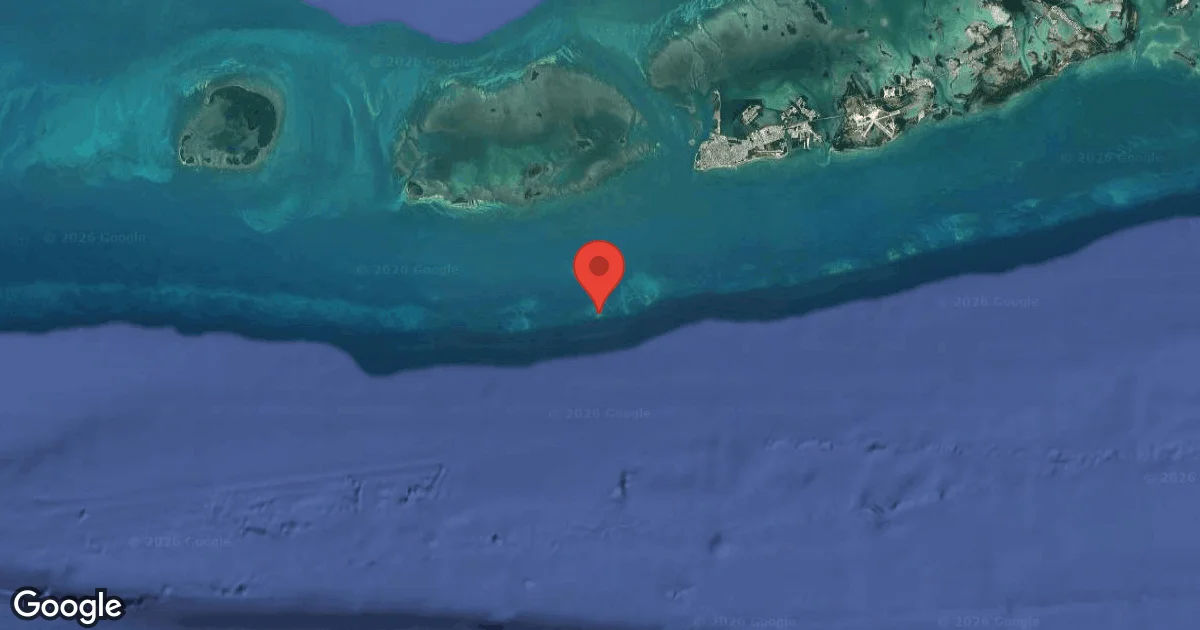
Divers approaching the Cayman Salvage Master should be prepared for potentially strong currents, a primary consideration at this Key West wreck. These conditions can, at times, make the site non-diveable, necessitating careful pre-dive assessment. Resting approximately seven miles southeast of Key West, this historic vessel offers an engaging dive, provided the local sea conditions are favorable.
Evening condition tracking at Cayman Salvage Master features an air temperature of 27.5°C. We have recorded wave heights measuring 0.4 m during this period. These figures outline the environmental parameters currently present.
Dive Site Location & Key Facts
Dive Site Overview
The Cayman Salvage Master, known also as the Cayman Salvager, presents a tangible link to maritime history transformed into an artificial reef. This 187 ft / 56.7 m steel-hulled vessel, originally built in 1936, served various roles from a buoy tender to a cable layer and freighter.
Seized by U.S. authorities in 1980, it unexpectedly sank at dock in Key West. After being refloated, stripped, and cleaned for use as an artificial reef, it sank again in 1985 while being towed to its planned deep-water location, coming to rest at a more accessible depth than intended.
What makes this wreck particularly engaging are the intriguing remnants left behind on deck, including three bicycles, an old payphone, and a cable spool. It's a site celebrated for its intact structure and the rich marine ecosystem that has flourished around it over nearly four decades.
Conditions are Excellent
07:00 - 14:00
Optimal conditions expected
Current conditions near Cayman Salvage Master show 28° air, 31° sea temperature, 0.6 m waves, and 10 km/h wind. Forecast data is refreshed regularly to ensure accuracy.
Best Time to Dive
Optimal dive scores for the Cayman Salvage Master are often observed from May through September, typically rating as 'Good' during these months. Average air temperatures during this period range between 27-29°C (81-84°F), with rainfall varying from 1.74 mm in May to 5.39 mm in August. February also stands out as a 'Good' month, offering cooler average air temperatures of 22°C (72°F) and minimal rainfall. 'Moderate' dive scores are more common from January to April and October to December, influenced by increased wind speeds and wave heights averaging around 1.1-1.2 meters (3.6-4.0 ft). While water temperatures aren't consistently reported, they generally reflect the warm climate of the Florida Keys.
PEAK SEASON SCORE
Scores combine air & water temps, waves, wind & rainfall for overall conditions.
BEST MONTHS TO DIVE
Monthly records compiled from satellite and marine observation nodes over the last 3 years. Data provided by Open-Meteo and MET Norway.
Dive Experience & Conditions
The wreck of the Cayman Salvage Master is an impressive structure settled upright on a sandy ocean bottom, resting in approximately 27-30 m / 90-100 ft of water. While its superstructure was removed before its final sinking and placed separately, the main hull remains largely intact. Historical accounts note that hurricanes have shifted the ship onto its side before later righting it, demonstrating its resilience. The site does not offer wreck penetration; however, its robust exterior presents compelling features, such as the distinct bicycles, a payphone, and a prominent cable spool on the bow, all providing excellent photographic subjects. Visibility here is usually excellent, often benefiting from its position within the Gulf Stream, enhancing the experience of exploring this artificial reef.
Dive Difficulty & Safety Guidelines
Given the Cayman Salvage Master's depth profile and the potential for strong currents, an Advanced Open Water certification is generally advisable for divers. Prior to diving, always verify current conditions, as strong flow can make the site challenging or even non-diveable. The wreck's interior is not accessible for penetration, requiring divers to remain on the exterior for safety.
Maintaining good buoyancy control is crucial for protecting the delicate marine life and avoiding entanglement with the wreck's features. Adhering to these guidelines ensures a safe and rewarding exploration of this historic Key West wreck.
Recommended Equipment
Overhead / entanglement risk. Wreck penetration requires proper training.
- Dive Computer
- DSMB
- Primary & Backup Lights
- Wreck Reel
- Cutting Tool
This gear list is based on verified equipment signals for Cayman Salvage Master, United States. Always confirm final gear choices with your dive operator, guide, or liveaboard.
Recommended Dive Suit
With water temperatures around 31°C (88°F), many divers find a dive skin or rash guard provides comfortable protection.
Local conditions can vary slightly across different parts of the same dive site.
Conditions are expected to stay fairly consistent in the days ahead.
Emergency & Medical Support
Essential information to help you plan your dive trip to Cayman Salvage Master.

Hyperbaric chambers are a critical part of dive safety infrastructure. Availability varies significantly by region, and not all dive areas have immediate access.
Before diving, it's recommended to:
- confirm nearest medical facilities
- check emergency procedures with local dive operators
- ensure dive insurance covers evacuation if required
Divers Alert Network
Diving emergency assistance available through DAN World.
+1-919-684-9111- 24/7 emergency hotline
- Diving medical assistance
- Evacuation coordination
Emergency contacts are provided for reference. Always verify local emergency services before diving.
Marine Life at Cayman Salvage Master
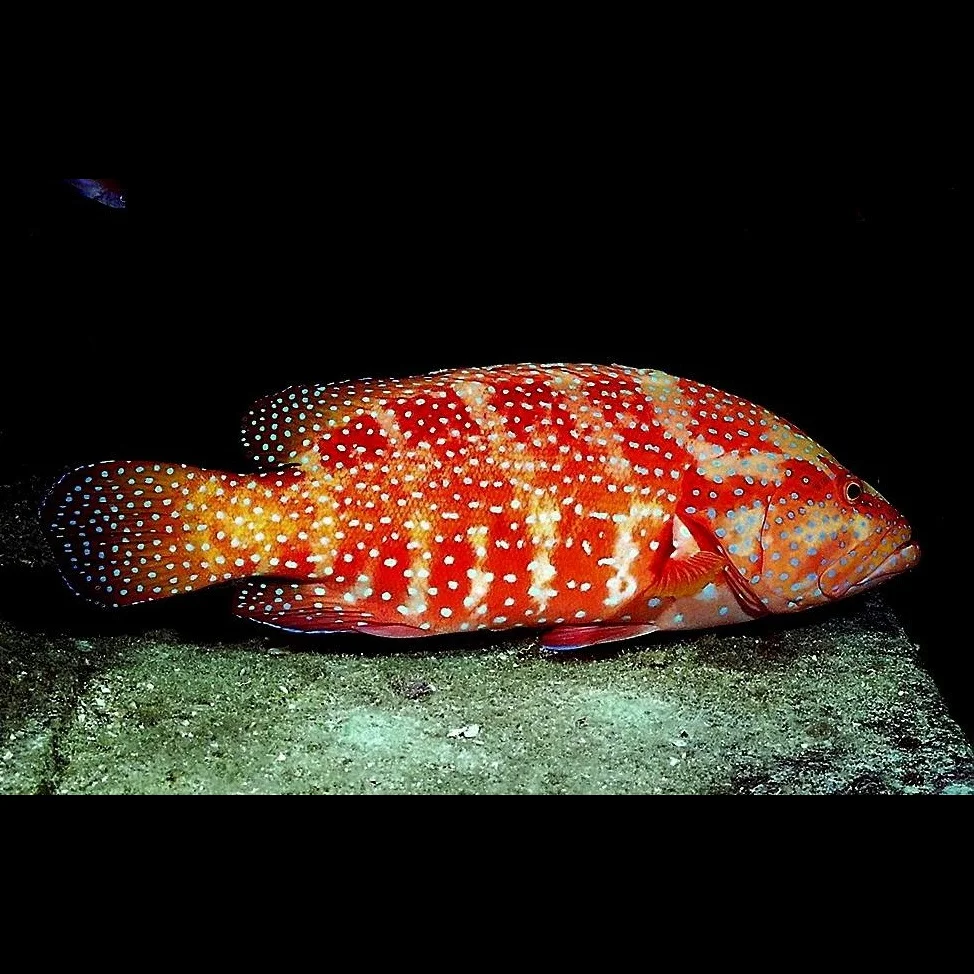
The intricate structure of the Cayman Salvage Master provides an exceptional habitat for a variety of marine species. Goliath groupers are a frequent sight, often observed patrolling the wreck's perimeter and around the rudder.
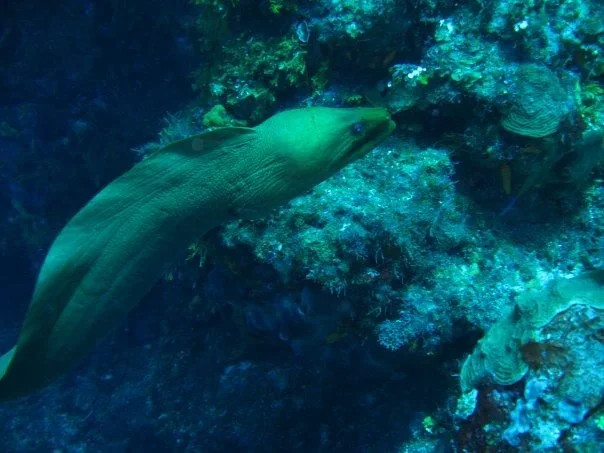
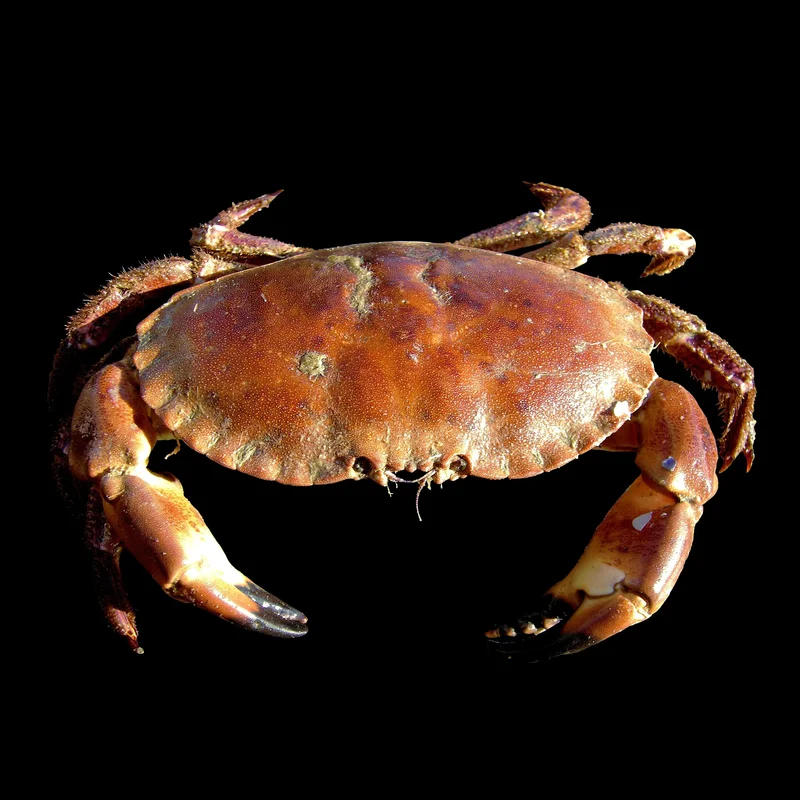
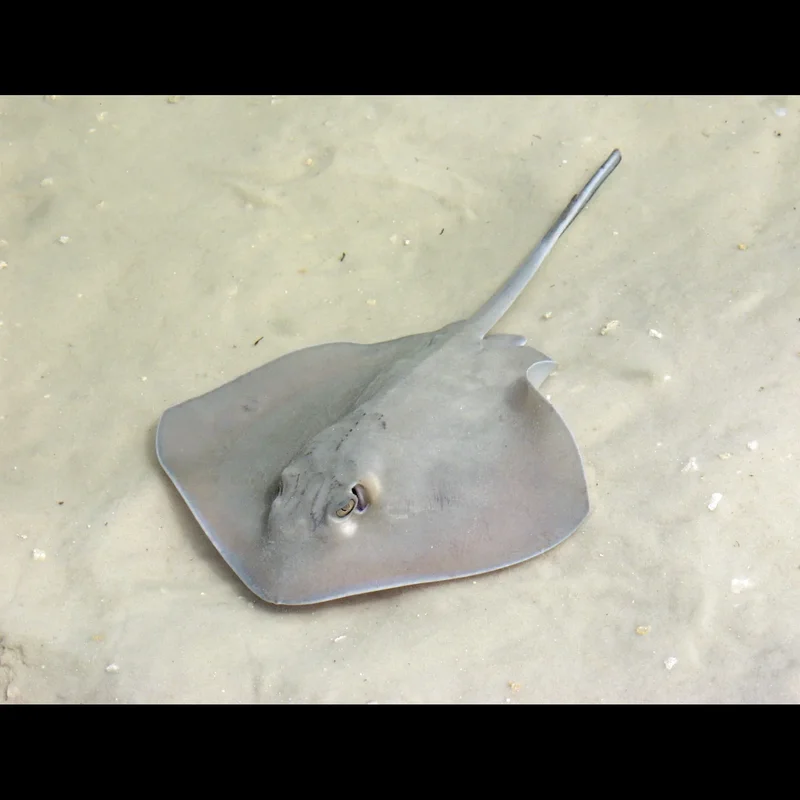
Divers might also spot stingrays resting camouflaged on the deck or the surrounding sandy bottom. Moray eels find shelter within crevices, while arrow crabs meticulously scour the surfaces for food, adding to the rich assortment of life on this artificial reef.

Dive Sites Near Cayman Salvage Master
View all dive sites in United StatesDiscover more underwater gems in this area.
Dive Centers Near Cayman Salvage Master
Today: 08:00 - 18:00
Nearest Airports
Nearest airports to help plan travel to this dive area.
Search Flights
Check available flights and routes on Expedia, using the nearby airports listed in this section.
Search Flights on Expedia
Plan Your Stay
Looking for a place to stay for your dive trip? Explore hotels, stays, and vacation rentals for dive groups near Key West.
Dive Navigator may earn a commission from these links at no extra cost to you.
Frequently Asked Questions
What is the maximum depth of the Cayman Salvage Master wreck?
The Cayman Salvage Master rests in approximately 27-30 m / 90-100 ft of water on a sandy bottom. The top of the wreck is shallower, offering varied depths for exploration.
Is wreck penetration allowed on the Cayman Salvage Master?
No, the Cayman Salvage Master does not offer wreck penetration. Divers should plan to explore the exterior of the vessel, which features many interesting historical elements.
What unique features can divers see on the wreck?
Divers often look for the three bicycles, an old payphone, and a cable spool and pulley situated on the bow. These unusual artifacts provide excellent photographic opportunities and add character to the dive.
What kind of marine life might I encounter at the Cayman Salvage Master?
The wreck is abundant with marine life. You can frequently expect to see goliath groupers, stingrays on the deck, moray eels, and various arrow crabs navigating the structure.
How long is a typical dive trip to the Cayman Salvage Master?
A standard dive trip to the Cayman Salvage Master typically lasts about four hours. This usually includes a briefing, boat ride, and a two-tank dive with a surface interval conducted on board.
Are currents a significant concern at this dive site?
Currents can be a notable factor at the Cayman Salvage Master. They are sometimes strong, and conditions should always be checked prior to diving, as strong currents can make the site non-diveable.
What certification level is recommended for diving the Cayman Salvage Master?
An Advanced Open Water diver certification is generally recommended for the Cayman Salvage Master. This acknowledges the site's depth and the potential for strong currents.
Planning to dive Cayman Salvage Master?
Send one inquiry and receive offers directly from the best verified local dive operators.
Conditions are Excellent
07:00 - 14:00
Optimal conditions expected
Current conditions near Cayman Salvage Master show 28° air, 31° sea temperature, 0.6 m waves, and 10 km/h wind. Forecast data is refreshed regularly to ensure accuracy.