
Diving at Eastern Dry Rocks (United States)
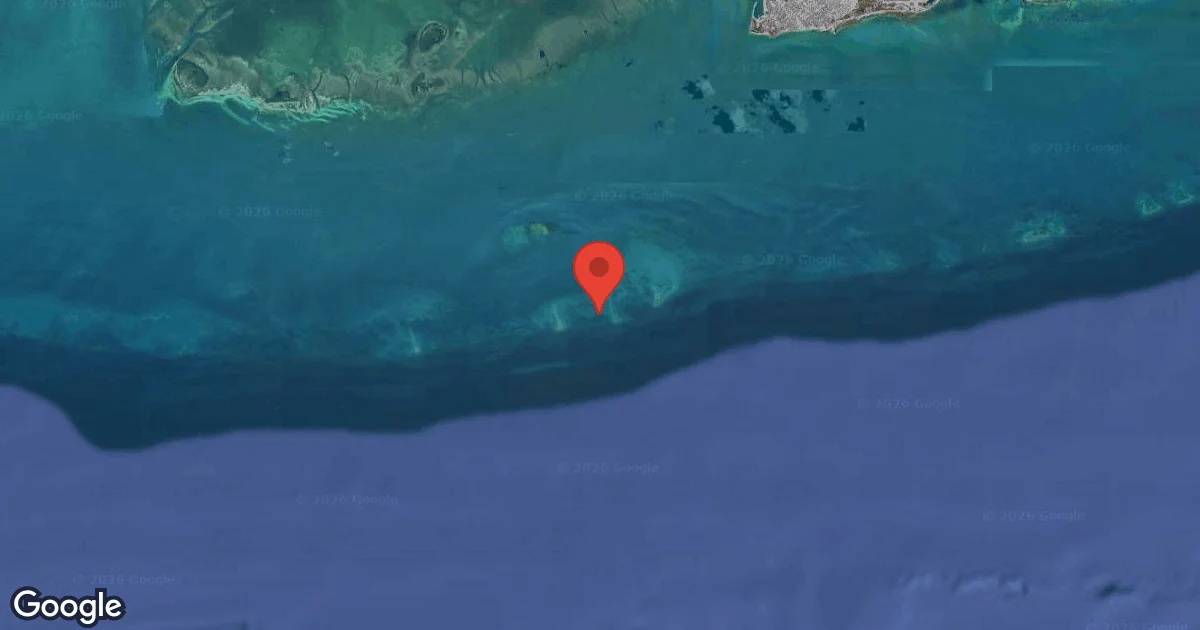
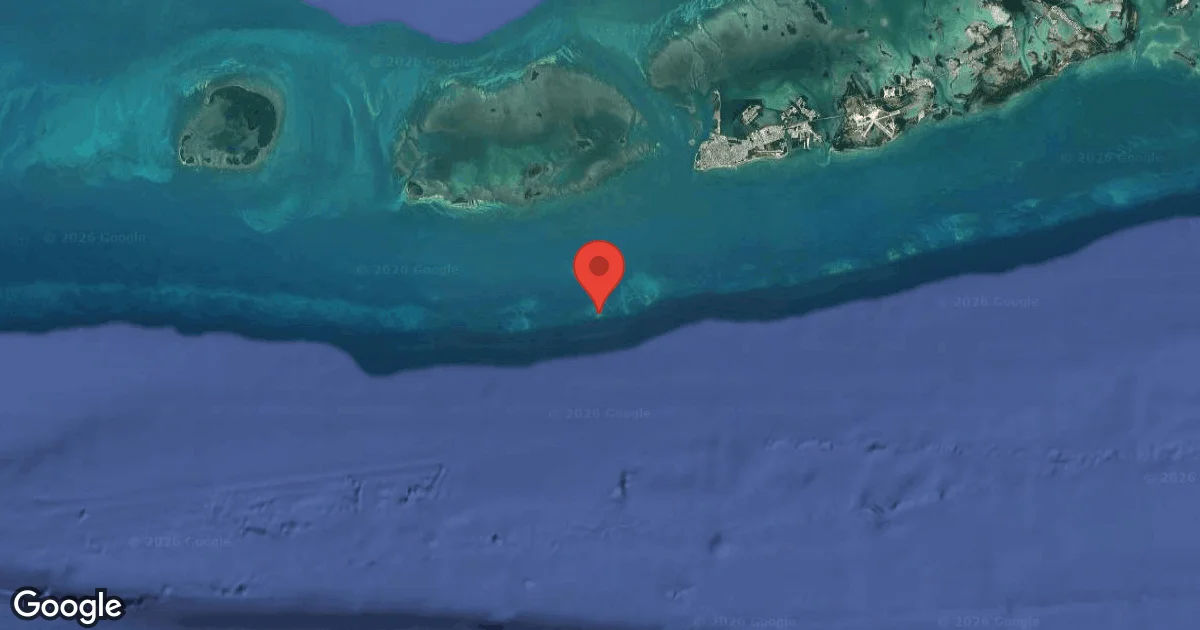
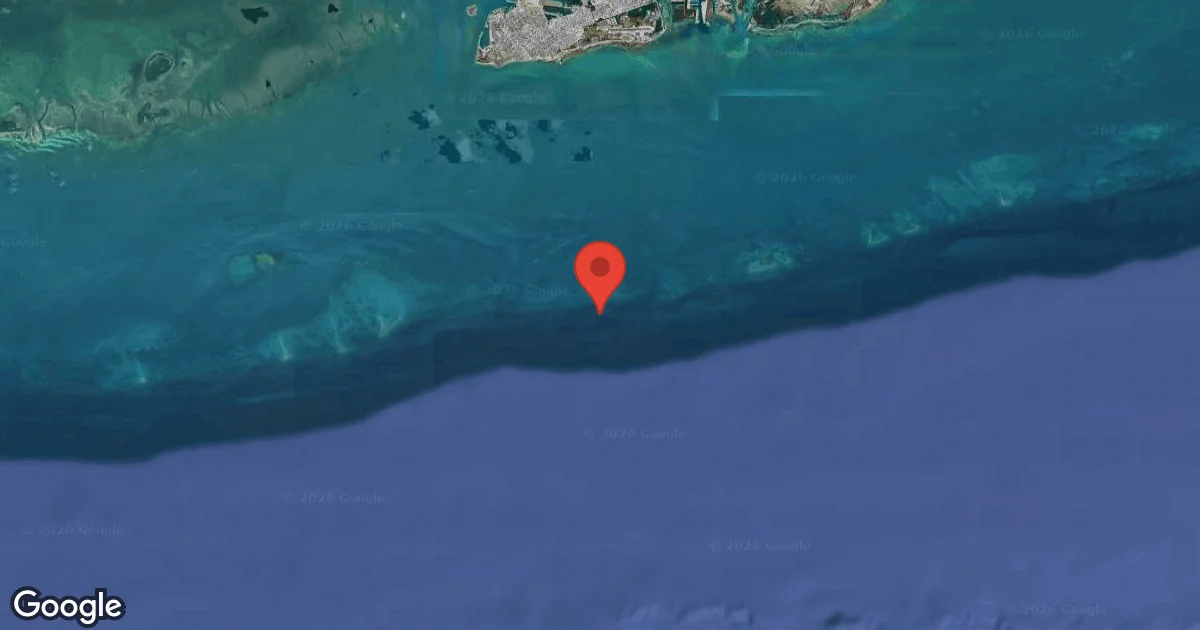
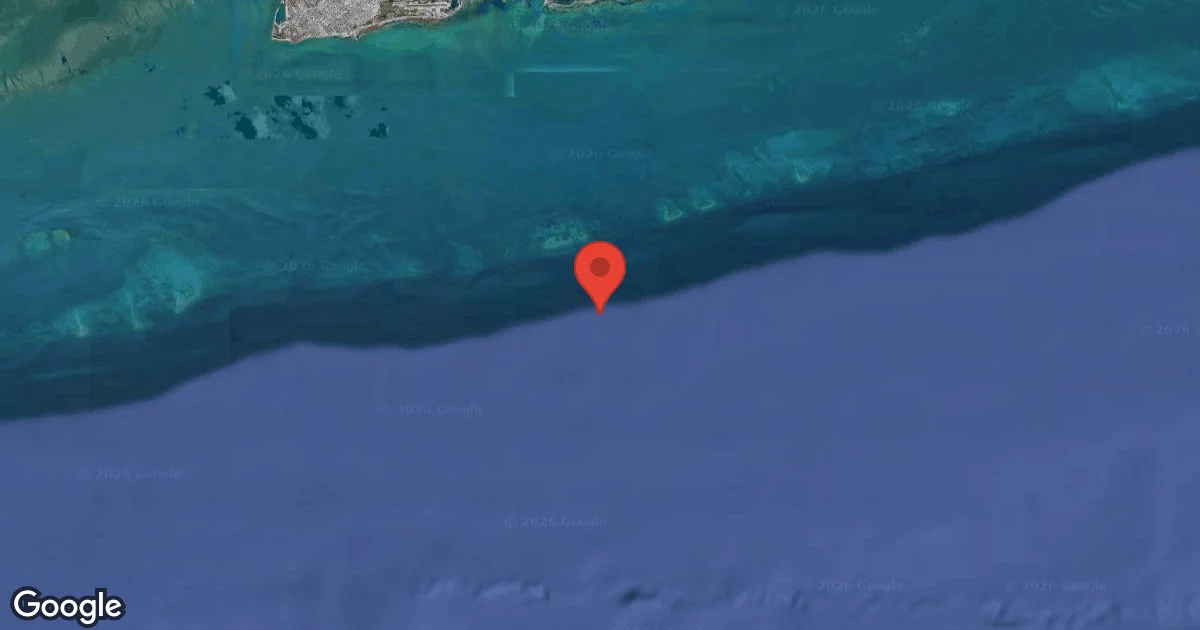
Eastern Dry Rocks, six miles southeast of Key West, functions as a vital coral reef and an active marine restoration site. This dynamic underwater landscape provides a direct connection to both natural beauty and critical conservation initiatives. Divers observe distinctive spur-and-groove formations, often witnessing the ongoing "Mission: Iconic Reefs" project. It remains an accessible reef where history converges with a hopeful future beneath the waves.
Tonight's objective overview for Eastern Dry Rocks shows an air temperature of 28°C. The measured surface conditions include wave heights around 0.6 m. This environmental data is logged for the close of the day.
Dive Site Location & Key Facts
Dive Site Overview
Eastern Dry Rocks, six miles southeast of Key West, is defined by its distinctive spur-and-groove formations—a classic reef topography featuring fingers of living coral separated by white sand channels. These natural corridors function like underwater canyons, making navigation straightforward for divers and snorkelers.
Depths here range from 1.5 to 10.7 m / 5 to 35 ft, with most dive activity occurring around 4.6 m / 15 ft, making it accessible for various skill levels. While the reef, like much of the Florida Reef Tract, has faced challenges from disease, storms, and recent marine heat waves, resulting in reduced coral cover compared to previous decades, it has become a focal point for significant recovery initiatives.
It's one of NOAA’s seven "Mission: Iconic Reefs" sites, where divers might observe outplanted elkhorn and staghorn corals, and even see non-profit organizations maintaining restoration plots. Such activity provides insight into active marine conservation.
Additionally, the remains of an old Spanish galleon wreck, often covered in coral and sand, lies near the southwestern corner, occasionally revealing brass rings, ballast piles, and spikes for those who know where to look.
Conditions are Good
Optimal conditions expected
Current conditions near Eastern Dry Rocks show 28° air, 31° sea temperature, 0.4 m waves, and 26 km/h wind. Forecast data is refreshed regularly to ensure accuracy.
Best Time to Dive
Planning your trip to Eastern Dry Rocks depends heavily on managing sea conditions and surface temperatures. The late spring through early summer months typically present the best balance of warm water and manageable winds. From May to September, air temperatures generally range from 27°C to 29.5°C / 85°F to 85°F, with wave heights often below 0.8 meters / 2.6 feet, leading to "Good" dive scores. Summer also offers the calmest seas and clearest water. However, rain averages can be higher during these months, occasionally exceeding 5 mm / 0.2 inches per day in June, August, and September. Conversely, winter diving can be rewarding, but cold fronts bring cooler air temperatures, typically from 21.5°C to 24°C / 71°F to 75°F, and higher average wind speeds, up to 32.6 km/h / 20 mph, which might require a wetsuit. October and November often see increased rain and wind, leading to "Moderate" dive scores.
PEAK SEASON SCORE
Scores combine air & water temps, waves, wind & rainfall for overall conditions.
BEST MONTHS TO DIVE
Monthly records compiled from satellite and marine observation nodes over the last 3 years. Data provided by Open-Meteo and MET Norway.
Dive Experience & Conditions
Exploring Eastern Dry Rocks gives a tangible sense of navigating underwater canyons. The spur-and-groove topography creates natural lanes of white sand between coral fingers, making it an intuitive site to explore. Visibility is often excellent due to its slightly offshore location, allowing sunlight to brightly illuminate the shallow sandy channels and coral heads that rise close to the surface. While visitors should manage expectations regarding coral vibrancy, as the site has experienced bleaching, it remains a fantastic, low-stress environment. Recent reports indicate visible bleached or dead coral, particularly around shallower outplant sites. This makes it a particularly suitable location for beginner divers and snorkelers, and a reliable choice for student training, offering minimal major obstacles.
Dive Difficulty & Safety Guidelines
For any diver approaching Eastern Dry Rocks, understanding its status as a Sanctuary Preservation Area (SPA) is crucial for both personal safety and reef protection. This designation enforces strict environmental regulations, making it a no-take zone where fishing, spearfishing, lobstering, or collecting shells is prohibited.
Divers must use the provided mooring buoys, as anchoring directly on the reef is not permitted. It's essential to practice responsible diving by keeping hands and fins clear of coral formations and refraining from chasing marine life for photographs.
Additionally, using reef-safe sunscreen or wearing a rash guard is advised to protect both skin and the fragile ecosystem. Charters often combine visits here with nearby Sand Key or Rock Key, maximizing your dive time while respecting sanctuary rules.
Recommended Equipment
- Dive Computer
- DSMB
This gear list is based on verified equipment signals for Eastern Dry Rocks, United States. Always confirm final gear choices with your dive operator, guide, or liveaboard.
Recommended Dive Suit
Individual comfort in the water can vary significantly from diver to diver, even under the same conditions.
For most recreational dives, dive skin or rash guard should provide comfortable protection. Consider warmer surface protection (like a boat coat) due to brisk winds. Forecast trends indicate little change in overall diving conditions during the next few days.
Current temperature readings suggest that the water at Eastern Dry Rocks is around 31°C (88°F). Surface air temperatures are resting at 28°C (82°F).
Due to technical issues with our weather providers, live updates are temporarily delayed. The data above reflects the conditions at the time of the last successful fetch.
Emergency & Medical Support
Essential information to help you plan your dive trip to Eastern Dry Rocks.

Hyperbaric chambers are a critical part of dive safety infrastructure. Availability varies significantly by region, and not all dive areas have immediate access.
Before diving, it's recommended to:
- confirm nearest medical facilities
- check emergency procedures with local dive operators
- ensure dive insurance covers evacuation if required
Divers Alert Network
Diving emergency assistance available through DAN World.
+1-919-684-9111- 24/7 emergency hotline
- Diving medical assistance
- Evacuation coordination
Emergency contacts are provided for reference. Always verify local emergency services before diving.
Marine Life at Eastern Dry Rocks
Life at Eastern Dry Rocks thrives amidst the coral structures and sandy channels, offering various encounters depending on the season. Common reef fish species are consistently present, while summer months may reveal larger tarpon, permit, and jewfish.
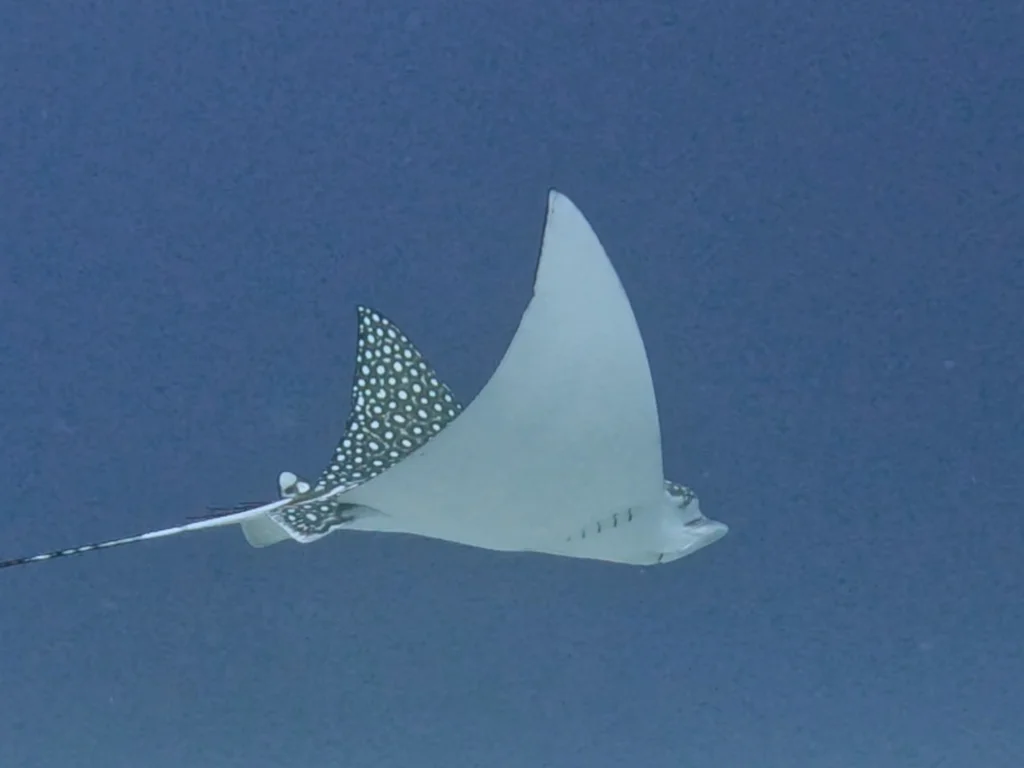
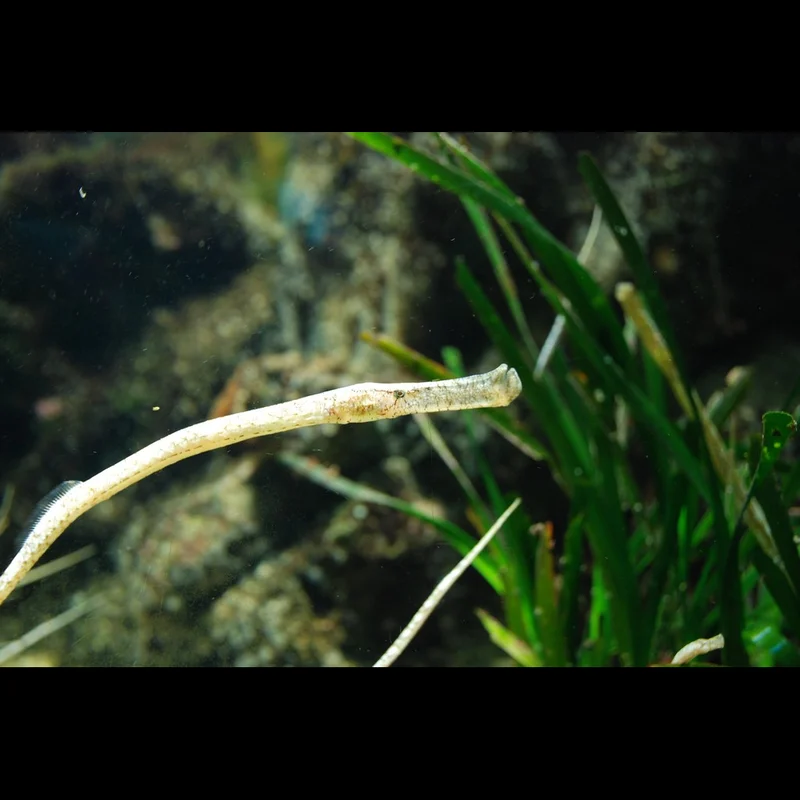
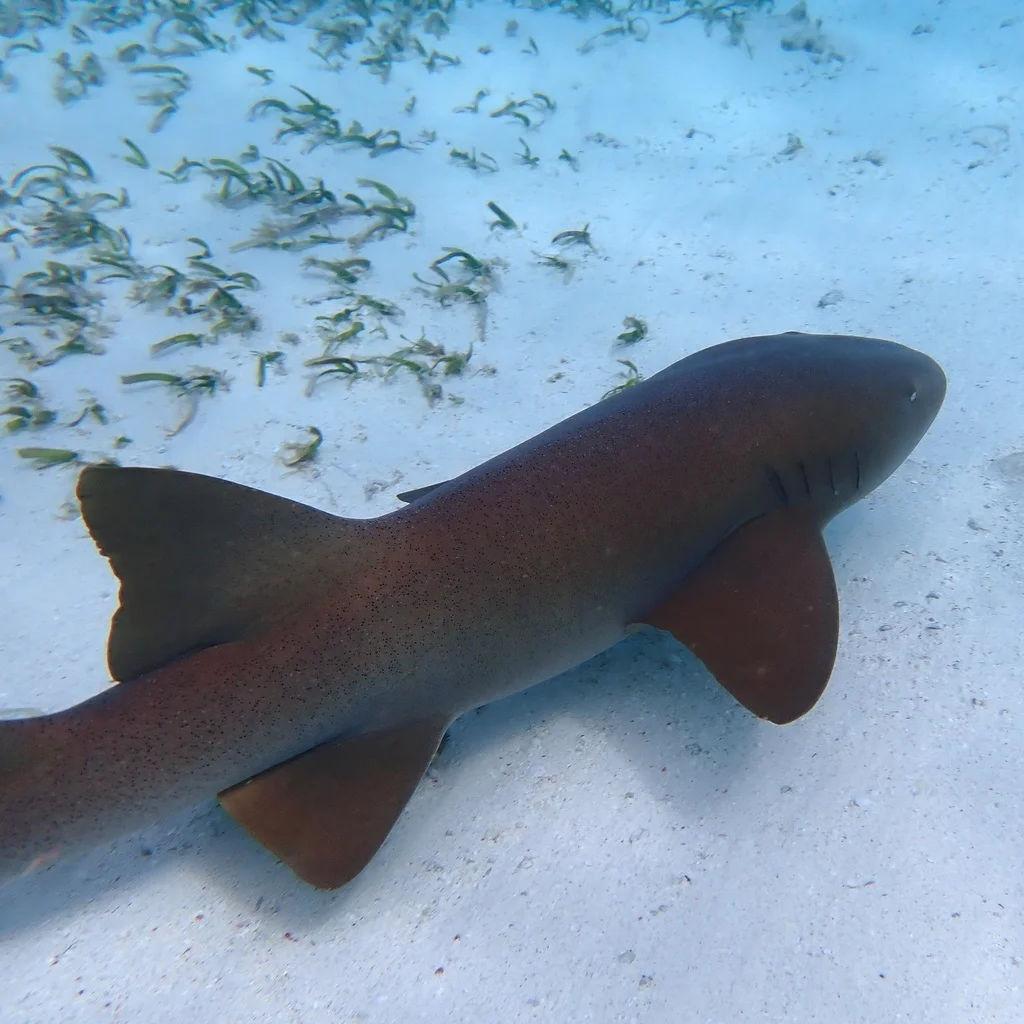
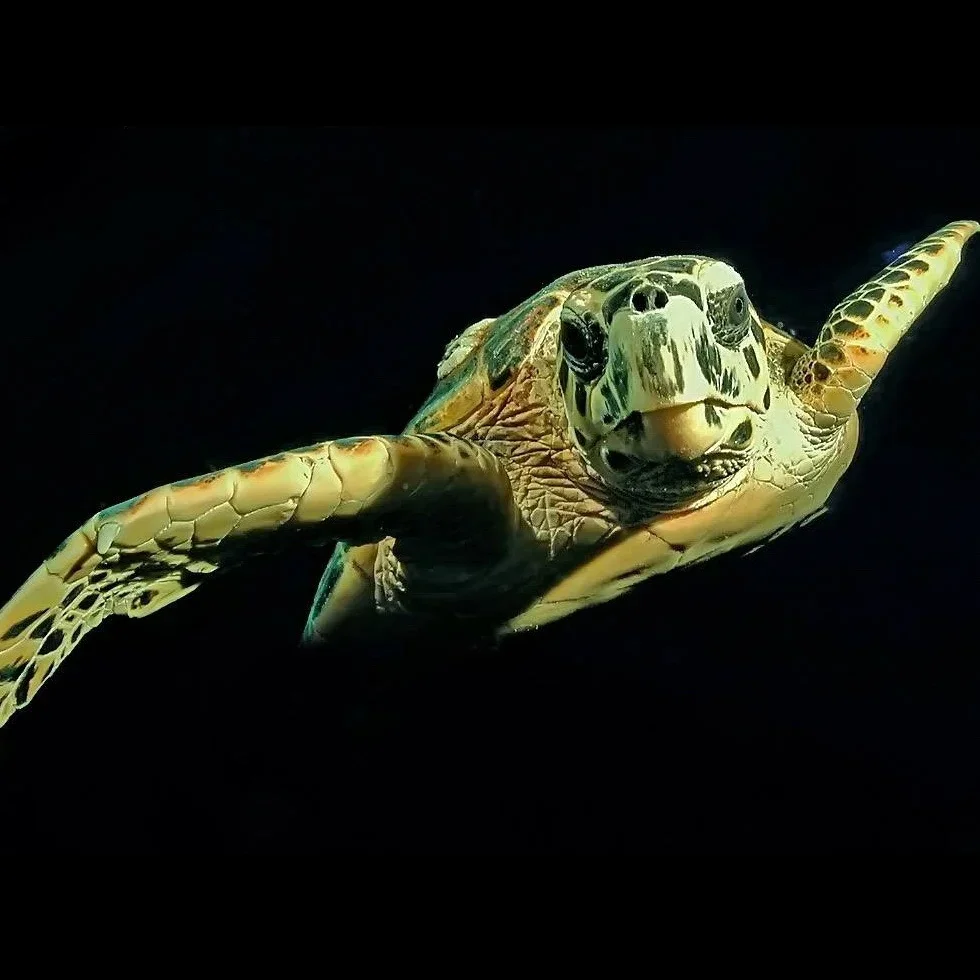
Divers frequently spot nurse sharks and hawksbill turtles, along with spotted eagle rays during the warmer periods. Keep an eye out for pipefish, which blend well with the reef. Near the Spanish galleon wreck, spiny lobsters are often found amongst the large coral formations.

Dive Sites Near Eastern Dry Rocks
View all dive sites in United StatesDiscover more underwater gems in this area.
Dive Centers Near Eastern Dry Rocks

Today: 08:00 - 18:00
Nearest Airports
Nearest airports to help plan travel to this dive area.
Search Flights
Check available flights and routes on Expedia, using the nearby airports listed in this section.
Search Flights on Expedia
Plan Your Stay
Looking for a place to stay for your dive trip? Explore hotels, stays, and vacation rentals for dive groups near Key West.
Dive Navigator may earn a commission from these links at no extra cost to you.
Frequently Asked Questions
What is the average depth at Eastern Dry Rocks?
Depths at this shallow bank reef generally range from 1.5 to 10.7 meters (5 to 35 feet), with most dive activity taking place around 4.6 meters (15 feet). This makes it suitable for snorkelers and divers of all experience levels.
Are there any wrecks to explore at Eastern Dry Rocks?
Yes, the remains of an old Spanish galleon lie near the southwestern corner of the area. While often covered by sand and coral, keen observers can sometimes discern artifacts like brass rings, ballast piles, and spikes.
How is the coral health at Eastern Dry Rocks?
The reef has experienced coral bleaching and mortality due to disease, storms, and recent marine heat waves. It is, however, a focus for NOAA’s "Mission: Iconic Reefs" recovery efforts, so you might see active restoration work.
What marine life can I expect to see?
You'll typically encounter common reef fish, nurse sharks, and hawksbill turtles. During summer, larger species like tarpon, permit, and spotted eagle rays are often sighted. Spiny lobsters are also common around the shipwreck.
What are the rules for diving in this area?
Eastern Dry Rocks is a Sanctuary Preservation Area (SPA), meaning it's a no-take zone. Fishing, spearfishing, and collecting are prohibited. You must use mooring buoys, and it's essential to avoid touching coral or disturbing marine life.
Is Eastern Dry Rocks suitable for beginner divers?
Absolutely. With its relatively shallow depths, easy-to-navigate spur-and-groove formations, and lack of major obstacles, it's considered a fantastic and low-stress site for new divers and snorkelers alike.
What is the best season to dive Eastern Dry Rocks?
Late spring through early summer generally offers the most favorable conditions, with warmer water and calmer seas. While winter diving is possible, it can bring cooler air temperatures and stronger winds.
Can I combine a dive here with other nearby sites?
Yes, many Key West charters frequently combine trips to Eastern Dry Rocks with nearby Sand Key or Rock Key. This allows you to experience distinct underwater landscapes in a single half-day excursion.
Planning to dive Eastern Dry Rocks?
Send one inquiry and receive offers directly from the best verified local dive operators.
Conditions are Good
Optimal conditions expected
Current conditions near Eastern Dry Rocks show 28° air, 31° sea temperature, 0.4 m waves, and 26 km/h wind. Forecast data is refreshed regularly to ensure accuracy.