
Diving at Rock Key (United States)
Visibility often shapes the experience at Rock Key, an appealing reef site near Key West. Dives typically benefit from clear conditions, with visibility often extending well past 20 meters, though it varies. These clear waters allow for optimal exploration of the unique coral formations. This site's open Atlantic exposure generally ensures good water clarity, creating favorable viewing of its underwater structures and diverse marine life.
Evening condition tracking at Rock Key features an air temperature of 28°C. We have recorded wave heights measuring 0.9 m during this period. These figures outline the environmental parameters currently present.
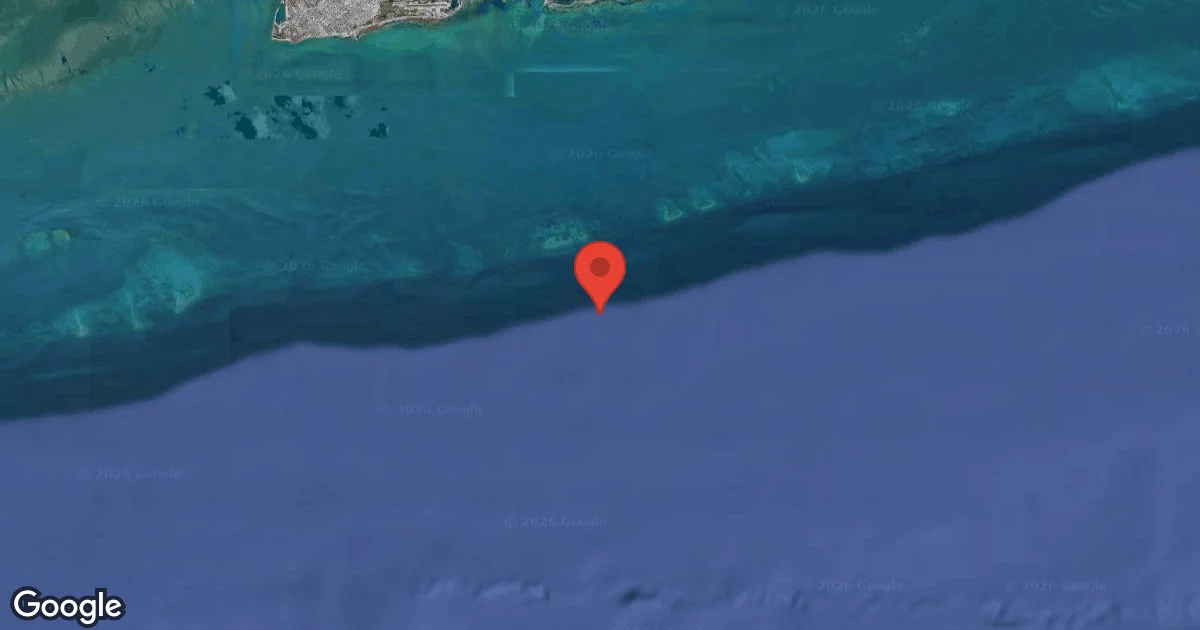
Dive Site Location & Key Facts
Dive Site Overview
Exploring Rock Key involves navigating a fascinating system of deep coral grooves and expansive reef structures, a stark contrast to many flatter nearby sites. This lower Keys reef features unusually deep and wide cuts, providing significant relief and shelter for abundant marine life.
Divers can cruise through open channels, some of which narrow to allow passage for only a single diver, descending through crevices that typically start around 9 m / 30 ft, extending to a white sandy bottom at about 11 meters. While primarily a natural reef, the site also holds remnants of two 18th-century wrecks, largely unidentifiable but occasionally revealing artifacts like brass fittings, ceramic tiles, and iron cannonballs scattered among pebble ballast and concrete beams.
Rock Key is suitable for all skill levels due to its shallow depths and typically light currents. As a Sanctuary Preservation Area, it's critical to observe all regulations, ensuring the delicate ecosystem remains undisturbed.
Conditions are Good
Optimal conditions expected
Current conditions near Rock Key show 28° air, 31° sea temperature, 0.3 m waves, and 24 km/h wind. Forecast data is refreshed regularly to ensure accuracy.
Best Time to Dive
While Rock Key can be dived year-round when local weather settles, conditions vary significantly with the seasons. The calmest runs for diving are generally experienced from May through September, benefiting from lower average wave heights (ranging from 0.7-0.8 m / 2.3-2.6 ft) and lighter winds (22-26 km/h / 14-16 mph). During these months, air temperatures are pleasantly warm, often ranging from 27-29°C / 81-85°F, and although rain activity increases slightly, it rarely impedes diving. Conversely, the winter months, from November to April, see higher average wave heights (1.1-1.3 m / 3.6-4.3 ft) and stronger winds (29-33 km/h / 18-20 mph), which can impact sea state and visibility. Air temperatures during this period are cooler, averaging 21-25°C / 70-77°F, making for a refreshing contrast. Operators typically select dive days based on real-time sea conditions.
PEAK SEASON SCORE
Scores combine air & water temps, waves, wind & rainfall for overall conditions.
BEST MONTHS TO DIVE
Monthly records compiled from satellite and marine observation nodes over the last 3 years. Data provided by Open-Meteo and MET Norway.
Dive Experience & Conditions
Descending into Rock Key, divers immediately encounter a dynamic reef landscape characterized by extensive coral grooves and pronounced reef relief. The primary exploration involves weaving through these wider coral channels and investigating the numerous ledges. Depths typically reach 11 meters, with crevices often starting around 9 meters and extending deeper into sandy bottoms. This moderate depth, combined with generally light currents, offers a relaxed and accessible dive for various skill levels. Water temperatures in this region usually range from 22-27°C / 72-81°F, making it comfortable for extended dives without heavy thermal protection. The site's open Atlantic exposure helps maintain consistently good visibility, enhancing the exploration of its intricate structures and resident marine life. This clear environment allows for detailed observation of the reef's complex ecosystem.
Dive Difficulty & Safety Guidelines
Approaching Rock Key requires an understanding that access is exclusively via dive charter from Key West, subject to daily reef conditions, mooring availability, and operator discretion. This site is an open Atlantic-side reef, meaning conditions can be influenced by wind and sea state, although dives are generally straightforward when managed appropriately. As a Sanctuary Preservation Area (SPA) within the Florida Keys reef system, stringent guidelines apply.
Divers must adhere to all sanctuary rules, which include strictly avoiding contact with coral and leaving all marine life and any historical artifacts undisturbed. Removing objects, even small findings like ceramic tiles or cannonballs from the 18th-century wrecks, is forbidden.
Recommended Equipment
- Dive Computer
- DSMB
This gear list is based on verified equipment signals for Rock Key, United States. Always confirm final gear choices with your dive operator, guide, or liveaboard.
Recommended Dive Suit
Conditions in the coming days are expected to stay within a similar temperature range.
Factors such as dive duration, depth, and activity level can influence how warm a diver feels underwater. Stronger winds may also make surface intervals feel cooler than usual.
Dive skin or rash guard typically balances flexibility and thermal protection in these temperatures. Consider warmer surface protection (like a boat coat) due to brisk winds. The latest environmental readings for Rock Key suggest water temperatures around 31°C (88°F). Surface air temperatures are resting at 28°C (83°F).
Due to technical issues with our weather providers, data hasn't been fetched for over 48 hours. The data above reflects the conditions at the time of the last successful fetch.
Emergency & Medical Support
Essential information to help you plan your dive trip to Rock Key.

Hyperbaric chambers are a critical part of dive safety infrastructure. Availability varies significantly by region, and not all dive areas have immediate access.
Before diving, it's recommended to:
- confirm nearest medical facilities
- check emergency procedures with local dive operators
- ensure dive insurance covers evacuation if required
Divers Alert Network
Diving emergency assistance available through DAN World.
+1-919-684-9111- 24/7 emergency hotline
- Diving medical assistance
- Evacuation coordination
Emergency contacts are provided for reference. Always verify local emergency services before diving.
Marine Life at Rock Key
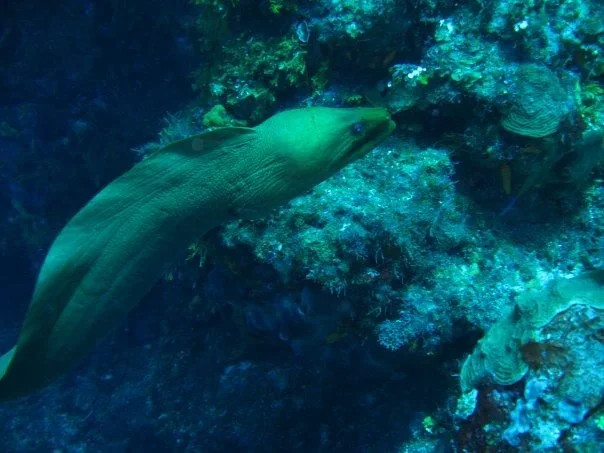
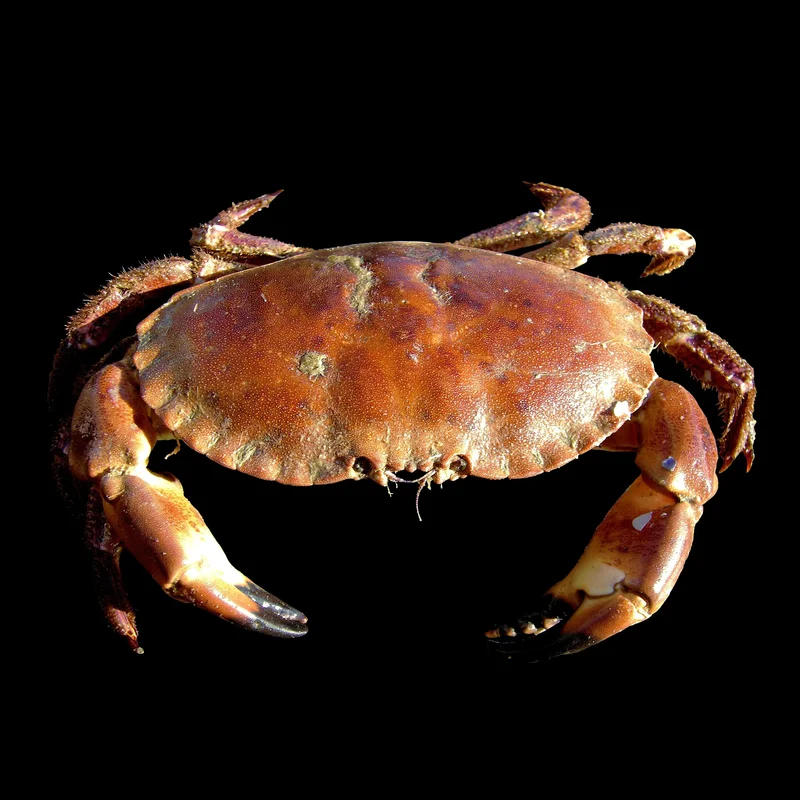
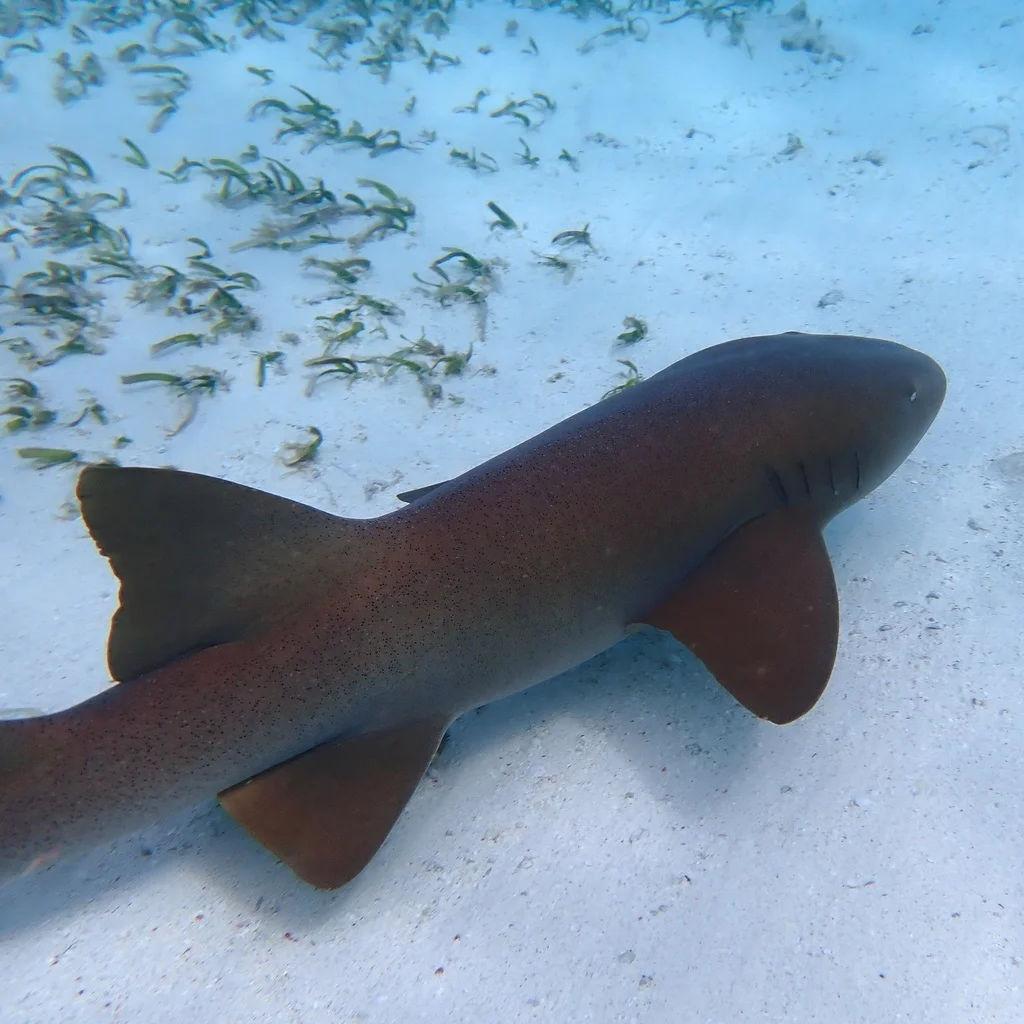
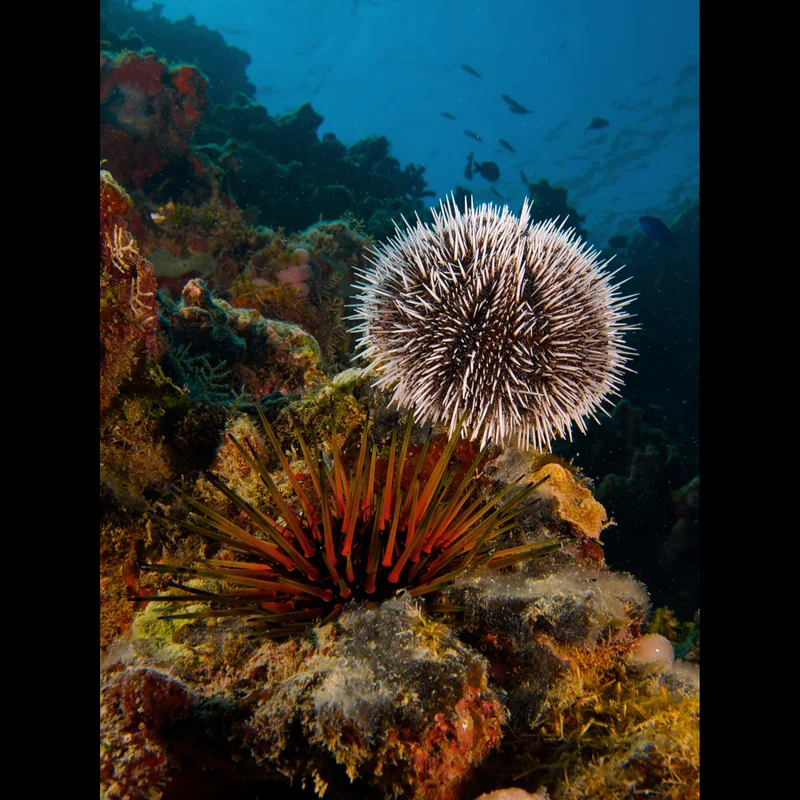
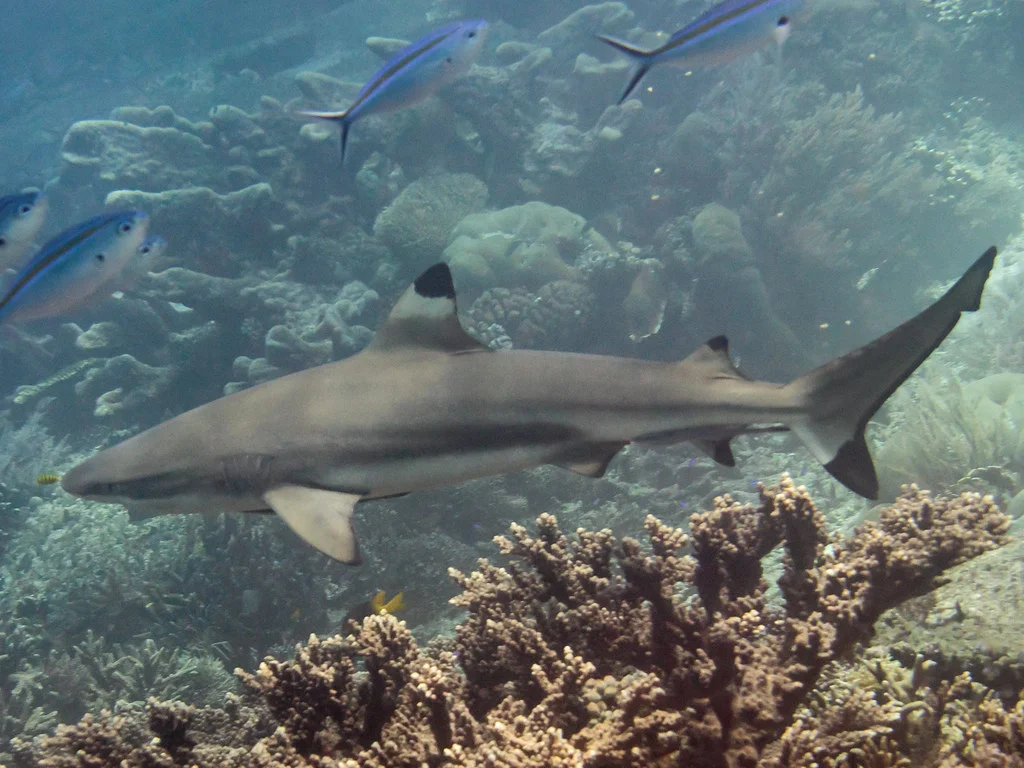
The intricate underwater landscape of Rock Key, with its deep coral cuts and sheltering crevices, supports a diverse array of marine life. Divers frequently observe moray eels peering from hidden nooks and nurse sharks resting on the sandy bottom, occasionally accompanied by blacktip reef sharks cruising the outer edges.
The reef structure provides habitat for various tropical fish, including grouper and basslets, while green turtles are often spotted gracefully navigating the coral formations. Eagle rays are also known to glide across the open sand channels, adding another layer of visual interest to this vibrant ecosystem.
Dive Sites Near Rock Key
View all dive sites in United StatesDiscover more underwater gems in this area.
Dive Centers Near Rock Key

Today: 08:00 - 18:00
Nearest Airports
Nearest airports to help plan travel to this dive area.
Search Flights
Check available flights and routes on Expedia, using the nearby airports listed in this section.
Search Flights on Expedia
Plan Your Stay
Looking for a place to stay for your dive trip? Explore hotels, stays, and vacation rentals for dive groups near Key West.
Dive Navigator may earn a commission from these links at no extra cost to you.
Frequently Asked Questions
Can you snorkel Rock Key?
Yes, the clear shallow water makes Rock Key suitable for snorkeling. However, it's not a typical casual snorkel stop as it requires boat access and is often part of scuba charters.
How do you access Rock Key?
Rock Key is accessed by dive charter from Key West. Charters typically determine daily stops based on sea conditions and mooring availability.
Is Rock Key suitable for newer divers?
Yes, its shallow depths, generally light currents, and broad coral channels make Rock Key ideal for divers of all skill levels, including those with less experience.
What conditions matter most at Rock Key?
Visibility and sea state are the most critical conditions. Being an open Atlantic reef, calm winds and settled seas ensure the most straightforward and enjoyable dive experience.
What marine life is common at Rock Key?
Divers often encounter moray eels, nurse sharks, and various tropical fish like grouper. Green turtles and eagle rays are also frequent visitors to the reef.
What rules apply at Rock Key?
Rock Key is a Sanctuary Preservation Area (SPA) within the Florida Keys National Marine Sanctuary. This means divers must not touch or remove anything from the reef, including marine life or historical artifacts.
What makes Rock Key different from nearby reefs?
Rock Key stands out for its unusually deep and wide coral cuts and crevices, providing more relief and shelter than many other flatter patch reefs in the Lower Keys. This unique topography creates more extensive areas for exploration.
Planning to dive Rock Key?
Send one inquiry and receive offers directly from the best verified local dive operators.
Conditions are Good
Optimal conditions expected
Current conditions near Rock Key show 28° air, 31° sea temperature, 0.3 m waves, and 24 km/h wind. Forecast data is refreshed regularly to ensure accuracy.