
Diving at Cornelius Bay (Venezuela)
Experienced divers venturing to Venezuela discover a varied underwater world, promising engaging dives for different skill levels. Explore dramatic walls and expansive coral formations. From shallower reefs ideal for photography to deeper excursions offering encounters with pelagic species, the region caters to a spectrum of interests. Planning your visit allows for optimal enjoyment of these Caribbean marine environments.
Tonight's objective overview for Cornelius Bay shows an air temperature of 28.5°C. The measured surface conditions include wave heights around 1.2 m. This environmental data is logged for the close of the day.
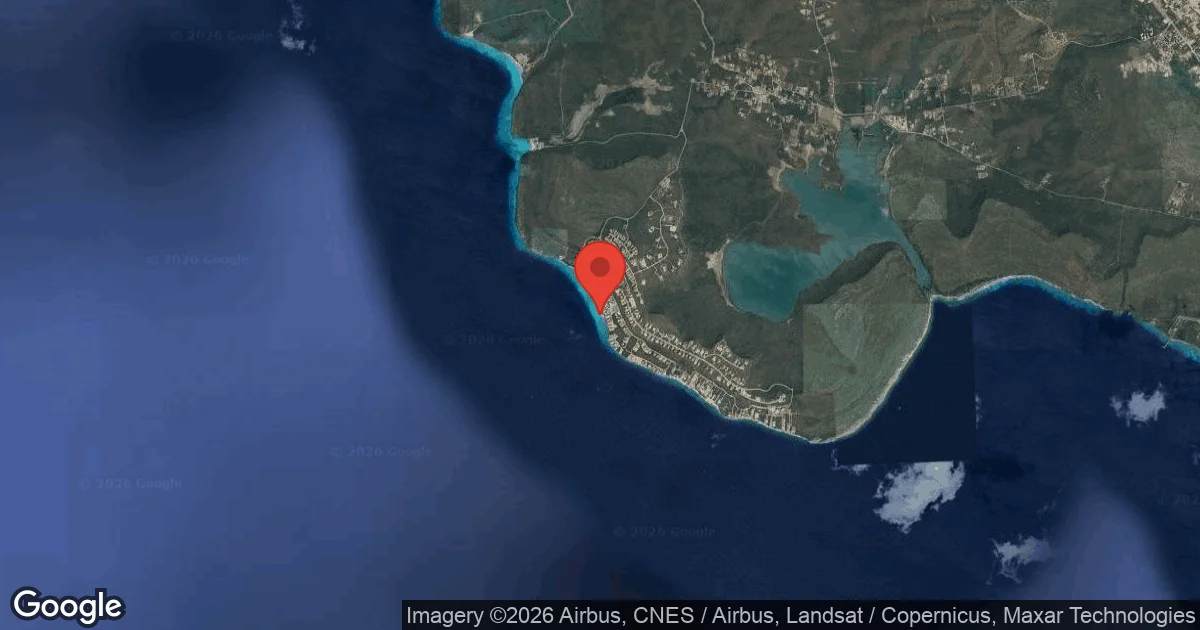
Dive Site Location & Key Facts
Dive Site Overview
Beneath the surface in Venezuelan waters, topography often reveals diverse underwater structures. Recreational divers might explore sites like SÁBALO, known for its moderate currents and a maximum depth of 20 m (66 ft), where corals provide habitat for various fishes.
This specific location frequently offers around 20 meters of clarity, making it suitable for observing dynamic reef activity. Other areas feature extensive coral gardens or vertical walls, some of which plunge dramatically to depths reaching 43 m (141 ft). Visibility in these deeper wall dives can range widely, from 8 meters up to an impressive 45 meters, depending on the specific site and prevailing conditions.
Explorers may encounter caverns and grottos, often adorned with colorful sponges and robust black coral formations, particularly in deeper sections. The seabed commonly transitions from vibrant reef ecosystems to sandy expanses, supporting different types of marine life.
Some areas, like Morrito, are noted for simpler, current-free diving, making them excellent spots for skill refreshers or less experienced divers, and occasionally feature a wreck of a sailing ship. These varied environments provide a spectrum of experiences, from gentle explorations over vibrant gardens to more dynamic drifts along imposing walls.
Conditions are Moderate
Optimal conditions expected
Current conditions near Cornelius Bay show 28° air, 29° sea temperature, 1.2 m waves, and 36 km/h wind. Forecast data is refreshed regularly to ensure accuracy.
Best Time to Dive
Optimal diving conditions, particularly for visibility, usually align with periods of calmer seas and lower rainfall. Venezuela experiences generally good diving scores throughout the year, with April, August, September, October, and December often rated highest. Air temperatures remain consistently warm, averaging between 27.5°C (82°F) in cooler months like January and February, and peaking around 30°C (86°F) in September. Rainfall is generally low, averaging less than 2 mm (0.08 inches) for most months, though it can increase slightly in November to around 3.2 mm (0.13 inches). Wind speeds vary, typically ranging from 21-30 km/h (13-19 mph), influencing surface conditions. Wave heights are generally manageable, averaging 0.8 m (2.6 ft) to 1.2 m (3.9 ft). The moderate dive scores in June, for instance, are often associated with slightly higher wave heights and wind speeds, which can temporarily reduce clarity. While specific water temperatures aren't consistently reported, the tropical climate suggests warm waters, likely mirroring the consistent air temperatures.
PEAK SEASON SCORE
Scores combine air & water temps, waves, wind & rainfall for overall conditions.
BEST MONTHS TO DIVE
Monthly records compiled from satellite and marine observation nodes over the last 3 years. Data provided by Open-Meteo and MET Norway.
Dive Experience & Conditions
Descending into Venezuelan dive sites offers a dynamic experience, shaped by prevailing ocean movements. Divers frequently encounter moderate currents at several locations, such as SÁBALO, which requires attention to drift and buoyancy control. Some deeper sites are known for stronger currents, providing exhilarating drift dives along impressive vertical walls. Visibility often remains excellent, with reports varying from around 15 meters to an exceptional 45 meters in certain clear conditions. Such clarity allows for expansive views of large coral formations and distant pelagic fish. Water temperatures are not consistently reported for this specific area, but they are generally warm, expected to be in the 22-27°C (72-81°F) range, typical of tropical Caribbean waters. Surface conditions can range from calm to choppy, depending on daily wind and wave patterns. Planning dives around these variations enhances the overall experience and ensures safety.
Dive Difficulty & Safety Guidelines
Navigating the currents encountered at some Venezuelan dive sites requires careful planning and appropriate skill levels. While many areas offer calm, accessible diving, locations with moderate to strong currents demand advanced awareness and experience. Divers should always consult local operators for up-to-date conditions and guidance tailored to specific sites.
Proper briefing on entry and exit procedures, along with established communication signals, are essential. It's advisable to maintain conservative dive profiles, especially when exploring deeper sections or sites known for their variable conditions.
Always dive within your certification limits. A buddy system is non-negotiable for safety. Local dive centers, such as those in Caracas or Chichiriviche de la Costa, can provide valuable insights and support for responsible exploration.
Recommended Equipment
- Dive Computer
This gear list is based on verified equipment signals for Cornelius Bay, Venezuela. Always confirm final gear choices with your dive operator, guide, or liveaboard.
Recommended Dive Suit
For relaxed exploration dives, 2-3mm shorty or light wetsuit generally provides adequate warmth. Consider warmer surface protection (like a boat coat) due to brisk winds. Water conditions at Cornelius Bay are currently measured at approximately 29°C (83°F). Surface air temperatures are resting at 28°C (83°F).
Forecast trends indicate similar diving conditions over the next few days.
A diver's personal tolerance to cold water can play a large role in suit selection.
Emergency & Medical Support
Essential information to help you plan your dive trip to Cornelius Bay.

Hyperbaric chambers are a critical part of dive safety infrastructure. Availability varies significantly by region, and not all dive areas have immediate access.
Before diving, it's recommended to:
- confirm nearest medical facilities
- check emergency procedures with local dive operators
- ensure dive insurance covers evacuation if required
Divers Alert Network
Diving emergency assistance available through DAN World.
+1-919-684-9111- 24/7 emergency hotline
- Diving medical assistance
- Evacuation coordination
Emergency contacts are provided for reference. Always verify local emergency services before diving.
Marine Life at Cornelius Bay
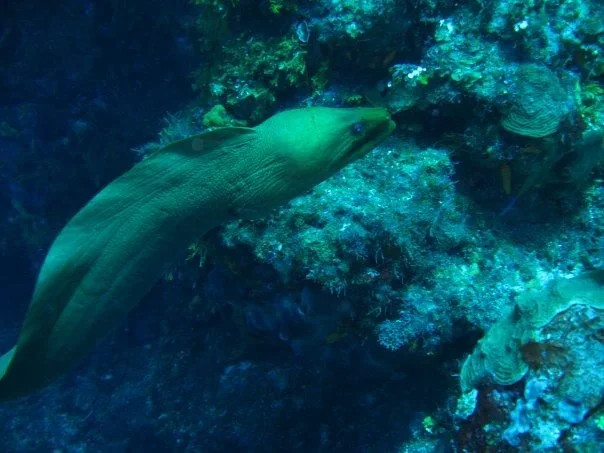
The underwater landscapes in this region support a diverse array of marine life, thriving among the vibrant coral formations. Expect to encounter a variety of reef fishes inhabiting the shallower sections.
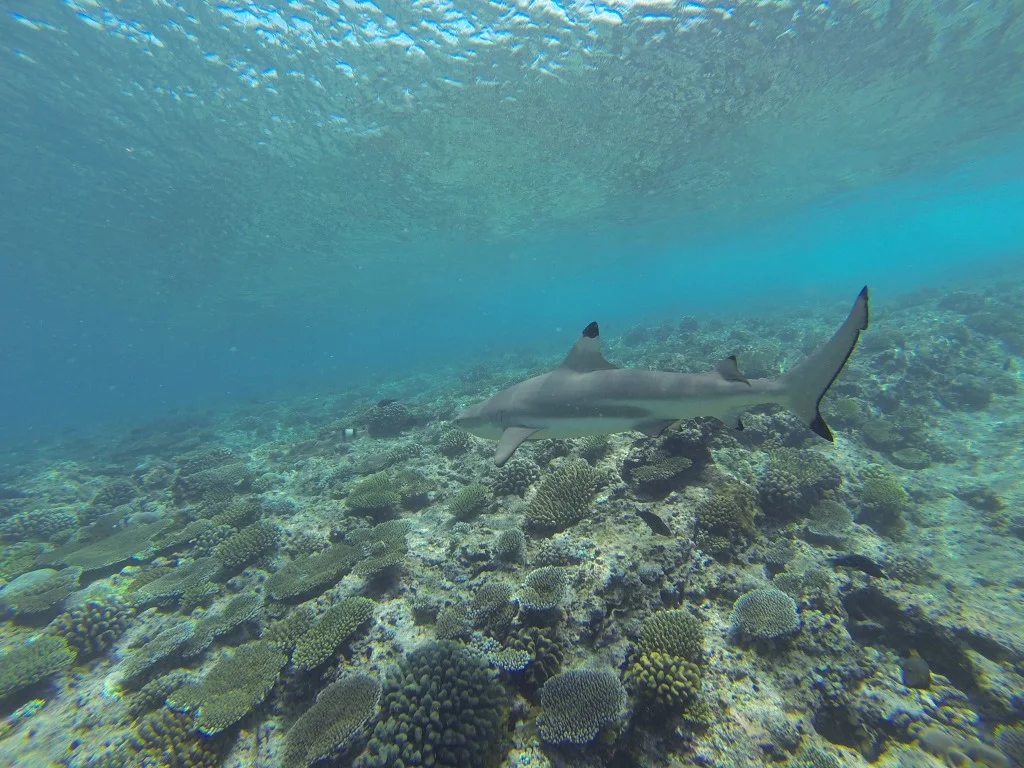
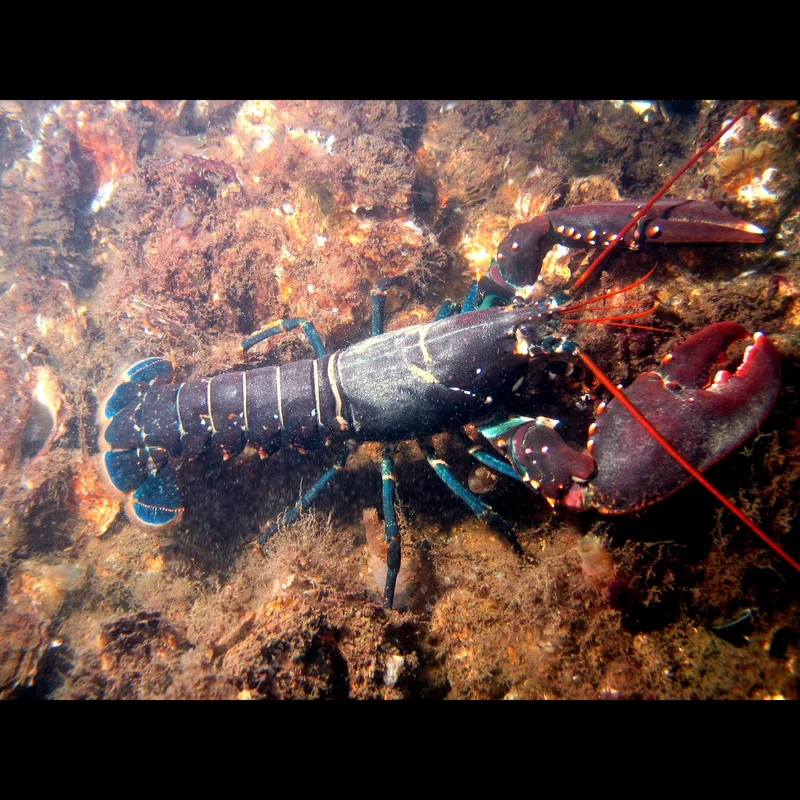
Moving to deeper walls and grottos, the potential increases for sightings of larger pelagic fish, including various shark species. Lobsters can be found sheltering in crevices, and marine turtles are commonly observed gliding through the water.
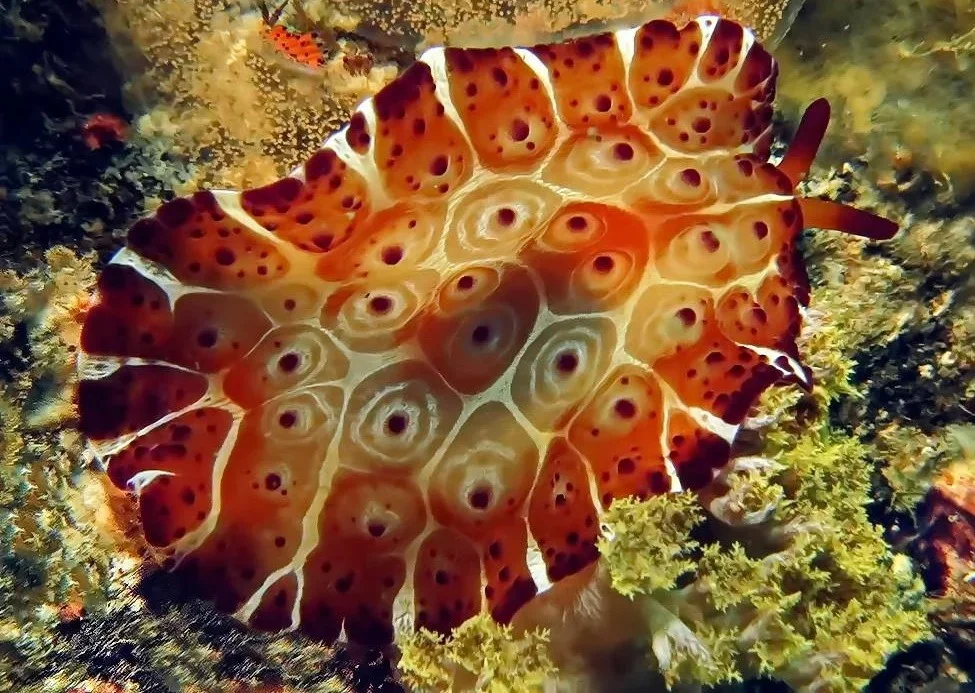
Colorful sponges often cover rock surfaces, while black coral formations add a dramatic element to the deeper reef structures. Keep an eye out for specific species like sabalo fishes, mentioned at certain sites.
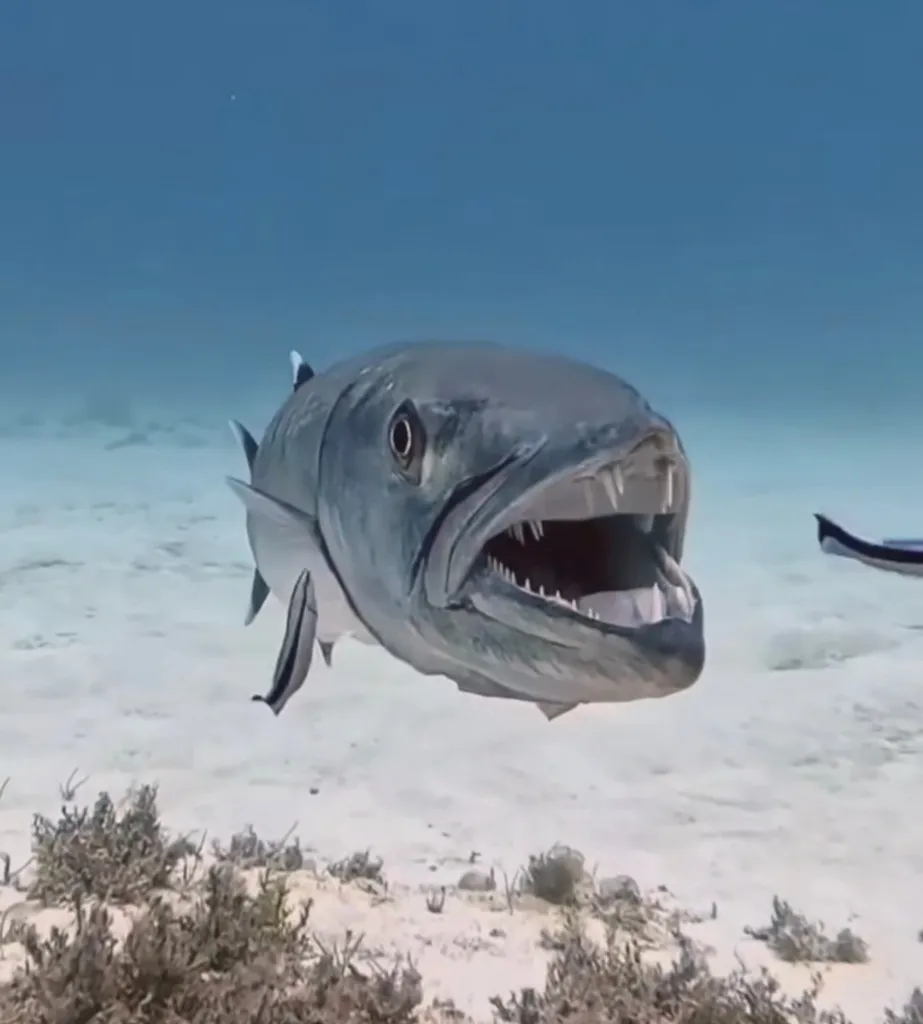
Dive Sites Near Cornelius Bay
View all dive sites in VenezuelaDiscover more underwater gems in this area.
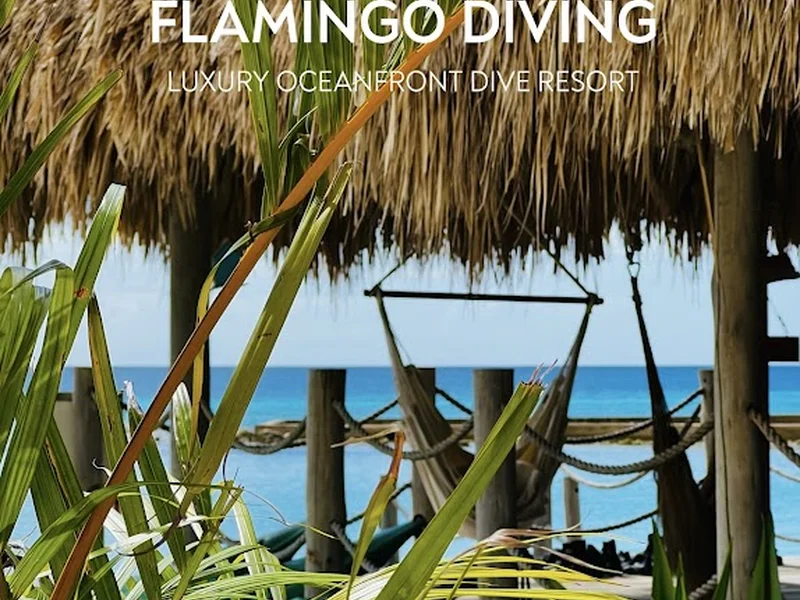
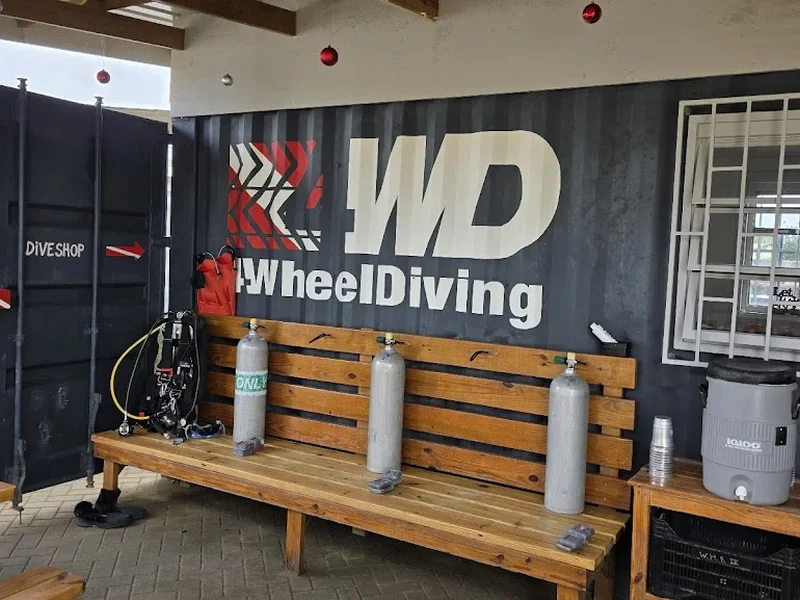
Dive Centers Near Cornelius Bay
Today: 09:00 - 17:00
Nearest Airports
Nearest airports to help plan travel to this dive area.
Search Flights
Check available flights and routes on Expedia, using the nearby airports listed in this section.
Search Flights on ExpediaFrequently Asked Questions
What are the typical depths for diving?
Venezuelan dive sites offer a wide range of depths. Recreational dives often cover a range from shallow areas of around 15 meters up to maximum depths of 43 m (141 ft) at certain wall sites.
What can I expect regarding underwater visibility?
Visibility can be quite impressive, frequently reported between 15 meters and 45 meters. Conditions depend on factors like currents and recent weather.
Are currents common at dive sites here?
Yes, currents vary from moderate to strong, depending on the specific location and time. Some sites are known for calm conditions, while others offer exciting drift dives.
What marine life might I encounter?
Divers often see a variety of reef fish, pelagic species like sharks, and marine turtles. Lobsters and colorful sponges are also common, particularly around coral and wall formations.
What are the typical water temperatures?
Specific water temperatures are not consistently reported for this region. However, given the tropical climate, expect warm waters generally within the 22-27°C (72-81°F) range.
When is the best time of year to dive?
Diving is generally good year-round, with high scores typically seen from April through October, and again in December. These months often feature lower rainfall and more favorable surface conditions.
Are there local dive centers in Venezuela?
Yes, several PADI dive centers operate in Venezuela, including in Caracas and Chichiriviche de la Costa. These centers offer instruction, equipment sales, and guided dive operations.
Planning to dive Cornelius Bay?
Send one inquiry and receive offers directly from the best verified local dive operators.
Conditions are Moderate
Optimal conditions expected
Current conditions near Cornelius Bay show 28° air, 29° sea temperature, 1.2 m waves, and 36 km/h wind. Forecast data is refreshed regularly to ensure accuracy.