
Diving at Farallón Centinela (Venezuela)
Farallón Centinela presents itself as a prominent rocky islet, standing approximately 30 m (100 ft) high and covering less than one hectare. Located 25 km north of Cabo Codera in Miranda State, this site is marked by a distinctive lighthouse. Reaching this offshore destination typically requires a 1.5-hour boat journey, ensuring a sense of remote adventure for divers.
Tonight's objective overview for Farallón Centinela shows an air temperature of 27°C. The measured surface conditions include wave heights around 0.9 m. This environmental data is logged for the close of the day.
Dive Site Location & Key Facts
Dive Site Overview
Divers seeking an offshore challenge find consistent appeal at Farallón Centinela, a site drawing those ready for ocean and pinnacle diving. Depths here extend to a maximum of 60 m (196 ft), accommodating a range of experience levels.
Clear waters consistently host an abundant and varied underwater ecosystem, creating a favored spot for exploration. Predominantly a drift dive, ocean currents guide the experience, necessitating competent current management skills. Underwater, a richly textured seabed unfolds, covered with substantial brain corals, vibrant fire corals, an assortment of anemones, and intricate gorgonians, forming complex habitats for diverse marine life.
Exploring the pinnacle's walls reveals numerous crevices and overhangs, often sheltering schooling fish. Maintaining situational awareness is key as the currents can shift throughout the dive, leading to dynamic conditions.
The dive profile often involves descending onto the deeper sections of the reef and then slowly ascending along the pinnacle's slopes.
Conditions are Good
Optimal conditions expected
Current conditions near Farallón Centinela show 27° air, 26° sea temperature, 1.0 m waves, and 29 km/h wind. Forecast data is refreshed regularly to ensure accuracy.
Best Time to Dive
Planning your dive around Farallón Centinela's seasonal patterns significantly enhances the experience. The months of August, September, and October consistently offer 'Good' dive conditions, characterized by lower average wave heights around 0.8-0.9 m (2.6-3.0 ft) and minimal rainfall. Air temperatures during these prime months comfortably hover between 27.5°C and 28.5°C (81-83°F). While January to April also report 'Good' conditions, November, December, May, and June are classified as 'Moderate' due to potentially higher rainfall, increased wind speeds, and larger waves, averaging 1.1-1.2 m (3.6-3.9 ft). For those hoping to encounter dolphins and whales, visiting during November, December, and January offers the best chance to spot these larger marine animals.
PEAK SEASON SCORE
Scores combine air & water temps, waves, wind & rainfall for overall conditions.
BEST MONTHS TO DIVE
Monthly records compiled from satellite and marine observation nodes over the last 3 years. Data provided by Open-Meteo and MET Norway.
Dive Experience & Conditions
Divers approach Farallón Centinela exclusively via boat, preparing for an open ocean entry. The underwater landscape primarily consists of pinnacles, with currents often dictating the dive profile, necessitating competent drift diving skills. Visibility in the area is generally clear, allowing for expansive views of the underwater topography. Water temperatures average around 27°C (81°F), providing a comfortable environment for most dives. Given the site's characteristics, including potential depths and currents, advanced certifications like the PADI Advanced Open Water Diver and Enriched Air Diver are highly beneficial. Technical diving levels such as Tec 40/45/50 and Tec Trimix are also suitable for exploring its deeper sections.
Dive Difficulty & Safety Guidelines
Diving at Farallón Centinela requires a thorough understanding of advanced diving principles and current management. Its nature as an open ocean and drift dive site means conditions can vary; therefore, divers should possess appropriate certifications like PADI Advanced Open Water Diver. Planning for deeper recreational limits, down to a maximum depth of 60 m (196 ft), demands advanced training and diligent gas management.
Always adhere to standard safe diving practices, and consider diving with professionals familiar with local currents and marine conditions. Carrying a surface marker buoy (SMB) and a dive knife is advisable for safety and communication.
Recommended Equipment
Technical depth range. Advanced planning, gas management, and appropriate certification required.
Current and surface separation risk. Local briefing strongly recommended.
- Dive Computer
- DSMB
- Primary & Backup Lights
- Reel / Spool
This gear list is based on verified equipment signals for Farallón Centinela, Venezuela. Always confirm final gear choices with your dive operator, guide, or liveaboard.
Recommended Dive Suit
2-3mm shorty or light wetsuit is frequently recommended by dive operators for conditions like these. A hood or vest is suggested for sensitive divers due to surface winds. Water conditions at Farallón Centinela are currently measured at approximately 26°C (79°F). Surface air temperatures are resting at 27°C (81°F).
Forecast trends indicate little change in overall diving conditions during the next few days.
Even small thermoclines can occasionally cause noticeable changes in water temperature.
Emergency & Medical Support
Essential information to help you plan your dive trip to Farallón Centinela.

Hyperbaric chambers are a critical part of dive safety infrastructure. Availability varies significantly by region, and not all dive areas have immediate access.
Before diving, it's recommended to:
- confirm nearest medical facilities
- check emergency procedures with local dive operators
- ensure dive insurance covers evacuation if required
Divers Alert Network
Diving emergency assistance available through DAN World.
+1-919-684-9111- 24/7 emergency hotline
- Diving medical assistance
- Evacuation coordination
Emergency contacts are provided for reference. Always verify local emergency services before diving.
Marine Life at Farallón Centinela
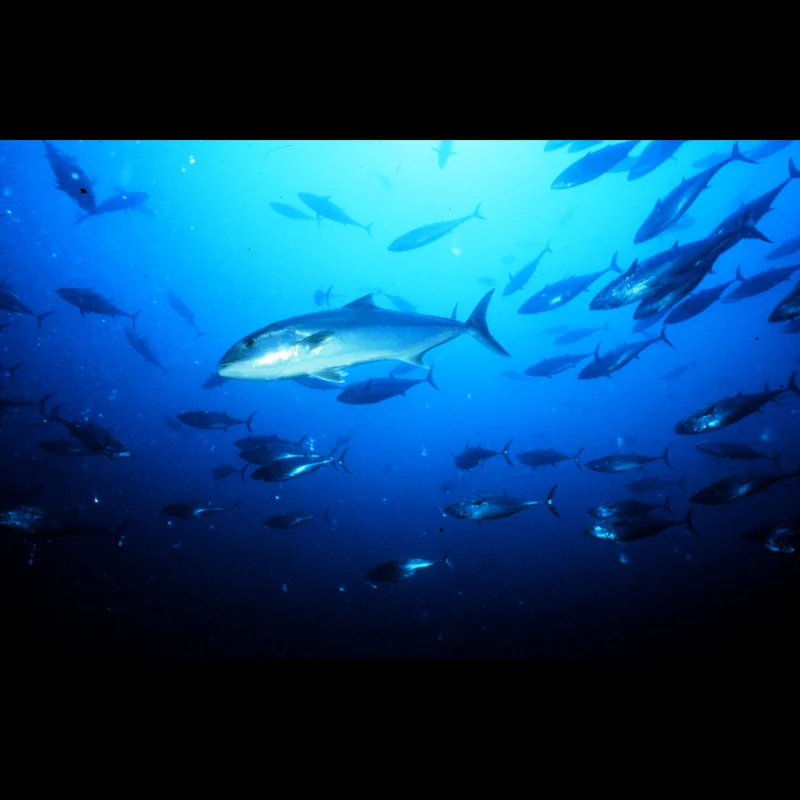
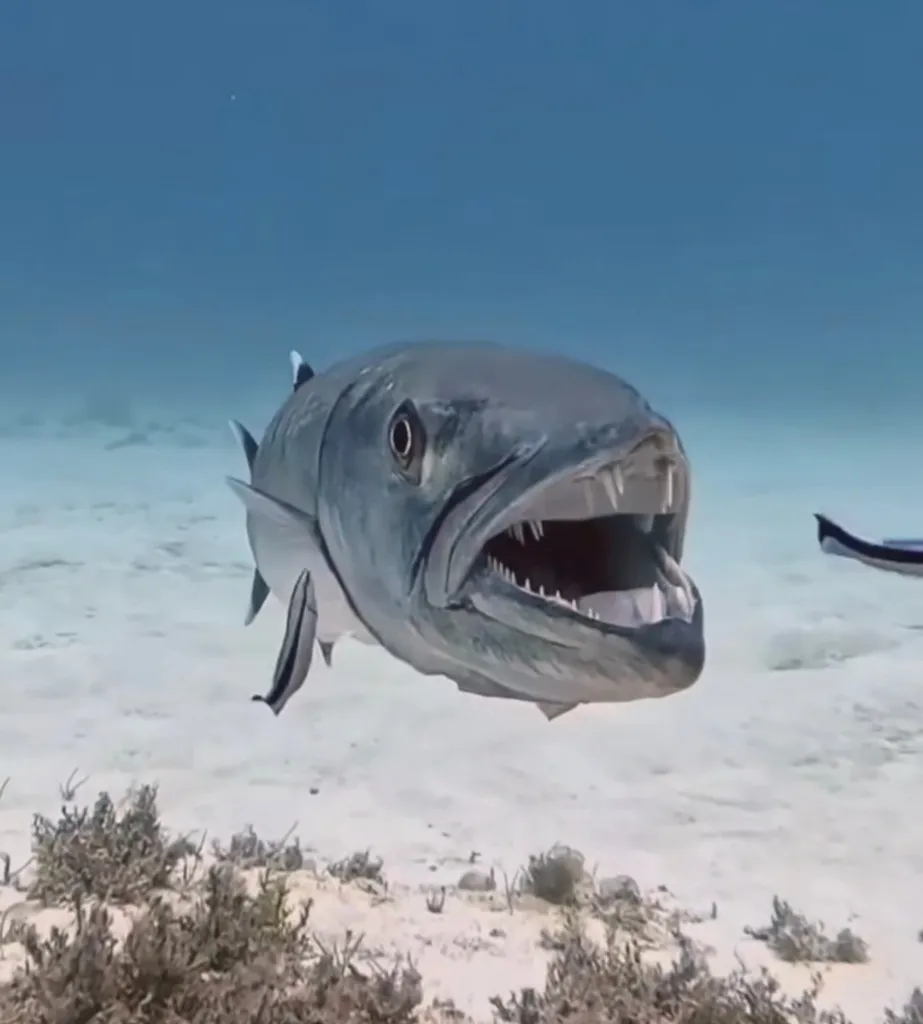
Descending into Farallón Centinela, you'll immediately notice the sheer density of marine life congregating around the rocky structure. It's common to encounter schools of snappers, barracudas, and amberjacks traversing the water column.
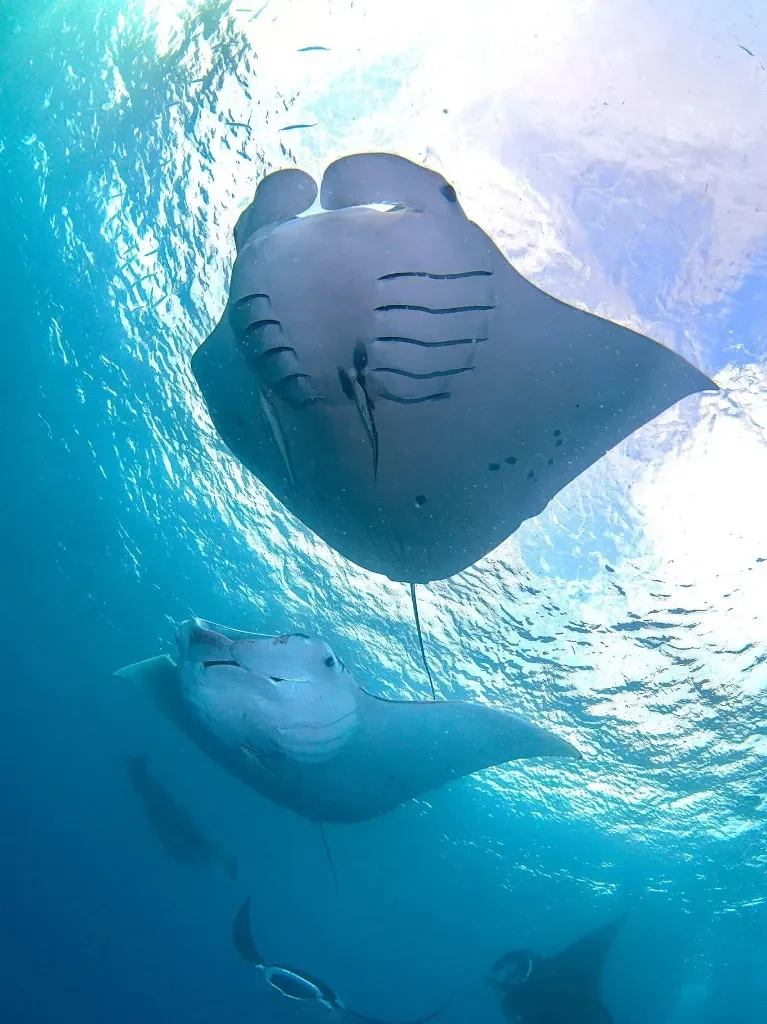
Observing manta rays and eagle rays gliding past is a frequent highlight, alongside sightings of turtles. The vibrant reef is home to numerous parrotfish, French angelfish, and queen angelfish, contributing to the rich biodiversity.
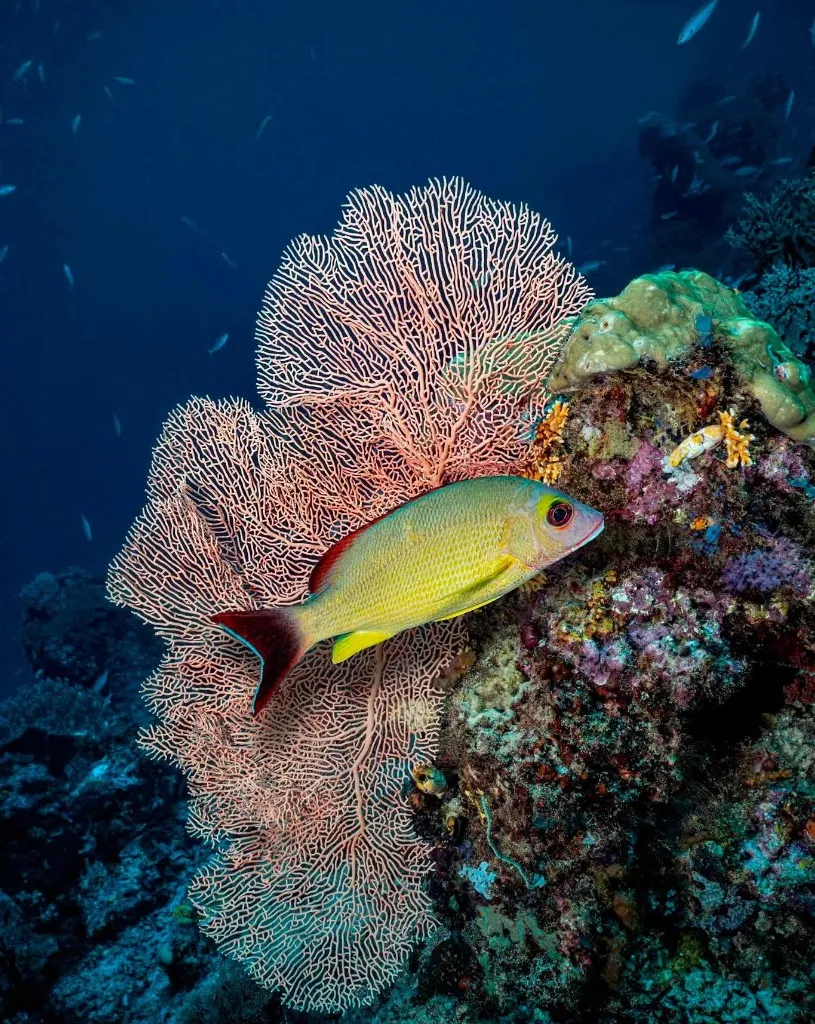
Look closer at the seabed to discover large brain corals, vivid fire corals, and gorgonians providing shelter for various smaller inhabitants.
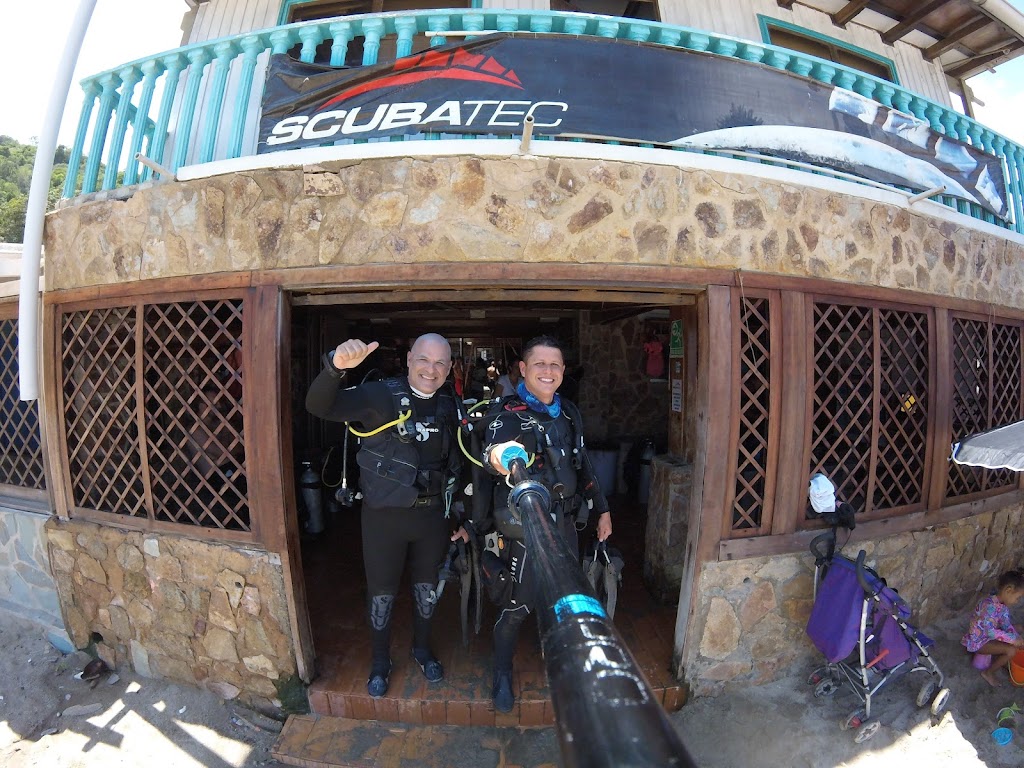
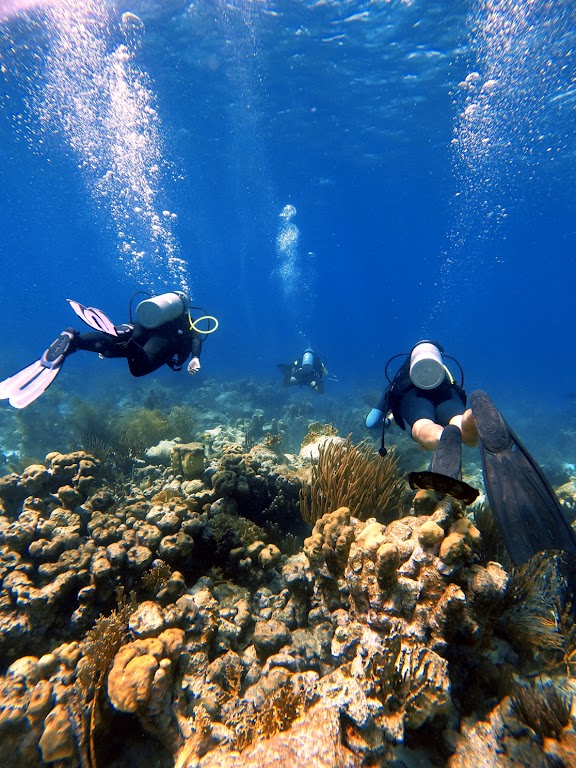
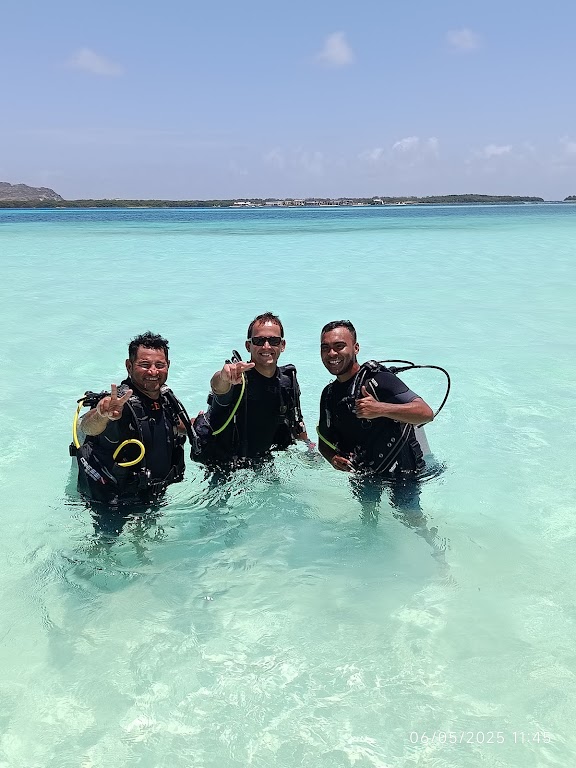
Dive Centers Near Farallón Centinela
Today: 05:00 - 22:30
Nearest Airports
Nearest airports to help plan travel to this dive area.
Search Flights
Check available flights and routes on Expedia, using the nearby airports listed in this section.
Search Flights on ExpediaFrequently Asked Questions
What is the maximum diving depth at Farallón Centinela?
The maximum reported diving depth at Farallón Centinela is 60 m (196 ft), suitable for certified technical divers or those with appropriate advanced training.
Are there strong currents at Farallón Centinela?
Yes, Farallón Centinela is known as a drift dive site, indicating that currents are often present. Divers should be comfortable with drift diving techniques.
What marine life can I expect to see?
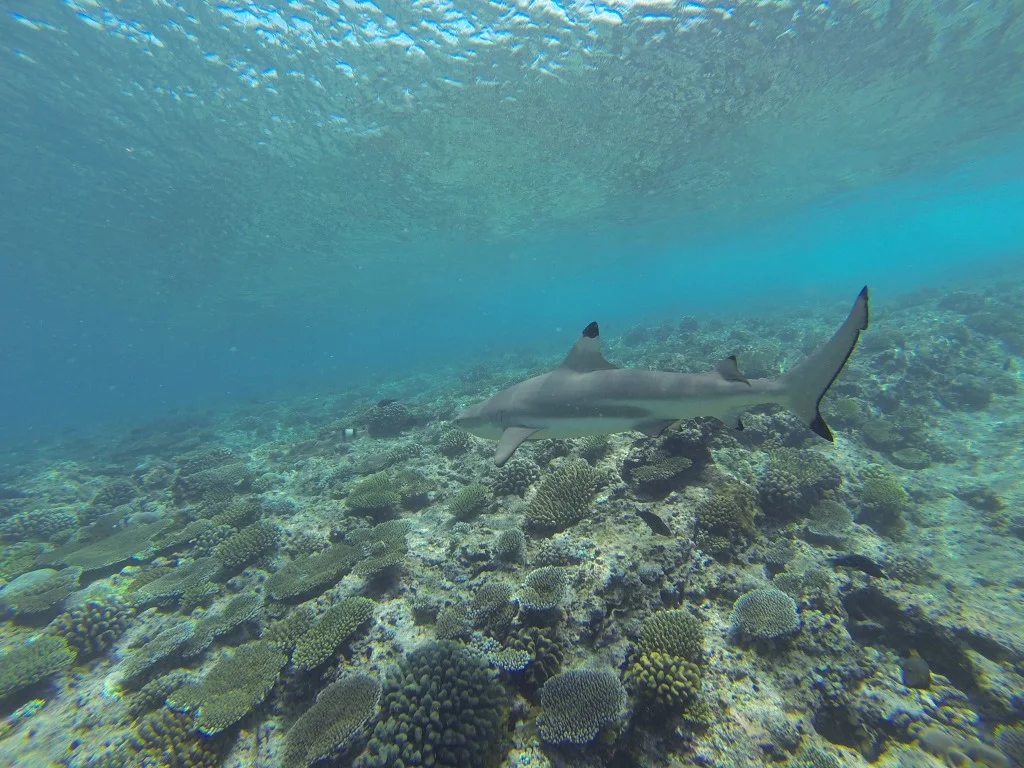
You can anticipate seeing sharks, barracudas, manta rays, snappers, turtles, parrotfish, and various angelfish. During specific months (November, December, January), there's a chance to spot dolphins and whales.
What is the water temperature like?
The average water temperature at Farallón Centinela is approximately 27°C (81°F), making it comfortable for diving with a standard wetsuit.
What certifications are recommended for this dive site?
Given the site's characteristics, a PADI Advanced Open Water Diver certification is recommended. For deeper exploration, Tec 40/45/50 or Tec Trimix certifications are appropriate.
How do I get to Farallón Centinela?
Access to Farallón Centinela is exclusively by boat. The journey typically takes about 1.5 hours from the mainland.
Planning to dive Farallón Centinela?
Send one inquiry and receive offers directly from the best verified local dive operators.
Conditions are Good
Optimal conditions expected
Current conditions near Farallón Centinela show 27° air, 26° sea temperature, 1.0 m waves, and 29 km/h wind. Forecast data is refreshed regularly to ensure accuracy.