
Diving at Salpatxot (Spain)
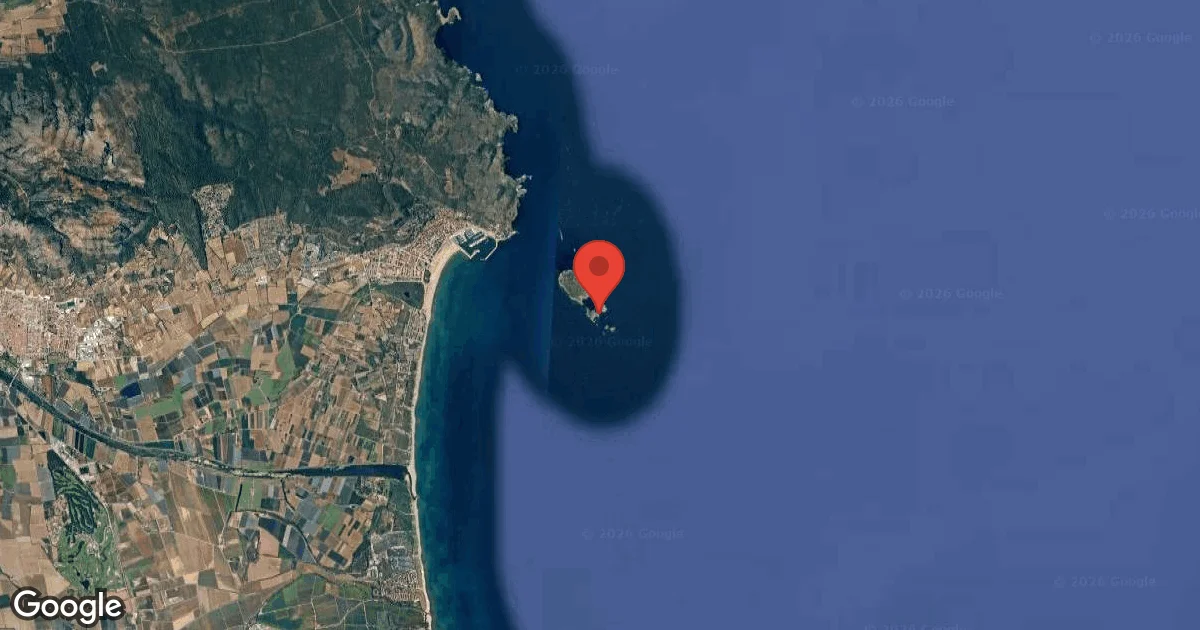
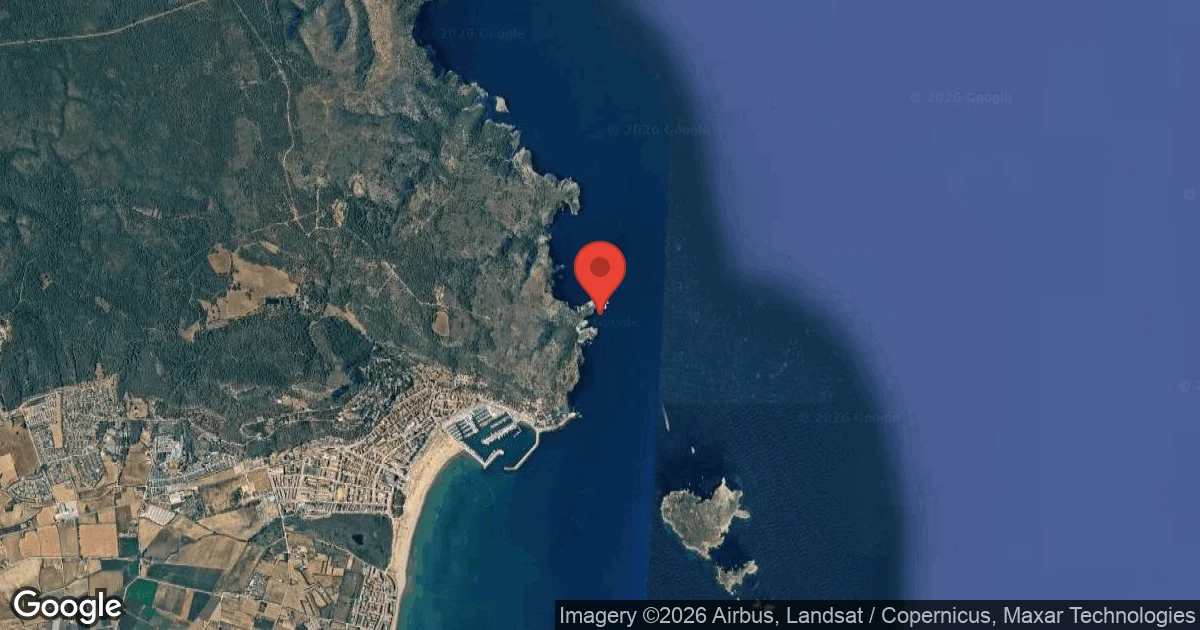
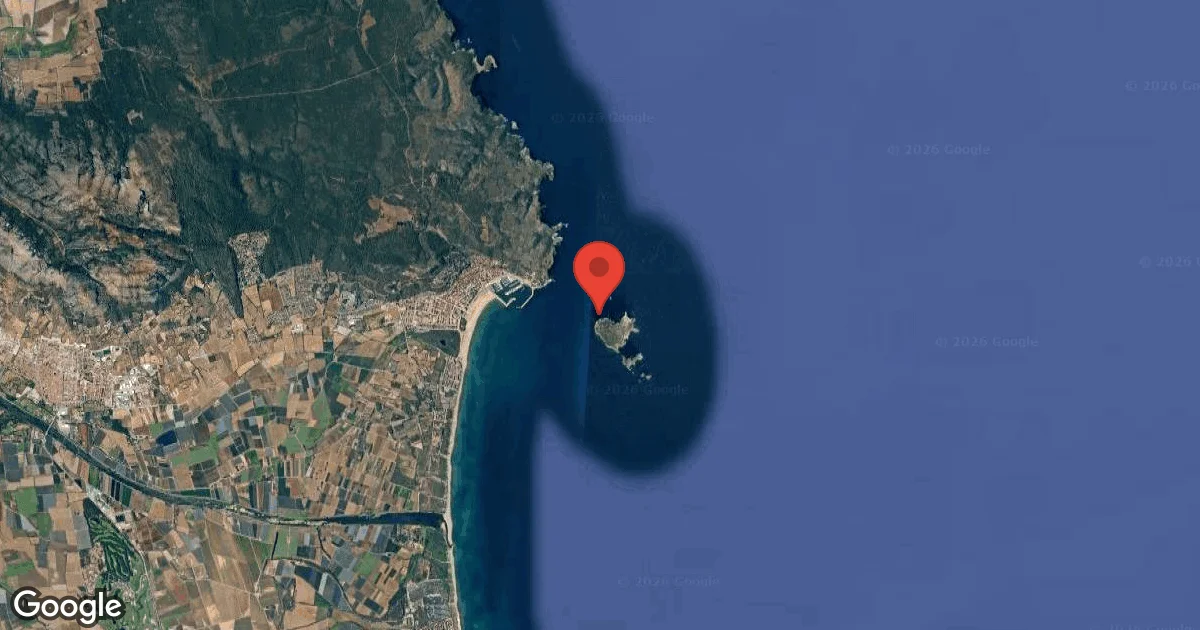
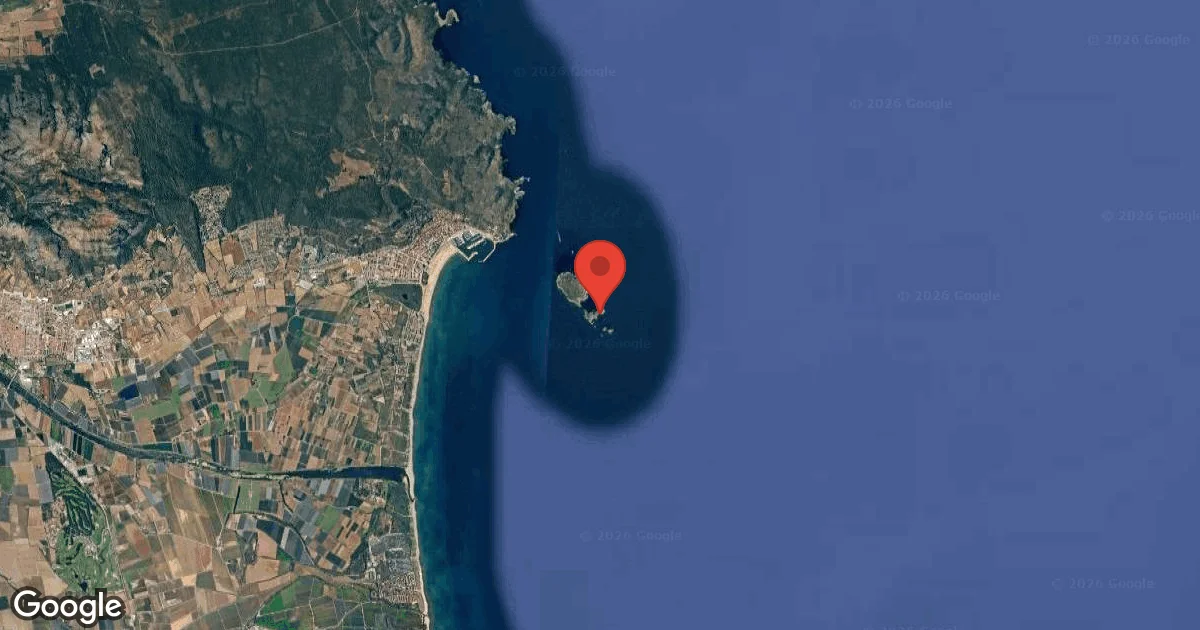
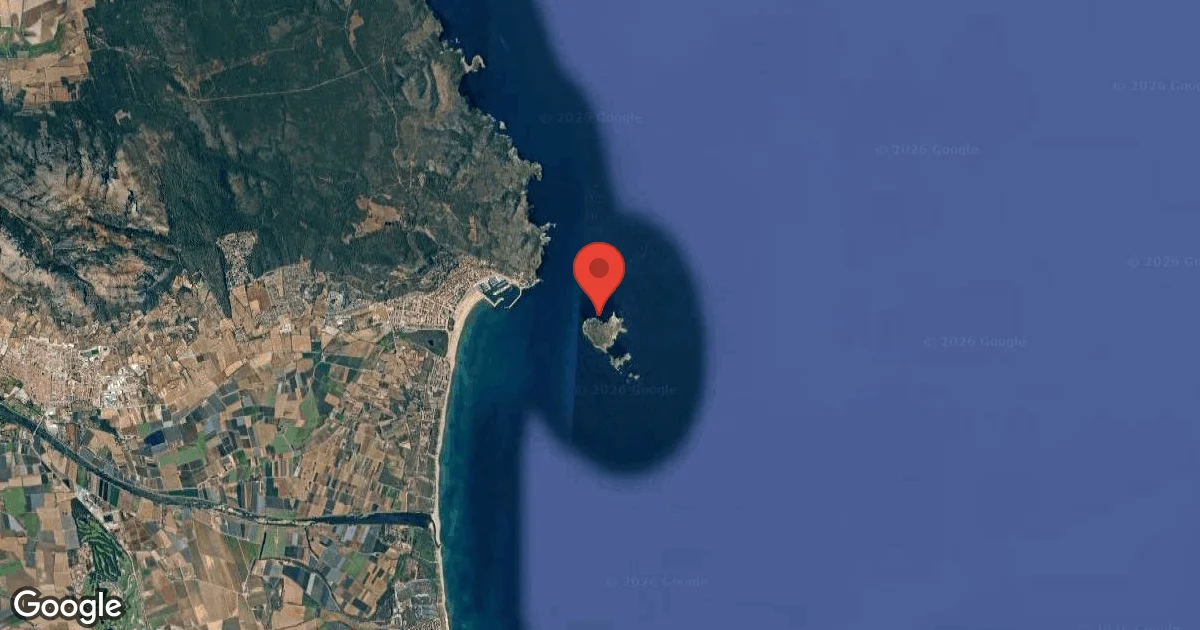
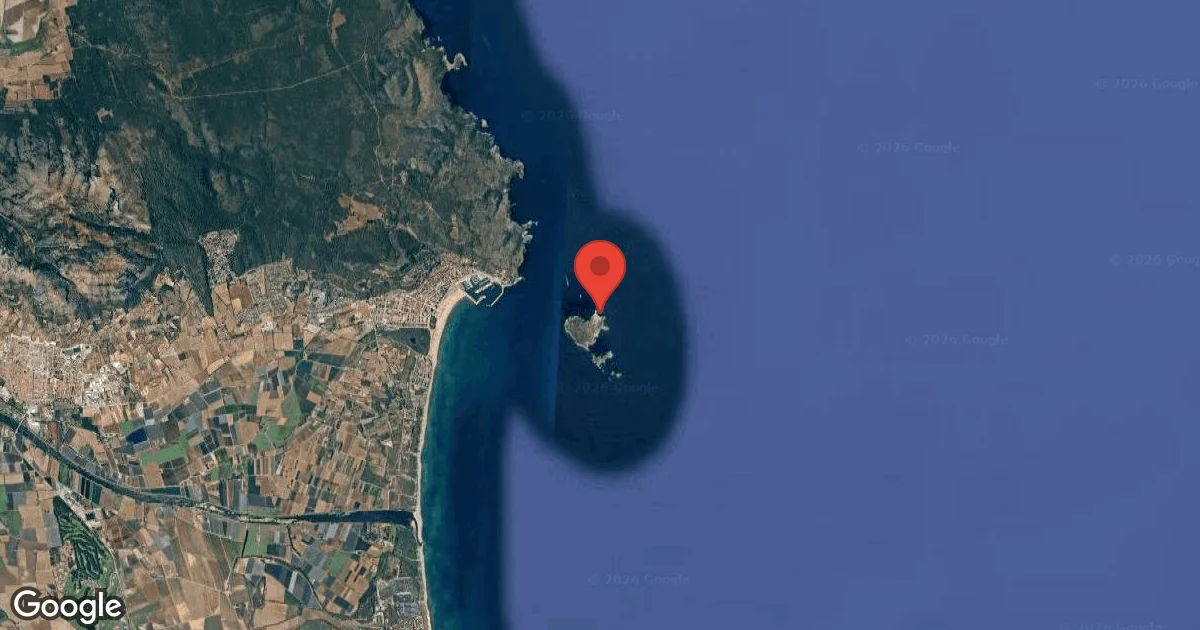
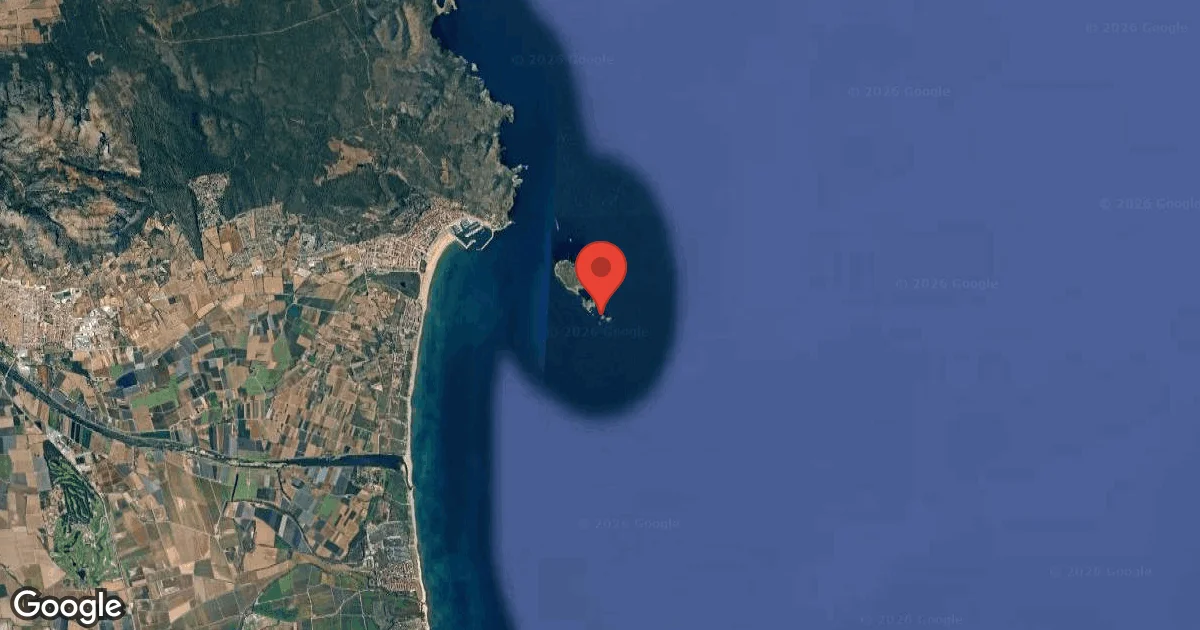
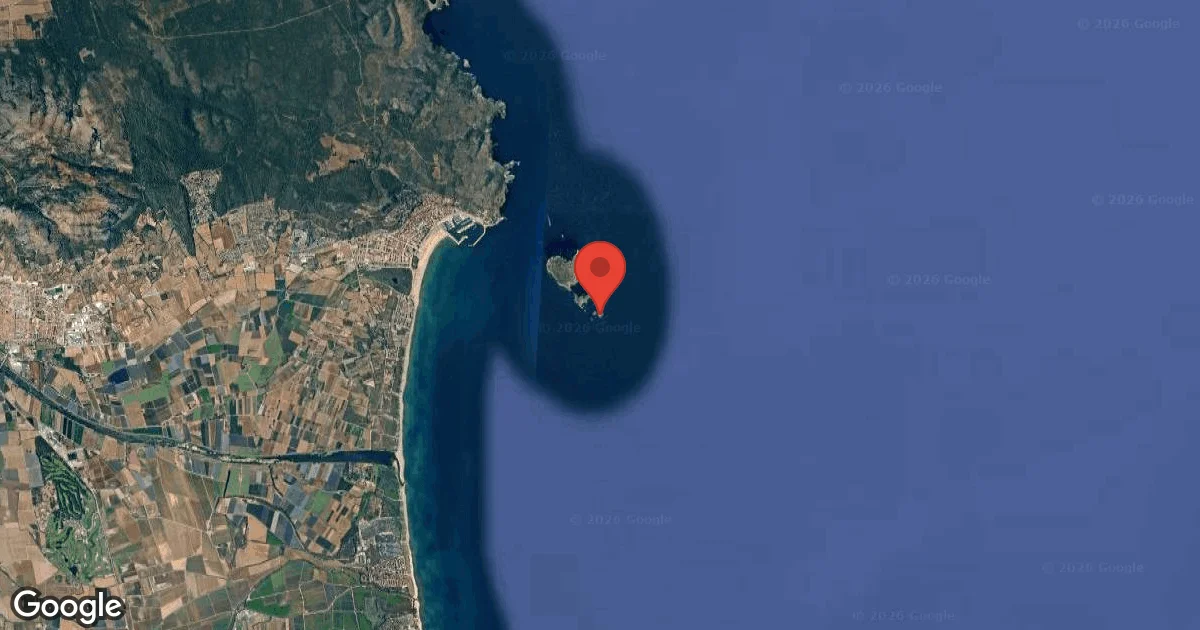
Salpatxot offers varied conditions, making it an adaptable dive for many certification levels along Spain's Costa Brava. Positioned north of the Medes Islands protected marine reserve, it typically benefits from shelter against southerly winds. Divers here can generally expect water temperatures ranging from 13-22°C (55-72°F) throughout the year, with visibility commonly spanning 5-25 meters (16-82 ft). Mild to moderate currents are possible, requiring divers to remain attentive.
Tonight's objective overview for Salpatxot shows an air temperature of 20°C. The measured surface conditions include wave heights around 0.6 m. This environmental data is logged for the close of the day.
Dive Site Location & Key Facts
Dive Site Overview
Exploring Salpatxot reveals a dynamic underwater landscape accommodating both novice and experienced divers. A gentle slope characterizes the dive profile, leading down through impressive blocks of rock, forming a distinctive rocky reef environment.
Navigating these formations provides a compelling journey, eventually transitioning into vast Posidonia meadows that stretch across the seabed. Often, the prominent rock known as Salpatxot itself serves as a key reference point, guiding descents and ascents within recreational limits and offering shelter to various species. A maximum depth of 24 meters (79 ft) awaits divers, allowing for extensive bottom time and exploration of both shallower and deeper sections.
Reports from divers indicate an average depth near 23 meters; however, some experiences note a wider range of depths across the site, extending into slightly deeper zones for more advanced exploration. This variability contributes to Salpatxot's appeal, providing different habitats and opportunities to observe its abundant marine life frequently observed amongst the rocks and seagrass.
Throughout the year, divers commonly encounter various fish species, ensuring a vibrant and engaging experience within this diverse Mediterranean ecosystem.
Conditions are Excellent
07:00 - 14:00
Optimal conditions expected
Current conditions near Salpatxot show 20° air, 25° sea temperature, 0.5 m waves, and 27 km/h wind. Forecast data is refreshed regularly to ensure accuracy.
Best Time to Dive
Optimal diving at Salpatxot generally aligns with the warmer months, typically from May through September, when water conditions are most favorable. During these periods, water temperatures are higher, often reaching 16-20°C (61-68°F), and currents tend to be calmer, frequently reported at 0 knots in May and August. Visibility often improves significantly, extending up to 25 meters in September. Examining the climate data, average air temperatures range from 18°C (64°F) in May to highs around 26°C (79°F) in July and August, enhancing surface comfort. Rain remains minimal, with monthly averages around 1.0-2.7 mm (0.04-0.11 in) during peak season, reducing surface chop. While January sees cooler average air temperatures of 10°C (50°F) and 2.8 mm (0.11 in) of rain, dive scores remain consistently 'Good' year-round. This suggests Salpatxot offers enjoyable diving outside peak summer for those prepared for cooler waters and potentially stronger winds averaging 20-25 km/h (12-16 mph).
PEAK SEASON SCORE
Scores combine air & water temps, waves, wind & rainfall for overall conditions.
BEST MONTHS TO DIVE
Monthly records compiled from satellite and marine observation nodes over the last 3 years. Data provided by Open-Meteo and MET Norway.
Dive Experience & Conditions
Conditions at Salpatxot present an accommodating site, suitable for those with Open Water certification and above, due to its gentle slope and manageable maximum depth. The underwater terrain gradually descends, inviting exploration between large rock formations that serve as refuge for marine life. Navigating this rocky reef structure requires good buoyancy control, though the overall layout is straightforward. Water temperatures fluctuate seasonally, ranging from 13°C (55°F) in cooler months to 22°C (72°F) during summer. Currents at the site are typically mild, often reported between 0-2 knots (0-3.7 km/h) but can occasionally reach 3 knots (5.6 km/h), particularly on deeper sections. Visibility can vary, from 5 meters to an excellent 25 meters, influenced by plankton blooms or recent weather conditions. Surface conditions are generally calm, as the area is somewhat sheltered from southerly winds.
Dive Difficulty & Safety Guidelines
Approaching Salpatxot requires standard dive planning and a mindful understanding of its characteristics. While it's generally considered accessible, divers should be aware of potential currents, which can occasionally reach 3 knots (5.6 km/h). Maintaining situational awareness and staying with a buddy are essential practices here, especially when navigating around the larger rock blocks.
Respecting the marine environment is paramount. The area is home to Pinna Nobilis, a large bivalve that is currently endangered.
Divers must avoid disturbing this species or its habitat within the Posidonia meadows. Though sheltered, local weather patterns can influence surface conditions and visibility, making a pre-dive check of forecasts advisable. Always adhere to your certification limits and plan your dive accordingly.
Recommended Equipment
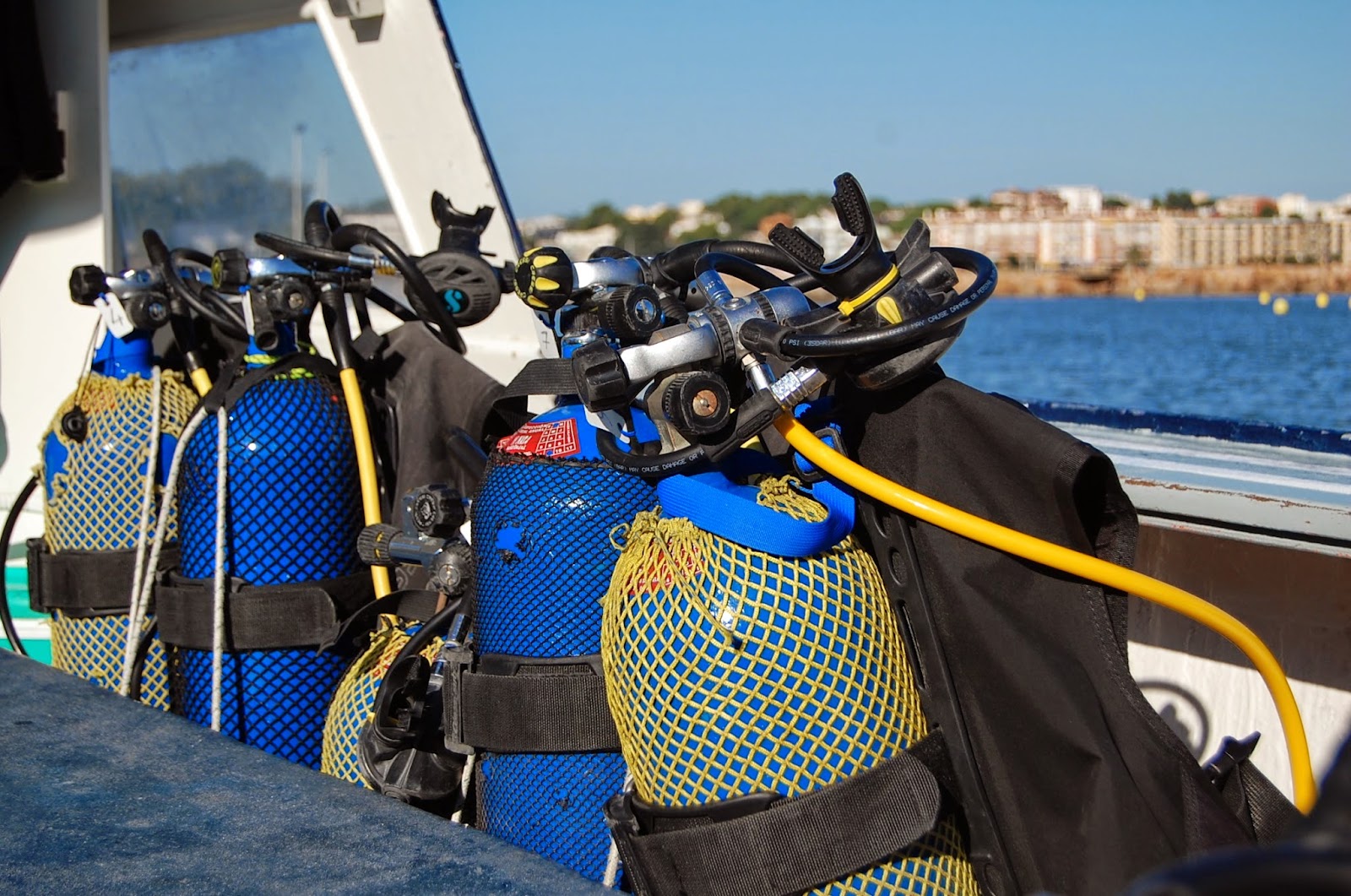
- Dive Computer
- DSMB
This gear list is based on verified equipment signals for Salpatxot, Spain. Always confirm final gear choices with your dive operator, guide, or liveaboard.
Recommended Dive Suit
In conditions like these, many divers prefer diving with 3mm wetsuit. Consider warmer surface protection (like a boat coat) due to brisk winds. Surface intervals may feel cooler.
Current readings at Salpatxot show water temperatures near 25°C (77°F). Surface air temperatures are resting at 20°C (68°F).
Environmental models indicate a modest warming trend ahead. A warming trend is expected over the next few days.
Emergency & Medical Support
Essential information to help you plan your dive trip to Salpatxot.

Hyperbaric chambers are a critical part of dive safety infrastructure. Availability varies significantly by region, and not all dive areas have immediate access.
Before diving, it's recommended to:
- confirm nearest medical facilities
- check emergency procedures with local dive operators
- ensure dive insurance covers evacuation if required
Divers Alert Network
Diving emergency assistance available through DAN Europe.
+39 0642115685- 24/7 emergency hotline
- Diving medical assistance
- Evacuation coordination
Emergency contacts are provided for reference. Always verify local emergency services before diving.
Closest Listed Hyperbaric Chambers
Showing listed hyperbaric chamber facilities within 200 km of this dive site.
Distances are approximate straight-line distances and may not reflect emergency travel time.
Unitat de Medicina Hiperbàrica (UMH)
24/7 ListedPalamos (Girona), Spain•Approx. 23 km straight-line
Unitat de Medicina Hiperbàrica (UMH)
24/7 ListedInformation is provided for reference and planning purposes only. Dive Navigator does not verify operational status, staffing, availability, or quality of care at listed facilities. In an emergency, contact local emergency services, DAN, your dive operator, or the chamber directly. Do not travel to a facility without calling ahead.
UTH-CSI
24/7 ListedICU CapableSant Joan Despí, Spain•Approx. 123 km straight-line
UTH-CSI
24/7 ListedICU CapableInformation is provided for reference and planning purposes only. Dive Navigator does not verify operational status, staffing, availability, or quality of care at listed facilities. In an emergency, contact local emergency services, DAN, your dive operator, or the chamber directly. Do not travel to a facility without calling ahead.
Marine Life at Salpatxot
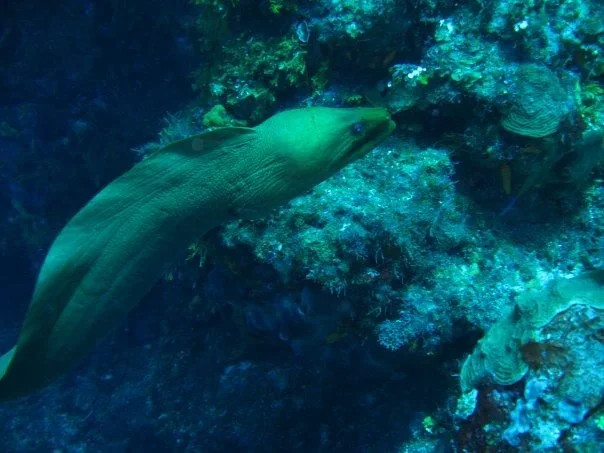
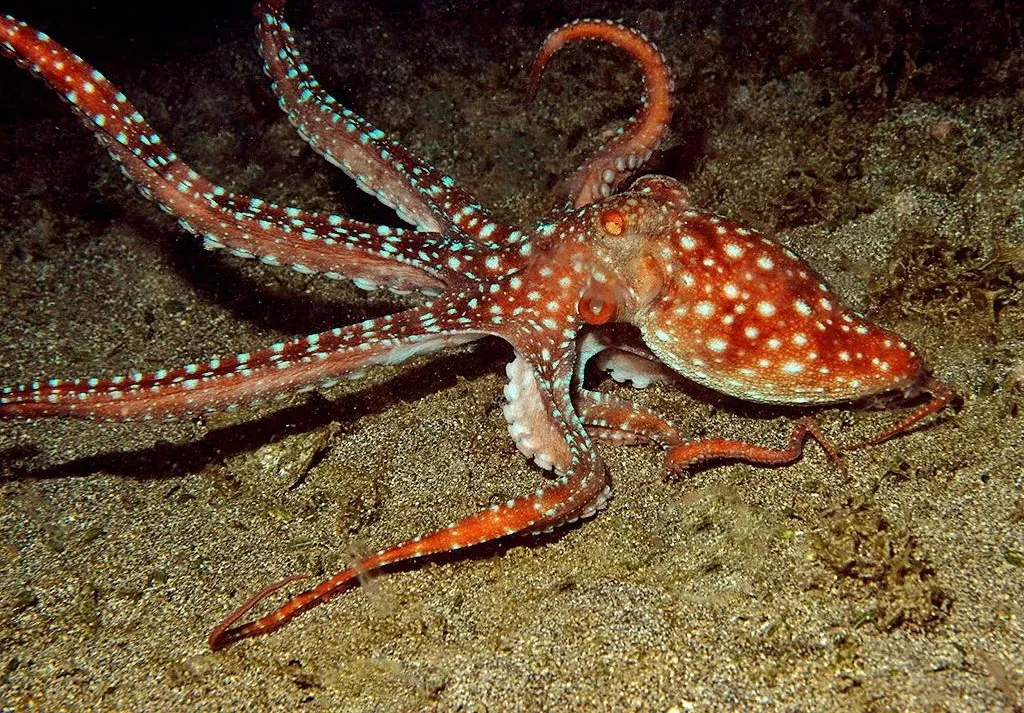
Beneath the surface, Salpatxot's rocky reef and expansive Posidonia meadows foster a diverse ecosystem. Divers frequently encounter groupers, moray eels, and octopuses nestled within the rock blocks and crevices.
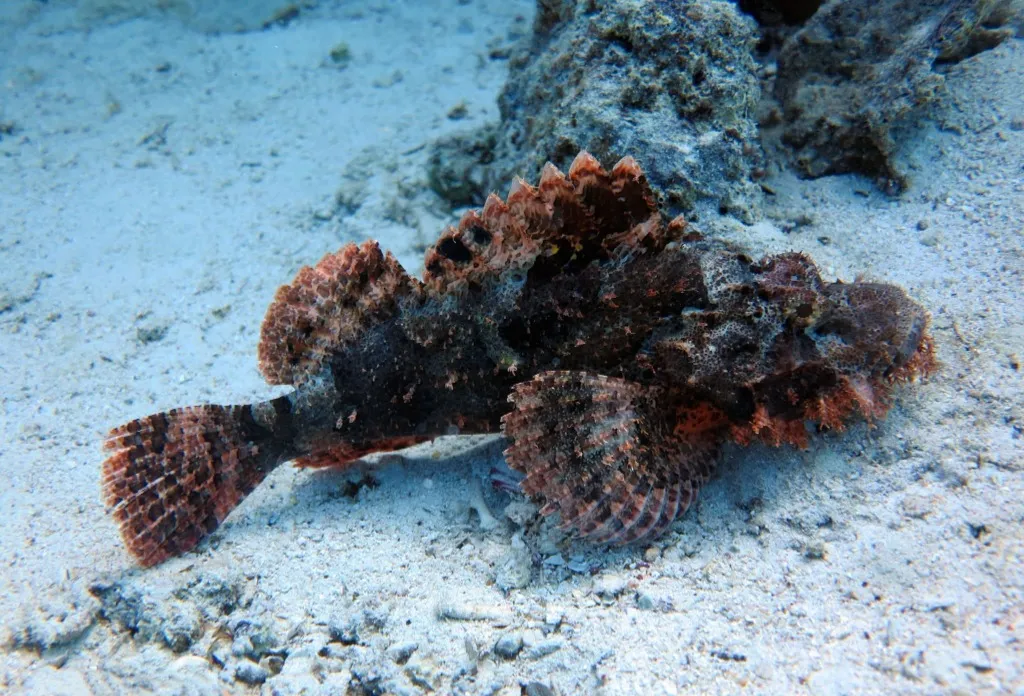
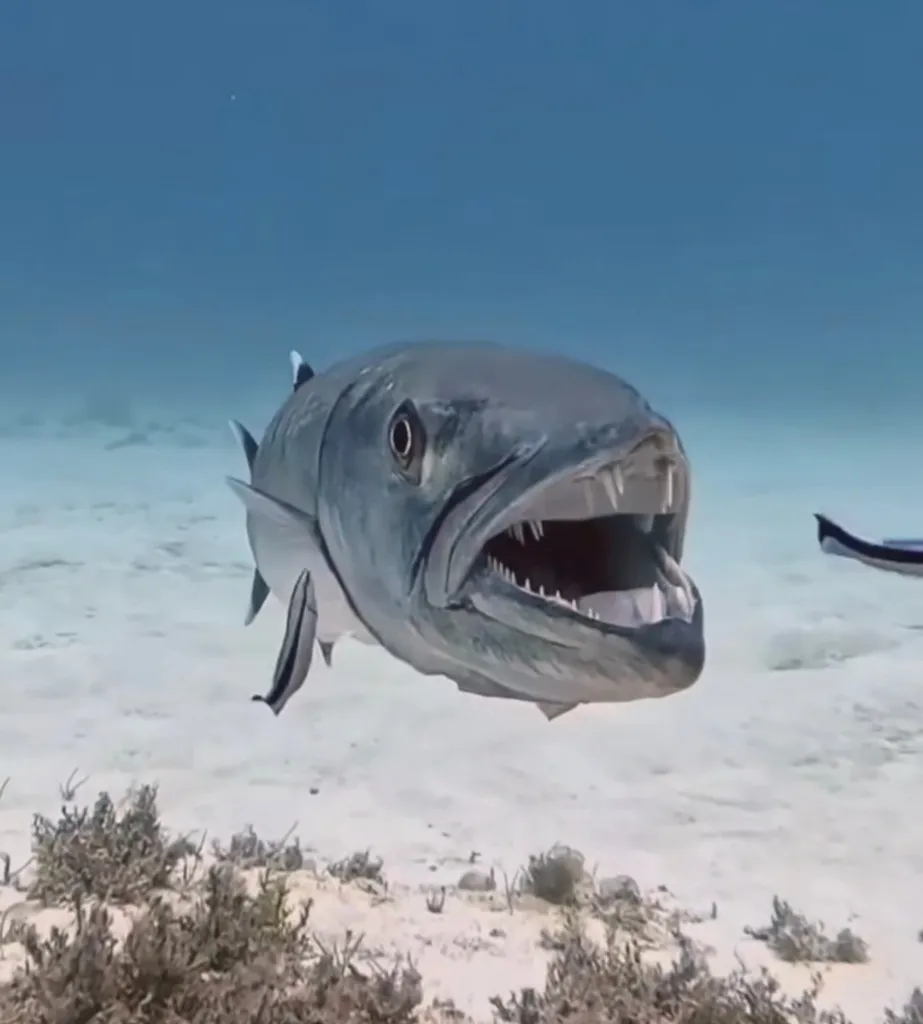
Looking into the blue, schools of bream and castanets are common, with occasional sightings of barracudas and eagle rays. Scorpionfish are also residents among the rocks.
Within the critical Posidonia oceanica beds, a variety of crustaceans and small fish find refuge. This habitat also shelters the endangered Pinna Nobilis. Seasonally, lucky divers might spot moonfish, particularly in June, and even tuna or sunfish migrating through the area, adding a special dimension to the underwater experience.

Dive Sites Near Salpatxot
View all dive sites in SpainDiscover more underwater gems in this area.
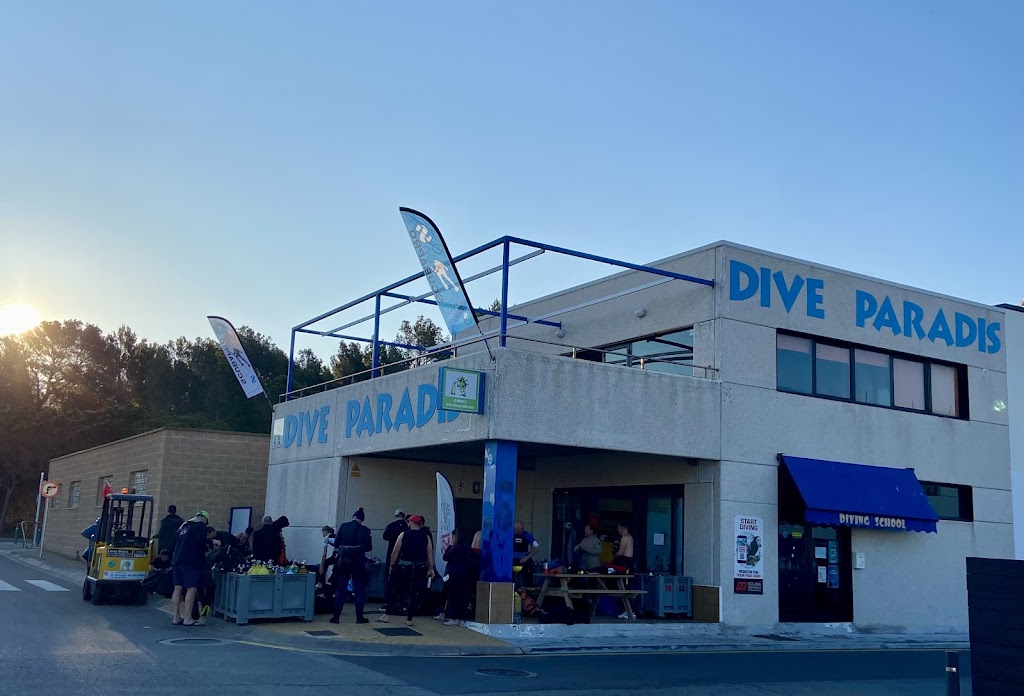
Dive Centers Near Salpatxot

Today: 08:00 - 18:00
Nearest Airports
Nearest airports to help plan travel to this dive area.
Search Flights
Check available flights and routes on Expedia, using the nearby airports listed in this section.
Search Flights on ExpediaFrequently Asked Questions
What is the maximum depth at Salpatxot?
The maximum reported depth for diving at Salpatxot is about 24 m / 79 ft. Routes may vary by operator and conditions, but this is the depth that should be used for planning the main site profile.
What marine life can I expect to see?
Salpatxot is home to groupers, moray eels, and octopuses among the rocks. Schools of bream, castanets, barracudas, and eagle rays are also commonly seen. Seasonal sightings include moonfish and larger pelagics like tuna and sunfish.
Are there strong currents at Salpatxot?
Currents at Salpatxot are generally mild, often reported between 0-2 knots (0-3.7 km/h). However, they can occasionally reach up to 3 knots (5.6 km/h), so divers should be prepared for varying conditions.
Is Salpatxot suitable for beginner divers?
Yes, Salpatxot is considered suitable for beginner divers due to its gentle slope and accommodating maximum depth. Its diverse terrain also makes it interesting for more experienced divers.
What is the underwater landscape like?
A gentle slope, large blocks of rock, and extensive Posidonia meadows characterize the underwater landscape. This combination creates a varied environment for exploration, providing shelter and feeding grounds for marine life.
When is visibility best at this dive site?
Visibility at Salpatxot can range from 5 to 25 meters. It tends to be better during the warmer months, particularly from May through September, when plankton blooms might be less prevalent and conditions calmer.
Are there any protected species at Salpatxot?
Yes, the site is home to the Pinna Nobilis, a large bivalve currently listed as an endangered species. Divers must exercise caution and respect its habitat within the Posidonia meadows.
Planning to dive Salpatxot?
Send one inquiry and receive offers directly from the best verified local dive operators.
Conditions are Excellent
07:00 - 14:00
Optimal conditions expected
Current conditions near Salpatxot show 20° air, 25° sea temperature, 0.5 m waves, and 27 km/h wind. Forecast data is refreshed regularly to ensure accuracy.