
Diving at Lajas de Cerrillos (Spain)
Lajas de Cerrillos presents divers with a rich tapestry of Mediterranean marine life, nurtured by its extensive Posidonia oceanica meadows. A protected area, it serves as a vital habitat, supporting diverse species throughout its rock formations and crevices. Notably, the site is one of the few places to encounter the protected Charonia lampas, a large conch reaching up to 35 cm (14 inches). Such a vibrant ecosystem promises engaging encounters with local fauna.
Tonight's objective overview for Lajas de Cerrillos shows an air temperature of 23.5°C. The measured surface conditions include wave heights around 0.8 m. This environmental data is logged for the close of the day.
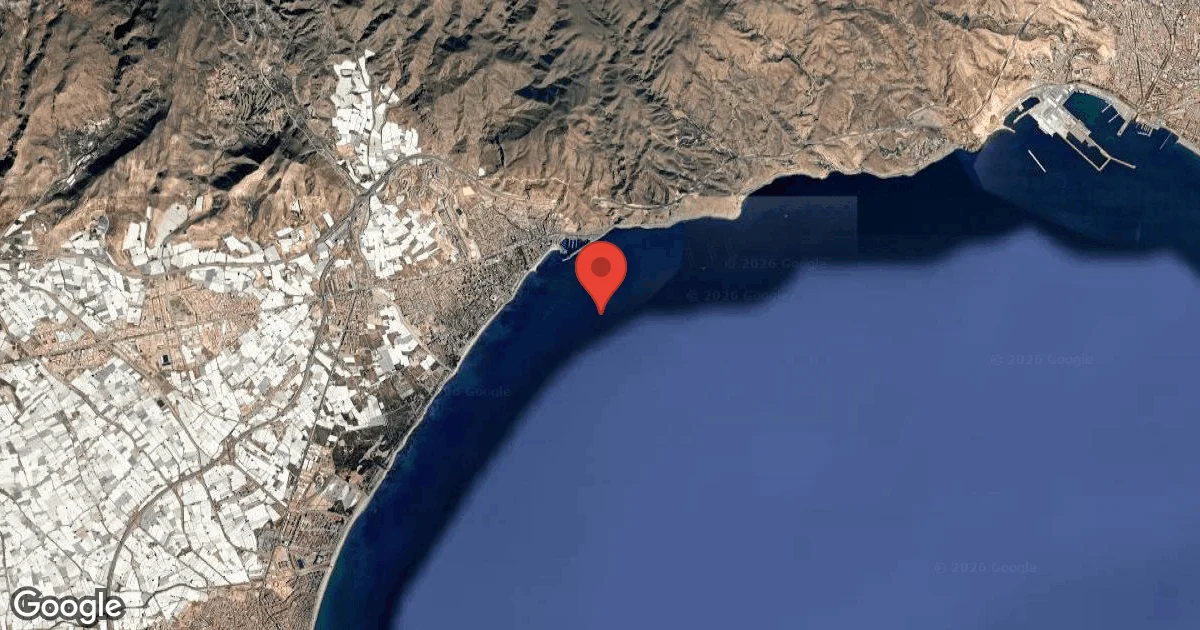
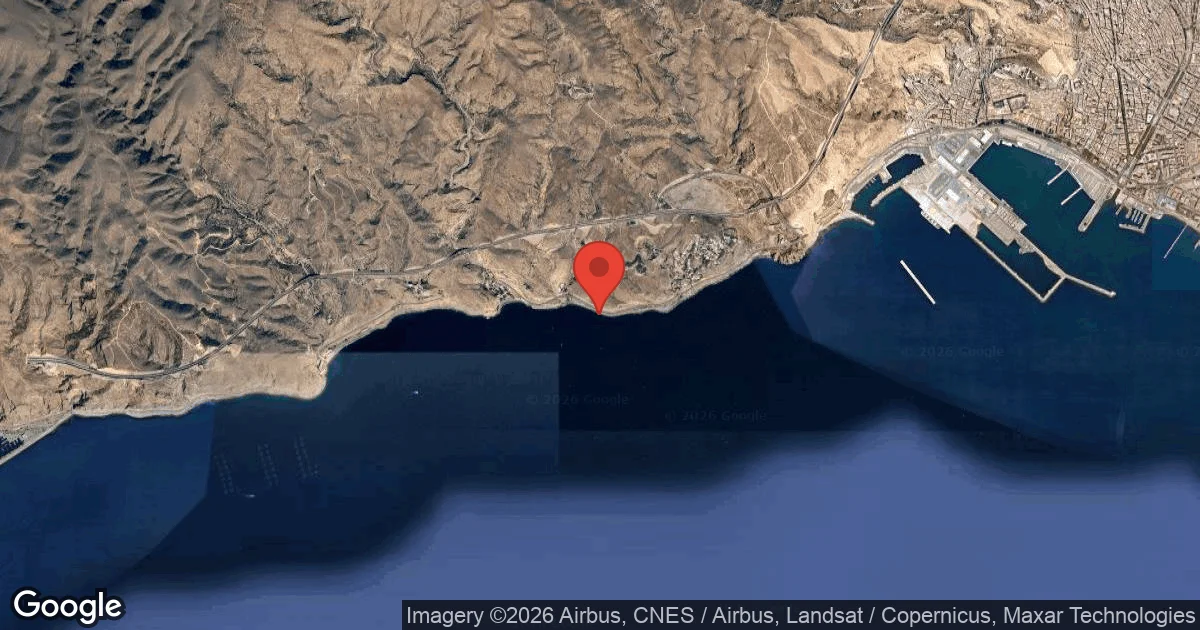
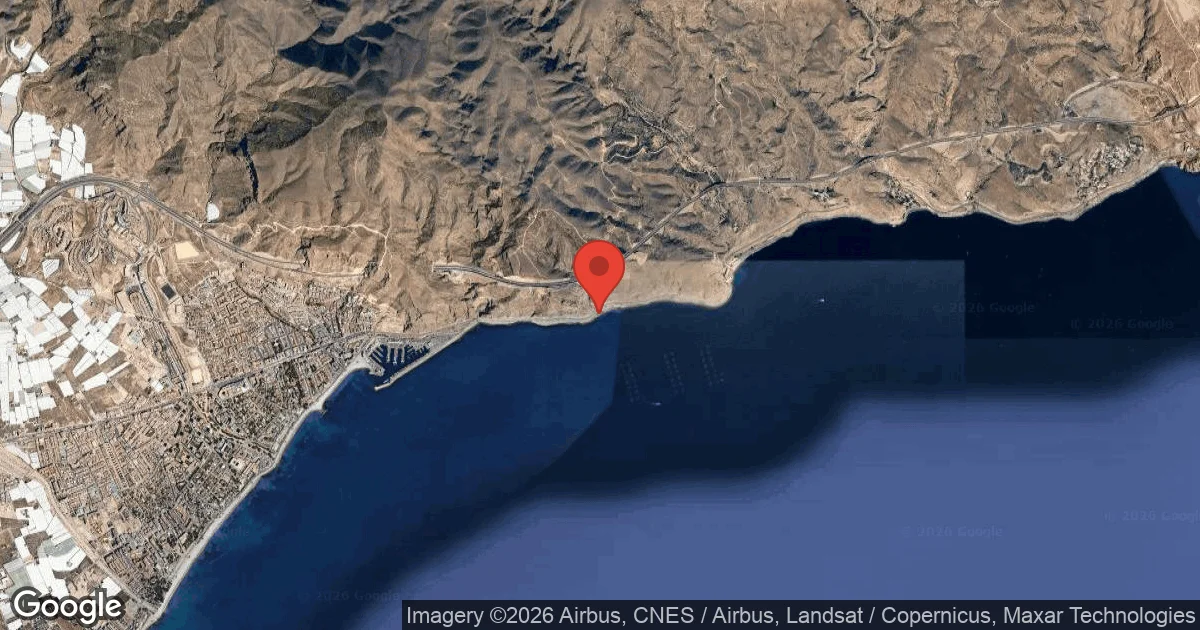
Dive Site Location & Key Facts
Dive Site Overview
Diving Lajas de Cerrillos immerses you in a captivating underwater landscape, characterized by large, flat rock formations known locally as "lajas." Divers encounter a dual experience, exploring both Laja Cerrillos Norte and Laja de Cerrillos Sur, with similar structural elements present at each. Lajas create an intricate network of small caves and crevices, typically 1 to 1.5 meters (3 to 5 feet) high, providing essential shelter and prime hunting grounds for various marine inhabitants.
Officially classified as a Zona de Especial Protección (ZEC), the site's significant ecological importance stems from its role within the marine funds off Punta Entinas. Maximum depth extends to 14 m (46 ft), making the area accessible and manageable for a range of certification levels. A vital area for marine biodiversity, it supports extensive Posidonia oceanica meadows which form crucial underwater habitats.
Expect a straightforward yet engaging exploration, uncovering the dynamic interplay between geological features and the vibrant life sustained within this protected Spanish coastal environment. Visibility can often be good, revealing the complex interactions within these habitats.
Conditions are Moderate
High Wind Advisory (46km/h). Unsafe surface.
Current conditions near Lajas de Cerrillos show 24° air, 23° sea temperature, 1.4 m waves, and 46 km/h wind. Forecast data is refreshed regularly to ensure accuracy.
Best Time to Dive
Planning a dive at Lajas de Cerrillos often yields good conditions throughout the year, with optimal periods generally aligning with stable weather. Air temperatures are pleasant, ranging from around 14°C (57°F) in winter to a warm 28°C (82°F) in peak summer months like August. Rainfall remains notably low for much of the year, particularly from April through October, which typically contributes to better water clarity and reduced runoff. Wave heights are generally moderate, averaging below 1.3 meters (4 feet), with the calmest conditions typically observed from July to November. While specific water temperature data is not consistently reported, the generally good dive scores across all months suggest comfortable conditions, likely requiring appropriate exposure protection depending on the season. Calm seas and minimal rain are often indicators of enhanced underwater visibility, making the late spring through autumn period a preferred choice for many.
PEAK SEASON SCORE
Scores combine air & water temps, waves, wind & rainfall for overall conditions.
BEST MONTHS TO DIVE
Monthly records compiled from satellite and marine observation nodes over the last 3 years. Data provided by Open-Meteo and MET Norway.
Dive Experience & Conditions
Conditions at Lajas de Cerrillos generally support an easy yet fascinating underwater adventure, suitable for beginner to intermediate divers. Exploring the lajas, divers navigate through natural formations that act as small caves and fissures. Reaching a maximum depth of 14 m (46 ft), the site offers ample bottom time for exploration. While specific current dynamics are not consistently reported, the site's structure with its many nooks and crannies suggests generally mild to moderate conditions, allowing for relaxed observation. Visibility varies depending on local weather, but often allows clear views of the extensive Posidonia meadows. Pay close attention to smaller crevices; a dive light can reveal octopuses and moray eels tucked away. Diverse topography ensures even experienced divers find intriguing elements within its protected boundaries.
Dive Difficulty & Safety Guidelines
Approaching Lajas de Cerrillos requires adherence to standard diving safety protocols, particularly considering its status as a Zona de Especial Protección (ZEC). Divers should always consult local dive professionals familiar with the site's current conditions and regulations. Rock formations, while easy to navigate, necessitate careful buoyancy control to avoid damaging delicate Posidonia oceanica or disturbing hidden marine life.
No specific hazards are reported, but general awareness of your surroundings is paramount when navigating overhead environments like small caves and crevices. It's essential to respect the protected status of the area, ensuring no marine life is disturbed or removed.
Well-equipped safety gear and thorough briefings from a dive center are standard provisions for a comfortable experience.
Recommended Equipment
- Dive Computer
This gear list is based on verified equipment signals for Lajas de Cerrillos, Spain. Always confirm final gear choices with your dive operator, guide, or liveaboard.
Recommended Dive Suit
Temperatures look set to gradually increase over the next several days. A warming trend is expected over the next few days.
Divers who prefer a balanced level of warmth often select 3-5mm wetsuit in water temperatures like this. Consider warmer surface protection (like a boat coat) due to brisk winds.
Current dive conditions indicate that water temperatures around Lajas de Cerrillos are sitting at roughly 23°C (74°F). Surface air temperatures are resting at 24°C (74°F).
Emergency & Medical Support
Essential information to help you plan your dive trip to Lajas de Cerrillos.

Hyperbaric chambers are a critical part of dive safety infrastructure. Availability varies significantly by region, and not all dive areas have immediate access.
Before diving, it's recommended to:
- confirm nearest medical facilities
- check emergency procedures with local dive operators
- ensure dive insurance covers evacuation if required
Divers Alert Network
Diving emergency assistance available through DAN Europe.
+39 0642115685- 24/7 emergency hotline
- Diving medical assistance
- Evacuation coordination
Emergency contacts are provided for reference. Always verify local emergency services before diving.
Marine Life at Lajas de Cerrillos
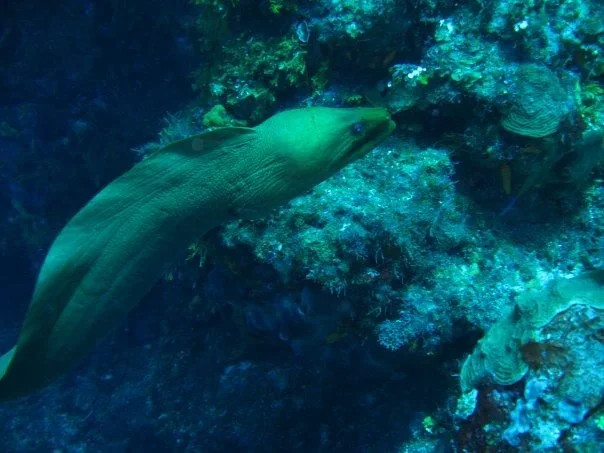
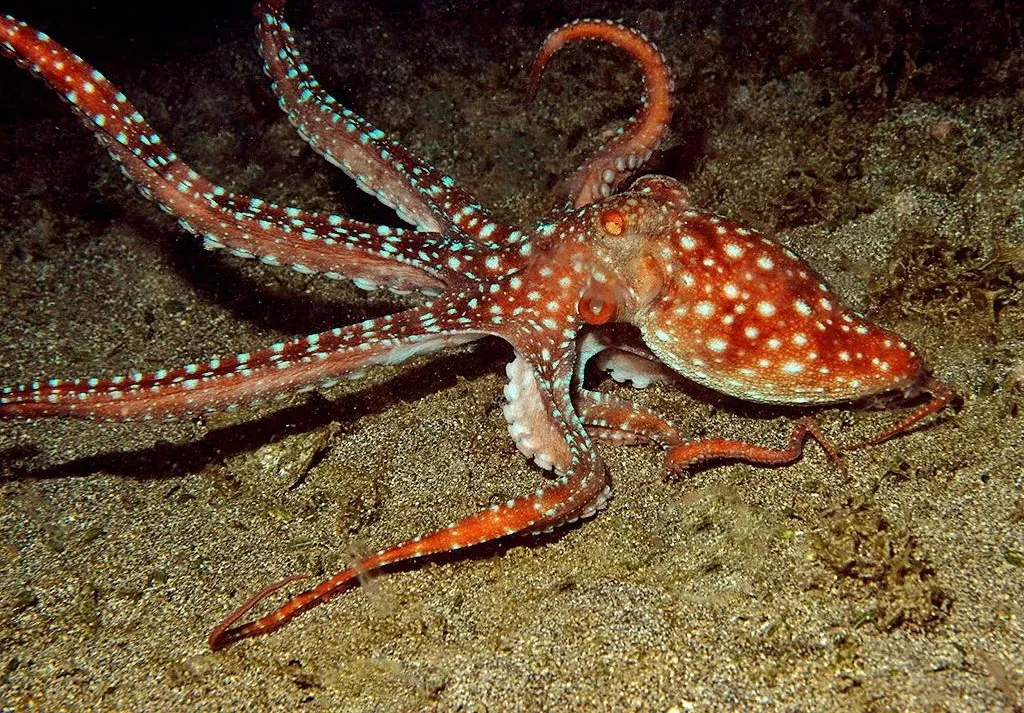
Lajas de Cerrillos' underwater landscape actively supports a vibrant array of marine species. Beneath rocky shelves and within many small caves and crevices, divers can often spot octopuses, moray eels, and diverse colorful fish sheltering.
Extensive Posidonia oceanica meadows are crucial, acting as nurseries and feeding grounds, contributing significantly to the site's rich biodiversity. Among the site's highlights, the protected Charonia lampas, a large conch up to 35 cm (14 inches), can be observed here.
While sightings of larger pelagics like sharks, whales, dolphins, and turtles are not consistently reported for the site itself, the overall region does host these animals, adding to the potential for varied encounters.

Dive Sites Near Lajas de Cerrillos
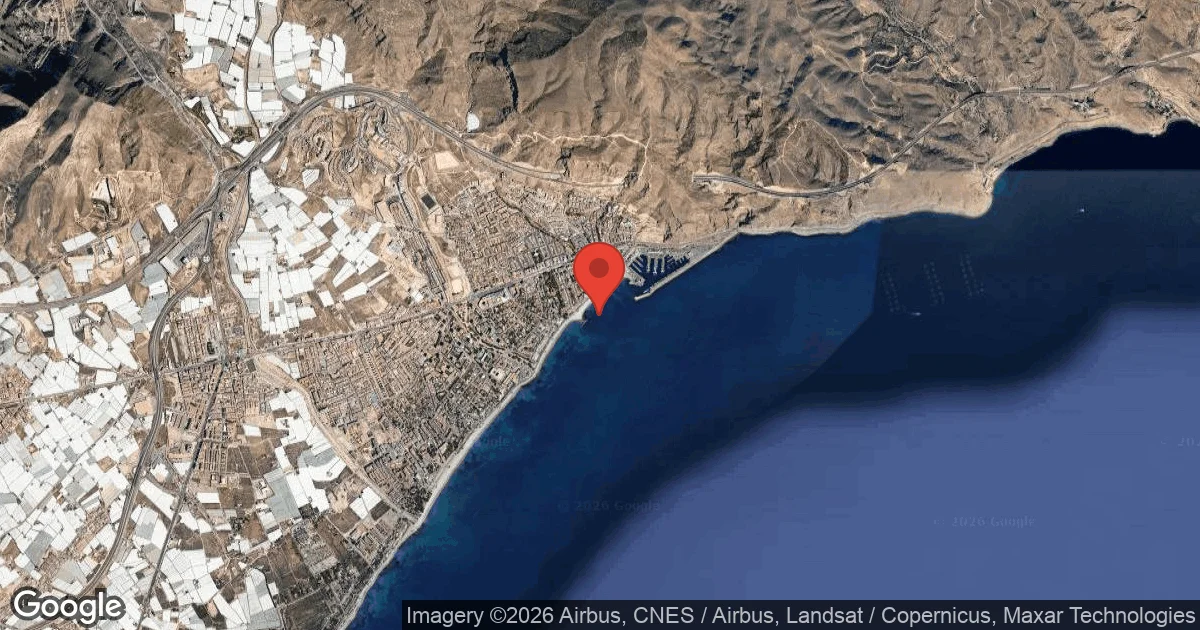
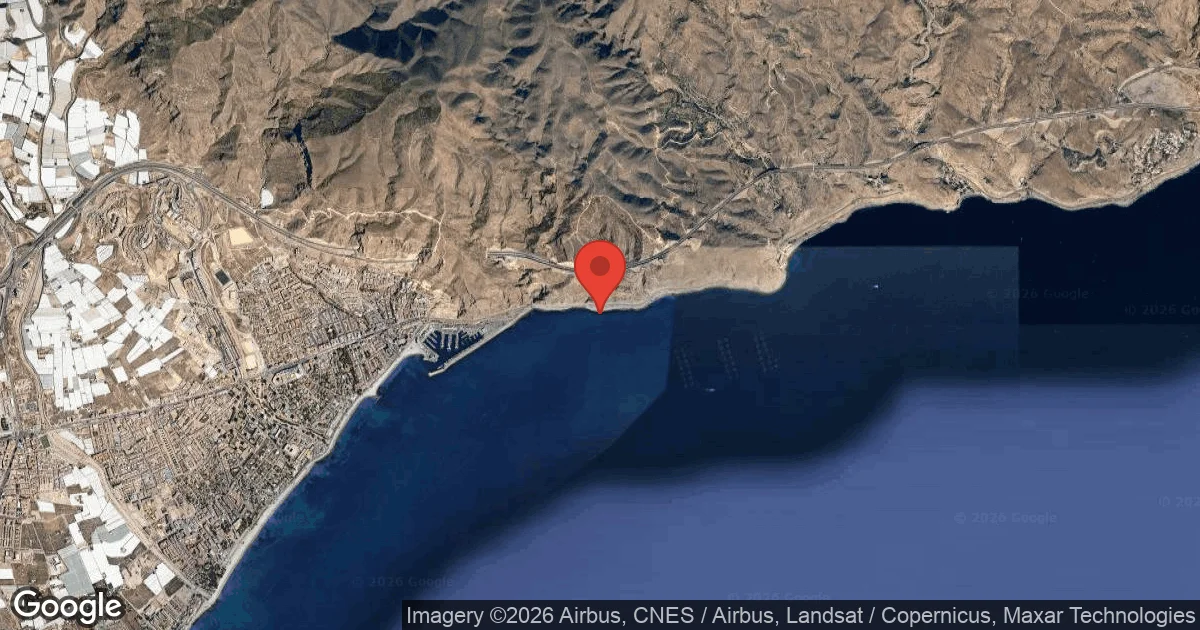
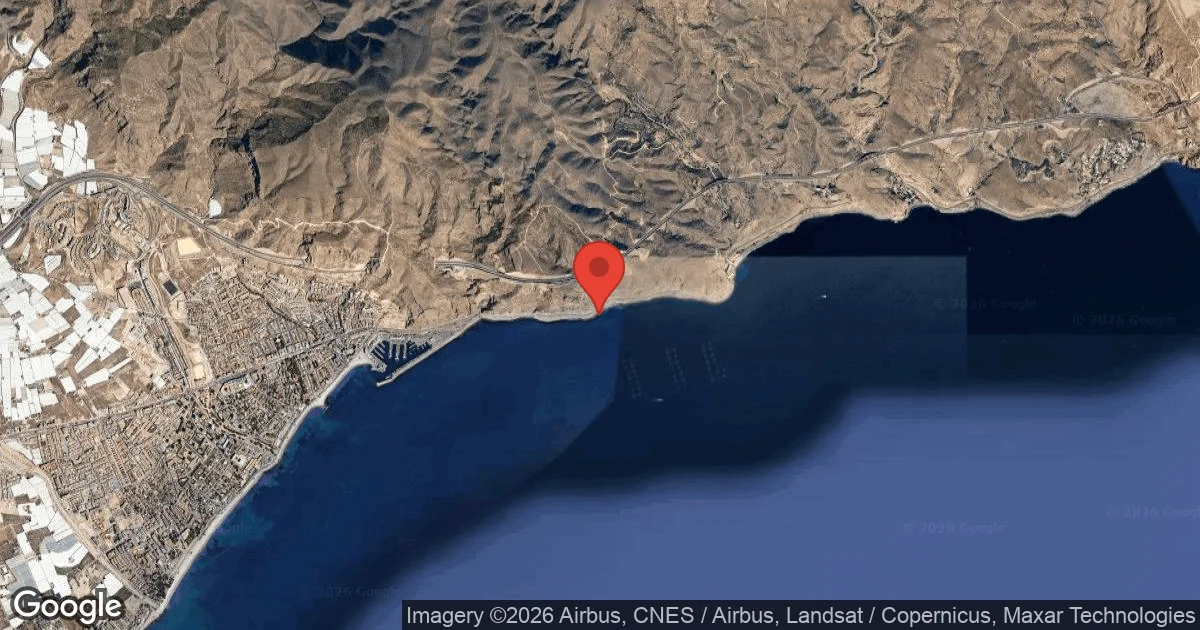
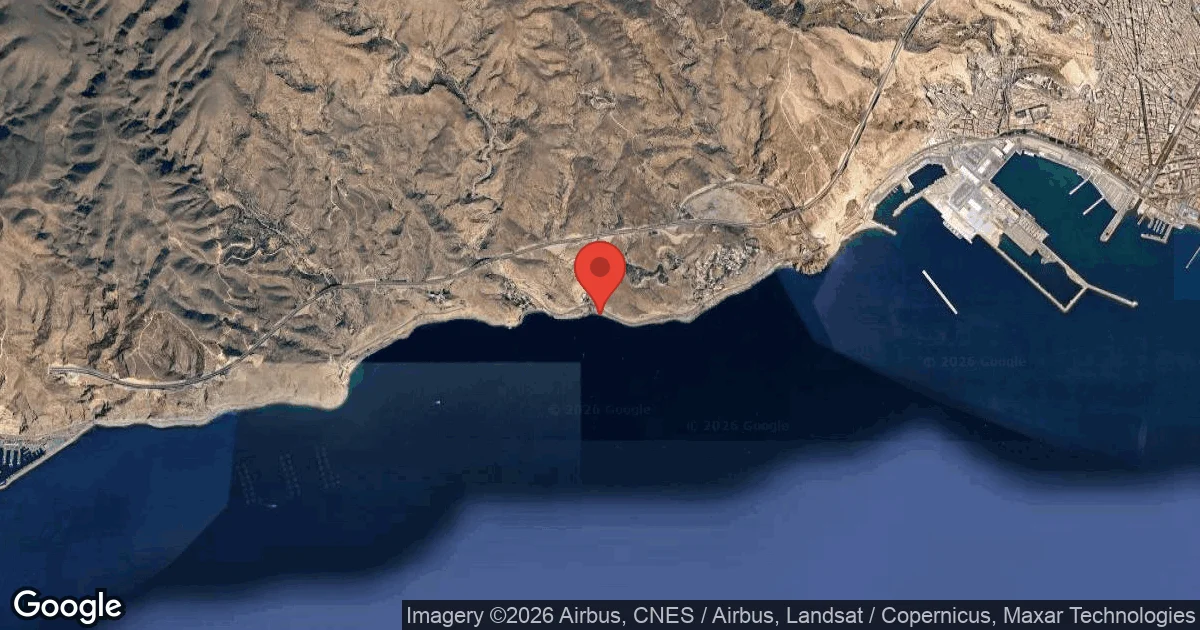
View all dive sites in SpainDiscover more underwater gems in this area.
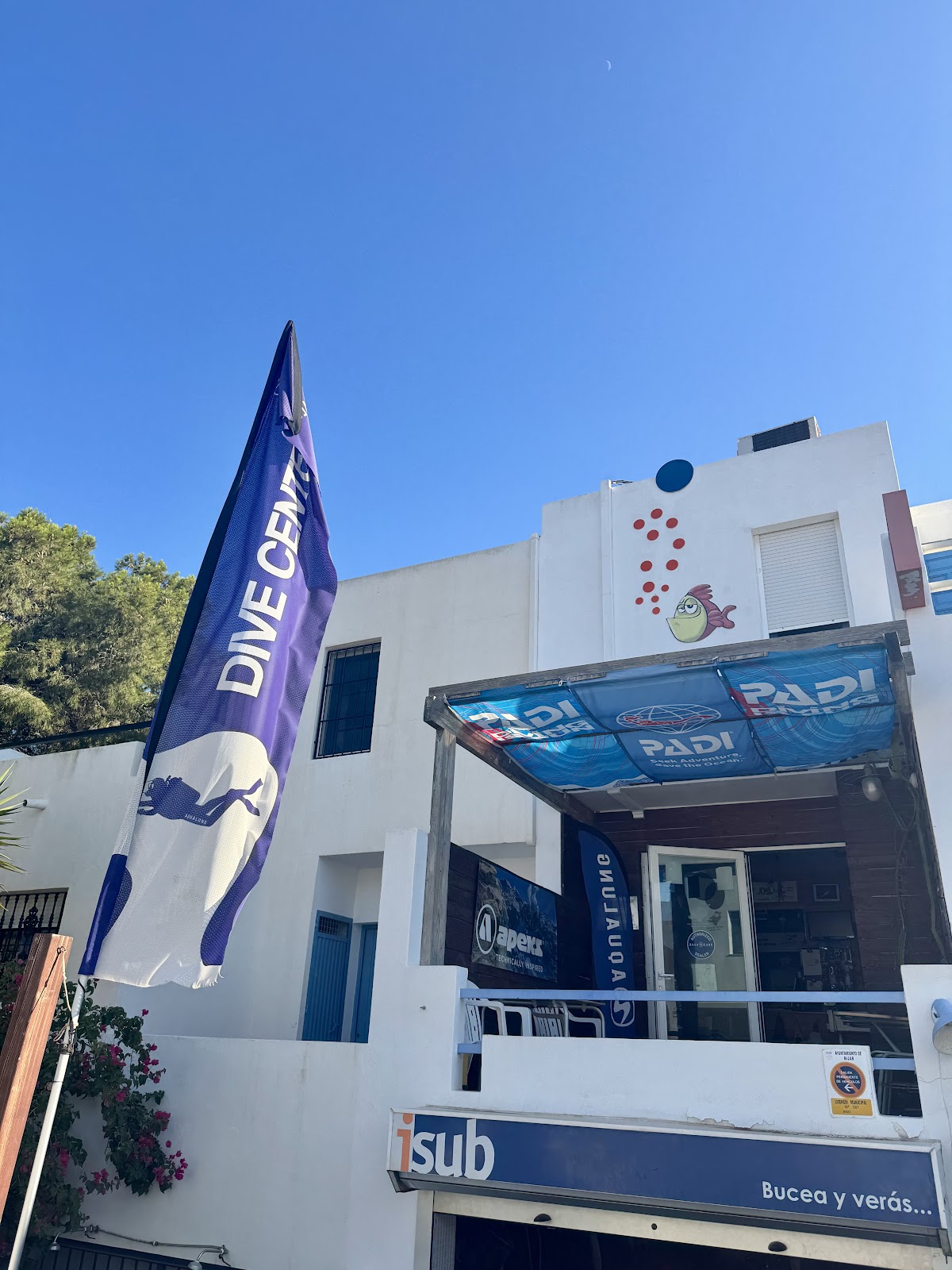
Dive Centers Near Lajas de Cerrillos
Today: 08:30 - 19:00
Nearest Airports
Nearest airports to help plan travel to this dive area.
Search Flights
Check available flights and routes on Expedia, using the nearby airports listed in this section.
Search Flights on ExpediaFrequently Asked Questions
What certification level is required for Lajas de Cerrillos?
This site is well-suited for a range of divers. Both beginner and intermediate certified divers can enjoy the experience due to its manageable depths and generally easy conditions.
What is the maximum depth at Lajas de Cerrillos?
The maximum depth you can explore at Lajas de Cerrillos is 14 meters (46 feet). This makes it accessible for less experienced divers while still offering plenty to see.
Are there strong currents at this dive site?
Specific current dynamics are not consistently reported. However, the site's structure, with its numerous rock formations and crevices, typically suggests mild to moderate conditions.
What kind of marine life can I expect to see?
You can often spot octopuses, moray eels, and a variety of colorful reef fish hiding in the crevices. The site is also known for its extensive Posidonia oceanica meadows and the protected Charonia lampas conch.
Is Lajas de Cerrillos suitable for underwater photography?
Absolutely. The intricate rock formations, Posidonia meadows, and diverse macro life make for excellent photographic opportunities. Bringing a dive light helps illuminate hidden creatures.
Why is the site referred to as a ZEC?
ZEC stands for Zona de Especial Protección, a Special Protection Zone. This designation highlights Lajas de Cerrillos' ecological importance as a marine protected area, particularly for its valuable Posidonia oceanica beds and overall biodiversity.
Can I dive both Laja Cerrillos Norte and Sur on the same trip?
Yes, the site is often described as a "double immersion" offering both Laja Cerrillos Norte and Laja de Cerrillos Sur. Many dive operators arrange trips to cover both points, maximizing your exploration of the area.
Planning to dive Lajas de Cerrillos?
Send one inquiry and receive offers directly from the best verified local dive operators.
Conditions are Moderate
High Wind Advisory (46km/h). Unsafe surface.
Current conditions near Lajas de Cerrillos show 24° air, 23° sea temperature, 1.4 m waves, and 46 km/h wind. Forecast data is refreshed regularly to ensure accuracy.