
Diving at Advanced Bommie (Australia)
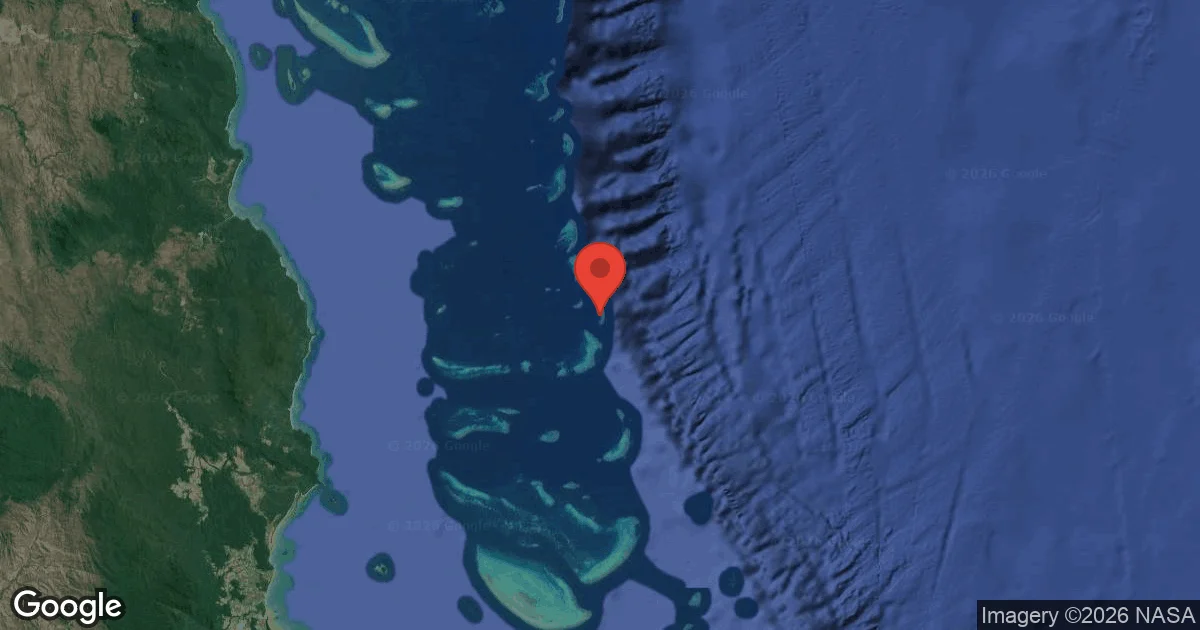
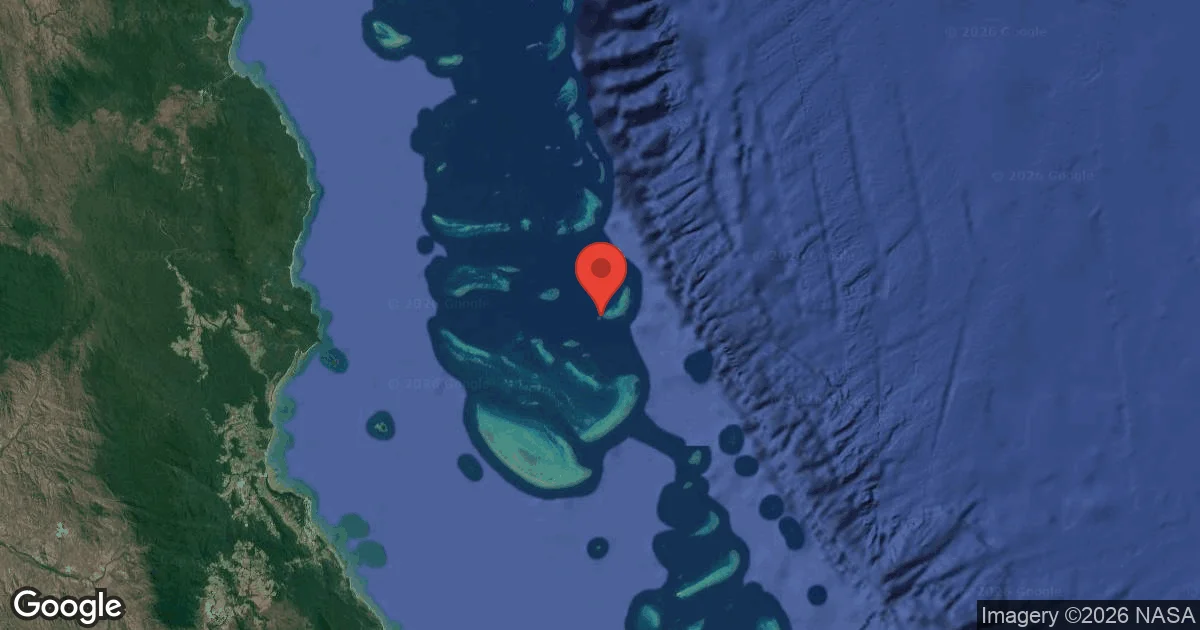
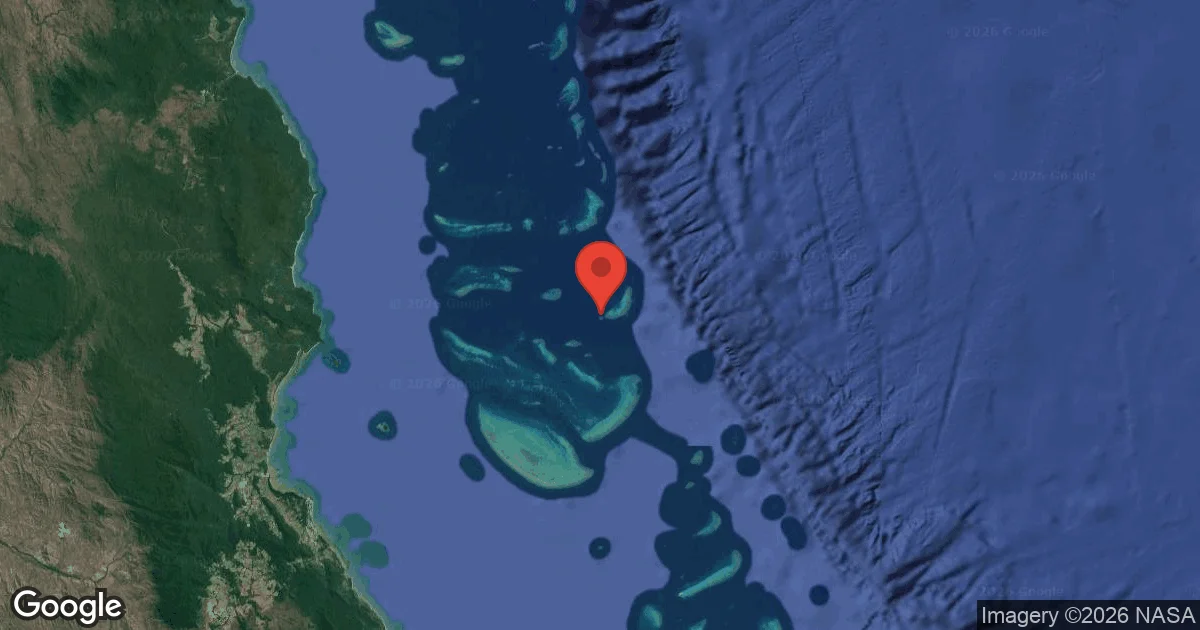
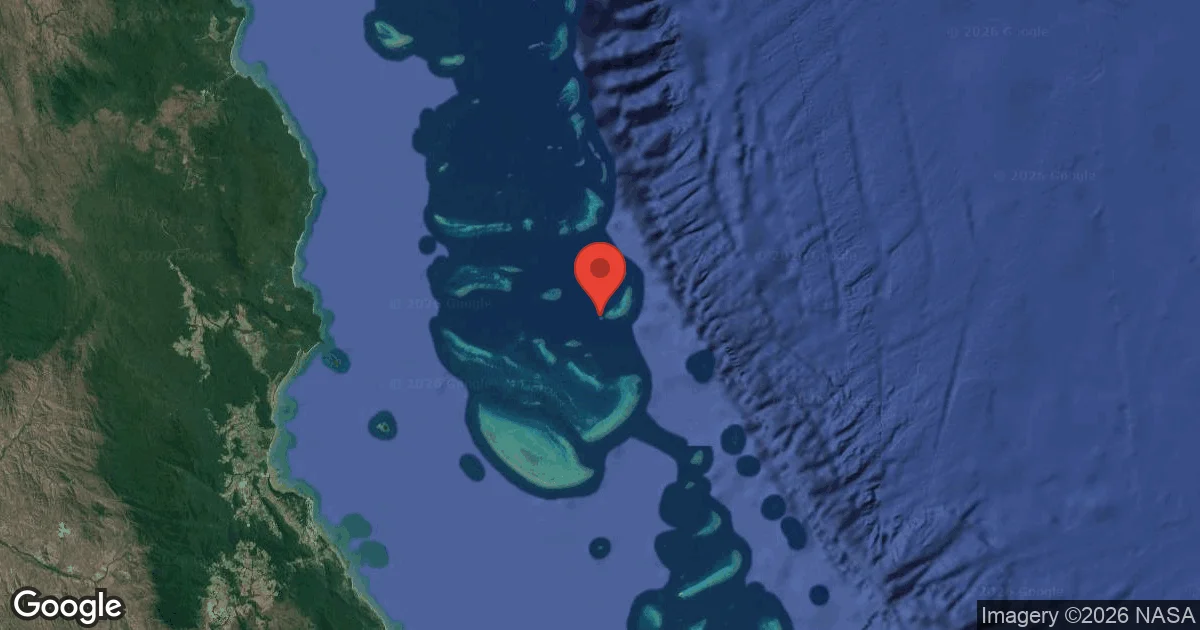
Two distinct, isolated bommies rise dramatically from the deep blue, creating a compelling focal point at the southern end of Agincourt Reef. Their exposed nature is immediately apparent, suggesting encounters with larger marine life in the surrounding waters. This formation stands tall, promising a dive that feels remote and expansive.
As evening covers Advanced Bommie, the local air temperature is measured at 23.5°C. The current wave height at the surface is recorded at 2.1 m. These late-day readings characterize the surface conditions for the night.
Dive Site Location & Key Facts
Dive Site Overview
Advanced Bommie presents a dive that typically involves circumnavigating its larger main structure. This allows divers to fully absorb the scale and intricate details of the reef and rock formations that characterize this site.
Under favorable conditions, an optional shorter swim above a deep gutter opens up exploration of a second, smaller tower. With a depth range of 12 to 40 m (39 to 131 ft), the site appeals to those comfortable with deeper profiles and open water. The geological features are significant, presenting aspects of both reef and wall diving as the bommies ascend from the seafloor.
Its location, surrounded by significant depths, contributes to dynamic conditions and the potential for varied encounters. Divers can expect to spend their time exploring the diverse surfaces of these large coral and rock columns, which provide habitat for a range of marine species.
Conditions are Moderate
High Swell Advisory. Not recommended.
Current conditions near Advanced Bommie show 24° air, 24° sea temperature, 2.4 m waves, and 42 km/h wind. Forecast data is refreshed regularly to ensure accuracy.
Best Time to Dive
Planning a dive at Advanced Bommie is best considered during months with higher 'Good' dive scores, which typically align with warmer air temperatures and calmer conditions. November offers favorable conditions, with average air temperatures around 26.5°C (80°F) and lower wave heights, contributing to a better dive experience. January and February also rate 'Good,' with air temperatures around 28°C (82°F) and manageable wave heights averaging less than 1 meter (3 feet). Conversely, months like May, July, and September often see increased wind speeds and wave heights, reaching averages above 1.5 meters (5 feet), which can make boat access and diving more challenging. Specific water temperature data for Advanced Bommie is not consistently reported, but generally aligns with the region's tropical climate, indicating warm waters year-round.
PEAK SEASON SCORE
Scores combine air & water temps, waves, wind & rainfall for overall conditions.
BEST MONTHS TO DIVE
Monthly records compiled from satellite and marine observation nodes over the last 3 years. Data provided by Open-Meteo and MET Norway.
Dive Experience & Conditions
Current dynamics are a significant factor at this exposed site, given its position in deep, open water. While not consistently reported, conditions here can vary, potentially involving moderate to strong currents that shape the dive trajectory. Divers generally embark on a sweeping loop around the primary bommie, a path influenced by the prevailing flow. The depths here extend from a shallower 12 m (39 ft) down to 40 m (131 ft), allowing for multi-level profiles. Visibility is often impressive due to the offshore location and deep water, providing clear views of the structures and surrounding environment. The site's exposed nature contributes to cooler surface conditions, but water temperatures typically remain comfortable for diving.
Dive Difficulty & Safety Guidelines
Diving Advanced Bommie requires a certification level suitable for deeper exposures and potentially variable current conditions. Given the maximum depth of 40 m (131 ft) and the site's exposed location, advanced open water training or equivalent experience is recommended. Always plan your dive thoroughly, considering current predictions and weather forecasts, as these can significantly impact the dive.
Maintaining situational awareness is crucial, especially when navigating around the bommies or contemplating the swim across the gutter. Ensure you have adequate gas planning and appropriate safety stops, particularly when exploring the deeper sections of the site. Solo diving is not advisable at a site of this nature.
Recommended Equipment
- Dive Computer
- DSMB
This gear list is based on verified equipment signals for Advanced Bommie, Australia. Always confirm final gear choices with your dive operator, guide, or liveaboard.
Recommended Dive Suit
With water temperatures around 24°C (76°F), many divers find a 3mm wetsuit provides comfortable protection.
Divers performing multiple dives may appreciate slightly warmer protection later in the day.
Environmental conditions appear stable for the near future.
Due to technical issues with our weather providers, live updates are temporarily delayed. The data above reflects the conditions at the time of the last successful fetch.
Emergency & Medical Support
Essential information to help you plan your dive trip to Advanced Bommie.

Hyperbaric chambers are a critical part of dive safety infrastructure. Availability varies significantly by region, and not all dive areas have immediate access.
Before diving, it's recommended to:
- confirm nearest medical facilities
- check emergency procedures with local dive operators
- ensure dive insurance covers evacuation if required
Divers Alert Network
Diving emergency assistance available through DAN World.
+1-919-684-9111- 24/7 emergency hotline
- Diving medical assistance
- Evacuation coordination
Emergency contacts are provided for reference. Always verify local emergency services before diving.
Marine Life at Advanced Bommie
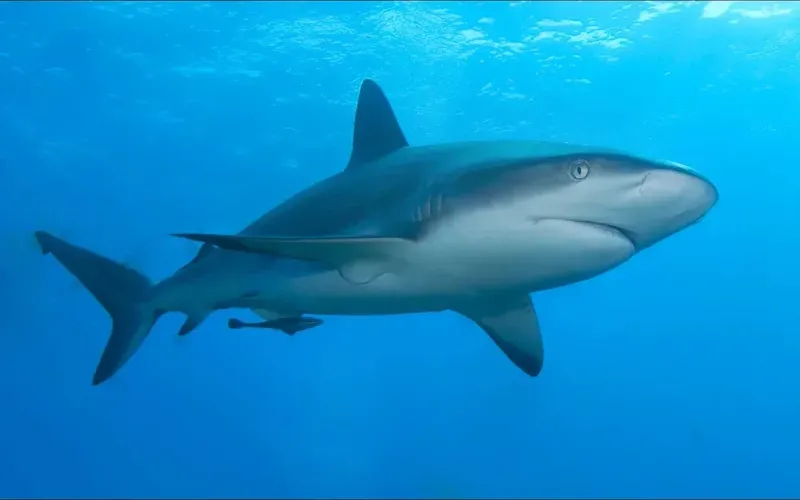
The open-water exposure of Advanced Bommie creates frequent opportunities for encounters with larger pelagic species. Divers often have a good chance of observing reef sharks patrolling the area, drawn by the currents and the rich ecosystem surrounding the bommies.
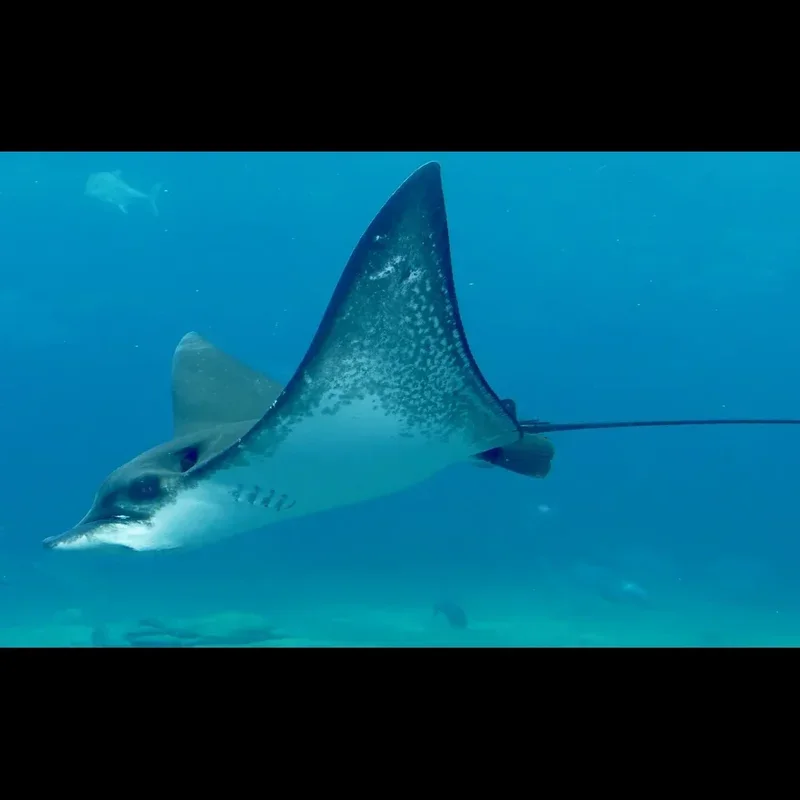
The site also experiences occasional visits from graceful eagle rays, moving through the deep blue. Various species of turtles are another common sight, often seen resting on ledges or swimming leisurely around the reef structures.
Dive Sites Near Advanced Bommie
View all dive sites in AustraliaDiscover more underwater gems in this area.
Dive Centers Near Advanced Bommie
Today: Closed
Nearest Airports
Nearest airports to help plan travel to this dive area.
Search Flights
Check available flights and routes on Expedia, using the nearby airports listed in this section.
Search Flights on ExpediaFrequently Asked Questions
What is the typical depth range for Advanced Bommie?
Advanced Bommie offers a significant depth range, suitable for advanced divers. The site typically extends from a shallower point of around 12 m (39 ft) down to a maximum depth of 40 m (131 ft), allowing for diverse dive profiles.
What kind of marine life can I expect to see?
This site is known for its pelagic encounters, with frequent sightings of reef sharks and occasional visits from eagle rays. You can also expect to see various species of turtles around the bommies.
Is Advanced Bommie suitable for beginner divers?
Given its depth range and exposed conditions with potential currents, Advanced Bommie is best suited for certified advanced open water divers or those with equivalent experience. Beginners might find the conditions challenging.
What are the best months to dive Advanced Bommie?
November, January, and February generally offer the best diving conditions, with warmer air temperatures and lower wave heights. These months typically provide higher dive scores compared to other times of the year.
Are there strong currents at Advanced Bommie?
Due to its exposed location in deep water, currents can be a factor at Advanced Bommie. While not consistently reported, divers should be prepared for potentially variable conditions and plan their dives accordingly.
How many bommies are at the site?
The site primarily features two isolated bommies. A typical dive circles the larger main bommie, with the smaller tower accessible via a short swim in favorable conditions.
Planning to dive Advanced Bommie?
Send one inquiry and receive offers directly from the best verified local dive operators.
Conditions are Moderate
High Swell Advisory. Not recommended.
Current conditions near Advanced Bommie show 24° air, 24° sea temperature, 2.4 m waves, and 42 km/h wind. Forecast data is refreshed regularly to ensure accuracy.