
Diving at Castle Rock (Australia)
Castle Rock serves as an accessible boat dive, making it a good option for Open Water certified divers developing their skills. Its structure and manageable depth range from about 12 m (39 ft) to 20 m (66 ft) below the surface provide a practical training ground. The site allows divers to gain experience in open-water conditions while exploring a distinct underwater topography.
Tonight's objective overview for Castle Rock shows an air temperature of 24°C. The measured surface conditions include wave heights around 2.1 m. This environmental data is logged for the close of the day.
Dive Site Location & Key Facts
Dive Site Overview
Castle Rock, a prominent bommie dive, has long been a key feature just outside Port Phillip Heads on the Point Lonsdale side, near Melbourne. A prominent formation rises majestically from a sandy and limestone bottom, with its top reaching approximately 12 m (39 ft) below the surface.
Its structure, including jagged rock turrets, numerous undercuts, splits, and ledges, clearly inspires its name. Divers can easily circle the entire rock, which measures around 200 m (656 ft) in circumference, often multiple times during a single dive due to its compact nature. Many find plenty of hiding spots and overhangs to explore along its walls.
A well-defined structure and relatively mild conditions provide a comfortable environment for divers building confidence in open-water marine settings. While exploring, divers will encounter a temperate marine environment, characteristic of southern Australian waters, adding to the site's enduring appeal.
Conditions are Poor
High Swell Advisory. Not recommended.
Current conditions near Castle Rock show 24° air, 24° sea temperature, 2.3 m waves, and 45 km/h wind. Forecast data is refreshed regularly to ensure accuracy.
Best Time to Dive
For the most enjoyable dive experience at Castle Rock, conditions generally improve outside the peak austral summer months. October and November often present 'Good' dive scores, with November averaging a score of 8, indicating favorable conditions. During these months, the air temperature typically ranges from 25-26.5°C (77-80°F), creating comfortable surface conditions. Rainfall is minimal, with averages around 0.85-1.15 mm, contributing to better underwater clarity. Early summer months like January and February also rate 'Good' with dive scores of 7, offering warmer air temperatures averaging 28°C (82°F), though rain can be slightly higher at 10-13 mm. Wind speeds are generally lower in these periods, which can lead to calmer seas for boat access. Divers might find that late autumn through early spring, particularly from May to September, often yields 'Moderate' or 'Poor' dive scores, with higher wave heights and stronger winds, which could impact comfort and visibility.
PEAK SEASON SCORE
Scores combine air & water temps, waves, wind & rainfall for overall conditions.
BEST MONTHS TO DIVE
Monthly records compiled from satellite and marine observation nodes over the last 3 years. Data provided by Open-Meteo and MET Norway.
Dive Experience & Conditions
Accessing Castle Rock involves a boat dive, typically from experienced local operators, making it straightforward for divers. Once at the site, navigation around the bommie is generally considered easy due to its fixed depth profile and distinctive topography. Rising from 18-20 m (59-66 ft) on the sandy bottom, the rock reaches about 12 m (39 ft) at its top, forming a clear underwater landmark. While conditions are often mild, planning around tidal slack and prevailing sea conditions is important, especially around Port Phillip Heads. Minimal current is usually expected on most days, which contributes to its suitability for Open Water divers. Multiple undercuts, ledges, and potential swim-throughs feature at the site, offering plenty of structure to explore as divers circumnavigate the rock.
Dive Difficulty & Safety Guidelines
When planning a dive at Castle Rock, paying close attention to tidal slack and sea conditions is crucial, particularly given its location outside Port Phillip Heads. Local operators often have the most up-to-date information on ideal dive times. While the site is generally navigable with minimal current, unpredictable changes can occur, so always monitor local forecasts.
Numerous ledges and undercuts can be enticing to explore, but divers should maintain proper buoyancy control to avoid disturbing the environment or stirring up sediment. Staying aware of your air consumption is also important, as the ability to circle the large rock can make dive time pass quickly. Divers should be comfortable with boat entries and exits.
Recommended Equipment
- Dive Computer
- DSMB
This gear list is based on verified equipment signals for Castle Rock, Australia. Always confirm final gear choices with your dive operator, guide, or liveaboard.
Recommended Dive Suit
According to recent observations, water temperatures near Castle Rock are approximately 24°C (76°F). Surface air temperatures are resting at 24°C (75°F).
Conditions are expected to stay fairly consistent in the days ahead.
Most divers would typically feel comfortable using 3mm wetsuit in these conditions. Consider warmer surface protection (like a boat coat) due to brisk winds. Dive depth and duration can significantly affect perceived warmth. Stronger winds may also make surface intervals feel cooler than usual.
Emergency & Medical Support
Essential information to help you plan your dive trip to Castle Rock.

Hyperbaric chambers are a critical part of dive safety infrastructure. Availability varies significantly by region, and not all dive areas have immediate access.
Before diving, it's recommended to:
- confirm nearest medical facilities
- check emergency procedures with local dive operators
- ensure dive insurance covers evacuation if required
Divers Alert Network
Diving emergency assistance available through DAN World.
+1-919-684-9111- 24/7 emergency hotline
- Diving medical assistance
- Evacuation coordination
Emergency contacts are provided for reference. Always verify local emergency services before diving.
Marine Life at Castle Rock
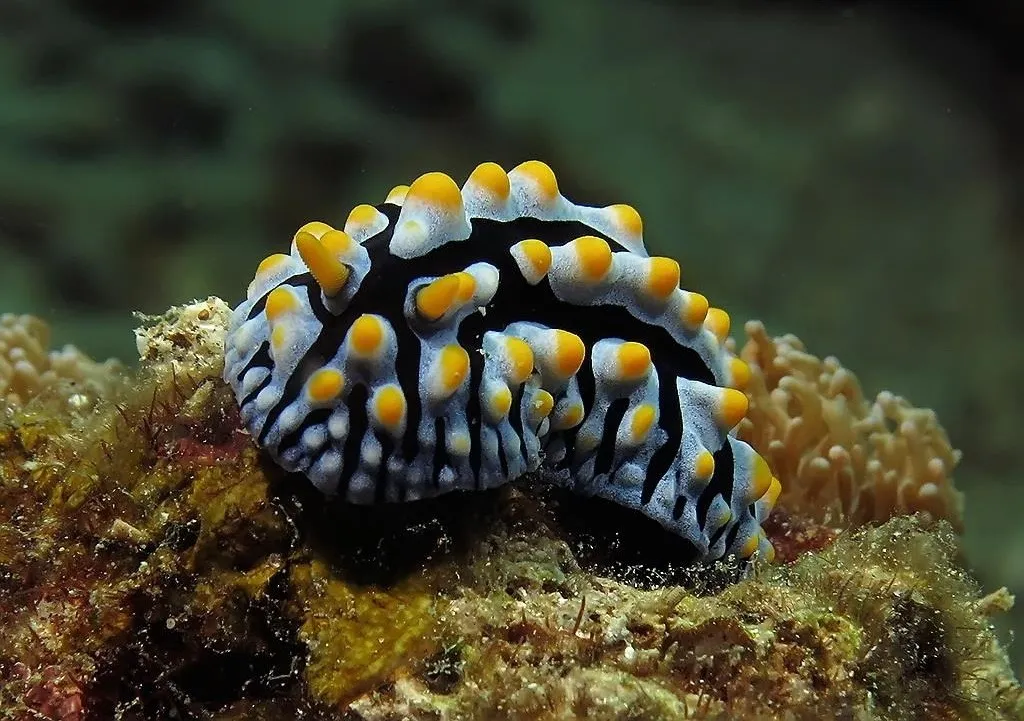
Castle Rock's structure, with its pitted walls, undercuts, and ledges, provides habitat for a variety of temperate marine life. On the rock's upper sections, divers commonly observe nudibranchs and seastars, often interspersed with bright yellow zoanthids.
Southern Blue Devils, Old Wives, and Boarfish frequently seek shelter under ledges and within cracks. Keep an eye out for Weedy Seadragons around the base and on the rock, a highlight for many.
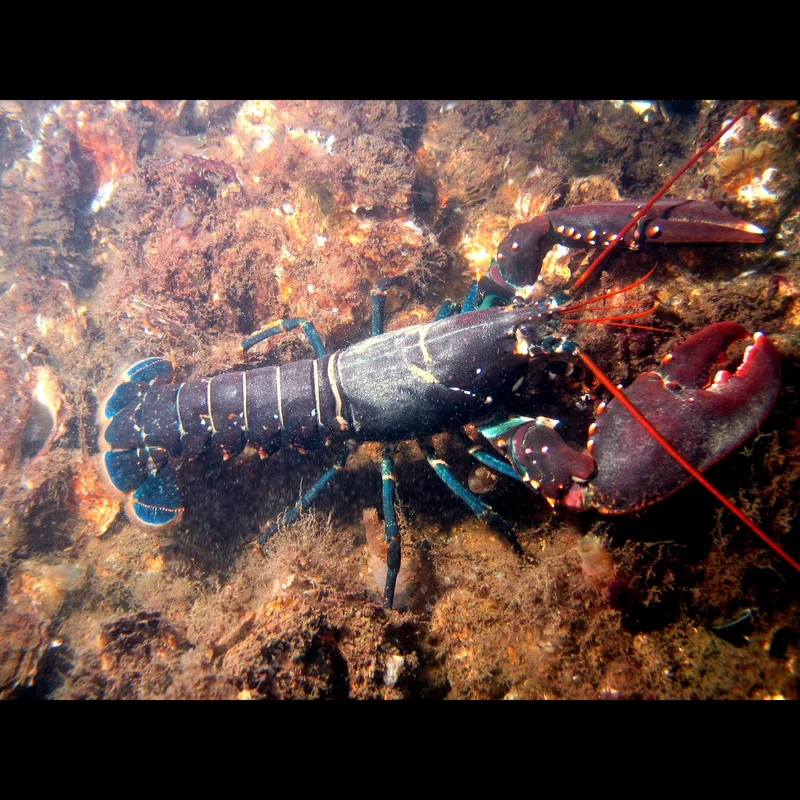
Occasional Southern Rock Lobsters might also be spotted tucked into deeper ledges. This compact bommie attracts a range of reef fish, including Sixspine Leatherjackets, Scalyfin, Zebrafish, Bluethroat Wrasse, Senator Wrasse, and Sweep, adding to the vibrancy of the underwater scenery.

Dive Sites Near Castle Rock
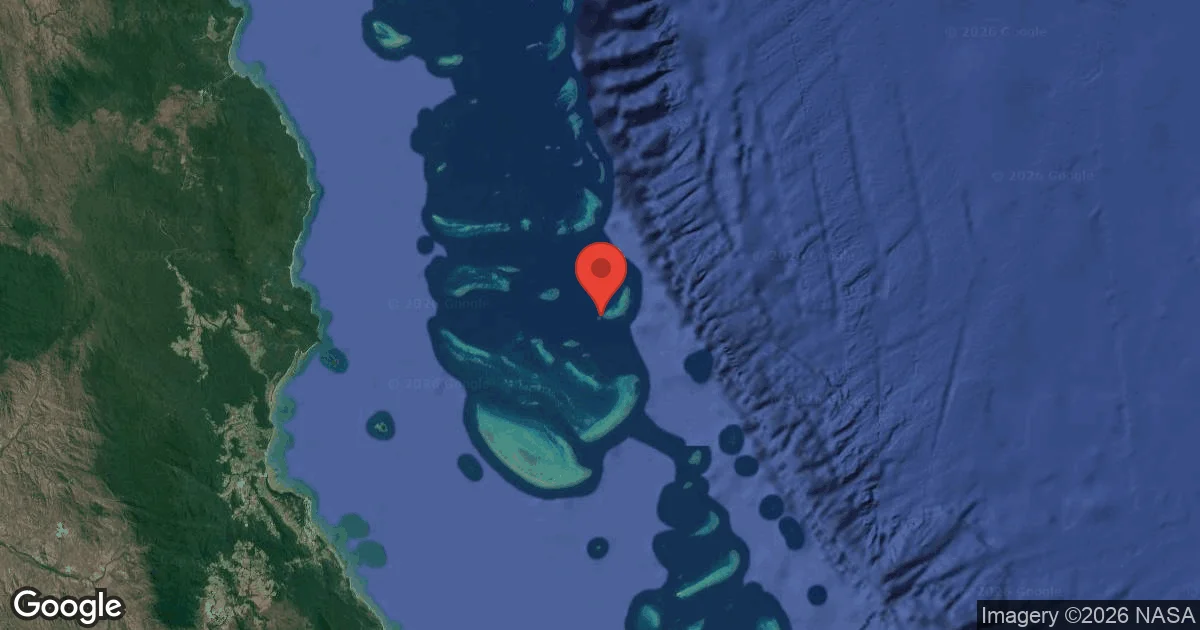
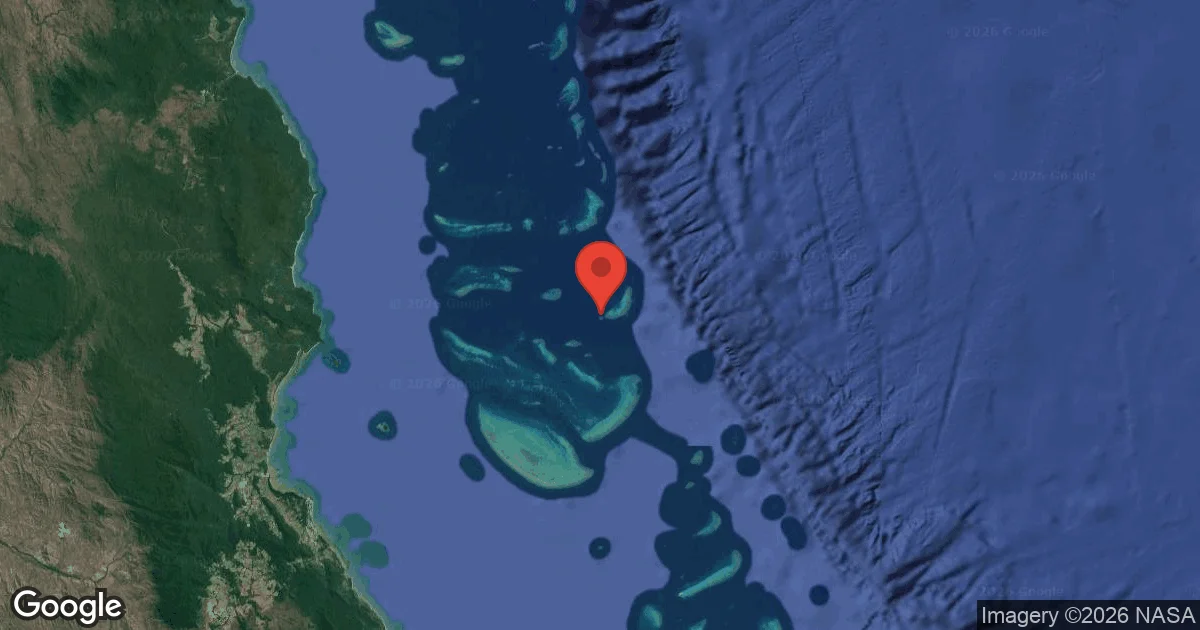
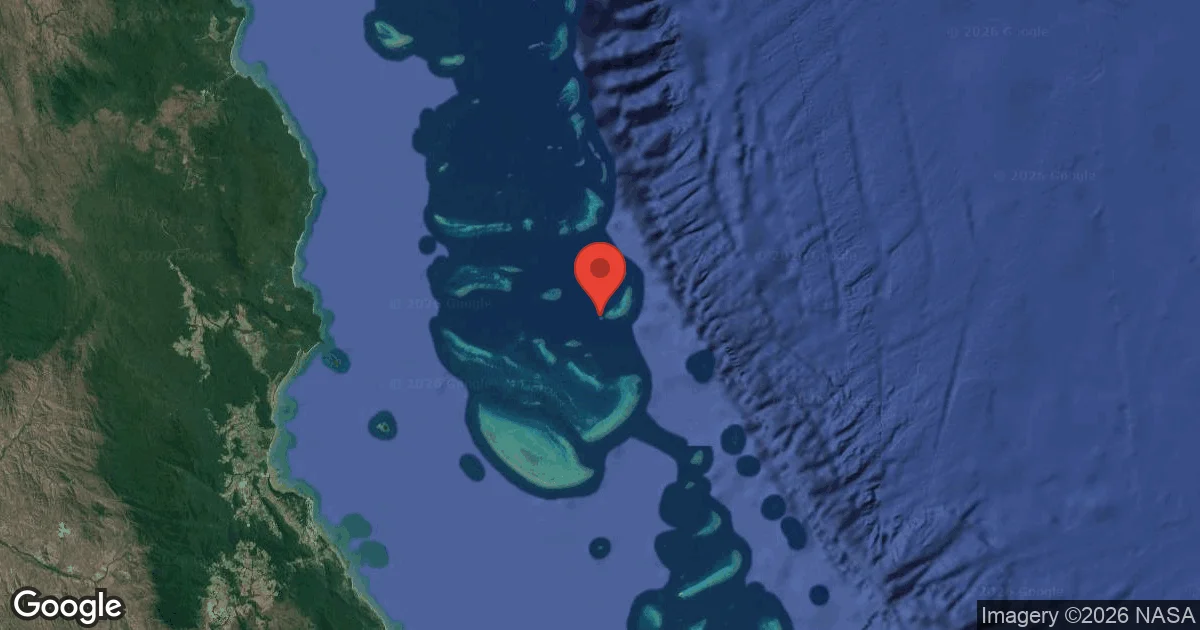
View all dive sites in AustraliaDiscover more underwater gems in this area.
Dive Centers Near Castle Rock
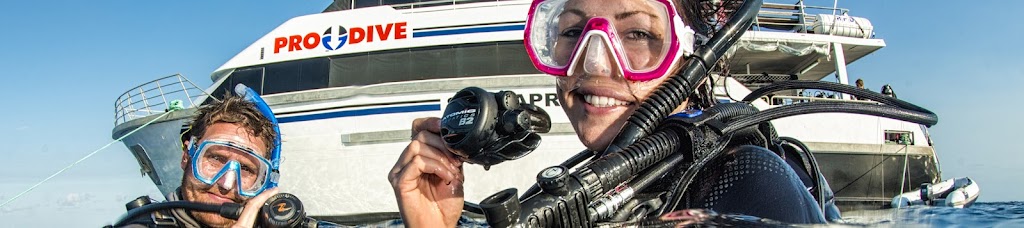
Today: Closed
Nearest Airports
Nearest airports to help plan travel to this dive area.
Search Flights
Check available flights and routes on Expedia, using the nearby airports listed in this section.
Search Flights on ExpediaFrequently Asked Questions
What is the maximum depth at Castle Rock?
Castle Rock generally rises from a sandy bottom at about 18-20 meters to its shallowest point around 12 meters below the surface. This depth range makes it accessible for Open Water certified divers.
Is Castle Rock suitable for beginner divers?
Yes, it is considered suitable for Open Water certified divers and beyond. Its manageable depth, relatively stable conditions, and straightforward navigation make it a good site for building experience.
How do you access the dive site?
Access to Castle Rock is exclusively by boat. Divers typically arrange trips with local dive operators in the Melbourne or Port Phillip Heads area.
What marine life can be expected?
Divers can see temperate marine species such as Weedy Seadragons, Southern Blue Devils, Old Wives, Boarfish, nudibranchs, and various reef fish. Southern Rock Lobsters are occasionally spotted under ledges.
Are there strong currents at Castle Rock?
While generally experiencing minimal current, conditions around Port Phillip Heads can vary. It's important to plan dives around tidal slack to ensure the most comfortable experience.
Can you complete a full circle around the rock?
Yes, the rock is approximately 200 m (656 ft) in circumference, allowing divers to comfortably circle the formation once or twice during a single dive.
What is the best time of year to dive Castle Rock?
The best dive scores are typically observed from October to February, with November often showing the highest scores. These months generally offer warmer air temperatures and minimal rain.
Planning to dive Castle Rock?
Send one inquiry and receive offers directly from the best verified local dive operators.
Conditions are Poor
High Swell Advisory. Not recommended.
Current conditions near Castle Rock show 24° air, 24° sea temperature, 2.3 m waves, and 45 km/h wind. Forecast data is refreshed regularly to ensure accuracy.