
Diving at Agincourt Ribbon Reefs (Australia)
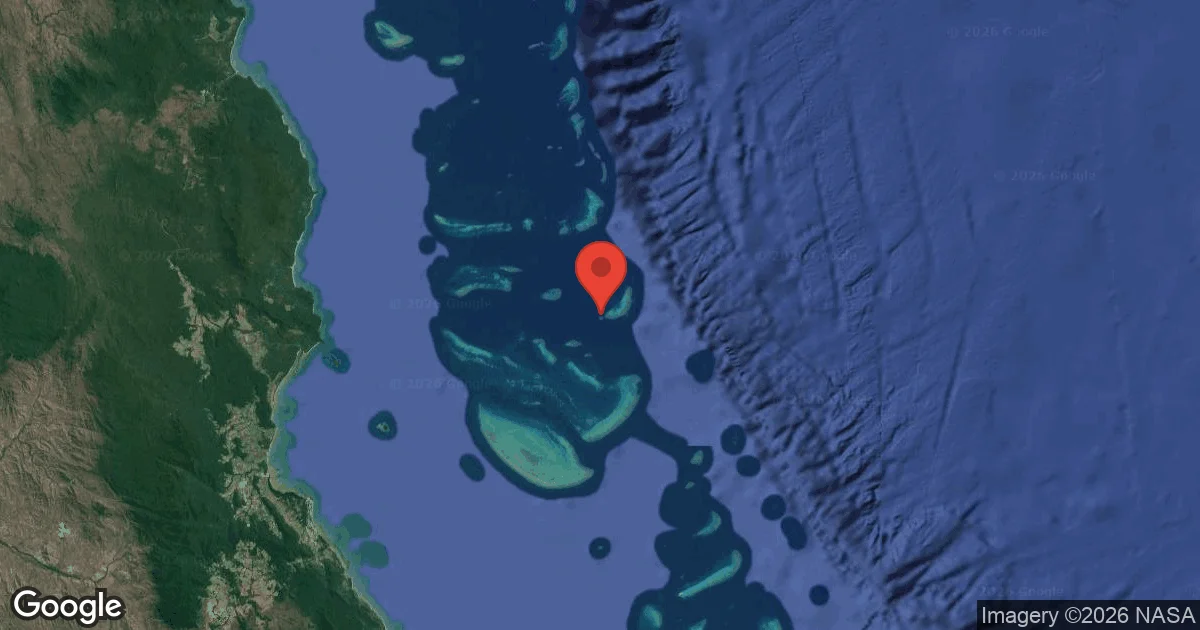
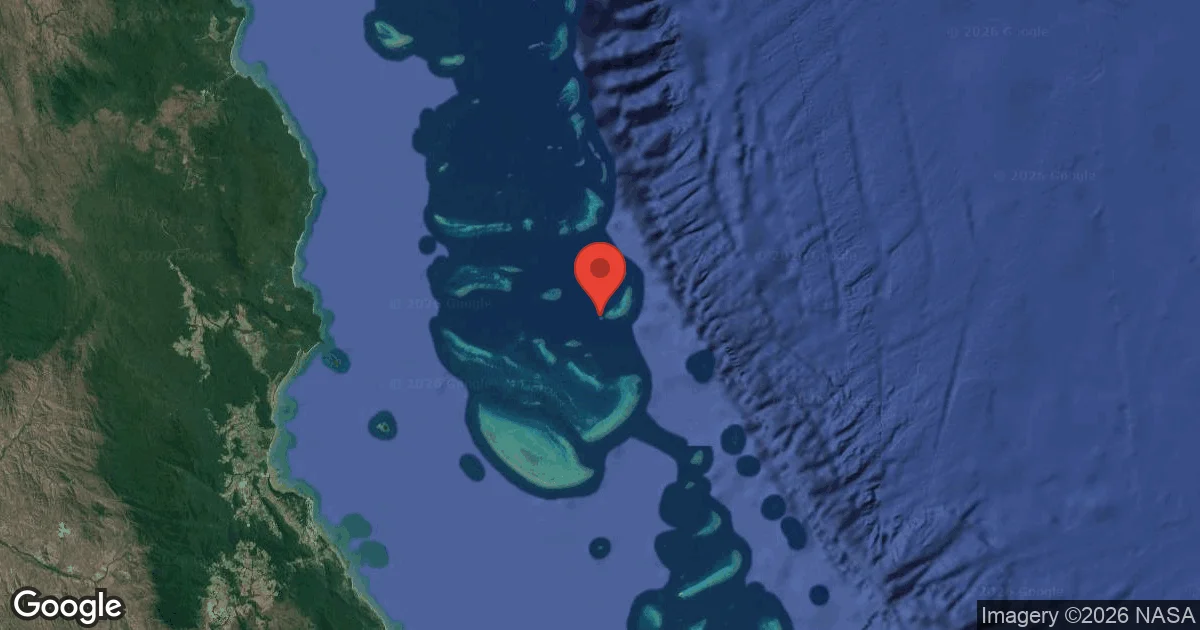
For divers seeking an outer reef experience off Port Douglas, Agincourt Ribbon Reefs provide direct access to some of the Great Barrier Reef's most pristine ecosystems. These parallel reefs border the Continental Shelf, receiving clear, deep ocean currents. This positioning contributes to exceptional coral growth and a vibrant, diverse marine environment. It's a destination chosen for its well-preserved reef structure and abundant aquatic life.
Evening condition tracking at Agincourt Ribbon Reefs features an air temperature of 23.5°C. We have recorded wave heights measuring 2.1 m during this period. These figures outline the environmental parameters currently present.
Dive Site Location & Key Facts
Dive Site Overview
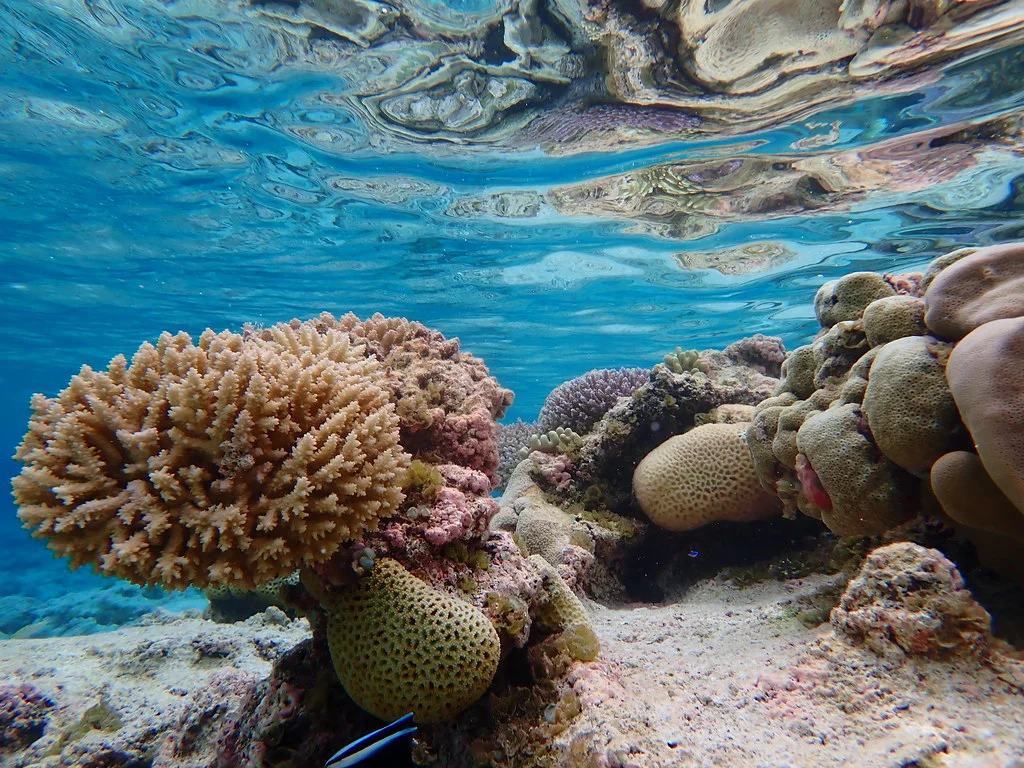
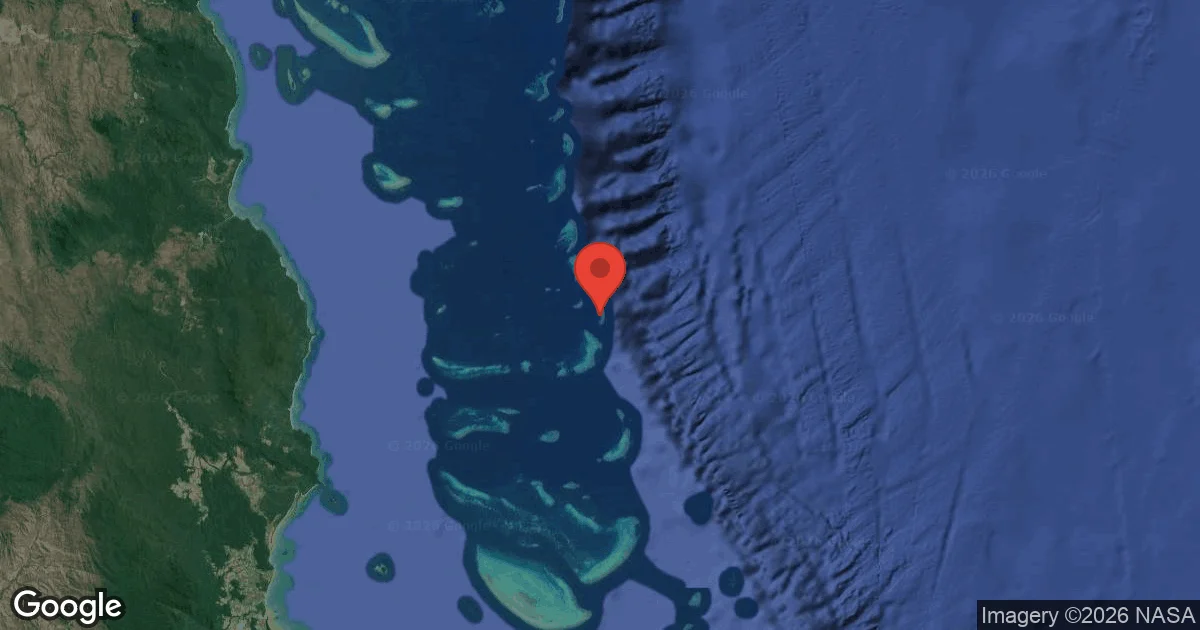
What truly distinguishes Agincourt Ribbon Reefs is their location at the very edge of Australia's Continental Shelf, where the seafloor plummets to over 500 m (1,640 ft) just two kilometers beyond the reef crest. This proximity to the deep Coral Sea means clear, nutrient-rich water continually washes over the reef, fostering prolific coral gardens and spectacular marine ecosystems.
Divers encounter diverse topography, from stunning garden reefs like Harrys Bommie to the dramatic deep drop-offs that characterize the outer barriers. Sites such as Nursery Bommie, with its depth of 24 m (79 ft), are celebrated for vivid coral formations and ample aquatic life, including schools of barracuda and various reef sharks.
The area also features unique attractions, including a sunken Taiwanese fishing boat at The Wreck, sitting at 22 m (72 ft), which has become an artificial habitat over nearly eighty years. Across its approximately 21 named dive sites, Agincourt offers a range of experiences, from sandy bottoms to vertical walls, pinnacles, and current-prone channels, ensuring varied exploration.
Conditions are Poor
High Swell Advisory. Not recommended.
Current conditions near Agincourt Ribbon Reefs show 24° air, 24° sea temperature, 2.5 m waves, and 53 km/h wind. Forecast data is refreshed regularly to ensure accuracy.
Best Time to Dive
Planning your visit to Agincourt Ribbon Reefs is often best outside of the peak wind and wave periods. November, with its system dive score of 8, tends to present favorable conditions, reporting lower rain levels around 1.15 mm (0.045 inches) and wind speeds averaging 25.7 km/h (16 mph). Air temperatures during this month average 26.5°C (80°F). October also scores well, showing good dive conditions with similarly low rainfall and moderate wind. Conversely, May typically receives a 'Poor' dive score of 4 due to higher average wave heights, reaching up to 1.8 m (5.9 ft), and stronger winds at 41.2 km/h (25.6 mph). Warmer, wetter months from January to March maintain 'Good' to 'Moderate' dive scores, with air temperatures averaging 27-28°C (81-82°F) and higher rainfall, though visibility remains generally excellent. Water temperature data is not consistently reported in the system, but the region is known for warm tropical waters.
PEAK SEASON SCORE
Scores combine air & water temps, waves, wind & rainfall for overall conditions.
BEST MONTHS TO DIVE
Monthly records compiled from satellite and marine observation nodes over the last 3 years. Data provided by Open-Meteo and MET Norway.
Dive Experience & Conditions
The structure of the Agincourt Ribbon Reefs provides a diverse underwater landscape, catering to various diving preferences. Many sites, like Harrys Bommie, feature garden reefs with depths around 16 m (52 ft), where abundant fish forage among bright corals. Some of these reefs are split by narrow, current-prone gaps, creating dynamic drift opportunities. Visibility here is typically excellent, often ranging from 10 to 30 meters (33 to 100 ft), dependent on local conditions and currents. The incoming tides from the Coral Sea are responsible for sweeping clear water across these reefs. Wall dives are common, particularly at sites like Turtle Bay, reaching depths of 22 m (72 ft), where large Loggerhead Turtles visit during October-December. You can expect to encounter varying current strengths, particularly near channels and drop-offs, which contribute to the health and diversity of the ecosystem.
Dive Difficulty & Safety Guidelines
Before descending into the Agincourt Ribbon Reefs, a thorough briefing on site-specific conditions, especially currents, is essential for every diver. While the reefs are generally considered pristine, understanding the potential for drift in channels or exposed areas is key to a safe dive. Always maintain appropriate buoyancy control to protect the delicate coral formations.
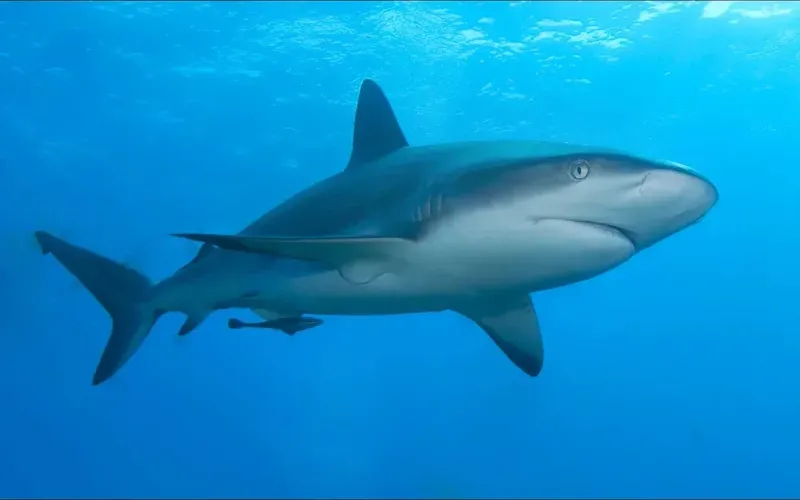
Respecting marine life means observing from a distance; avoid touching any animals or coral. Some areas may attract larger pelagic species, including Grey Reef Sharks at deeper drop-off zones; observe them respectfully. Always dive within your certification limits and follow the guidance of your dive professional.
Recommended Equipment
Overhead environment. Do not enter beyond training and gas planning limits.
Current and surface separation risk. Local briefing strongly recommended.
- Dive Computer
- DSMB
- Primary & Backup Lights
- Reel / Spool
- Cutting Tool
This gear list is based on verified equipment signals for Agincourt Ribbon Reefs, Australia. Always confirm final gear choices with your dive operator, guide, or liveaboard.
Recommended Dive Suit
Environmental conditions are expected to remain consistent in the short-term outlook.
For typical recreational dives, 3mm wetsuit generally provides comfortable insulation. Strong winds are present; please take strong precautions against rapid cooling during surface intervals.
At Agincourt Ribbon Reefs, the water is currently sitting around 24°C (76°F). Surface air temperatures are resting at 24°C (75°F).
Due to technical issues with our weather providers, live updates are temporarily delayed. The data above reflects the conditions at the time of the last successful fetch.
Emergency & Medical Support
Essential information to help you plan your dive trip to Agincourt Ribbon Reefs.

Hyperbaric chambers are a critical part of dive safety infrastructure. Availability varies significantly by region, and not all dive areas have immediate access.
Before diving, it's recommended to:
- confirm nearest medical facilities
- check emergency procedures with local dive operators
- ensure dive insurance covers evacuation if required
Divers Alert Network
Diving emergency assistance available through DAN World.
+1-919-684-9111- 24/7 emergency hotline
- Diving medical assistance
- Evacuation coordination
Emergency contacts are provided for reference. Always verify local emergency services before diving.
Marine Life at Agincourt Ribbon Reefs
Upon entering the water at Agincourt Ribbon Reefs, you'll first notice the sheer abundance of fish darting among the vibrant corals. The reef environment supports a profuse array of species, including colorful wrasses, groupers, and parrotfish.
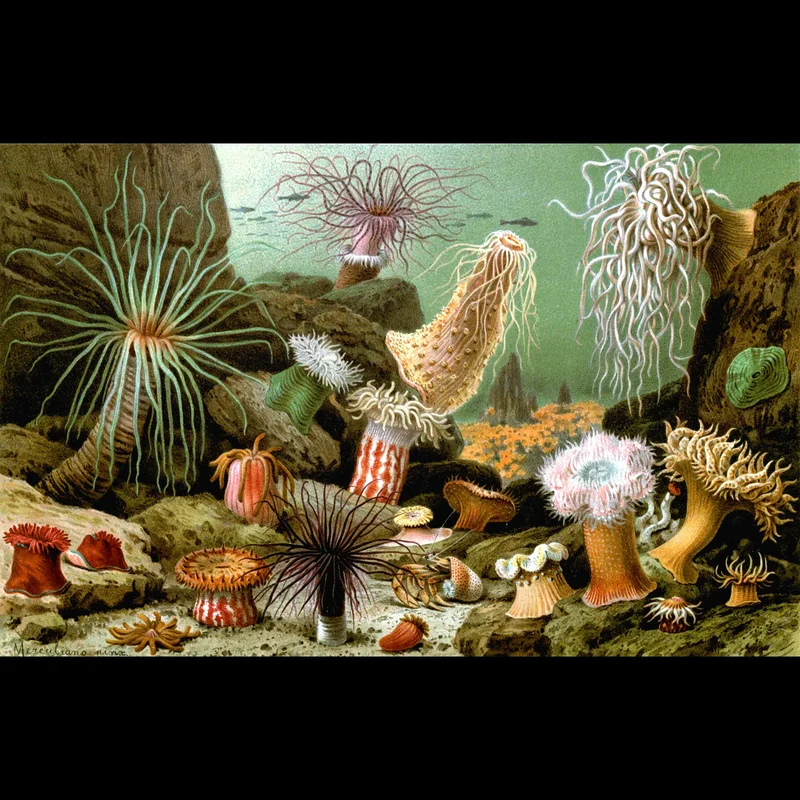
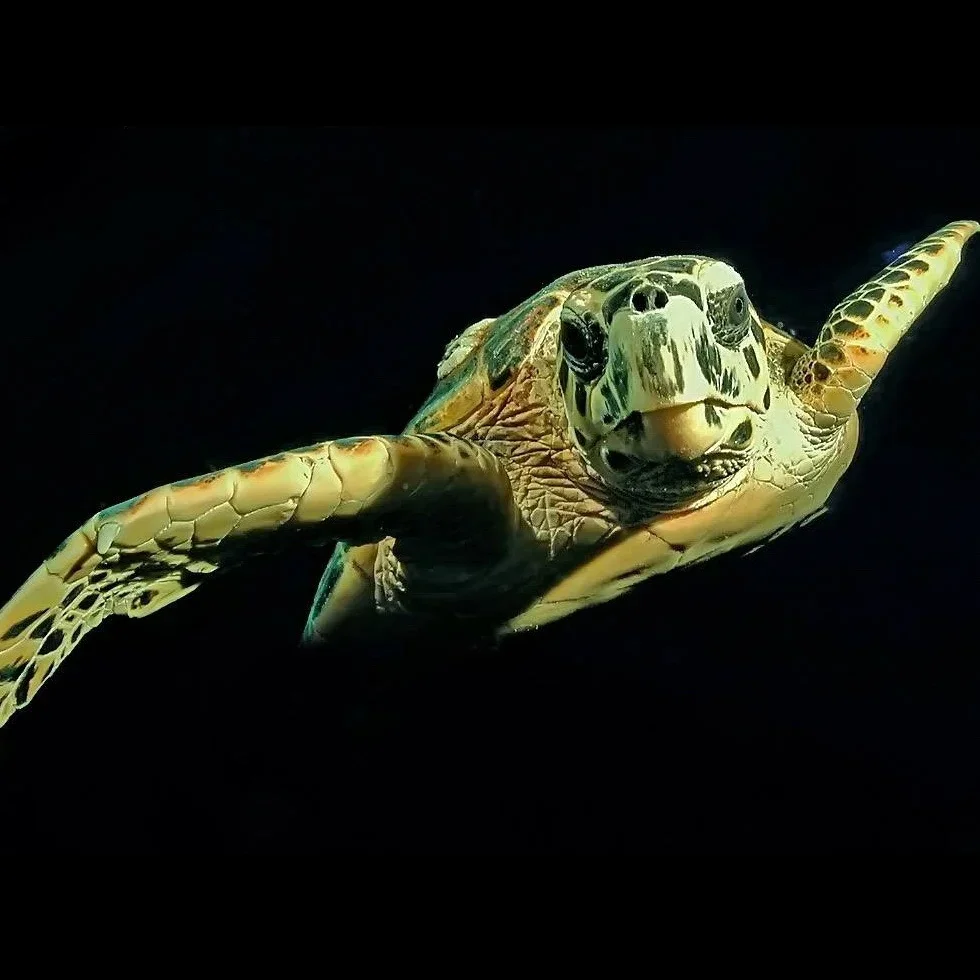
Sightings frequently include Clown Fish nestled in anemones and graceful Hawksbill turtles. Various reef sharks—White-Tip, Black-Tip, and Grey Reef Whalers—are commonly observed, often resting on sandy bottoms or patrolling the deeper drop-offs.
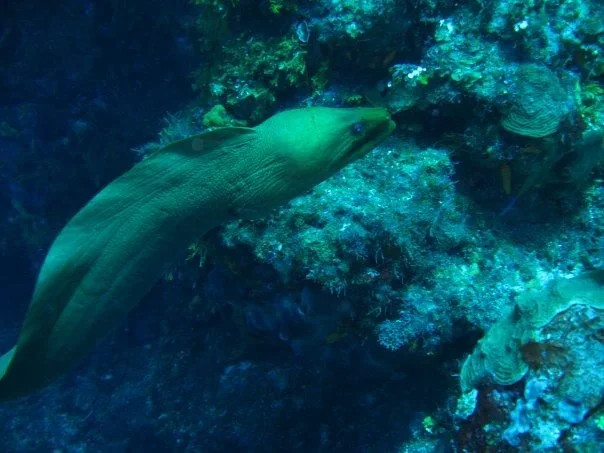
Specific sites feature unique encounters, such as the resident Malabar and Flowery Cods at Castle Rock, or schools of Picklehandle Barracuda and Moray Eels at Nursery Bommie. Giant Clams and spectacular Sea Cucumbers are also prominent features of the reef system.
Dive Sites Near Agincourt Ribbon Reefs
View all dive sites in AustraliaDiscover more underwater gems in this area.
Dive Centers Near Agincourt Ribbon Reefs
Today: Closed
Nearest Airports
Nearest airports to help plan travel to this dive area.
Search Flights
Check available flights and routes on Expedia, using the nearby airports listed in this section.
Search Flights on ExpediaFrequently Asked Questions
What is the typical depth range for diving at Agincourt Ribbon Reefs?
Dive sites at Agincourt Ribbon Reefs generally range from shallow coral gardens to deeper drop-offs. Common depths for popular sites include around 16 m (52 ft) at Harrys Bommie, up to 24 m (79 ft) at Nursery Bommie, and about 22 m (72 ft) at The Wreck and Turtle Bay.
What kind of visibility can I expect?
Visibility at Agincourt Ribbon Reefs is consistently excellent due to its outer reef location and clear ocean currents. Divers can often expect visibility to range from 10 to 30 meters (33 to 100 ft), depending on specific conditions and tides.
Are there strong currents at Agincourt Ribbon Reefs?
Currents can vary. Some sites feature narrow gaps and channels that are prone to currents, offering opportunities for drift diving. These currents are a natural part of the ecosystem, bringing in clear, nutrient-rich water. Dive operators will brief on expected conditions.
What marine life is commonly seen here?
Agincourt Ribbon Reefs are known for diverse marine life, including various reef fish, parrotfish, wrasses, and groupers. You can also expect to see Hawksbill turtles, various species of reef sharks like White-Tip and Grey Reef Whalers, moray eels, and giant clams.
Are there any wrecks to dive at Agincourt Ribbon Reefs?
Yes, there is a known wreck site called 'The Wreck'. It's a Taiwanese fishing boat that ran aground and sank almost eighty years ago, now serving as an interesting artificial reef at a depth of 22 m (72 ft).
Can I see large pelagic species here?
Yes, the outer reef location and deeper drop-offs increase the chance of encountering larger pelagic species. Groups of Grey Reef Whalers and Manta Rays are periodically observed, particularly around certain bommies and deeper zones.
Planning to dive Agincourt Ribbon Reefs?
Send one inquiry and receive offers directly from the best verified local dive operators.
Conditions are Poor
High Swell Advisory. Not recommended.
Current conditions near Agincourt Ribbon Reefs show 24° air, 24° sea temperature, 2.5 m waves, and 53 km/h wind. Forecast data is refreshed regularly to ensure accuracy.