
Diving at Blue Buoy (Australia)
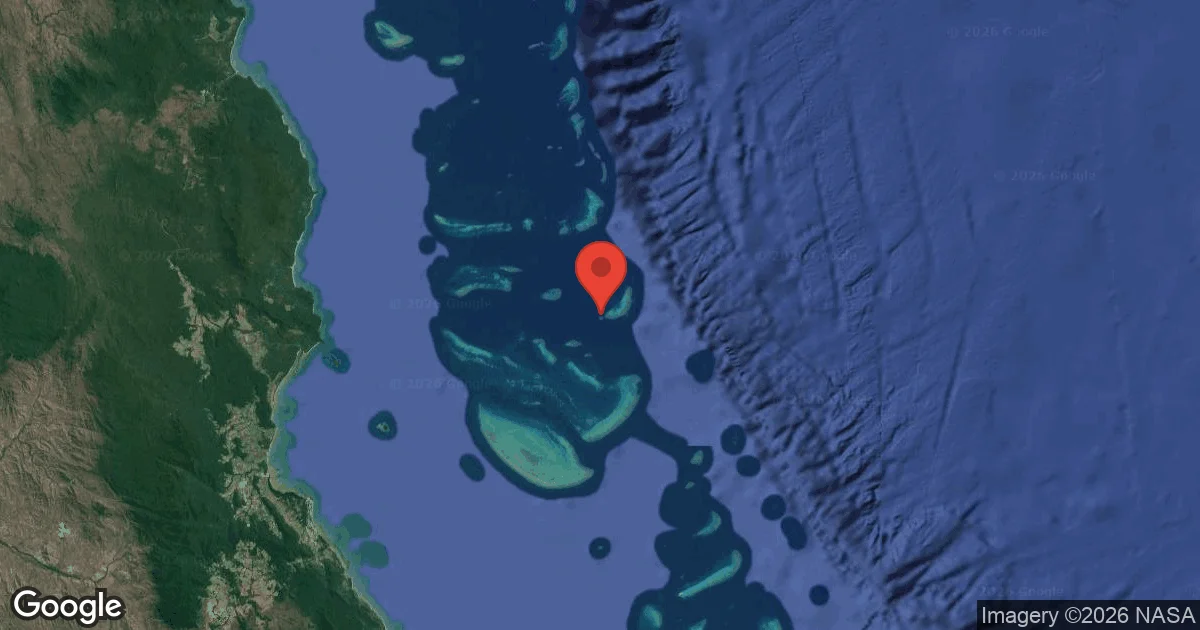
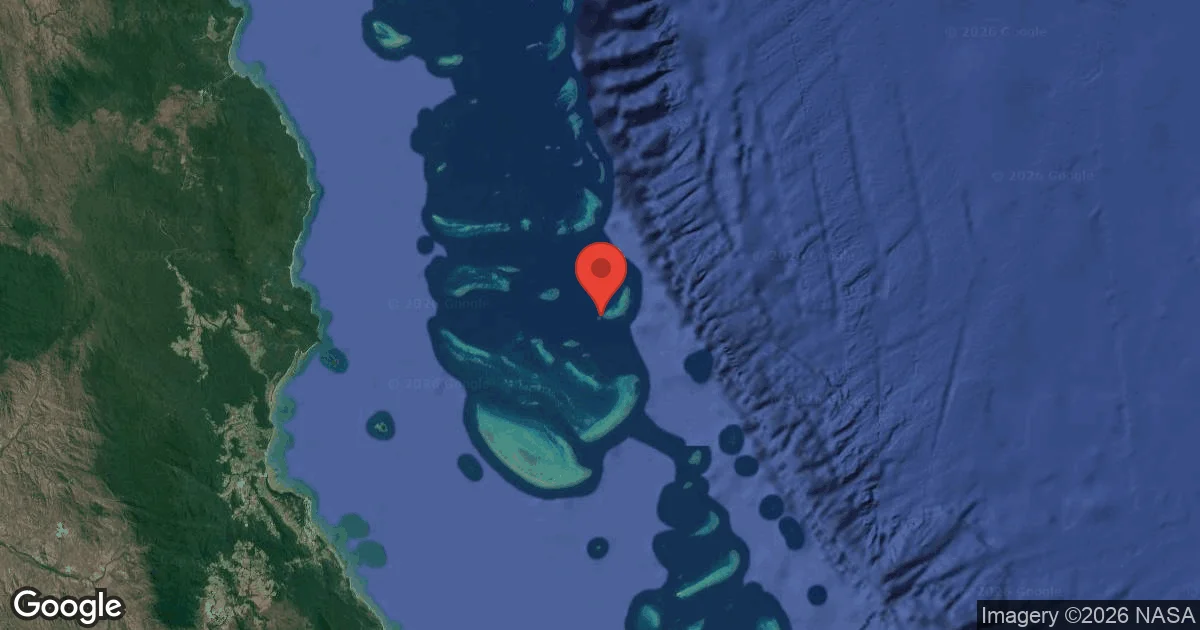
Blue Buoy invites divers into a vibrant underwater world near Port Douglas, Australia. This reef site is described as an absolute gem, packed with interesting features and diverse marine inhabitants. Whether you're drawn to large pelagics or intricate macro life, it presents rewarding encounters for various diving preferences. It's a place where diverse marine ecosystems thrive.
Tonight's objective overview for Blue Buoy shows an air temperature of 23.5°C. The measured surface conditions include wave heights around 1.7 m. This environmental data is logged for the close of the day.
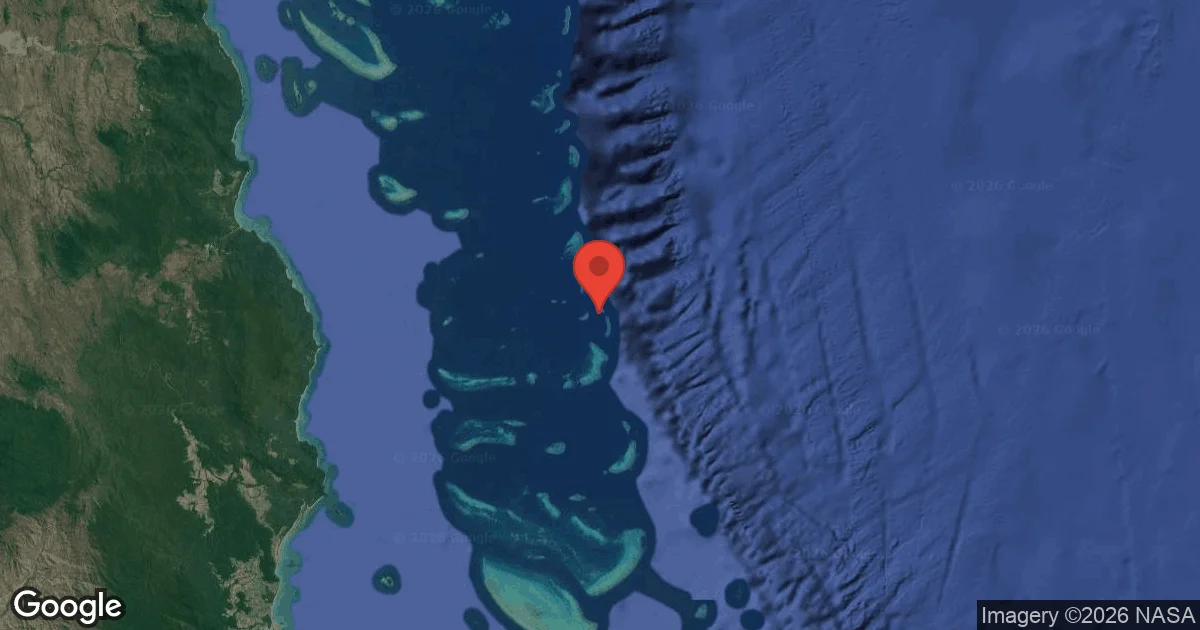
Dive Site Location & Key Facts
Dive Site Overview
The reef topography at Blue Buoy is recognized for its dynamic features and rich ecological structure, creating an engaging underwater landscape. Divers navigate a site described as being "jam-packed with features," hinting at a varied reef environment that supports a wide array of marine species.
While specific depths aren't consistently reported for Blue Buoy, the site is generally suitable for divers across all experience levels, suggesting a range that accommodates both shallower exploration and potentially deeper sections. The entry type is shore-based, offering accessibility, though conditions for shore entry can vary. Saltwater conditions are typical for this marine environment.
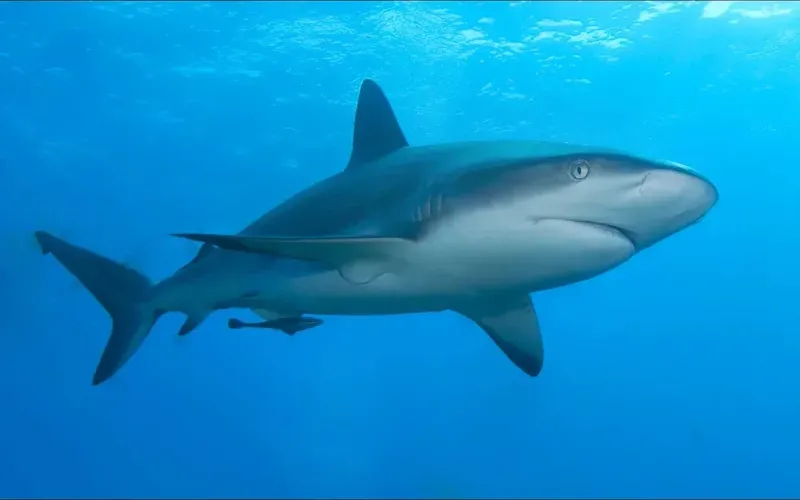
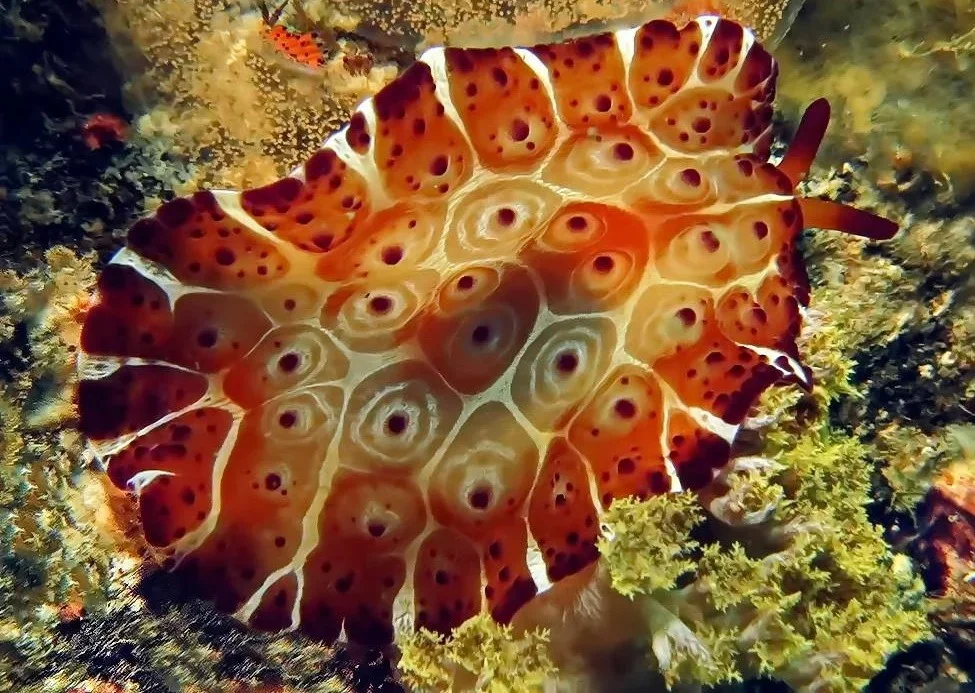
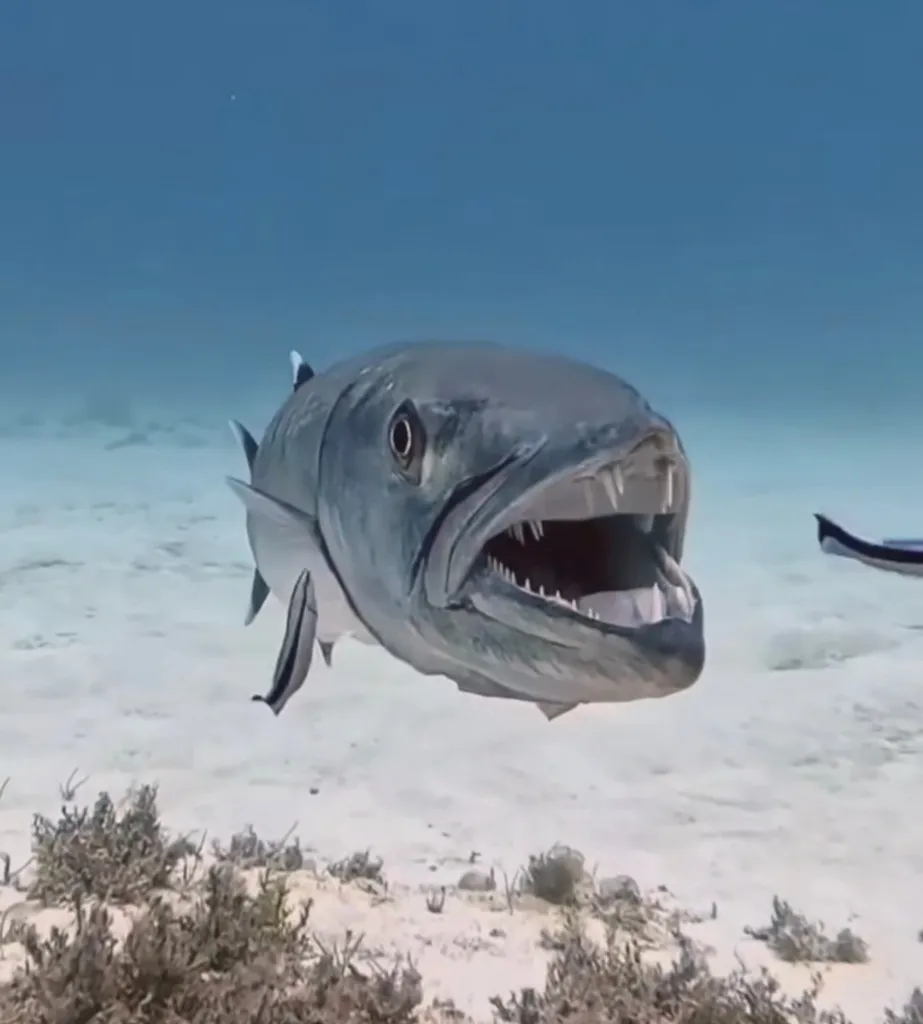
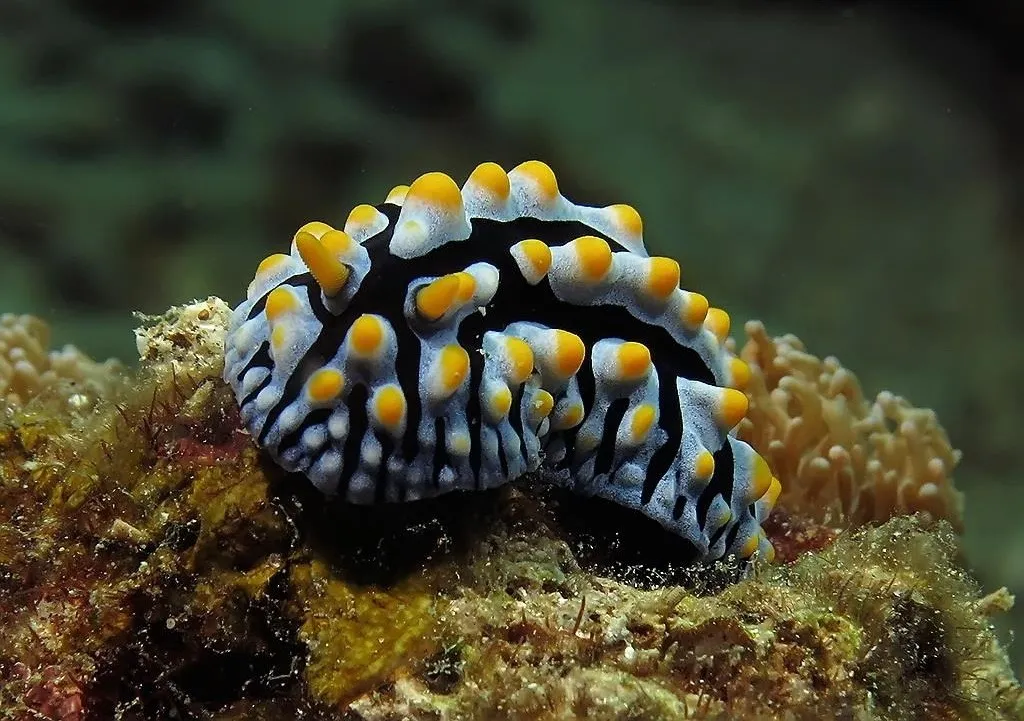
This location serves as a focal point for encountering swirling schools of barracuda, along with areas frequently visited by reef sharks and various turtle species. Macro enthusiasts will find Blue Buoy particularly compelling, as it's identified as a significant nudibranch hotspot.
Its extensive reef system contributes to a habitat where both larger creatures and intricate smaller life forms coexist, making for a comprehensive dive experience.
Conditions are Moderate
High Wind Advisory (44km/h). Unsafe surface.
Current conditions near Blue Buoy show 23° air, 24° sea temperature, 1.7 m waves, and 44 km/h wind. Forecast data is refreshed regularly to ensure accuracy.
Best Time to Dive
Optimal diving conditions at Blue Buoy frequently align with periods of reduced wave action and lower rainfall, which typically enhance underwater visibility. Months like October and November often present particularly good dive scores, influenced by air temperatures averaging around 25-27°C (77-81°F) and a noticeable decrease in rain, often below 1 mm (0.04 inches). Similarly, December through February also show good dive scores, with air temperatures maintaining a warm 27-28°C (81-82°F), though rain can be higher, around 10-12 mm (0.4-0.5 inches). Wave heights during these favorable periods tend to be lower, generally below 0.9 m (3 ft), contributing to clearer water. Planning your visit outside of the higher wave months will generally provide a more favorable dive experience, maximizing the chance for excellent underwater views.
PEAK SEASON SCORE
Scores combine air & water temps, waves, wind & rainfall for overall conditions.
BEST MONTHS TO DIVE
Monthly records compiled from satellite and marine observation nodes over the last 3 years. Data provided by Open-Meteo and MET Norway.
Dive Experience & Conditions
Accessing Blue Buoy involves a shore entry, which means divers should prepare for varying beach or rock conditions at the entry point. The site is considered suitable for divers of all levels, indicating a diverse environment that accommodates beginners while still offering enough complexity for more experienced individuals. Current conditions are not consistently reported as an issue, though as with any ocean dive, localized currents can arise and should always be assessed on site. Water temperatures are not explicitly detailed in available data, but given the tropical air temperatures consistently ranging from 23-28°C (73-82°F) throughout the year, divers can generally anticipate warm water. Expect saltwater conditions. Understanding local tides can also be beneficial for planning your shore entry and optimizing your dive time, especially if navigating shallower sections of the reef.
Dive Difficulty & Safety Guidelines
While specific hazards for Blue Buoy aren't explicitly detailed, divers should always practice standard safety protocols for reef environments. Shore entries can present challenges like uneven terrain or minor surf, so careful observation of entry and exit points is crucial. Although strong currents are not typically reported for this site, conditions can change, requiring divers to remain aware of water movement and plan their dives accordingly.
Divers of all levels can enjoy Blue Buoy, but understanding personal limits and maintaining proper buoyancy control are essential for protecting the delicate reef structure. It’s always advisable to dive with a buddy and carry appropriate safety signaling devices.
Local dive operators or shops can provide the most current information on site-specific conditions and any temporary advisories.
Recommended Equipment
- Dive Computer
- Hard-soled Dive Boots
This gear list is based on verified equipment signals for Blue Buoy, Australia. Always confirm final gear choices with your dive operator, guide, or liveaboard.
Recommended Dive Suit
In conditions like these, many divers prefer diving with 3mm wetsuit. Strong winds are present; please take strong precautions against rapid cooling during surface intervals.
Current readings at Blue Buoy show water temperatures near 24°C (75°F). Surface air temperatures are resting at 23°C (74°F).
Forecast models indicate that diving conditions should remain largely unchanged.
Emergency & Medical Support
Essential information to help you plan your dive trip to Blue Buoy.

Hyperbaric chambers are a critical part of dive safety infrastructure. Availability varies significantly by region, and not all dive areas have immediate access.
Before diving, it's recommended to:
- confirm nearest medical facilities
- check emergency procedures with local dive operators
- ensure dive insurance covers evacuation if required
Divers Alert Network
Diving emergency assistance available through DAN World.
+1-919-684-9111- 24/7 emergency hotline
- Diving medical assistance
- Evacuation coordination
Emergency contacts are provided for reference. Always verify local emergency services before diving.
Marine Life at Blue Buoy
Upon descending into Blue Buoy, divers are often immediately struck by the active presence of swirling schools of barracuda, a compelling sight. The reef environment is also frequently visited by a variety of reef sharks, adding an element of excitement to explorations.
Keep an eye out for different turtle species, which are commonly spotted gliding through the waters. For those with a keen eye for smaller, intricate life, Blue Buoy is a particularly active nudibranch hotspot.
Numerous species of these colorful sea slugs inhabit the reef, making it a rewarding experience for macro photographers and enthusiasts alike.
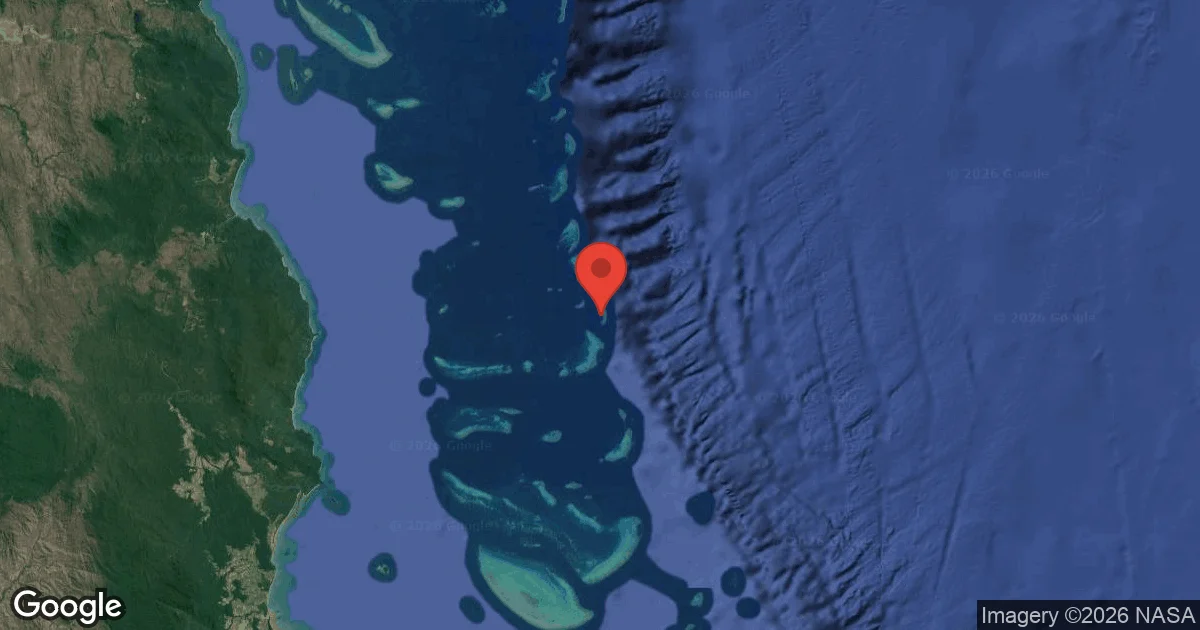
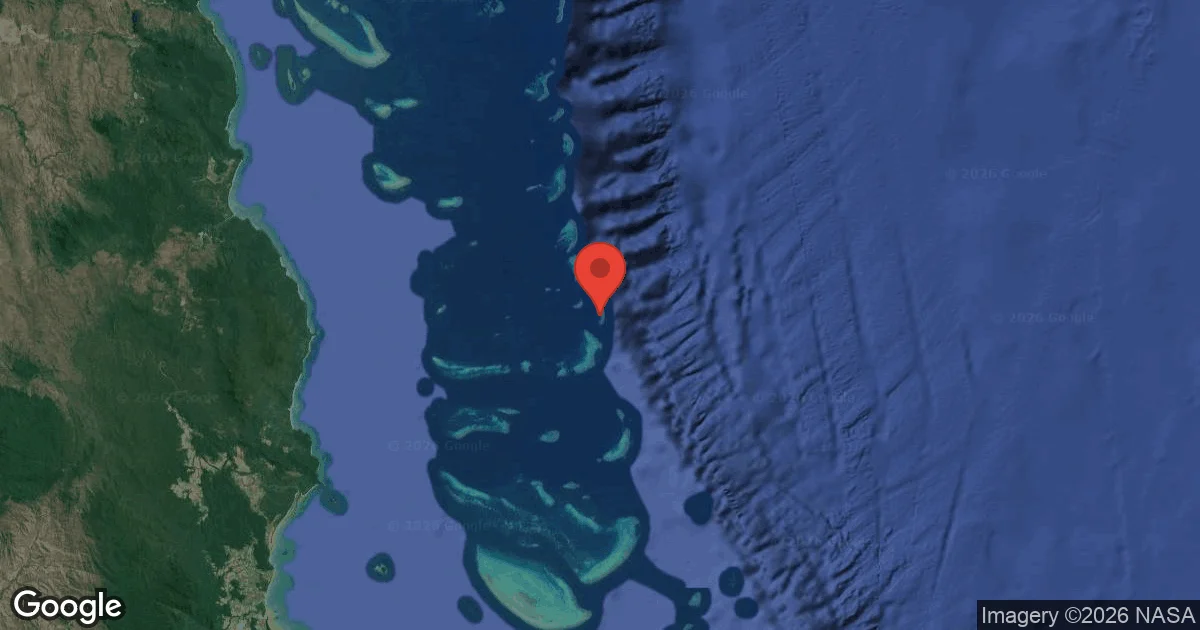
Dive Sites Near Blue Buoy
View all dive sites in AustraliaDiscover more underwater gems in this area.
Dive Centers Near Blue Buoy
Today: Closed
Nearest Airports
Nearest airports to help plan travel to this dive area.
Search Flights
Check available flights and routes on Expedia, using the nearby airports listed in this section.
Search Flights on ExpediaFrequently Asked Questions
Is Blue Buoy suitable for new divers?
Yes, Blue Buoy is described as suitable for divers of all levels, offering an accessible reef environment. It accommodates both novice and more experienced divers.
What kind of marine life can I expect to see at Blue Buoy?
Divers frequently encounter swirling schools of barracuda, reef sharks, and various turtle species. It's also a recognized hotspot for nudibranchs.
What are the typical entry conditions for Blue Buoy?
Entry to Blue Buoy is shore-based. Divers should be prepared for varying beach or rock conditions when entering and exiting the water.
When is the best time of year to dive Blue Buoy for good visibility?
October and November generally offer good dive conditions with lower rain and wave heights, which typically lead to better visibility. December through February also have good scores.
Are strong currents a concern at Blue Buoy?
Strong currents are not consistently reported as a major issue, but divers should always assess current conditions on site as they can vary.
Are there specific macro photography opportunities at Blue Buoy?
Yes, Blue Buoy is noted as a significant nudibranch hotspot, providing excellent opportunities for macro photography due to the abundance of these colorful sea slugs.
What are the average water temperatures for diving at Blue Buoy?
Specific water temperatures aren't available, but with average air temperatures ranging from 23-28°C (73-82°F) year-round, you can generally expect warm tropical water conditions.
Planning to dive Blue Buoy?
Send one inquiry and receive offers directly from the best verified local dive operators.
Conditions are Moderate
High Wind Advisory (44km/h). Unsafe surface.
Current conditions near Blue Buoy show 23° air, 24° sea temperature, 1.7 m waves, and 44 km/h wind. Forecast data is refreshed regularly to ensure accuracy.