
Diving at Julian Rocks (Australia)
Julian Rocks, a series of rocky outcrops, forms the core of the Nguthungulli Nature Reserve, a vital component of the Cape Byron Marine Park. These submerged formations lie just offshore, where the East Australian Current merges warm tropical waters with cooler southern currents. This geological positioning establishes an environment that supports a remarkable confluence of marine species, fostering considerable biodiversity and a distinct underwater habitat for divers.
As evening covers Julian Rocks, the local air temperature is measured at 23.5°C. The current wave height at the surface is recorded at 1.3 m. These late-day readings characterize the surface conditions for the night.
Dive Site Location & Key Facts
Dive Site Overview
Exploring Julian Rocks immerses divers in a dynamic marine landscape, continually shaped by the powerful convergence of the East Australian Current with cooler southern waters. This constant interplay fosters a thriving environment, home to an unusual blend of marine invertebrates, corals, and species native to both tropical and temperate zones.
Divers here can choose from a variety of experiences across several distinct sites. For instance, The Cod Hole, known for its dramatic swim-through, guides divers from approximately 15 m (49 ft) down to 21 m (69 ft), often revealing wobbegong sharks tucked into crevices.
Further along, Hugo's Trench presents impressive sheer walls, descending to depths typically between 12 and 18 meters, where pelagic species might cruise by. Shallower, on the western side, The Nursery provides a more tranquil environment, consistently rich with juvenile reef fish and ideal for newer divers, found at depths between 5 and 12 meters.
Surface conditions at the site can influence visibility, which varies depending on current strength and recent weather, though clear days offer expansive views. The broader reserve reaches a maximum depth of 30 m (100 ft), accommodating a spectrum of skill levels from open water certified to more advanced divers seeking deeper explorations or specific encounters.
Conditions are Good
Optimal conditions expected
Current conditions near Julian Rocks show 23° air, 21° sea temperature, 1.6 m waves, and 19 km/h wind. Forecast data is refreshed regularly to ensure accuracy.
Best Time to Dive
Visibility at Julian Rocks often dictates the overall dive experience, though specific visibility data is not consistently reported. Divers can visit Julian Rocks year-round, with distinct seasonal marine life activities to observe. During the warmer months, typically January through April, average air temperatures range from 20.5 to 24.5°C (69 to 76°F). This period sees increased manta ray and leopard shark activity. Rainfall averages between 4.5 to 11 mm (0.18 to 0.43 in) during these months, potentially impacting surface conditions. The cooler months, like June, with an average air temperature of 16°C (61°F) and low rainfall around 1.3 mm (0.05 in), often yield good dive scores and are prime for observing grey nurse sharks.
PEAK SEASON SCORE
Scores combine air & water temps, waves, wind & rainfall for overall conditions.
BEST MONTHS TO DIVE
Monthly records compiled from satellite and marine observation nodes over the last 3 years. Data provided by Open-Meteo and MET Norway.
Dive Experience & Conditions
The currents surrounding Julian Rocks can vary, occasionally presenting opportunities for drift diving, which allows divers to experience the marine reserve while being carried by the flow. Underwater terrain shifts from gentle, shallow reefs suitable for new divers to steep drop-offs and deeper trenches. The Needles, for instance, is known for its strong currents and large bommies, appealing to those seeking a more dynamic dive. Exploring sites like Cray Cave provides a thrilling experience, offering encounters with grey nurse sharks in their natural habitat. Water temperatures vary depending on the season, influencing the marine species present and the comfort level for divers.
Dive Difficulty & Safety Guidelines
Diving at Julian Rocks, while rewarding, requires adherence to established protocols to ensure both diver safety and marine conservation. Local dive centers provide specific guidelines that cover safe diving practices and responsible interactions with the diverse marine life. Strong currents can be encountered at particular sites, such as The Needles, necessitating appropriate experience and caution.
Respecting the marine environment means observing animals without disturbing them and maintaining neutral buoyancy to protect delicate corals and formations. All divers should be mindful of their certification limits and the prevailing conditions.
Recommended Equipment
Current and surface separation risk. Local briefing strongly recommended.
- Dive Computer
- DSMB
- Reel / Spool
This gear list is based on verified equipment signals for Julian Rocks, Australia. Always confirm final gear choices with your dive operator, guide, or liveaboard.
Recommended Dive Suit
In conditions like these, many divers prefer diving with 3-5mm wetsuit. A hood or vest is suggested for sensitive divers due to surface winds.
Divers entering the water at Julian Rocks today can expect temperatures near 21°C (70°F) beneath the surface. Surface air temperatures are resting at 23°C (74°F).
Environmental conditions may feel slightly cooler as the week progresses. Cooler days are ahead; you might want a warmer option for later in the week. Having a second exposure option available is often a good precaution.
Emergency & Medical Support
Essential information to help you plan your dive trip to Julian Rocks.

Hyperbaric chambers are a critical part of dive safety infrastructure. Availability varies significantly by region, and not all dive areas have immediate access.
Before diving, it's recommended to:
- confirm nearest medical facilities
- check emergency procedures with local dive operators
- ensure dive insurance covers evacuation if required
Divers Alert Network
Diving emergency assistance available through DAN World.
+1-919-684-9111- 24/7 emergency hotline
- Diving medical assistance
- Evacuation coordination
Emergency contacts are provided for reference. Always verify local emergency services before diving.
Marine Life at Julian Rocks
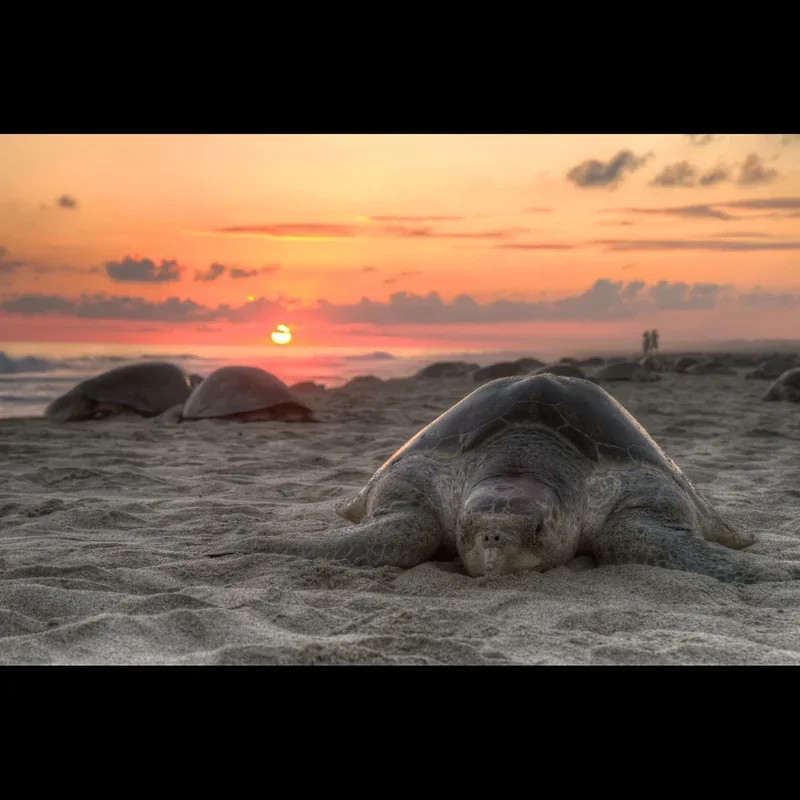
Expect to encounter a dynamic array of marine life at Julian Rocks, influenced by its unique location where temperate and tropical waters meet. Year-round residents include multiple species of sea turtles such as loggerheads, green, and hawksbill varieties, alongside various Wobbegong sharks—Spotted, Ornate, and Banded types are common.
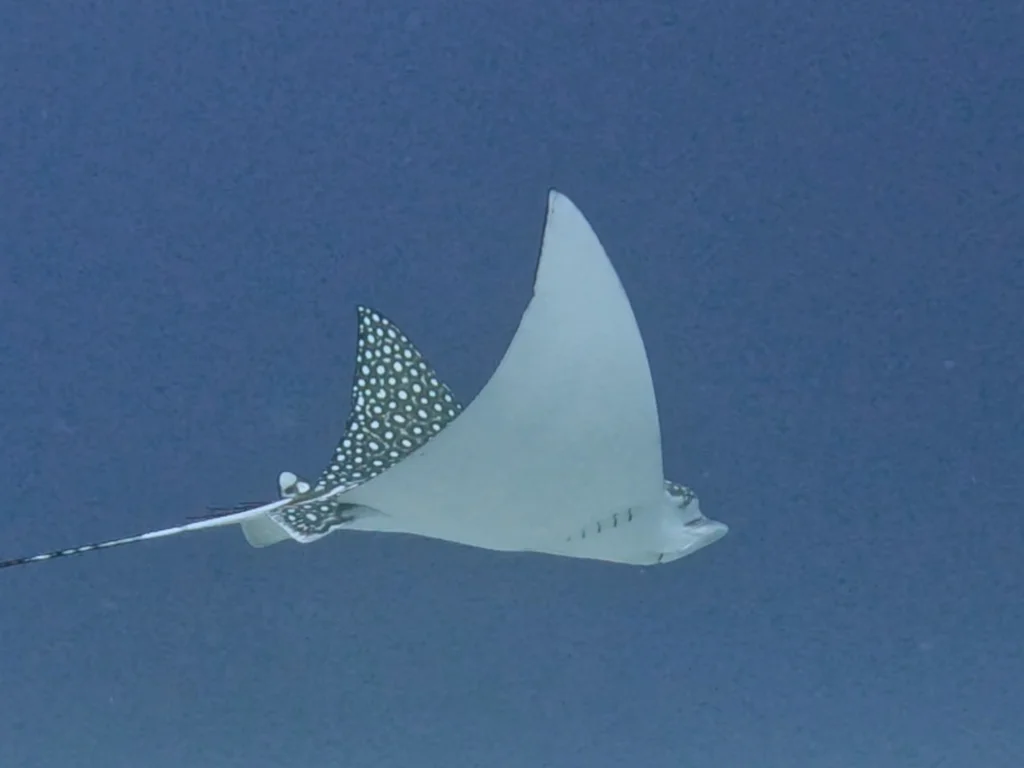
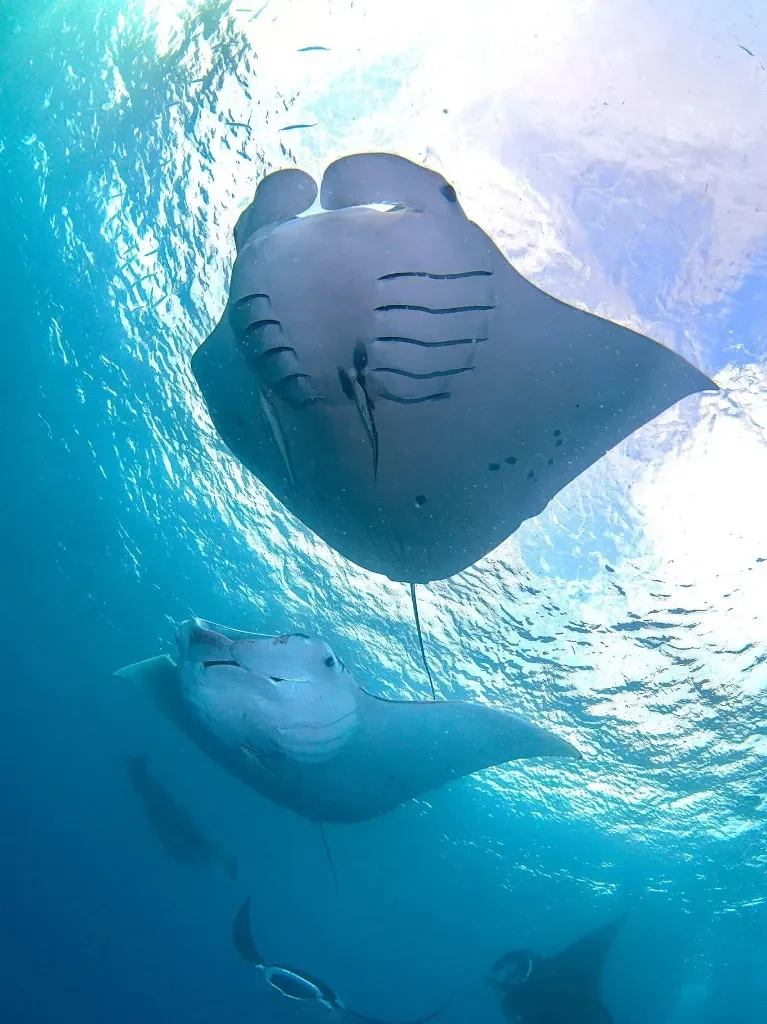
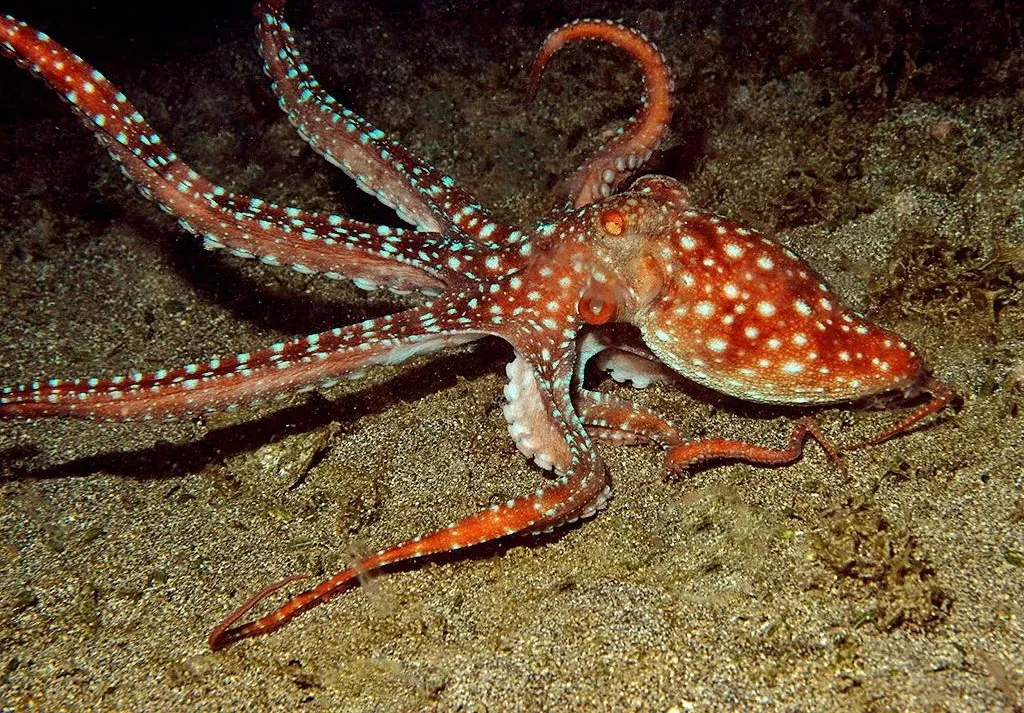
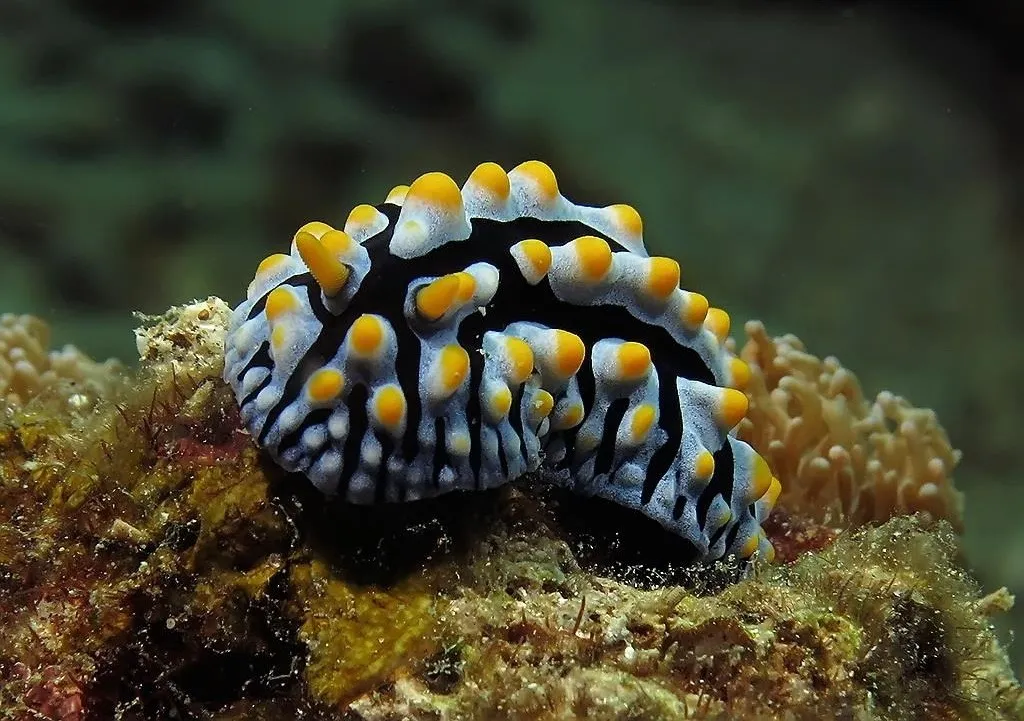
White-spotted eagle rays, octopuses, and vividly colored nudibranchs also frequent these waters consistently. Seasonally, warmer months attract manta rays and leopard sharks, while the colder periods are known for drawing in grey nurse sharks, providing opportunities to observe these impressive creatures.
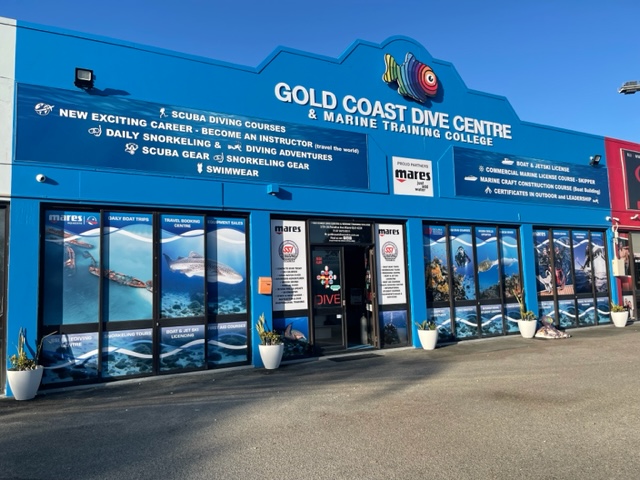
Dive Centers Near Julian Rocks
Today: 09:00 - 17:00

Nearest Airports
Nearest airports to help plan travel to this dive area.
Search Flights
Check available flights and routes on Expedia, using the nearby airports listed in this section.
Search Flights on ExpediaFrequently Asked Questions
What makes Julian Rocks a unique dive site?
Julian Rocks is unique due to the merging of warm tropical currents from the north with cooler southern waters. This creates a diverse marine environment supporting a wide range of marine life not typically found together elsewhere.
What are some of the year-round marine residents at Julian Rocks?
Year-round residents include various wobbegong sharks, several species of sea turtles like loggerheads and green turtles, and white-spotted eagle rays. Divers can also frequently observe octopuses and nudibranchs.
Can beginners dive at Julian Rocks?
Yes, beginners can dive at Julian Rocks. The site offers varying depths, including The Nursery with shallow reefs between 5 to 12 meters (16 to 39 feet), which are suitable for less experienced divers.
What is the cultural significance of Julian Rocks?
Julian Rocks, known as 'Nguthungulli' in Aboriginal culture, holds deep spiritual importance. It is revered by the Arakwal people and other Bundjalung groups as a site associated with the Father of the World.
What types of sharks can be seen at Julian Rocks?
Divers can encounter multiple species of Wobbegong sharks year-round, including Spotted, Ornate, and Banded varieties. Grey nurse sharks are a common sight during the colder months, while leopard sharks frequent the waters in warmer periods.
Are there opportunities for drift diving?
Yes, drift diving is one of the experiences offered at Julian Rocks. Currents can allow scuba diving enthusiasts to explore the marine reserve while being carried along.
What are some popular dive sites within Julian Rocks?
Popular dive sites include The Cod Hole, Hugo’s Trench, The Needles, and The Nursery. Each site offers unique underwater experiences and marine life encounters tailored to different skill levels.
Planning to dive Julian Rocks?
Send one inquiry and receive offers directly from the best verified local dive operators.
Conditions are Good
Optimal conditions expected
Current conditions near Julian Rocks show 23° air, 21° sea temperature, 1.6 m waves, and 19 km/h wind. Forecast data is refreshed regularly to ensure accuracy.