
Diving at Moore Reef (Australia)
Moore Reef provides a structured entry into the Great Barrier Reef's outer reaches. Visitors typically access this site via activity pontoons, which serve as central hubs for diving and snorkeling excursions. These platforms offer a comfortable base, allowing divers to prepare and access various underwater environments directly. It's a managed yet expansive experience, suitable for exploring the diverse coral ecosystems off the coast of Cairns.
Tonight's objective overview for Moore Reef shows an air temperature of 23.5°C. The measured surface conditions include wave heights around 1.5 m. This environmental data is logged for the close of the day.
Dive Site Location & Key Facts
Dive Site Overview
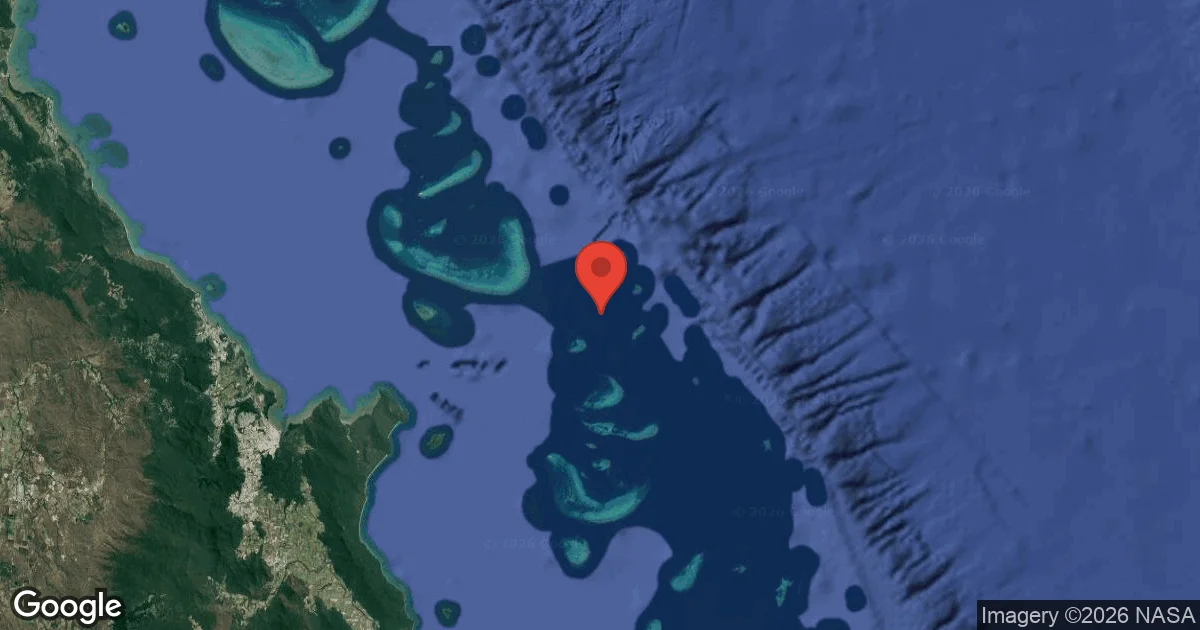
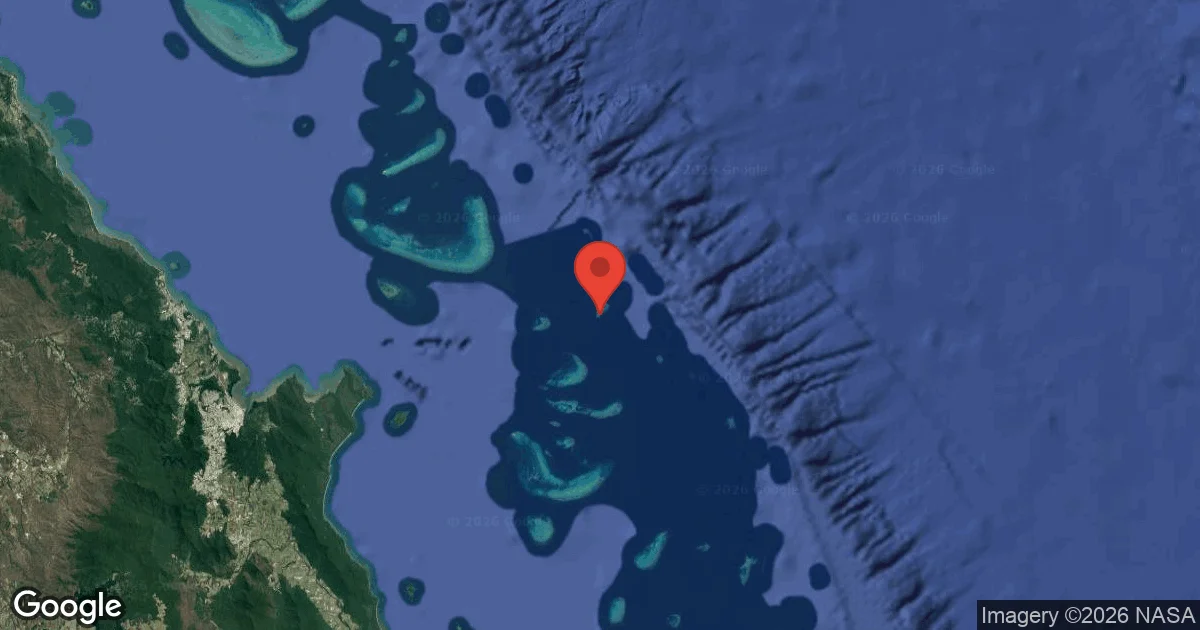
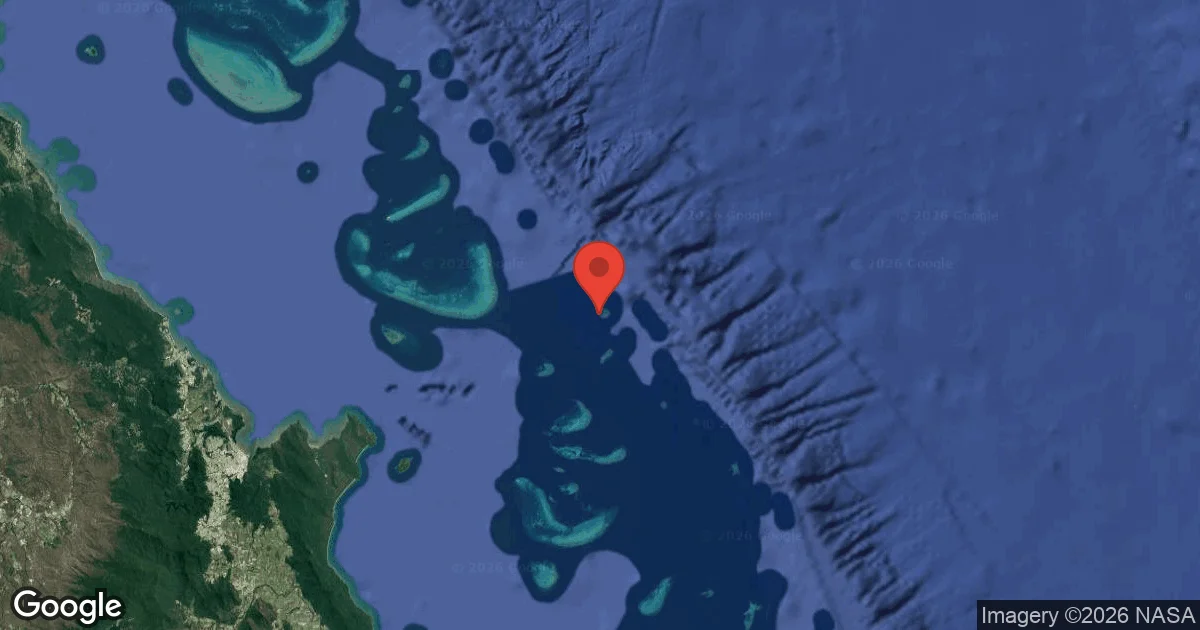
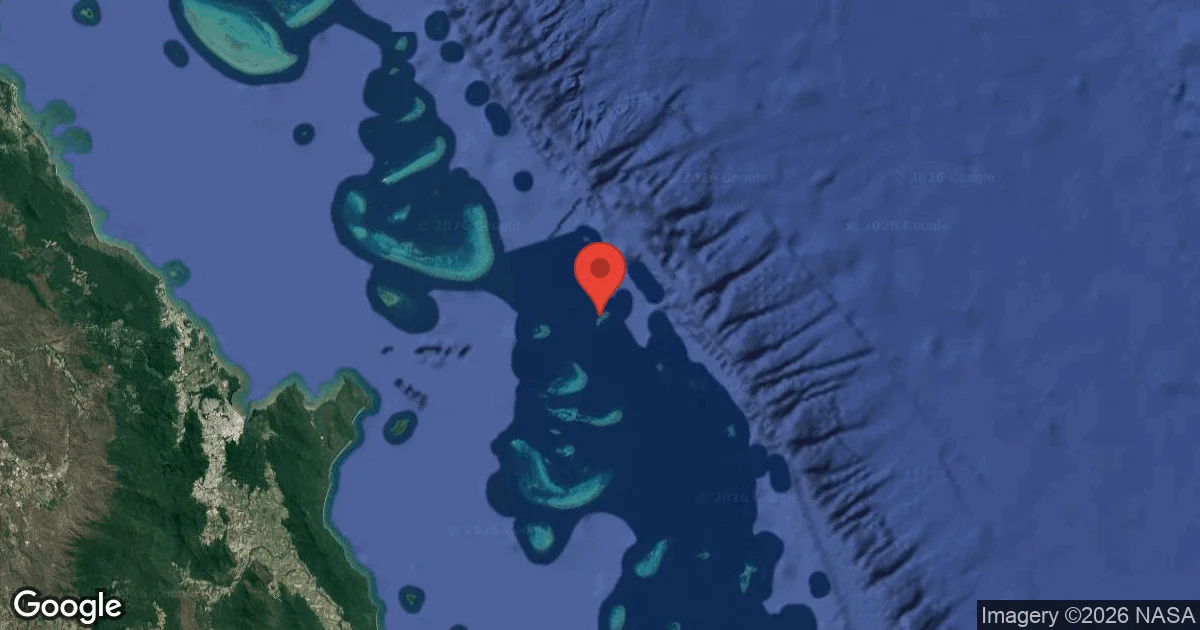
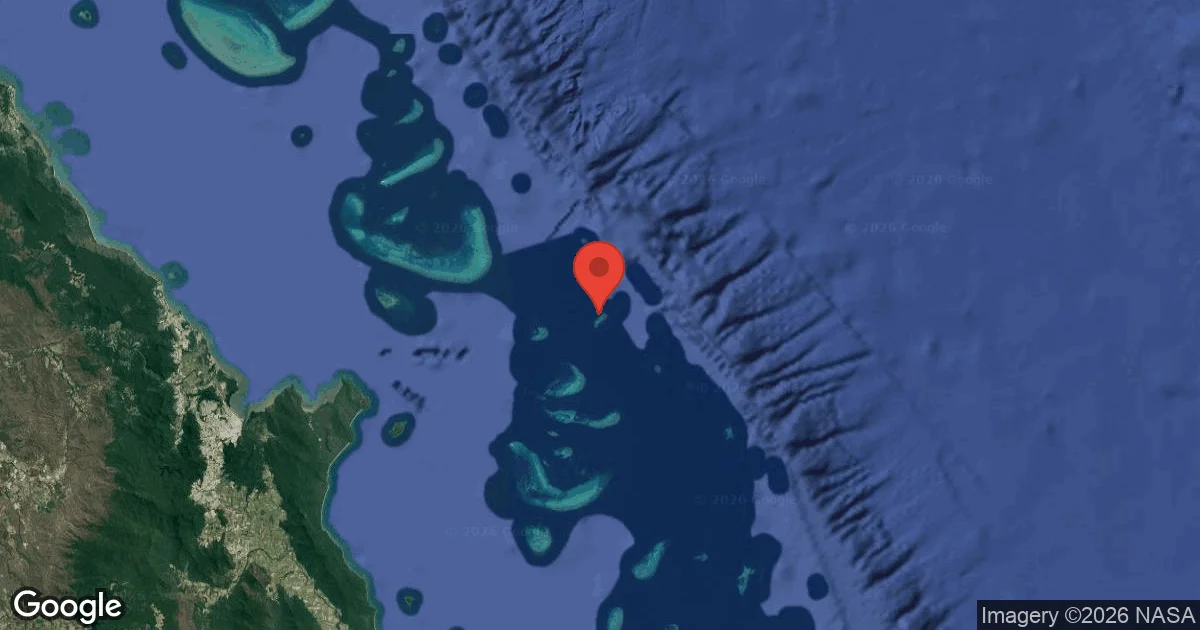
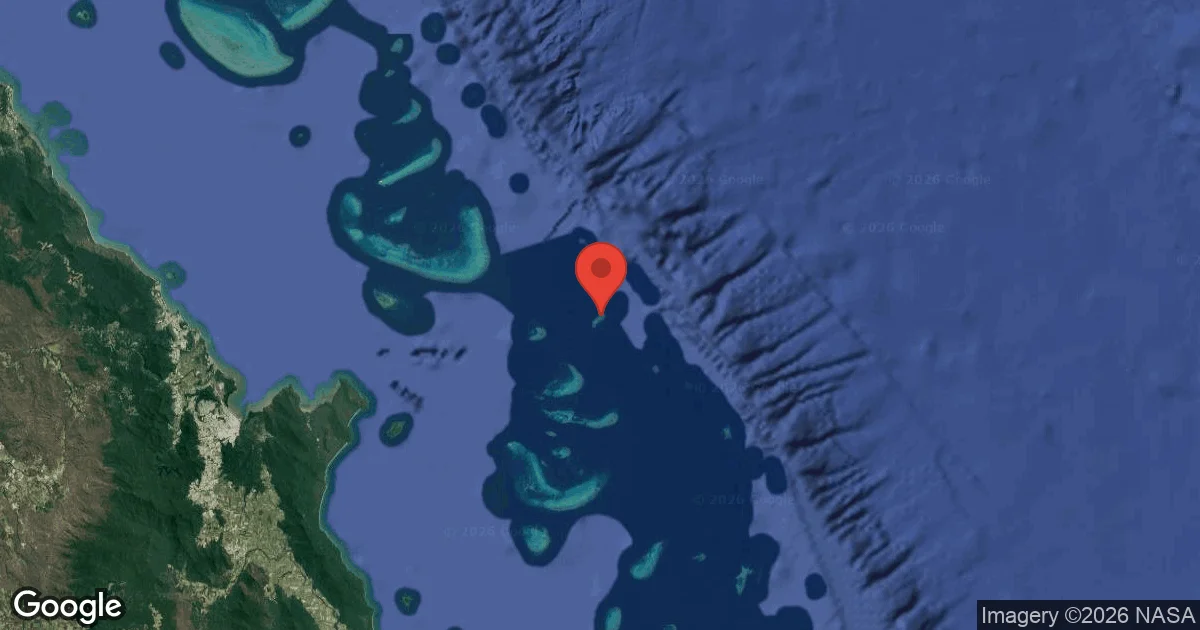
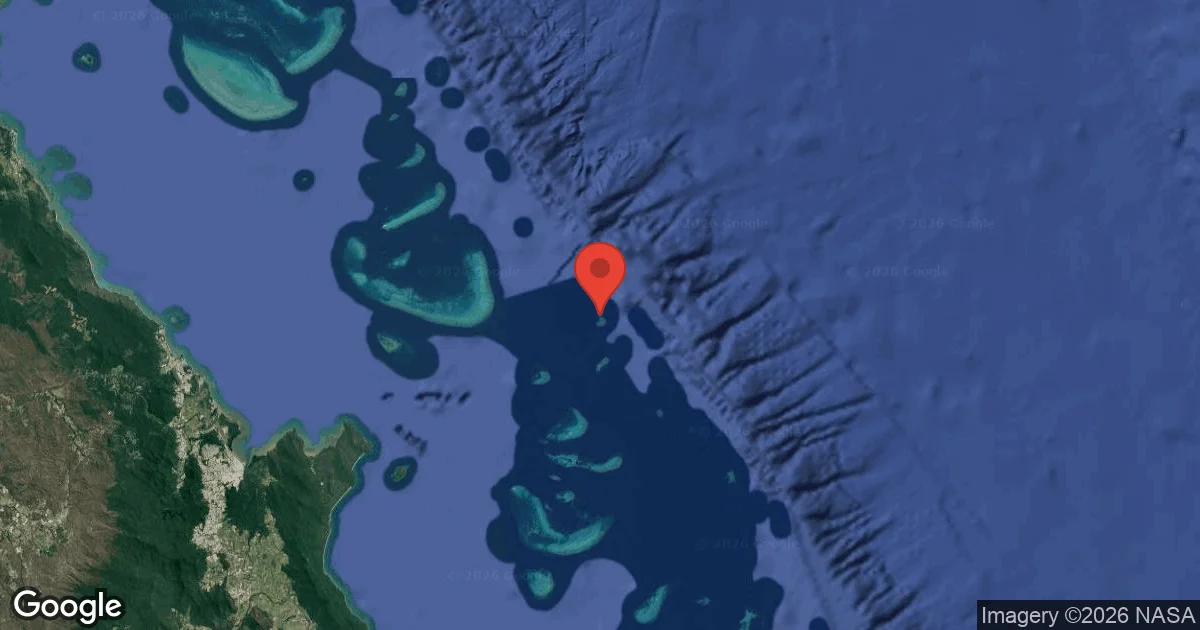
Approximately 40 km (25 miles) off the Cairns coast, Moore Reef functions as an established destination within the Great Barrier Reef Marine Park. The location is recognized for its wide variety of colourful corals and diverse tropical marine life.
Multiple activity pontoons have developed into popular hubs, providing structured access for visitors, streamlining the journey to the outer reef. Certified divers are generally transported by dedicated dive tenders from these platforms, reaching specific areas of Moore Reef to experience various dive profiles. Excursions can feature drift dives along reef walls, explore unique channel formations, or navigate impressive drop-offs.
Divers often encounter swim-throughs and small caves, offering intriguing exploration opportunities primarily accessible to those with certifications. For those new to diving, introductory dives are conducted directly from the main platforms in protected lagoon areas, making the site suitable for a broad spectrum of experience levels.
Maximum depths typically extend to around 25 m (82 ft), while shallower zones, beginning at 1 m (3 ft), offer excellent snorkeling, presenting a comprehensive Great Barrier Reef encounter for all visitors.
Conditions are Poor
High Wind Advisory (49km/h). Unsafe surface.
Current conditions near Moore Reef show 24° air, 24° sea temperature, 1.8 m waves, and 49 km/h wind. Forecast data is refreshed regularly to ensure accuracy.
Best Time to Dive
Seasonal patterns play a significant role in determining optimal dive periods at Moore Reef. While dive scores remain "Good" to "Moderate" throughout the year, the window from October to February frequently presents the most advantageous conditions. These months often see "Good" (7-8) dive scores, marked by average air temperatures comfortably within 26.5°C to 28°C (80-82°F). October and November experience relatively low rain precipitation, averaging 0.7-0.9 mm, a figure that increases to 11.5-14.6 mm from December to March. Typically, wave heights are lower during these peak months, often staying below 0.9 meters. Wind speeds also tend to be lighter in the latter half of the year, particularly in November, facilitating a smoother and more comfortable boat journey to the reef. Conversely, the cooler period from May to September usually reports "Moderate" dive scores, often accompanied by increased wave heights and wind speeds that can affect surface conditions and travel comfort.
PEAK SEASON SCORE
Scores combine air & water temps, waves, wind & rainfall for overall conditions.
BEST MONTHS TO DIVE
Monthly records compiled from satellite and marine observation nodes over the last 3 years. Data provided by Open-Meteo and MET Norway.
Dive Experience & Conditions
Divers often approach Moore Reef with anticipation as the catamaran docks within a peaceful lagoon, framed by vibrant coral formations. Good visibility frequently characterizes the water here, allowing ample sunlight to penetrate the shallows and brilliantly illuminate the reef's intricate structures. Beneath the surface, one feels they're exploring a complex maze; a dive can trace dramatic drop-offs, weave through small, intriguing swim-throughs, or pass by ledges bustling with marine activity. Coral gardens vary considerably, showcasing everything from sprawling mushroom and brain corals to more delicate staghorn and finger formations. Calm sections of the reef near the pontoons offer relaxed entry points, gradually transitioning into more dynamic zones further out where currents might provide gentle drift opportunities. Expect diverse encounters, from sheltered nooks to open water currents.
Dive Difficulty & Safety Guidelines
For certified divers exploring Moore Reef, prioritizing dive planning and adhering to buddy system protocols is crucial. Operations from the pontoons provide structured access, with dive instructors guiding excursions to various reef sections. It's advisable to communicate your experience level and desired dive profile clearly with your guide, especially when accessing deeper areas, wall, or channel dives.
Always remain aware of your air consumption and no-decompression limits, particularly when exploring swim-throughs or small caves. Pontoons are equipped with trained lifeguards and easy water access, ensuring a supervised environment for all water activities. Respecting marine life and maintaining neutral buoyancy helps protect delicate coral ecosystems.
Recommended Equipment
Current and surface separation risk. Local briefing strongly recommended.
- Dive Computer
- DSMB
- Reel / Spool
This gear list is based on verified equipment signals for Moore Reef, Australia. Always confirm final gear choices with your dive operator, guide, or liveaboard.
Recommended Dive Suit
With water temperatures around 24°C (75°F), many divers find a 3-5mm wetsuit provides comfortable protection.
Being prepared with flexible exposure options is a common approach among experienced divers.
The next few days appear likely to bring similar environmental conditions.
Due to technical issues with our weather providers, live updates are temporarily delayed. The data above reflects the conditions at the time of the last successful fetch.
Emergency & Medical Support
Essential information to help you plan your dive trip to Moore Reef.

Hyperbaric chambers are a critical part of dive safety infrastructure. Availability varies significantly by region, and not all dive areas have immediate access.
Before diving, it's recommended to:
- confirm nearest medical facilities
- check emergency procedures with local dive operators
- ensure dive insurance covers evacuation if required
Divers Alert Network
Diving emergency assistance available through DAN World.
+1-919-684-9111- 24/7 emergency hotline
- Diving medical assistance
- Evacuation coordination
Emergency contacts are provided for reference. Always verify local emergency services before diving.
Marine Life at Moore Reef
A dynamic environment beneath the surface at Moore Reef supports a varied array of marine life. Encounters with blacktip and whitetip reef sharks are common; these shy predators frequently inhabit caves during daylight hours.
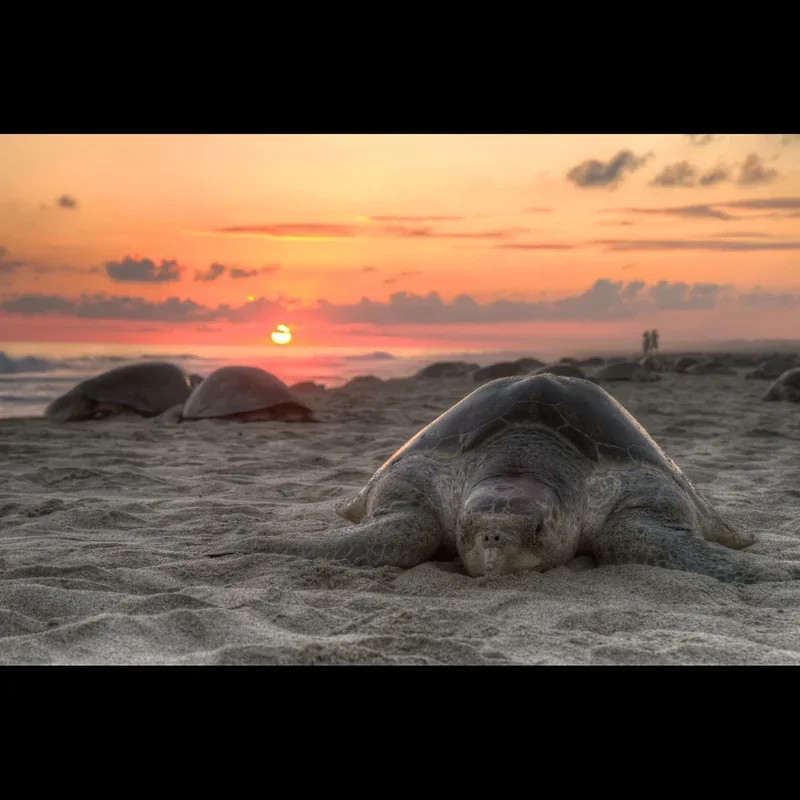
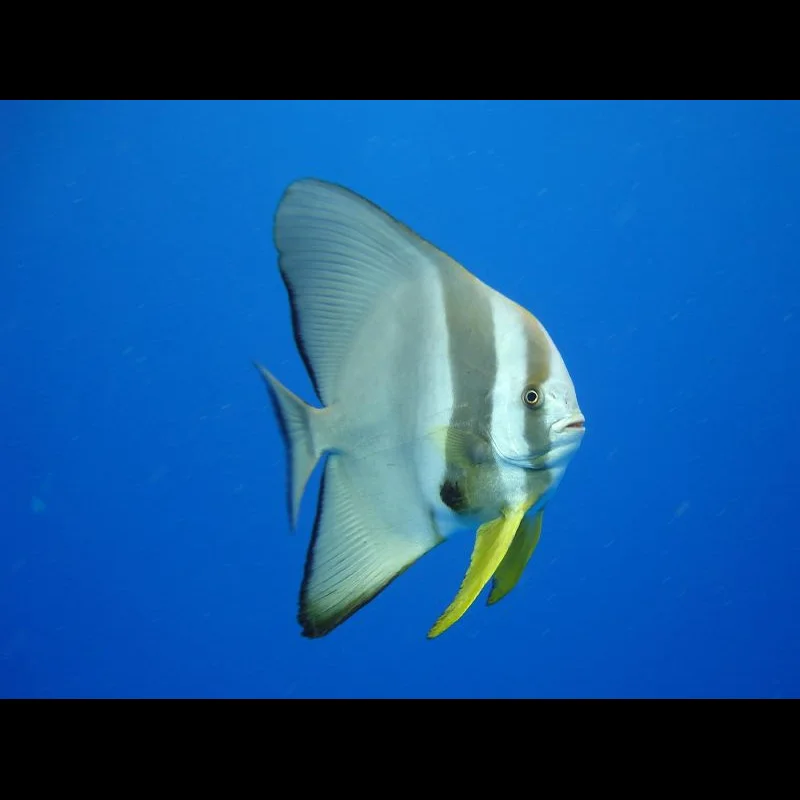
Sea turtles are often observed navigating coral gardens, moving gracefully through their surroundings. Batfish, known for their inquisitive demeanor, commonly greet arriving boats, congregating near the pontoons.
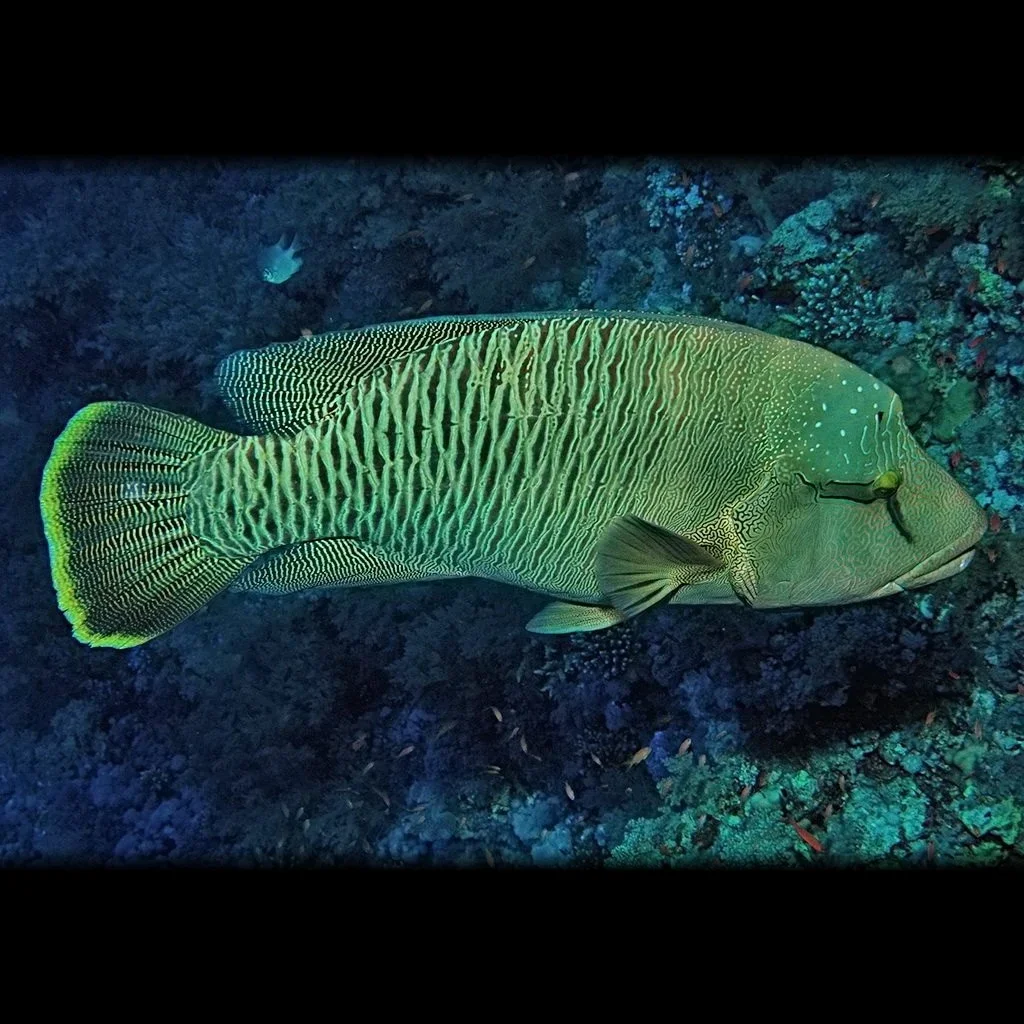
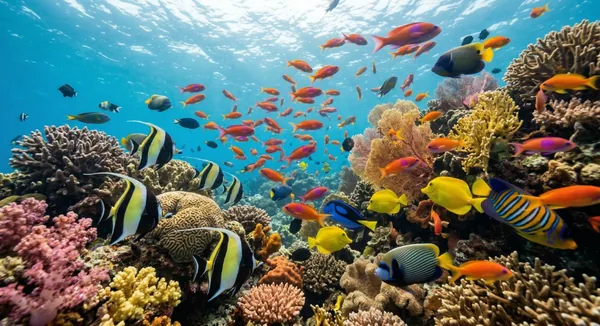
Diverse corals flourish here, including mushroom, brain, finger, staghorn, and honeycomb varieties, each providing essential shelter and sustenance for countless tropical fish and other invertebrates. Look for resident Maori wrasse near activity platforms.
Dive Sites Near Moore Reef
View all dive sites in AustraliaDiscover more underwater gems in this area.
Dive Centers Near Moore Reef
Today: Closed
Nearest Airports
Nearest airports to help plan travel to this dive area.
Search Flights
Check available flights and routes on Expedia, using the nearby airports listed in this section.
Search Flights on ExpediaFrequently Asked Questions
How deep is Moore Reef?
Moore Reef offers a diverse depth range, starting from very shallow areas around 1 meter (3 ft) ideal for snorkeling. Certified divers can explore depths reaching up to 25 meters (82 ft), encountering drop-offs and sea caves.
How long does it take to get to Moore Reef from Cairns?
The boat cruise out to Moore Reef typically takes about 1.5 to 2 hours from Cairns. Multiple tour operators provide daily trips to the reef's activity pontoons.
What kind of corals can be seen at Moore Reef?
The reef features a huge variety of corals due to its diverse environments. Divers can expect to see mushroom, brain, finger, staghorn, and honeycomb corals, among others.
Is Moore Reef suitable for beginners?
Yes, Moore Reef is well-suited for both first-time snorkelers and introductory divers. The activity pontoons provide direct, safe access to calm lagoon areas, along with guided introductory dive programs.
What marine animals might I encounter?
Divers and snorkelers frequently spot sea turtles, friendly batfish, and blacktip and whitetip reef sharks. Resident Maori wrasse are also often seen near the pontoons.
Are there amenities available on the reef?
Yes, several tour operators utilize purpose-built outer reef pontoons at Moore Reef. These platforms often feature facilities like underwater observatories, semi-submarines, glass-bottom boat tours, and even enclosed ocean pools.
What types of diving are available for certified divers?
Certified divers are taken by tender to various sites offering drift, wall, and channel dives. These excursions may also include exploring swim-throughs, small caves, ledges, and drop-offs.
Can I combine a visit to Moore Reef with an island trip?
Yes, some tour packages allow visitors to combine a trip to Moore Reef with a visit to nearby islands such as Fitzroy Island or Green Island. This offers a blended experience of outer reef exploration and tropical island relaxation.
Planning to dive Moore Reef?
Send one inquiry and receive offers directly from the best verified local dive operators.
Conditions are Poor
High Wind Advisory (49km/h). Unsafe surface.
Current conditions near Moore Reef show 24° air, 24° sea temperature, 1.8 m waves, and 49 km/h wind. Forecast data is refreshed regularly to ensure accuracy.