
Diving at Kolkhosnik/Russian (Canada)
Beneath the chilly Atlantic waves off Halifax, Nova Scotia, lies the Kolkhosnik/Russian wreck, a deep-water challenge for certified divers. Lost on January 17, 1942, this historical vessel serves as a poignant underwater memorial. Significant depth and unique history define it as a specialized destination, drawing divers equipped for technical exploration.
Evening condition tracking at Kolkhosnik/Russian features an air temperature of 16.5°C. We have recorded wave heights measuring 0.7 m during this period. These figures outline the environmental parameters currently present.
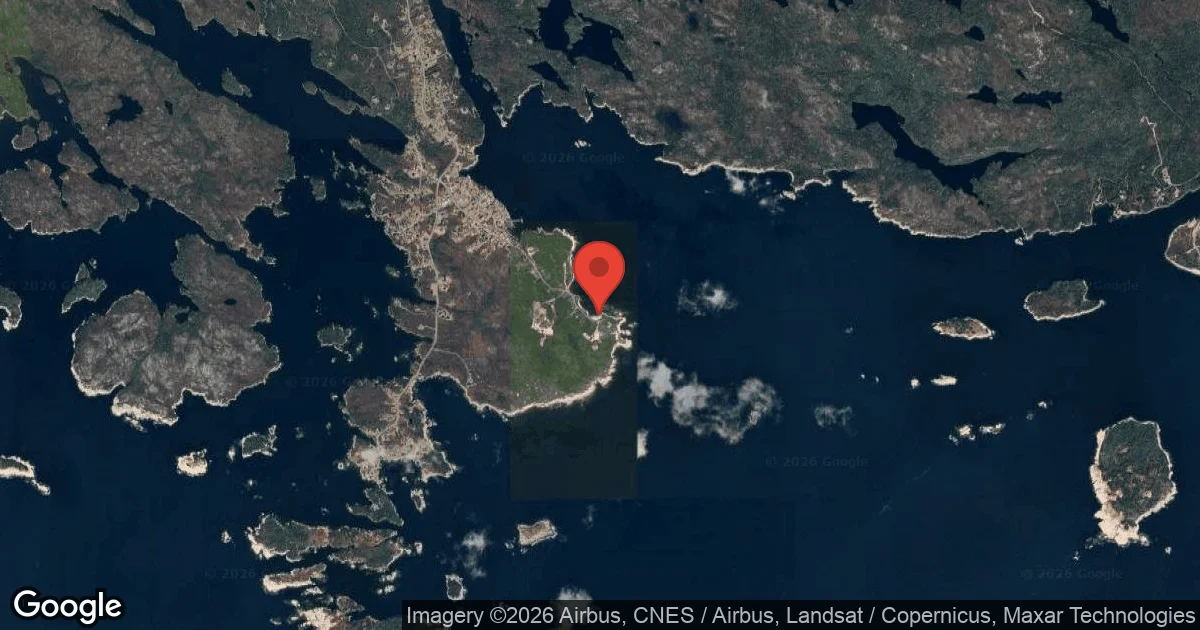
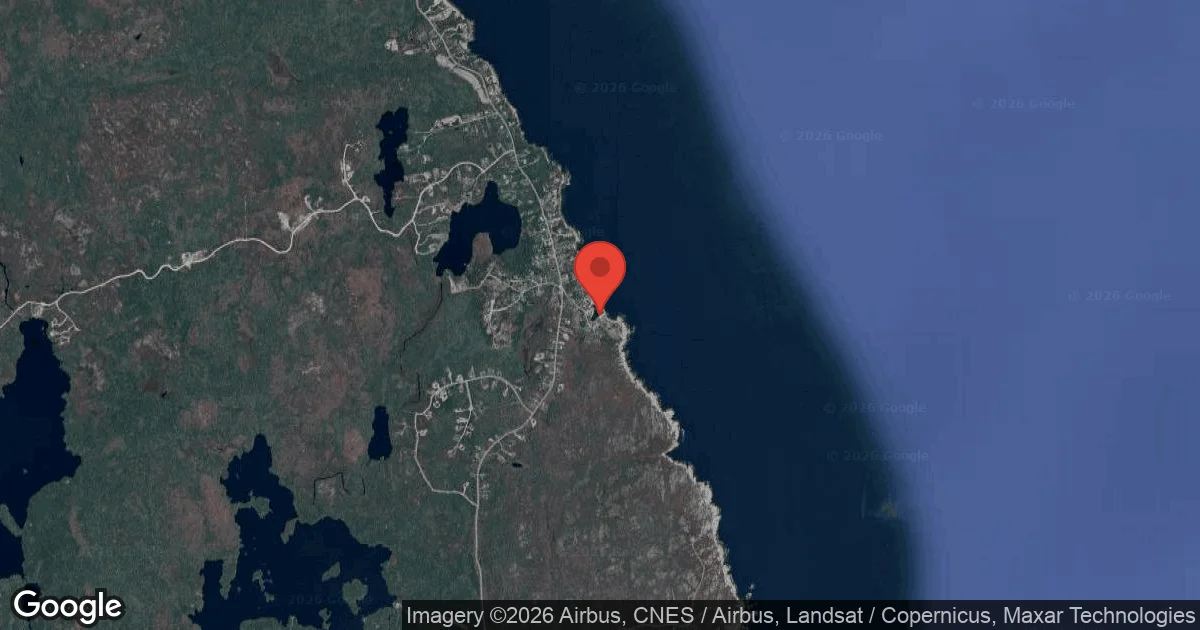
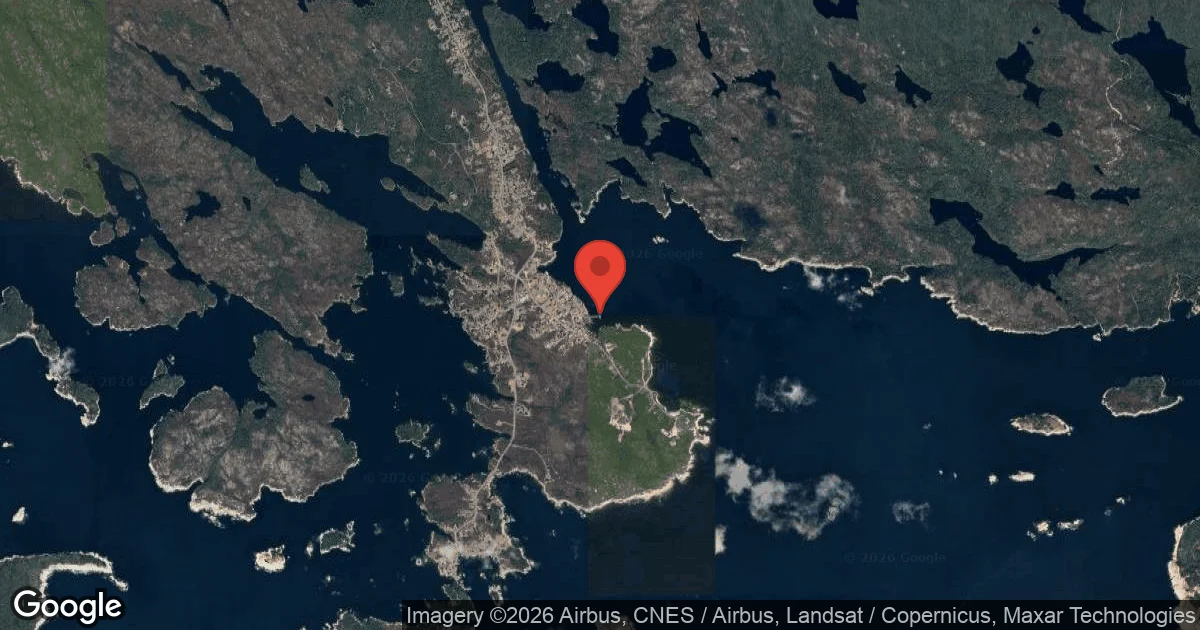
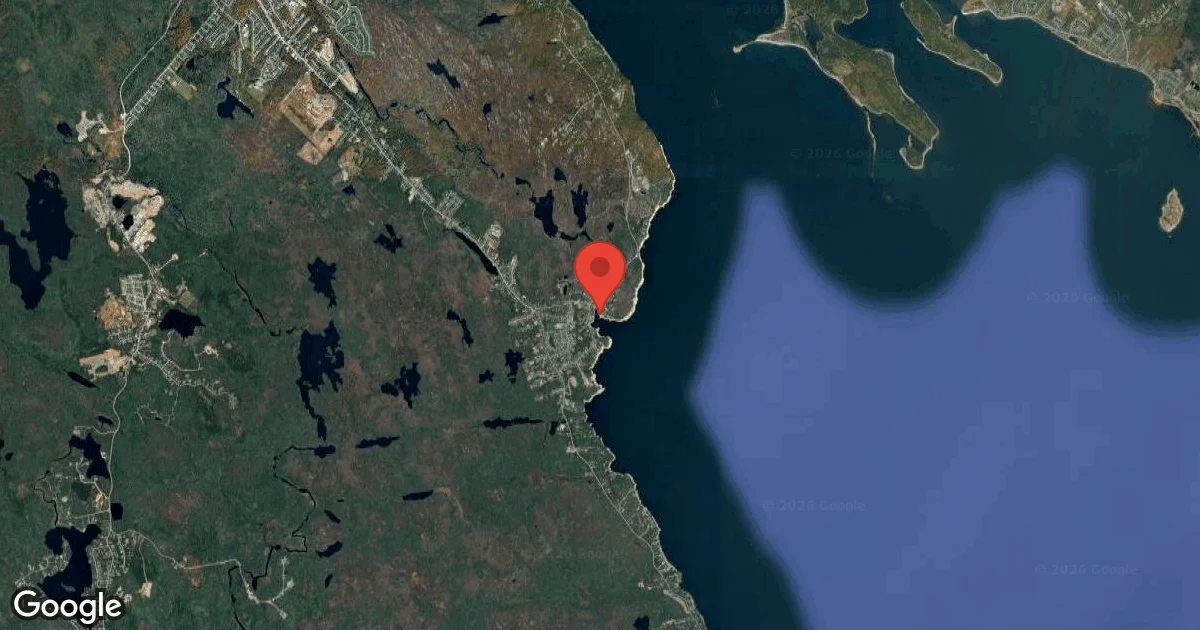
Dive Site Location & Key Facts
Dive Site Overview
Descending to the Kolkhosnik/Russian wreck, lost on January 17, 1942, offers a profound deep wreck diving experience. A significant historical artifact in Canadian waters, the vessel rests at an average depth of 39-44 m (130-145 ft), a profile explicitly requiring deep or technical certification.
It's not suitable for entry-level divers. Conditions at the site can fluctuate considerably; prospective divers should be prepared for potential strong currents that may impact the dive plan. Exploring the deep-water site provides a tangible connection to maritime history, inviting careful observation of its surviving components.
Wreck integrity and ambient North Atlantic ocean conditions shape the specifics of each exploration. Prior research and consultation with local dive professionals are crucial, offering current insights and helping ensure a safe, informed visit.
Access is exclusively via boat, necessitating detailed planning with a local dive operator. Successfully navigating these unique challenges will prepare you for a rewarding exploration into history.
Conditions are Good
Optimal conditions expected
Current conditions near Kolkhosnik/Russian show 16° air, 16° sea temperature, 0.9 m waves, and 33 km/h wind. Forecast data is refreshed regularly to ensure accuracy.
Best Time to Dive
Planning a dive to Kolkhosnik/Russian demands consideration for optimal conditions, with September generally offering the most favorable experience. Average air temperatures in September are approximately 17.5°C (64°F), accompanied by minimal rainfall averaging 2.5 mm, which helps maintain visibility. Summer months, specifically May through August, also present moderate diving conditions. Air temperatures during this period range from 7.5°C (46°F) in May to 18°C (64°F) in August. Wave heights are typically lower, averaging between 1.2 meters (3.9 ft) and 1.4 meters (4.6 ft) from July to May, and wind speeds are reduced, often falling below 32 km/h (20 mph). Such conditions contribute to a more stable boat ride and a calmer surface environment for dive preparations. Diving outside these months, particularly from November to April, often means contending with colder air, higher winds, and increased wave activity, diminishing the overall dive score.
PEAK SEASON SCORE
Scores combine air & water temps, waves, wind & rainfall for overall conditions.
BEST MONTHS TO DIVE
Monthly records compiled from satellite and marine observation nodes over the last 3 years. Data provided by Open-Meteo and MET Norway.
Dive Experience & Conditions
Accessing the Kolkhosnik/Russian wreck requires a deep or technical certification, underscoring the site's challenging nature. Divers can expect to explore the wreck at an average depth ranging from 39 to 44 meters (130 to 145 ft). A deep dive profile means careful attention to decompression limits and gas management is essential. Visibility can fluctuate depending on weather patterns and seasonal plankton blooms, though it can often be quite good in the right conditions. A notable factor for this site is the possibility of strong currents, which can introduce additional complexity and require experienced navigation and positioning. Water temperatures are not consistently reported but are characteristic of North Atlantic waters, suggesting the need for appropriate thermal protection. Such dynamic conditions necessitate thorough pre-dive planning and a high level of diver proficiency to ensure a safe and rewarding experience.
Dive Difficulty & Safety Guidelines
Diving the Kolkhosnik/Russian necessitates adherence to stringent safety protocols given its significant depth and potential for strong currents. All divers must possess a deep or technical certification to safely navigate the average depth of 39-44 m (130-145 ft). Proper gas management and decompression planning are non-negotiable for this profile.
Before any dive, consulting with local dive professionals or operators familiar with the Kolkhosnik/Russian wreck is crucial. They can provide current conditions, offer site-specific briefings, and advise on recent observations of currents or other factors.
Never attempt this dive without appropriate training, equipment, and a reliable dive plan. The remote nature and depth of this site mean self-reliance within a well-supported team is paramount.
Recommended Equipment
Overhead / entanglement risk. Wreck penetration requires proper training.
- Dive Computer
- Primary & Backup Lights
- Wreck Reel
- Cutting Tool
This gear list is based on verified equipment signals for Kolkhosnik/Russian, Canada. Always confirm final gear choices with your dive operator, guide, or liveaboard.
Recommended Dive Suit
5-7mm wetsuit usually provides adequate warmth in water around this temperature. A thermal robe or jacket is recommended between dives. For divers entering the water at Kolkhosnik/Russian, temperatures are currently hovering around 16°C (61°F). Surface air temperatures are resting at 16°C (62°F).
Forecasts suggest a slight cooling pattern in the days ahead. Cooler days are ahead; you might want a warmer option for later in the week. Some divers bring an extra layer for surface intervals between dives.
Conditions can vary slightly across different parts of the same dive site.
Due to technical issues with our weather providers, live updates are temporarily delayed. The data above reflects the conditions at the time of the last successful fetch.
Emergency & Medical Support
Essential information to help you plan your dive trip to Kolkhosnik/Russian.

Hyperbaric chambers are a critical part of dive safety infrastructure. Availability varies significantly by region, and not all dive areas have immediate access.
Before diving, it's recommended to:
- confirm nearest medical facilities
- check emergency procedures with local dive operators
- ensure dive insurance covers evacuation if required
Divers Alert Network
Diving emergency assistance available through DAN World.
+1-919-684-9111- 24/7 emergency hotline
- Diving medical assistance
- Evacuation coordination
Emergency contacts are provided for reference. Always verify local emergency services before diving.
Marine Life at Kolkhosnik/Russian
Encounters with diverse pelagic species are a possibility around the Kolkhosnik/Russian wreck, though specific species interactions vary. Divers commonly report sightings of sharks, whales, dolphins, and turtles in the broader area.
While these larger marine animals may not always be directly on the wreck, their presence in the surrounding waters adds an element of excitement to the dive. The deep environment of the wreck itself might also host cold-water invertebrates or fish adapted to those depths.
Each dive offers the potential for unique wildlife observations, depending on the season and specific oceanic conditions.
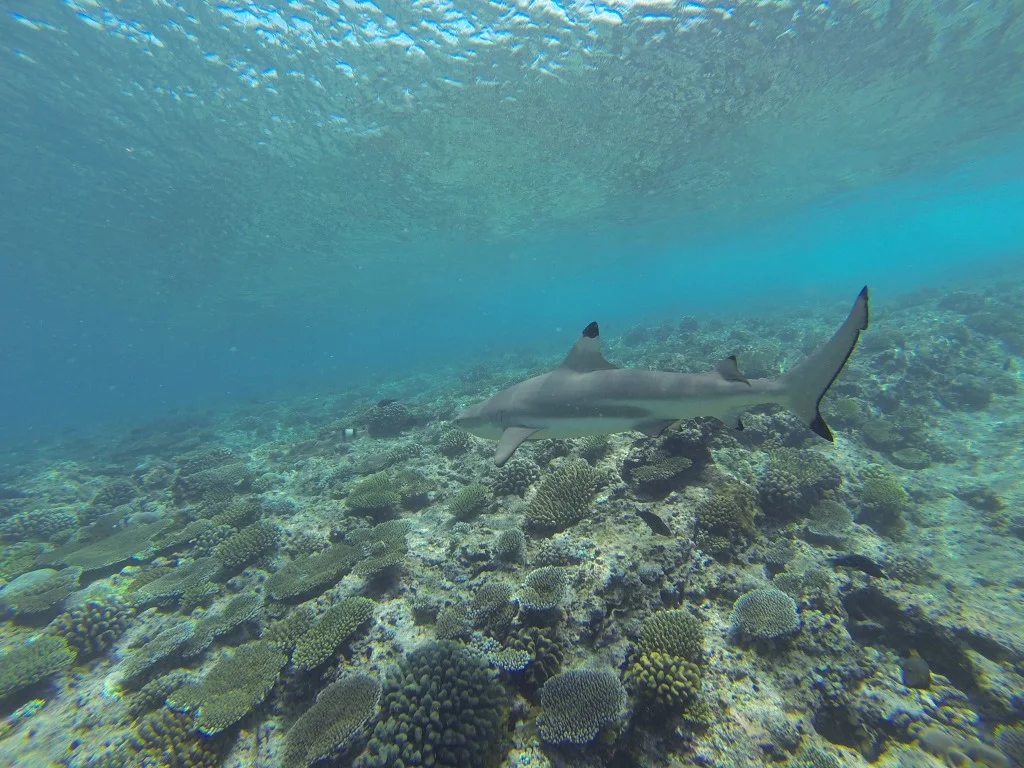
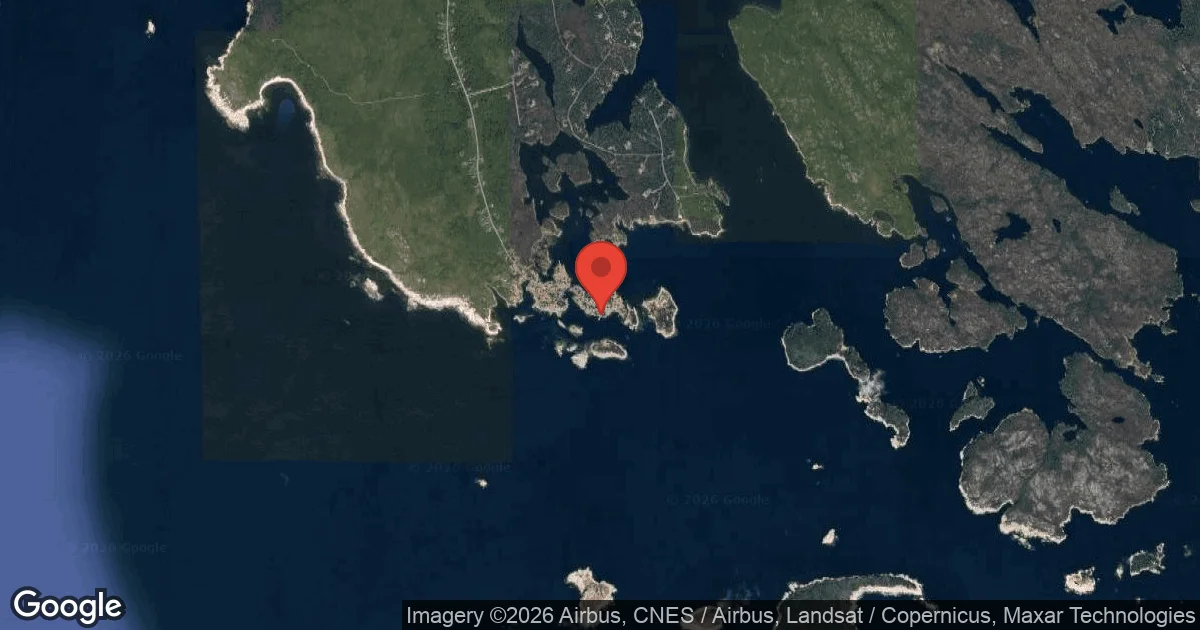
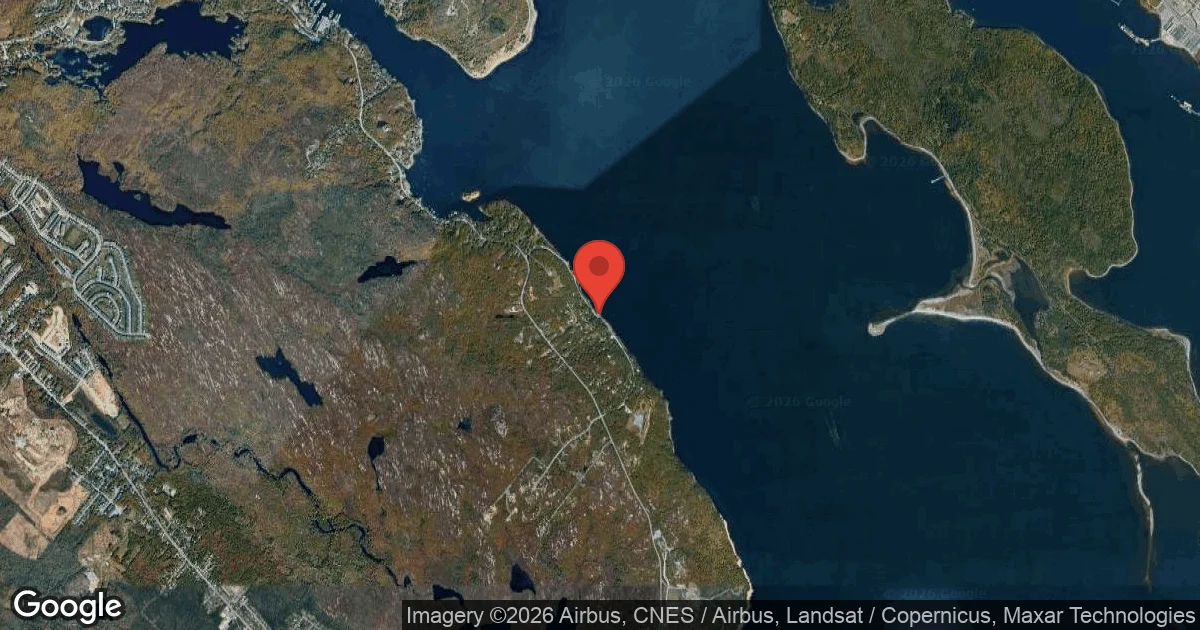
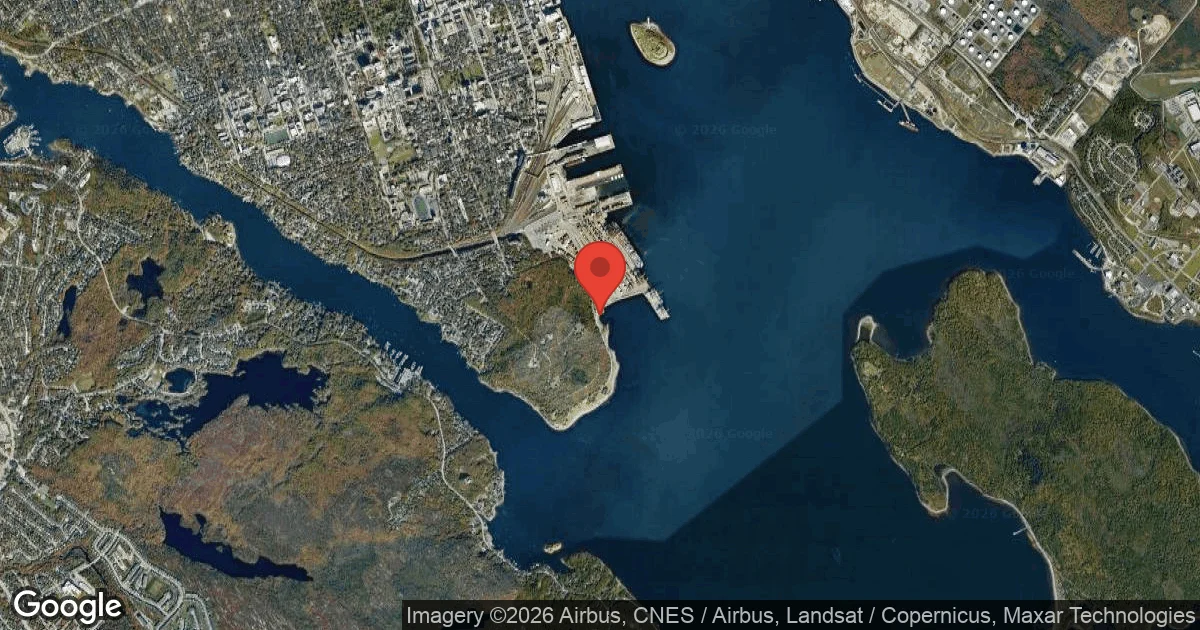
Dive Sites Near Kolkhosnik/Russian
View all dive sites in CanadaDiscover more underwater gems in this area.
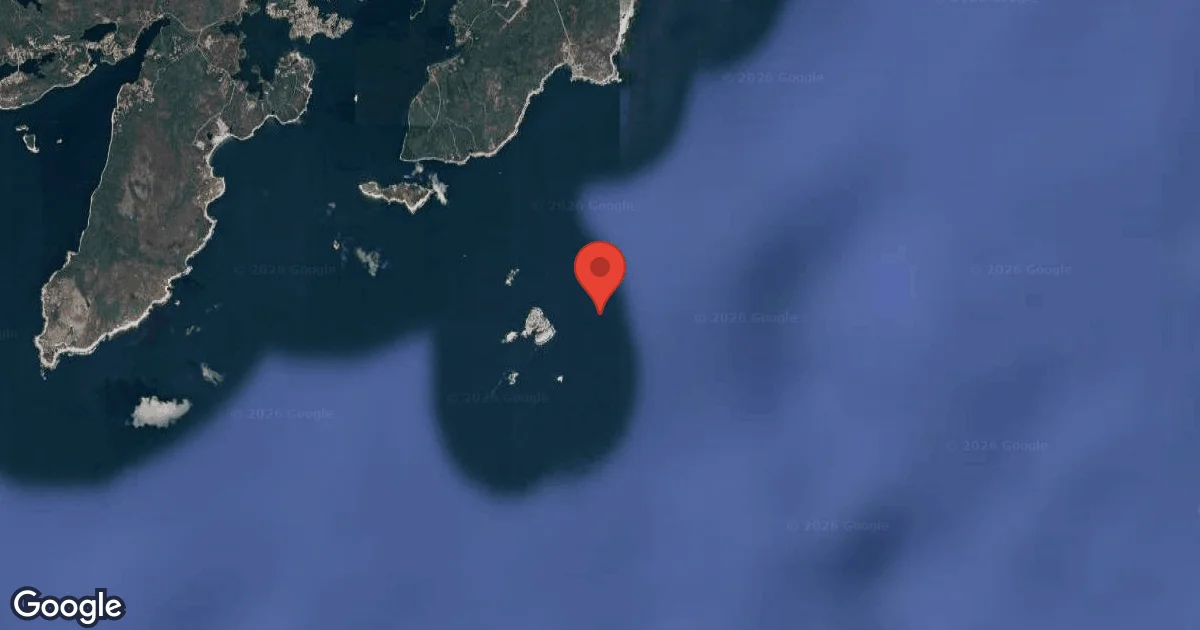
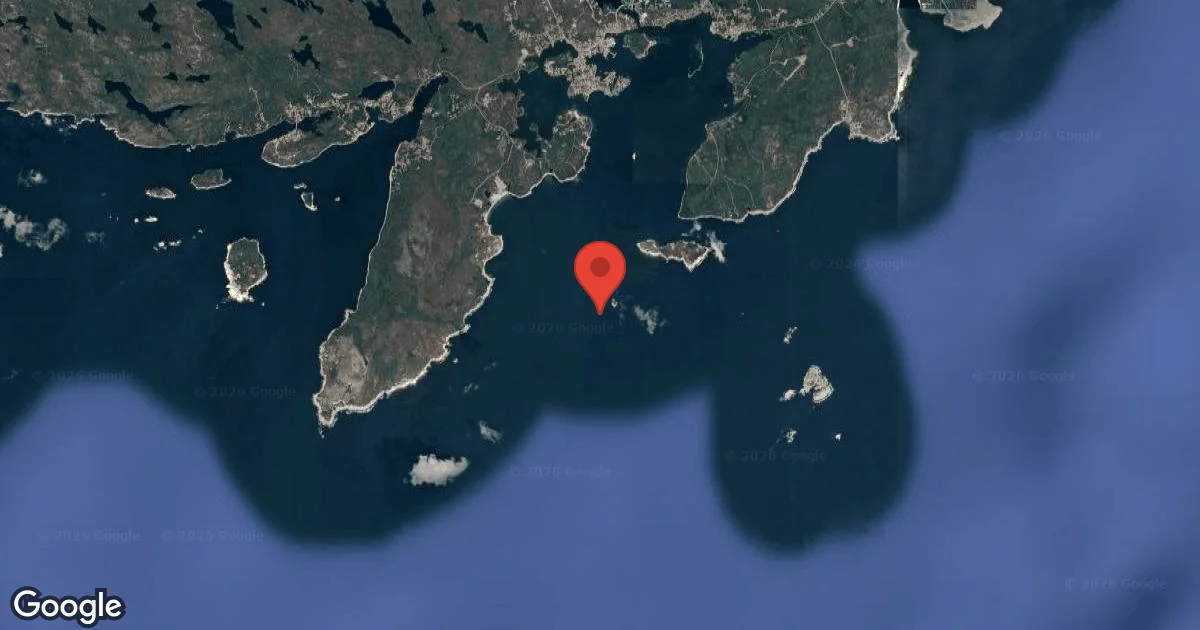
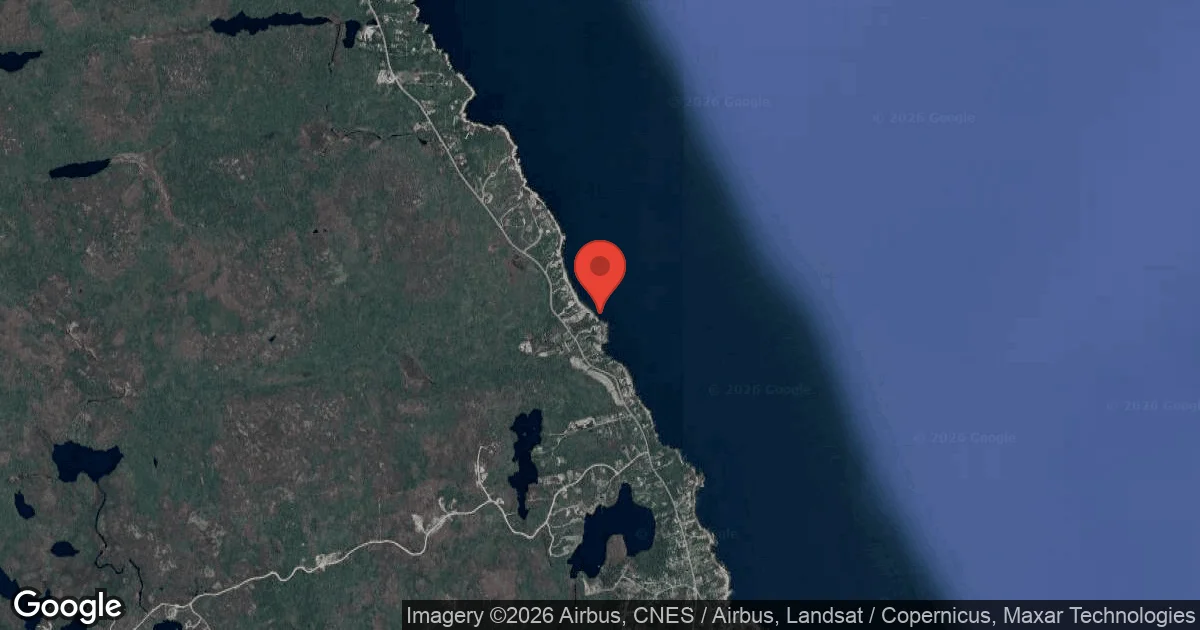
Dive Centers Near Kolkhosnik/Russian
Today: 09:00 - 17:00

Nearest Airports
Nearest airports to help plan travel to this dive area.
Search Flights
Check available flights and routes on Expedia, using the nearby airports listed in this section.
Search Flights on ExpediaFrequently Asked Questions
What certification level is required to dive the Kolkhosnik/Russian wreck?
A deep or technical certification is explicitly required for diving the Kolkhosnik/Russian wreck. Its average depth of 39-44 meters (130-145 ft) exceeds recreational limits.
What is the average depth of the Kolkhosnik/Russian wreck?
The Kolkhosnik/Russian wreck is found at a considerable depth, averaging between 39 and 44 meters. This depth profile makes it a significant deep diving experience.
When was the Kolkhosnik/Russian lost?
The Kolkhosnik/Russian was lost on January 17, 1942. This historical context adds to the site's allure for wreck divers.
Are strong currents a concern at the Kolkhosnik/Russian dive site?
Yes, strong currents are a reported possibility at the Kolkhosnik/Russian dive site. Divers should be prepared for this, as it can add complexity to the dive.
What marine life might I see while diving here?
Common sightings in the vicinity include sharks, whales, dolphins, and turtles. While not guaranteed, encounters with these species are possible in the surrounding waters.
What is the best time of year to dive Kolkhosnik/Russian?
September generally offers the best diving conditions, with moderate air temperatures and lower rainfall. The summer months (May-August) also provide good conditions with reduced wave heights and wind speeds.
Planning to dive Kolkhosnik/Russian?
Send one inquiry and receive offers directly from the best verified local dive operators.
Conditions are Good
Optimal conditions expected
Current conditions near Kolkhosnik/Russian show 16° air, 16° sea temperature, 0.9 m waves, and 33 km/h wind. Forecast data is refreshed regularly to ensure accuracy.