
Diving at Admirals Point (Canada)
Admirals Point offers divers a rich, observable underwater environment, providing frequent sightings of diverse marine life. This Nova Scotian site is characterized by its accessible shore entry and abundant growth, creating a dynamic habitat. Exploring this location provides a tangible sense of the vibrant cold-water ecosystems characteristic of the region. It's an inviting destination for those keen to observe various species in their natural, easily reachable setting.
Evening condition tracking at Admirals Point features an air temperature of 22°C. We have recorded wave heights measuring 1.2 m during this period. These figures outline the environmental parameters currently present.
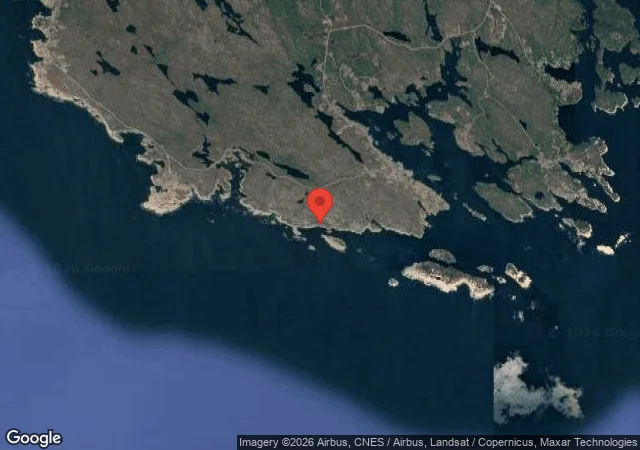
Dive Site Location & Key Facts
Dive Site Overview
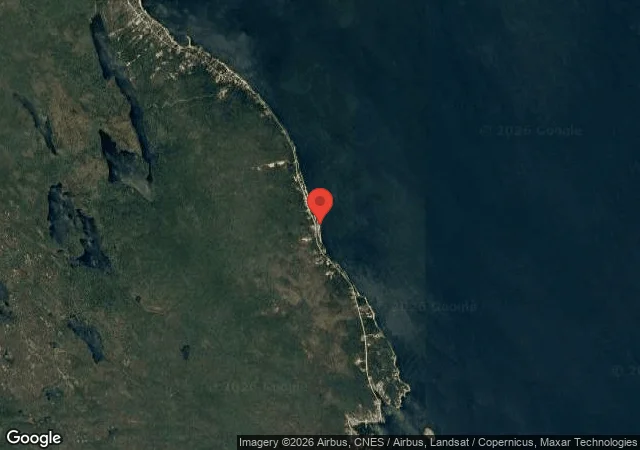
Admirals Point, a dive site within St. Margarets Bay, Nova Scotia, presents an engaging shallow dive experience suitable for certified divers. Gaining access is straightforward, commencing at the end of a cul-de-sac where divers can park before following a short path directly to a small, accessible beach area.
This beach setup significantly simplifies both entry and exit procedures, making it a user-friendly location for various skill levels. Once submerged, the underwater terrain reveals a diverse composition, with areas of rocks heavily covered by marine growth and thick kelp forests giving way to interspersed stretches of sandy seabed. This varied environment supports a range of habitats and serves as a natural draw for various cold-water species.
Typical maximum depths at Admirals Point usually stay around 10 m / 35 ft, an ideal range for extended bottom times and relaxed exploration.
However, divers undertaking a longer swim further offshore may encounter slightly deeper sections, reaching up to 13.7 meters (45 feet) in specific pockets of the site. Visibility reports for this location are not consistently available, but divers often experience conditions between 9 and 12 meters (30 to 40 feet).
This can fluctuate based on local weather and tidal patterns. The site stands out for its readily observable marine life, offering numerous opportunities for discovery across its varied bottom structure. It's a consistently straightforward dive, appreciated by local divers for its reliable conditions and the chance to immerse oneself in the immediate underwater surroundings.
Conditions are Good
Optimal conditions expected
Current conditions near Admirals Point show 22° air, 16° sea temperature, 1.0 m waves, and 37 km/h wind. Forecast data is refreshed regularly to ensure accuracy.
Best Time to Dive
Planning your dive around optimal visibility requires considering several factors, including weather, tides, and time of day; improved conditions often align with slack high tide. For better overall weather conditions, the period from May through September generally offers a more favorable diving environment, marked by 'Good' dive scores. During these months, average air temperatures are considerably warmer, ranging from about 10°C / 50°F in May to a peak of nearly 19°C / 66°F in July. Rainfall tends to be lower and wind speeds decrease, particularly from July to August, which can contribute to calmer surface conditions. While specific water temperatures are not consistently reported, planning for the warmer air months helps ensure a more comfortable surface interval. Expect visibility to be around 9 to 12 meters (30 to 40 feet), depending on these dynamic influences.
PEAK SEASON SCORE
Scores combine air & water temps, waves, wind & rainfall for overall conditions.
BEST MONTHS TO DIVE
Monthly records compiled from satellite and marine observation nodes over the last 3 years. Data provided by Open-Meteo and MET Norway.
Dive Experience & Conditions
Entering the water at Admirals Point is relatively straightforward due to the small beach area, making it suitable for novice divers. After parking, a brief walk leads down one of the paths to the water's edge, facilitating an easy shore entry. Underwater, you'll find a bottom composed of rocks overlaid with diverse growth and kelp, alongside stretches of sandy seabed. Depths remain relatively shallow, generally peaking at about 10 meters (35 feet); however, longer explorations might reach up to 13.7 meters (45 feet). Water temperatures are not consistently reported for this specific site, but based on regional climate and air temperatures that can dip below freezing in winter and reach nearly 19°C / 66°F in summer, cold water equipment is essential. This environment allows for focused skill practice or relaxed observation.
Dive Difficulty & Safety Guidelines
Approaching this site requires a degree of self-sufficiency, as no restroom facilities are present at Admirals Point. Divers should plan accordingly for their needs before arrival. Conditions can shift; visibility, in particular, is subject to variations influenced by weather, including rain runoff, wind, and waves.
Tidal movements also play a role, with visibility often improving during slack high tide. Being aware of these environmental factors and planning your dive to align with calmer periods is crucial for a safer and more enjoyable experience. Always assess current conditions upon arrival.
Recommended Equipment
- Dive Computer
This gear list is based on verified equipment signals for Admirals Point, Canada. Always confirm final gear choices with your dive operator, guide, or liveaboard.
Recommended Dive Suit
Divers planning relaxed exploration may appreciate the warmth of 5-7mm wetsuit. Consider warmer surface protection (like a boat coat) due to brisk winds. Surface intervals may feel cooler. Divers often notice that perceived temperature can feel cooler during deeper or longer dives.
At the moment, divers exploring Admirals Point will likely experience water temperatures near 16°C (61°F). Surface air temperatures are resting at 22°C (71°F).
Weather projections show fairly stable environmental conditions ahead.
Emergency & Medical Support
Essential information to help you plan your dive trip to Admirals Point.

Hyperbaric chambers are a critical part of dive safety infrastructure. Availability varies significantly by region, and not all dive areas have immediate access.
Before diving, it's recommended to:
- confirm nearest medical facilities
- check emergency procedures with local dive operators
- ensure dive insurance covers evacuation if required
Divers Alert Network
Diving emergency assistance available through DAN World.
+1-919-684-9111- 24/7 emergency hotline
- Diving medical assistance
- Evacuation coordination
Emergency contacts are provided for reference. Always verify local emergency services before diving.
Marine Life at Admirals Point
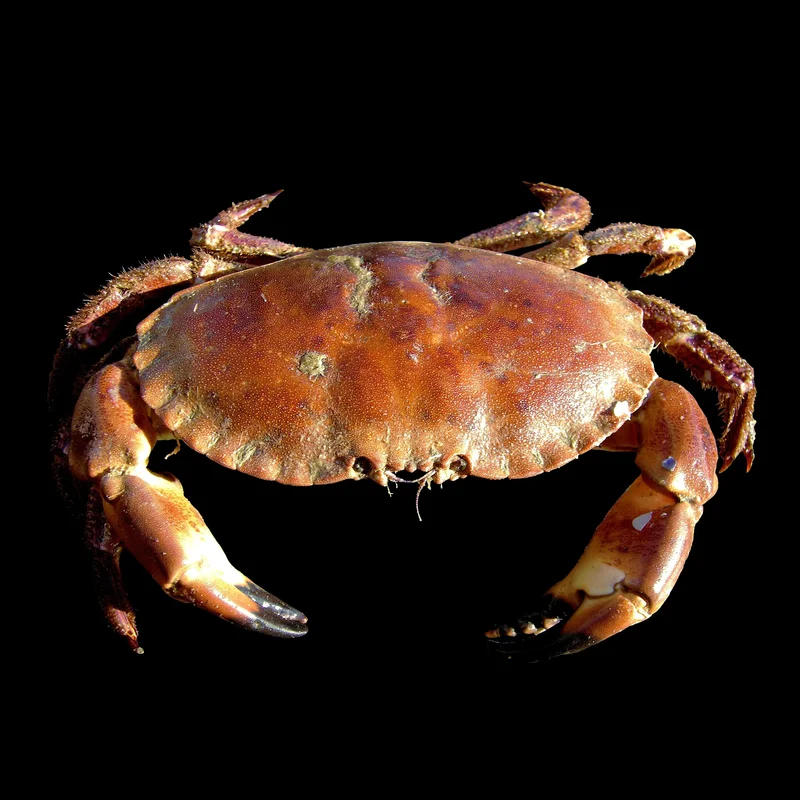
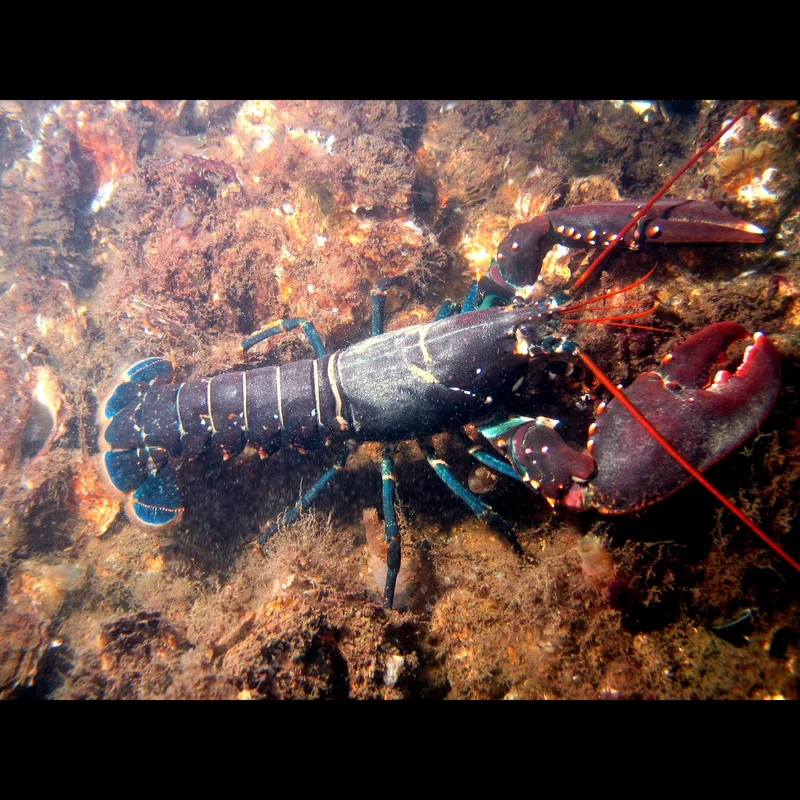
Beneath the surface, Admirals Point supports a diverse array of cold-water species, making observations a core part of the dive. Divers frequently encounter crustaceans like lobsters and crabs navigating the rocky, kelp-strewn bottom.
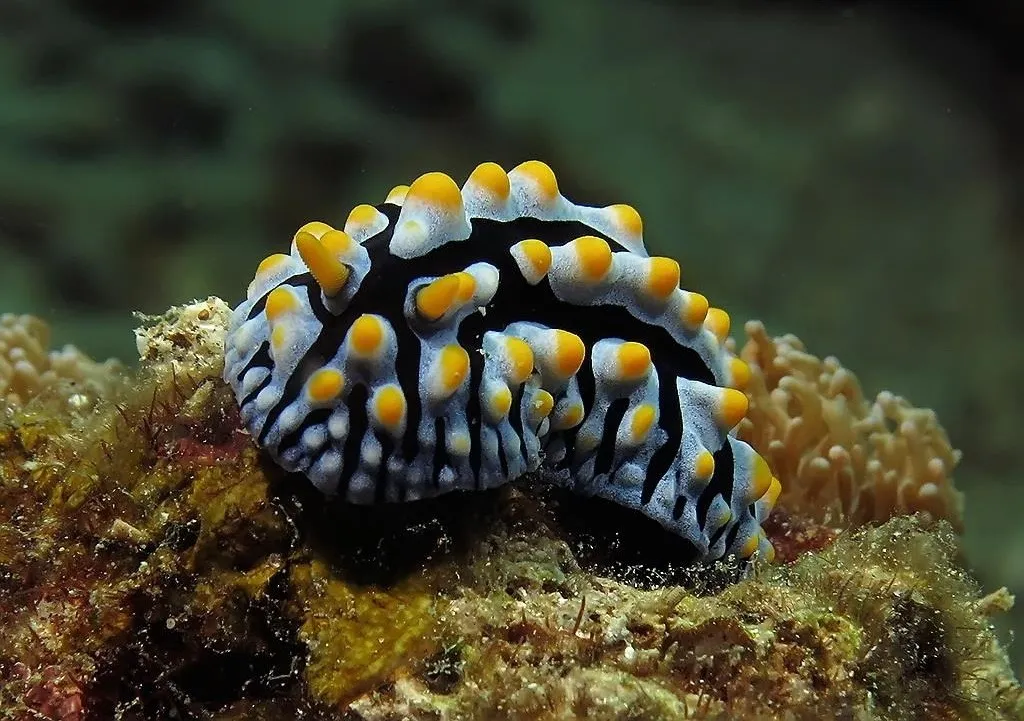
Flounder are also common, often camouflaged against the sandy patches. Smaller, more intricate life forms such as nudibranchs can be spotted on the growth-covered rocks, adding visual interest to the shallower sections of the site.
Dive Sites Near Admirals Point
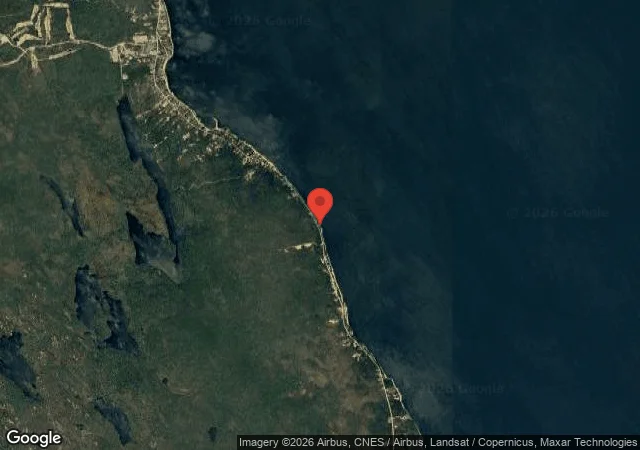
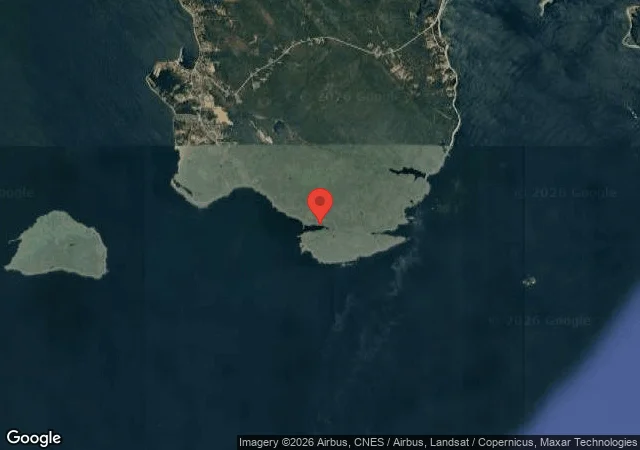
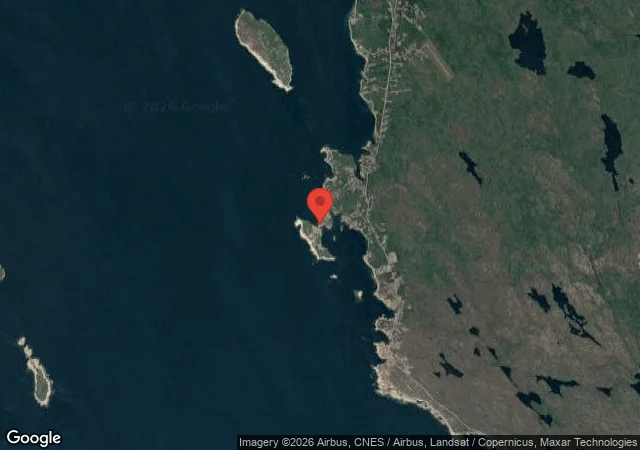
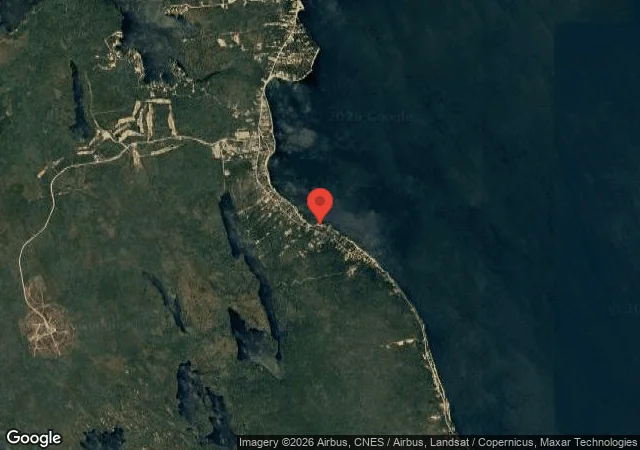
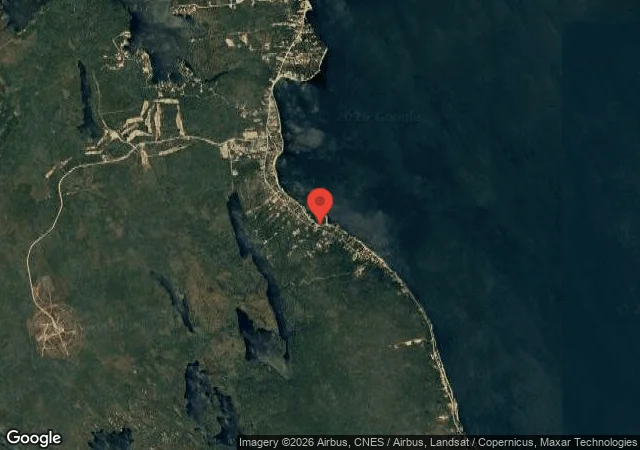
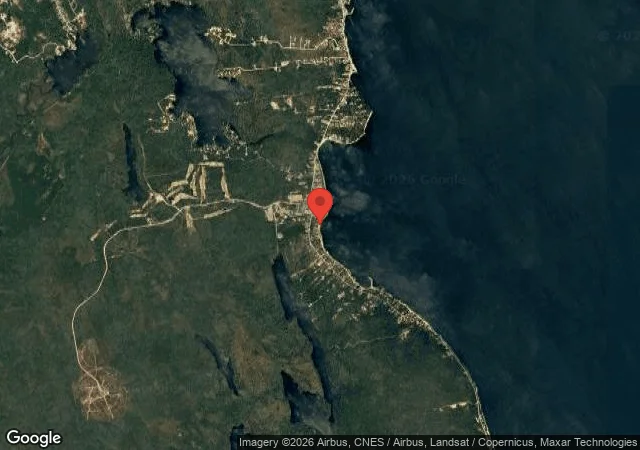
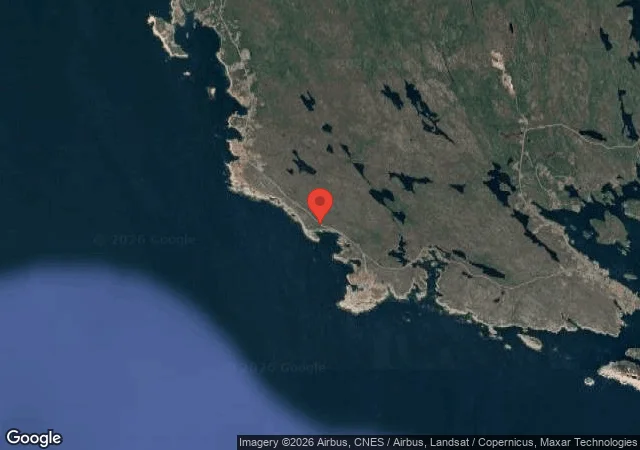
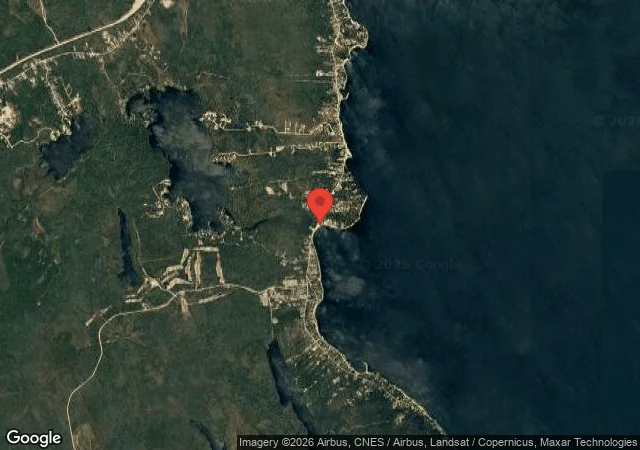
View all dive sites in CanadaDiscover more underwater gems in this area.
Dive Centers Near Admirals Point
Today: 09:00 - 18:00

Nearest Airports
Nearest airports to help plan travel to this dive area.
Search Flights
Check available flights and routes on Expedia, using the nearby airports listed in this section.
Search Flights on ExpediaFrequently Asked Questions
What certification level is required to dive Admirals Point?
Admirals Point is generally considered suitable for novice certification levels. Its relatively shallow depths and straightforward beach entry make it accessible for less experienced divers.
What marine life can I expect to see at Admirals Point?
The site is known for a variety of sea life, including lobsters, crabs, and flounder. Divers can also frequently spot nudibranchs clinging to the growth on rocks and kelp.
What are the typical depths at this dive site?
The maximum depth typically encountered is around 10 m / 35 ft. For those interested in a longer swim, it may be possible to reach depths up to 13.7 meters (45 feet).
How is the visibility at Admirals Point?
Visibility at Admirals Point varies due to weather, tides, and time of day. It's not uncommon to experience visibility ranging from 9 to 12 meters (30 to 40 feet), with potential for improvement during slack high tide.
Are there any facilities available at the dive site?
No, there are no restroom facilities at Admirals Point. Divers should plan accordingly and be self-sufficient for their visit.
Where can I park when diving Admirals Point?
Parking is available at the end of the cul-de-sac. Rocks block off the very end of the road, indicating the general parking area before a short walk to the water.
When is the best time of year to dive Admirals Point?
The period from May through September generally offers better diving conditions, with warmer air temperatures and lower rainfall and wind speeds. This timeframe typically correlates with 'Good' dive scores for the site.
Planning to dive Admirals Point?
Send one inquiry and receive offers directly from the best verified local dive operators.
Conditions are Good
Optimal conditions expected
Current conditions near Admirals Point show 22° air, 16° sea temperature, 1.0 m waves, and 37 km/h wind. Forecast data is refreshed regularly to ensure accuracy.