
Diving at Paddy's Head (Canada)
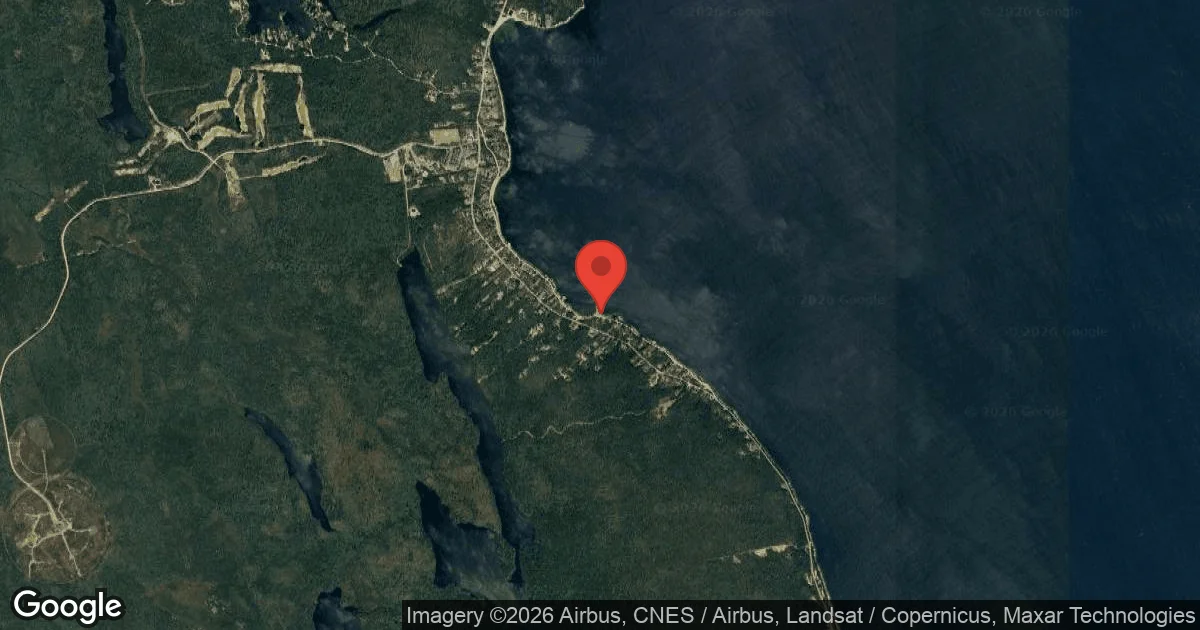
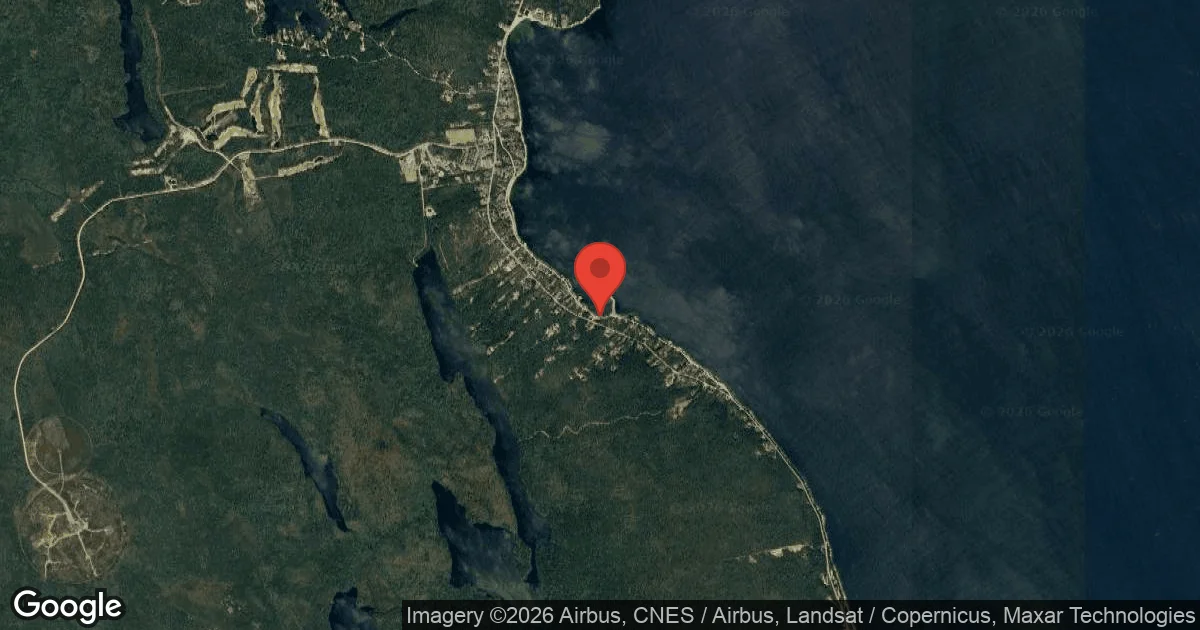
Paddy's Head has long been a foundational dive site in Nova Scotia, particularly recognized for its utility as an open water training ground. Located in Indian Harbour, within St. Margaret's Bay, this site consistently draws divers seeking accessible conditions and a rich underwater experience. Its reputation for ease of entry and its diverse marine residents has solidified its place within the local diving community. A short drive from Tantallon on highway 333, it remains a consistent choice for certification courses.
Tonight's objective overview for Paddy's Head shows an air temperature of 17°C. The measured surface conditions include wave heights around 0.7 m. This environmental data is logged for the close of the day.
Dive Site Location & Key Facts
Dive Site Overview
Beneath the surface at Paddy's Head, a gently sloping sandy bottom characterizes the convenient entry, transitioning into rocky shoreline and expansive patches of eel grass and kelp. From the entry point, a bearing of 330 degrees guides divers towards a distinctive training block, typically found between approximately 5.5-6.7 m (18-22 ft), depending on tidal influence.
This block, roughly 33 meters from shore, is an ideal point for attaching a diver float, assisting with orientation. Venturing about 7.6 meters past the training block, a large boulder signals a slight 15-degree turn to the left, revealing a series of lobster habitats. These structures, placed by DFO for a habitat replacement study, sit at depths ranging from 7.6 to 9.1 meters (25 to 30 ft).
Further along the left side of the cove, extensive eel grass beds extend into greater depths, easily reaching 18.3 m (60 ft) and beyond. On the north end of the cove, large boulders provide shelter for numerous lobsters at around 6 meters.
Beyond a prominent rock wall, the maximum depth can exceed 18 meters, offering opportunities for exploration for those with appropriate training. This varied topography supports a diverse array of local sea life throughout the recreational depth range, making each dive a discovery.
Conditions are Good
Optimal conditions expected
Current conditions near Paddy's Head show 17° air, 17° sea temperature, 0.8 m waves, and 38 km/h wind. Forecast data is refreshed regularly to ensure accuracy.
Best Time to Dive
Optimal diving conditions at Paddy's Head often correlate with easterly winds, including Southeast or Northeast directions, as these typically minimize surge and contribute to clearer visibility. Conversely, westerly winds can generate substantial waves, making entries and underwater navigation more challenging. Looking at climatic patterns, the periods of May, August, and September are generally rated "Good" for diving, experiencing less intense wind speeds, averaging 19.9 to 23.1 km/h. During these months, average air temperatures range from 9.5°C (May) to 18.5°C (August), offering more comfortable surface conditions compared to colder winter months, where air temperatures can drop to -2.5°C. Rainfall is not consistently a major deterrent, with May and September showing slightly lower averages around 2.4-2.5 mm, which might further contribute to favorable water clarity. Water temperatures are not consistently reported but are characteristic of Canadian Atlantic waters, necessitating appropriate thermal protection year-round.
PEAK SEASON SCORE
Scores combine air & water temps, waves, wind & rainfall for overall conditions.
BEST MONTHS TO DIVE
Monthly records compiled from satellite and marine observation nodes over the last 3 years. Data provided by Open-Meteo and MET Norway.
Dive Experience & Conditions
A full spectrum of recreational diving experiences awaits at Paddy's Head, suitable for all certification levels from open water students to more advanced divers. The site features shallow depths, reaching recreational limits in certain areas. An average dive often explores the 6-meter zone. Navigating towards the deeper sections necessitates careful gas management or a surface swim due to the distance from shore. Entry and exit are notably easy from the shoreline, providing straightforward access for divers. While specific water temperatures are not readily available in local reports, the cool Canadian Atlantic waters require proper thermal exposure protection. Surface conditions vary, with wave heights averaging between 1.1 m during summer months, increasing to 1.6-1.8 m in winter, emphasizing the importance of checking local forecasts for calmer days.
Dive Difficulty & Safety Guidelines
Strong westerly winds present the primary environmental concern at Paddy's Head, often generating significant waves and underwater surge that can compromise dive safety and enjoyment. Prior to diving, always verify the wind direction and sea state to ensure manageable conditions. During your dive, proper gas management becomes critical when exploring the deeper reaches, which can be further from entry points.
For any incidents, local emergency services can be reached by calling 911. Should a dive-related injury such as lung injury or decompression illness occur, transport the injured diver ashore immediately and contact assistance.
The Victoria General Hospital’s Recompression Chamber can be reached at 473-7998, with the Joint Rescue Coordination Centre (JRCC) at 902-427-8200 (local) or 1-800-565-1582 for emergencies. Divers Alert Network (DAN) is also available at 1-919-684-4DAN (4326). Marine VHF channel 16 is monitored for distress calls.
Recommended Equipment
- Dive Computer
This gear list is based on verified equipment signals for Paddy's Head, Canada. Always confirm final gear choices with your dive operator, guide, or liveaboard.
Recommended Dive Suit
In these water temperatures, 5-7mm wetsuit is a common choice for recreational diving. A hood or vest is suggested for sensitive divers due to surface winds. A thermal robe or jacket is recommended between dives. Longer dive profiles can make thermal protection more important than short exploratory dives.
Conditions at Paddy's Head currently place the water temperature near 17°C (62°F). Surface air temperatures are resting at 17°C (62°F).
A modest cooling trend is expected in the upcoming forecast. Cooler days are ahead; you might want a warmer option for later in the week. Bringing an additional thermal layer can be helpful if conditions change.
Emergency & Medical Support
Essential information to help you plan your dive trip to Paddy's Head.

Hyperbaric chambers are a critical part of dive safety infrastructure. Availability varies significantly by region, and not all dive areas have immediate access.
Before diving, it's recommended to:
- confirm nearest medical facilities
- check emergency procedures with local dive operators
- ensure dive insurance covers evacuation if required
Divers Alert Network
Diving emergency assistance available through DAN World.
+1-919-684-9111- 24/7 emergency hotline
- Diving medical assistance
- Evacuation coordination
Emergency contacts are provided for reference. Always verify local emergency services before diving.
Marine Life at Paddy's Head
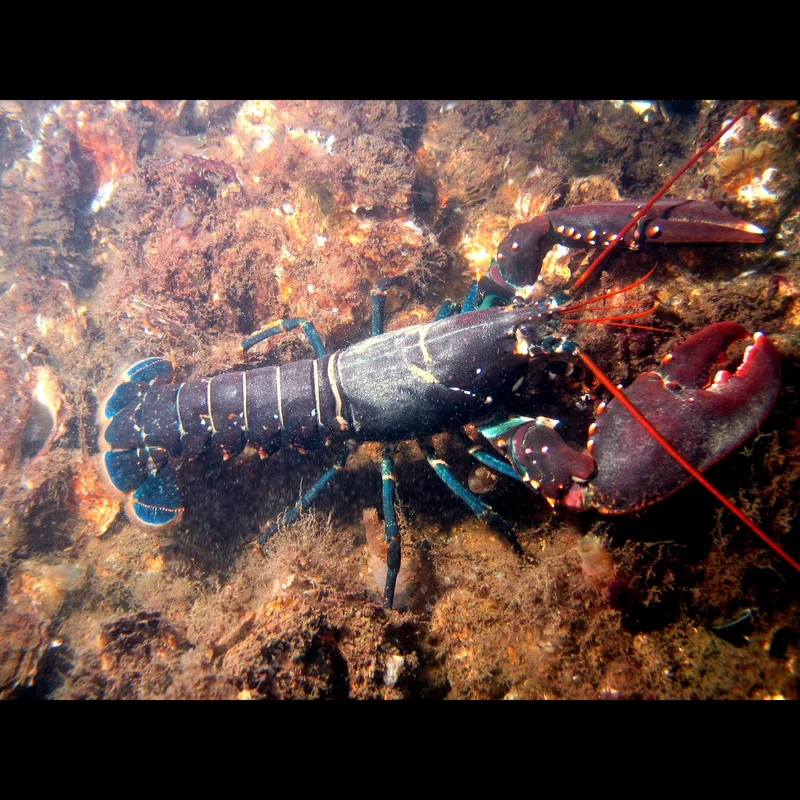
Upon descending into Paddy's Head, divers are often greeted by an active underwater ecosystem, with lobsters being a frequent and engaging sight. Many of these crustaceans inhabit the extensive eel grass beds and larger boulders found throughout the site, particularly on the north end of the cove at around 6 meters.
Purpose-built lobster habitats, known as Reef Balls, were intentionally placed here as part of a DFO study, offering concentrated areas to observe these creatures. Beyond the lobsters, a variety of fish species inhabit the area.
Look for sculpins camouflaged against the bottom, flounders resting on the sand, and the distinctive forms of sea ravens and torpedo rays traversing the terrain. The site offers abundant opportunities for observing temperate marine life within its varied topography.

Dive Sites Near Paddy's Head
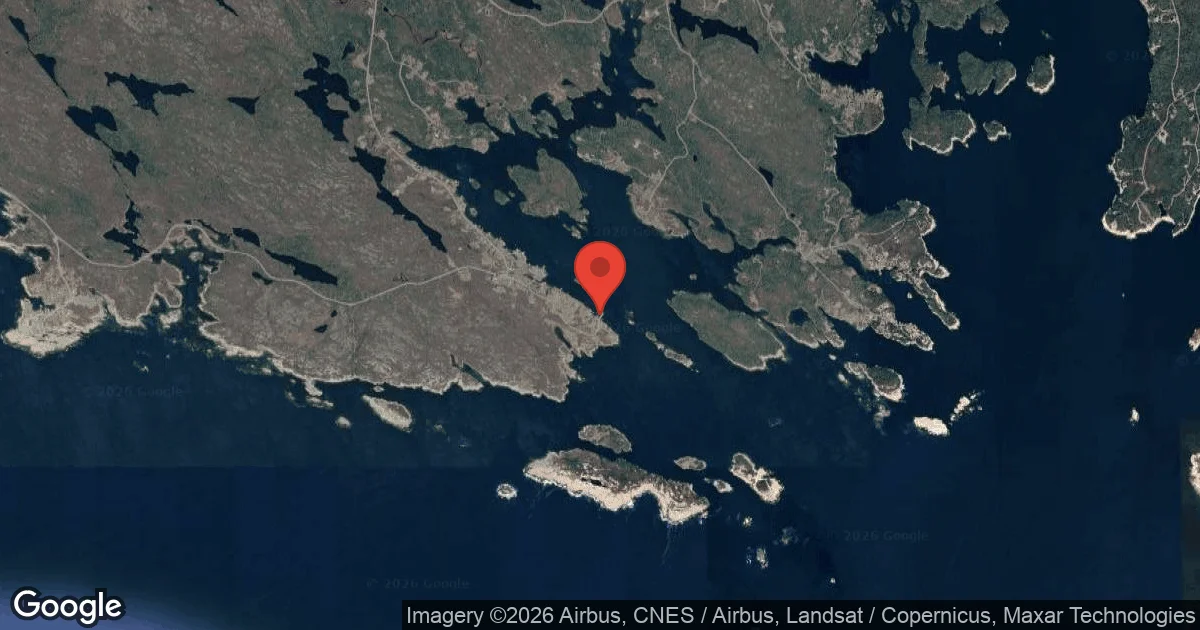
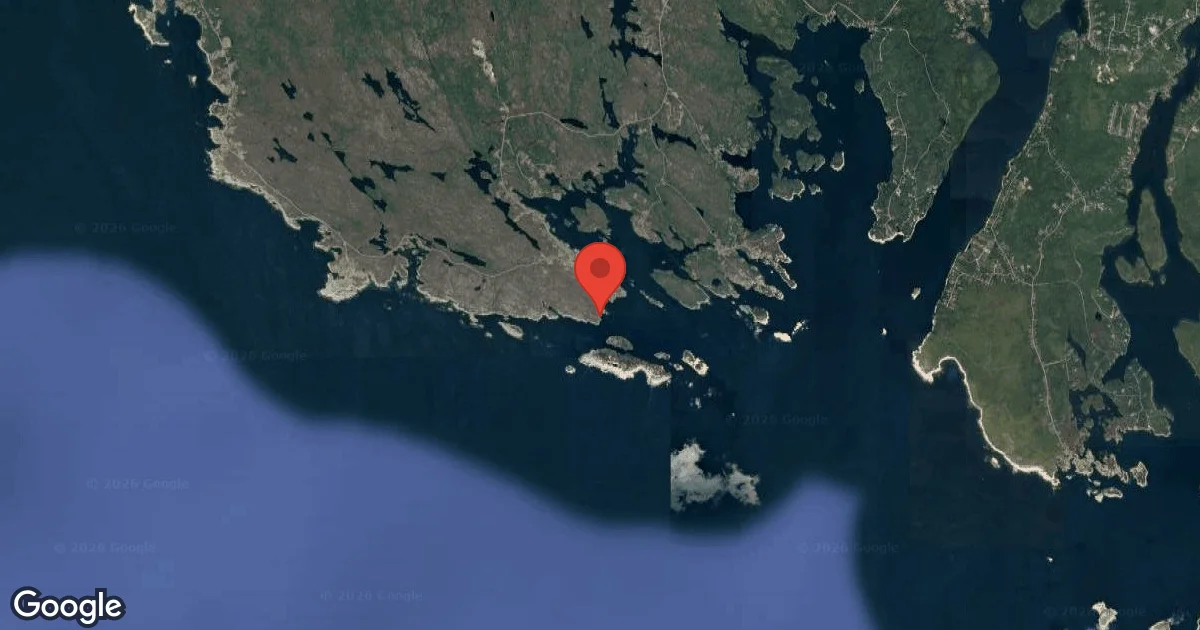
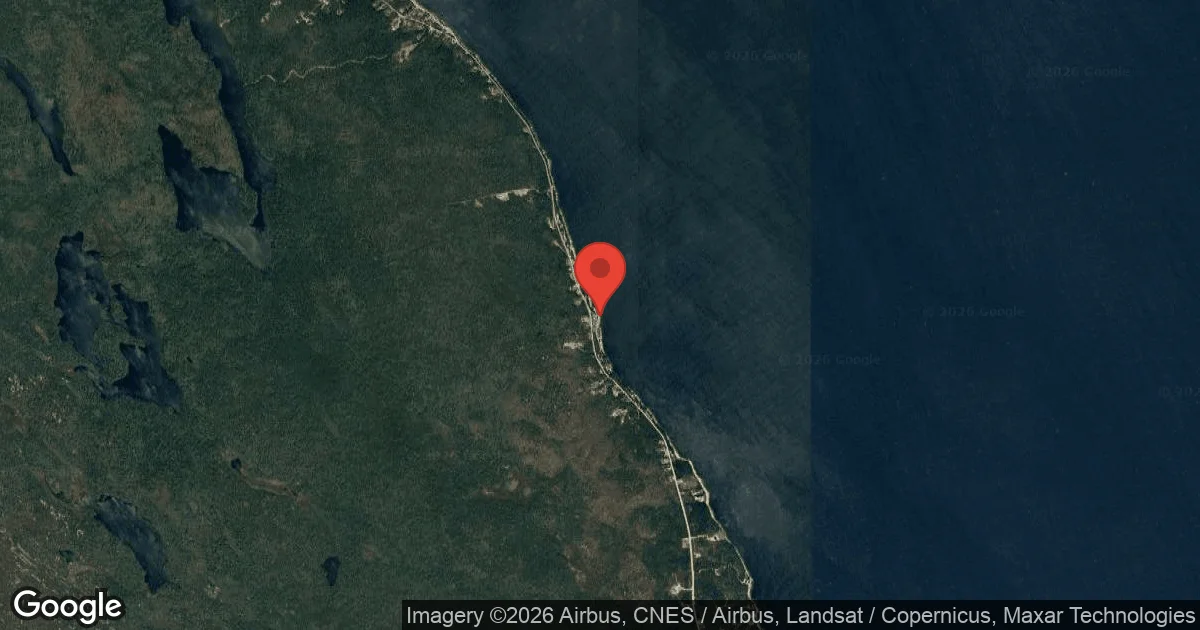
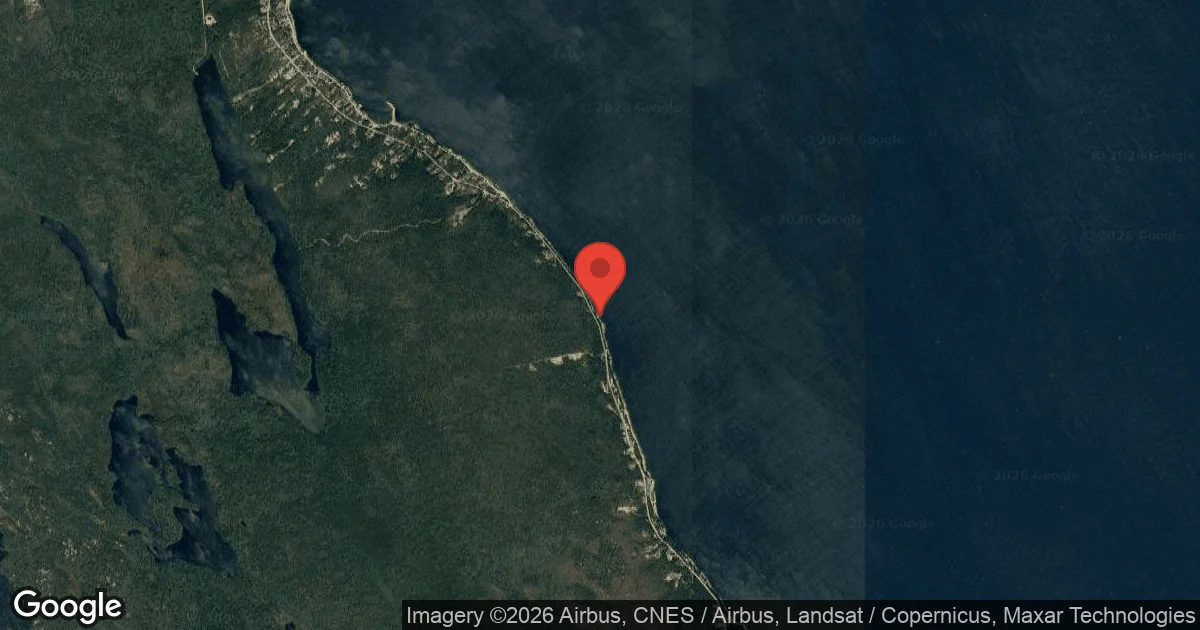
View all dive sites in CanadaDiscover more underwater gems in this area.
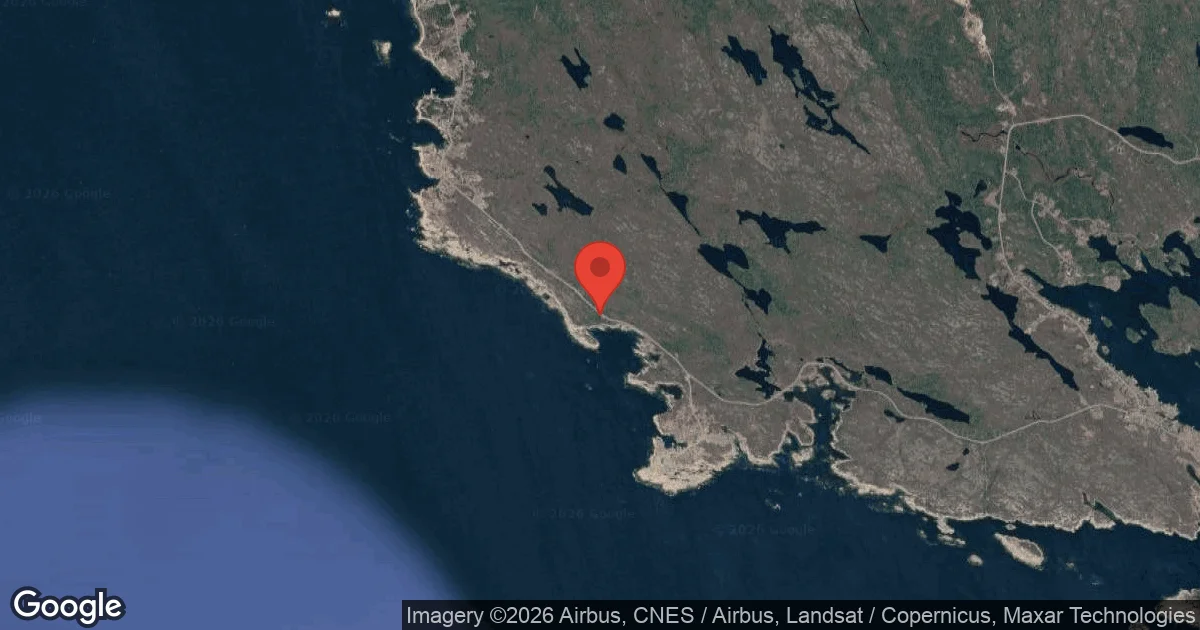
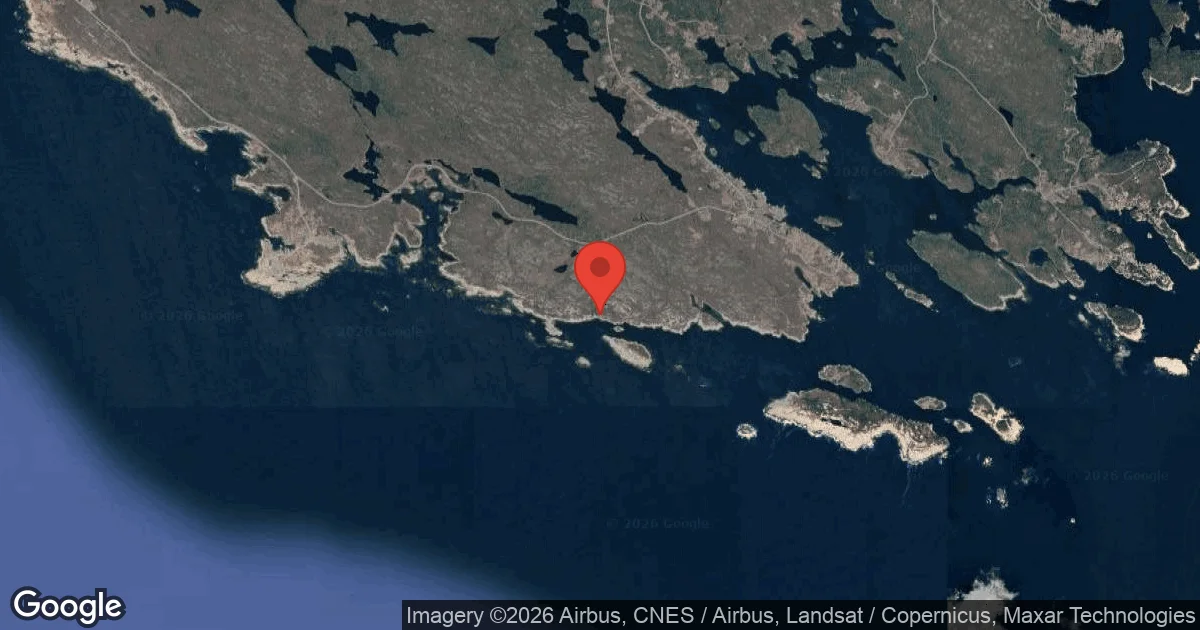
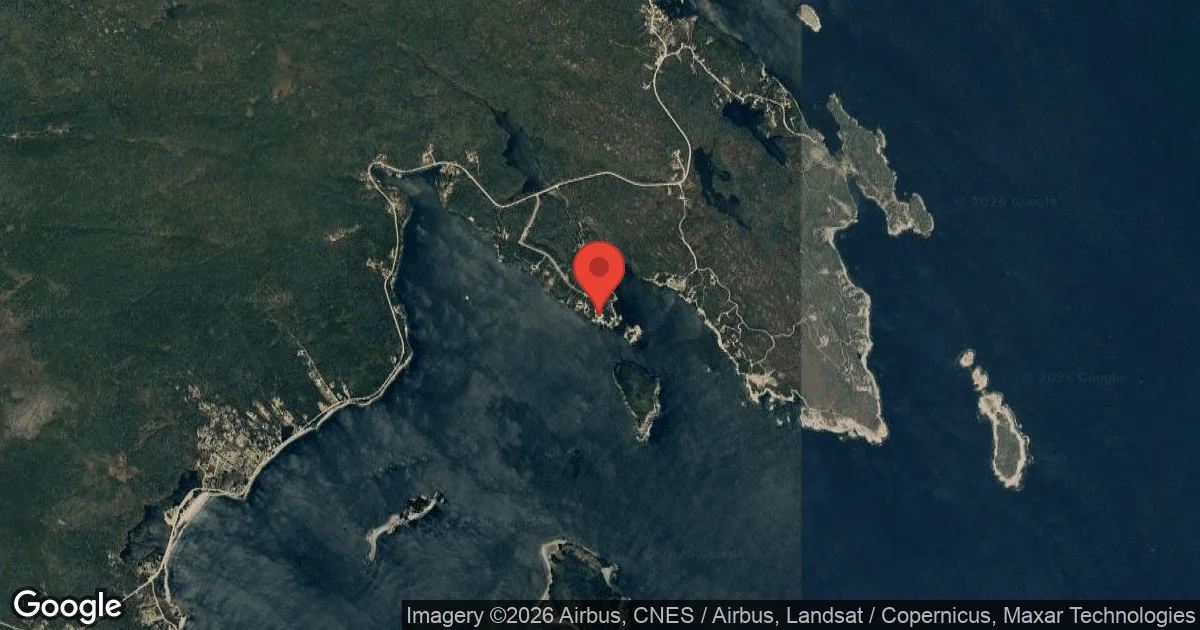

Dive Centers Near Paddy's Head
Today: 09:00 - 17:00

Nearest Airports
Nearest airports to help plan travel to this dive area.
Search Flights
Check available flights and routes on Expedia, using the nearby airports listed in this section.
Search Flights on ExpediaFrequently Asked Questions
What is the typical depth range at Paddy's Head?
Paddy's Head offers a recreational depth range, typically extending from very shallow areas, around 5 meters, down to approximately 18 meters in its deeper sections. An average dive often explores the 6-meter zone, making it accessible for various skill levels.
Is Paddy's Head suitable for beginner divers?
Yes, Paddy's Head is considered an excellent site for all levels of certification, including open water courses. Its easy beach entry and moderate depths provide a conducive environment for training and initial dive experiences.
What marine life can I expect to see?
Divers commonly encounter an abundance of sea life, including lobsters, which often shelter in eel grass beds and purpose-built Reef Balls. You might also spot various fish species such as sculpins, flounders, sea ravens, and torpedo rays across the sandy and rocky bottom.
What are the best wind conditions for diving this site?
The best days for diving Paddy's Head occur with East, Southeast, or Northeast winds. These wind directions tend to minimize wave activity and surge, leading to calmer surface conditions and potentially better underwater visibility.
Are there any specific navigation points divers should know?
Beginning from the shore, swimming on a bearing of 330 degrees leads to a training block. Beyond this, a large boulder serves as a landmark, directing divers towards the lobster habitats. Extensive eel grass beds line the left side of the cove, and large boulders housing lobsters are found on the north end.
Is thermal protection necessary year-round?
Given that Paddy's Head is in the Canadian Atlantic, the water temperatures are consistently cool. While specific temperatures are not always reported, appropriate thermal protection, such as a drysuit or a thick wetsuit, is highly recommended regardless of the season.
Planning to dive Paddy's Head?
Send one inquiry and receive offers directly from the best verified local dive operators.
Conditions are Good
Optimal conditions expected
Current conditions near Paddy's Head show 17° air, 17° sea temperature, 0.8 m waves, and 38 km/h wind. Forecast data is refreshed regularly to ensure accuracy.