
Diving at Cranberry Cove (Canada)
Cranberry Cove guides divers into a cold-water environment characterized by varied bottom terrain. Descending into Nova Scotia's clear, cool waters reveals rocky outcrops transitioning into expansive kelp forests. Mild currents and moderate surge are common at this site, providing manageable exploration. Expect a maximum dive depth of 30 m (100 ft) where marine life takes refuge among the crevices and sandy patches.
Evening condition tracking at Cranberry Cove features an air temperature of 16°C. We have recorded wave heights measuring 0.7 m during this period. These figures outline the environmental parameters currently present.
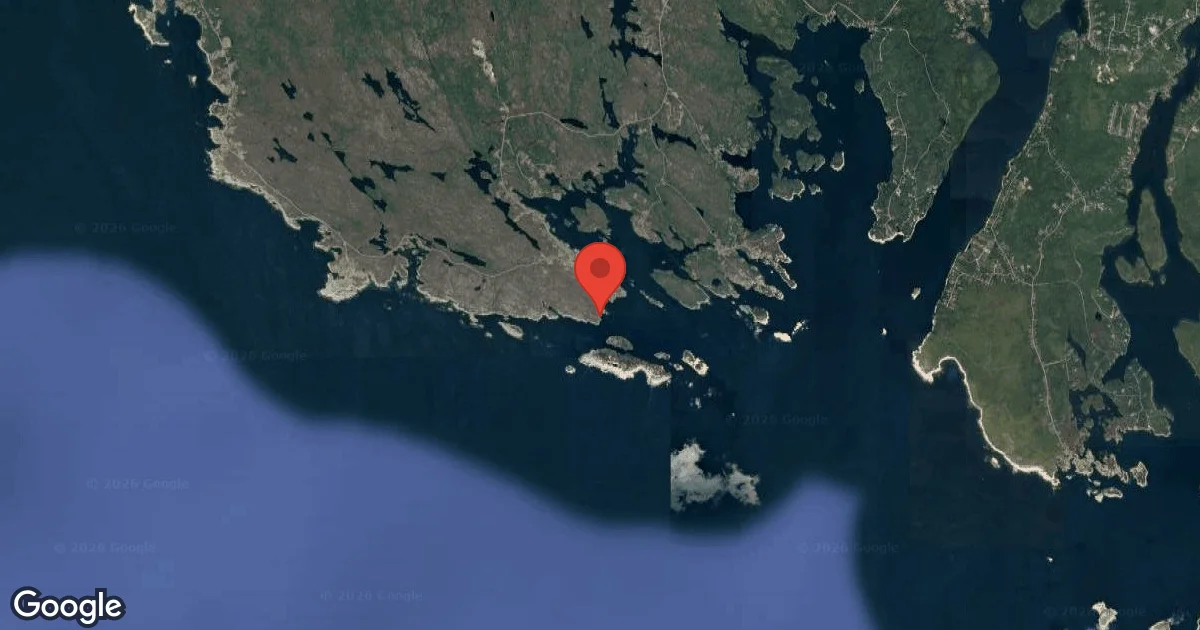
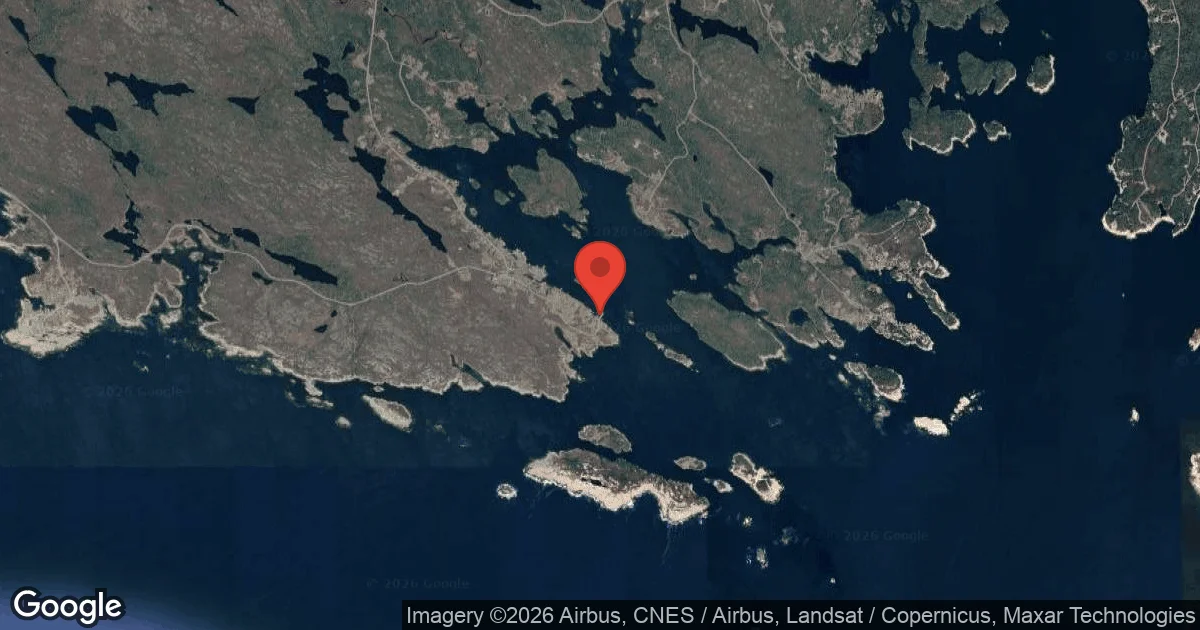
Dive Site Location & Key Facts
Dive Site Overview
Cranberry Cove's underwater topography is defined by its rocky structure and extensive kelp beds. These formations create a complex habitat, attracting a range of cold-water species.
Divers often navigate through a blend of sandy and rocky sections, uncovering various crevices and ravines. Being sheltered, the site offers a degree of protection from broader ocean conditions. With a maximum depth reaching 30 m (100 ft), the dive plan typically involves exploring these diverse underwater landscapes, moving from shallower sections to deeper areas depending on diver certification and interest.
An average dive time of 45 minutes allows ample opportunity to observe the local ecosystem. It's accessible via a shore entry, which can be affected by tidal changes.
Visibility here generally ranges from 5.0–15.0 m (16-49 ft), though conditions vary. Water temperatures range considerably from 0–5°C (32-41°F) in winter to 12–18°C (54-64°F) in summer, requiring appropriate thermal protection.
Conditions are Good
Optimal conditions expected
Current conditions near Cranberry Cove show 16° air, 17° sea temperature, 0.8 m waves, and 35 km/h wind. Forecast data is refreshed regularly to ensure accuracy.
Best Time to Dive
Diving at Cranberry Cove presents a significant seasonal contrast, with the most favorable conditions occurring from May through September. During these months, the air temperatures are milder, peaking in July and August with averages around 18°C (64°F) and 18.5°C (65°F) respectively. This period also generally experiences lower wave heights, typically between 1.05 and 1.3 m, and reduced wind speeds averaging 19.9-22.8 km/h, contributing to a better dive experience. Rainfall remains relatively consistent throughout the year, with no pronounced dry season. Conversely, the winter months, from December to March, see significantly colder air temperatures, dropping to averages of -2.5°C (36°F) in February, alongside increased wave heights often exceeding 1.7 m and wind speeds nearing 29 km/h. While diving is still possible, the colder water temperatures of 0–5°C (32-41°F) during winter require advanced cold-water diving preparation. Optimal visibility and marine activity are most frequently reported during the summer and early fall, particularly June, July, and August, aligning with the "Good" dive scores observed.
PEAK SEASON SCORE
Scores combine air & water temps, waves, wind & rainfall for overall conditions.
BEST MONTHS TO DIVE
Monthly records compiled from satellite and marine observation nodes over the last 3 years. Data provided by Open-Meteo and MET Norway.
Dive Experience & Conditions
Accessing Cranberry Cove begins with a shore entry, which requires careful planning around the tides. This site is best dived at high tide, as low tide can introduce challenges for entry and exit. A short hike from the road is necessary to reach the entry point. Once submerged, divers will encounter mild currents and moderate surge, which are manageable for certified Open Water divers. Underwater visibility typically spans 5.0–15.0 m (16-49 ft), though this can fluctuate based on weather and seasonal factors. Water temperatures vary widely, ranging from a brisk 0–5°C (32-41°F) during colder months to a comparatively warmer 12–18°C (54-64°F) in summer. The site offers a mix of shallow and deeper sections, catering to different experience levels within recreational limits. Divers can expect to navigate sandy expanses interspersed with rocky terrain and dense kelp beds.
Dive Difficulty & Safety Guidelines
While Cranberry Cove doesn't present uniquely severe hazards, divers must factor in tide conditions for a safe entry and exit. Planning your dive for high tide is strongly advised to mitigate difficulties associated with the shore entry. Given the mild currents and moderate surge reported, maintaining good buoyancy control and situational awareness is prudent.
The site is suitable for Open Water certification levels, providing a good training environment, particularly on the right-hand side of the cove. Always dive within your training limits and be prepared for variable water temperatures, which can range from 0–18°C (32-64°F) depending on the season.
No specific permits are required for diving here. Familiarize yourself with local dive shop recommendations and weather forecasts before planning your trip.
Recommended Equipment
- Dive Computer
This gear list is based on verified equipment signals for Cranberry Cove, Canada. Always confirm final gear choices with your dive operator, guide, or liveaboard.
Recommended Dive Suit
Divers planning relaxed exploration may appreciate the warmth of 5-7mm wetsuit. A hood or vest is suggested for sensitive divers due to surface winds. A thermal robe or jacket is recommended between dives. Divers often notice that perceived temperature can feel cooler during deeper or longer dives.
At the moment, divers exploring Cranberry Cove will likely experience water temperatures near 17°C (62°F). Surface air temperatures are resting at 16°C (61°F).
Weather projections show fairly stable environmental conditions ahead.
Due to technical issues with our weather providers, data hasn't been fetched for over 48 hours. The data above reflects the conditions at the time of the last successful fetch.
Emergency & Medical Support
Essential information to help you plan your dive trip to Cranberry Cove.

Hyperbaric chambers are a critical part of dive safety infrastructure. Availability varies significantly by region, and not all dive areas have immediate access.
Before diving, it's recommended to:
- confirm nearest medical facilities
- check emergency procedures with local dive operators
- ensure dive insurance covers evacuation if required
Divers Alert Network
Diving emergency assistance available through DAN World.
+1-919-684-9111- 24/7 emergency hotline
- Diving medical assistance
- Evacuation coordination
Emergency contacts are provided for reference. Always verify local emergency services before diving.
Marine Life at Cranberry Cove
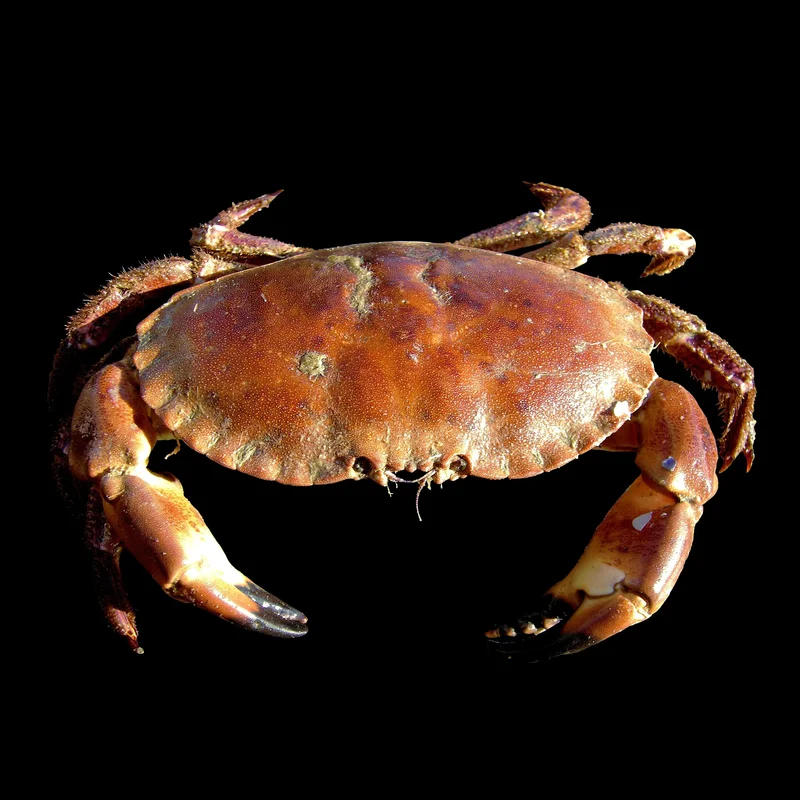
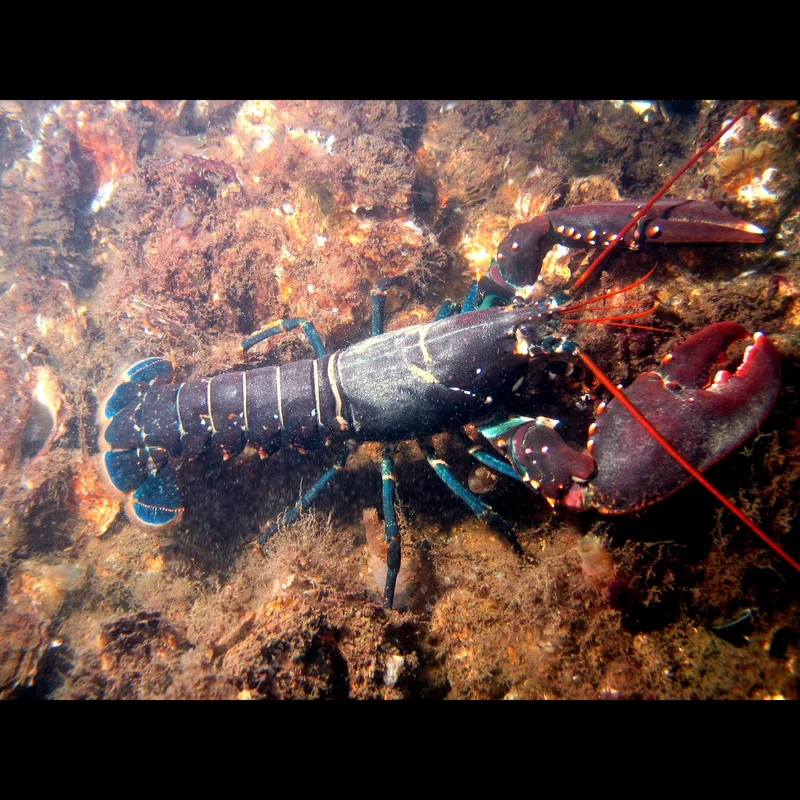
The underwater landscape of Cranberry Cove, characterized by rocky outcrops and extensive kelp forests, serves as a thriving habitat for a variety of marine organisms. Exploring these natural shelters, divers frequently encounter lobsters and crabs camouflaged among the rocks.
Colorful sea stars add vibrant accents to the substrate. Various species of fish and invertebrates inhabit the crevices and ravines.
During summer months, there are reports of soft coral growth and even occasional sightings of tuna, adding to the site's biological interest.

Dive Sites Near Cranberry Cove
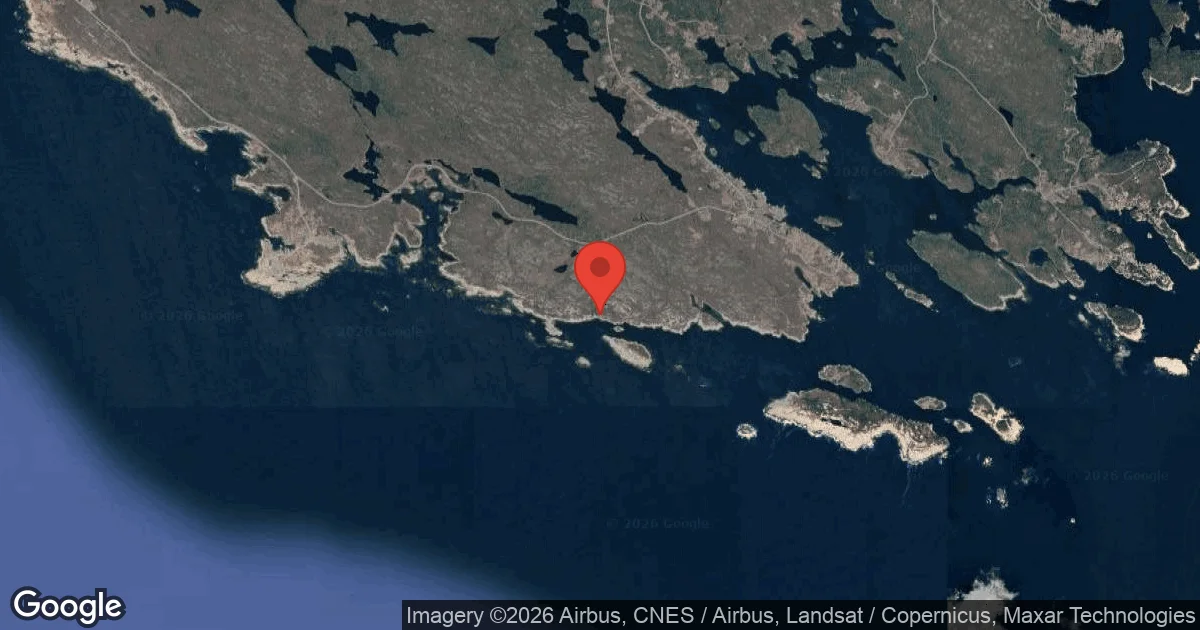
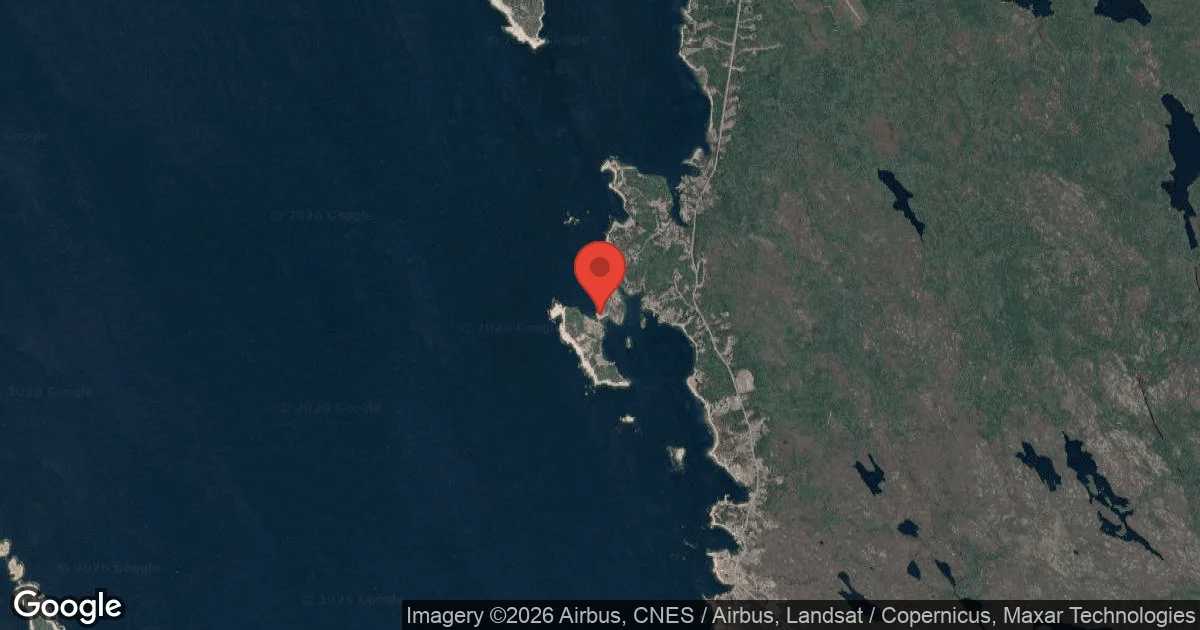
View all dive sites in CanadaDiscover more underwater gems in this area.
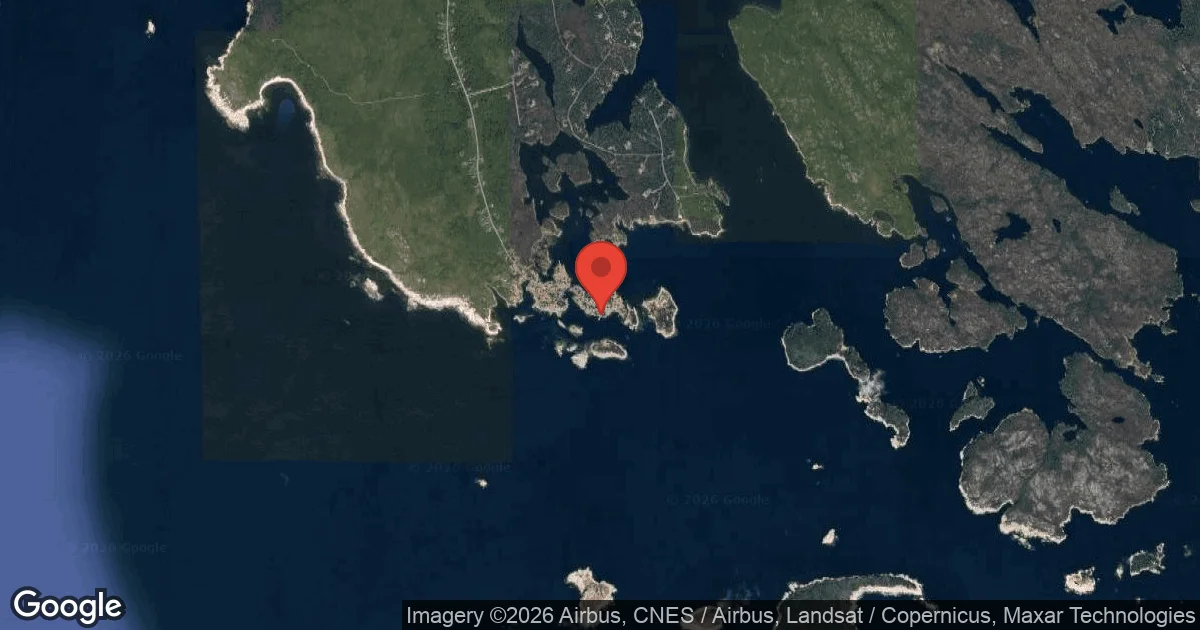
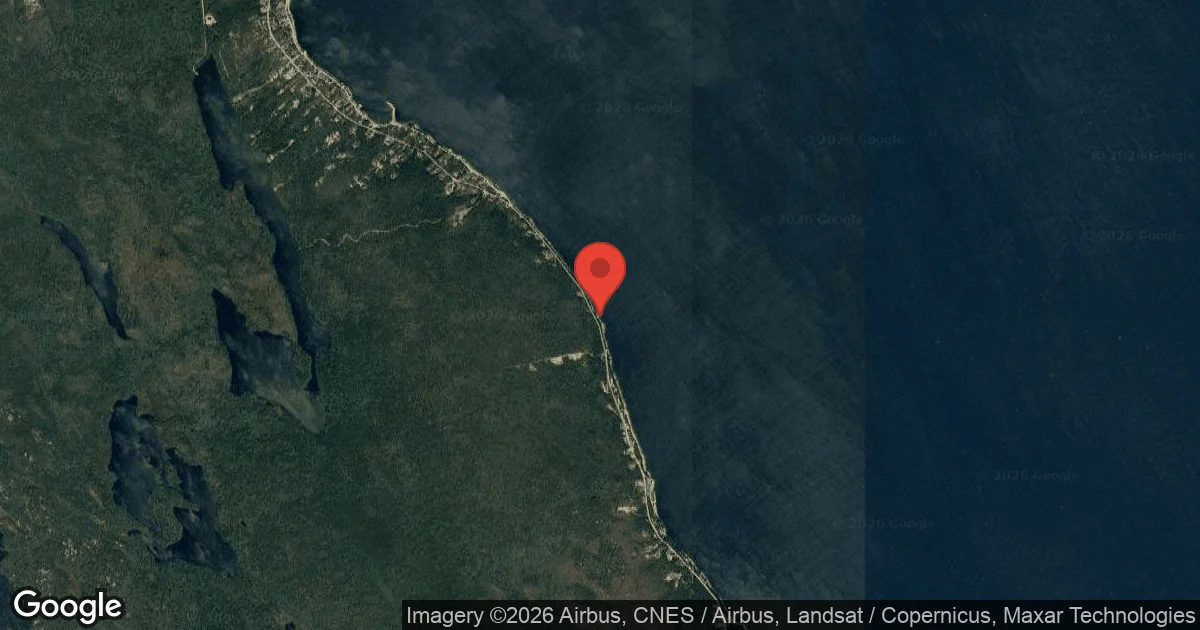
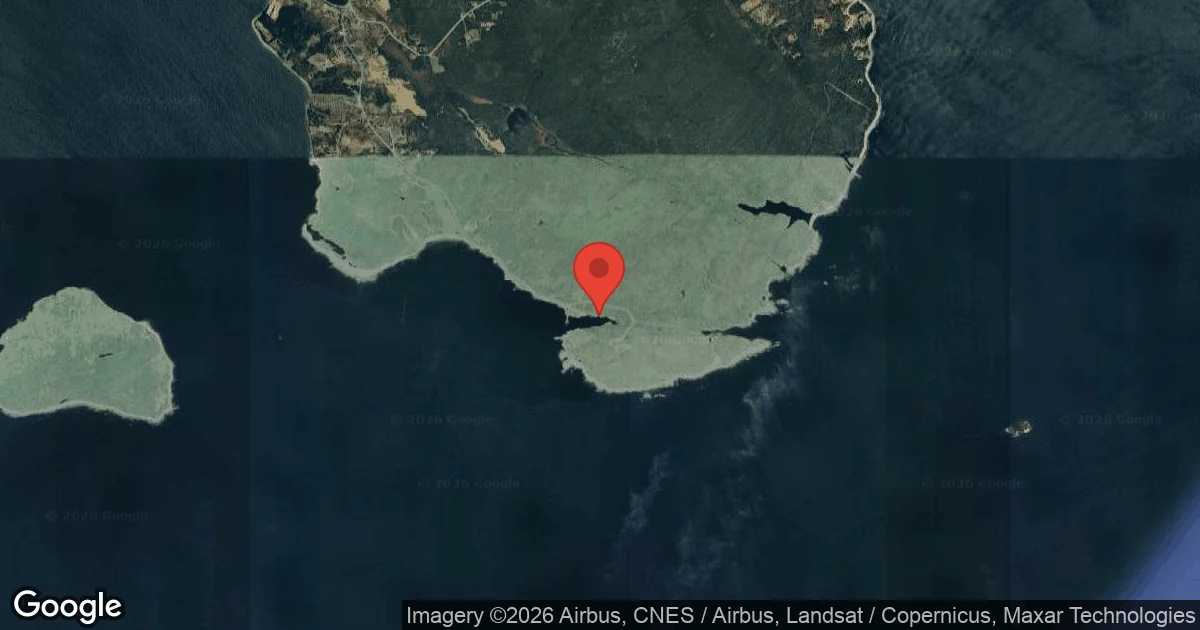
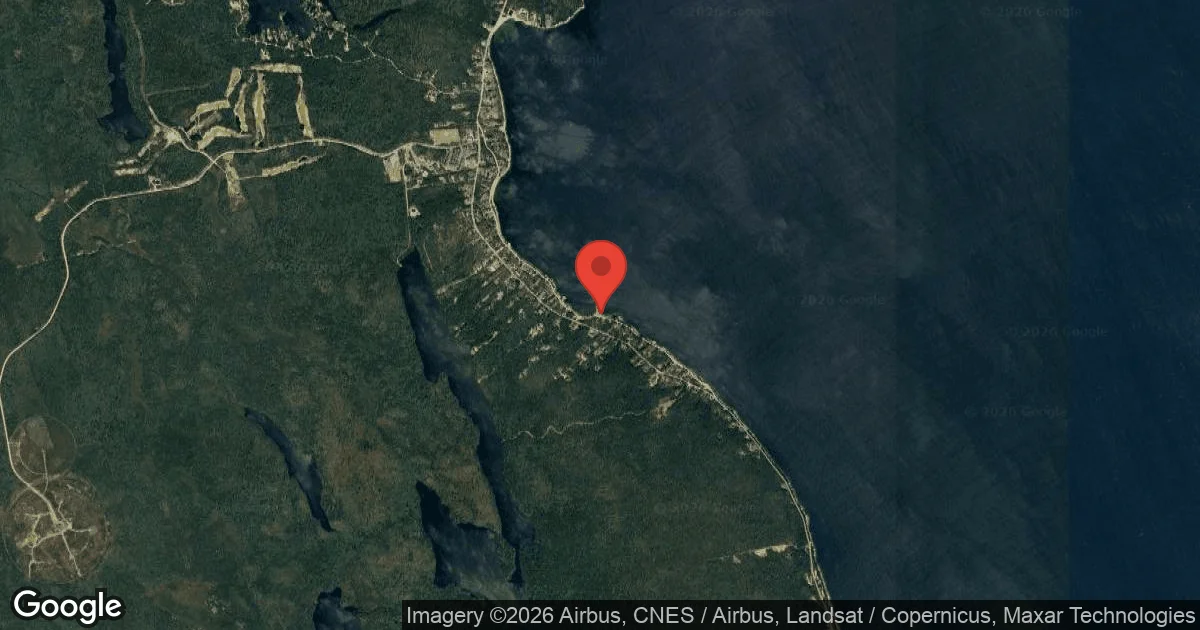
Dive Centers Near Cranberry Cove
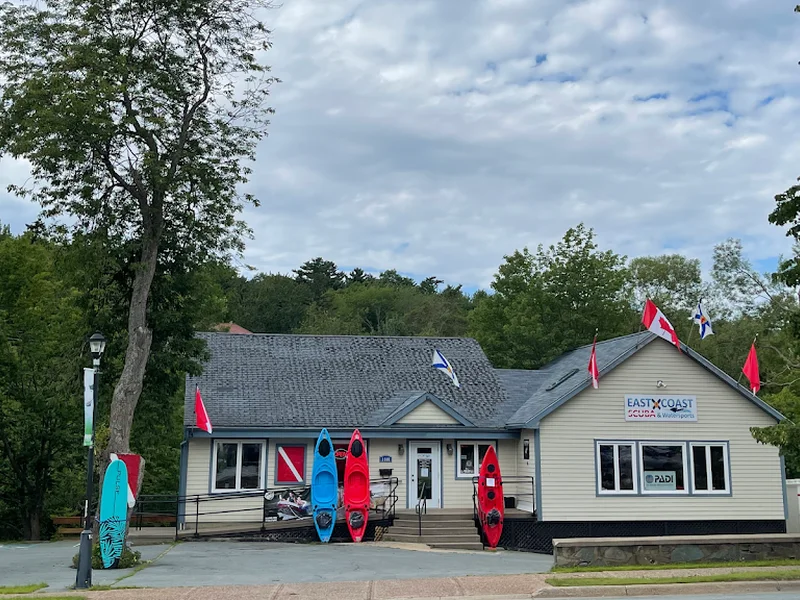
Today: 09:00 - 21:00
Nearest Airports
Nearest airports to help plan travel to this dive area.
Search Flights
Check available flights and routes on Expedia, using the nearby airports listed in this section.
Search Flights on ExpediaFrequently Asked Questions
What is the recommended certification level for diving at Cranberry Cove?
Cranberry Cove is considered suitable for Open Water certified divers. It serves as a good training site, particularly in the more sheltered areas of the cove. Divers should always operate within their personal certification and experience limits.
What are the typical water temperatures at Cranberry Cove?
Water temperatures at Cranberry Cove vary significantly by season. During the winter, temperatures can drop to 0–5°C (32-41°F). In contrast, summer temperatures typically range from 12–18°C (54-64°F).
When is the best time of year to dive Cranberry Cove?
The most favorable time to dive Cranberry Cove is from May through September. These months generally offer milder air temperatures, reduced wave heights, and lower wind speeds. Peak conditions and marine activity are most often reported in June, July, and August.
What kind of marine life can I expect to see?
Divers exploring Cranberry Cove's rocky outcrops and kelp forests often encounter lobsters, crabs, and colorful sea stars. Various fish and invertebrates inhabit the crevices. During summer, soft coral and occasional tuna sightings are also reported.
Is shore entry available at this site, and are there any considerations?
Yes, Cranberry Cove is a shore entry site. It is strongly recommended to plan your dive during high tide, as low tide can make entry and exit more challenging. A short hike from the road is also required to reach the entry point.
What is the maximum depth at Cranberry Cove?
Cranberry Cove's maximum reported dive depth is 30 m (100 ft). Diving here offers a mix of shallow and deeper sections, catering to different dive profiles within recreational limits.
Planning to dive Cranberry Cove?
Send one inquiry and receive offers directly from the best verified local dive operators.
Conditions are Good
Optimal conditions expected
Current conditions near Cranberry Cove show 16° air, 17° sea temperature, 0.8 m waves, and 35 km/h wind. Forecast data is refreshed regularly to ensure accuracy.