
Diving at Burns Point (Canada)
Reaching Burns Point for a dive involves a significant hike from the upper road to the entry point. Divers should anticipate this trek when planning their gear transport. While the site is generally protected, accessing the water can present a challenge at low tide. For a smoother entry and exit, it's best approached during high tide conditions, utilizing one of the two available access spots.
Evening condition tracking at Burns Point features an air temperature of 15°C. We have recorded wave heights measuring 0.6 m during this period. These figures outline the environmental parameters currently present.
Dive Site Location & Key Facts
Dive Site Overview
The core exploration at Burns Point centers on a distinctive wall dive, offering straightforward navigation for certified divers. This fairly protected site allows for focused observation along its contours, extending from the immediate shoreline.
Depths here typically span a recreational range, from about 9.4 m (30 ft) down to a maximum depth of 19.8 m (65 ft). Beyond the drop-off, the channel leading towards sheltering islands features a gravel bottom and maintains similar maximum depths. Underwater topography reveals a fascinating series of ledges and cliffs.
These formations are frequently punctuated by large boulder fields that create numerous intricate nooks and crannies to investigate. Exploring these varied structures often yields discoveries of diverse smaller marine life nestled within their shelter.
For an extended dive, consider circumnavigating the nearby island; this circuit may take approximately 80 minutes. Divers will find shallower sections on the far side of the island, typically reaching depths around 4.5 m.
Conditions are Good
Optimal conditions expected
Current conditions near Burns Point show 15° air, 17° sea temperature, 1.0 m waves, and 28 km/h wind. Forecast data is refreshed regularly to ensure accuracy.
Best Time to Dive
Considering the regional climate patterns, May, August, and September often present the most favorable conditions for diving at Burns Point, all registering a 'Good' dive score. During these months, average air temperatures are notably milder, ranging from 9.5°C (49°F) in May to 18°C (64°F) in August, and 16.5°C (62°F) in September. Rainfall tends to be lower, with September averaging approximately 2.4 mm (0.1 inches) and May about 2.5 mm (0.1 inches). Wind speeds also decrease during these periods, contributing to calmer surface conditions. Other months typically offer 'Moderate' dive scores, where cooler air temperatures and higher wave activity might make the experience more challenging for some divers.
PEAK SEASON SCORE
Scores combine air & water temps, waves, wind & rainfall for overall conditions.
BEST MONTHS TO DIVE
Monthly records compiled from satellite and marine observation nodes over the last 3 years. Data provided by Open-Meteo and MET Norway.
Dive Experience & Conditions
While diving at Burns Point, you'll find the site quite protected, which generally aids in easier underwater navigation along the wall. The specific water temperature isn't consistently reported for this location but generally varies seasonally with the region's cooler climate. Visibility also changes depending on local conditions, influenced by tides and recent weather. Shoreline descends in a series of ledges and cliff formations, creating varied underwater landscapes to explore. Entry can be particularly challenging during low tide, highlighting the importance of timing your dive with high tide to simplify access. This site is considered appropriate for Open Water certified divers.
Dive Difficulty & Safety Guidelines
Planning your dive around high tide is an expert tip for Burns Point, as it significantly eases the challenging entry and exit. Divers should be mindful of the fair hike from the upper road to the water's edge, necessitating careful consideration of gear transport. While the site itself is fairly protected underwater, practicing good buoyancy control is crucial, especially when exploring the ledges and boulder areas.
Recreational divers certified to Open Water level will find this site manageable, provided they are comfortable with the shore entry dynamics. Always dive with a buddy and conduct thorough equipment checks before making the trek down.
Recommended Equipment
- Dive Computer
This gear list is based on verified equipment signals for Burns Point, Canada. Always confirm final gear choices with your dive operator, guide, or liveaboard.
Recommended Dive Suit
Recent conditions suggest the water at Burns Point remains near 17°C (63°F), offering typical conditions for the area. Surface air temperatures are resting at 15°C (59°F).
Weather projections show fairly stable environmental conditions ahead.
Most divers would typically feel comfortable using 5-7mm wetsuit in these conditions. A thermal robe or jacket is recommended between dives. Dive depth and duration can significantly affect perceived warmth. Surface intervals may feel noticeably cooler once you exit the water.
Due to technical issues with our weather providers, data hasn't been fetched for over 48 hours. The data above reflects the conditions at the time of the last successful fetch.
Emergency & Medical Support
Essential information to help you plan your dive trip to Burns Point.

Hyperbaric chambers are a critical part of dive safety infrastructure. Availability varies significantly by region, and not all dive areas have immediate access.
Before diving, it's recommended to:
- confirm nearest medical facilities
- check emergency procedures with local dive operators
- ensure dive insurance covers evacuation if required
Divers Alert Network
Diving emergency assistance available through DAN World.
+1-919-684-9111- 24/7 emergency hotline
- Diving medical assistance
- Evacuation coordination
Emergency contacts are provided for reference. Always verify local emergency services before diving.
Marine Life at Burns Point
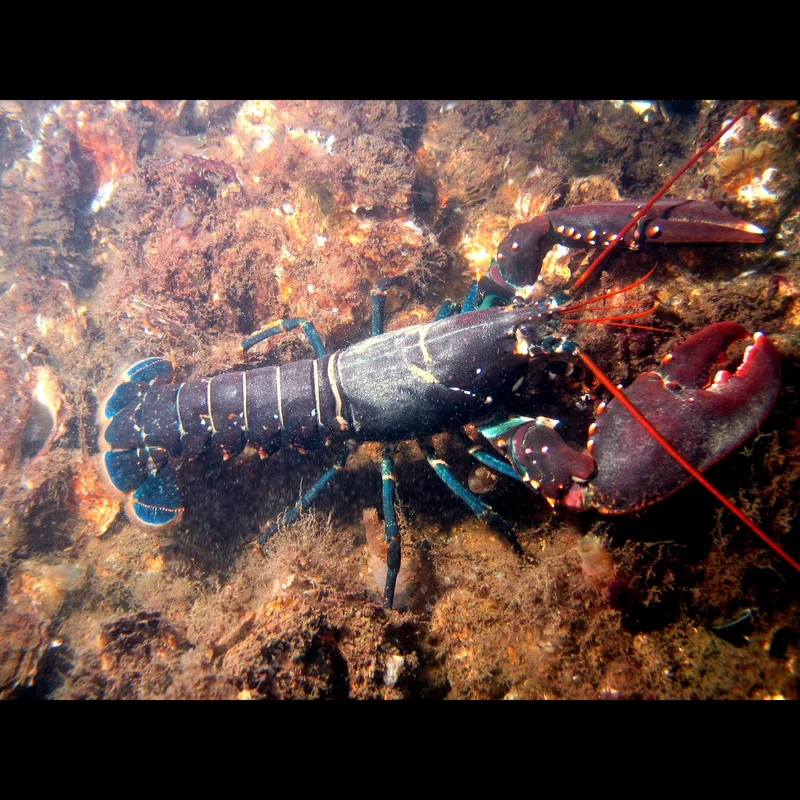
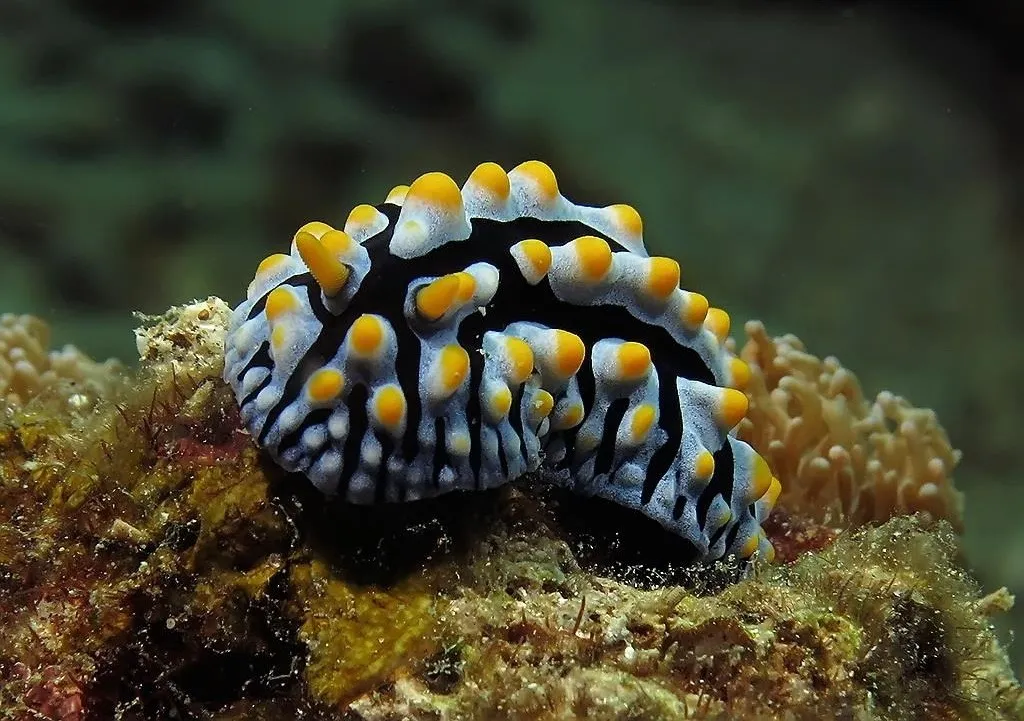
What you'll likely first notice at Burns Point are the diverse, smaller creatures inhabiting the boulder fields and ledges. The marine life changes with the season, but common sightings include nudibranchs, cunners, and various types of lobster.
Divers often spot gooseberrys and starfish clinging to the rocks, alongside different species of jellyfish drifting by. These smaller critters create engaging focal points as you navigate the underwater terrain.

Dive Sites Near Burns Point
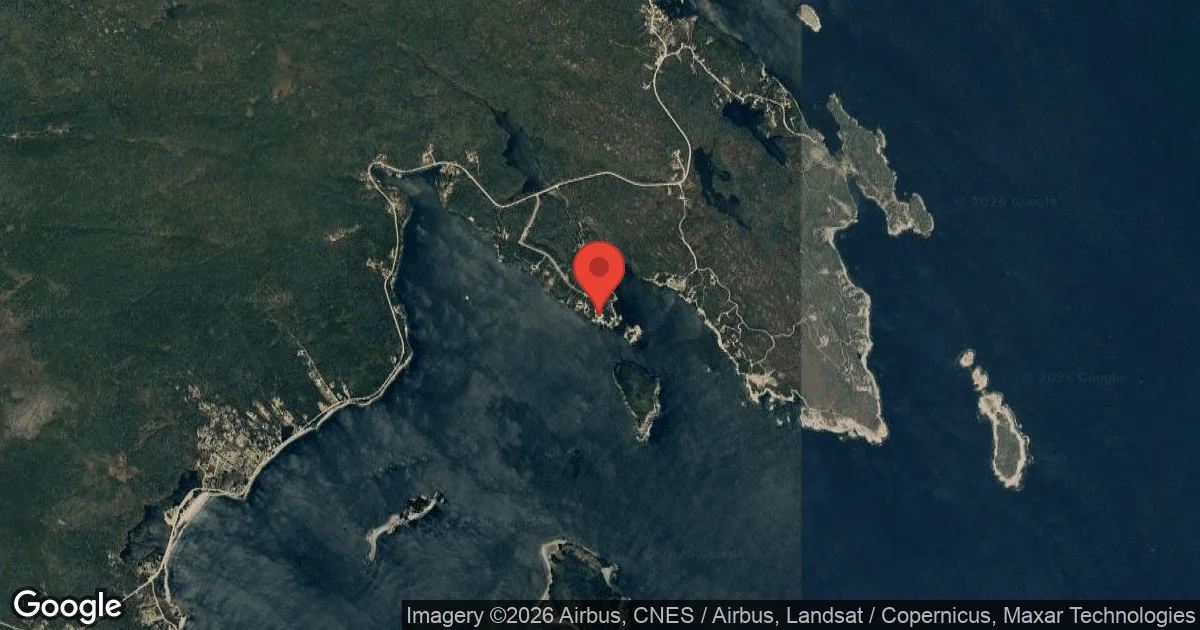
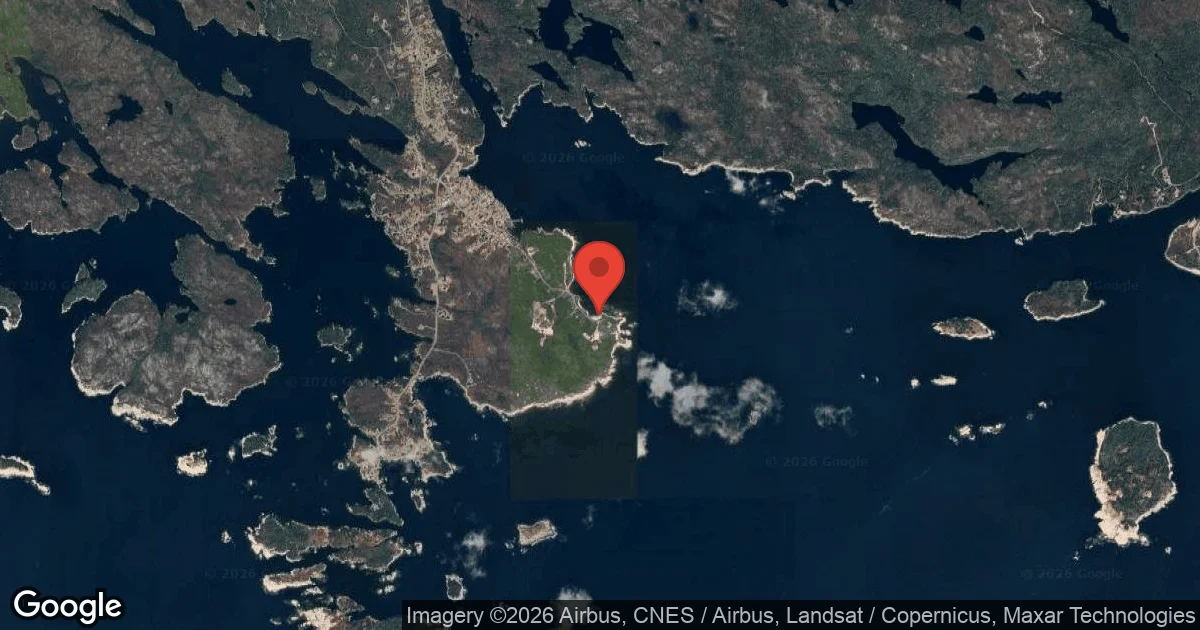
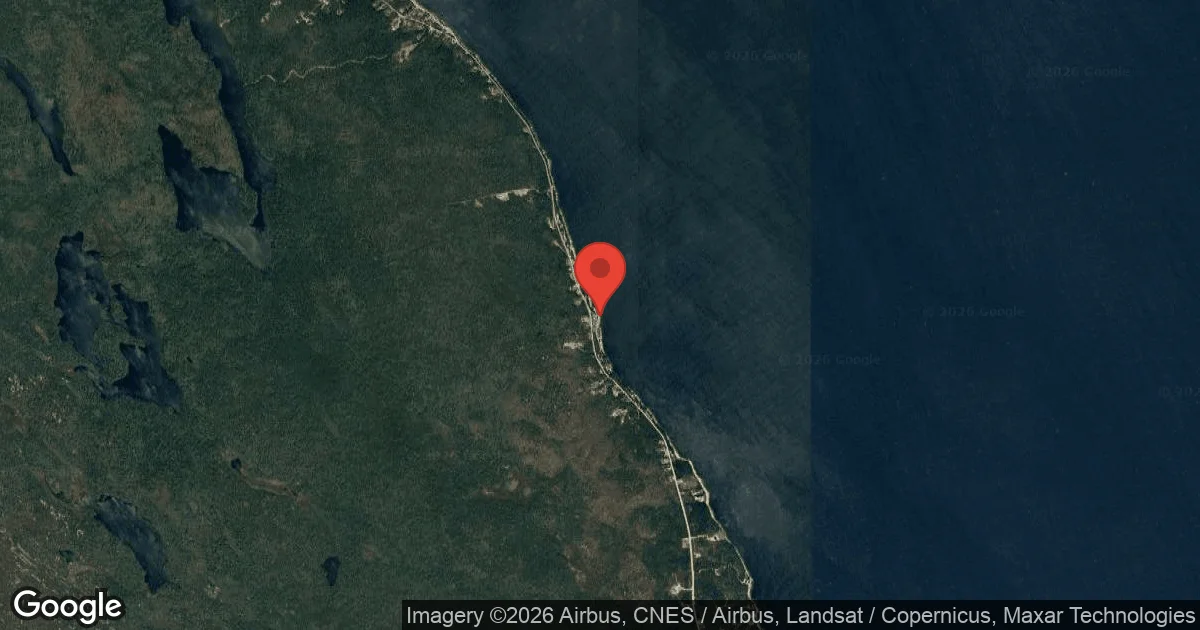
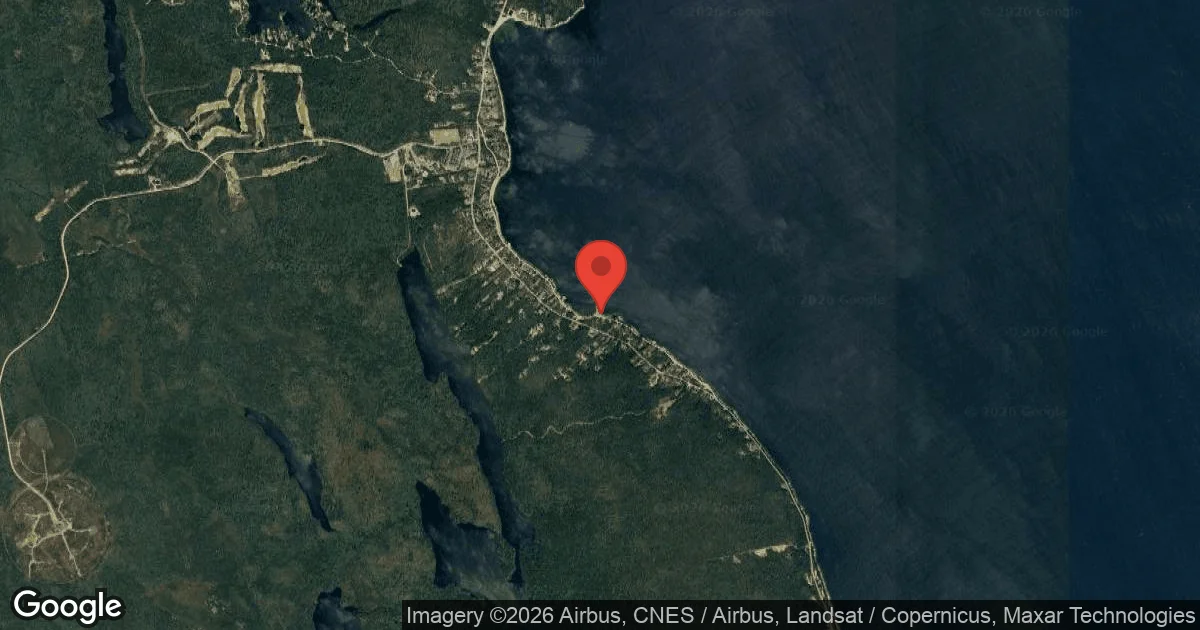
View all dive sites in CanadaDiscover more underwater gems in this area.
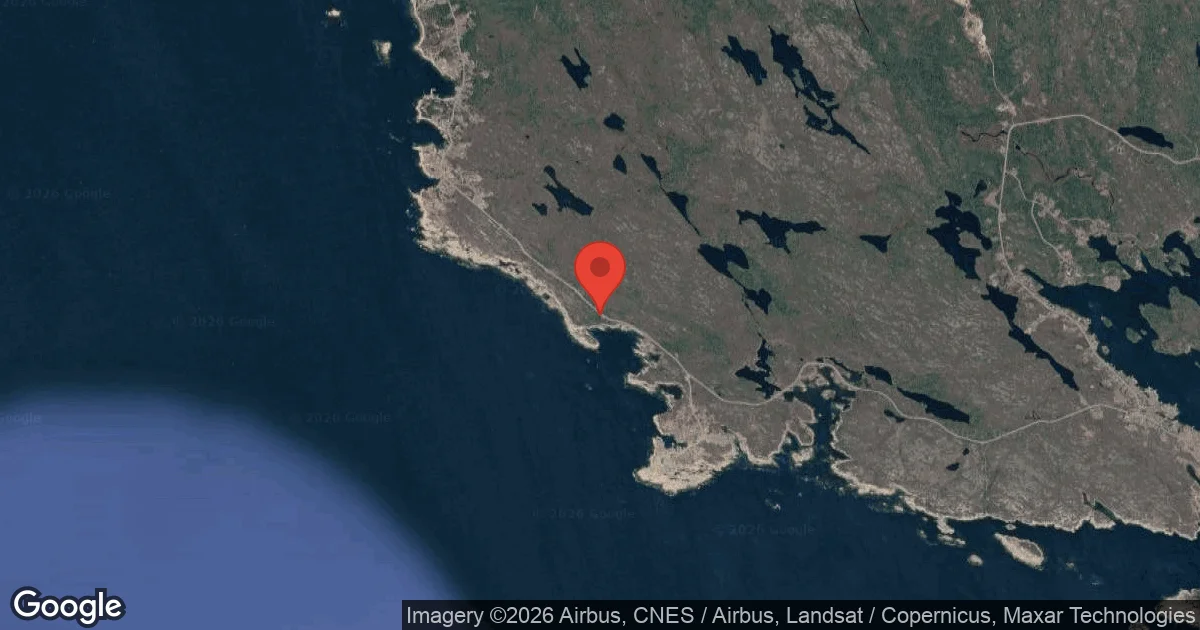
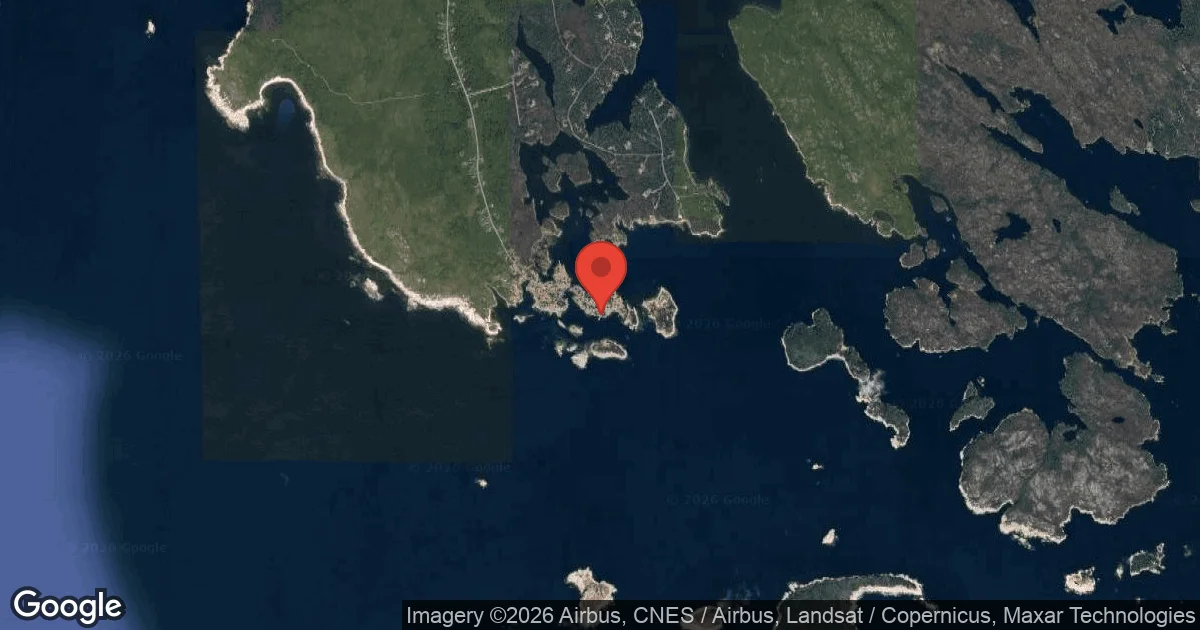
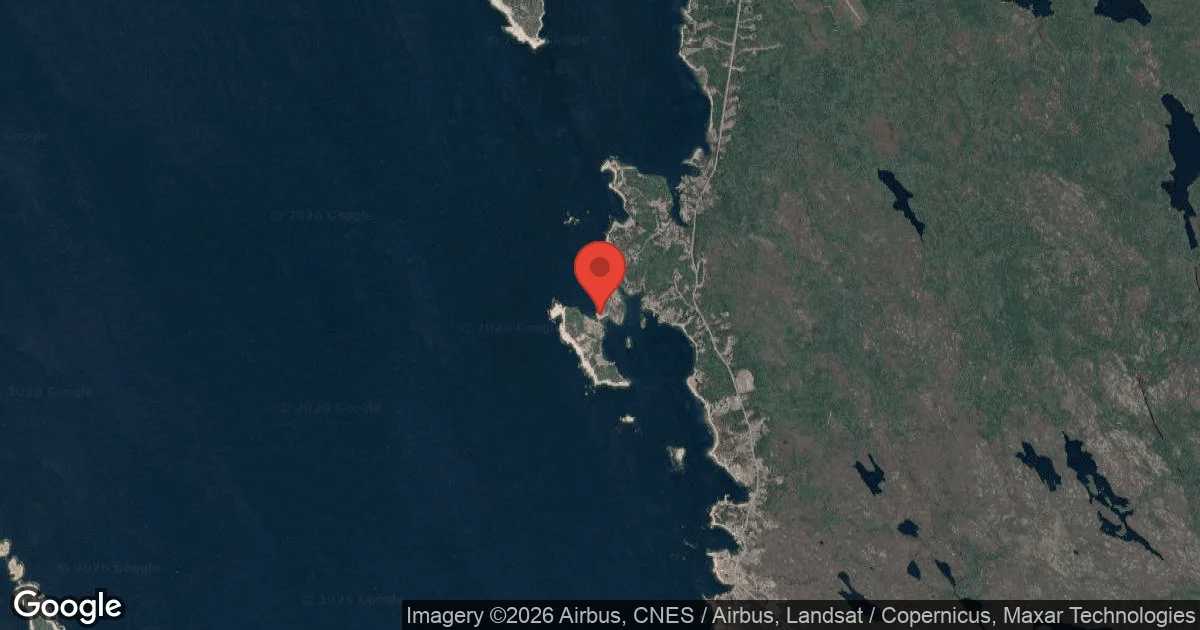
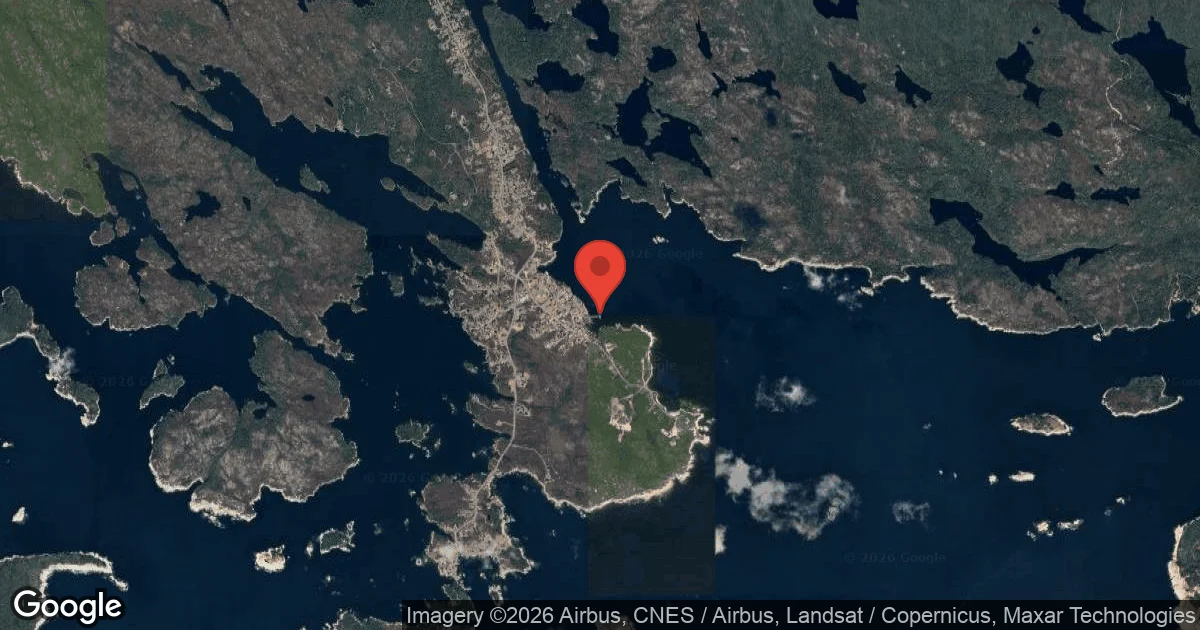
Dive Centers Near Burns Point
Today: 09:00 - 17:00
Nearest Airports
Nearest airports to help plan travel to this dive area.
Search Flights
Check available flights and routes on Expedia, using the nearby airports listed in this section.
Search Flights on ExpediaFrequently Asked Questions
What certification level is required for Burns Point?
Burns Point is suitable for Open Water certified divers. While the dive itself is considered easy, the entry and exit can be challenging, requiring divers to be comfortable with shore diving logistics.
Is the entry to Burns Point difficult?
Yes, the entry and exit can be challenging, particularly at low tide. There's also a fair hike from the upper road to the water. Diving at high tide is recommended to simplify access.
What is the typical depth range at Burns Point?
The dive site depth ranges from approximately 9.4 m (30 ft) to 19.8 m (65 ft). Additionally, the channel from the shore to the sheltering islands reaches around 19.8 m (65 ft).
What kind of dive is Burns Point known for?
Burns Point is primarily known for its wall dive. The shoreline drops off into a series of ledges and cliffs, creating an interesting vertical environment to explore.
What marine life might I see at Burns Point?
Marine life sightings vary seasonally. You can expect to encounter smaller creatures such as nudibranchs, cunners, lobster, gooseberrys, starfish, and various jellyfish within the boulder fields and ledges.
How long does it take to swim around the island at Burns Point?
If you plan to swim around the island, allow for a dive time of approximately 80 minutes. Depths on the far side of the island reach about 4.5 m (15 ft).
Planning to dive Burns Point?
Send one inquiry and receive offers directly from the best verified local dive operators.
Conditions are Good
Optimal conditions expected
Current conditions near Burns Point show 15° air, 17° sea temperature, 1.0 m waves, and 28 km/h wind. Forecast data is refreshed regularly to ensure accuracy.