
Diving at Polly Cove (Canada)
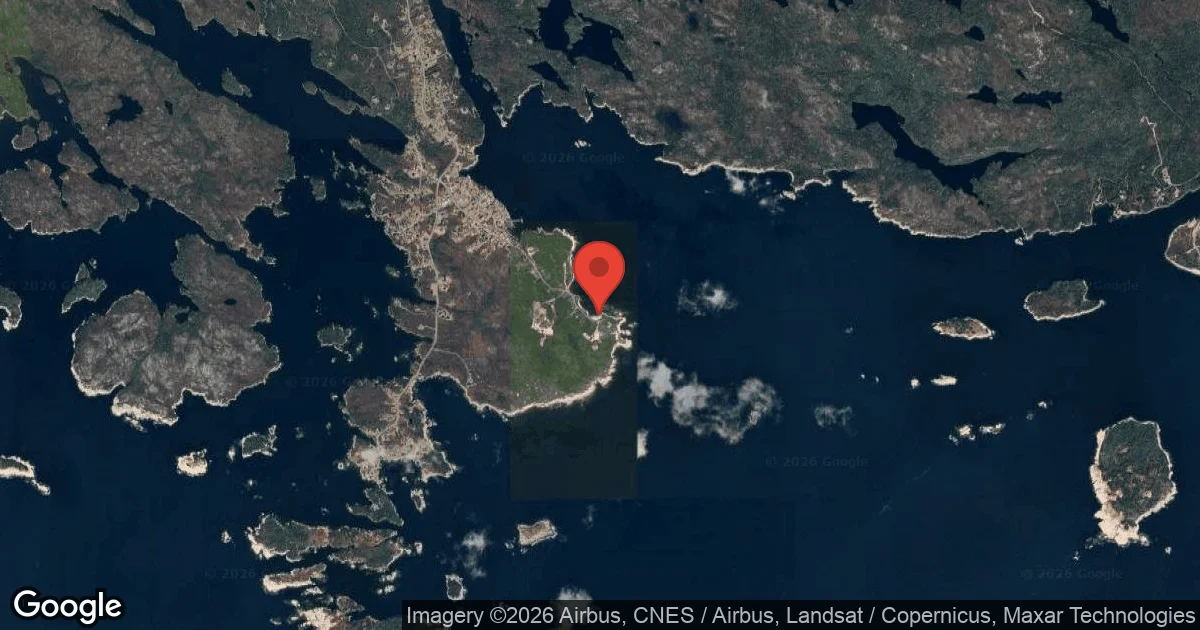
Polly Cove maintains its reputation as an accessible shore dive, balancing sheltered conditions with a rugged coastal approach. This site draws divers seeking the raw beauty of Nova Scotia's underwater landscape without venturing far offshore. Its diverse topography, from a gentle sandy bottom to a dramatic vertical wall, offers engaging exploration. For those willing to navigate a challenging entry, a rewarding North Atlantic experience awaits, suitable for various skill levels.
Tonight's objective overview for Polly Cove shows an air temperature of 17°C. The measured surface conditions include wave heights around 0.8 m. This environmental data is logged for the close of the day.
Dive Site Location & Key Facts
Dive Site Overview
Polly Cove has long served as a classic Nova Scotia shore dive, appealing to a wide range of certification levels. It is defined by its distinctive underwater topography, which includes a dramatic vertical wall beginning at about 4.5 m / 15 ft and descending to approximately 12 m / 40 ft.
This structure provides immediate visual interest upon entry, contrasting with the predominantly sandy bottom. Historically, an unidentified boat wreckage rested in 7.6 m / 25 ft of water, appearing roughly halfway between the entry and the large island to the south. This has been a point of interest, though very little of it remains today due to the relentless forces of weather and ocean.
Divers exploring here will find a diverse substrate, from coarse sand plains often scattered with sand dollars, crabs, and lobsters, to areas featuring kelp and eelgrass. Polly Cove's enduring appeal lies in its blend of natural rock formations and the remnants of past marine activity, offering a tangible connection to the region's maritime history.
Its continued popularity as a convenient yet engaging shore-based option has persisted over time, despite the notably challenging overland access required to reach the water's edge.
Conditions are Good
Optimal conditions expected
Current conditions near Polly Cove show 17° air, 17° sea temperature, 0.9 m waves, and 36 km/h wind. Forecast data is refreshed regularly to ensure accuracy.
Best Time to Dive
Optimizing your dive at Polly Cove largely depends on prevailing conditions, especially wind direction and tidal cycles. Diving during high slack tide consistently offers the best visibility, as runoff from rain and agitation from wind and waves can significantly impact clarity. Ideal surface conditions typically occur when winds are blowing offshore, providing additional shelter within the cove. Reviewing the climate averages, the periods of May, August, and September are generally considered "Good" for diving, indicated by dive scores of 7. During these months, average air temperatures range from 9.5°C to 18°C / 49°F to 65°F. Rainfall tends to be lower in September, averaging around 2.4 mm, compared to March's 4.7 mm, which can contribute to better underwater visibility. While summer months often present milder air temperatures, planning around local tidal charts and checking real-time wind forecasts remains crucial for the most rewarding experience at this unique site.
PEAK SEASON SCORE
Scores combine air & water temps, waves, wind & rainfall for overall conditions.
BEST MONTHS TO DIVE
Monthly records compiled from satellite and marine observation nodes over the last 3 years. Data provided by Open-Meteo and MET Norway.
Dive Experience & Conditions
Descending into Polly Cove, divers are immediately met by the distinct sensation of entering a dynamic North Atlantic environment. The dive unfolds along a broad rock face, where seagrass beds sway gently, and the bottom transition from rock to coarse sand is evident. Underwater, the depth ranges from shallow sections of 1.2 m / 4 ft near the entry to a maximum of 12 m / 40 ft. A noticeable characteristic of this site's bathymetry is the often-present sharp thermocline, which can sometimes create a hazy, two-foot-thick slick that impacts horizontal visibility as you pass through it. Exploring the site, you'll feel the protection offered by the cove’s high cliffs and rocky outcrops, which shield it from the full force of the open Atlantic. This sheltered nature, combined with the varying bottom composition and rock structures, creates a sense of continuous discovery in a truly wild setting.
Dive Difficulty & Safety Guidelines
Approaching Polly Cove demands careful preparation and awareness, beginning with the lengthy and challenging access to the water. Expect a substantial hike of roughly 550 m / 0.34 miles along what can be an overgrown, wet, and steep "goat path," requiring you to carry all your dive equipment.
The entry itself can be tricky due to steep rocky cliffs and numerous boulders lining the shore, so proceed with caution. Always check tide charts, as improved visibility is typically experienced during high slack tide.
While the surrounding islands and the cove's natural structure offer some shelter, it's best to dive when the wind is blowing offshore to minimize surface chop and improve overall conditions. Due to the lack of facilities, ensure you bring everything you need and plan for self-sufficiency.
Recommended Equipment
- Dive Computer
This gear list is based on verified equipment signals for Polly Cove, Canada. Always confirm final gear choices with your dive operator, guide, or liveaboard.
Recommended Dive Suit
The coming days appear slightly cooler according to the latest forecast. Cooler days are ahead; you might want a warmer option for later in the week. Divers planning multiple dives may appreciate having a warmer option available.
Two divers in the same water temperature may experience very different comfort levels. Surface intervals may feel noticeably cooler once you exit the water.
Many divers find that 5-7mm wetsuit offers the right level of insulation for conditions like these. A hood or vest is suggested for sensitive divers due to surface winds. Divers preparing to enter the water at Polly Cove will likely find temperatures around 17°C (63°F) today. Surface air temperatures are resting at 17°C (63°F).
Due to technical issues with our weather providers, data hasn't been fetched for over 48 hours. The data above reflects the conditions at the time of the last successful fetch.
Emergency & Medical Support
Essential information to help you plan your dive trip to Polly Cove.

Hyperbaric chambers are a critical part of dive safety infrastructure. Availability varies significantly by region, and not all dive areas have immediate access.
Before diving, it's recommended to:
- confirm nearest medical facilities
- check emergency procedures with local dive operators
- ensure dive insurance covers evacuation if required
Divers Alert Network
Diving emergency assistance available through DAN World.
+1-919-684-9111- 24/7 emergency hotline
- Diving medical assistance
- Evacuation coordination
Emergency contacts are provided for reference. Always verify local emergency services before diving.
Marine Life at Polly Cove
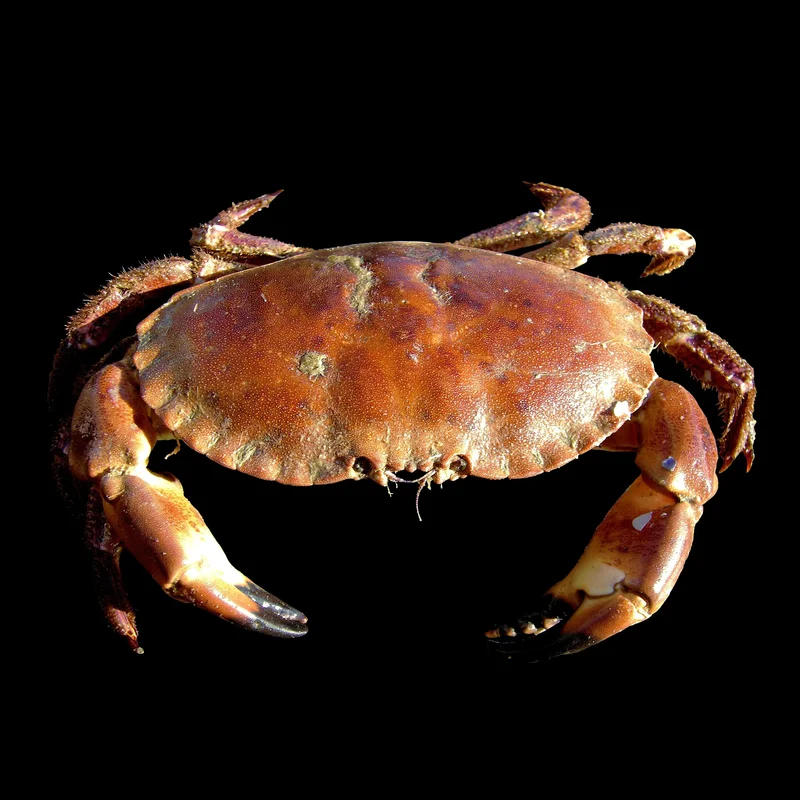
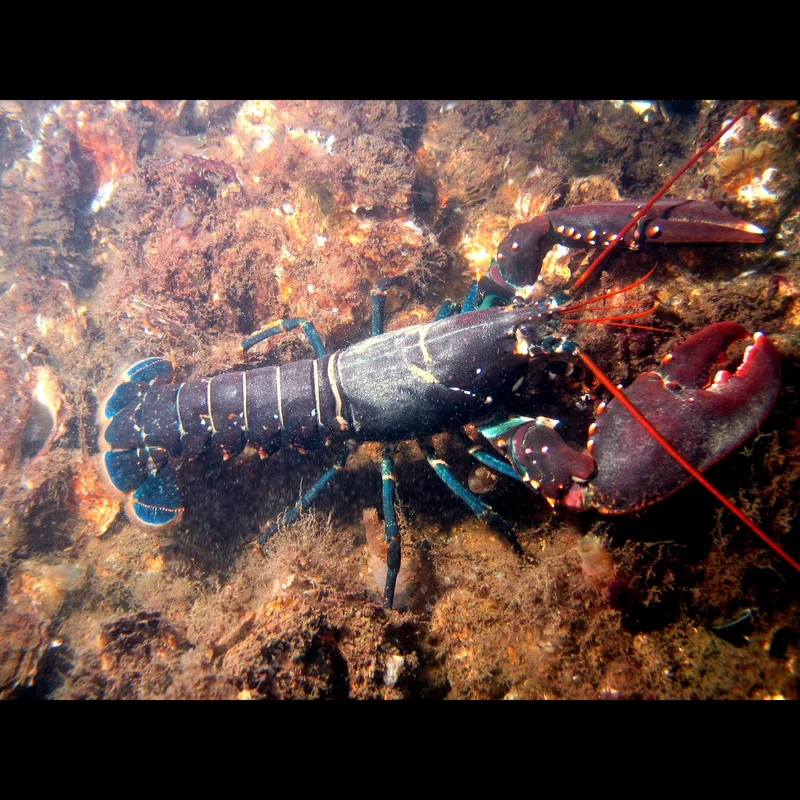
Polly Cove’s varied underwater landscape supports an array of intriguing marine creatures. Along the sandy bottom, divers frequently encounter dense beds of sand dollars, numerous crabs, and the site's namesake lobsters.
Keep an eye out for pollock and skate cruising through the kelp and eelgrass, which provide excellent cover. Smaller, more elusive species such as the charming lumpsucker can occasionally be spotted adhering to rocks, while sand lances dart across the grainy seabed.
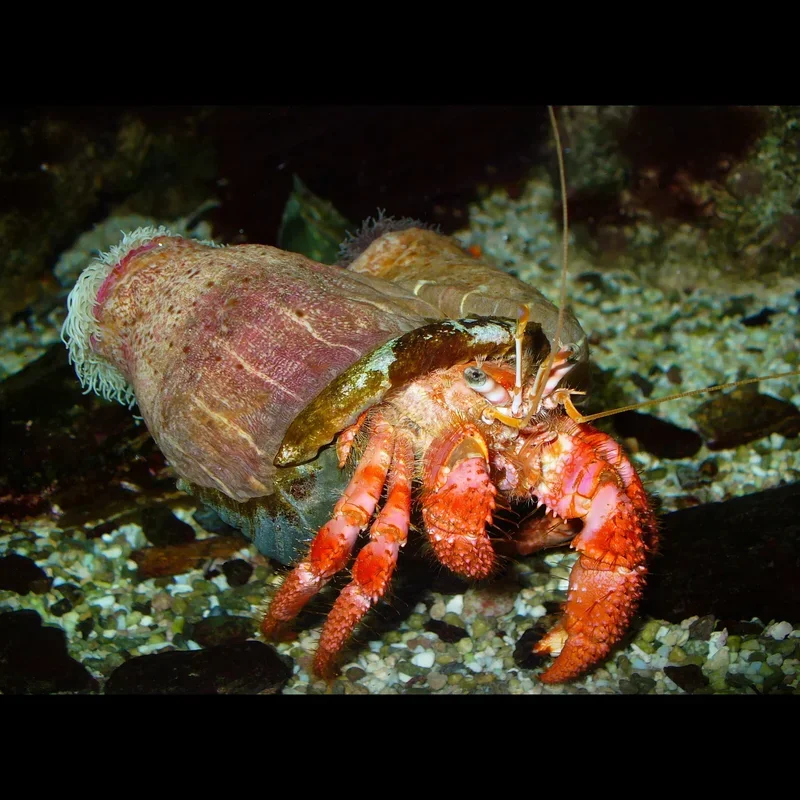
Hermit crabs are also common, scuttling amongst the rocks and rockweed, adding to the site's rich biodiversity.
Dive Sites Near Polly Cove
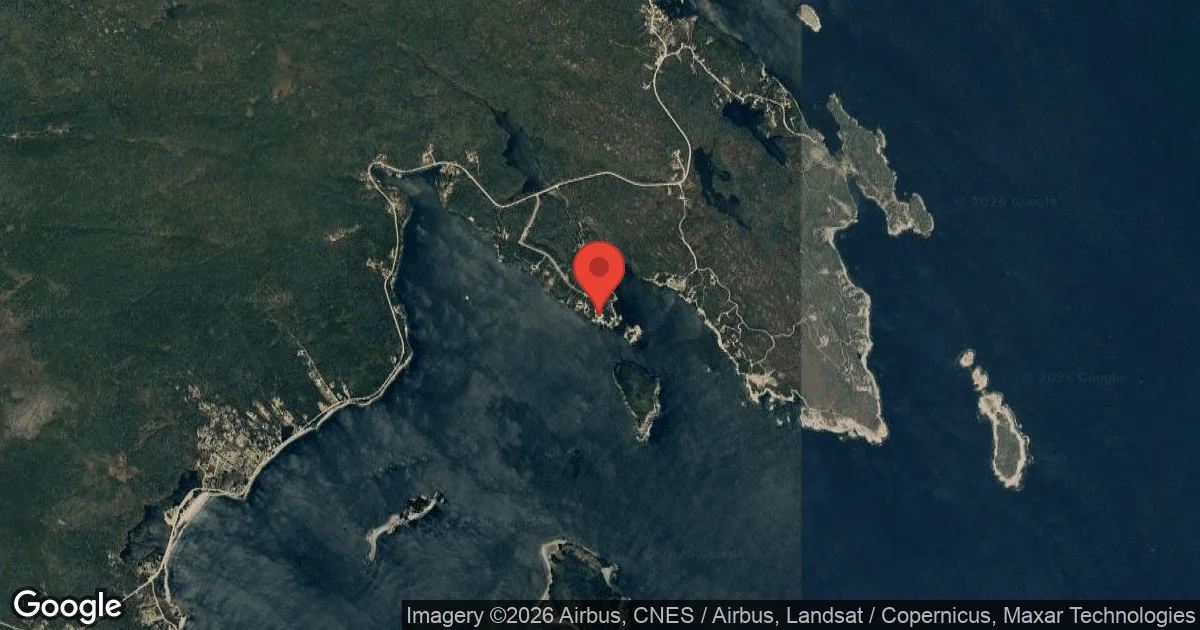
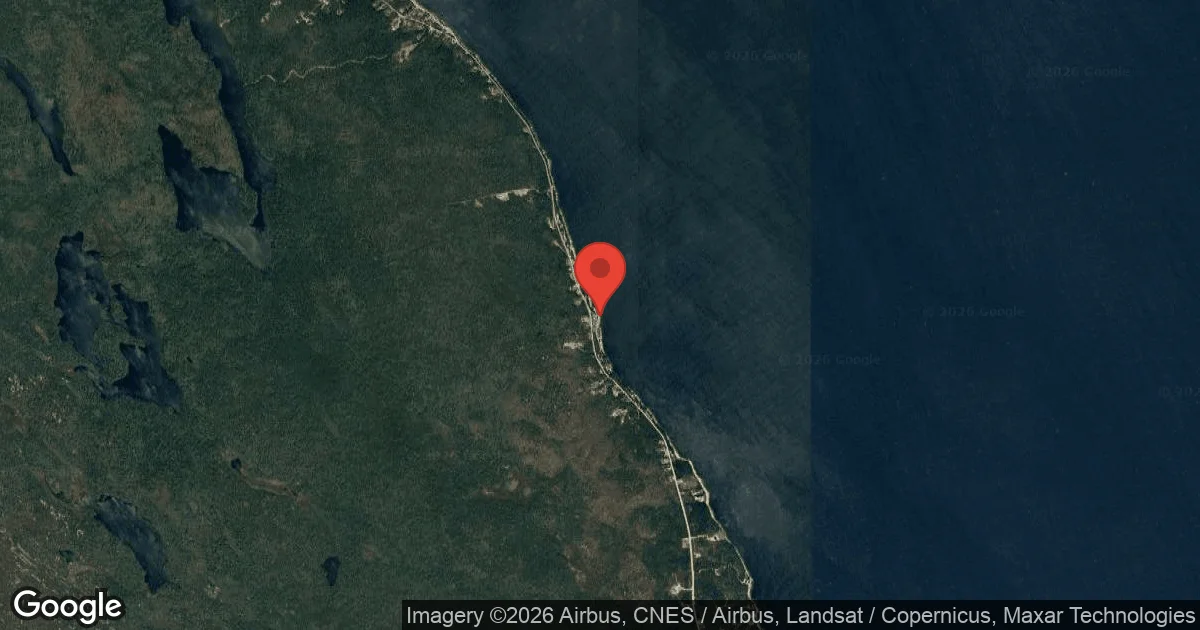
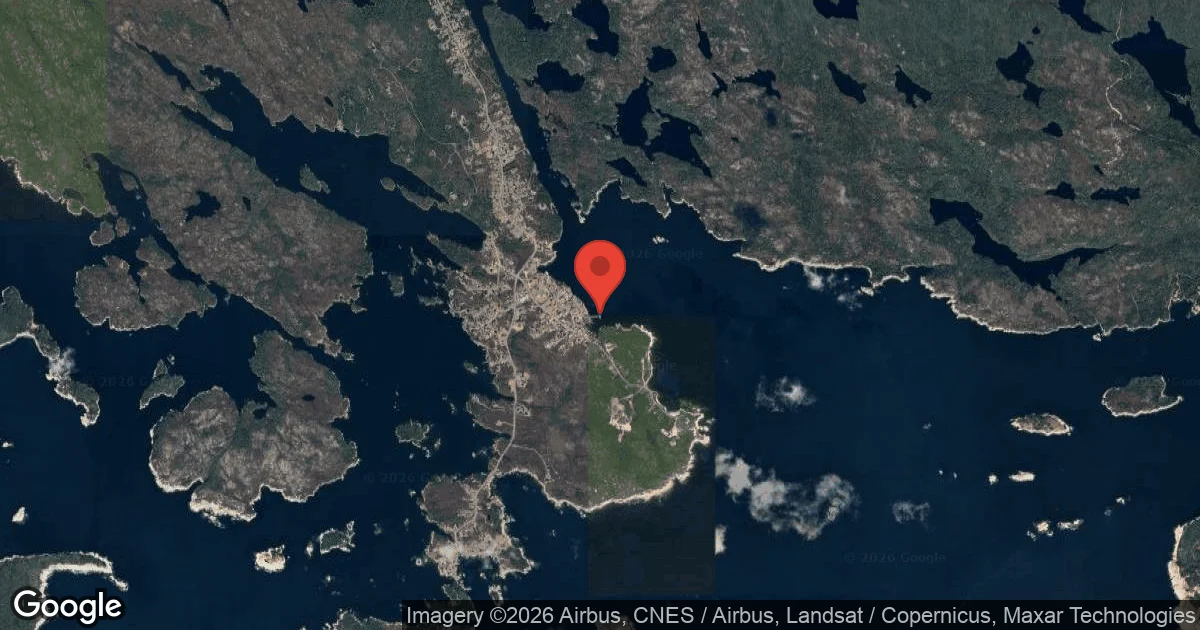
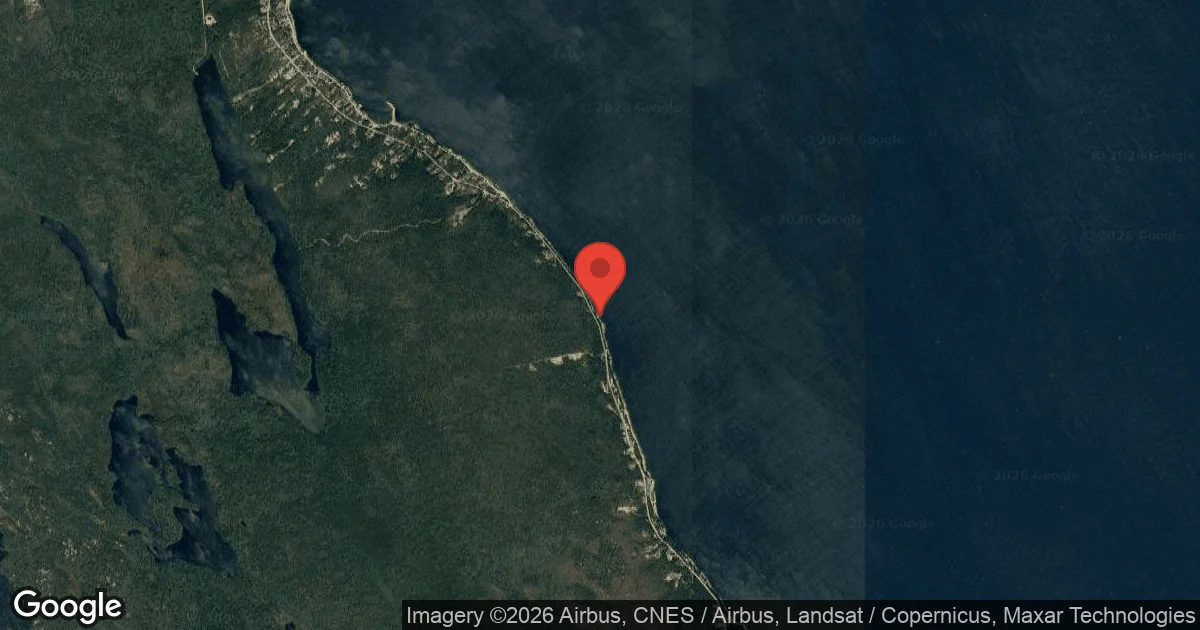
View all dive sites in CanadaDiscover more underwater gems in this area.
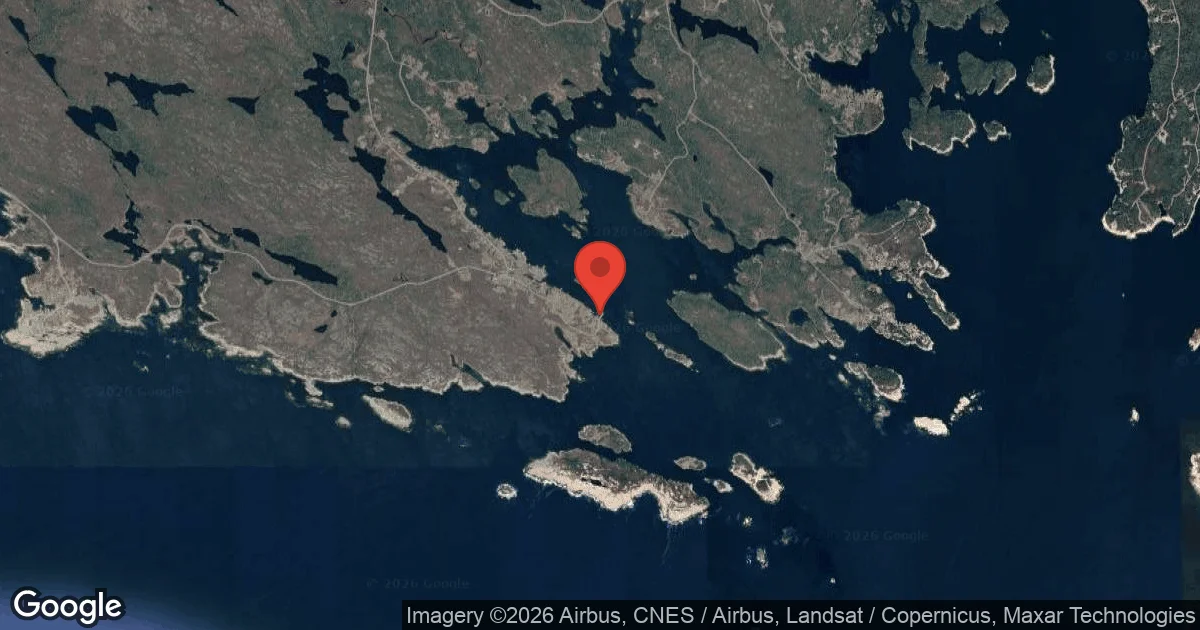
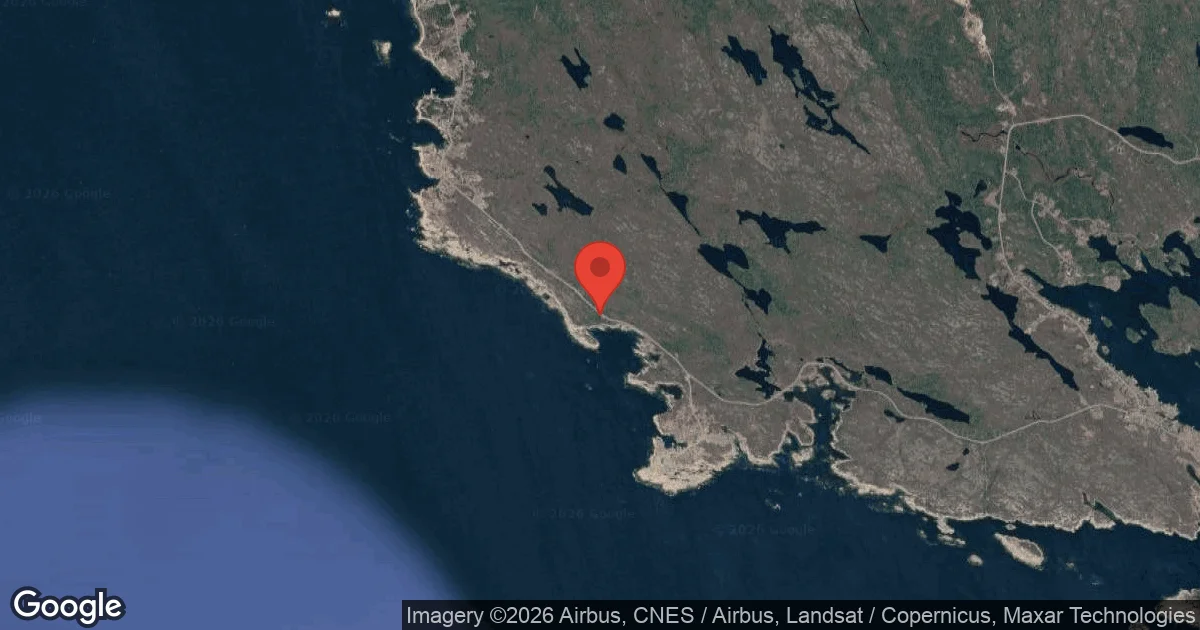
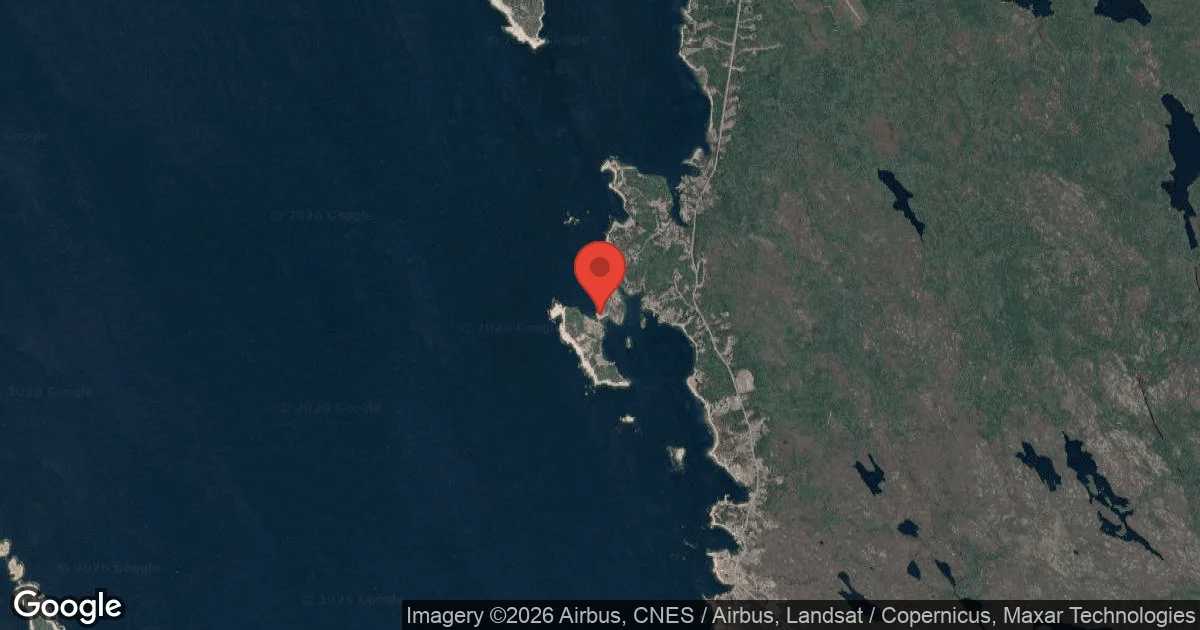
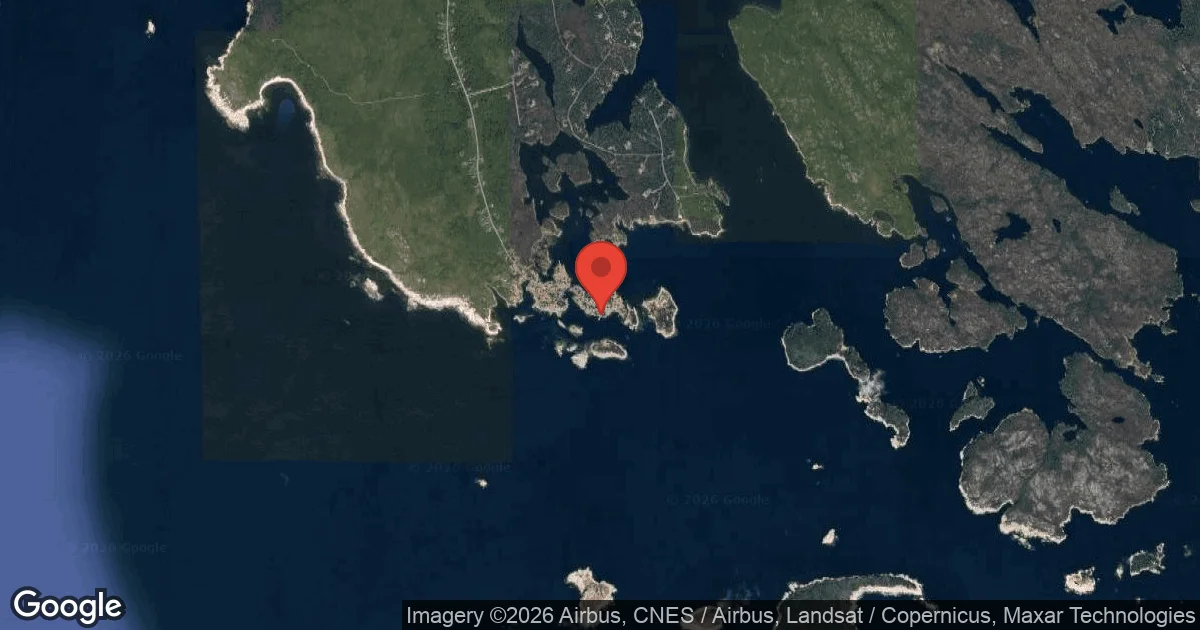
Dive Centers Near Polly Cove
Today: 09:00 - 21:00

Nearest Airports
Nearest airports to help plan travel to this dive area.
Search Flights
Check available flights and routes on Expedia, using the nearby airports listed in this section.
Search Flights on ExpediaFrequently Asked Questions
What is the maximum depth at Polly Cove?
The maximum depth encountered at Polly Cove is typically around 12 meters / 40 feet. Shallow areas near the entry can be as little as 1.2 meters / 4 feet, with a distinct vertical wall descending to the deeper sections.
Is Polly Cove suitable for novice divers?
Yes, Polly Cove is considered suitable for all levels of divers, including novices. Its moderate depths and sheltered nature make it an accessible site once the challenging entry is navigated.
How difficult is the entry and exit at Polly Cove?
The entry and exit are considered challenging due to a significant hike of about 550 meters / 0.34 miles along a potentially wet and steep "goat path." The shoreline itself features steep rocky cliffs and boulders.
Are there any facilities available at the dive site?
No, there are no restroom or other facilities directly at the Polly Cove dive site. Divers should plan accordingly and bring all necessary supplies.
What marine life can I expect to see at Polly Cove?
Divers commonly observe lobsters, crabs, sand dollars, pollock, and skate. Occasional sightings of lumpsuckers and abundant sand lances are also reported.
Is there any wreckage to explore at Polly Cove?
There was a historically noted unidentified boat wreckage in 7.6 meters / 25 feet of water. However, very little of it remains today due to natural ocean forces.
How can I achieve the best visibility at Polly Cove?
To optimize visibility, plan your dive during high slack tide. Visibility also tends to improve when winds are blowing offshore, minimizing surface chop and sediment disturbance.
Planning to dive Polly Cove?
Send one inquiry and receive offers directly from the best verified local dive operators.
Conditions are Good
Optimal conditions expected
Current conditions near Polly Cove show 17° air, 17° sea temperature, 0.9 m waves, and 36 km/h wind. Forecast data is refreshed regularly to ensure accuracy.