
Diving at West Dover Govt Wharf (Canada)
A small inlet provides the backdrop for West Dover Govt Wharf, creating a notably sheltered dive environment. This location naturally benefits from current dynamics that protect it from significant wind and wave action, establishing it as an accessible shore site. Conditions here are often calm, contributing to a relaxed diving experience suitable for various skill levels.
Evening condition tracking at West Dover Govt Wharf features an air temperature of 21.5°C. We have recorded wave heights measuring 1.6 m during this period. These figures outline the environmental parameters currently present.
Dive Site Location & Key Facts
Dive Site Overview
This dive site presents an intriguing blend of natural rock formations and historical remnants from local fishing activities. Considered an easy and engaging shore dive, it's well-suited for novice divers who can practice fundamental skills in calm waters, yet still offers points of interest for the experienced seeking relaxed exploration.
The site's sheltered nature within an inlet significantly mitigates exposure to harsh weather, leading to generally calm surface conditions, making entries and exits less challenging. Divers navigate through extensive large kelp formations that sway with gentle currents and expansive rock ledges, creating a diverse underwater topography. These structures typically host schools of fish, particularly vibrant during the warmer summer and fall months.
Beyond the natural beauty, the underwater landscape also incorporates various discarded items like gloves, bottles, and fishing gear, artifacts left by local fishermen that have formed interesting small habitats. The maximum depth encountered here typically ranges from 9 to 9.5 m (30 to 35 ft), making it an ideal environment for longer bottom times and extended exploration.
Its overall layout is straightforward, allowing most key points of interest to be thoroughly explored within a single dive, simplifying underwater navigation and making it a stress-free experience.
Conditions are Moderate
Optimal conditions expected
Current conditions near West Dover Govt Wharf show 21° air, 16° sea temperature, 1.4 m waves, and 37 km/h wind. Forecast data is refreshed regularly to ensure accuracy.
Best Time to Dive
Planning your dive around the late spring, summer, and early fall months often yields the most favorable conditions at West Dover Govt Wharf. Specifically, May, August, and September frequently present good dive scores, aligning with periods of milder weather. Air temperatures during these months typically range from around 9.5°C (49°F) in May, rising to an average of 18°C (64°F) in August, and settling at about 16.5°C (62°F) in September. Rainfall is also comparatively lower, with May averaging 2.5 mm and September seeing roughly 2.4 mm, which can contribute to better underwater clarity. These periods also align with observations of schools of fish congregating, enhancing the marine life experience. While specific water temperatures aren't consistently reported, the generally calmer wind (e.g., 19.9-20.7 km/h in summer) and lower wave heights during these seasons tend to improve overall dive comfort.
PEAK SEASON SCORE
Scores combine air & water temps, waves, wind & rainfall for overall conditions.
BEST MONTHS TO DIVE
Monthly records compiled from satellite and marine observation nodes over the last 3 years. Data provided by Open-Meteo and MET Norway.
Dive Experience & Conditions
Beginning your dive, the preferred entry point is a short but steep rock bank situated on the right side of the wharf. Upon descending, the immediate bottom composition near the entry and heading towards the mooring buoy often consists of silt, gradually transitioning to a mix of sand and small rocks further out. A mooring buoy, a key navigation marker, is positioned approximately 45.7 m (150 ft) from the entry/exit point, anchored at a depth of about 9 m (30 ft). From this buoy, a prominent rock wall extends roughly parallel to the shoreline. Visibility here can frequently be between 9 to 12 m (30 to 40 ft), though it varies significantly depending on recent weather, rain runoff, and tidal movements. Improved visibility is often observed during slack high tide. The site's inherent shelter means divers typically encounter calmer waters.
Dive Difficulty & Safety Guidelines
While accessible to novice divers, understanding specific site guidelines ensures a safe experience. Be continuously aware of boat traffic, as the wharf remains an active base for fishermen. Entry via the short, steep rock bank is generally recommended; however, a giant stride entry directly from the wharf itself is not advisable, particularly during low tide, due to the shallow water directly beneath.
Once underwater, exercise buoyancy control to avoid disturbing the silty bottom near the wharf, which can reduce visibility for yourself and others. Parking is limited on the government wharf, so it's best practice to drop off gear and buddies at the site before parking your vehicle on the wider shoulder area of West Dover Road up the hill.
There are no dedicated restroom facilities on site, but local restaurants and a convenience store are nearby. In an emergency, the plan involves exiting the water via the beach and proceeding to the parking lot.
Recommended Equipment
- Dive Computer
This gear list is based on verified equipment signals for West Dover Govt Wharf, Canada. Always confirm final gear choices with your dive operator, guide, or liveaboard.
Recommended Dive Suit
Recent conditions suggest the water at West Dover Govt Wharf remains near 16°C (60°F), offering typical conditions for the area. Surface air temperatures are resting at 21°C (71°F).
The forecast outlook suggests that temperatures will stay close to current levels.
Divers who prefer moderate insulation typically choose 5-7mm wetsuit in similar environments. Consider warmer surface protection (like a boat coat) due to brisk winds. Surface intervals may feel cooler. Many experienced divers adjust their exposure protection depending on the type of dive planned. Stronger winds may also make surface intervals feel cooler than usual.
Emergency & Medical Support
Essential information to help you plan your dive trip to West Dover Govt Wharf.

Hyperbaric chambers are a critical part of dive safety infrastructure. Availability varies significantly by region, and not all dive areas have immediate access.
Before diving, it's recommended to:
- confirm nearest medical facilities
- check emergency procedures with local dive operators
- ensure dive insurance covers evacuation if required
Divers Alert Network
Diving emergency assistance available through DAN World.
+1-919-684-9111- 24/7 emergency hotline
- Diving medical assistance
- Evacuation coordination
Emergency contacts are provided for reference. Always verify local emergency services before diving.
Marine Life at West Dover Govt Wharf
The underwater landscape here is characterized by extensive kelp formations and large rock ledges, providing vital habitat for local species. These structures create numerous hiding spots and feeding grounds.
Divers frequently observe schools of fish, particularly vibrant during the warmer summer and fall months. While specific species beyond fish aren't detailed for West Dover, the rock and kelp environments generally support various crustaceans and smaller invertebrates, contributing to the site's ecological fabric.
The interaction of these natural features with the fishing debris also creates interesting micro-habitats.
Dive Sites Near West Dover Govt Wharf
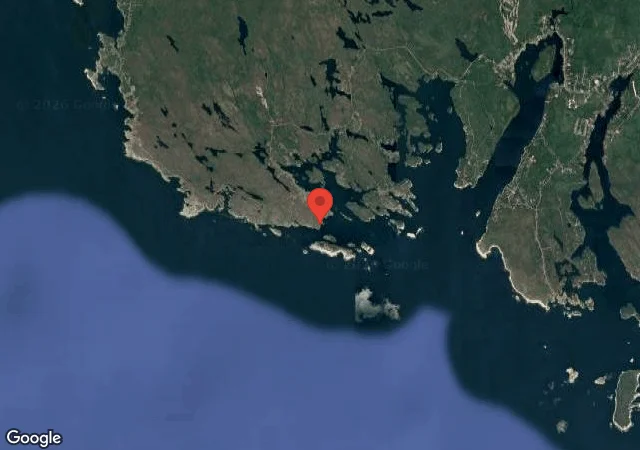
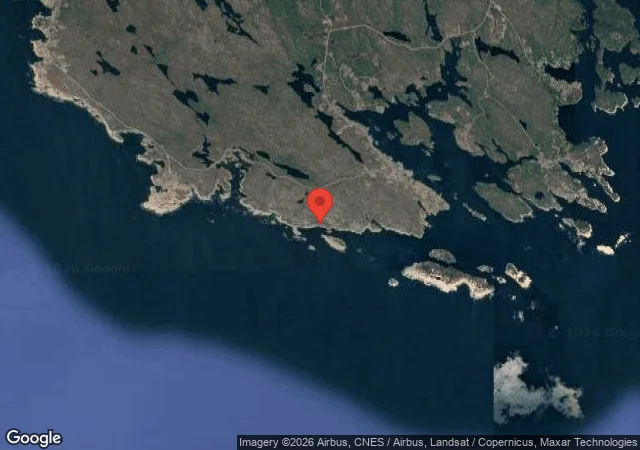
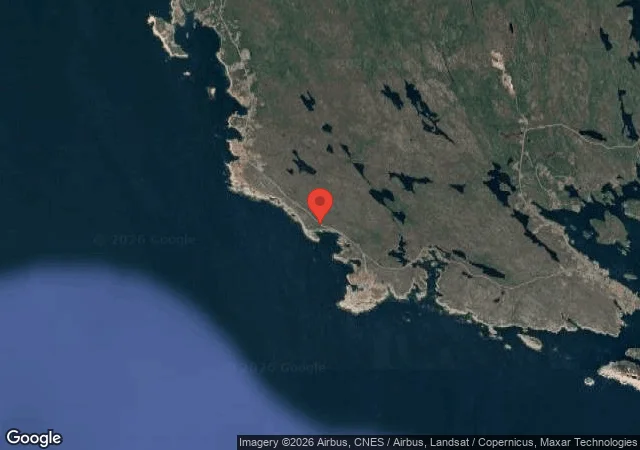
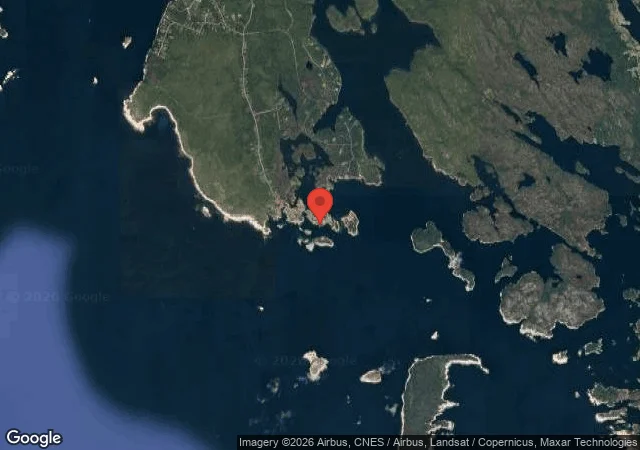
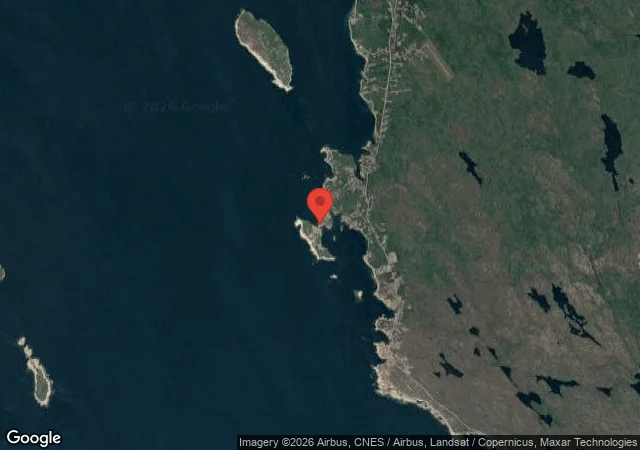
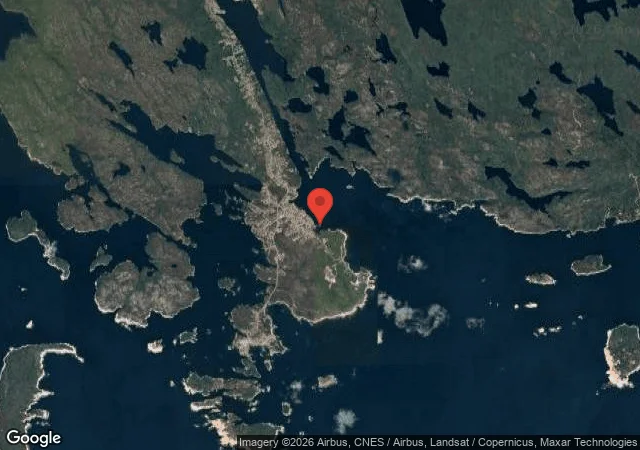
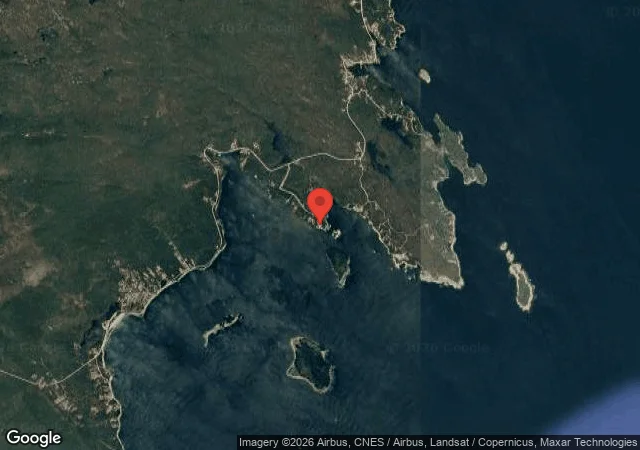
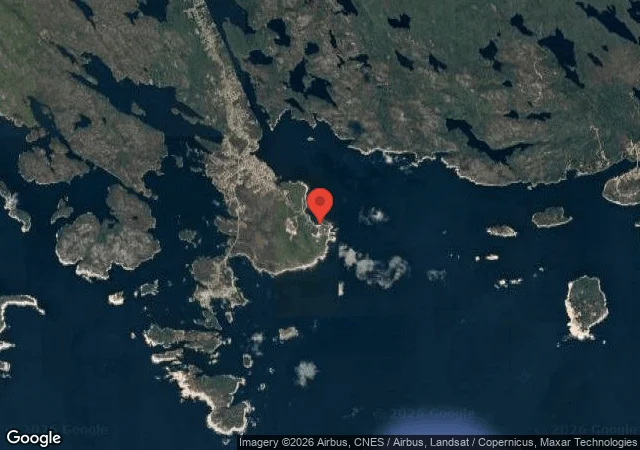
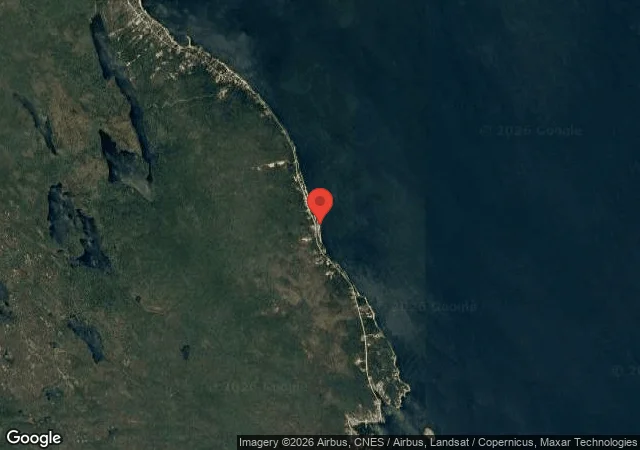
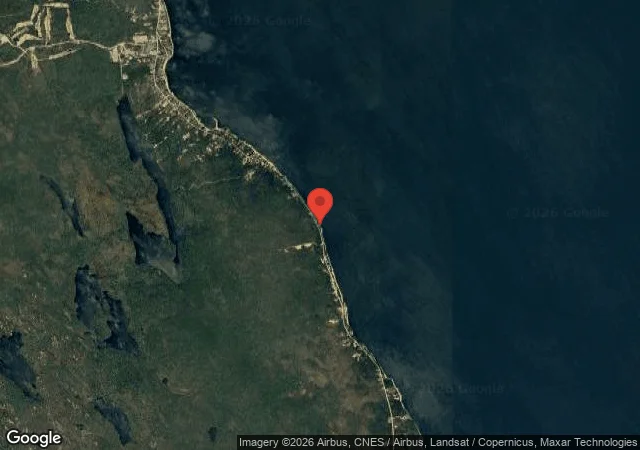
View all dive sites in CanadaDiscover more underwater gems in this area.
Dive Centers Near West Dover Govt Wharf
Today: 09:00 - 18:00
Nearest Airports
Nearest airports to help plan travel to this dive area.
Search Flights
Check available flights and routes on Expedia, using the nearby airports listed in this section.
Search Flights on ExpediaFrequently Asked Questions
What certification level is suitable for West Dover Govt Wharf?
This site is ideal for novice divers due to its ease of navigation and sheltered conditions. Experienced divers also find it appealing for its unique features and relaxed environment.
What are the typical depth and visibility at this dive site?
The maximum depth ranges from 9 to 9.5 m (30 to 35 ft). Visibility can often be between 9 to 12 m (30 to 40 ft), though it is subject to influences like weather and tides, with slack high tide often offering improved clarity.
Is the West Dover Govt Wharf dive site exposed to open ocean conditions?
No, a small inlet shelters the site from strong winds and waves. This results in generally calm surface conditions and a more predictable dive experience.
What are the main points of interest underwater?
Divers can explore large kelp formations, rock ledges, and the wharf pilings. A mooring buoy and a rock wall running parallel to the shore serve as natural navigation aids. You may also find various items discarded by local fishermen.
What is the recommended entry and exit procedure?
The preferred entry and exit point is a short, steep rock bank on the right side of the wharf. A giant stride entry from the wharf itself is not recommended due to shallow water, especially during low tide.
What marine life can I expect to see at West Dover Govt Wharf?
The site is known for schools of fish, particularly active during the summer and fall. The kelp and rock structures provide habitat for various smaller marine organisms, though specific species beyond fish are not consistently reported for this location.
Are there any specific safety considerations for this dive?
Divers should always be aware of active boat traffic around the wharf. It's also important to manage buoyancy to avoid stirring up silt near the entry point. Parking can be challenging, so plan to drop off gear and then park your vehicle on the main road's shoulder.
Planning to dive West Dover Govt Wharf?
Send one inquiry and receive offers directly from the best verified local dive operators.
Conditions are Moderate
Optimal conditions expected
Current conditions near West Dover Govt Wharf show 21° air, 16° sea temperature, 1.4 m waves, and 37 km/h wind. Forecast data is refreshed regularly to ensure accuracy.