
Diving at Paradise (Costa Rica)
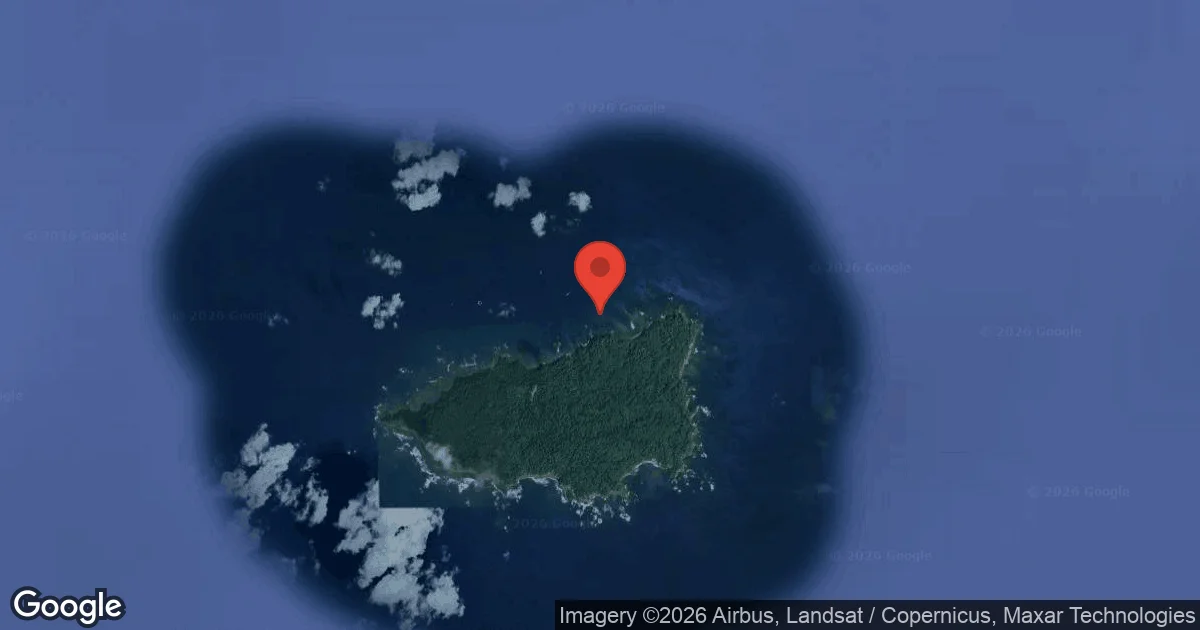
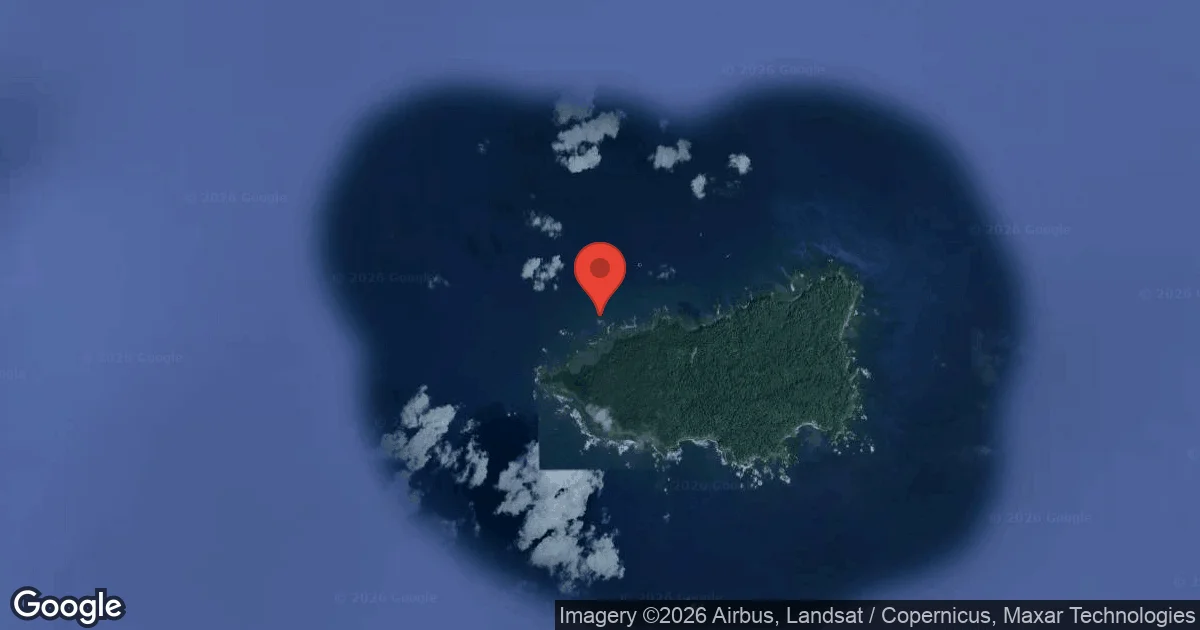
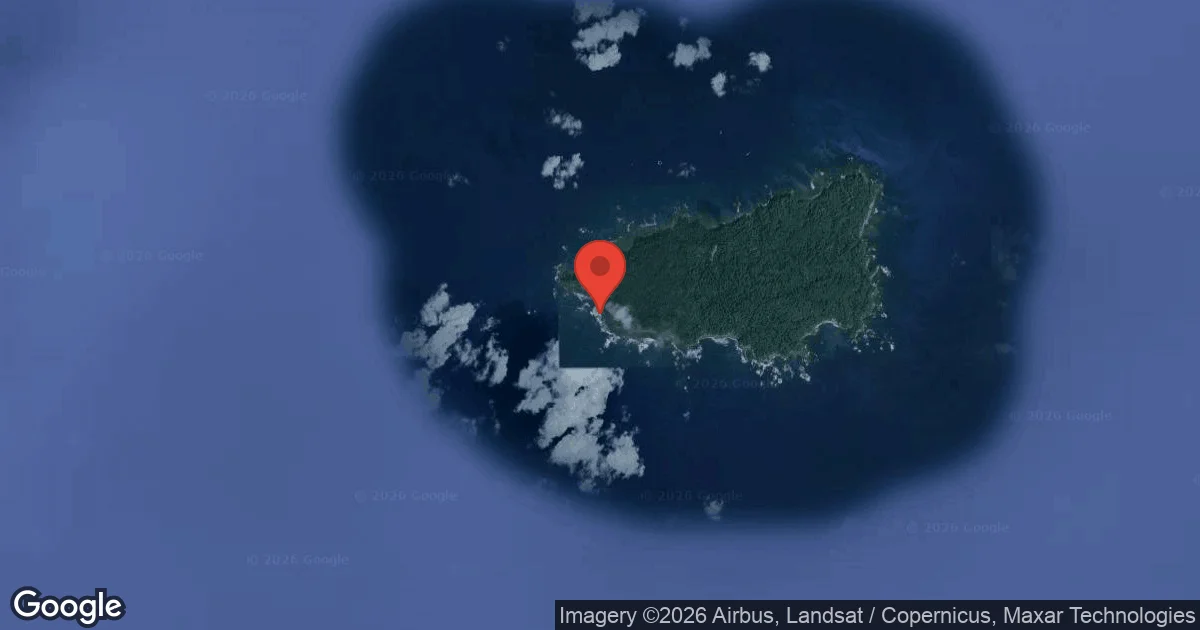
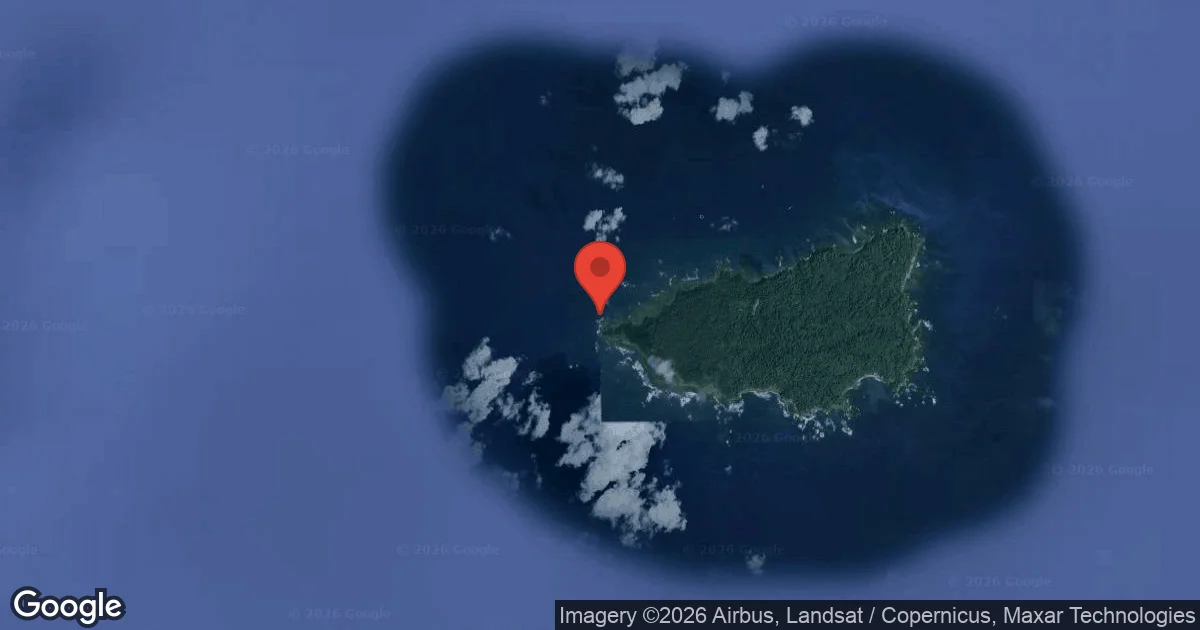
Paradise, situated off Costa Rica's Osa Peninsula, is characterized by its volcanic lava formations and a vibrant reef system. This site presents a dynamic underwater landscape, where rocky pinnacles and overhangs provide shelter and structure. Divers will find themselves exploring these natural formations, which act as a congregation point for a rich diversity of marine species. Its proximity to Caño Island means divers can expect a protected environment, contributing to its lively ecosystem.
Evening condition tracking at Paradise features an air temperature of 29°C. We have recorded wave heights measuring 1.2 m during this period. These figures outline the environmental parameters currently present.
Dive Site Location & Key Facts
Dive Site Overview
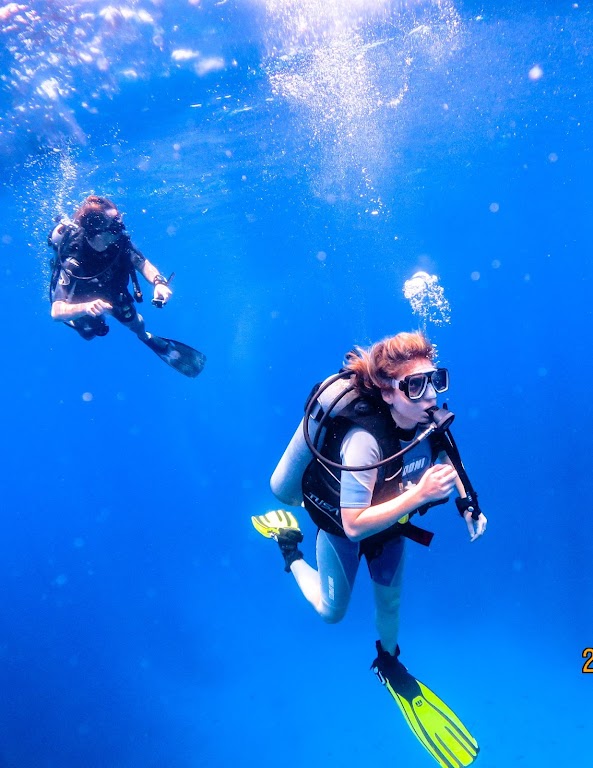
Exploring Paradise often brings divers into an immediate, active marine environment, presenting a dynamic experience from the moment of descent. Marked as both a drift and reef dive, the site consistently involves navigating prevailing currents while observing its resident fauna.
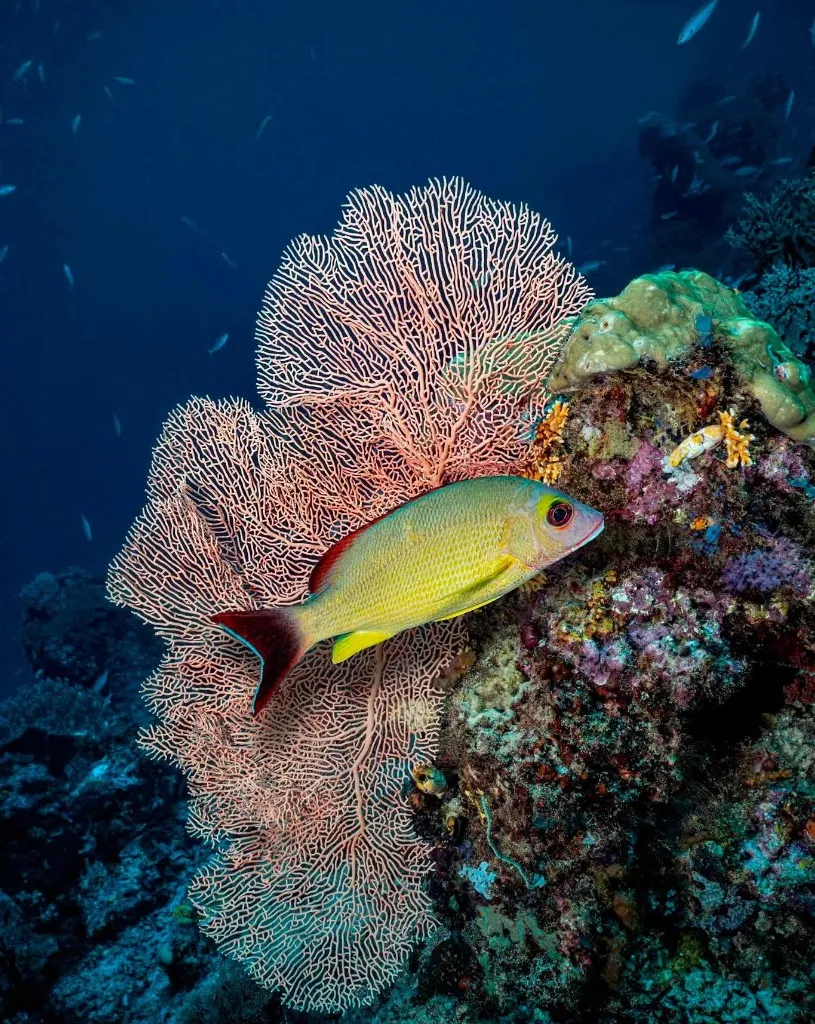
These currents, which can range from mild to moderate, shape the dive profile, allowing divers to glide effortlessly along extensive reef structures and past volcanic rock formations. Schools of blue-striped snappers and grunts frequently dominate the reef, creating dense, shimmering formations that move in unison with the water's flow, often obscuring the underlying hard corals with their numbers.
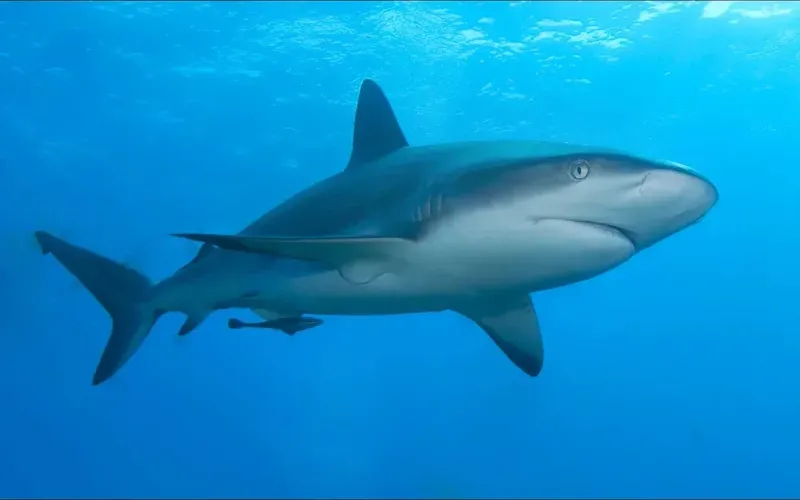
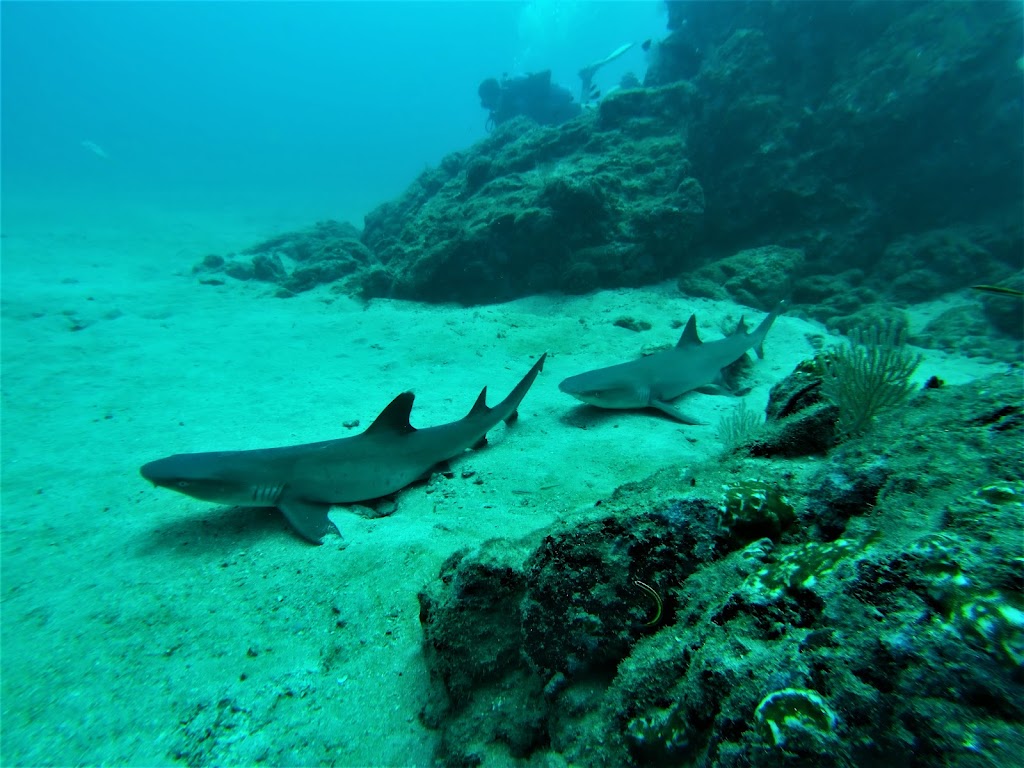
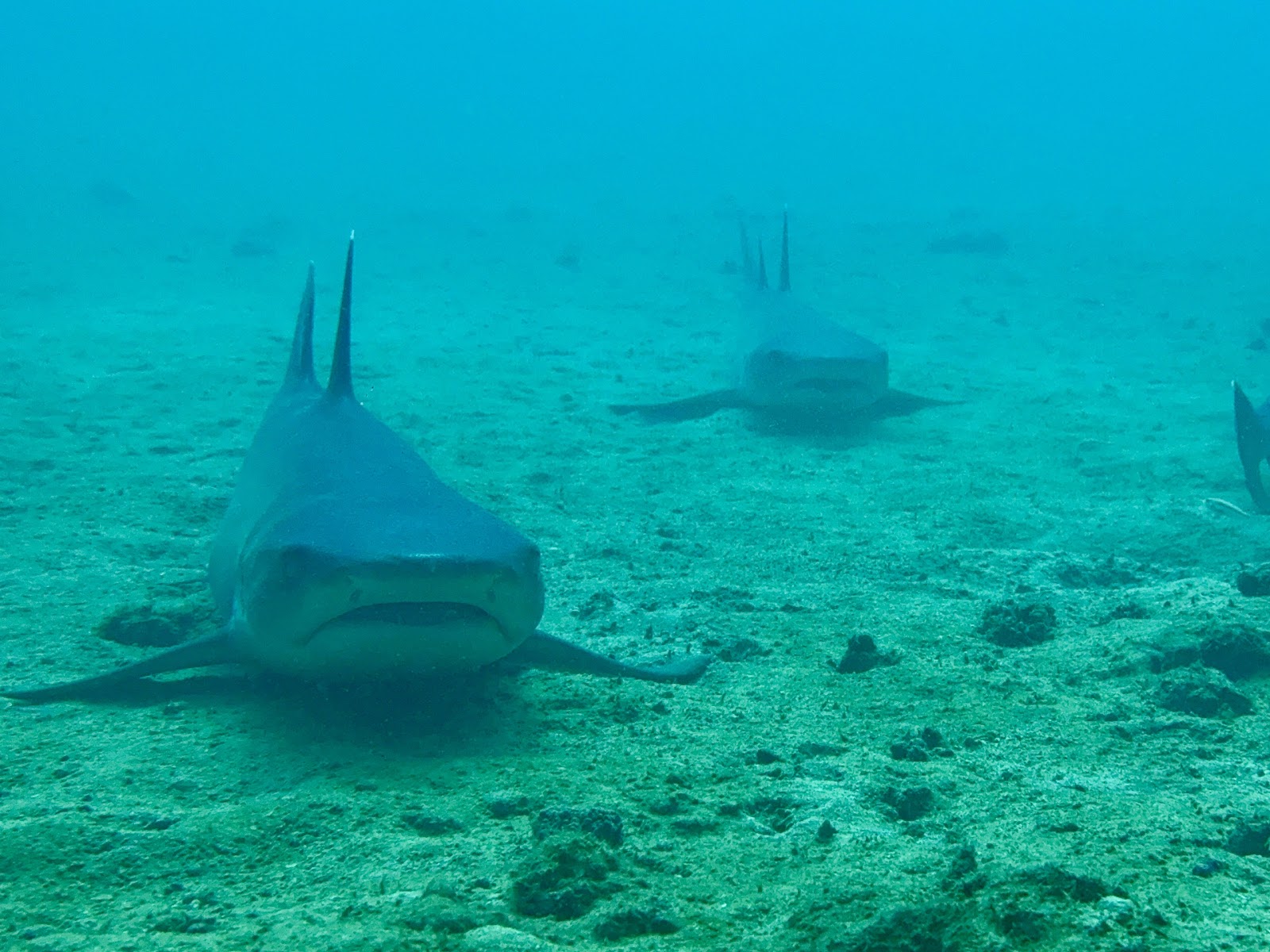
Open water encounters are a significant draw; large schools of mobula rays, sometimes numbering 50 to 60 individuals, gracefully glide through the blue, offering impressive displays of coordinated movement. Divers typically spot reef sharks actively patrolling the edges of the reef, their silhouettes cutting through the water, while white tip sharks are often found resting under protective rock overhangs, camouflaged within the crevices.
A continuous flow of encounters, from intricate tropical species nestled within the reef to powerful pelagics cruising the blue, ensures each visit feels distinct and full of potential. Managing these variable conditions and currents here requires intermediate diving skill, emphasizing good buoyancy control and efficient finning techniques.
This approach ensures rewarding exploration of a truly vibrant and often surprising ecosystem. Navigating these underwater landscapes, divers comfortably experience depths within recreational limits, typically around 20 m (60 ft) to 25 m (85 ft), allowing ample bottom time for observation and photography.
Conditions are Good
Optimal conditions expected
Current conditions near Paradise show 29° air, 30° sea temperature, 1.1 m waves, and 17 km/h wind. Forecast data is refreshed regularly to ensure accuracy.
Best Time to Dive
Planning a dive at Paradise benefits from understanding the seasonal shifts, particularly in rainfall. The "Good" dive season, generally running from December through April, experiences significantly lower average rainfall, ranging from approximately 0.99 mm in January to 4.21 mm in April. During these months, average air temperatures are comfortable, fluctuating between 27°C (81°F) and 28.5°C (83°F), and wave heights are typically lower, contributing to better overall diving conditions. Conversely, the "Moderate" season, from May to November, sees increased rainfall, peaking at around 19.19 mm in October, alongside higher wave activity. Water temperatures in this region are not consistently reported in the system data, but typically remain warm, often ranging from 22-27°C (72-81°F) year-round, ensuring thermal comfort for most divers.
PEAK SEASON SCORE
Scores combine air & water temps, waves, wind & rainfall for overall conditions.
BEST MONTHS TO DIVE
Monthly records compiled from satellite and marine observation nodes over the last 3 years. Data provided by Open-Meteo and MET Norway.
Dive Experience & Conditions
The dive site typically reaches depths of 20 meters (60 feet), with some areas extending to around 25 meters (85 feet), catering well to intermediate divers. While exploring these depths, divers will experience the characteristic currents that define Paradise as a drift dive. These currents vary in intensity and can influence the dive plan. Thermals are also a noted condition, causing slight temperature fluctuations within the water column. Visibility can be quite dynamic; under calm, clear conditions, it might extend up to 30 meters (100 feet). However, depending on sea state, visibility can decrease to 5 meters (15 feet), requiring divers to maintain situational awareness and adapt to changing underwater perspectives.
Dive Difficulty & Safety Guidelines
Diving at Paradise requires a mindful approach due to its currents and variable visibility. The presence of currents means divers should possess intermediate experience, comfortable with drift diving techniques and managing potential surges. Maintaining good buoyancy control is crucial, especially when navigating around the volcanic rock formations and reef structures to avoid accidental contact.
While not consistently reported as a primary hazard, thermals can lead to sudden, minor temperature changes, which are generally manageable. Always consult with local dive operators regarding current conditions before entering the water, as site behavior can fluctuate daily based on sea state and weather patterns. Adhering to dive plans and staying with your buddy or group ensures a safer experience.
Recommended Equipment
Current and surface separation risk. Local briefing strongly recommended.
- Dive Computer
- DSMB
- Reel / Spool
This gear list is based on verified equipment signals for Paradise, Costa Rica. Always confirm final gear choices with your dive operator, guide, or liveaboard.
Recommended Dive Suit
Recent conditions suggest the water at Paradise remains near 30°C (86°F), offering typical conditions for the area. Surface air temperatures are resting at 29°C (85°F).
Forecast models indicate that diving conditions should remain largely unchanged.
In water temperatures like these, dive skin or rash guard typically offers sufficient warmth for most recreational dives. Some divers naturally tolerate cooler water better than others.
Emergency & Medical Support
Essential information to help you plan your dive trip to Paradise.

Hyperbaric chambers are a critical part of dive safety infrastructure. Availability varies significantly by region, and not all dive areas have immediate access.
Before diving, it's recommended to:
- confirm nearest medical facilities
- check emergency procedures with local dive operators
- ensure dive insurance covers evacuation if required
Divers Alert Network
Diving emergency assistance available through DAN World.
+1-919-684-9111- 24/7 emergency hotline
- Diving medical assistance
- Evacuation coordination
Emergency contacts are provided for reference. Always verify local emergency services before diving.
Marine Life at Paradise
The underwater landscape at Paradise truly comes alive with diverse marine activity. This site is particularly notable for large aggregations of blue-striped snappers and dog tooth snappers.
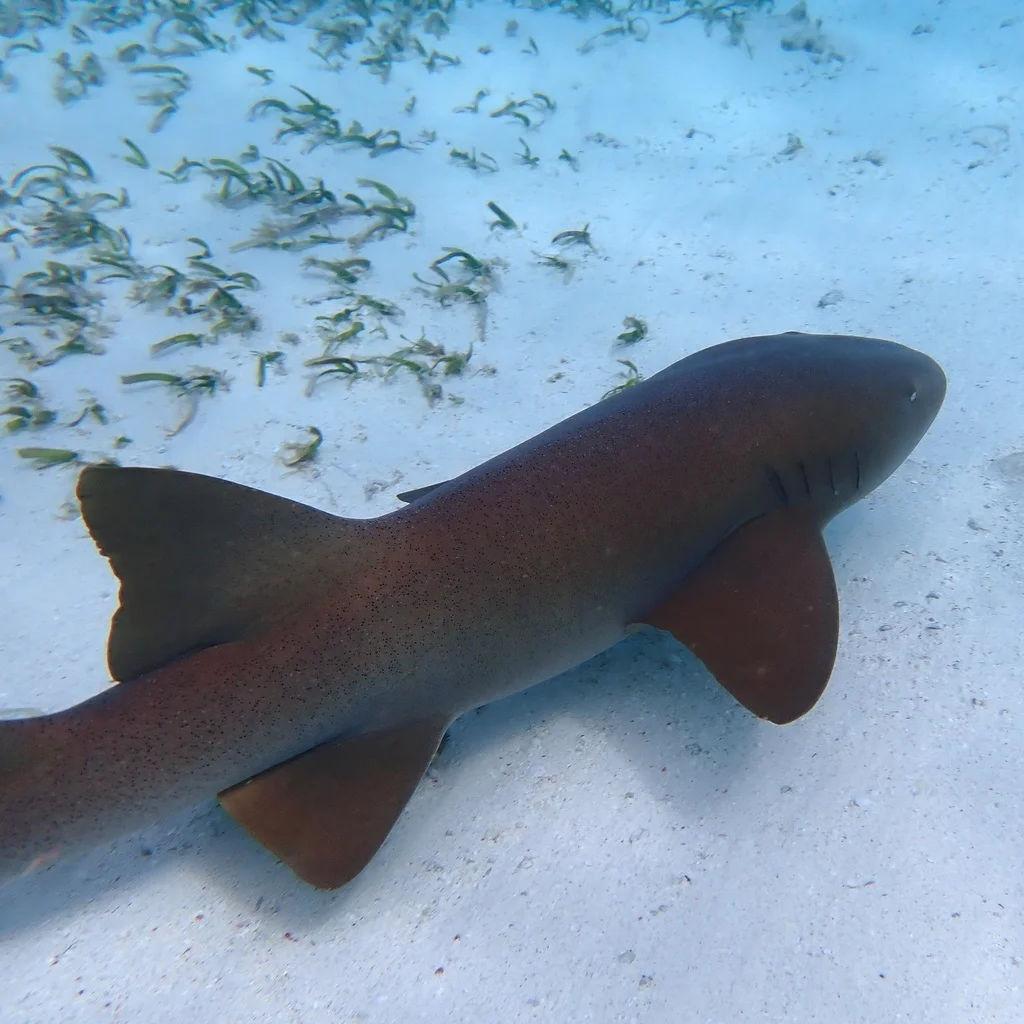
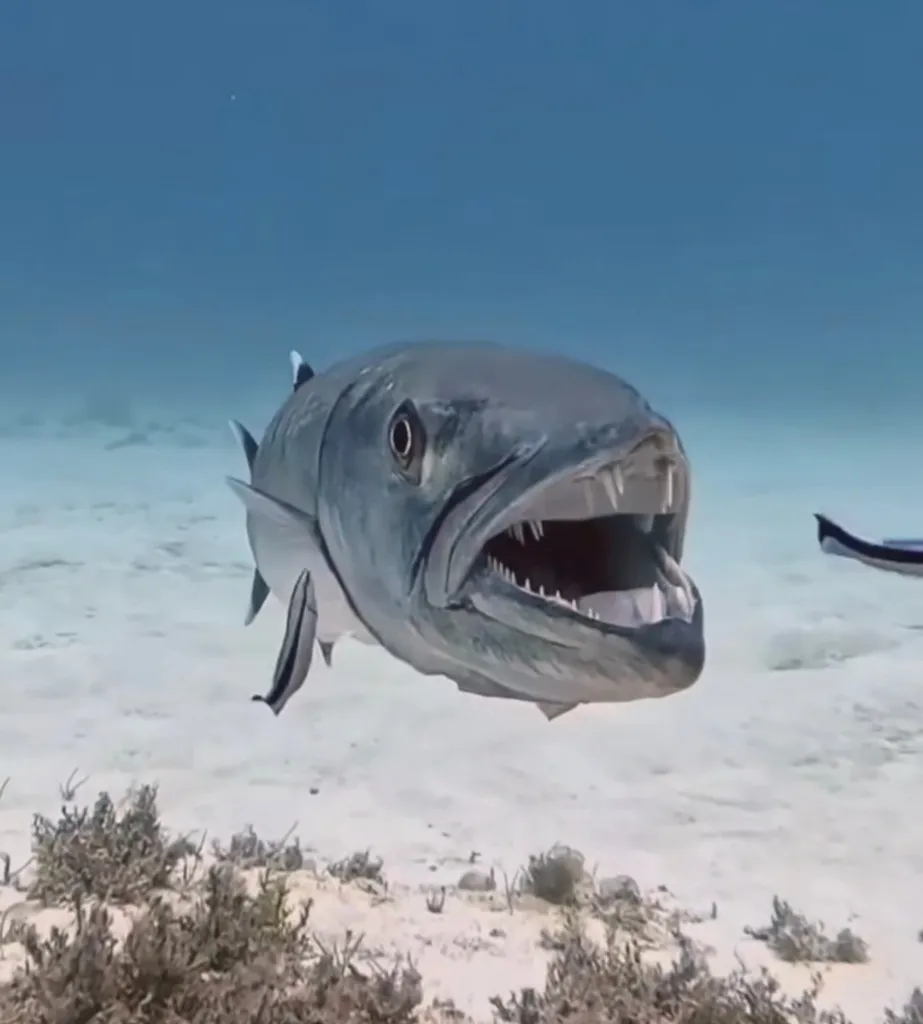
Divers frequently encounter schools of barracudas and horse-eye jacks, often circling the volcanic structures. Look for white tip reef sharks and nurse sharks, with groups of over 20 observed resting under rock overhangs.
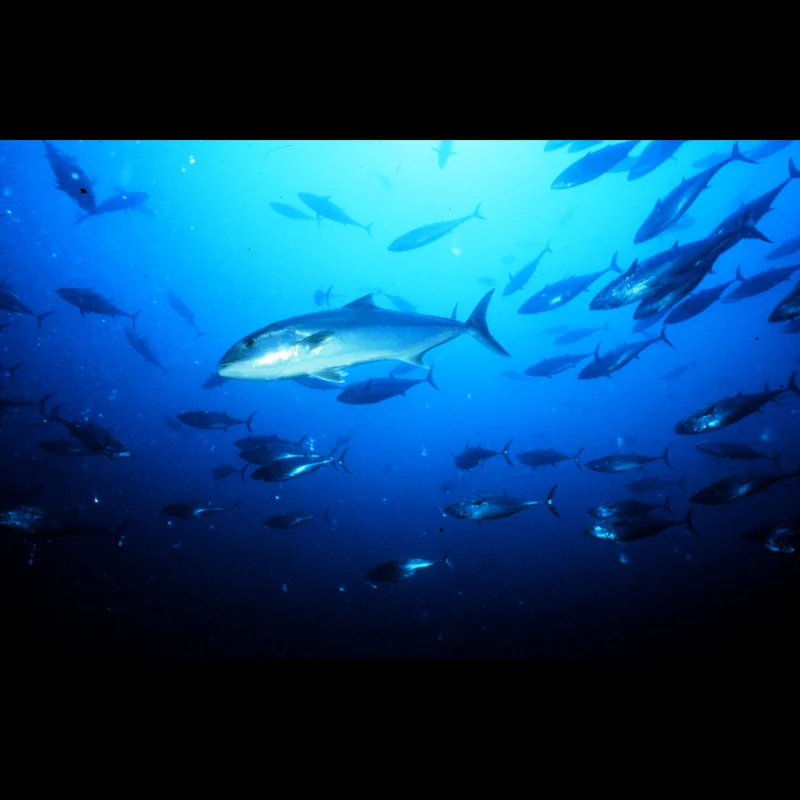
The giant amberjacks here are known for their curiosity, occasionally approaching divers. Tropical reef fish like parrotfish, triggers, and puffers are also common, adding bursts of color against the reef. On occasion, divers might witness mobula rays in significant numbers.
Dive Sites Near Paradise
View all dive sites in Costa RicaDiscover more underwater gems in this area.
Dive Centers Near Paradise
Today: 00:30 - 18:30
Nearest Airports
Nearest airports to help plan travel to this dive area.
Search Flights
Check available flights and routes on Expedia, using the nearby airports listed in this section.
Search Flights on ExpediaFrequently Asked Questions
What is the typical depth at Paradise?
The typical depth range at Paradise is around 20 meters (60 feet), though some areas can extend a bit deeper, reaching approximately 25 meters (85 feet). It's a site well within recreational diving limits.
What kind of marine life can I expect to see?
You can expect a rich variety of marine life, including large schools of blue-striped snappers, barracudas, and grunts. It's also a good spot to see white tip reef sharks, nurse sharks, giant amberjacks, and occasionally large schools of mobula rays.
Is Paradise suitable for beginner divers?
Paradise is generally recommended for intermediate divers due to the presence of currents and thermals. Divers should be comfortable with drift diving techniques and have good buoyancy control.
What are the usual visibility conditions?
Visibility at Paradise can be variable. On good, calm days, it can reach up to 30 meters (100 feet). However, depending on sea conditions, visibility might decrease to 5 meters (15 feet).
Are there currents at this site?
Yes, Paradise is known for its currents, making it a popular drift dive. The intensity of these currents can vary, so being proficient in drift diving is beneficial.
When is the optimal time to dive Paradise?
The optimal time for diving Paradise is typically from December to April, which is the drier season. During these months, there's less rainfall and generally calmer sea conditions, leading to better visibility.
What are the predominant dive types at Paradise?
The main dive types at Paradise are reef diving, exploring its volcanic formations, and drift diving, leveraging the prevailing currents to cover more ground along the reef.
Planning to dive Paradise?
Send one inquiry and receive offers directly from the best verified local dive operators.
Conditions are Good
Optimal conditions expected
Current conditions near Paradise show 29° air, 30° sea temperature, 1.1 m waves, and 17 km/h wind. Forecast data is refreshed regularly to ensure accuracy.