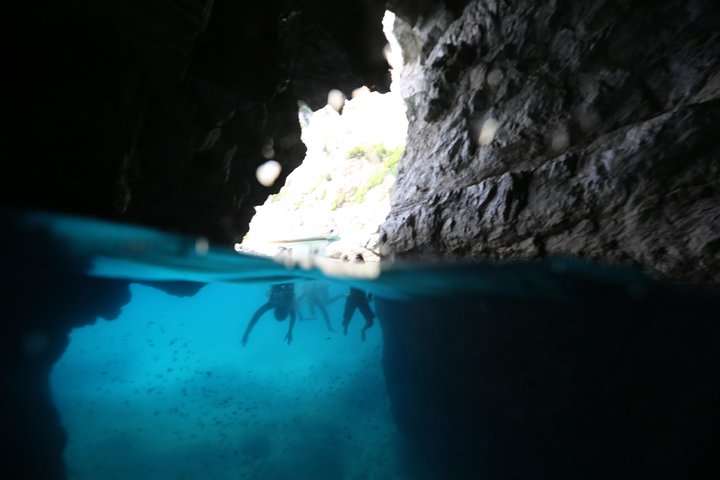
Loading...

Diving at Supetar Islet Roman Wreck (Croatia)
Published
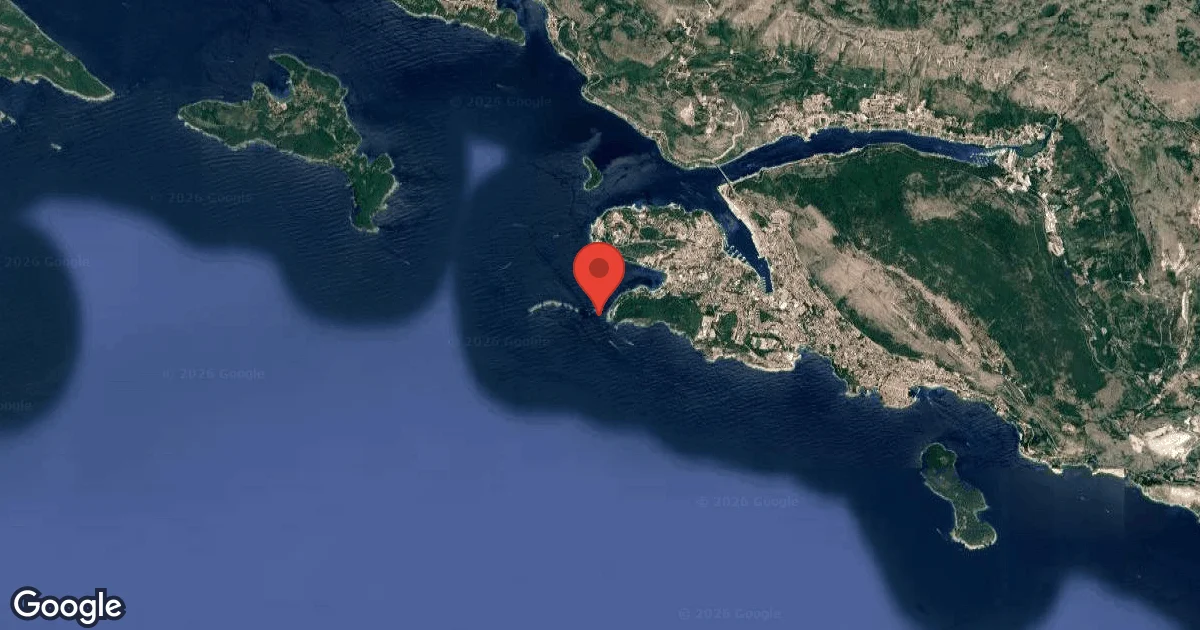
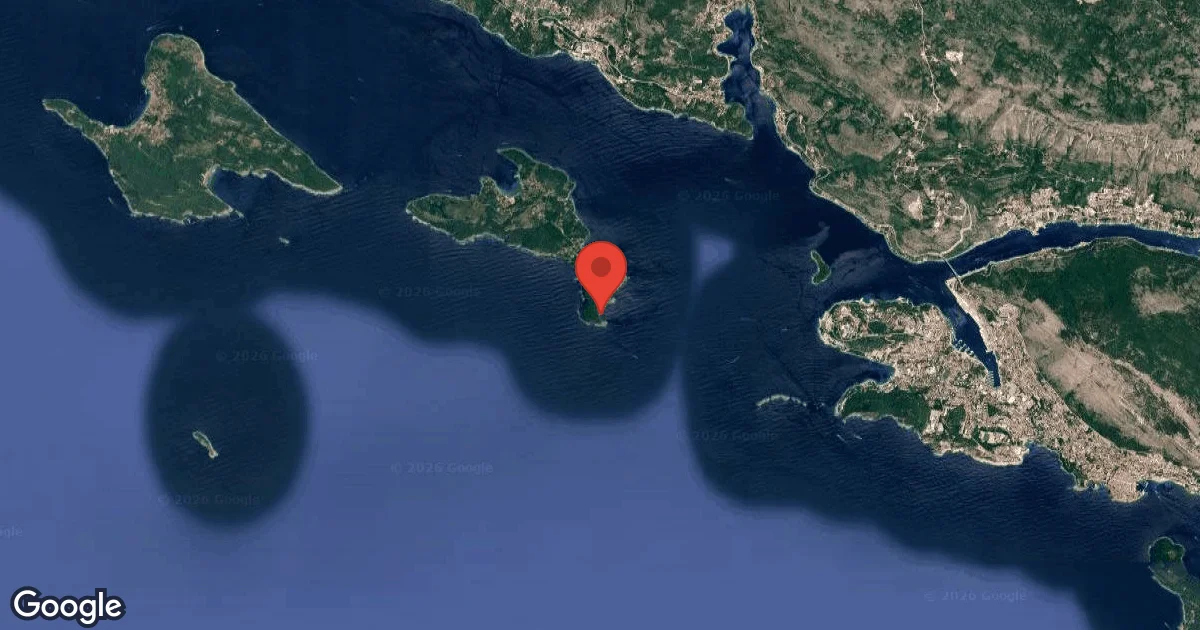
Just minutes outside historic Cavtat—ancient Roman Epidaurum—over 1,200 intact North African cylindrical amphorae lie stacked in breathtaking formation at 30 meters beneath one of the Mediterranean's most impressive underwater museum cages.
Early observations for Supetar Islet Roman Wreck report a surface air temperature of 15°C. The water surface is currently presenting wave heights of 0.9 m. Consider these environmental metrics before beginning your descent.
Dive Site Location & Key Facts
Site Characteristics
Max Depth30m / 98ft
Entry Typeboat
Water Typesalt
Dive Types
ArchaeologicalDeepWreck
Dive Site Overview
In Roman antiquity, scenic Cavtat harbor was the thriving colony of Epidaurum, a major southern Dalmatian port receiving wine, olive oil, and fish sauce from across the Empire. Near Supetar Islet and the submerged reef of Šuperka at the harbor approaches, a heavily laden 3rd-to-4th-century AD merchantman foundered and settled upright onto a flat sandy seabed at 27 to 30 meters.
What awaits divers on the seafloor is staggering in scale: an estimated 1,200 to 1,500 North African cylindrical Keay XXV amphorae—alongside globular Late Roman 2 jars—still arranged in coherent cargo tiers mirroring the vanished wooden hull's hold, with over 600 complete vessels immediately visible on the upper surface layer alone.
To preserve one of the largest and best-preserved late-antique cargoes in the entire Adriatic and Mediterranean without stripping the seabed, Croatian underwater archaeologists installed a monumental modular steel cage over the mound in 1998 under national heritage registry code Z-56.
Cruising effortlessly just outside and above the wide grid bars in clear southern Dalmatian water, divers look straight down onto endless interlocking rows of slender terracotta cylinders transformed over seventeen centuries into a living reef.
Supetar Islet Roman Wreck
Conditions are Poor
3/10
Confidence: 8/10
Indicates meteorological model agreement and data availability.
DIVE WARNING
High Wind Advisory (49km/h). Unsafe surface.
06:12
18:45
H: 10:45
L: 16:20
Air / Sea Temp
15° / 19°
Wave Height
1.8 m
Wind Speed
49 km/h N
Rain Chance
100%
Current conditions near Supetar Islet Roman Wreck show 15° air, 19° sea temperature, 1.8 m waves, and 49 km/h wind. Forecast data is refreshed regularly to ensure accuracy.
Radius: ~12km
Updated: Nov 22, 2026, 17:18 local timeMARINE: OPEN-METEOWEATHER: YR.NO
Best Time to Dive
May through October provides calm boat transfers across Župa Bay from Cavtat and Dubrovnik. June and September offer crisp 20-to-28-meter visibility over the flat sandy plain and warm 22°C–24°C surface intervals.
Even during peak July and August surface warmth of 25°C–26°C, a distinct thermocline around 18 to 22 meters keeps the 30-meter sandy seabed near 17°C–18°C, rewarding proper thermal gear.
PEAK SEASON SCORE
92/100
ExcellentScores combine air & water temps, waves, wind & rainfall for overall conditions.
BEST MONTHS TO DIVE
JUN
JUL
AUG
DIVE SCORE GUIDE (0–100)
Excellent (90–100)
Very Good (80–89)
Good (70–79)
Moderate (50–69)
Poor (30–49)
Not Recommended (0–29)
Monthly records compiled from satellite and marine observation nodes over the last 3 years. Data provided by Open-Meteo and MET Norway.
Dive Experience & Conditions
A short five-to-ten-minute boat ride from Cavtat's waterfront brings divers to the mooring buoy off Supetar Islet. Descending a vertical line through open blue water, the vast rectangular steel cage and hundreds of packed cylindrical amphorae materialize dramatically at 27 to 30 meters.
Because the site rests on a flat 30-meter sand plain with minimal current, divers maintain steady horizontal trim around all four sides and across the top roof grid, peering less than a meter from intact amphora necks, handles, and basal spikes before ascending directly up the shot line.
Dive Difficulty & Safety Guidelines
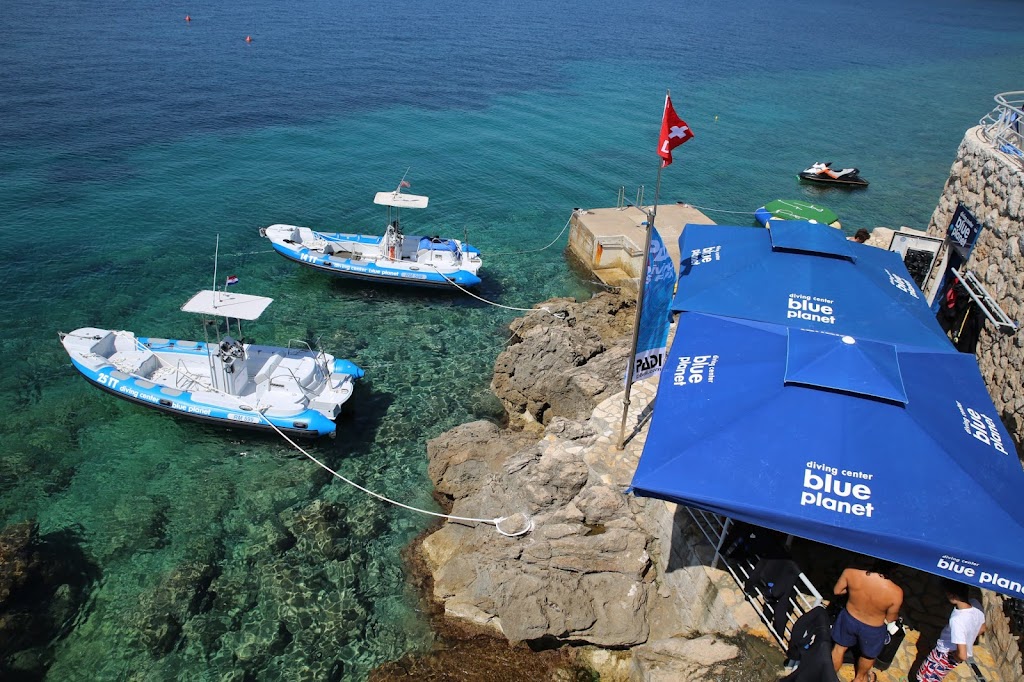
Registered under national monument code Z-56 inside the Cavtat Underwater Archaeological Zone (Z-6531), this site strictly prohibits independent diving. Every visit must be escorted by a dive center holding an active Ministry of Culture concession.
Because the entire cargo lies on a flat 27-to-30-meter bottom without a shallow reef terrace, air-breathing divers reach no-decompression limits quickly; using EAN32 nitrox significantly extends safe viewing time. Keep fins up off the fine sand perimeter and never grip the cage bars.
Recommended Equipment
Overhead / entanglement risk. Wreck penetration requires proper training.
- Dive Computer
- DSMB
- Primary & Backup Lights
- Wreck Reel
- Cutting Tool
This gear list is based on verified equipment signals for Supetar Islet Roman Wreck, Croatia. Always confirm final gear choices with your dive operator, guide, or liveaboard.
Recommended Dive Suit
Environmental conditions are expected to remain consistent in the short-term outlook.
For typical recreational dives, 5mm wetsuit generally provides comfortable insulation. Consider warmer surface protection (like a boat coat) due to brisk winds. A thermal robe or jacket is recommended between dives.
At Supetar Islet Roman Wreck, the water is currently sitting around 19°C (67°F). Surface air temperatures are resting at 15°C (59°F).
Supetar Islet Roman Wreck conditions last reviewed: 17:18 local time (UTC+1), Nov 22, 2026
Emergency & Medical Support
Essential information to help you plan your dive trip to Supetar Islet Roman Wreck.

Hyperbaric chambers are a critical part of dive safety infrastructure. Availability varies significantly by region, and not all dive areas have immediate access.
Before diving, it's recommended to:
- confirm nearest medical facilities
- check emergency procedures with local dive operators
- ensure dive insurance covers evacuation if required
24/7 Available
Divers Alert Network
Diving emergency assistance available through DAN Europe.
+39 0642115685- 24/7 emergency hotline
- Diving medical assistance
- Evacuation coordination
Emergency contacts are provided for reference. Always verify local emergency services before diving.
Closest Listed Hyperbaric Chambers (≤ 200 km)
Approximate straight-line distances from this dive site — emergency travel times may vary.
175 km175 kmZavod za pomorsku medicinu Split – Odjel za podvodnu i hiperbaričnu medicinu
Split, Croatia24/7ICU194Details175 kmZavod za pomorsku medicinu Split – Odjel za podvodnu i hiperbaričnu medicinu
24/7 ListedICU CapableSplit, Croatia · Multiplace
24/7 Emergency194CollapseHours: 24/7 EmergencyFacility: Zavod za pomorsku medicinu / KBC Split (Križine)ICU On-Site: YesSource: KBC Rijeka / Poliklinika OXY
175 km
Zavod za pomorsku medicinu Split – Odjel za podvodnu i hiperbaričnu medicinu
Split, Croatia24/7ICU194Details
175 km
Zavod za pomorsku medicinu Split – Odjel za podvodnu i hiperbaričnu medicinu
24/7 ListedICU CapableSplit, Croatia · Multiplace
24/7 Emergency194
CollapseHours: 24/7 Emergency
Facility: Zavod za pomorsku medicinu / KBC Split (Križine)
ICU On-Site: Yes
Source: KBC Rijeka / Poliklinika OXY
Chamber data is sourced from official Croatian hospital and baromedicine facility records and has not been independently verified by Dive Navigator. Always contact local emergency services, DAN, your dive operator, or the facility directly before travelling.
Reference onlyMarine Life at Supetar Islet Roman Wreck
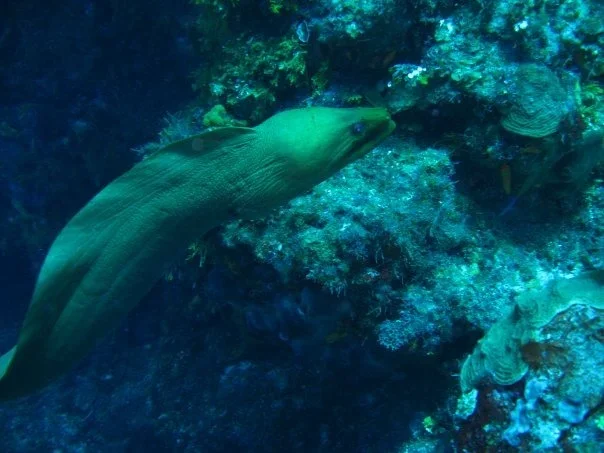
Hundreds of hollow terracotta amphorae stacked across flat sand create an extraordinary apartment complex for cryptic Adriatic species. Mediterranean moray eels, European conger eels, and octopuses poke their heads straight out of 1,700-year-old North African amphora rims.
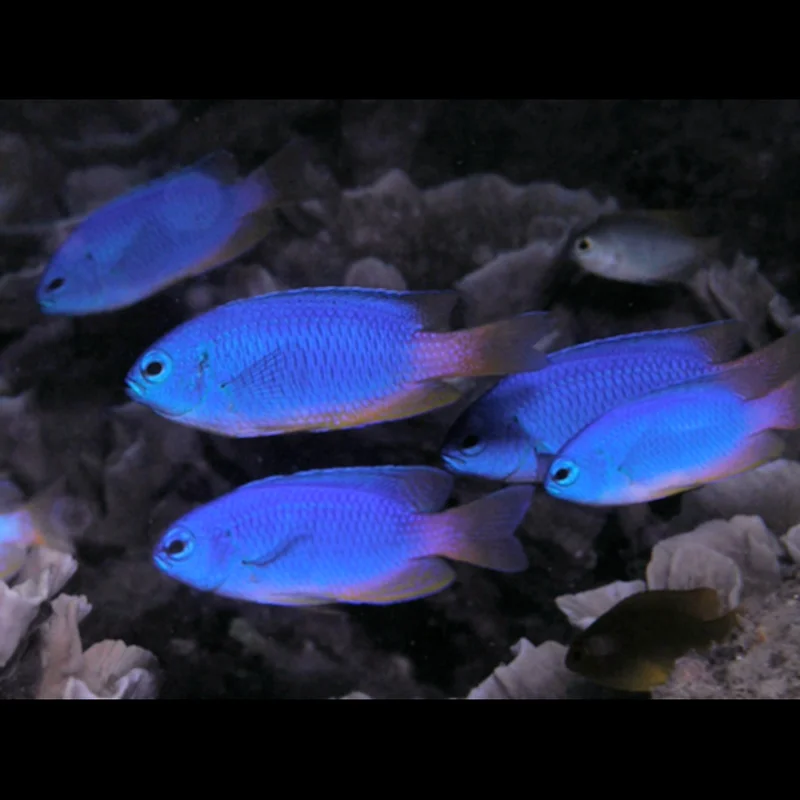
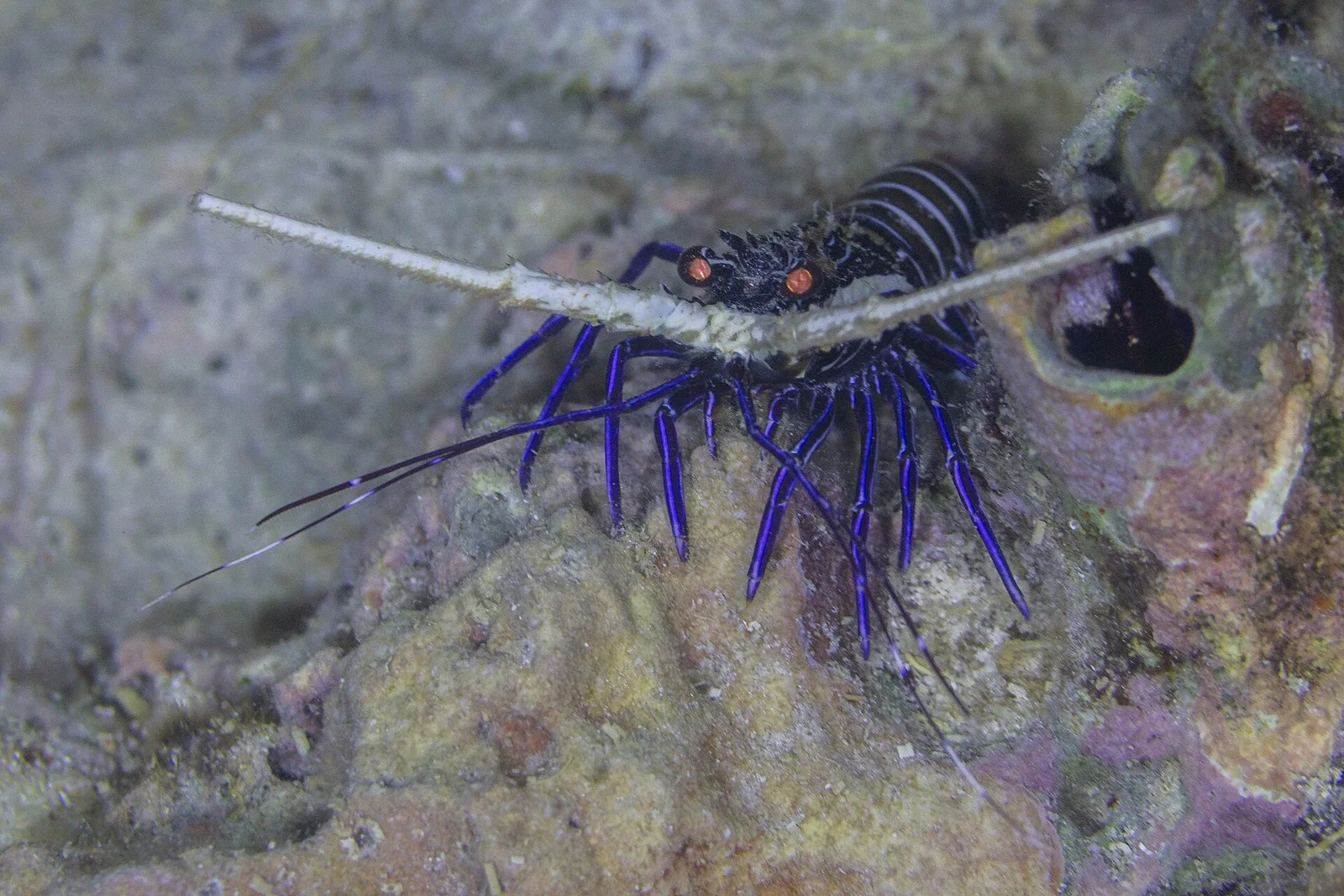
Red scorpionfish sit camouflaged atop sponge-draped cage crossbars, damselfish and two-banded sea bream school above the steel roof, and spiny lobsters shelter beneath the deeper cargo tiers.


1 / 2
Image contributors:Diego Delso, laszlo-photo + 1 more
Want to contribute photos or local dive knowledge? Learn how to contributeDive Sites Near Supetar Islet Roman Wreck
View all dive sites in CroatiaDiscover more underwater gems in this area.
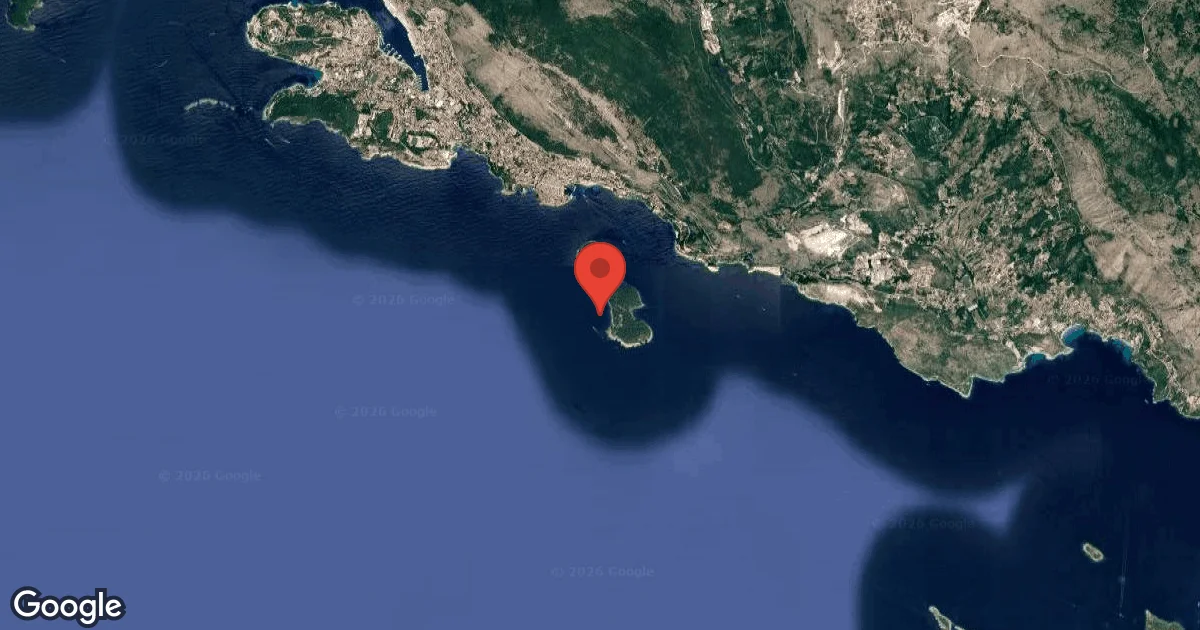
Max 35 m
8.5 km
Tomislav Wreck
BoatOcean
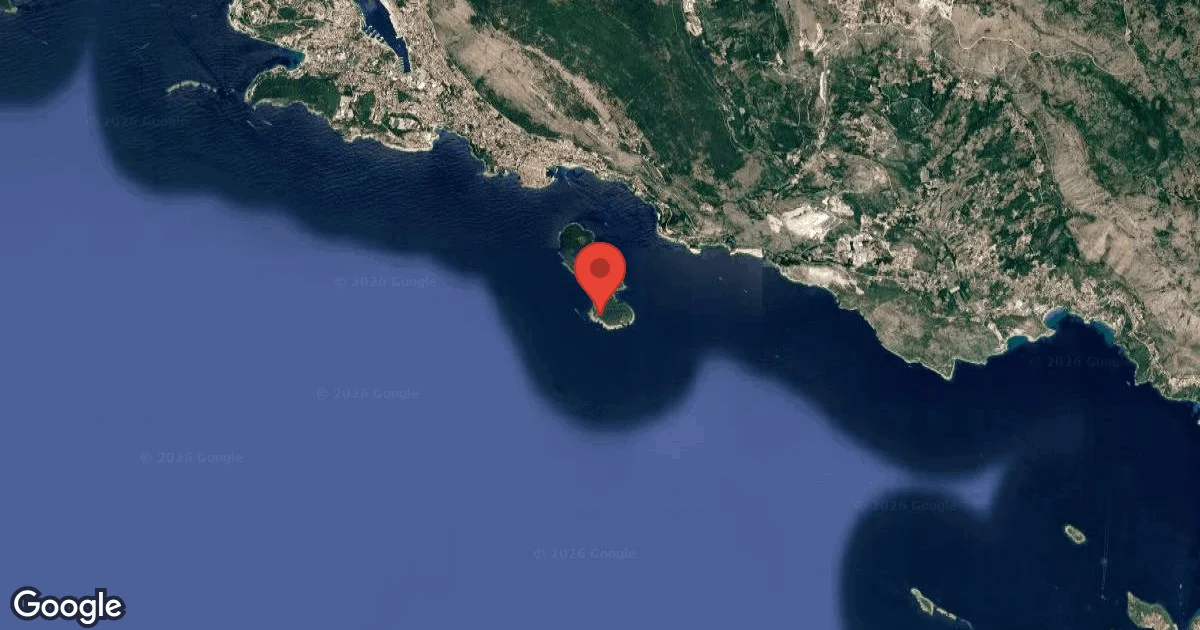
Max 30 m
8.1 km
Lokrum Island and Dead Sea Lake
BoatCavern
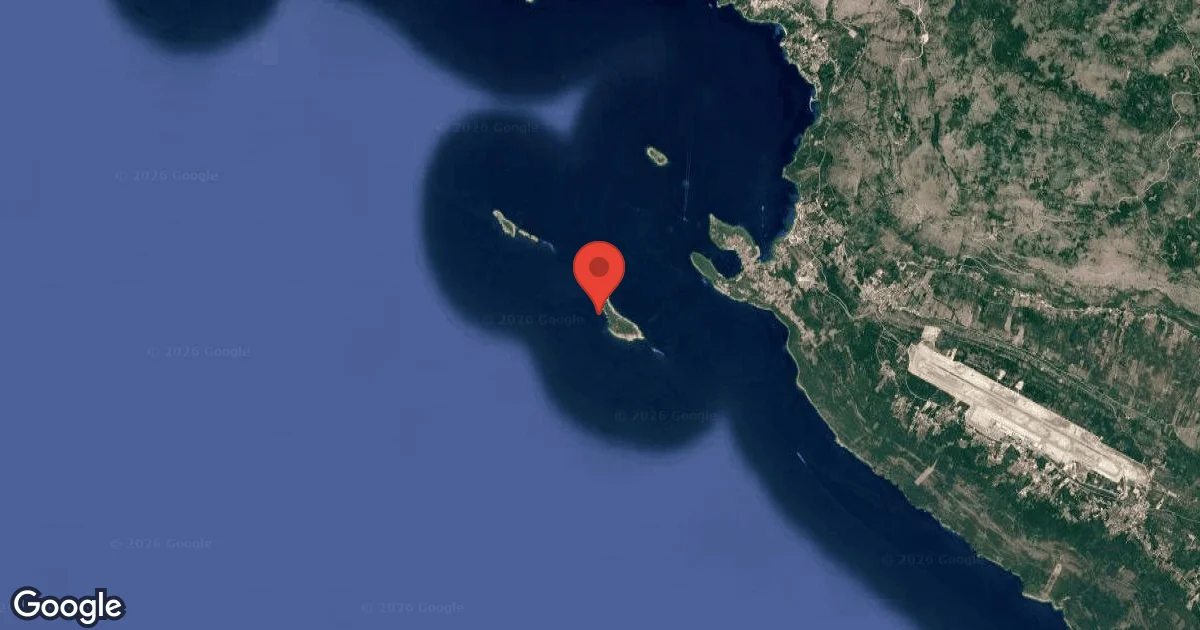
Max 40 m
2 km
Mrkan Island
BoatCave
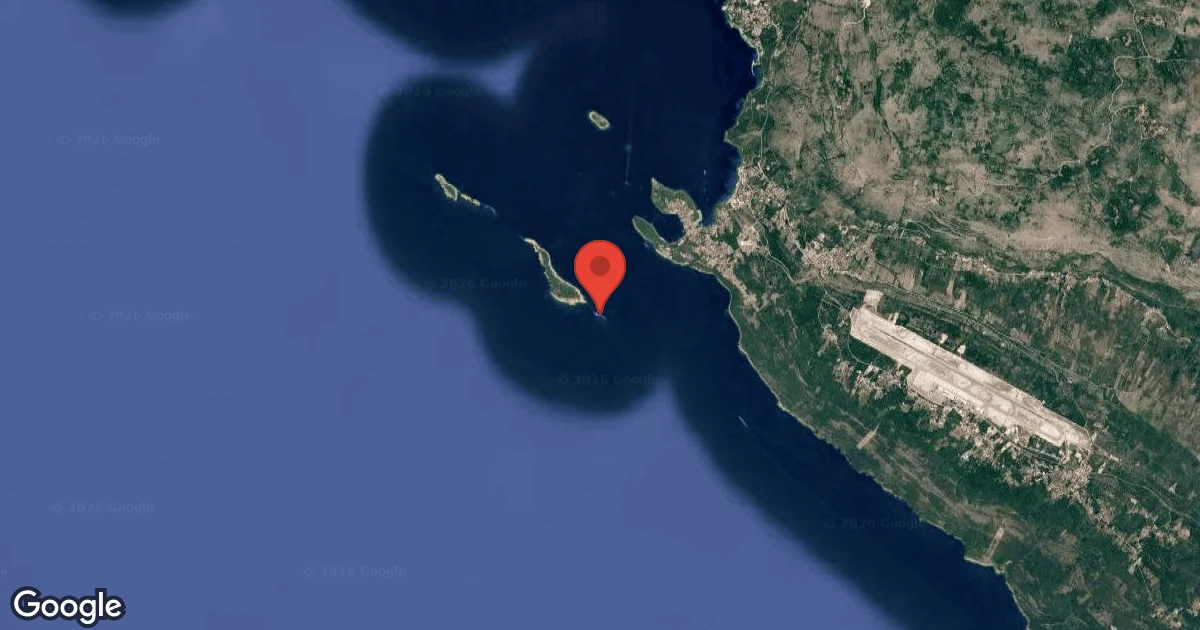
Max 50 m
2 km
Mrkanjac Reef
BoatDrift
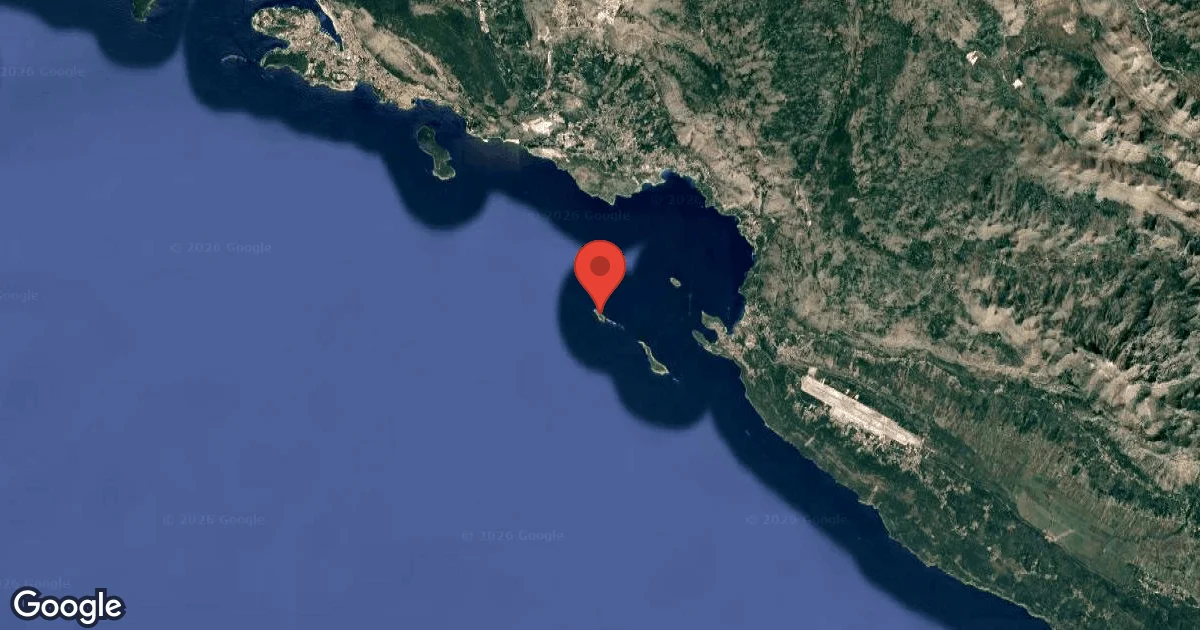
Max 80 m
2.6 km
Bobara Islet
BoatCanyon
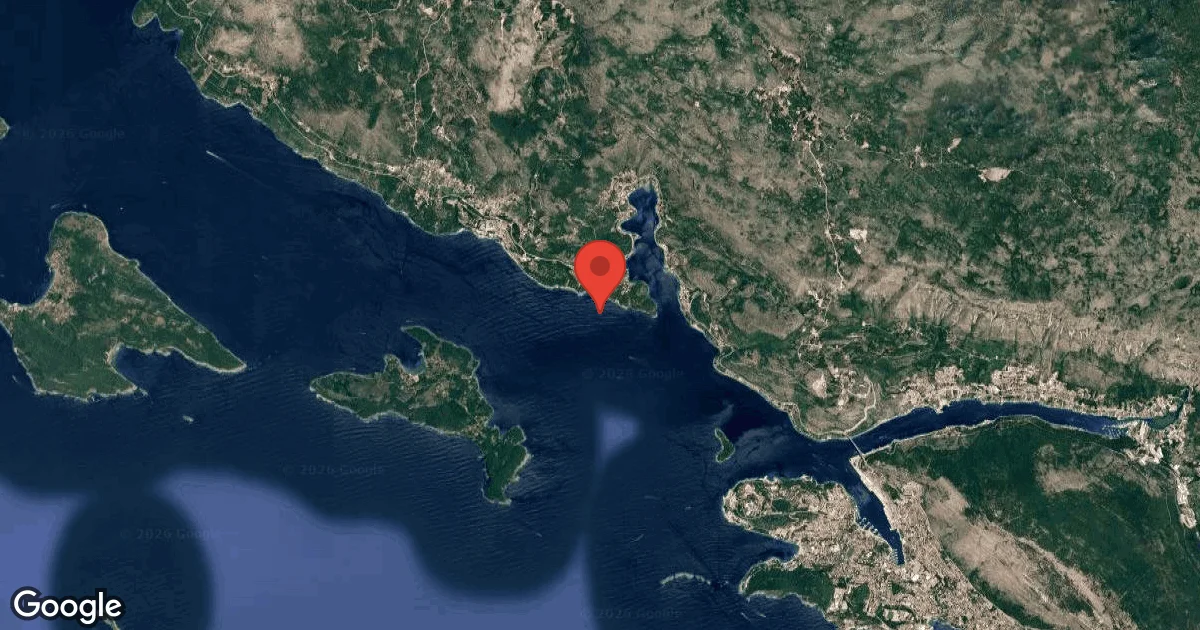
Max 30 m
17.7 km
Zaton Bay
BoatCavern
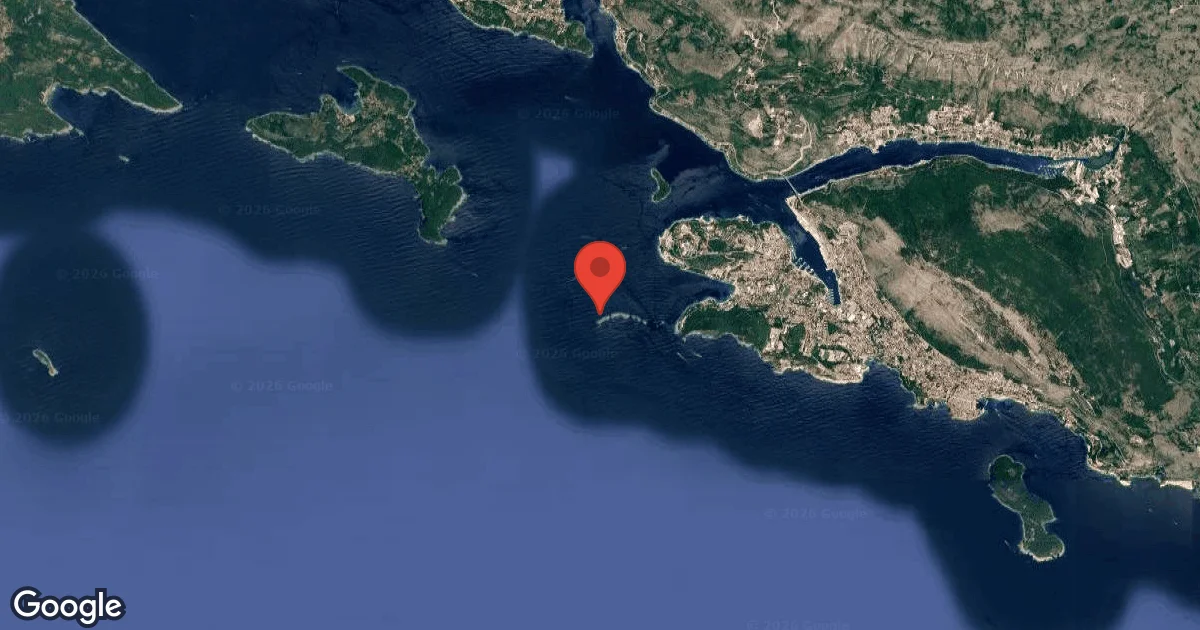
Max 52 m
15 km
SS Taranto
BoatOcean
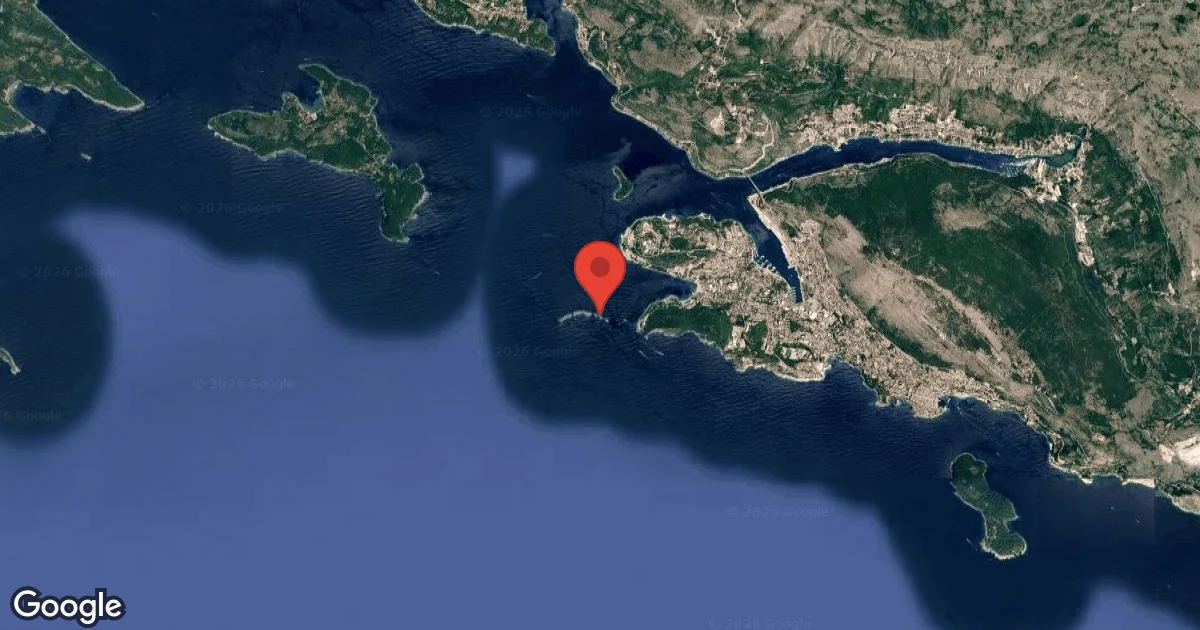
Max 40 m
14.5 km
Grebeni Islets
BoatCanyon
Max 35 m
8.5 km
Tomislav Wreck
BoatOcean
Max 30 m
8.1 km
Lokrum Island and Dead Sea Lake
BoatCavern
Max 40 m
2 km
Mrkan Island
BoatCave
Max 50 m
2 km
Mrkanjac Reef
BoatDrift
Max 80 m
2.6 km
Bobara Islet
BoatCanyon
Max 30 m
17.7 km
Zaton Bay
BoatCavern
Max 52 m
15 km
SS Taranto
BoatOcean
Max 40 m
14.5 km
Grebeni Islets
BoatCanyon
Max 47 m
14.1 km
Maro's Cave
CaveOcean
Max 50 m
17.5 km
Jabuka Caves
BoatCave
1 / 2
Dive Centers Near Supetar Islet Roman Wreck
Working Hours
SunClosed
Mon09:00 - 17:00
Tue09:00 - 17:00
Wed09:00 - 17:00
Thu09:00 - 17:00
Fri09:00 - 17:00
Sat09:00 - 17:00
Today: 09:00 - 17:00
SunClosed
Mon09:00 - 17:00
Tue09:00 - 17:00
Wed09:00 - 17:00
Thu09:00 - 17:00
Fri09:00 - 17:00
Sat09:00 - 17:00
4.7| 113 reviews
30.7 km
4.9| 79 reviews
40.8 km
4.4| 7 reviews
42.5 kmNearest Airports
Nearest airports to help plan travel to this dive area.
Dubrovnik Ruđer Bošković Airport DBV
6 km
Tivat Airport TIV
47 km
Brač Airport BWK
147 km
💵 Currency: EUR
Search Flights
Check available flights and routes on Expedia, using the nearby airports listed in this section.
Search Flights on ExpediaAffiliate link · Dive Navigator may earn a commission at no extra cost to you.
Frequently Asked Questions
How many amphorae are preserved at the Supetar Islet Roman Wreck?
The cargo holds over 1,200 North African cylindrical Keay XXV and Late Roman amphorae, with roughly 600 intact jars clearly visible on the surface layer alone.
What historical era does the Cavtat Supetar wreck date from?
Archaeological typology dates the shipwreck to the Late Roman Empire in the 3rd to 4th century AD, when nearby Cavtat flourished as the Roman colony of Epidaurum.
What is the depth of the Supetar Islet amphora cage?
The cage sits on a flat sandy seabed between 27 and 30 meters.
Can I dive the Supetar Islet Roman Wreck independently?
No. Individual diving on Croatian archaeological sites is illegal; you must dive with a licensed operator holding a Ministry of Culture permit for the Cavtat protection zone.
Why is nitrox especially useful on this dive?
Because the entire amphora mound sits on a flat 27-to-30-meter floor with no shallow reef terrace, enriched air nitrox (such as EAN32) safely extends no-decompression viewing time.
How close is the dive site to Cavtat harbor?
Positioned near Supetar Islet and Šuperka reef right outside Cavtat, the mooring is only a five-to-ten-minute boat ride from the town promenade.
Trip Inquiry
Planning to dive Supetar Islet Roman Wreck?
Tell us your dates and diving needs. We'll review your request and seek offers from relevant local dive centers.
Request Dive Offers Free request for offers • No booking obligation
Supetar Islet Roman Wreck
Conditions are Poor
3/10
Confidence: 8/10
Indicates meteorological model agreement and data availability.
DIVE WARNING
High Wind Advisory (49km/h). Unsafe surface.
06:12
18:45
H: 10:45
L: 16:20
Air / Sea Temp
15° / 19°
Wave Height
1.8 m
Wind Speed
49 km/h N
Rain Chance
100%
Current conditions near Supetar Islet Roman Wreck show 15° air, 19° sea temperature, 1.8 m waves, and 49 km/h wind. Forecast data is refreshed regularly to ensure accuracy.
Radius: ~12km
Updated: Nov 22, 2026, 17:18 local timeMARINE: OPEN-METEOWEATHER: YR.NO