
Diving at Costandis (Cyprus)
Emerging from the depths of the Limassol coastline, the Costandis wreck presents a compelling visibility focus for divers. This former fishing trawler now rests upright on a silt bottom, inviting exploration of its structure. Resting at a maximum depth of 25 m (75 ft), it offers clear views of its deck and superstructure, even from a distance. Mooring lines typically lead directly to the wreck, guiding divers to this artificial reef.
As evening covers Costandis, the local air temperature is measured at 25°C. The current wave height at the surface is recorded at 0.9 m. These late-day readings characterize the surface conditions for the night.
Dive Site Location & Key Facts
Dive Site Overview
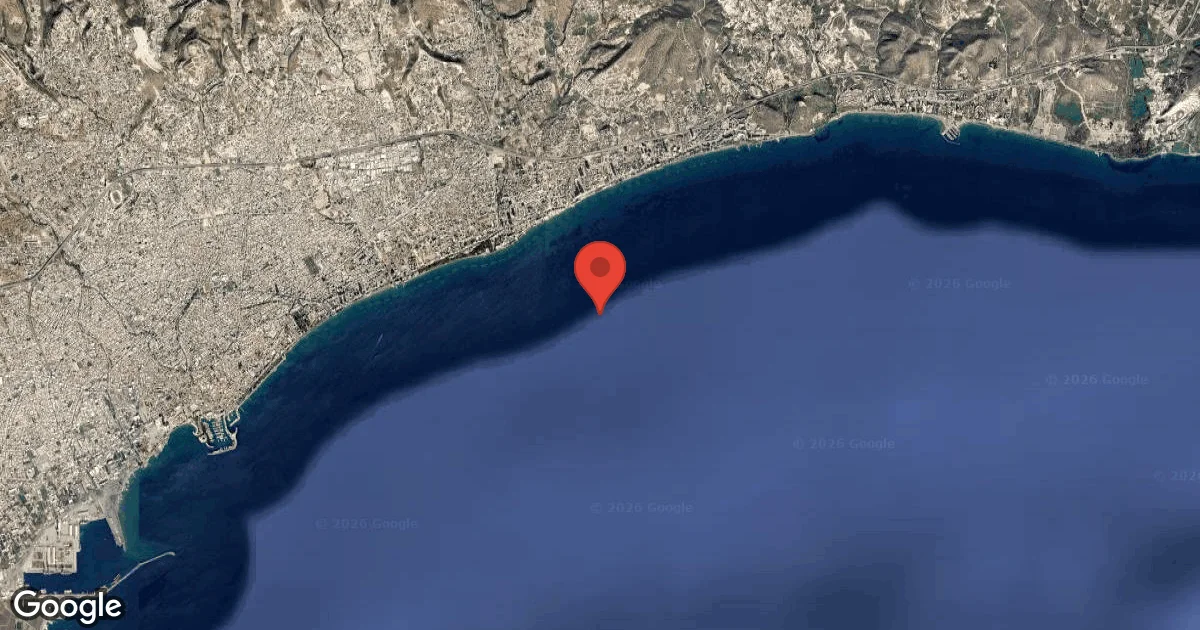
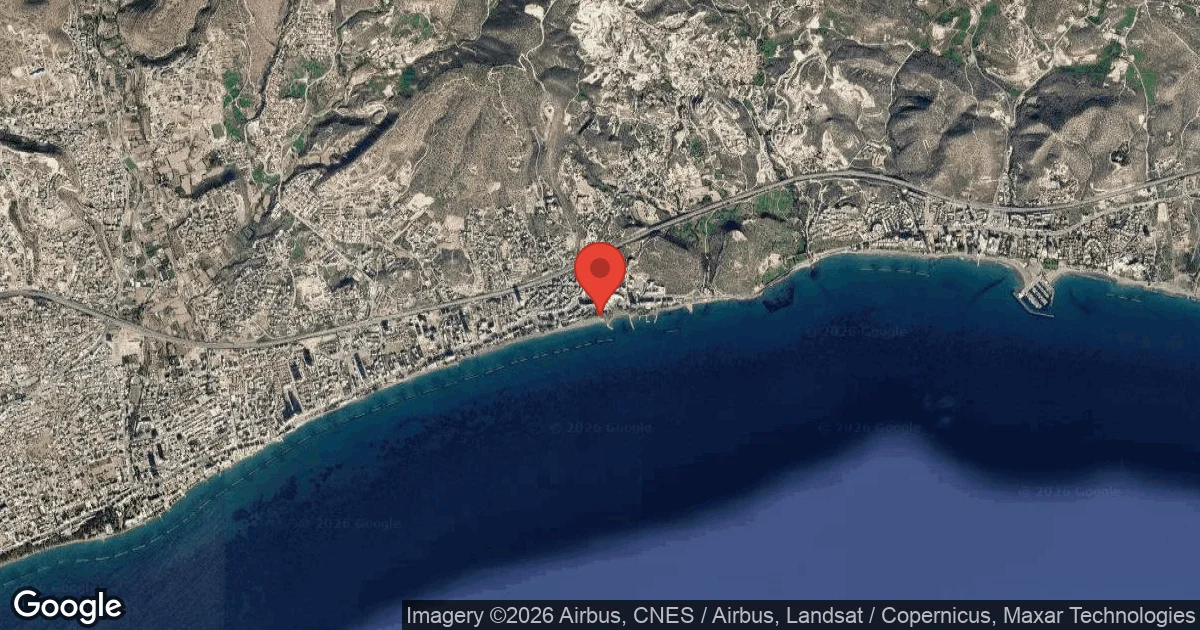
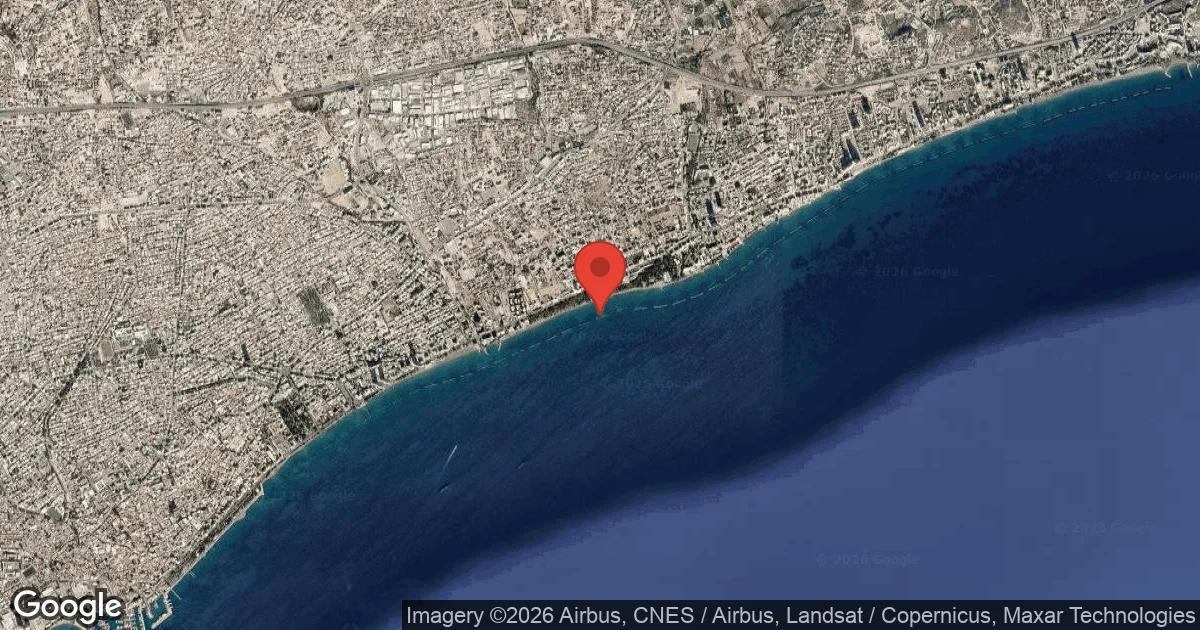
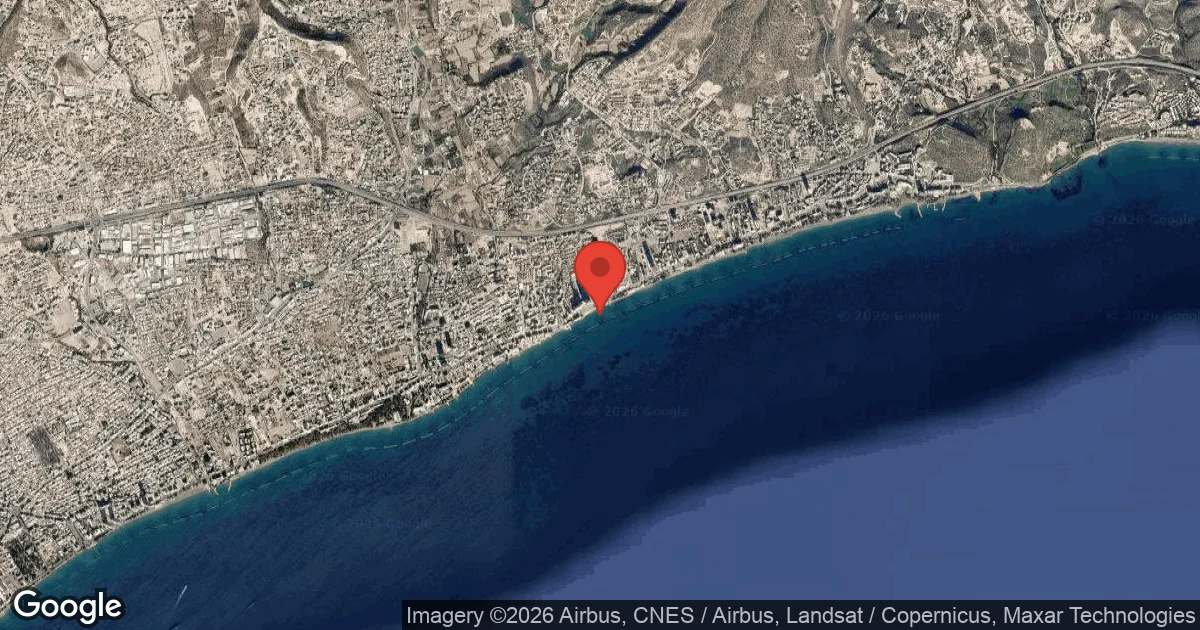
Initially a Soviet-built fishing trawler named Zolotets, the vessel now known as Costandis was purposefully sunk in February 2014 to foster marine biodiversity within the Dasoudi Marine Protected Area. Lying approximately 1 km (0.6 miles) offshore, it acts as a thriving artificial reef.
Its upright position on a silt bottom, with the first deck accessible around 20 m (65 ft), makes it an engaging site for advanced divers. The wreck, measuring 23 meters, roughly 75 feet, in length and 8.5 meters across, around 28 feet wide, features well-preserved original structures.
Divers can explore various sections including the pilothouse, cargo hold, and a detailed engine room. Many areas provide accessible swim-throughs, allowing for a dynamic underwater experience.
Often paired with the nearby Lady Thetis wreck, Costandis forms part of a popular half-day trip from Limassol, contributing significantly to local dive tourism and ecological efforts.
Conditions are Good
Optimal conditions expected
Current conditions near Costandis show 25° air, 28° sea temperature, 0.9 m waves, and 28 km/h wind. Forecast data is refreshed regularly to ensure accuracy.
Best Time to Dive
Planning a dive at Costandis benefits from understanding seasonal climate patterns in Cyprus. While dive scores remain consistently good (7-8) year-round, conditions vary. During the peak summer months, from June through September, air temperatures are at their highest, often reaching 26-29°C (79-84°F), with minimal rainfall, typically less than 0.05 mm. Wave heights are generally calmer, averaging 0.6 to 0.8 meters, equating to 2 to 2.5 feet, which can make boat entries smoother. Conversely, winter months, particularly December through February, see cooler air temperatures, ranging from 13-15°C (55-59°F), and higher rainfall, up to 2.7 mm. Wave heights tend to increase to 1.0 to 1.1 meters, around 3.3 to 3.6 feet, during this period. Wind speeds are fairly consistent throughout the year, usually between 15-20 km/h (9-12 mph). For optimal comfort and calmer seas, the warmer, drier months present a more favorable window, though the site remains diveable for much of the year.
PEAK SEASON SCORE
Scores combine air & water temps, waves, wind & rainfall for overall conditions.
BEST MONTHS TO DIVE
Monthly records compiled from satellite and marine observation nodes over the last 3 years. Data provided by Open-Meteo and MET Norway.
Dive Experience & Conditions
Navigating this wreck begins with a descent to its maximum recreational depth, where the Costandis rests perfectly upright on a silt bottom. The wreck's structure provides ample opportunity for exploration; its first deck is encountered around 20 meters. Visibility in the area can extend up to 25 meters, allowing for clear views of the vessel's exterior and accessible interior sections. Divers may encounter occasional strong currents here, which can make a surface marker buoy a critical piece of gear for safety. Two permanent buoys mark the wreck's position, with dive boats typically mooring on the port side. Conditions inside, especially within the engine room and cargo hold, become quite dark, mandating the use of a dive torch to appreciate the remaining features fully. This site is specifically recommended for divers holding an Advanced Open Water certification or higher, ensuring they possess the necessary skills for deeper wreck exploration.
Dive Difficulty & Safety Guidelines
Approaching the Costandis wreck dive requires careful adherence to safety protocols and an appropriate skill set. A minimum certification of Advanced Open Water Diver is necessary, reflecting the site's maximum depth and potential for wreck penetration. Should your last dive be over a year ago, completing a refresher course is highly recommended.
Occasional strong currents in the area pose a challenge; therefore, carrying a Delayed Surface Marker Buoy (DSMB) is advisable to signal your position upon ascent effectively. Penetrating the wreck's engine room or cargo hold demands proper training, such as the PADI Wreck Diver specialty, and a reliable dive torch due to the inherent darkness within these sections.
Divers should also be mindful of the increasing presence of Lionfish and exercise caution. Always confirm mooring details with your skipper, as visibility can sometimes obscure the wreck from the anchor chain.
Recommended Equipment
Overhead / entanglement risk. Wreck penetration requires proper training.
- Dive Computer
- DSMB
- Primary & Backup Lights
- Wreck Reel
- Cutting Tool
This gear list is based on verified equipment signals for Costandis, Cyprus. Always confirm final gear choices with your dive operator, guide, or liveaboard.
Recommended Dive Suit
Divers planning deeper dives may feel cooler than those staying in shallower areas.
Many divers find that 2-3mm shorty or light wetsuit offers a comfortable balance between warmth and mobility. A hood or vest is suggested for sensitive divers due to surface winds. Conditions in the coming days are expected to stay within a similar temperature range.
Divers heading to Costandis today should expect water temperatures around 28°C (82°F). Surface air temperatures are resting at 25°C (77°F).
Emergency & Medical Support
Essential information to help you plan your dive trip to Costandis.

Hyperbaric chambers are a critical part of dive safety infrastructure. Availability varies significantly by region, and not all dive areas have immediate access.
Before diving, it's recommended to:
- confirm nearest medical facilities
- check emergency procedures with local dive operators
- ensure dive insurance covers evacuation if required
Divers Alert Network
Diving emergency assistance available through DAN Europe.
+39 0642115685- 24/7 emergency hotline
- Diving medical assistance
- Evacuation coordination
Emergency contacts are provided for reference. Always verify local emergency services before diving.
Closest Listed Hyperbaric Chambers
Showing listed hyperbaric chamber facilities within 200 km of this dive site.
Distances are approximate straight-line distances and may not reflect emergency travel time.
Poseidonia Medical Centre
24/7 ListedLarnaca, Cyprus•Approx. 56 km straight-line
Poseidonia Medical Centre
24/7 ListedInformation is provided for reference and planning purposes only. Dive Navigator does not verify operational status, staffing, availability, or quality of care at listed facilities. In an emergency, contact local emergency services, DAN, your dive operator, or the chamber directly. Do not travel to a facility without calling ahead.
Hyperbaric Medical Centre
24/7 ListedNicosia, Cyprus•Approx. 59 km straight-line
Hyperbaric Medical Centre
24/7 ListedInformation is provided for reference and planning purposes only. Dive Navigator does not verify operational status, staffing, availability, or quality of care at listed facilities. In an emergency, contact local emergency services, DAN, your dive operator, or the chamber directly. Do not travel to a facility without calling ahead.
Hyperbaric Oxygen Therapy Department, General Hospital of Ammochostos (Famagusta)
Paralimni, Cyprus•Approx. 93 km straight-line
Hyperbaric Oxygen Therapy Department, General Hospital of Ammochostos (Famagusta)
Information is provided for reference and planning purposes only. Dive Navigator does not verify operational status, staffing, availability, or quality of care at listed facilities. In an emergency, contact local emergency services, DAN, your dive operator, or the chamber directly. Do not travel to a facility without calling ahead.
Marine Life at Costandis
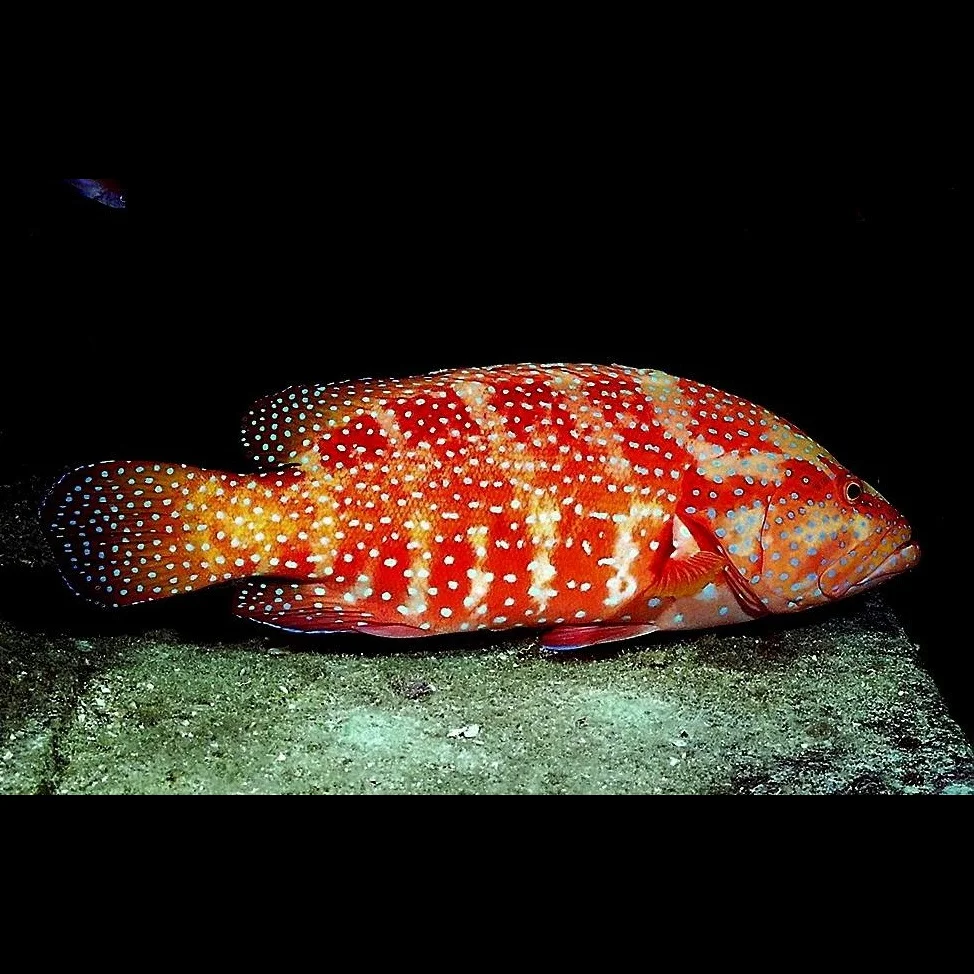
The Costandis wreck, designed as an artificial reef, attracts a diverse range of marine life that thrives within and around its structure. A notable resident is 'George' or 'Zen Goliath', a large, friendly grouper often seen accompanying divers during their exploration.
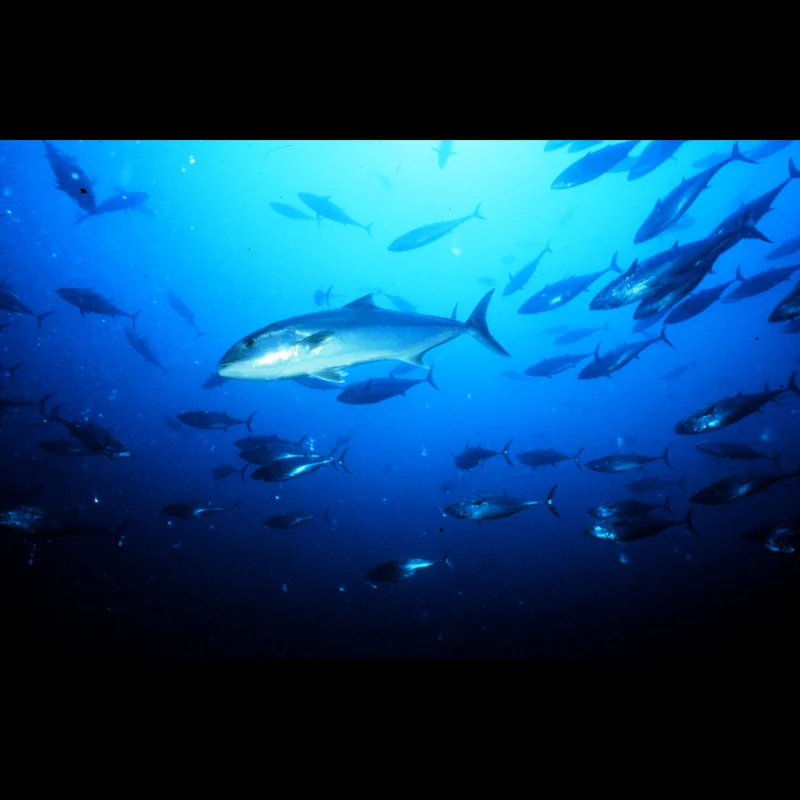
Schools of amberjacks, 2-banded bream, and saddle bream frequently congregate around the wreck. Delving into the wreck's interior, especially the engine room, often reveals macro life such as large Tri-coloured Doris nudibranchs.
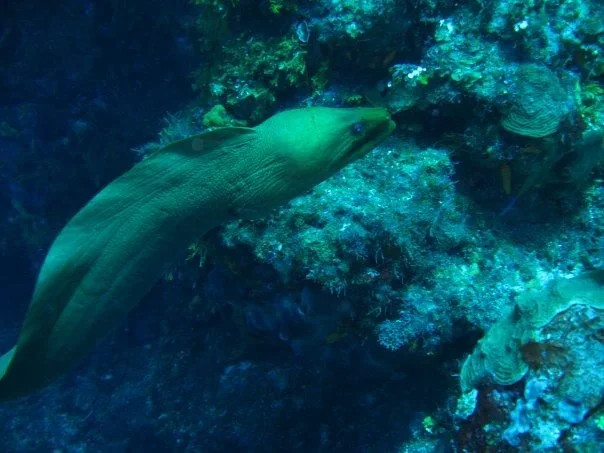
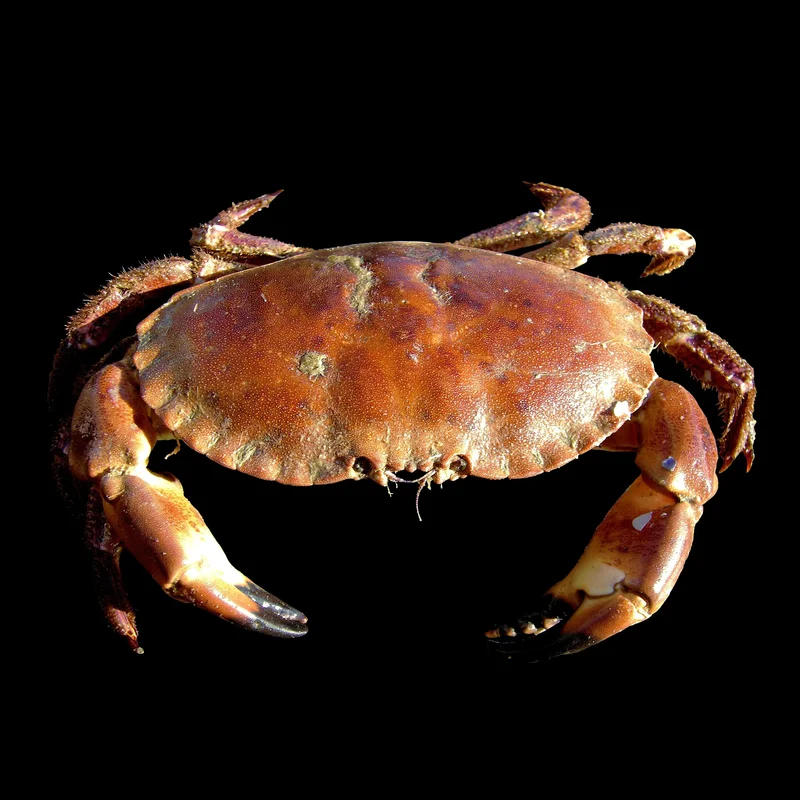
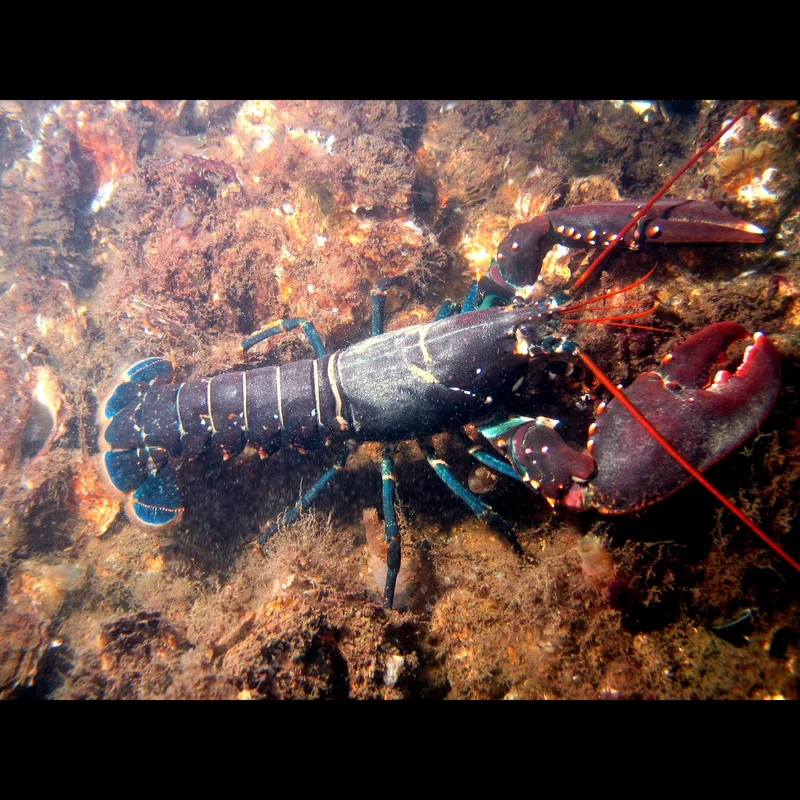
Moray eels, octopus, slipper lobsters, crabs, and various shrimps have also made this underwater habitat their home. While diverse species flourish, divers should be aware of the growing population of Lionfish. On occasion, observers have reported seeing turtles, and even dolphins have been heard and sighted in the broader area.
Dive Sites Near Costandis
View all dive sites in CyprusDiscover more underwater gems in this area.
Dive Centers Near Costandis
Today: 09:00 - 14:00
Nearest Airports
Nearest airports to help plan travel to this dive area.
Search Flights
Check available flights and routes on Expedia, using the nearby airports listed in this section.
Search Flights on ExpediaFrequently Asked Questions
What certification level is required for diving the Costandis?
A minimum certification of PADI Advanced Open Water Diver or equivalent is required. If your last dive was over a year ago, a refresher course is also necessary before joining any scheduled dives.
What is the maximum depth of the Costandis wreck?
The Costandis wreck reaches a maximum depth of 25 meters (75 ft). Divers will find its first deck at approximately 20 meters (65 ft), presenting various points of interest.
What kind of marine life can I expect to see?
This artificial reef is home to diverse species, most notably a large resident grouper named George. You can also spot schools of amberjacks, various bream, moray eels, octopus, and nudibranchs. Be mindful of the increasing presence of Lionfish.
Are there opportunities for wreck penetration?
Yes, Costandis offers accessible swim-throughs and penetration options, including the pilothouse, cargo hold, and engine room. Exploring these darker areas requires appropriate training and a dive torch.
Are there strong currents at the Costandis dive site?
Occasional strong currents can be present in the area, which can affect navigation. It's advisable for divers to carry a Delayed Surface Marker Buoy (DSMB) for signaling purposes.
What is the history of the Costandis wreck?
Originally a Soviet fishing trawler named Zolotets, Costandis was purposefully sunk in February 2014. It was intended to create an artificial reef and enhance marine biodiversity within the Dasoudi Marine Protected Area off the coast of Limassol.
Planning to dive Costandis?
Send one inquiry and receive offers directly from the best verified local dive operators.
Conditions are Good
Optimal conditions expected
Current conditions near Costandis show 25° air, 28° sea temperature, 0.9 m waves, and 28 km/h wind. Forecast data is refreshed regularly to ensure accuracy.