
Diving at Daphne (Ecuador)
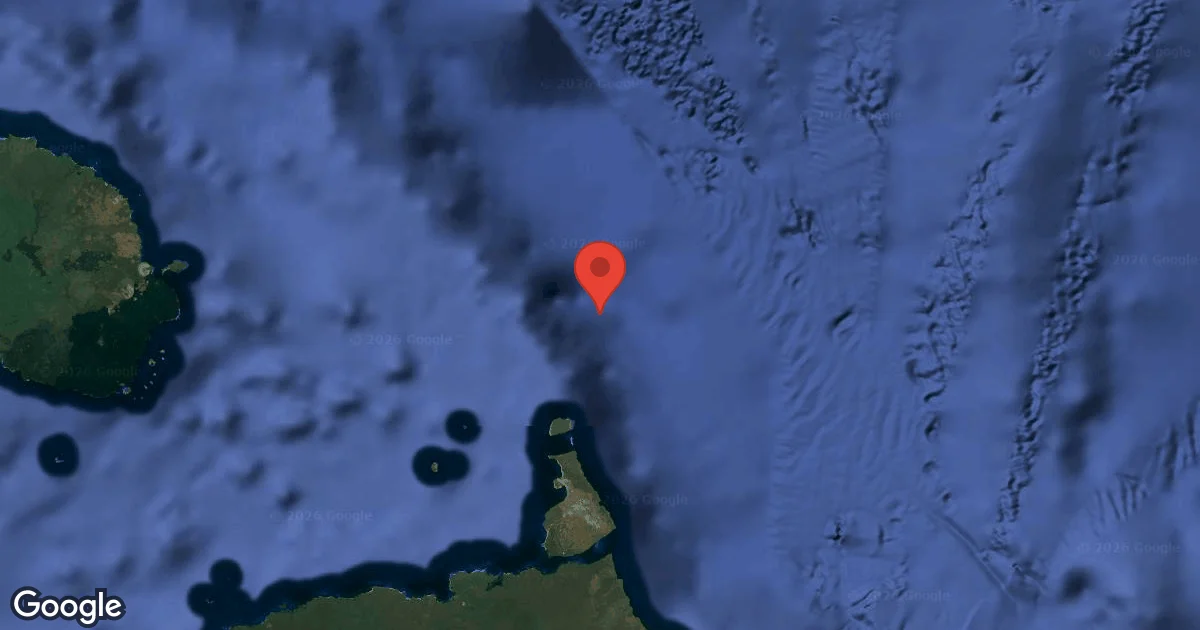
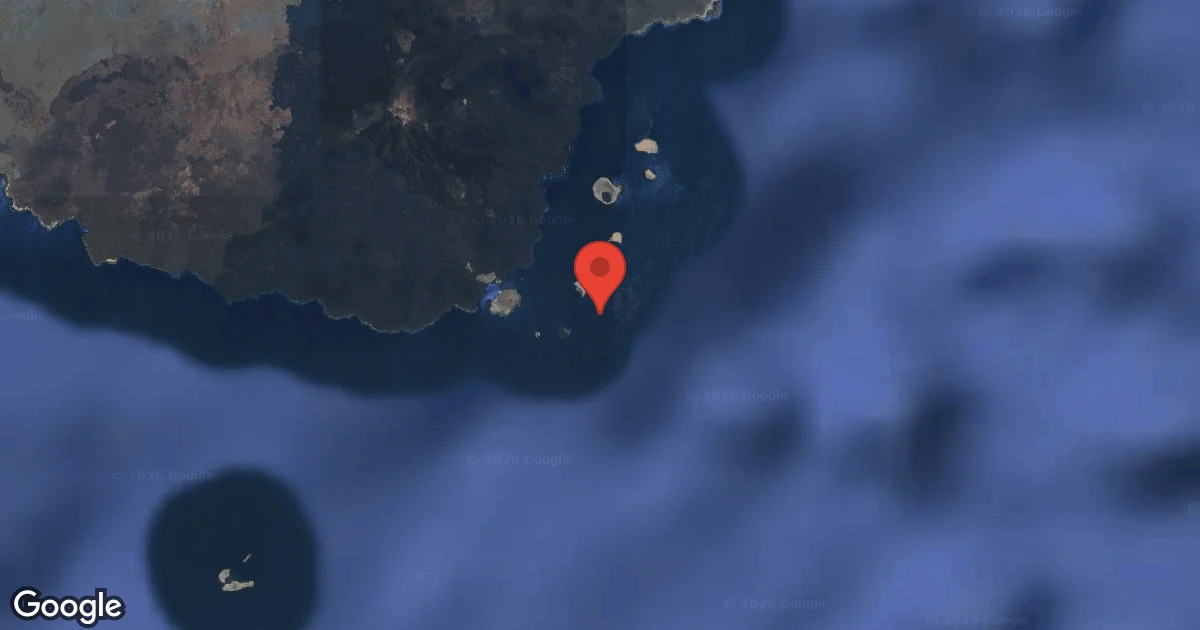
Descending into Daphne, divers will find themselves just north of Santa Cruz Island, exploring an exposed rock site roughly 40 minutes northwest of the Itabaca Channel. The initial plunge reveals depths reaching approximately 18 m (59 ft), where the ocean currents begin to dictate the dive's flow. Here, you'll discover an intriguing underwater landscape that blends rocky formations with sandy stretches. It's an inviting gateway to the diverse marine life residing in these waters.
Evening condition tracking at Daphne features an air temperature of 26.5°C. We have recorded wave heights measuring 0.5 m during this period. These figures outline the environmental parameters currently present.
Dive Site Location & Key Facts
Dive Site Overview
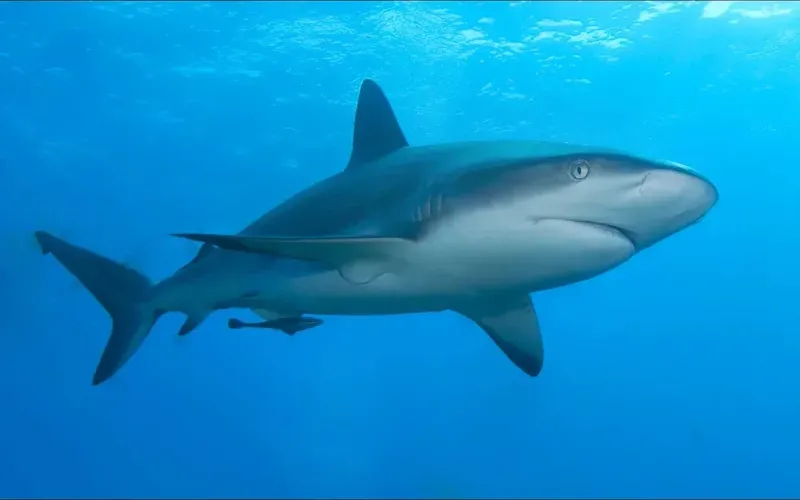
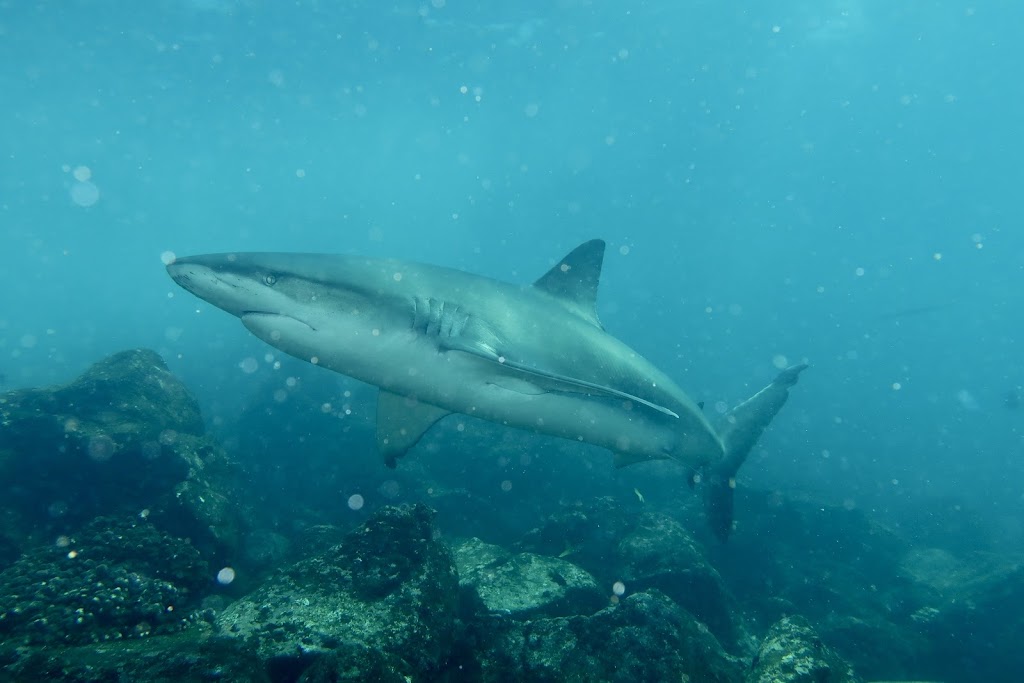
Daphne presents a varied underwater topography, making each dive an engaging experience. One side features relatively even platforms punctuated by small caves, providing shelter for resting white-tipped reef sharks.
Opposite this, a dramatic deep wall plunges further, adorned with vibrant black coral formations. Divers can explore a prominent pinnacle, a central feature attracting a wide array of marine species, including various rays and Galápagos sharks. The site's bottom is a mix of rocky and sandy areas, creating diverse habitats.
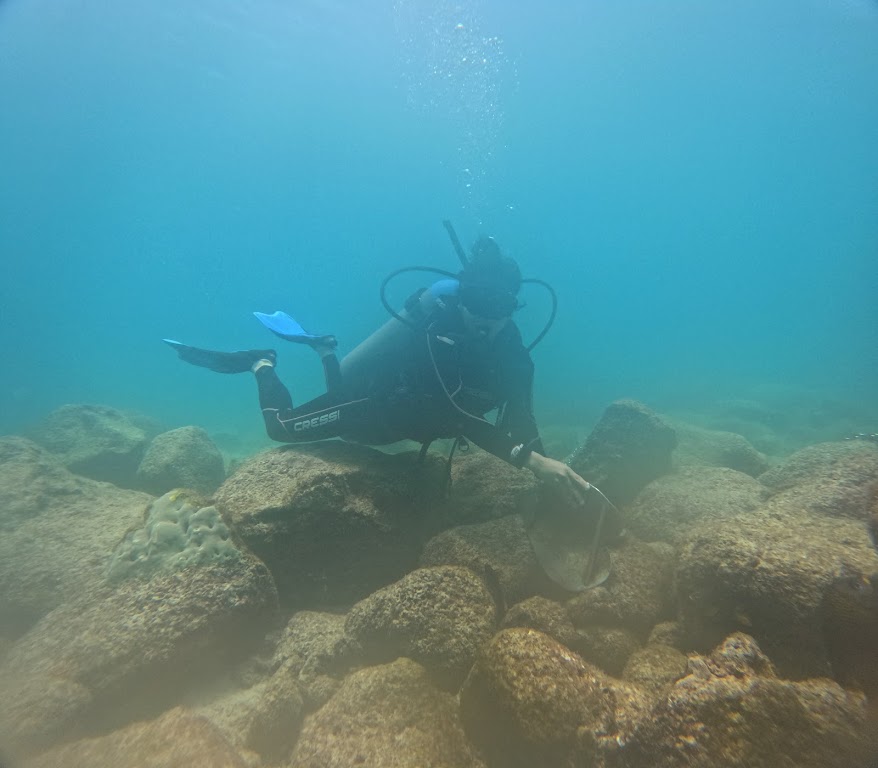
Almost the entire island's underwater periphery is rich with gorgonians, sponges, and other corals, contributing to a colorful and dynamic environment. While a small cave exists here, it's crucial to understand that this is not a designated cave dive, but rather a shallow recess that harbors some of the site's intriguing macro life.
Exploration remains within recreational depth limits, typically around 18 m (59 ft), suitable for certified divers.
Conditions are Good
Optimal conditions expected
Current conditions near Daphne show 27° air, 27° sea temperature, 0.5 m waves, and 32 km/h wind. Forecast data is refreshed regularly to ensure accuracy.
Best Time to Dive
Optimizing visibility for your Daphne dive often aligns with the overall excellent conditions reported for most of the year. Air temperatures here remain comfortably warm, averaging from 23.5°C (74°F) in September to 27°C (81°F) in March. Rainfall is generally low, with slightly higher precipitation between February and April, though not enough to significantly impact dive planning during these months. This period, often considered the 'hot season,' is when sightings of larger pelagics like manta rays are more frequently reported. Despite varying conditions, the site consistently earns high dive scores, indicating favorable environments for exploration throughout much of the year, ensuring generally good underwater clarity.
PEAK SEASON SCORE
Scores combine air & water temps, waves, wind & rainfall for overall conditions.
BEST MONTHS TO DIVE
Monthly records compiled from satellite and marine observation nodes over the last 3 years. Data provided by Open-Meteo and MET Norway.
Dive Experience & Conditions
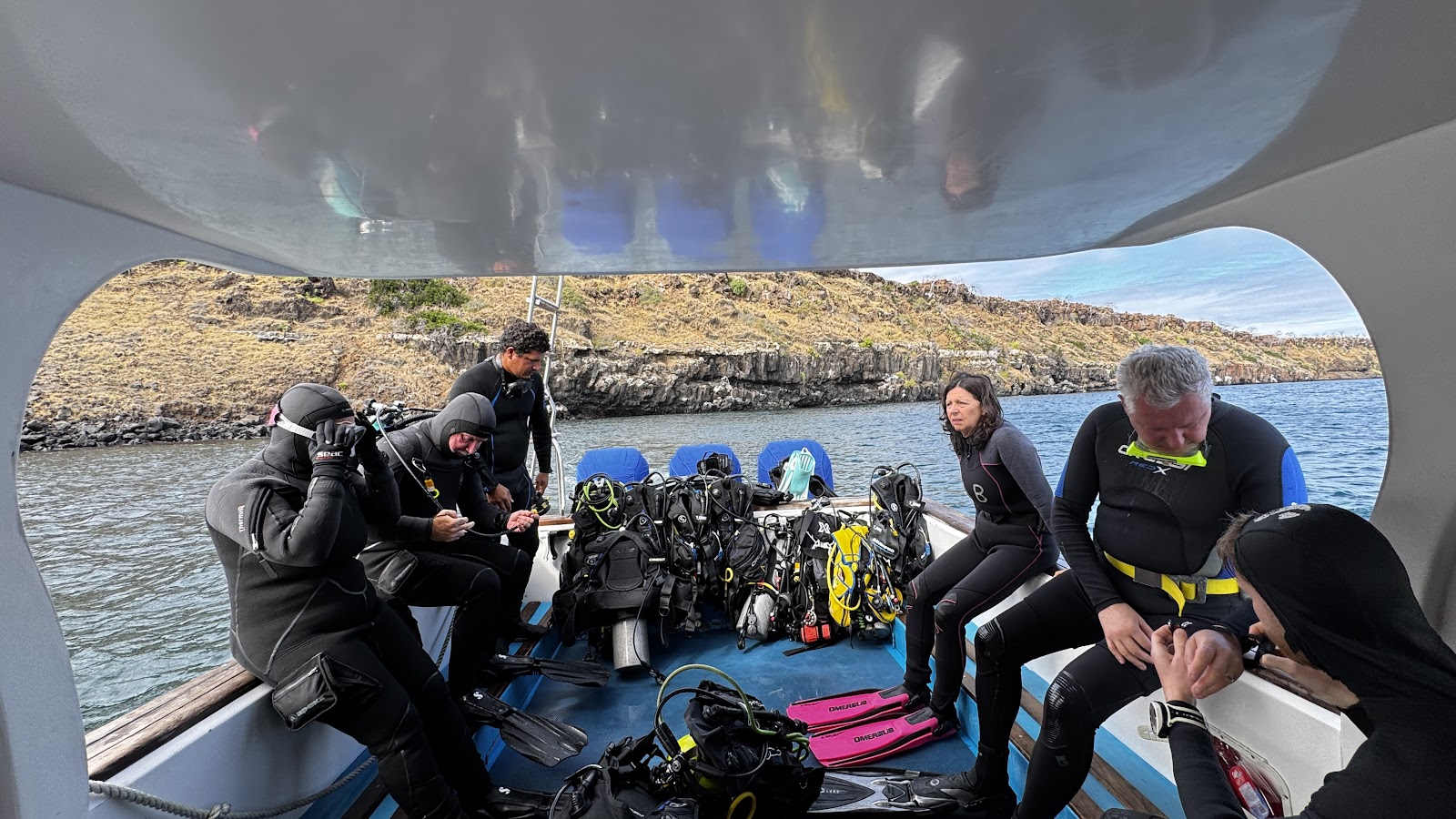
Navigating Daphne involves adapting to intermediate to strong currents, a defining characteristic of this exposed dive site. Currents can range from moderate at times to noticeably robust, often requiring divers to be comfortable with drift diving techniques. While specific water temperature data isn't consistently reported, the need for a 5mm wetsuit suggests cooler conditions, a common occurrence in nutrient-rich waters that attract abundant marine life. This site is surprisingly versatile, considered suitable for both beginners and experienced divers, provided they possess PADI Open Water Diver certification or equivalent. Immersion typically occurs along a wall where currents are present, offering a dynamic environment that fuels the plankton bloom and attracts schooling fish. The varied current dynamics ensure an engaging and often exhilarating dive.
Dive Difficulty & Safety Guidelines
Approaching Daphne requires an awareness of its intermediate to strong currents, which can present a significant factor during the dive. Always maintain close contact with your dive guide and group, especially when currents are pronounced. A small cave is present at the site, which serves as a resting spot for sharks, but it is explicitly not suitable for cave diving.
Divers must adhere strictly to recreational depth limits, typically to a maximum of 18 m (59 ft). For safe participation, PADI Open Water Diver certification is typically a minimum requirement, with Advanced Open Water Diver training beneficial for managing variable conditions.
Before submerging, a comprehensive gear check and a quick skills refresher, particularly if your last dive was some time ago, are recommended to ensure readiness for the local environment.
Recommended Equipment
Overhead environment. Do not enter beyond training and gas planning limits.
- Dive Computer
- DSMB
- Primary & Backup Lights
- Reel / Spool
- Cutting Tool
This gear list is based on verified equipment signals for Daphne, Ecuador. Always confirm final gear choices with your dive operator, guide, or liveaboard.
Recommended Dive Suit
Divers who spend more time observing marine life often prefer slightly warmer gear.
Environmental readings suggest that the waters surrounding Daphne are about 27°C (80°F) at the moment. Surface air temperatures are resting at 27°C (80°F). Water temperatures in this range are often well suited to diving with 2-3mm shorty or light wetsuit. Consider warmer surface protection (like a boat coat) due to brisk winds.
Environmental conditions appear stable for the near future.
Emergency & Medical Support
Essential information to help you plan your dive trip to Daphne.

Hyperbaric chambers are a critical part of dive safety infrastructure. Availability varies significantly by region, and not all dive areas have immediate access.
Before diving, it's recommended to:
- confirm nearest medical facilities
- check emergency procedures with local dive operators
- ensure dive insurance covers evacuation if required
Divers Alert Network
Diving emergency assistance available through DAN World.
+1-919-684-9111- 24/7 emergency hotline
- Diving medical assistance
- Evacuation coordination
Emergency contacts are provided for reference. Always verify local emergency services before diving.
Marine Life at Daphne
Encounters with powerful pelagic species are a primary draw at Daphne. It's common to observe Galápagos sharks and white-tipped reef sharks, with the latter often found resting within the site's small caves.
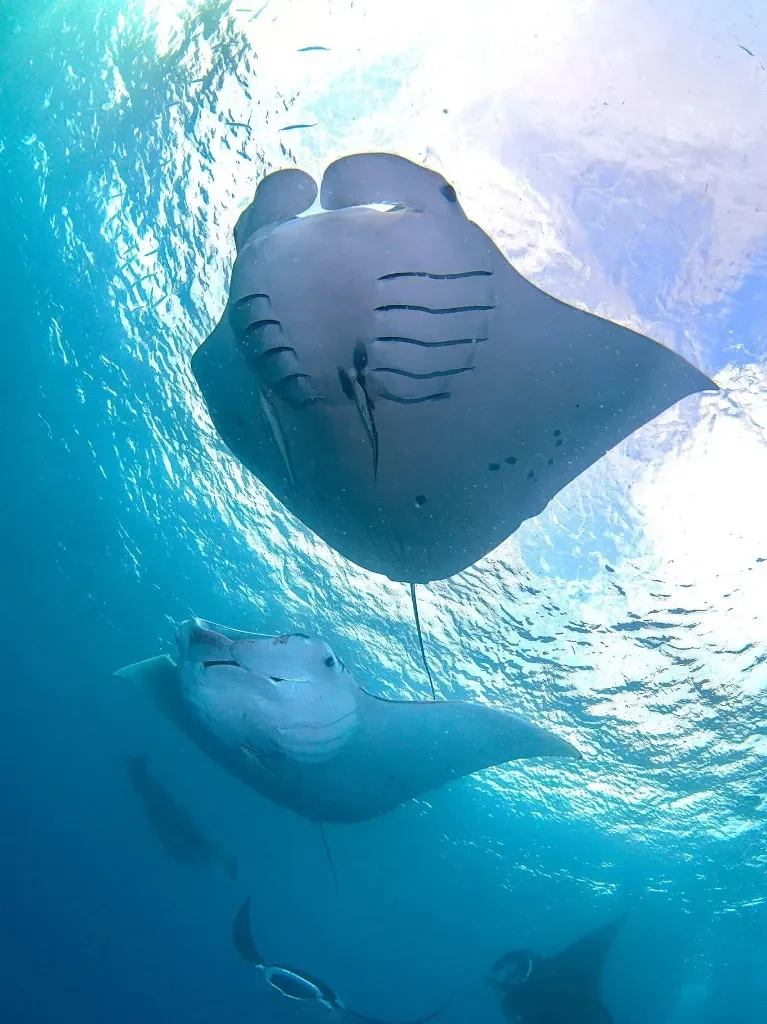
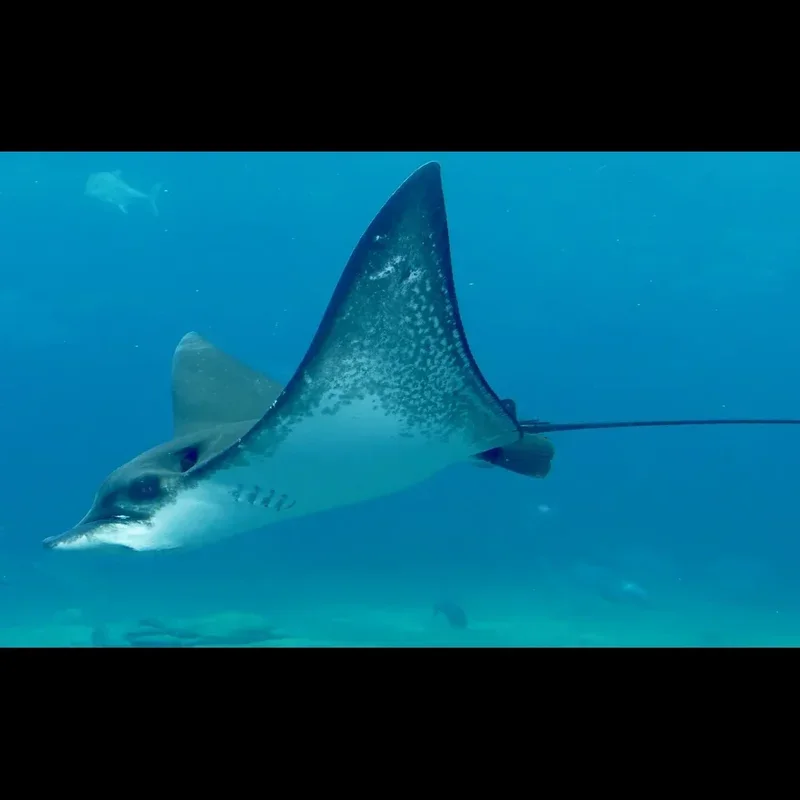
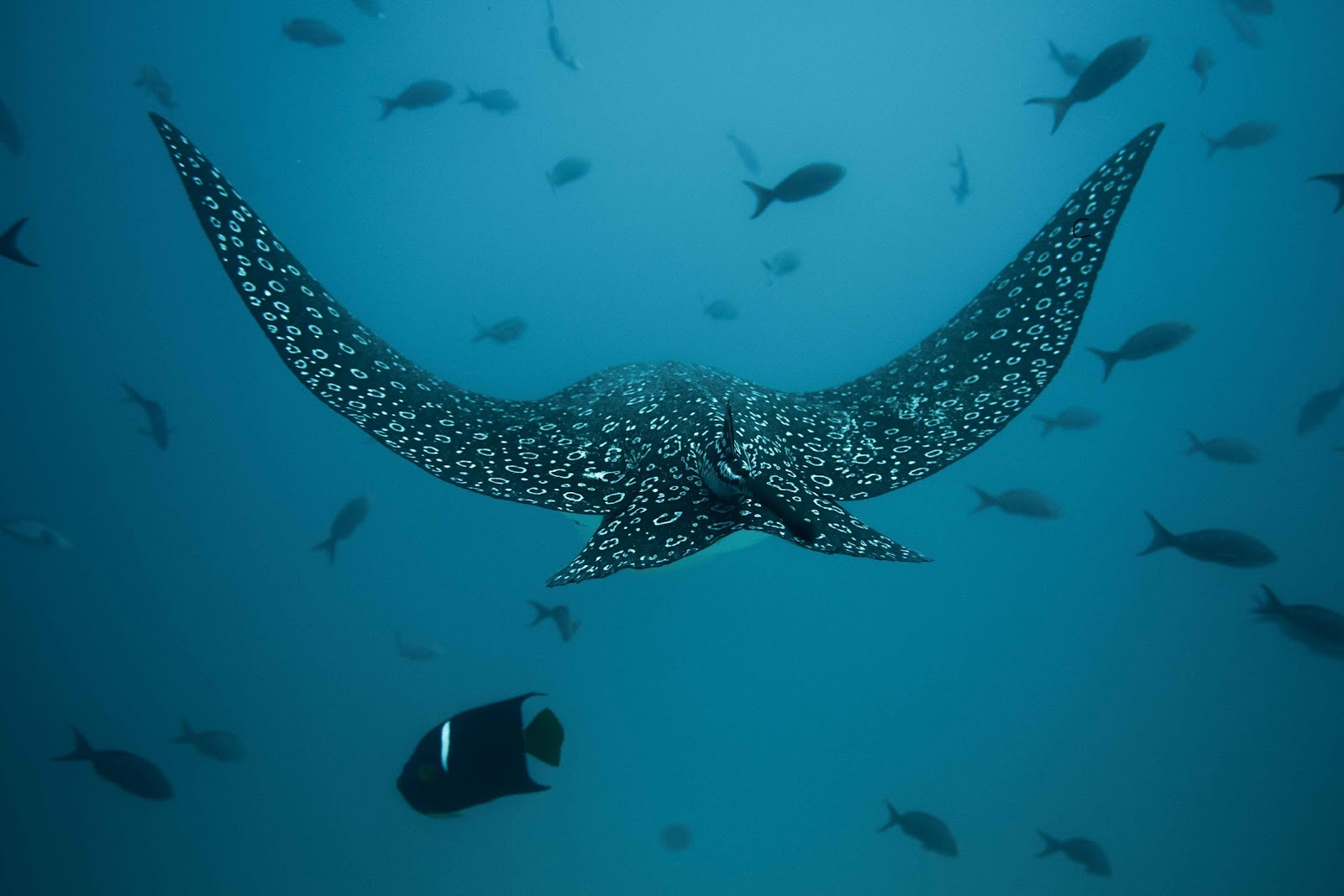
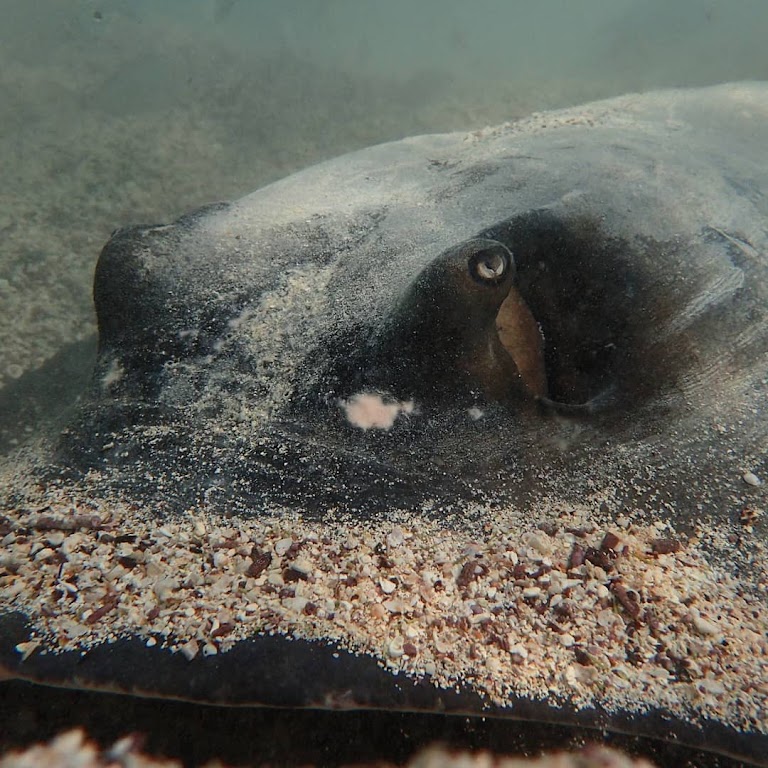
A diversity of rays, including eagle rays, golden rays, and occasionally manta rays during the hot season, glide gracefully through the water column. Playful sea lions frequently interact with divers in shallower sections.
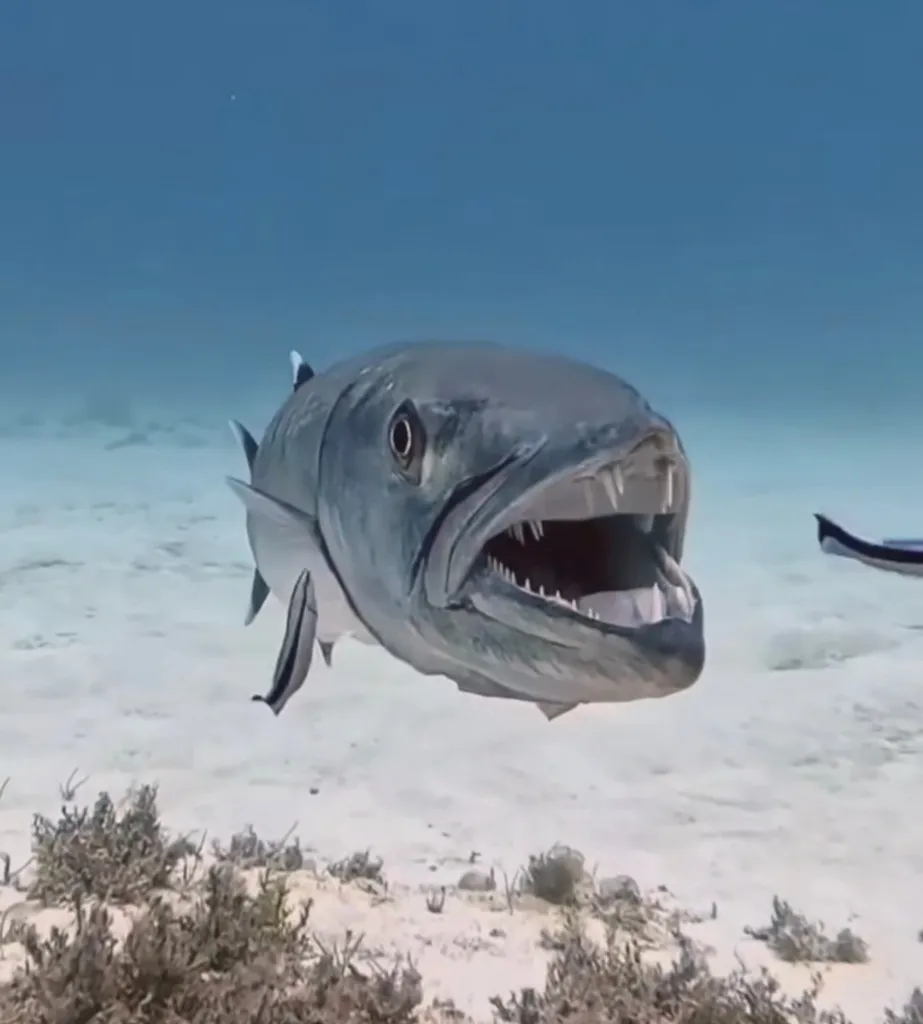
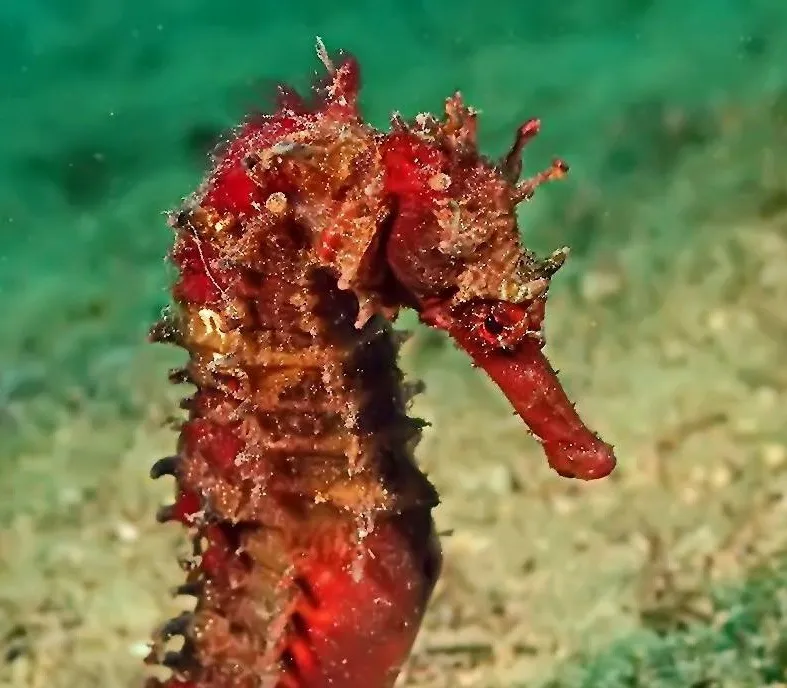
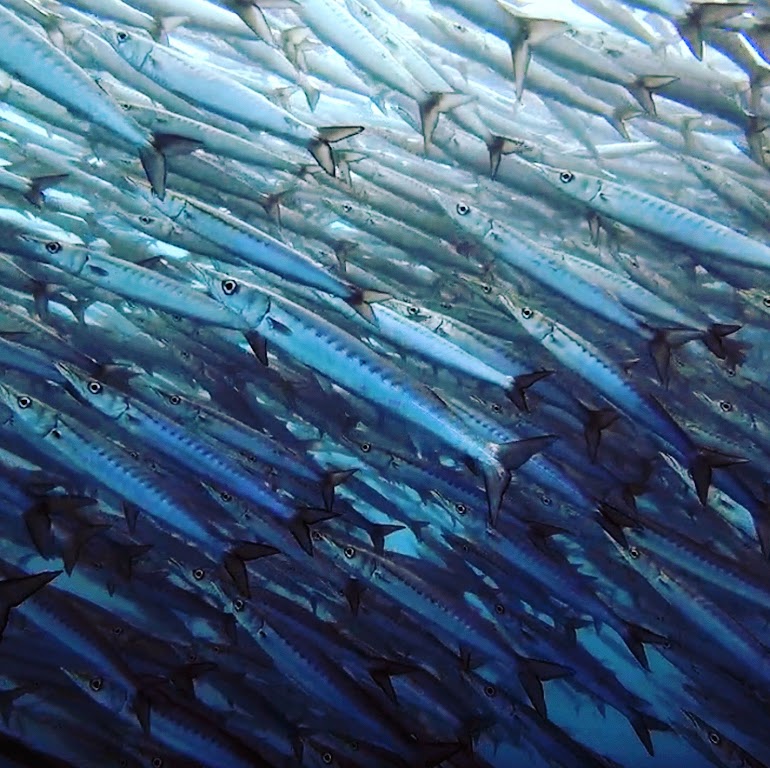
Schools of salemas, barracudas, and various reef fishes populate the coral formations. Macro life, such as seahorses, Galapagos blennies, and blueband gobies, can be spotted along the black coral walls and among the sponges, adding to the rich biodiversity.
Dive Sites Near Daphne
View all dive sites in EcuadorDiscover more underwater gems in this area.
Dive Centers Near Daphne

Today: 08:00 - 12:00 • 13:00 - 19:00
Nearest Airports
Nearest airports to help plan travel to this dive area.
Search Flights
Check available flights and routes on Expedia, using the nearby airports listed in this section.
Search Flights on ExpediaFrequently Asked Questions
What is the typical maximum depth for diving at Daphne?
Diving at Daphne generally reaches a maximum depth of 18 meters (59 feet). This makes it suitable for recreational divers holding appropriate certifications.
Are the currents strong at Daphne?
Currents at Daphne range from moderate to strong, varying with conditions. Divers should be comfortable with drift diving and managing variable water movement.
What marine life can I expect to see?
You can anticipate seeing Galápagos sharks, white-tipped reef sharks, and various rays like eagle rays. Schooling fish, turtles, sea lions, and black coral walls with diverse invertebrates are also common sightings.
Is Daphne suitable for beginner divers?
Daphne is considered suitable for divers with an Easy to Intermediate difficulty level. Open Water Divers are welcome, but comfort with currents is beneficial.
What is the best time of year to dive at Daphne?
Good to excellent conditions are available almost year-round. The 'hot season' (typically February-April) may increase chances of seeing manta rays, though rainfall is slightly higher during this period.
Is the cave at Daphne suitable for cave diving?
No, the small cave at Daphne is explicitly stated as NOT a cave dive. It serves as a resting area for marine life, but it's not for penetration.
Planning to dive Daphne?
Send one inquiry and receive offers directly from the best verified local dive operators.
Conditions are Good
Optimal conditions expected
Current conditions near Daphne show 27° air, 27° sea temperature, 0.5 m waves, and 32 km/h wind. Forecast data is refreshed regularly to ensure accuracy.