
Diving at North Seymour Island (Ecuador)
Divers considering North Seymour Island will encounter diverse underwater conditions, suitable for Open Water certified individuals with some experience navigating currents. While some areas, like sections of Seymour Channel, can be relatively straightforward, other sites or stronger conditions may present more challenging flows. It's a location that balances accessibility with the potential for more dynamic diving scenarios, making it appealing to a range of certified divers.
As evening covers North Seymour Island, the local air temperature is measured at 26°C. The current wave height at the surface is recorded at 0.6 m. These late-day readings characterize the surface conditions for the night.
Dive Site Location & Key Facts
Dive Site Overview
North Seymour Island, along with its counterpart South Seymour (Baltra), draws its name from Admiral Lord Hugh Seymour, a figure from the late 18th-century British Royal Navy. This site is a foundational component of many Galapagos dive itineraries, frequently combined with excursions to nearby Mosquera Islet or Daphne Island, making for a comprehensive day of diving.
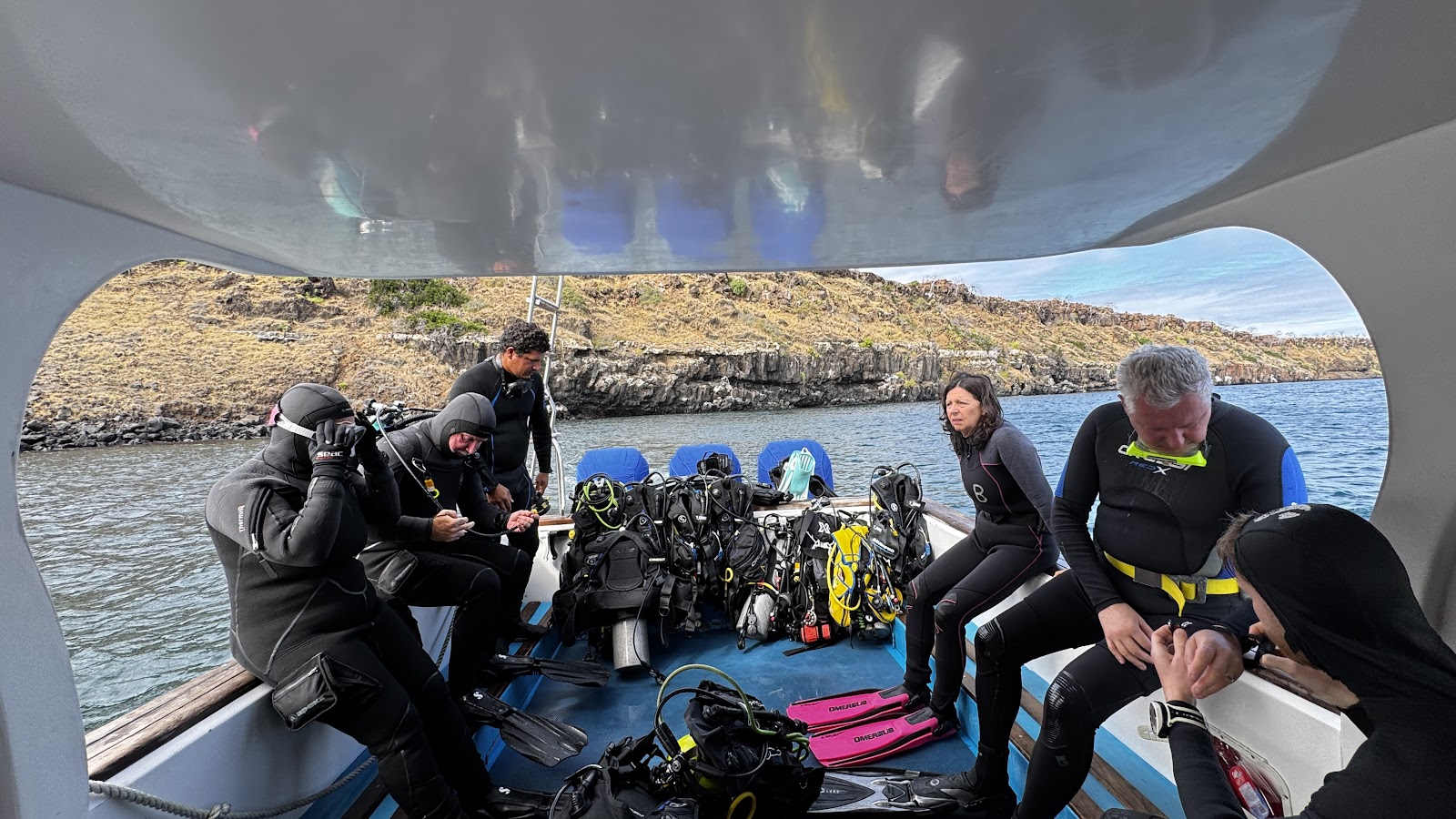
Operations typically involve boat entries, with individual dives lasting between 50-60 minutes underwater, and dive plans commonly recommend a 45-minute surface interval between two consecutive dives. Depths at North Seymour Island range from approximately 18-30 meters / 60-100 ft, revealing expansive platform reefs, dramatic wall sections, and quieter sandy bottoms.
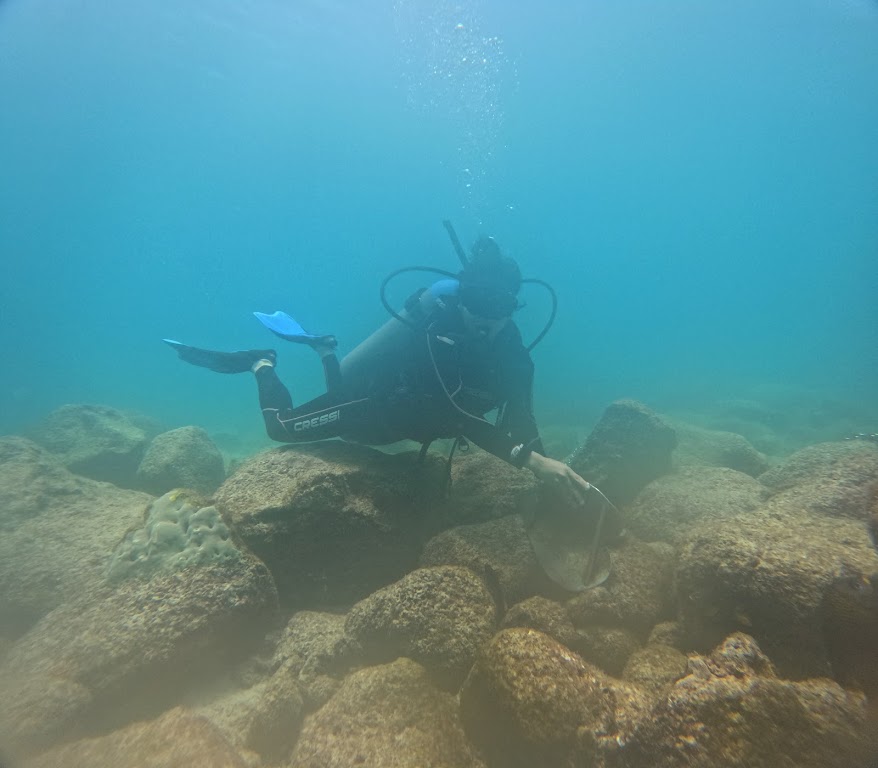
This location is characterized by a dynamic underwater environment where divers explore diverse habitats. These range from shallow reef ecosystems teeming with smaller life to deeper sandy areas where larger pelagics often congregate, navigating conditions that can feature anything from mild to notably strong currents.
Conditions are Good
Optimal conditions expected
Current conditions near North Seymour Island show 26° air, 27° sea temperature, 0.6 m waves, and 36 km/h wind. Forecast data is refreshed regularly to ensure accuracy.
Best Time to Dive
Divers seeking comfortable conditions and clear visibility should consider visiting during the warmer season from January to May. Water temperatures during this period average a pleasant 20-26°C / 68-78.8°F, complemented by air temperatures generally ranging from 22-31°C / 72-88°F. Rainfall is moderate, with March seeing the highest average at 3.66 mm, but it typically doesn't impact dive conditions significantly. This season often brings calmer seas, which can contribute to better visibility, typically 10-15 meters. The cooler season, from June to December, sees water temperatures drop to 16-20°C / 60.8-68°F and air temperatures around 19-29°C / 66-84°F. While potentially bringing more nutrient-rich waters that attract larger pelagics, this period can also be characterized by stronger currents and consistently minimal rainfall, as low as 0.01 mm in August.
PEAK SEASON SCORE
Scores combine air & water temps, waves, wind & rainfall for overall conditions.
BEST MONTHS TO DIVE
Monthly records compiled from satellite and marine observation nodes over the last 3 years. Data provided by Open-Meteo and MET Norway.
Dive Experience & Conditions
Approaching North Seymour Island dives, you'll typically enter from a boat, transitioning into specific sites like Seymour Channel or Seymour Point. Seymour Channel is generally considered accessible for most certified divers, although strong currents can sometimes occur, requiring attention. Dive profiles often range, with deeper areas extending to around 30 meters, while shallower sandy expanses appear near 10 meters. Seymour Point presents a slightly more challenging environment, characterized by rocky bottoms and small caves often found around 12 meters. Visibility in these areas typically ranges from 10-15 meters. Divers should expect medium-strong currents, particularly in areas like Mosquera, and these conditions are also common at North Seymour, making some experience with drift diving beneficial for a more comfortable dive.
Dive Difficulty & Safety Guidelines
Diving North Seymour Island requires at least an Open Water certification. Due to the potential for medium-strong currents, especially at sites like Seymour Point and Mosquera, divers should have some experience managing drift. Always adhere to your dive guide's instructions, particularly concerning current management and bottom time.
Depths can reach up to 30 meters, necessitating appropriate training for deeper dives if planned. Maintaining situational awareness is crucial, especially when positioning near cleaning stations or in areas with high shark activity.
Carry essential personal equipment such as a dive computer, and consider a dive flashlight for exploring any small caves or crevices, as light can vary. Always check your gear thoroughly before entry, ensuring your full tank (200 Bar / 3000 PSI) is secured.
Recommended Equipment
Current and surface separation risk. Local briefing strongly recommended.
- Dive Computer
- DSMB
- Reel / Spool
This gear list is based on verified equipment signals for North Seymour Island, Ecuador. Always confirm final gear choices with your dive operator, guide, or liveaboard.
Recommended Dive Suit
Divers visiting North Seymour Island today can expect water conditions around 27°C (80°F). Surface air temperatures are resting at 26°C (79°F).
2-3mm shorty or light wetsuit generally offers enough warmth for most dives under these conditions. Consider warmer surface protection (like a boat coat) due to brisk winds.
Forecast conditions over the next few days suggest temperatures will remain relatively stable.
Emergency & Medical Support
Essential information to help you plan your dive trip to North Seymour Island.

Hyperbaric chambers are a critical part of dive safety infrastructure. Availability varies significantly by region, and not all dive areas have immediate access.
Before diving, it's recommended to:
- confirm nearest medical facilities
- check emergency procedures with local dive operators
- ensure dive insurance covers evacuation if required
Divers Alert Network
Diving emergency assistance available through DAN World.
+1-919-684-9111- 24/7 emergency hotline
- Diving medical assistance
- Evacuation coordination
Emergency contacts are provided for reference. Always verify local emergency services before diving.
Marine Life at North Seymour Island
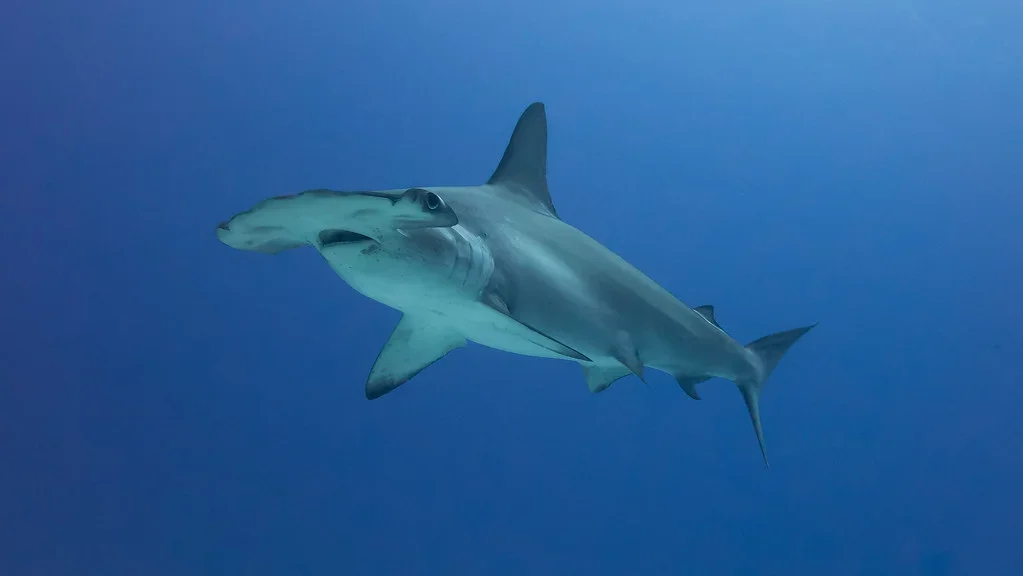
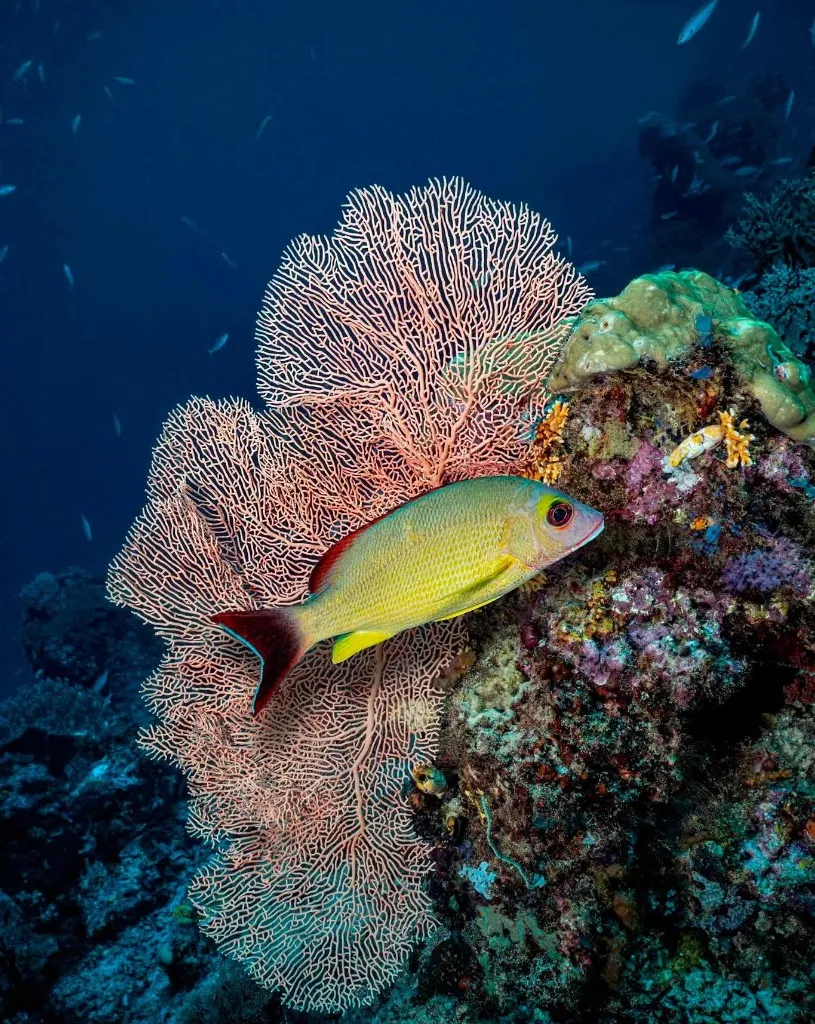
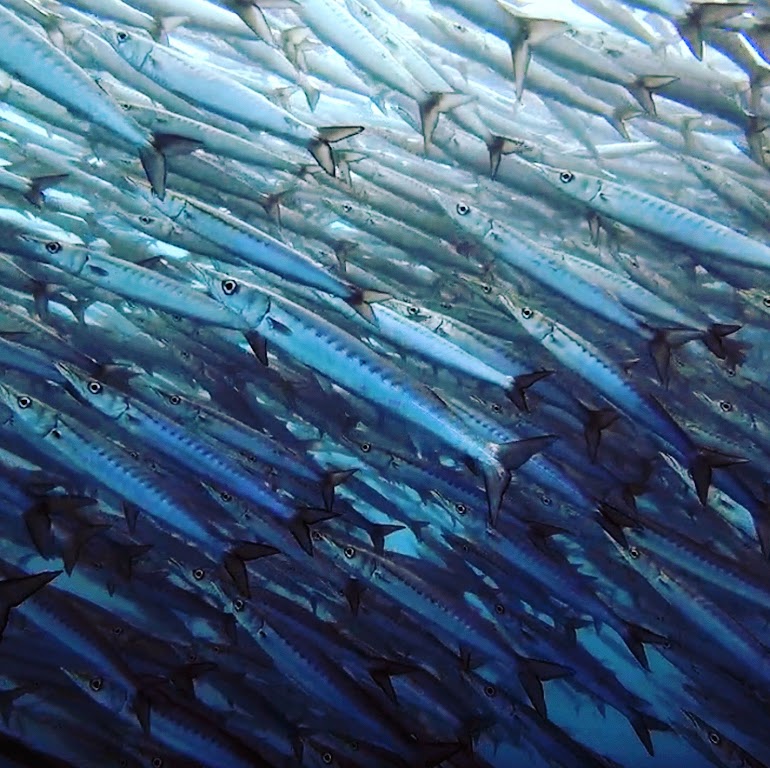
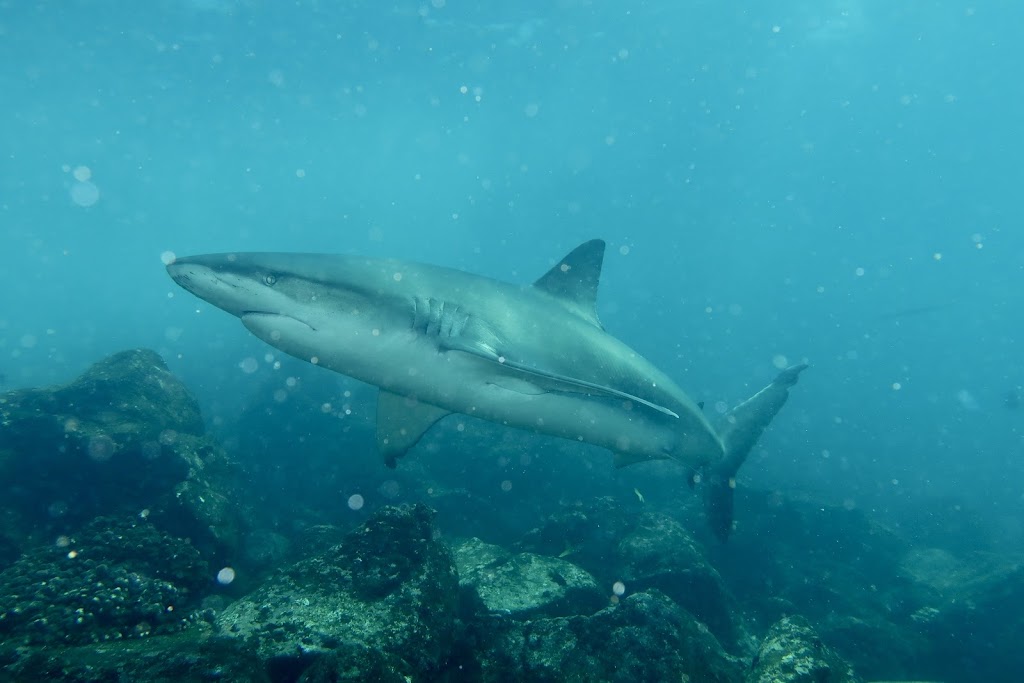
North Seymour is known for encounters with white-tip sharks, often seen congregating in large numbers at cleaning stations or resting on sandy bottoms. You might also spot schools of hammerhead sharks, sea turtles, barracudas, and various fish species such as snappers.
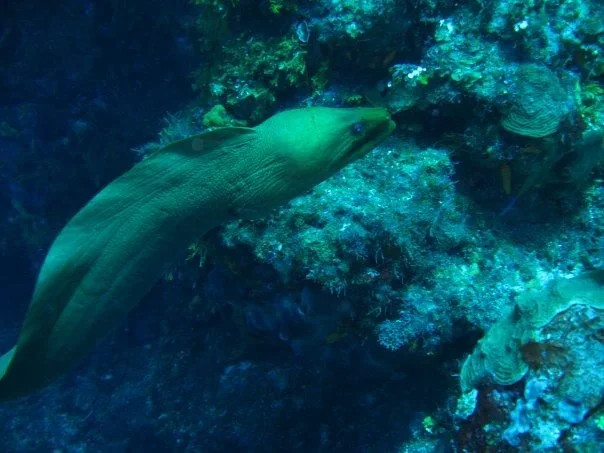
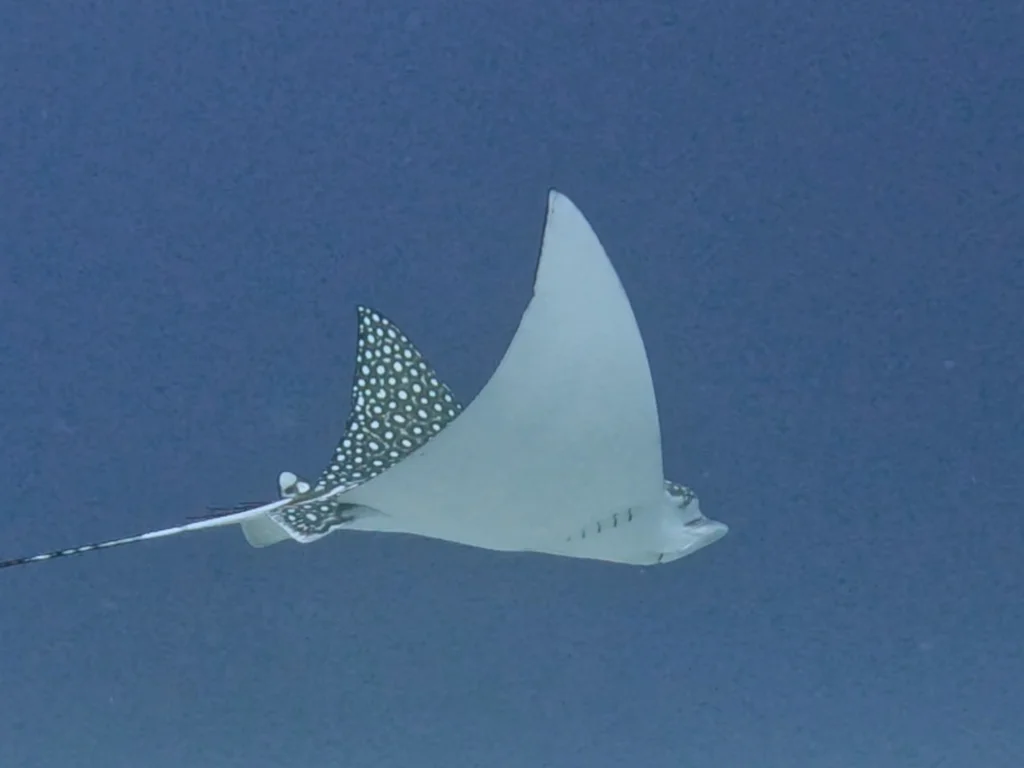
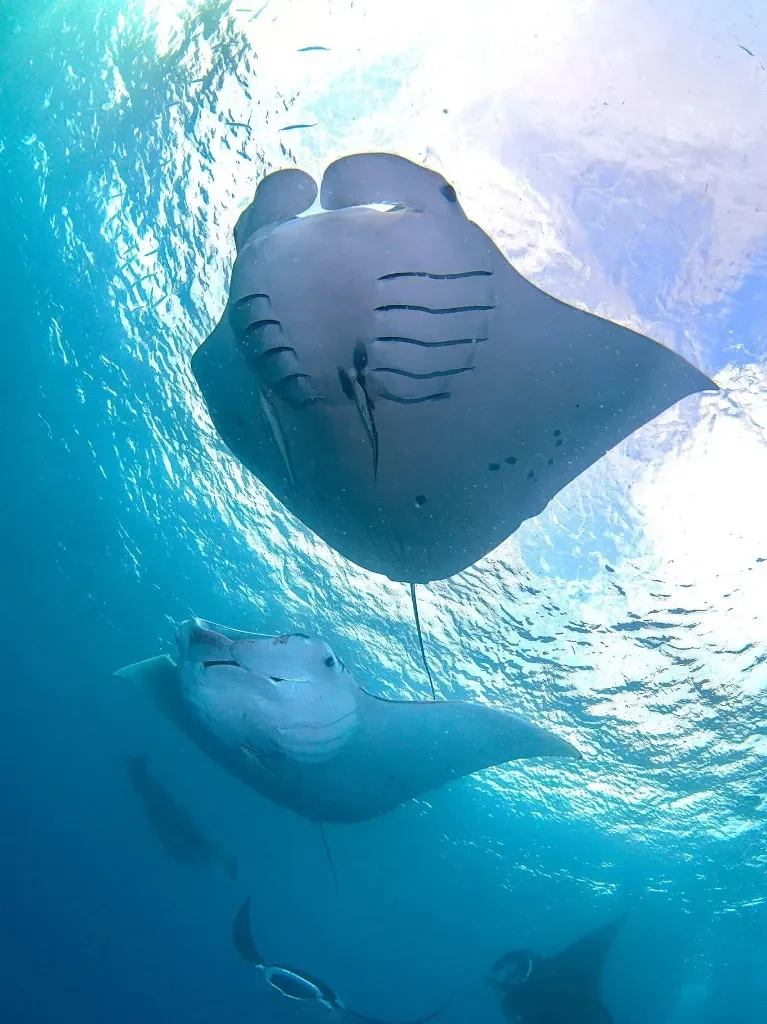
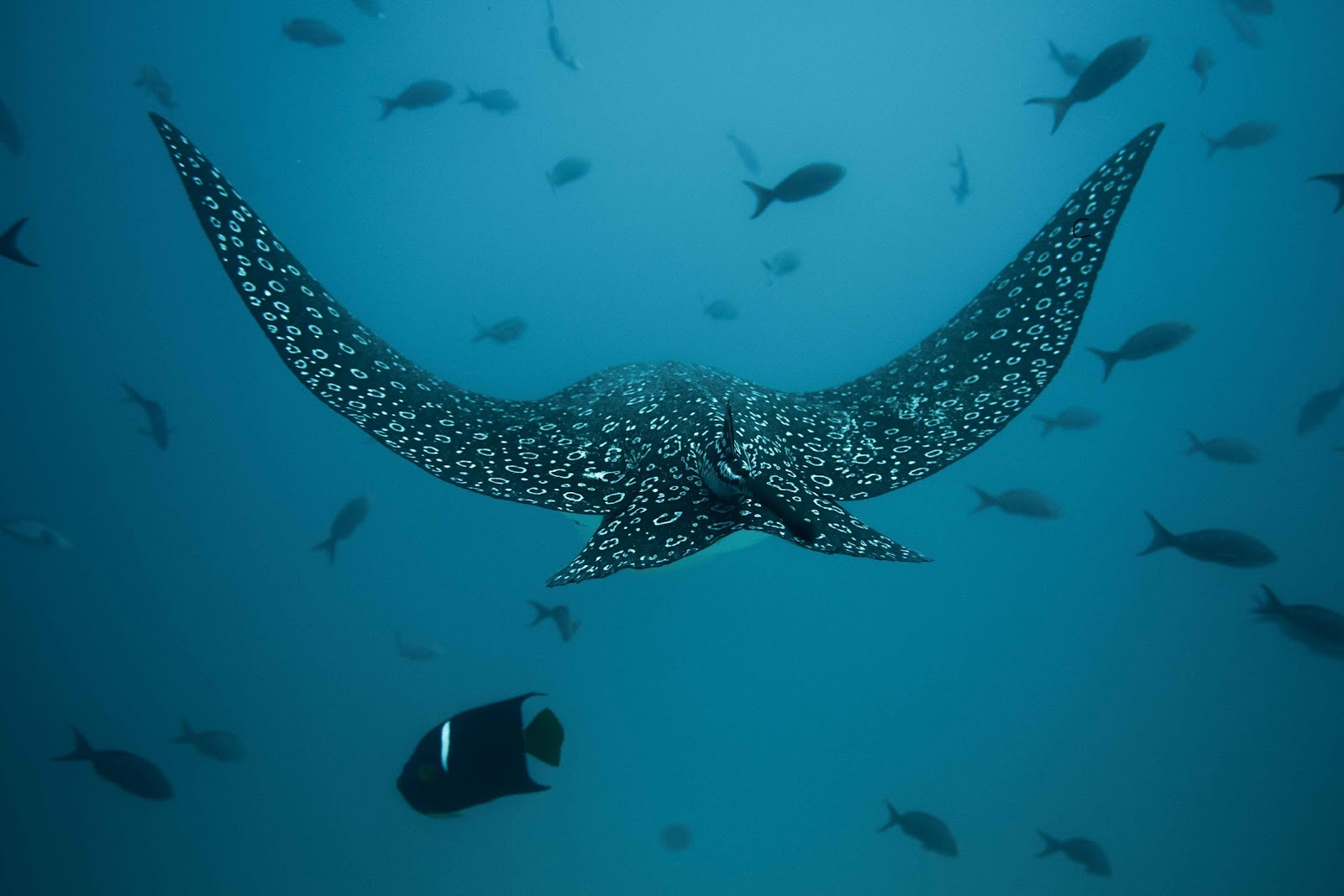
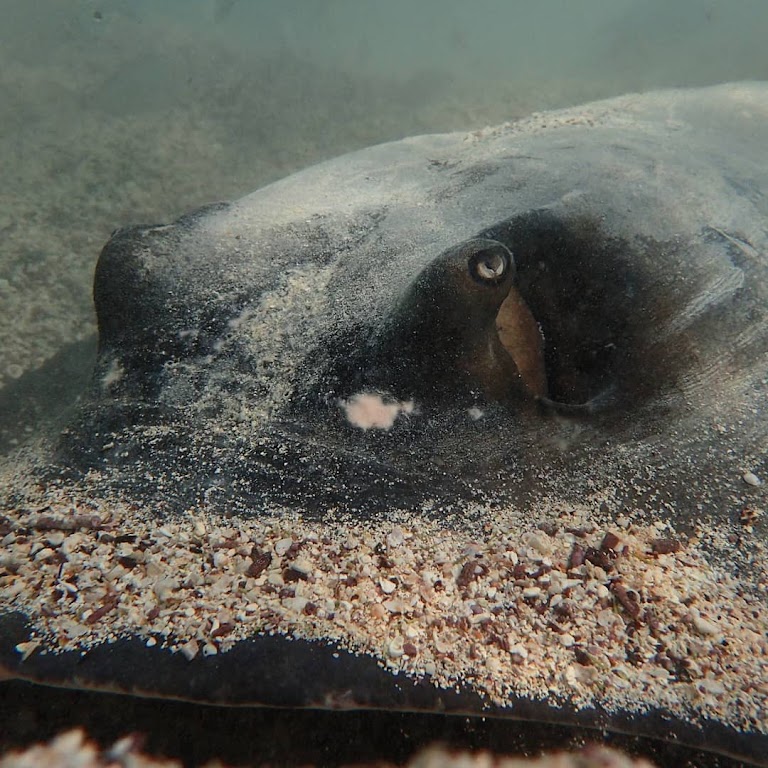
Rays are another common sight, with devil rays and manta rays occasionally gliding by, alongside spotted eagle rays and golden cownose rays, especially near Mosquera. The diverse reef and sandy bottom habitats support a variety of smaller creatures too, including moray eels and pufferfish.
Dive Sites Near North Seymour Island
View all dive sites in EcuadorDiscover more underwater gems in this area.
Dive Centers Near North Seymour Island
Today: 08:00 - 12:00 • 13:00 - 19:00
Nearest Airports
Nearest airports to help plan travel to this dive area.
Search Flights
Check available flights and routes on Expedia, using the nearby airports listed in this section.
Search Flights on ExpediaFrequently Asked Questions
What dive certification level is required for North Seymour Island?
You need at least an Open Water certification to dive at North Seymour Island. Some experience with currents is also highly recommended due to variable conditions at certain sites.
What are the typical dive depths at North Seymour Island?
Dives usually range from 18 to 30 meters in North Seymour. Some specific reef areas, particularly those with sandy bottoms, can be as shallow as 10 meters.
How long do dives usually last?
Standard dives at North Seymour Island typically last between 45-60 minutes, depending on air consumption and the dive plan. A surface interval of 45 minutes is common between two dives.
What marine life can I expect to see?
Divers frequently encounter white-tip reef sharks, sea turtles, barracudas, and sometimes schools of hammerhead sharks. You may also spot various rays, snappers, and other reef fish.
Are there strong currents at North Seymour Island?
Currents can vary from moderate to strong, especially at sites like Seymour Point and the Channel. Divers should be prepared for drift diving conditions.
What is the water temperature like?
Water temperatures fluctuate, ranging from 20-26°C / 68-78.8°F during the warmer months (Jan-May) and dropping to 16-20°C / 60.8-68°F in the cooler season (Jun-Dec).
Is North Seymour Island suitable for beginner divers?
Seymour Channel is often considered suitable for all levels, but the potential for strong currents means that beginners should ideally have some experience with drift diving or be accompanied by an experienced guide. Seymour Point is noted as being more difficult.
Is North Seymour Island typically dived alone or combined with other sites?
It's common for dive tours to North Seymour Island to be combined with a visit to nearby Mosquera Islet or Daphne Island, offering a full day of diving and exploration.
Planning to dive North Seymour Island?
Send one inquiry and receive offers directly from the best verified local dive operators.
Conditions are Good
Optimal conditions expected
Current conditions near North Seymour Island show 26° air, 27° sea temperature, 0.6 m waves, and 36 km/h wind. Forecast data is refreshed regularly to ensure accuracy.